
How Mental Illness Can Impact Your Child's Brain Development

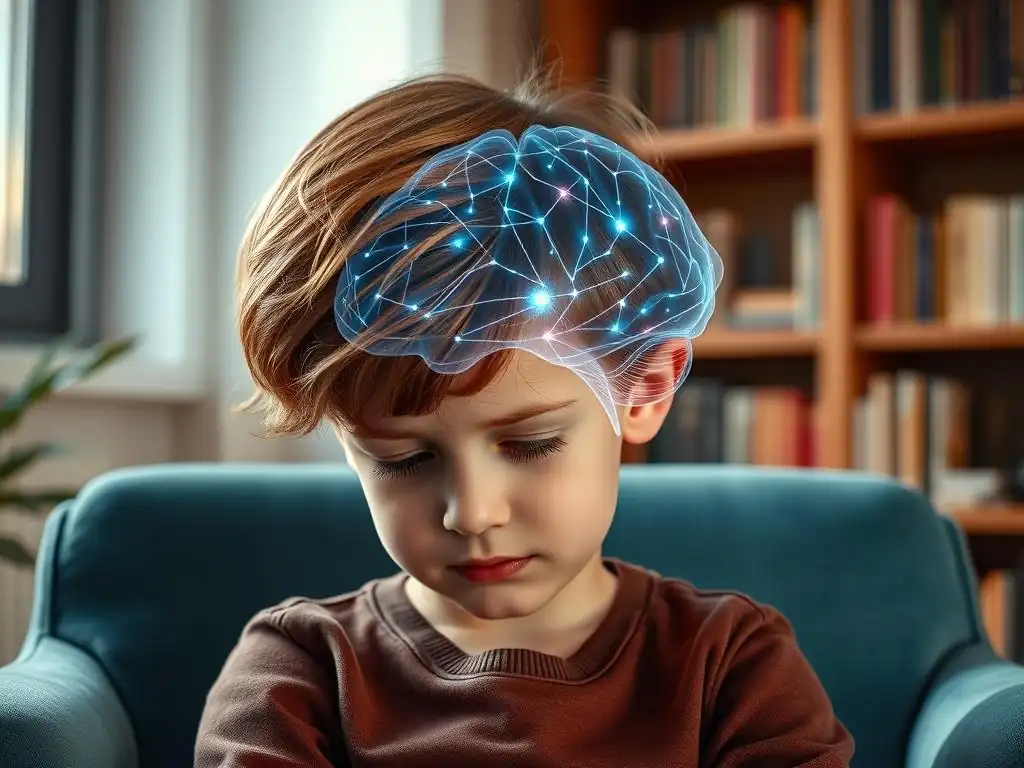
Welcome to Mind Care Guide.
Are you concerned about your child's mental well-being and its potential impact on their developing brain? It's a worry many parents share. This guide explores the intricate connection between childhood brain development and mental illness. Understanding this link is the first step towards providing the best possible support for your child. So, what happens when mental health challenges intersect with those crucial formative years? Let's delve in and uncover the answers together...
How Mental Illness Can Impact Your Child's Brain Development: A Mind Care Guide
- Understanding the Interplay: Childhood Mental Health and Brain Development
- The Impact of Specific Mental Illnesses on Child Brain Development
- Long-Term Consequences of Untreated Mental Illness on Brain Development
- Supporting Healthy Brain Development in Children with Mental Illness
- Resources and Support for Families
-
Frequently Asked Questions
- How does mental illness in childhood affect brain development?
- What specific mental illnesses are most likely to interfere with a child's brain development?
- Are there any early signs that a child's mental health might be impacting their brain development?
- What kind of interventions or treatments can help mitigate the negative impacts of mental illness on a child's brain?
- Where can parents find reliable resources and support for children struggling with mental illness and its impact on brain development?
- Final Reflection: Shaping Young Minds: The Lasting Impact of Mental Illness
- Unlock Your Child's Potential: Nurturing Brain Development
Understanding the Interplay: Childhood Mental Health and Brain Development
The Critical Period: Early Childhood Brain Development Explained
The early years of a child's life represent a period of explosive brain growth and development, fundamentally shaping cognitive, emotional, and social capabilities. From birth to roughly age five, the brain undergoes rapid changes, including the formation of trillions of neural connections through a process called synaptogenesis. This period is highly sensitive to environmental influences, both positive and negative. Experiences, relationships, and overall well-being directly impact how these neural circuits are built and refined, laying the foundation for future learning and behavior.
During this critical window, different brain regions mature at varying rates. The limbic system, responsible for emotions and memory (including the amygdala and hippocampus), develops relatively early, while the prefrontal cortex, crucial for executive functions like planning, decision-making, and impulse control, matures much later, extending into early adulthood. Disruptions during this formative time, such as those caused by childhood brain development mental illness, can significantly alter the trajectory of these developmental processes, potentially leading to long-lasting effects on brain structure and function.
Defining Mental Illness in Children: Recognizing the Signs and Symptoms
Defining mental illness in children can be complex, as typical childhood behaviors can sometimes overlap with symptoms of disorders. Unlike adults, children may struggle to articulate their feelings, and symptoms often manifest as changes in behavior, academic performance, or physical complaints. Mental illnesses in children are serious medical conditions that cause significant changes in the way children learn, behave, or handle their emotions, causing distress and difficulty in daily life. Common conditions include anxiety disorders, depression, Attention-Deficit/Hyperactivity Disorder (ADHD), and trauma-related disorders.
Recognizing the signs early is paramount for supporting healthy childhood brain development mental illness is impacting. These signs can vary widely depending on the specific disorder but may include persistent sadness or irritability, intense worry or fear that interferes with activities, extreme difficulty focusing or staying still, significant changes in sleep or appetite, withdrawal from social interactions, or aggressive outbursts. Parents and caregivers play a crucial role in observing these changes and seeking professional evaluation, as timely diagnosis and intervention are key to mitigating the impact on the developing brain.
The Impact of Specific Mental Illnesses on Child Brain Development

Anxiety Disorders and Their Effects on a Child's Developing Brain
Anxiety disorders are among the most common mental health conditions affecting children. While some worry is normal, persistent and excessive anxiety can have a tangible impact on the developing brain. Chronic stress and anxiety can trigger a sustained activation of the body's stress response system, leading to elevated levels of hormones like cortisol. Prolonged exposure to high cortisol levels during critical developmental periods is associated with changes in brain structure, particularly in areas involved in emotional regulation and memory.
Research indicates that children with chronic anxiety may show differences in the size and activity of the amygdala, the brain's fear center. An overactive amygdala can lead to a heightened state of alert, making the child more reactive to perceived threats. Furthermore, studies suggest potential impacts on the hippocampus, a region vital for learning and memory, and the prefrontal cortex, affecting executive functions. These alterations underscore how childhood brain development mental illness like anxiety can literally reshape neural pathways.
How Chronic Anxiety Reshapes Neural Pathways in Children
Chronic anxiety in childhood can lead to a strengthening of neural pathways associated with fear and threat detection, while potentially weakening those involved in calming and rational processing. This can create a feedback loop where the child becomes increasingly prone to anxious responses. Imagine the brain as a network of roads; chronic anxiety might build superhighways for worry signals while leaving the roads for calm responses less developed.
Specifically, the constant state of alert can impact connectivity between the amygdala and the prefrontal cortex. Ideally, the prefrontal cortex helps regulate and temper the amygdala's fear response. However, in children with chronic anxiety, this regulatory pathway may be less effective, leading to difficulties in managing worries and fears. This altered connectivity highlights the intricate ways childhood brain development mental illness affects the brain's functional architecture.
Strategies for Mitigating the Impact of Anxiety on Brain Development
Fortunately, the child's brain exhibits remarkable plasticity, meaning it can change and adapt in response to experiences and interventions. Effective strategies for mitigating the impact of anxiety focus on teaching coping skills and reducing the physiological stress response. Cognitive Behavioral Therapy (CBT), for example, helps children identify and challenge anxious thoughts, while exposure therapy, conducted safely with a therapist, helps desensitize them to feared situations.
Creating a predictable and supportive environment at home and school is also vital. Consistent routines, positive reinforcement, and teaching relaxation techniques (like deep breathing) can help calm the nervous system and promote healthier brain function. These interventions not only alleviate symptoms but actively support the development of more resilient neural pathways, demonstrating that proactive steps can positively influence childhood brain development mental illness is affecting.
Depression and Its Influence on Cognitive Development in Children
Childhood depression is a serious mood disorder that can significantly interfere with a child's daily life and development. While once thought to be rare, it's now understood that depression can affect children at young ages, impacting their emotional state, behavior, and cognitive abilities. The pervasive sadness, loss of interest, and low energy associated with depression can disrupt a child's engagement with their environment, which is crucial for cognitive growth.
Depression in children has been linked to alterations in brain structure and function, particularly in areas involved in mood regulation, motivation, and cognitive processing. These changes can contribute to difficulties with concentration, memory, and problem-solving, directly affecting academic performance and learning. The impact of childhood brain development mental illness like depression extends beyond mood, influencing the very mechanisms underlying cognitive function.
The Link Between Childhood Depression and Changes in Brain Structure
Neuroimaging studies have provided insights into how depression might alter the developing brain. Some research suggests that children with depression may show reduced volume in certain brain regions, such as the hippocampus, which is critical for memory formation and stress regulation. There can also be changes in the size and activity of the amygdala, similar to anxiety, contributing to heightened emotional reactivity.
Furthermore, depression can affect the development and function of the prefrontal cortex, impacting executive functions. This can manifest as difficulties with planning, organization, and decision-making. Altered connectivity between these different brain regions is also observed, potentially disrupting the complex networks that support emotional and cognitive processes. Understanding these structural and functional changes is key to appreciating the profound impact of childhood brain development mental illness on the developing mind.
Addressing Depression to Support Healthy Brain Growth
Addressing childhood depression is critical not only for improving a child's current well-being but also for supporting healthy long-term brain development. Effective treatments typically involve psychotherapy, often CBT or interpersonal therapy, which helps children understand and manage their emotions and behaviors. For moderate to severe cases, medication, such as selective serotonin reuptake inhibitors (SSRIs), may be considered alongside therapy under careful medical supervision.
Creating a supportive and engaging environment is also crucial. Encouraging participation in enjoyable activities, ensuring adequate sleep and nutrition, and providing consistent emotional support can all contribute to a child's recovery and foster positive brain changes. Early intervention and consistent treatment are essential to mitigate the potential long-term effects of depression on childhood brain development mental illness is influencing.
ADHD and the Challenges to Executive Function Development
Attention-Deficit/Hyperactivity Disorder (ADHD) is a neurodevelopmental disorder characterized by persistent patterns of inattention and/or hyperactivity-impulsivity that interfere with functioning or development. ADHD is fundamentally a disorder of executive functions, the set of mental skills that help you get things done, including working memory, flexible thinking, and self-control. These functions are primarily governed by the prefrontal cortex, a brain region that is still developing rapidly throughout childhood and adolescence.
Children with ADHD often exhibit delays or differences in the maturation and functioning of the prefrontal cortex and its connections to other brain areas, particularly those involved in attention and reward pathways. This impacts their ability to regulate attention, control impulses, and manage their behavior effectively. Understanding the neurological underpinnings is vital for recognizing how childhood brain development mental illness like ADHD presents challenges related to executive function.
Understanding the Neurological Basis of ADHD in Children
Research consistently points to differences in brain structure and activity in children with ADHD compared to their peers without the condition. Studies using MRI have shown that certain brain regions, including the prefrontal cortex, basal ganglia, and cerebellum, may be slightly smaller or mature more slowly in children with ADHD. These areas are critical for attention, impulse control, movement, and executive functions.
Furthermore, differences in neurotransmitter activity, particularly dopamine and norepinephrine, are thought to play a significant role. These chemicals are essential for regulating attention, motivation, and reward processing. The altered balance or function of these neurotransmitters affects communication between brain cells and contributes to the core symptoms of ADHD. These neurological differences highlight the biological basis of childhood brain development mental illness like ADHD.
Interventions to Improve Focus and Attention in Children with ADHD
While ADHD is a chronic condition, interventions can significantly improve symptoms and support the development of executive functions. Behavioral therapy is often the first line of treatment, teaching children organizational skills, time management, and strategies for managing impulses. Parent training in behavior management is also highly effective, providing parents with tools to support their child.
Medication, particularly stimulants, is often used in conjunction with behavioral therapy and can be very effective in managing core symptoms by affecting neurotransmitter levels. These medications do not cure ADHD but help regulate brain activity to improve focus and impulse control. Educational support, such as classroom accommodations, is also crucial. These combined approaches aim to help children with ADHD navigate learning and social environments more successfully, indirectly supporting the ongoing maturation of brain functions impacted by childhood brain development mental illness.
Trauma and Its Profound Effects on a Child's Developing Brain
Exposure to traumatic experiences, such as abuse, neglect, violence, or natural disasters, can have profound and lasting effects on a child's developing brain. During times of extreme stress, the body's stress response system goes into overdrive, flooding the brain with stress hormones. Unlike typical stress responses, chronic or overwhelming trauma can alter the structure and function of brain areas involved in fear, memory, and stress regulation.
The impact of trauma on childhood brain development mental illness like PTSD or attachment disorders is particularly significant during early, sensitive periods. The brain adapts to a state of hypervigilance, becoming wired to detect threats, even when none are present. This can disrupt normal emotional processing, cognitive function, and social development, leading to complex challenges that persist well into adulthood if left unaddressed.
The Neuroscience of Trauma: How Adverse Experiences Impact Brain Development
Trauma can significantly impact key brain structures. The amygdala may become hyperactive, leading to an exaggerated fear response. Conversely, the hippocampus, vital for forming and retrieving memories and distinguishing between past and present dangers, may show reduced volume or impaired function. This can lead to difficulties processing traumatic memories and distinguishing safe situations from dangerous ones.
The prefrontal cortex, responsible for executive functions and regulating emotions, can also be affected. Trauma can impede the development of effective connections between the prefrontal cortex and the amygdala, making it harder for the child to manage intense emotions and impulses. This altered brain architecture demonstrates how adverse experiences are deeply intertwined with childhood brain development mental illness, fundamentally changing how the brain processes information and responds to the world.
Trauma-Informed Care and Promoting Brain Healing
Fortunately, the brain's plasticity offers hope for healing. Trauma-informed care approaches recognize the widespread impact of trauma and emphasize physical, psychological, and emotional safety. Therapies specifically designed for children who have experienced trauma, such as Trauma-Focused Cognitive Behavioral Therapy (TF-CBT) or Eye Movement Desensitization and Reprocessing (EMDR), help children process traumatic memories in a safe environment and develop coping skills.
Building stable, nurturing relationships is also paramount, as positive interactions can help buffer the effects of trauma and promote healthier brain development. Creating safe, predictable environments at home and school supports the child's nervous system in moving out of a constant state of alert. These interventions aim to re-regulate the stress response system and foster the development of healthier neural pathways, illustrating that even after significant adversity, therapeutic support can promote healing in childhood brain development mental illness impacted by trauma.
Long-Term Consequences of Untreated Mental Illness on Brain Development
Untreated mental illness during childhood can have cascading effects, not only on the developing brain but also on a child's overall trajectory in life. The alterations in brain structure and function established during these formative years can contribute to a range of challenges that persist well into adolescence and adulthood. The long-term consequences highlight the critical importance of early identification and intervention when childhood brain development mental illness is present.
Ignoring mental health issues in childhood means that the brain continues to develop under adverse conditions. Neural pathways associated with maladaptive responses may become more entrenched, while those supporting healthy emotional regulation, cognitive function, and social skills may remain underdeveloped. This can create significant hurdles in multiple areas of life, impacting educational attainment, social relationships, and overall well-being.
Cognitive Impairments and Learning Difficulties
One of the significant long-term consequences is the emergence of cognitive impairments and learning difficulties. Mental illnesses like depression, anxiety, and ADHD directly impact brain regions essential for attention, memory, processing speed, and executive functions. When these conditions are left untreated, the ongoing disruption to neurodevelopment can lead to persistent challenges in academic settings.
For example, a child with untreated anxiety might struggle with working memory due to constant worry, while a child with untreated depression may experience difficulties with concentration and motivation. ADHD, without proper support, can lead to chronic challenges with organization, planning, and task completion. These cognitive hurdles can lead to lower academic achievement, difficulties with problem-solving, and reduced opportunities for educational and professional advancement, all stemming from the impact of childhood brain development mental illness.
Untreated mental illness also profoundly affects a child's social and emotional development. Mental health conditions can impair a child's ability to understand and manage their own emotions, interpret social cues, build healthy relationships, and navigate social situations. This can lead to social isolation, peer rejection, and difficulties forming meaningful connections.
A child struggling with severe social anxiety might avoid peer interactions altogether, missing out on crucial social learning experiences. A child with significant emotional dysregulation due to trauma or depression may exhibit challenging behaviors that strain relationships with family and peers. These ongoing social and emotional difficulties can hinder the development of essential interpersonal skills needed for successful functioning in adulthood, illustrating how childhood brain development mental illness impacts foundational social capabilities.
Increased Risk of Future Mental Health Issues
Perhaps one of the most concerning long-term consequences is the increased risk of developing more severe or chronic mental health issues later in life. Childhood mental health conditions are often precursors to adult mental disorders. Untreated issues create vulnerabilities in the brain and coping mechanisms that make an individual more susceptible to future psychological distress.
For instance, childhood anxiety disorders significantly increase the risk of developing anxiety or depression in adulthood. Early-onset depression often predicts recurrent depressive episodes later in life. Untreated ADHD can persist into adulthood, leading to ongoing challenges with executive function and increasing the risk of co-occurring conditions like substance use disorders or mood disorders. Addressing childhood brain development mental illness early is therefore not just about improving current well-being, but also about building resilience against future mental health challenges.
Supporting Healthy Brain Development in Children with Mental Illness
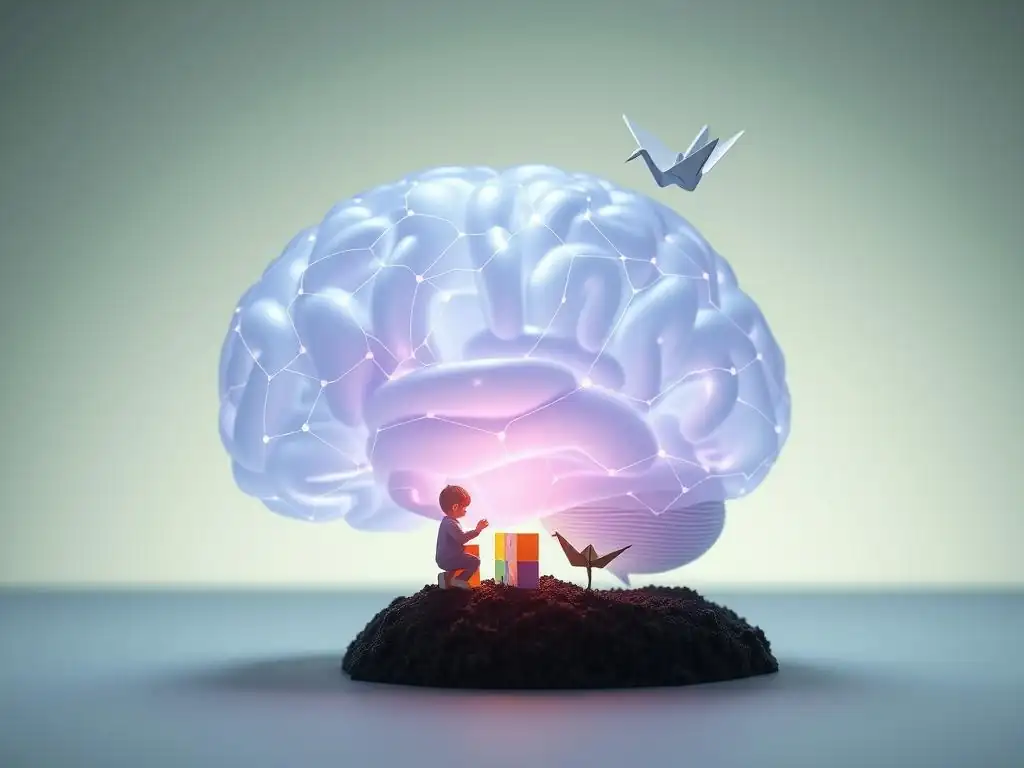
Supporting a child with mental illness involves a multi-faceted approach focused on early identification, effective treatment, and creating a nurturing environment. The goal is not only to alleviate symptoms but also to foster healthy brain development and resilience. Given the brain's plasticity, interventions can genuinely make a difference in shaping neural pathways positively, even when childhood brain development mental illness is present.
A collaborative effort involving parents, educators, mental health professionals, and the child is essential. Tailored support plans that address the specific needs of the child and their family are most effective. Empowering families with knowledge and resources is a key component of this supportive process, ensuring they can actively participate in their child's journey towards mental wellness and optimal brain growth.
Early Intervention: The Importance of Timely Diagnosis and Treatment
Early intervention is arguably the most critical factor in mitigating the impact of mental illness on childhood brain development mental illness. The earlier a mental health condition is identified and treated, the greater the opportunity to positively influence the developing brain and prevent the entrenchment of maladaptive patterns. Recognizing initial signs and seeking professional help promptly can change a child's developmental trajectory.
Waiting to address mental health concerns can allow symptoms to worsen, potentially leading to more significant disruptions in brain development and function. Timely diagnosis allows for the implementation of evidence-based treatments that are specifically designed for children and adolescents, targeting the unique ways their brains are developing. This proactive approach maximizes the brain's natural capacity for change and recovery.
Therapeutic Approaches: Therapy's Role in Promoting Brain Plasticity
Psychotherapy, or talk therapy, plays a vital role in treating childhood mental illness and promoting healthy brain plasticity. Different therapeutic modalities are tailored to the child's age, developmental stage, and specific condition. Therapy provides children with a safe space to express their feelings, learn coping strategies, and develop new ways of thinking and behaving.
Therapeutic interventions can help children regulate their emotions, improve their social skills, and challenge negative thought patterns. By practicing new skills and engaging in corrective emotional experiences, therapy can help strengthen neural connections in areas of the brain related to emotional regulation, executive function, and social cognition. This active engagement supports the brain's ability to adapt and heal, countering the negative impacts of childhood brain development mental illness.
Cognitive Behavioral Therapy (CBT) for Children
Cognitive Behavioral Therapy (CBT) is one of the most widely used and effective forms of therapy for children with anxiety, depression, and other conditions. CBT helps children identify the connections between their thoughts, feelings, and behaviors. A core principle is teaching children to recognize negative or unhelpful thought patterns and replace them with more realistic and positive ones.
For example, a child with anxiety might learn to challenge thoughts like "something bad is always going to happen" and replace them with more balanced thinking. Through structured sessions and practice, CBT helps children develop coping skills, problem-solve, and gradually confront fears. This process strengthens neural pathways in the prefrontal cortex, improving cognitive control over emotional responses and supporting healthy brain function impacted by childhood brain development mental illness. Studies have shown that CBT can lead to measurable changes in brain activity in children with anxiety disorders.
Play Therapy and its Benefits for Emotional Regulation
Play therapy is a developmentally appropriate form of therapy for young children who may not have the verbal skills to express themselves fully. In play therapy, toys and play are the primary means of communication. A trained therapist observes and interacts with the child, using play to help them explore emotions, process experiences, and develop coping mechanisms.
Play therapy can be particularly beneficial for children who have experienced trauma or have difficulties with emotional regulation. Through play, children can act out difficult feelings or experiences in a safe, symbolic way. This process can help them gain mastery over overwhelming emotions and develop a better understanding of their internal world. By providing a secure environment for emotional expression and processing, play therapy supports the healthy development of brain regions involved in emotional processing and regulation, addressing challenges posed by childhood brain development mental illness in a child-friendly way.
The Role of Medication in Managing Mental Illness and Supporting Brain Health
For some children, medication may be a necessary component of a comprehensive treatment plan, particularly for moderate to severe symptoms or conditions like ADHD. Medication is typically used in conjunction with therapy and other supportive interventions, not as a standalone solution. The decision to use medication is made collaboratively with parents and a qualified medical professional, considering the child's specific diagnosis, symptom severity, and overall health.
Medications like stimulants for ADHD, antidepressants for depression, or anti-anxiety medications work by affecting neurotransmitter levels in the brain, helping to regulate mood, attention, and behavior. By alleviating debilitating symptoms, medication can enable a child to engage more effectively in therapy, school, and social activities. This improved functioning can indirectly support healthier brain development by allowing the child to participate in experiences crucial for growth, thereby mitigating some of the negative impacts of childhood brain development mental illness.
Creating a Supportive Home Environment for Optimal Brain Development
Beyond professional treatment, the home environment plays a critical role in supporting a child's mental health and brain development. A stable, nurturing, and predictable home provides a sense of security that is essential for a child's developing nervous system. Positive parent-child interactions, consistent routines, and emotional responsiveness help buffer stress and promote healthy brain growth.
Parents can create a supportive environment by:
- Establishing clear expectations and consistent boundaries.
- Providing opportunities for the child to feel competent and successful.
- Encouraging open communication about feelings.
- Ensuring adequate time for rest, healthy eating, and physical activity.
- Managing their own stress and seeking support when needed.
These environmental factors work in tandem with professional interventions to foster resilience and support optimal childhood brain development mental illness is impacting.
Nutrition and Its Impact on Brain Function in Children
Proper nutrition is fundamental for healthy brain development at all stages of life, especially during childhood. The brain requires a steady supply of essential nutrients to build cells, create neurotransmitters, and maintain optimal function. A diet rich in fruits, vegetables, whole grains, lean proteins, and healthy fats provides the building blocks the brain needs.
Omega-3 fatty acids, found in fish, nuts, and seeds, are particularly important for brain structure and cognitive function. Deficiencies in certain vitamins and minerals, such as iron, zinc, and B vitamins, have been linked to cognitive impairments and mood disturbances. While nutrition alone cannot cure mental illness, ensuring a balanced diet supports overall brain health and can complement other treatments aimed at addressing childhood brain development mental illness.
The Importance of Sleep for Brain Development in Children with Mental Illness
Sleep is a crucial period for brain development and consolidation of learning and memory. During sleep, the brain processes information, strengthens neural connections, and clears out waste products. Children with mental illness, such as anxiety or ADHD, often experience sleep difficulties, which can exacerbate their symptoms and further impact brain function.
Ensuring adequate, consistent sleep is vital for supporting healthy brain development in children with mental illness. The recommended amount of sleep varies by age, but generally, children need between 9 and 12 hours per night. Establishing a regular sleep schedule, creating a relaxing bedtime routine, and ensuring the sleep environment is dark and quiet can significantly improve sleep quality and quantity, thereby supporting the brain's restorative processes necessary when childhood brain development mental illness is present.
Physical Activity and its Positive Effects on Mental Health and Brain Growth
Regular physical activity has numerous benefits for both physical and mental health in children. Exercise increases blood flow to the brain, promotes the release of endorphins (natural mood boosters), and supports the production of growth factors that are important for brain cell health and connectivity.
For children with mental illness, physical activity can help reduce stress, improve mood, enhance focus, and regulate sleep. Engaging in sports, playing outdoors, or simply being active can provide a healthy outlet for energy and emotions. Encouraging children to find enjoyable ways to be physically active is a valuable strategy for supporting their mental well-being and promoting healthy brain development, helping to counteract some negative effects of childhood brain development mental illness.
Resources and Support for Families
Navigating the challenges of childhood brain development mental illness can be overwhelming for families. Accessing appropriate resources and support is essential for both the child's well-being and the family's ability to cope. Fortunately, there are various avenues for families to find help, information, and community.
Seeking professional guidance is the first step, but connecting with support networks and educational materials can provide invaluable assistance throughout the journey. Remember that you are not alone, and help is available.
Finding Mental Health Professionals Specializing in Child Development
Finding a mental health professional with expertise in child and adolescent development is crucial. These professionals understand the unique ways mental illness presents in children and are trained in developmentally appropriate diagnostic and treatment approaches. Specialists may include child and adolescent psychiatrists, child psychologists, licensed clinical social workers, or licensed professional counselors.
When searching for a professional, consider their experience with the specific condition your child is facing and their therapeutic approach. It's often helpful to ask about their training and credentials. Pediatricians can also be a valuable resource, offering initial screening and referrals to specialists. Finding the right professional is a key step in getting the tailored support needed for childhood brain development mental illness.
Support Groups and Advocacy Organizations
Connecting with other families who are navigating similar challenges can provide emotional support, practical advice, and a sense of community. Support groups, whether in-person or online, offer a safe space to share experiences and learn from others. Organizations focused on specific conditions, like the Anxiety & Depression Association of America (ADAA) or Children and Adults with Attention-Deficit/Hyperactivity Disorder (CHADD), often have local chapters or online forums.
Advocacy organizations also play a vital role by providing information, raising awareness, and advocating for better mental health services for children. They can be excellent resources for understanding your rights, finding services, and connecting with broader support networks. Engaging with these groups can empower families dealing with childhood brain development mental illness.
Educational Materials on Childhood Mental Illness and Brain Development
Educating yourself about your child's condition and how it affects their brain development is empowering. Many reputable organizations provide free or low-cost educational materials, including brochures, websites, webinars, and books. Understanding the neurological basis of the illness can help parents and caregivers respond with greater empathy and implement effective strategies at home.
Look for resources from national mental health organizations, government health agencies, and reputable children's hospitals. These materials can explain complex concepts like childhood brain development mental illness in understandable terms, helping you become a more informed advocate for your child's health and development. Knowledge is a powerful tool in supporting your child's journey towards mental wellness.
Frequently Asked Questions
How does mental illness in childhood affect brain development?
Mental illness can significantly impact childhood brain development by disrupting neural pathways and affecting cognitive functions. This can lead to alterations in brain structure and function, potentially increasing the risk of long-term mental health challenges.
What specific mental illnesses are most likely to interfere with a child's brain development?
Several mental illnesses, including ADHD, anxiety disorders, and depression, can interfere with brain development. These conditions can affect a child's ability to learn, regulate emotions, and form healthy relationships, all crucial for optimal brain growth.
Are there any early signs that a child's mental health might be impacting their brain development?
Early signs can include difficulties with attention, social interaction, or emotional regulation. Noticeable changes in academic performance, sleep patterns, or appetite can also indicate that mental health issues are affecting brain development.
What kind of interventions or treatments can help mitigate the negative impacts of mental illness on a child's brain?
Early intervention is crucial, often involving therapy, medication, or a combination of both. These interventions aim to address the underlying mental health issues and promote healthy brain development through targeted support and strategies.
Where can parents find reliable resources and support for children struggling with mental illness and its impact on brain development?
Parents can find resources at organizations like the National Institute of Mental Health (NIMH), the Child Mind Institute, and through local mental health professionals. These resources provide information, support groups, and guidance on navigating the challenges of childhood mental illness.
Final Reflection: Shaping Young Minds: The Lasting Impact of Mental Illness
The pervasive influence of mental illness on childhood brain development is not merely a medical concern; it's a societal imperative demanding immediate attention. Untreated mental health conditions in children can significantly alter neural pathways, impacting cognitive function, emotional regulation, and social development, with long-term consequences that ripple through adulthood. We must move beyond simply acknowledging the problem and actively work towards creating supportive environments and accessible resources.
The stigma surrounding childhood mental illness remains a significant barrier to early intervention and effective treatment. This silence perpetuates a cycle of suffering, hindering children from receiving the help they need to thrive. The greatest barrier to mental health care is not the lack of resources, but the lack of awareness and understanding.
This quote highlights the crucial role of education and open dialogue in dismantling the stigma and fostering empathy. We need to create a culture where seeking help is seen as a strength, not a weakness, empowering children and their families to navigate the complexities of mental health challenges.
Consider the impact of early intervention. Imagine the possibilities unlocked when a child receives timely support, allowing their brain to develop its full potential. You have the power to make a difference. By educating yourself, advocating for better resources, and fostering open conversations about mental health, you can contribute to a brighter future for children everywhere. Let's work together to build a world where every child has the opportunity to flourish, regardless of the challenges they face.
Unlock Your Child's Potential: Nurturing Brain Development
Thank you for taking the time to learn about the crucial link between mental wellness and your child's brain development. We hope this article equipped you with valuable insights to support your little one's growth. Now, let's put that knowledge into action!
- Prioritize open communication: Start a conversation with your child about their feelings and experiences. Even short, regular check-ins can make a significant difference. This is the most crucial step you can take today.
- Seek professional guidance: Explore resources in your community, like support groups or therapists specializing in child development. Knowing where to turn is invaluable.
- Share this knowledge: Spread awareness among other parents by sharing this article or discussing its key takeaways. Let's build a supportive community together!
What small step will you take today to foster a positive and supportive environment for your child's brain development?