
The Domino Effect: How Just One Night of Poor Sleep Impacts Your Mind


Welcome to Mind Care Guide.
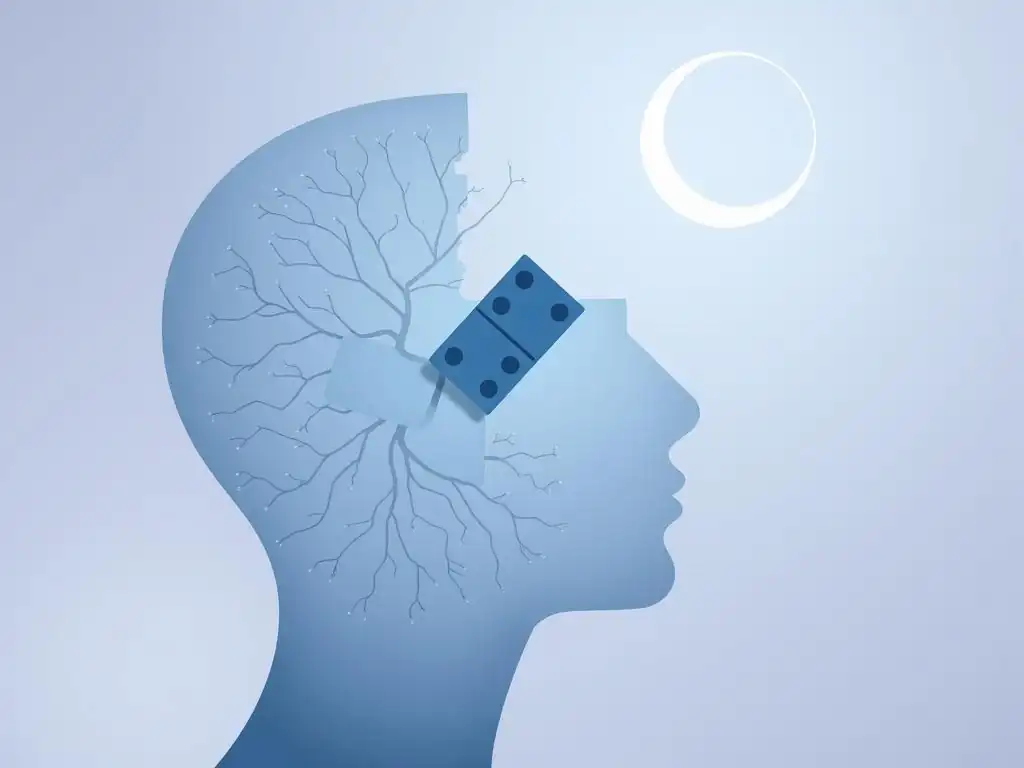
Are you finding yourself struggling with your mental well-being? You're not alone. We understand the intricate connection between our minds and our daily lives. Did you know that something as simple as one night of poor sleep can have a cascading effect on your mental health? Explore with us how this seemingly small issue can trigger a larger domino effect and discover practical strategies to break the cycle. Let's delve into understanding how poor sleep impacts mental health and find ways to reclaim your peace of mind.
The Domino Effect: How Just One Night of Poor Sleep Impacts Your Mind
- Introduction: The Unexpected Link Between Sleep and Mental Well-being
- The Immediate Cognitive Effects of One Night of Sleeplessness
- The Longer-Term Mental Health Consequences of Chronic Sleep Deprivation
- How Poor Sleep Impacts Specific Mental Health Conditions
- Understanding the Science Behind the Sleep-Mental Health Connection
-
Practical Strategies to Improve Sleep and Protect Your Mental Health
- Establishing a Consistent Sleep Schedule: The Foundation of Good Sleep
- Creating a Relaxing Bedtime Routine: Preparing Your Mind for Sleep
- Optimizing Your Sleep Environment: Making Your Bedroom Sleep-Friendly
- Limiting Screen Time Before Bed: Blue Light and Sleep Disruption
- The Importance of Exercise and Diet for Better Sleep Quality
- When to Seek Professional Help for Sleep and Mental Health
- Conclusion: Reclaiming Your Sleep, Reclaiming Your Mental Well-being
-
Frequently Asked Questions
- How does even a single night of poor sleep affect mental health?
- What are the most common mental health symptoms that can be triggered by poor sleep?
- How does chronic poor sleep differ in its impact compared to just one bad night?
- What practical steps can I take to improve my sleep and, consequently, my mental well-being?
- Where can I find more resources if I'm struggling with poor sleep and suspect it's impacting my mental health?
- Final Reflection: The Ripple Effect of Restless Nights
- Unlock Your Best Rest: Start Small, Sleep Big!
Introduction: The Unexpected Link Between Sleep and Mental Well-being
Understanding the Connection: Sleep Deprivation and Mental Health
Sleep is not merely a period of rest; it is a vital biological process essential for physical restoration and, critically, mental health. When we experience poor sleep, even for just one night, it initiates a cascade of negative effects that can significantly impact our cognitive function, emotional regulation, and overall psychological state. Research consistently shows a strong bidirectional relationship: poor sleep impacts mental health, and mental health conditions often disrupt sleep patterns. This intricate connection means that neglecting sleep can have far-reaching consequences for our well-being.
Consider the sheer scale of the issue: according to some estimates, up to 35% of adults report getting less than the recommended 7-9 hours of sleep per night. This widespread sleep deficit isn't just about feeling tired; it's a significant public health concern with profound implications for mental resilience and stability. Understanding this fundamental link is the first step in recognizing why prioritizing sleep is non-negotiable for maintaining a healthy mind. The domino effect begins subtly, with minor dips in concentration, but can quickly escalate, contributing to more significant mental health challenges if poor sleep becomes a chronic issue.
Why Prioritizing Sleep is Crucial for a Healthy Mind
Prioritizing sleep is not a luxury; it's a fundamental pillar of mental health care, just as important as nutrition, exercise, or therapy. During sleep, the brain is actively working, consolidating memories, processing emotional experiences, and clearing out metabolic waste products. This nightly "reset" is crucial for optimal cognitive function and emotional balance. When this process is disrupted by poor sleep, the brain's ability to perform these essential tasks is compromised, leading to noticeable changes in mood, thinking, and behavior.
Neglecting sleep, whether due to work stress, social activities, or underlying issues, can make individuals more vulnerable to stress, anxiety, and depression. Studies have shown that even partial sleep deprivation can impair the brain's prefrontal cortex, the area responsible for complex decision-making and emotional regulation. This impairment makes it harder to cope with challenges, manage emotions effectively, and maintain a positive outlook. Recognizing that poor sleep impacts mental health profoundly underscores the importance of making sleep a non-negotiable part of a healthy lifestyle. It's an investment in your psychological well-being.
The Immediate Cognitive Effects of One Night of Sleeplessness
Impaired Focus and Concentration: The First Domino to Fall
Just one night of insufficient sleep can dramatically reduce your ability to focus and maintain concentration. When you're sleep-deprived, your brain struggles to sustain attention on tasks, leading to increased distractibility and difficulty completing work or even simple daily activities. This happens because sleep loss affects the brain's ability to regulate its state of alertness and inhibits the function of neural networks responsible for sustained attention.
Studies, including those involving simulated driving or performance on vigilance tests, consistently show a significant decline in performance after even moderate sleep restriction (e.g., 4-6 hours) compared to getting 7-8 hours. Reaction times slow, errors increase, and the ability to ignore irrelevant stimuli diminishes. This immediate impact on focus is often the first noticeable sign that poor sleep impacts mental health and daily functioning.
Memory Problems: How Sleep Loss Affects Learning and Recall
Sleep plays a critical role in memory consolidation, the process by which the brain stabilizes and strengthens newly acquired information. Both REM (Rapid Eye Movement) sleep and non-REM sleep stages are crucial for different types of memory. A single night of poor sleep disrupts these stages, hindering the brain's ability to effectively process and store information learned during the day.
Research indicates that sleep deprivation impairs both the encoding of new memories and the retrieval of existing ones. For example, a study might show that participants who slept only 5 hours performed significantly worse on a memory test the next day compared to those who slept 8 hours. This demonstrates how quickly poor sleep impacts mental health by undermining fundamental cognitive processes like learning and memory.
Reduced Decision-Making Abilities: The Impact on Daily Choices
Making sound decisions requires complex cognitive functions, including evaluating options, assessing risks, and considering consequences. Sleep deprivation compromises these abilities, particularly those governed by the prefrontal cortex. After just one night of poor sleep, individuals tend to become more impulsive, take greater risks, and struggle with complex problem-solving.
The impaired judgment resulting from poor sleep can have significant consequences in various aspects of life, from making poor financial decisions to exhibiting impaired performance in critical jobs like driving or operating machinery. This reduction in executive function highlights another way poor sleep impacts mental health and overall competence.
Increased Irritability and Mood Swings: The Emotional Toll of Sleep Loss
Perhaps one of the most immediately noticeable effects of poor sleep is its impact on mood. A single night of insufficient sleep can leave you feeling more irritable, frustrated, and emotionally volatile. The brain's amygdala, the region involved in processing emotions like fear and anger, becomes more reactive when sleep-deprived, while the prefrontal cortex, which helps regulate emotional responses, becomes less effective.
This imbalance can lead to heightened emotional reactivity, making you more prone to snapping at others, feeling overwhelmed by minor stressors, or experiencing rapid shifts in mood. This direct emotional toll clearly illustrates how quickly poor sleep impacts mental health and interpersonal interactions.
The Longer-Term Mental Health Consequences of Chronic Sleep Deprivation
The Link Between Insomnia and Increased Anxiety Levels
Chronic poor sleep, particularly insomnia, is strongly associated with increased anxiety levels. Individuals who consistently struggle to fall or stay asleep are significantly more likely to report symptoms of generalized anxiety disorder, panic disorder, or social anxiety. The constant worry about not getting enough sleep can itself become a source of anxiety, creating a difficult cycle.
Furthermore, chronic sleep deprivation appears to keep the brain's stress response system, the hypothalamic-pituitary-adrenal (HPA) axis, in a state of heightened activation. This physiological state contributes to feelings of unease, worry, and nervousness, demonstrating how persistent poor sleep impacts mental health by amplifying stress and anxiety.
Sleep Disturbances and the Risk of Developing Depression
The link between sleep disturbances and depression is well-established. Insomnia and hypersomnia (excessive sleepiness) are common symptoms of major depressive disorder, and chronic poor sleep is considered a significant risk factor for developing depression. Studies suggest that individuals with chronic insomnia have a substantially higher risk (sometimes cited as tenfold or more) of developing depression compared to those with healthy sleep patterns.
Chronic sleep deprivation alters neurotransmitter levels and disrupts circadian rhythms, both of which play a crucial role in mood regulation. The persistent fatigue, irritability, and cognitive difficulties associated with poor sleep can also erode coping mechanisms and make daily challenges feel insurmountable, contributing to the onset or worsening of depressive symptoms. This connection underscores how deeply poor sleep impacts mental health over time.
The Vicious Cycle: Sleep Problems Exacerbating Mental Health Issues
A particularly challenging aspect of the sleep-mental health relationship is the potential for a vicious cycle. Mental health conditions like anxiety and depression often cause sleep problems (e.g., racing thoughts keeping you awake, changes in sleep drive). These sleep problems, in turn, worsen the symptoms of the mental health condition (e.g., sleep deprivation making anxiety more intense or depression feel more debilitating).
Breaking this cycle requires addressing both the sleep issues and the underlying mental health condition simultaneously. For instance, someone with depression might find their low energy makes it hard to maintain a consistent sleep schedule, leading to more irregular sleep, which then exacerbates their low mood and fatigue. Understanding this bidirectional relationship is key to effective treatment, highlighting how profoundly poor sleep impacts mental health and vice versa.
How Poor Sleep Impacts Specific Mental Health Conditions
The Effects of Sleep Deprivation on ADHD Symptoms
Individuals with Attention-Deficit/Hyperactivity Disorder (ADHD) often experience sleep disturbances, and poor sleep can significantly worsen their core symptoms. Sleep deprivation can exacerbate inattention, hyperactivity, and impulsivity in both children and adults with ADHD. It can also make executive function deficits, such as problems with planning and organization, more pronounced.
For example, a child with ADHD who gets insufficient sleep might have even greater difficulty focusing in class or controlling impulsive behaviors. Managing sleep is often a crucial component of an effective ADHD treatment plan, as addressing poor sleep impacts mental health by directly influencing the severity of ADHD symptoms.
Sleep and Bipolar Disorder: Understanding the Interplay
Sleep disturbances are a hallmark symptom of bipolar disorder and play a critical role in triggering mood episodes. During manic or hypomanic episodes, individuals often experience significantly reduced need for sleep, sometimes going days with very little sleep. Conversely, depressive episodes are often associated with insomnia or hypersomnia.
Disruptions to the sleep-wake cycle, even minor ones like changing time zones or staying up late, can destabilize mood and potentially precipitate an episode. Maintaining regular sleep patterns is therefore a vital strategy for managing bipolar disorder and preventing relapse, illustrating how closely poor sleep impacts mental health in this condition.
Poor Sleep and PTSD: Nightmares and Sleep Disruption
Post-Traumatic Stress Disorder (PTSD) is frequently associated with severe sleep disturbances, most notably nightmares related to the traumatic event. These intrusive nightmares can lead to fear of falling asleep and contribute to insomnia. Hyperarousal, another core symptom of PTSD, also makes it difficult to relax and fall asleep.
Chronic sleep deprivation and fragmented sleep worsen PTSD symptoms like hypervigilance, irritability, and difficulty concentrating. Addressing sleep problems, often through therapies like Trauma-Focused Cognitive Behavioral Therapy (TF-CBT) or Imagery Rehearsal Therapy (IRT) for nightmares, is essential for recovery. The persistent sleep disruption in PTSD is a clear example of how profoundly poor sleep impacts mental health following trauma.
Understanding the Science Behind the Sleep-Mental Health Connection
The Role of Neurotransmitters: Serotonin, Dopamine, and Sleep
Sleep significantly influences the balance and function of key neurotransmitters in the brain, including serotonin and dopamine, which are critical for mood regulation, motivation, and pleasure. Serotonin is deeply involved in regulating sleep cycles, mood, and anxiety. Dopamine is linked to reward, motivation, and motor control.
Poor sleep disrupts the normal levels and activity of these neurotransmitters. For instance, chronic sleep deprivation can lead to decreased serotonin activity, potentially contributing to depressive symptoms. It can also affect dopamine pathways, impacting motivation and increasing risk-taking behavior. This intricate chemical interplay is a key scientific reason why poor sleep impacts mental health.
The Impact of Sleep on Brain Function and Neural Pathways
Beyond neurotransmitters, sleep affects the structural integrity and functional connectivity of various brain regions and neural pathways. During sleep, the brain strengthens connections important for learning and memory (synaptic plasticity) and prunes less important ones. It also clears out metabolic waste products, including amyloid-beta, which is linked to neurodegenerative diseases.
Sleep deprivation impairs communication between different brain areas, particularly between the prefrontal cortex (responsible for executive functions) and the amygdala (involved in emotional processing). This disrupted connectivity contributes to poor decision-making, emotional dysregulation, and cognitive deficits, providing a neurobiological explanation for how poor sleep impacts mental health.
How Sleep Helps the Brain Process and Consolidate Information
One of the most crucial functions of sleep is its role in information processing and memory consolidation. During sleep, the brain replays and integrates recent experiences, transferring information from temporary storage in the hippocampus to more permanent storage in the cortex. REM sleep is particularly important for processing emotional memories and integrating new information with existing knowledge.
Poor sleep disrupts these consolidation processes, making it harder to learn new things, remember details, and process emotional experiences effectively. This inefficiency in information handling contributes to feelings of being overwhelmed, difficulty concentrating, and impaired problem-solving, further illustrating how poor sleep impacts mental health by undermining cognitive function.
Practical Strategies to Improve Sleep and Protect Your Mental Health
Establishing a Consistent Sleep Schedule: The Foundation of Good Sleep
One of the most effective strategies for improving sleep is to establish and maintain a consistent sleep schedule. This means going to bed and waking up around the same time every day, even on weekends. Consistency helps regulate your body's internal clock, or circadian rhythm, making it easier to fall asleep and wake up naturally.
Aim for 7-9 hours of sleep per night, the amount recommended for most adults. While it might be tempting to sleep in on weekends to catch up on lost sleep, large variations can actually disrupt your circadian rhythm further. Sticking to a regular schedule is a fundamental step in mitigating how poor sleep impacts mental health.
Creating a Relaxing Bedtime Routine: Preparing Your Mind for Sleep
Developing a relaxing bedtime routine signals to your body and mind that it's time to wind down. This routine should involve calming activities in the hour or two before bed. Examples include:
- Reading a physical book (not on a screen)
- Taking a warm bath or shower
- Listening to quiet music or a podcast
- Practicing gentle stretching or yoga
- Engaging in meditation or deep breathing exercises
This routine helps lower stress levels and prepare your brain for sleep. Avoiding stimulating activities like intense work, arguments, or exciting movies close to bedtime is also crucial. A consistent, calming routine helps counteract the tendency for poor sleep to impact mental health negatively.
Optimizing Your Sleep Environment: Making Your Bedroom Sleep-Friendly
Your bedroom environment plays a significant role in sleep quality. To create an optimal sleep space, focus on making it:
- Dark: Use blackout curtains to block out external light. Even small amounts of light can disrupt sleep.
- Quiet: Use earplugs or a white noise machine if necessary to block out disruptive sounds.
- Cool: Most people sleep best in a cool room, typically between 60-67°F (15-19°C).
- Comfortable: Ensure your mattress and pillows are supportive and comfortable.
Creating a sanctuary for sleep helps minimize external disruptions and promotes deeper, more restorative rest. Optimizing your environment is a practical way to improve sleep quality and reduce the ways poor sleep impacts mental health.
Limiting Screen Time Before Bed: Blue Light and Sleep Disruption

The blue light emitted by electronic screens (phones, tablets, computers, TVs) suppresses the production of melatonin, the hormone that signals to your body that it's time to sleep. Using these devices close to bedtime can make it harder to fall asleep and reduce sleep quality.
Aim to put away all electronic devices at least one hour before bedtime. If you must use screens in the evening, consider using blue light filters or wearing blue light-blocking glasses. Reducing exposure to blue light is a simple yet effective strategy to prevent poor sleep impacts mental health.
The Importance of Exercise and Diet for Better Sleep Quality
Lifestyle factors like exercise and diet also significantly influence sleep quality. Regular physical activity can improve sleep, but avoid intense workouts close to bedtime. Aim for moderate exercise most days of the week, ideally finishing several hours before you plan to sleep.
Dietary choices also matter. Avoid heavy meals, caffeine, and alcohol close to bedtime. While alcohol might initially make you feel sleepy, it disrupts sleep architecture later in the night, leading to fragmented rest. A balanced diet rich in fruits, vegetables, and whole grains supports overall health, including better sleep. Integrating healthy habits like exercise and mindful eating helps mitigate how poor sleep impacts mental health.
When to Seek Professional Help for Sleep and Mental Health
Recognizing the Signs of a Sleep Disorder
It's important to recognize when sleep problems might indicate an underlying sleep disorder that requires professional attention. Signs include:
- Difficulty falling asleep or staying asleep most nights for at least three months (insomnia).
- Excessive daytime sleepiness despite getting enough sleep.
- Loud snoring, gasping, or pauses in breathing during sleep (potential sleep apnea).
- Irresistible urges to move your legs at night (restless legs syndrome).
- Falling asleep suddenly during the day (narcolepsy).
- Experiencing vivid hallucinations or paralysis when falling asleep or waking up.
If you experience any of these symptoms consistently, it's advisable to consult a healthcare professional. Persistent poor sleep impacts mental health significantly and often requires targeted treatment.
Finding a Qualified Sleep Specialist
If you suspect you have a sleep disorder, consider seeking help from a qualified sleep specialist. This might be a physician board-certified in sleep medicine, a neurologist, a pulmonologist, or a psychiatrist with expertise in sleep disorders. They can conduct a thorough evaluation, which may include a sleep study (polysomnography), to diagnose the specific issue.
You can find qualified sleep specialists through referrals from your primary care physician, major hospital systems, or professional organizations like the American Academy of Sleep Medicine. Getting an accurate diagnosis is the first step in developing an effective treatment plan and addressing how poor sleep impacts mental health.
Therapies for Sleep Problems and Mental Health
Treatment for sleep problems often involves a combination of approaches, including behavioral therapies and, in some cases, medication. Cognitive Behavioral Therapy for Insomnia (CBT-I) is considered the gold standard non-pharmacological treatment for chronic insomnia. CBT-I helps individuals identify and change thoughts and behaviors that interfere with sleep.
Addressing sleep issues is often a crucial part of treating mental health conditions like depression and anxiety. Therapies such as standard CBT, Dialectical Behavior Therapy (DBT), or interpersonal therapy can help manage the underlying mental health condition, which in turn can improve sleep. Treating both simultaneously is key to breaking the vicious cycle where poor sleep impacts mental health and vice versa.
Conclusion: Reclaiming Your Sleep, Reclaiming Your Mental Well-being
Prioritizing Sleep as a Key Component of Mental Health Care
The evidence is clear: poor sleep impacts mental health in profound and far-reaching ways, from immediate cognitive deficits and mood changes after one night to increased risk of anxiety and depression with chronic deprivation. Recognizing sleep as a fundamental pillar of well-being, alongside nutrition and exercise, is essential for maintaining a healthy mind.
By understanding the intricate connection between sleep and brain function, and by implementing practical strategies to improve sleep hygiene, individuals can significantly enhance their mental resilience and emotional stability. Making sleep a priority isn't just about feeling rested; it's an active investment in your cognitive abilities, emotional regulation, and overall psychological health. If persistent sleep problems are interfering with your life, don't hesitate to seek professional help. Reclaiming your sleep is a powerful step toward reclaiming your mental well-being.
Frequently Asked Questions
How does even a single night of poor sleep affect mental health?
A single night of poor sleep can disrupt neurotransmitter balance, impacting mood regulation and cognitive function. This can lead to increased irritability, anxiety, and difficulty concentrating.
What are the most common mental health symptoms that can be triggered by poor sleep?
Common symptoms include increased stress levels, heightened anxiety, and a noticeable decline in mood. Individuals may also experience difficulty focusing and making decisions.
How does chronic poor sleep differ in its impact compared to just one bad night?
While one night can cause temporary issues, chronic poor sleep significantly increases the risk of developing long-term mental health conditions like depression and anxiety disorders. It also weakens coping mechanisms.
What practical steps can I take to improve my sleep and, consequently, my mental well-being?
Establish a consistent sleep schedule, create a relaxing bedtime routine (e.g., reading, meditation), and ensure your bedroom environment is conducive to sleep (dark, quiet, cool).
Where can I find more resources if I'm struggling with poor sleep and suspect it's impacting my mental health?
The Mind Care Guide offers a wealth of information, support, and resources on mental well-being, including specific guidance on improving sleep hygiene and addressing related mental health challenges.
Final Reflection: The Ripple Effect of Restless Nights
The pervasive impact of poor sleep on mental well-being is not merely a personal struggle; it's a silent epidemic affecting millions. This article has explored the cascading consequences of just one night of inadequate sleep, demonstrating how a seemingly minor disruption can trigger a domino effect of negative cognitive, emotional, and even physical repercussions. We've seen how this initial disruption can lead to decreased concentration, heightened irritability, impaired decision-making, and increased susceptibility to mental health challenges. This isn't just about feeling tired; it's about understanding the profound influence sleep has on our overall mental health.
The ongoing societal normalization of sleep deprivation is deeply concerning. We live in a culture that often glorifies "hustle" and prioritizes productivity over rest, a dangerous trend that perpetuates the cycle of poor sleep and its detrimental effects. Sleep is the golden chain that ties health and our bodies together.
This quote highlights the fundamental connection between sleep and well-being, a connection often overlooked in our fast-paced world. The impact extends beyond the individual, influencing relationships, work performance, and even societal productivity as a whole. We need a cultural shift that prioritizes rest and recognizes the vital role sleep plays in maintaining mental and physical health.
You are the architect of your own well-being. This article isn't just about understanding the problem; it's a call to action. Take a moment to reflect on your own sleep habits. Are you prioritizing rest? Are you creating a sleep sanctuary that promotes relaxation and rejuvenation? Small changes, like establishing a consistent sleep schedule, creating a calming bedtime routine, and optimizing your sleep environment, can have a profound impact on your mental and physical health. Invest in your sleep; invest in yourself. Your mind, body, and spirit will thank you for it.
Unlock Your Best Rest: Start Small, Sleep Big!
Thanks for taking the time to explore the surprising impact of sleep on your mind. We hope you gained valuable insights into how even one night of poor sleep can ripple through your day. Now it's time to put this knowledge into action!
- Prioritize a better sleep routine tonight: Begin with just one small change—perhaps setting a consistent bedtime, dimming the lights an hour earlier, or enjoying a calming bedtime tea. This simple step can set the stage for better rest.
- Share your sleep struggles (and wins!): Connect with our community on social media and share your experiences. Let's build a supportive network focused on achieving healthier sleep!
- Explore our free sleep guide: Download our curated resource of tips and tricks for improving your sleep hygiene. It’s filled with practical advice to help you overcome sleep challenges.
What small step will you take tonight to prioritize your sleep and wake up energized tomorrow?