
Depression's Antidote? Exploring Nature's Uplifting Effects

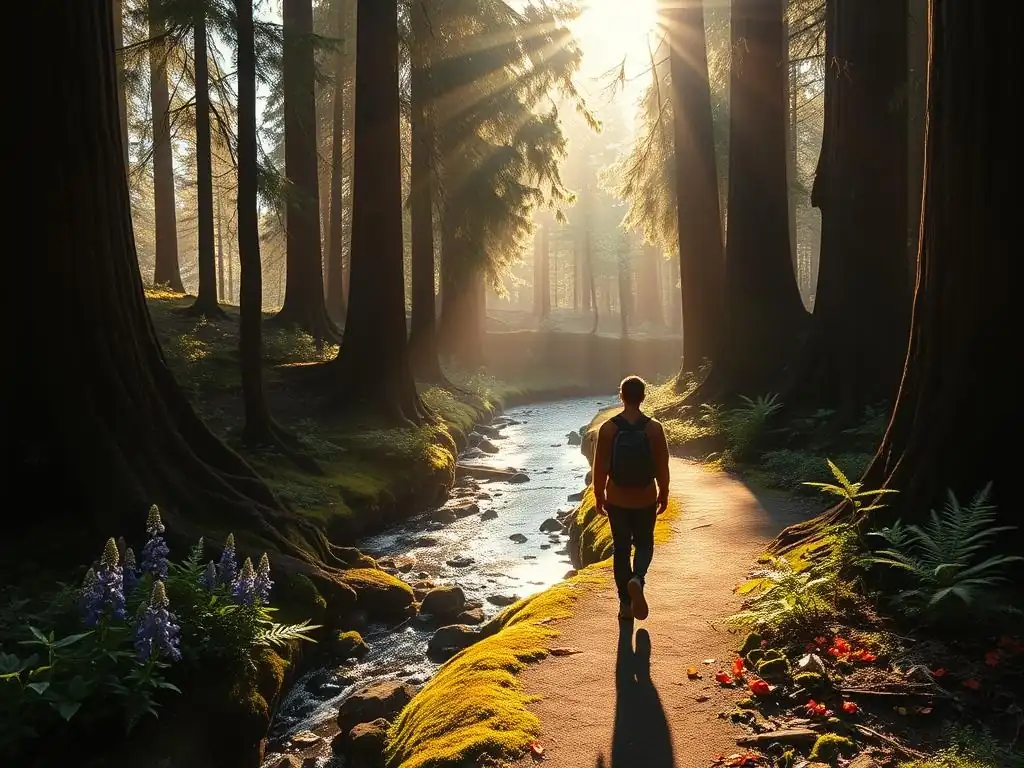
Welcome to Mind Care Guide, a sanctuary for your mental well-being. Feeling overwhelmed by the weight of depression? You're not alone. This guide offers compassionate support and practical strategies to navigate the challenges you're facing. Are you ready to discover how the natural world can become your ally? Dive into our exploration of Nature’s remedies for depression symptoms and begin your journey towards a brighter, more balanced you. What if a walk in the woods could be more than just a walk? Let's find out.
Depression's Antidote? Exploring Nature's Uplifting Effects
- Introduction: Nature’s Remedies for Depression Symptoms and Mental Well-being
- Understanding Depression and the Need for Holistic Approaches
- The Science Behind Nature's Antidepressant Effects: How Nature Impacts Mental Health
-
Nature-Based Activities for Alleviating Depression Symptoms: Practical Applications
- Forest Bathing (Shinrin-Yoku): Immersing Yourself in Nature for Mental Clarity
- Gardening and Horticulture Therapy: Nurturing Plants, Nurturing the Mind
- Hiking and Walking in Nature: Physical Activity and Mental Health Benefits
- Nature Photography and Creative Expression: Capturing Beauty, Improving Mood
- Animal-Assisted Therapy: Connecting with Animals for Emotional Support
- Creating a Nature-Rich Environment at Home: Bringing the Outdoors In
- Overcoming Barriers to Nature Exposure: Accessibility and Inclusivity
- Integrating Nature’s Remedies into Your Mental Health Routine: A Step-by-Step Guide
- Conclusion: Embracing Nature's Healing Power for Long-Term Mental Well-being and Depression Relief
-
Frequently Asked Questions
- How can spending time in nature help with depression symptoms?
- What are some specific nature-based activities that are beneficial for depression?
- How much time in nature is needed to see a positive impact on depression?
- Are there any scientific studies that support the use of nature as a treatment for depression?
- Can nature be used as a replacement for traditional depression treatments like medication or therapy?
- Final Reflection: Reconnecting with Nature, Reconnecting with Ourselves
- Unveil Your Inner Calm: Reconnect with Nature Today
Introduction: Nature’s Remedies for Depression Symptoms and Mental Well-being
Depression is a complex and pervasive mental health challenge affecting millions worldwide. While traditional treatments like psychotherapy and medication are vital components of care, there is growing interest in complementary approaches that support overall mental well-being. Exploring nature's remedies for depression symptoms offers a promising path, tapping into our inherent connection with the natural world to foster healing and resilience. This article delves into the science and practical applications of integrating nature into your mental health journey, highlighting its potential to uplift mood, reduce stress, and provide a powerful complement to conventional therapies.
Understanding Depression and the Need for Holistic Approaches
Depression is far more than just feeling sad; it's a serious mood disorder that can significantly impact how a person feels, thinks, and handles daily activities. Its symptoms vary widely but commonly include persistent sadness, loss of interest or pleasure in activities, changes in appetite or sleep patterns, fatigue, feelings of worthlessness or guilt, difficulty concentrating, and in severe cases, thoughts of death or suicide.
Various types of depression exist, such as major depressive disorder, persistent depressive disorder (dysthymia), and seasonal affective disorder (SAD), each with unique characteristics and impacts on an individual's life. The debilitating nature of these symptoms underscores the critical need for effective and accessible interventions.
While traditional treatments have proven efficacy, they may not work for everyone, and some individuals experience side effects or find them insufficient on their own. This highlights the need for a broader, more holistic perspective on mental health care. Holistic approaches acknowledge the interconnectedness of mind, body, and spirit, seeking to address the root causes of distress and promote overall wellness rather than just managing symptoms. Integrating complementary strategies, such as those found in nature, can provide additional layers of support, empowering individuals with more tools in their journey toward recovery and sustained well-being.
Embracing holistic mental health means looking beyond clinical settings and considering the impact of lifestyle, environment, and daily habits on our psychological state. Nature's healing power has been recognized across cultures for centuries, intuitively understood as a source of calm and restoration. Modern research is now beginning to quantify these benefits, demonstrating how exposure to natural environments can positively influence mood, reduce anxiety, and even improve cognitive function. Incorporating nature's remedies for depression symptoms into a comprehensive care plan offers a gentle yet powerful way to support recovery and build resilience against future challenges.
The Science Behind Nature's Antidepressant Effects: How Nature Impacts Mental Health
Biophilia Hypothesis: Our Innate Connection to Nature
The Biophilia Hypothesis, popularized by biologist E.O. Wilson, posits that humans possess an innate tendency to seek connections with nature and other forms of life. This deep-seated biological need, shaped by millennia of human evolution within natural environments, suggests that our well-being is intrinsically linked to our relationship with the natural world. When this connection is nurtured, it can foster a sense of peace and belonging, while its absence, often termed "nature deficit disorder," may contribute to feelings of stress, anxiety, and potentially exacerbate symptoms of depression.
Research supporting the Biophilia Hypothesis points to measurable physiological and psychological responses when people interact with nature. Studies have shown that even viewing nature scenes can reduce stress levels and improve mood. This inherent preference for natural settings suggests that spending time outdoors isn't just a pleasant pastime but a fundamental human need that, when met, can serve as one of nature's remedies for depression symptoms by promoting a sense of calm, connection, and vitality.
The Role of Vitamin D in Mood Regulation: Sunlight and Depression
Sunlight is a crucial natural element impacting mood, primarily through its role in Vitamin D synthesis. When skin is exposed to UVB rays from the sun, it produces Vitamin D, a nutrient essential for various bodily functions, including brain health. Low levels of Vitamin D have been linked in numerous studies to an increased risk of depression and seasonal affective disorder (SAD), often experienced during winter months when sunlight exposure is limited.
While excessive sun exposure is harmful, moderate, safe exposure can significantly boost Vitamin D levels, which in turn may help regulate mood. Vitamin D receptors are found in areas of the brain associated with depression, and the vitamin is believed to play a role in the synthesis of neurotransmitters like serotonin, which are critical for mood regulation. Incorporating safe sun exposure as part of outdoor activities can therefore be a simple yet effective component of nature’s remedies for depression symptoms.
Nature's Impact on Stress Reduction: Lowering Cortisol Levels Through Green Spaces
Spending time in natural environments has a profound impact on the body's stress response system. Studies consistently show that exposure to green spaces, such as parks, forests, and gardens, can significantly lower levels of cortisol, often referred to as the "stress hormone." Elevated cortisol levels are commonly associated with chronic stress, anxiety, and depression, contributing to both physical and psychological distress.
Engaging with nature encourages relaxation and shifts the body from a "fight or flight" state to a more restful "rest and digest" state. Research, including controlled experiments, has demonstrated that participants who spent time in natural settings exhibited lower heart rates, blood pressure, and cortisol levels compared to those in urban environments. This physiological calming effect is a key mechanism by which nature acts as one of nature’s remedies for depression symptoms, helping to alleviate the burden of chronic stress.
Phytoncides and Natural Killer Cells: Boosting Immunity and Mood in Natural Environments
Forests release organic compounds called phytoncides, which are antimicrobial volatile organic compounds emitted by trees. When humans inhale these substances during activities like forest bathing, they can have measurable positive effects on the immune system. Specifically, exposure to phytoncides has been linked to increased activity and number of Natural Killer (NK) cells, a type of white blood cell crucial for fighting off infections and potentially cancer cells.
Beyond immune benefits, the inhalation of phytoncides and the overall experience of being in a forest environment are also associated with reduced stress and improved mood. Studies have shown that forest environments can lower levels of stress hormones like cortisol and adrenaline while increasing feelings of vigor and decreasing feelings of depression and anxiety. This combination of physiological and psychological benefits underscores the unique potential of natural environments as potent nature's remedies for depression symptoms, supporting both physical health and mental well-being.
Nature-Based Activities for Alleviating Depression Symptoms: Practical Applications
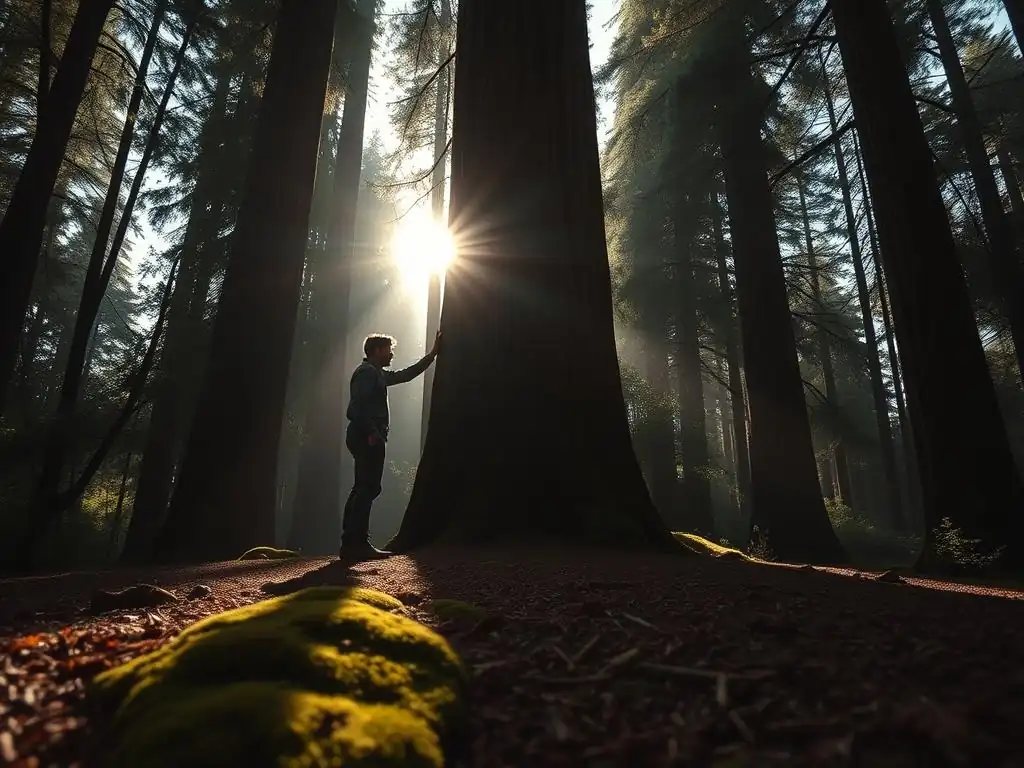
Forest Bathing (Shinrin-Yoku): Immersing Yourself in Nature for Mental Clarity
Forest bathing, or Shinrin-Yoku as it's known in Japan, is more than just a walk in the woods; it's the practice of mindfully immersing yourself in the forest atmosphere using all your senses. It involves slowing down, breathing deeply, and consciously connecting with the sights, sounds, smells, and textures of the forest. This intentional engagement with nature is designed to reduce stress, promote relaxation, and enhance overall well-being, making it a powerful tool among nature’s remedies for depression symptoms.
Research originating in Japan and expanding globally has shown that forest bathing can lead to significant reductions in stress hormones, lower blood pressure and heart rate, and improve mood states. Participants often report decreased feelings of anxiety and depression and an increase in feelings of calm and clarity after spending time mindfully in a forest environment. A typical forest bathing session might last from one to several hours, encouraging a deep, restorative connection with the natural world.
Gardening and Horticulture Therapy: Nurturing Plants, Nurturing the Mind
Gardening and horticulture therapy utilize the process of tending to plants as a therapeutic intervention. This can range from caring for a few houseplants to working in community gardens or participating in structured therapy programs. The act of digging in soil, planting seeds, watering, and watching growth provides a tangible sense of purpose and accomplishment, which can be particularly valuable for individuals experiencing the apathy and low motivation often associated with depression.
Horticulture therapy has been shown to reduce symptoms of depression and anxiety, improve social interaction (in group settings), and enhance cognitive function. The physical activity involved provides exercise, while the sensory engagement with soil, plants, and fresh air offers grounding and stress relief. For example, a program at a community mental health center might involve clients working together in a garden, fostering teamwork, responsibility, and connection, all contributing to their recovery journey and demonstrating the efficacy of gardening as one of nature’s remedies for depression symptoms.
Hiking and Walking in Nature: Physical Activity and Mental Health Benefits
Combining the benefits of physical exercise with exposure to natural environments, hiking and walking in nature offer a potent strategy for alleviating depression symptoms. Physical activity itself is a well-documented mood booster, releasing endorphins, which have natural pain-relieving and mood-elevating effects. When exercise is performed outdoors in a natural setting, these benefits are often amplified by the calming and restorative effects of the environment.
Regular walks or hikes in parks, trails, or natural reserves can reduce rumination (repetitive negative thoughts), a common symptom of depression. A study published in the Proceedings of the National Academy of Sciences found that participants who took a 90-minute walk in a natural environment reported lower levels of rumination compared to those who walked in an urban setting. This suggests that the combination of movement and natural exposure is particularly effective in breaking cycles of negative thinking, making it a practical application of nature’s remedies for depression symptoms.
Nature Photography and Creative Expression: Capturing Beauty, Improving Mood
Engaging with nature through creative outlets like photography or sketching can be a powerful way to foster appreciation for the natural world and improve mood. Focusing on finding and capturing beauty in nature encourages mindfulness and shifts attention away from internal distress. The process of observing details, framing a shot, or rendering a scene can be absorbing and provide a sense of flow, a state of complete absorption in an activity that is known to reduce stress and increase happiness.
Sharing nature photography or artwork can also provide opportunities for social connection and positive feedback, combating feelings of isolation that often accompany depression. Even simple acts like taking photos of flowers in a local park or sketching trees can provide a creative outlet and a renewed sense of wonder. This form of engagement highlights how creative interaction with natural beauty serves as one of nature’s remedies for depression symptoms by promoting mindfulness, positive focus, and creative expression.
Animal-Assisted Therapy: Connecting with Animals for Emotional Support
While not strictly "nature" in the sense of plants or landscapes, animal-assisted therapy (AAT) involves interaction with animals, often in natural or semi-natural settings, and taps into our deep connection with other living beings. Spending time with animals like dogs, cats, horses, or even farm animals has been shown to reduce anxiety, lower blood pressure, and increase feelings of calm and happiness. The non-judgmental presence and unconditional affection offered by animals can be incredibly comforting to individuals struggling with depression.
Equine-assisted therapy, for instance, involves activities with horses and can help build confidence, self-esteem, and emotional regulation skills. Caring for or simply interacting with animals provides companionship, reduces feelings of loneliness, and encourages responsibility. These interactions leverage the therapeutic bond between humans and animals, offering a unique and empathetic approach among nature’s remedies for depression symptoms, particularly for those who find solace and connection in animal companionship.
Creating a Nature-Rich Environment at Home: Bringing the Outdoors In
Indoor Plants and Their Calming Effects: Selecting and Caring for Houseplants
Bringing plants into your home is a simple yet effective way to integrate nature into your daily living space, contributing to a nature-rich environment. Studies have shown that the presence of indoor plants can reduce stress levels, lower blood pressure, and improve air quality. Caring for plants can also provide a sense of routine and purpose, offering a small, manageable task that yields visible results – the growth and health of the plant – which can be encouraging for someone experiencing low motivation due to depression.
When selecting houseplants, consider varieties known for their air-purifying qualities or those that require minimal care if energy levels are low. Snake plants, spider plants, and peace lilies are relatively easy to maintain and effective at filtering indoor air. The visual presence of greenery and the act of nurturing a living thing can create a more calming and uplifting atmosphere, acting as accessible nature’s remedies for depression symptoms within your personal sanctuary.
Natural Light and Ventilation: Optimizing Your Home for Mental Wellness
Optimizing your home environment to maximize natural light and ensure adequate ventilation can significantly impact mood and overall mental wellness. Exposure to natural light helps regulate the body's circadian rhythm, which influences sleep patterns, energy levels, and mood. Lack of sufficient natural light, especially during shorter days, can contribute to seasonal affective disorder (SAD) and exacerbate depressive symptoms.
Ensure curtains and blinds are open during the day to let in as much sunlight as possible. Arrange furniture to be near windows and consider using full-spectrum light bulbs in areas where natural light is limited. Fresh air circulation is also vital; opening windows regularly, even for short periods, can improve air quality and bring a sense of freshness indoors. Creating a bright, airy living space supports mental clarity and can be a subtle yet important element of incorporating nature’s remedies for depression symptoms at home.
Incorporating Natural Elements: Wood, Stone, and Water Features
Beyond living plants, incorporating natural elements like wood, stone, and water into home decor can enhance the connection to nature and create a more tranquil environment. The textures, colors, and forms of these materials can evoke feelings of calm and stability, drawing on our innate preference for natural aesthetics. Using wooden furniture, stone accents, or decorative pebbles can subtly bring the grounding energy of the earth indoors.
Small indoor water features, such as tabletop fountains, can add the soothing sound of flowing water, which is known to have a calming effect and reduce stress. Even photographs or artwork depicting natural landscapes can serve as visual reminders of the restorative power of the outdoors. Integrating these natural elements helps to cultivate a home environment that feels more connected to the natural world, contributing to a sense of peace and supporting the use of nature’s remedies for depression symptoms within your personal space.
Aromatherapy with Essential Oils: Utilizing Nature's Scents for Mood Enhancement
Aromatherapy utilizes the natural scents of plants, typically in the form of essential oils, to promote physical and psychological well-being. Certain essential oils derived from flowers, leaves, and trees are known for their mood-enhancing and stress-reducing properties. Inhaling these natural aromas can influence the limbic system in the brain, which is associated with emotions, memory, and mood.
Oils such as lavender are widely used for their calming and anxiety-reducing effects, while citrus oils like lemon or orange are often used for their uplifting and energizing properties. Frankincense and bergamot are also frequently used to help alleviate symptoms of depression and anxiety. Using diffusers, adding a few drops to a bath, or applying diluted oils to pulse points can be simple ways to incorporate aromatherapy as one of nature’s remedies for depression symptoms, harnessing the power of natural scents to positively impact mood.
Overcoming Barriers to Nature Exposure: Accessibility and Inclusivity
Addressing Urban Nature Deficit: Finding Green Spaces in Cities
In urban environments, finding access to nature can be a significant challenge, contributing to what is often called "urban nature deficit." However, even in densely populated areas, opportunities for nature exposure exist, requiring intentional effort to seek them out. City parks, community gardens, tree-lined streets, and even small pocket parks offer valuable patches of green that can provide respite and connection.
Mapping out nearby green spaces and scheduling regular visits, even short ones, can make a difference. Lunch breaks in a park, walking or biking to work through green areas, or visiting botanical gardens are ways to incorporate nature into an urban routine. Advocacy for more green infrastructure in cities is also crucial to ensure that nature’s remedies for depression symptoms become more accessible for all urban dwellers.
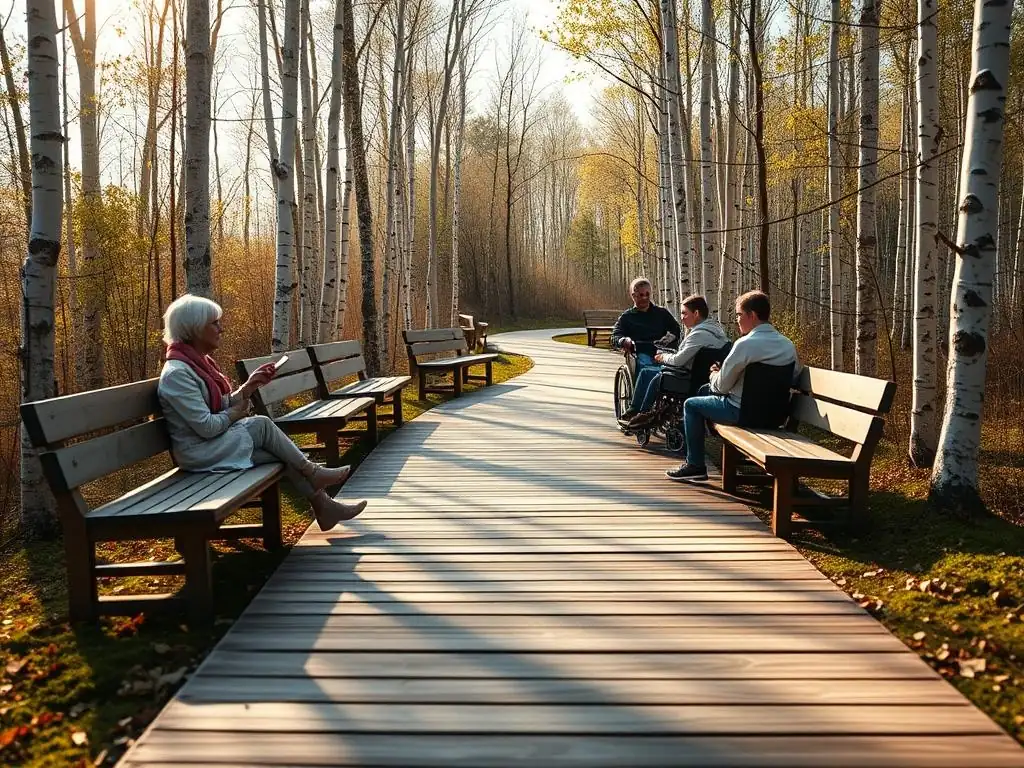
Adapting Nature-Based Therapies for Limited Mobility: Wheelchair-Accessible Gardens and Virtual Nature Experiences
Accessibility is a critical consideration when incorporating nature-based therapies, particularly for individuals with limited mobility or chronic health conditions. Thankfully, efforts are being made to create more inclusive natural spaces and adapt activities. Many public parks and gardens now feature paved, wheelchair-accessible paths and raised garden beds designed for easier access.
For those unable to physically visit outdoor spaces, virtual reality (VR) nature experiences offer a promising alternative. Studies are exploring the potential of immersing individuals in realistic natural environments through VR headsets to evoke similar calming and restorative effects as physical presence. While not a complete substitute, these adapted and virtual options help ensure that the benefits of nature’s remedies for depression symptoms can be experienced by a wider range of people.
Making Nature Accessible for All: Promoting Inclusivity and Diversity in Outdoor Activities
Ensuring that nature is accessible and welcoming to people from all backgrounds is essential for promoting mental wellness equity. Historical and systemic barriers have often limited access to natural spaces for marginalized communities. Promoting inclusivity involves creating safe and welcoming environments, offering programs tailored to diverse cultural backgrounds, and addressing financial or transportation barriers.
Initiatives like urban gardening programs in underserved neighborhoods, culturally relevant outdoor education, and providing transportation to parks located outside city centers are vital steps. By actively working to make nature accessible and inclusive, we ensure that everyone has the opportunity to benefit from nature’s remedies for depression symptoms, recognizing that healing power should be available to all, regardless of socioeconomic status, physical ability, or background.
Integrating Nature’s Remedies into Your Mental Health Routine: A Step-by-Step Guide
Integrating nature into your daily or weekly routine requires intentionality. Start by assessing your current level of nature exposure using a simple checklist.
- [ ] How much time do I spend outdoors each week?
- [ ] Do I have plants in my home or workplace?
- [ ] Do I live near a park or green space?
- [ ] How often do I consciously observe nature (e.g., clouds, birds, trees)?
This assessment helps identify areas where you can realistically increase your connection with nature.
Next, set realistic, achievable goals. Begin with small steps, such as a 15-minute walk in a local park during your lunch break, spending 10 minutes sitting quietly by a window with a plant, or committing to visiting a nearby nature trail once a week. Building momentum is key; even small doses of nature exposure can have a cumulative positive effect as part of nature’s remedies for depression symptoms.
Consider combining nature activities with other therapeutic practices you already engage in. For instance, practice mindfulness meditation while walking in a park, focusing on sensory details like the feel of the breeze or the sounds of birds. If you are in therapy, discuss with your therapist how incorporating nature-based activities might complement your treatment plan. Some therapists even offer nature-based sessions or recommend specific outdoor activities tailored to your needs, like equine-assisted psychotherapy if available and suitable.
Finally, regularly track your progress and how these activities make you feel. Keep a simple journal noting the date, the nature activity you did, and your mood before and after. This can help you identify which activities are most beneficial for you and provide motivation to continue. Don't be afraid to adjust your plan based on what works best and what fits realistically into your schedule. Consistent, mindful engagement with nature, even in small ways, is a powerful way to utilize nature’s remedies for depression symptoms for long-term well-being.
Conclusion: Embracing Nature's Healing Power for Long-Term Mental Well-being and Depression Relief
Nature offers a profound and accessible resource for supporting mental health and alleviating symptoms of depression. From the scientific evidence supporting the benefits of green spaces on stress and mood to the practical applications of activities like forest bathing and gardening, integrating nature into our lives provides powerful nature’s remedies for depression symptoms. Embracing this connection is not a replacement for professional mental health care but a valuable complementary strategy that can enhance resilience, promote calm, and foster a deeper sense of connection to the world around us.
The field of nature-based mental health interventions is growing, with increasing research exploring its potential in clinical settings and public health initiatives. The future may see nature prescriptions become more common, with healthcare providers formally recommending time outdoors as part of treatment plans. As awareness grows regarding the interconnectedness of environmental health and human health, the role of nature in promoting long-term mental well-being will likely become even more central.
For those interested in exploring this path further, numerous resources are available, including websites dedicated to ecotherapy, books on the healing power of nature, and organizations that offer nature-based programs. Exploring these resources can provide deeper insights and practical guidance on how to incorporate nature’s remedies for depression symptoms into your life.
Mind Care Guide is committed to exploring and sharing holistic approaches to mental health and self-care. We believe in the vital role that nature plays in supporting our psychological well-being and are dedicated to providing information and resources that empower individuals to harness the healing power of the natural world as a fundamental component of their mental health journey.
Frequently Asked Questions
How can spending time in nature help with depression symptoms?
Spending time in nature can reduce stress hormones like cortisol, which are often elevated in individuals with depression. It also promotes the release of endorphins, leading to feelings of happiness and well-being. Furthermore, it provides a break from negative thoughts and rumination.
What are some specific nature-based activities that are beneficial for depression?
Activities like gardening, hiking, and simply sitting in a park can be incredibly helpful. The key is to engage with nature in a way that feels restorative and enjoyable to you, focusing on sensory experiences.
How much time in nature is needed to see a positive impact on depression?
Even short bursts of nature exposure, such as a 20-30 minute walk, can have a noticeable effect. Aim for regular and consistent exposure, even if it's just a few times a week, to experience the full benefits.
Are there any scientific studies that support the use of nature as a treatment for depression?
Yes, a growing body of research shows that nature therapy can be effective in reducing depression symptoms. Studies have demonstrated improvements in mood, anxiety levels, and overall well-being among participants who regularly engage with nature.
Can nature be used as a replacement for traditional depression treatments like medication or therapy?
While nature can be a valuable complementary therapy, it's generally not recommended as a sole replacement for traditional treatments. It's best to use nature alongside professional mental health care, such as therapy and medication, as directed by a healthcare provider.
Final Reflection: Reconnecting with Nature, Reconnecting with Ourselves
The restorative power of nature is not merely a pleasant notion; it's a vital resource in our increasingly disconnected world, offering a potent antidote to the pervasive shadow of depression. The evidence presented throughout this article highlights the undeniable link between spending time in natural environments and improved mental well-being, a connection that's more crucial than ever in our fast-paced, technology-driven lives. We've explored the scientific basis for this connection, examining the physiological and psychological benefits of sunlight, fresh air, and the simple act of being present in the natural world.
The impact of nature on our collective mental health is profound and ongoing. It's not just about treating symptoms; it's about fostering a deeper, more meaningful relationship with the world around us, a relationship that has been eroded by modern life. We abuse land because we regard it as a commodity belonging to us. When we see land as a community to which we belong, we may begin to use it with love and respect.
- Aldo Leopold. This quote speaks to the heart of the matter: our disconnect from nature is a reflection of a deeper disconnect from ourselves and our place in the larger ecosystem. This disconnection contributes to the rise of mental health challenges, and re-establishing that connection is a crucial step towards healing.
Consider, then, how you can integrate more nature into your daily life. It doesn't require a grand expedition; a short walk in a park, tending a small garden, or simply observing the clouds drift across the sky can make a significant difference. Embrace the opportunity to reconnect with the natural world, not just as a remedy for depression, but as a path towards a richer, more fulfilling life. Let the quiet strength of nature nurture your spirit and remind you of the inherent beauty and resilience within yourself.
Unveil Your Inner Calm: Reconnect with Nature Today
Thanks for taking the time to explore the powerful connection between nature and mental wellbeing! We hope you gained valuable insights into how the outdoors can nurture your mind and spirit. Now it's time to put that knowledge into action.
- Embrace a Nature Ritual: Begin a daily practice, even if it's just 15 minutes, of spending time outdoors. This could be a walk in the park, sitting under a tree, or simply observing the clouds. Make this your primary focus.
- Share Your Experience: Tell a friend or family member about your newfound appreciation for nature's healing power. Inspire them to join you on your nature journey!
- Discover a Local Green Space: Research nearby parks, trails, or even just quiet corners of your neighborhood that you can explore and make your own personal sanctuary.
Ready to step into a calmer, more connected you? What small step will you take towards incorporating more nature into your daily life?