
Practical Tips for a More Peaceful Blended Household

Welcome to Mind Care Guide.
Are you navigating the often-uncharted waters of blended family life, longing for more harmony and less stress? We understand. Building a cohesive family unit when merging different backgrounds and experiences can feel overwhelming. This week, we're diving into practical blended family peace strategies that can help transform your household into a haven of understanding and cooperation. Curious to discover how to foster connection and minimize conflict? Let's explore together.
Practical Tips for a More Peaceful Blended Household
- Understanding the Challenges of Blended Family Dynamics
- Blended Family Peace Strategies: Creating a Harmonious Home
- Effective Communication Techniques for Blended Families
- Building Strong Relationships in a Blended Family
- Managing Ex-Partner Relationships for Family Harmony
- Addressing Sibling Rivalry in Blended Families
- Self-Care for Parents in Blended Families
- Navigating Holidays and Special Occasions in Blended Families
- Seeking Professional Help for Blended Family Issues
- Long-Term Strategies for a Thriving Blended Family
-
Frequently Asked Questions
- What are some common challenges faced by blended families that can disrupt peace?
- How can open communication contribute to achieving blended family peace?
- What role does establishing clear boundaries and rules play in a blended family environment?
- Besides professional help, how can blended families build stronger bonds between members?
- What are some self-care strategies that parents in blended families can implement to manage stress and maintain their well-being?
- Final Reflection: Cultivating Harmony in the Heart of the Home
- Unlock Your Blended Family's Harmony
Understanding the Challenges of Blended Family Dynamics
Common Conflicts in Blended Families
Blended families, formed when individuals with children from previous relationships come together, navigate a unique landscape filled with potential friction points. One of the most prevalent sources of conflict stems from differing parenting styles and expectations. For instance, one parent might have a more permissive approach while the other is stricter, leading to confusion and resentment among children and step-parents alike.
Financial disagreements are also common, as families grapple with supporting children from different households, often involving child support payments, varying standards of living, and decisions about shared expenses. These issues, if not addressed proactively, can create significant tension and undermine efforts towards blended family peace strategies.
Another significant challenge involves loyalty binds and identity issues for children. Children may feel caught between their biological parents, fearing that showing affection or loyalty to a step-parent or step-sibling is a betrayal of their other parent. This can manifest as resistance to rules, withdrawal, or acting out.
Additionally, navigating the relationships with former partners, including communication styles and boundary setting, often introduces external stress into the new family unit. Studies suggest that around 60-70% of remarriages involving children face significant challenges in the first few years, highlighting the complexity of these dynamics and the crucial need for effective blended family peace strategies.
The Importance of Open Communication in Stepfamilies
Open and honest communication serves as the bedrock for building a stable and harmonious blended family. Unlike first marriages where communication patterns develop organically over time, stepfamilies must often consciously establish new channels for dialogue. This involves creating a safe space where all family members, including children of all ages, feel heard and validated, even when expressing difficult emotions or concerns. Without open communication, misunderstandings can fester, leading to increased conflict, emotional distance, and a sense of isolation among family members.
Prioritizing open communication enables families to address potential issues before they escalate into major conflicts. Discussing expectations around roles, responsibilities, and discipline openly helps to create clarity and reduce ambiguity. Research indicates that families who prioritize open communication report significantly higher levels of satisfaction and cohesion. It allows for the negotiation of differences, the expression of needs, and the collective development of blended family peace strategies tailored to the family's unique circumstances. This proactive approach fosters trust and strengthens the bonds necessary for long-term well-being.
Blended Family Peace Strategies: Creating a Harmonious Home
Establishing Clear Family Rules and Expectations
Creating clear, understandable, and consistent family rules is a fundamental strategy for fostering peace in a blended household. When families merge, children and adults alike often arrive with different sets of norms and expectations based on their previous family structures. Explicitly discussing and agreeing upon new rules for the blended family unit eliminates confusion and provides a predictable environment. This process should ideally involve all family members, allowing everyone to have a voice and feel invested in the outcomes. Rules might cover everything from chores and homework routines to screen time limits and how conflicts are resolved.
The process of establishing rules is not a one-time event but an ongoing conversation. As the family evolves, rules may need to be reviewed and adjusted. It is important to document these rules clearly, perhaps on a visible chart or list, so everyone can refer to them.
Consistency in enforcing these rules, while also allowing for empathy and understanding, builds trust and reinforces the structure of the new family unit. Families who successfully establish shared rules often report a significant reduction in daily friction within the first year or two, making this a cornerstone of effective blended family peace strategies.
Implementing Consistent Discipline Across Households
Consistency in discipline is crucial for children in blended families, who may already be navigating complex transitions and loyalty issues. When discipline is inconsistent, either between the parents within the same household or between the blended household and the other biological parent's household, children can become confused, anxious, and more likely to test boundaries. It is vital for step-parents and biological parents within the blended household to present a united front, agreeing on consequences for rule-breaking and supporting each other's disciplinary actions, even if they would handle a situation slightly differently individually.
Achieving consistency can be challenging, especially when co-parenting with an ex-partner who has a different disciplinary style. While complete consistency across two separate households might be unrealistic, striving for predictability within the blended home is paramount. This involves parents discussing and agreeing on the approach to common issues and backing each other up in front of the children. When children understand the expectations and consequences within the blended family home, they feel more secure and are less likely to engage in disruptive behaviors, contributing significantly to the overall blended family peace strategies.
Effective Communication Techniques for Blended Families
Active Listening Skills for Step-Parents and Children
Active listening is a powerful tool in the arsenal of blended family peace strategies, particularly in bridging the potential gaps between step-parents and children. For step-parents, actively listening involves truly hearing and understanding a stepchild's perspective without immediately jumping to solutions, judgment, or defense.
This means paying full attention, maintaining eye contact, nodding, and using verbal cues like "I hear you" or "It sounds like..." It also involves asking clarifying questions to ensure understanding and reflecting back what you've heard to confirm accuracy. This non-judgmental approach can help a stepchild feel seen, valued, and safe enough to express their feelings, even if those feelings are negative towards the step-parent or the blended family situation.
Teaching active listening skills to children is equally beneficial. Encourage children to listen fully when others are speaking, to wait their turn to speak, and to try to understand the other person's point of view. Role-playing different scenarios can be a helpful way to practice these skills.
For example, a parent might say, "Okay, listen to what your sister is saying about sharing the toy, and then tell me what you heard before you respond." Practicing active listening helps reduce misunderstandings, de-escalate conflicts, and build empathy within the family unit. Many families find that even dedicating just 5-10 minutes daily to focused, active listening conversations can significantly improve relationships within a few months.
Facilitating Family Meetings for Conflict Resolution
Regular family meetings provide a structured and democratic platform for open communication, problem-solving, and conflict resolution in a blended family. These meetings offer a dedicated time and space for everyone to check in, share concerns, celebrate successes, and work together to find solutions to challenges. A typical agenda might include:
- Opening (e.g., check-ins, compliments)
- Review of previous week's decisions
- Discussion of current issues or concerns (each person gets time to speak without interruption)
- Brainstorming solutions
- Decision making (aiming for consensus when possible)
- Planning fun activities
- Closing
Holding family meetings consistently, perhaps weekly, reinforces the idea that the family is a team working together. It empowers children by giving them a voice in family decisions and teaches valuable skills like negotiation, compromise, and respectful debate. While initial meetings might be awkward or challenging, perseverance pays off. Over time, family meetings can significantly reduce the frequency and intensity of conflicts, as issues are addressed early and collaboratively. This is a key component of effective blended family peace strategies, creating a predictable rhythm for dialogue and problem-solving.
Building Strong Relationships in a Blended Family
Fostering One-on-One Time with Each Child
In a blended family, ensuring each child feels individually seen, heard, and valued is critical for building strong relationships and fostering a sense of belonging. This is especially important for step-parents building relationships with stepchildren, but also for biological parents maintaining their unique bond with their children amidst the new family structure.
Dedicating regular, focused one-on-one time with each child, free from distractions and other family members, sends a powerful message of individual importance. This time doesn't need to be elaborate or expensive; it could be reading together for 20 minutes, going for a walk, helping with a hobby, or simply talking before bed.
The goal of one-on-one time is to build connection and trust. It allows for deeper conversations, understanding a child's individual interests and concerns, and strengthening the unique bond between parent/step-parent and child. For step-parents, this can be a gradual process, often taking several years (sometimes cited as 4-7 years) for a comfortable, trusting relationship to fully develop. Consistent, positive one-on-one interactions are a vital investment in this process. Prioritizing this time is an essential element of blended family peace strategies, as strong individual relationships contribute to a more cohesive and peaceful family unit as a whole.
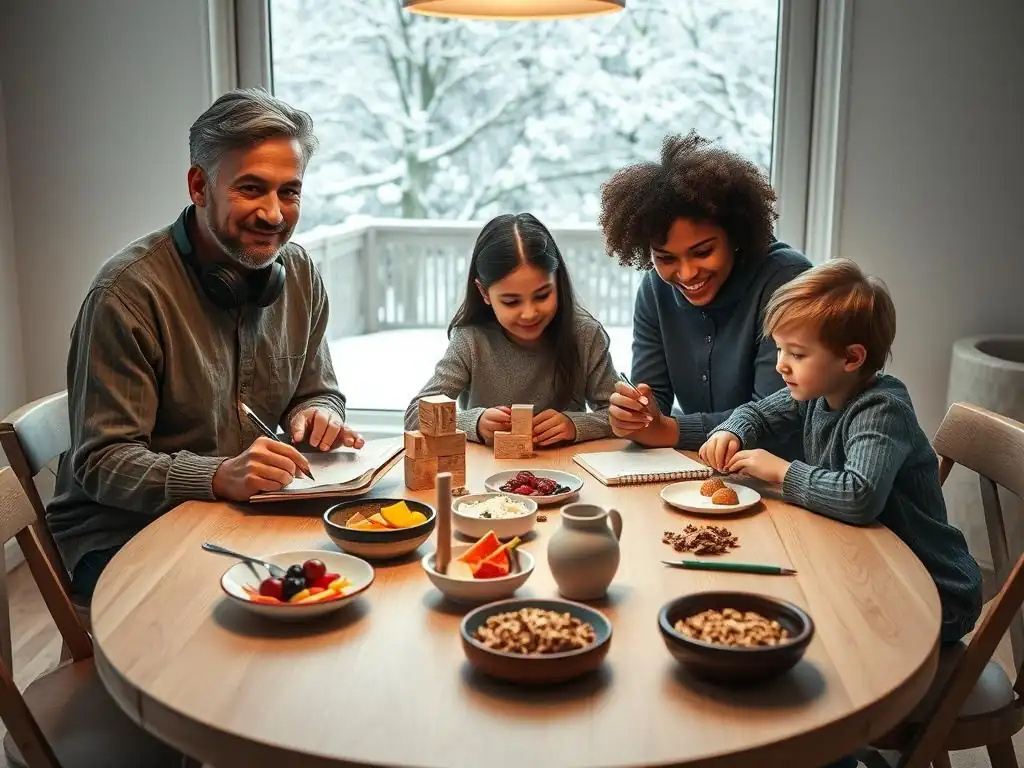
Developing shared activities and traditions helps to forge a new family identity and create a sense of "us" in a blended household. These shared experiences provide positive memories and common ground that bridge differences and build bonds between step-siblings and between parents and children. Traditions can be simple, like a weekly family movie night with popcorn, a special way of celebrating birthdays, or a unique holiday ritual. Shared activities might include regular game nights, hiking trips, cooking together, or volunteering as a family.
Engaging in activities that everyone can enjoy, or taking turns choosing activities, ensures that all family members feel included and that their interests are valued. These shared moments create opportunities for relaxed interaction, laughter, and connection outside of the daily routines and potential points of conflict. The process of creating new traditions together symbolizes the formation of the new family unit and helps everyone feel like they belong. Actively cultivating shared experiences is a joyful and effective component of blended family peace strategies, strengthening the collective identity and emotional bonds of the blended family.
Managing Ex-Partner Relationships for Family Harmony
Establishing Healthy Boundaries with Former Spouses
Navigating relationships with ex-partners is often one of the most challenging aspects of managing a blended family and crucial for implementing effective blended family peace strategies. Establishing clear, respectful, and consistent boundaries with former spouses is essential to protect the peace and stability of the new blended family.
Boundaries should define the scope and nature of communication (e.g., only discussing child-related issues), the frequency and method of contact (e.g., email for logistics), and expectations regarding involvement in the blended family's life. It is important that both partners in the blended family are aligned on these boundaries and support each other in maintaining them.
When boundaries are unclear or frequently crossed, it can lead to conflict between the ex-partners, which inevitably spills over and creates stress within the blended family. Children, in particular, can be negatively impacted by observing conflict between the adults. While maintaining a civil co-parenting relationship is ideal, healthy boundaries are possible even in high-conflict situations.
This might involve using parallel parenting strategies where communication is minimal and structured. Successfully managing the ex-partner relationship through clear boundaries significantly reduces external stressors on the blended family, creating a more peaceful internal environment. Studies suggest that around 50% of co-parenting conflicts could be mitigated by establishing clearer boundaries.
Co-Parenting Strategies for a Peaceful Environment
Effective co-parenting, even in the context of a blended family, is vital for ensuring the children's well-being and contributing to overall family harmony. While the relationship with an ex-partner may not be friendly, it is important to strive for a working relationship focused on the children's needs. Strategies include:
- Child-focused communication: Keeping all interactions centered on the children's schedules, needs, and well-being, avoiding discussions about personal lives or past relationship issues.
- Consistency where possible: Attempting to align on key issues like homework expectations, basic rules (e.g., safety), and communication about the children, even if daily routines differ.
- Respectful communication: Even when disagreeing, maintaining a respectful tone and avoiding conflict in front of the children.
- Reliability: Following through on agreements regarding schedules and responsibilities.
Using tools like co-parenting apps or shared online calendars can help manage logistics and reduce misunderstandings. When parents can effectively co-parent, it reduces stress on the children and minimizes the likelihood of loyalty binds or feeling caught in the middle. Research indicates that effective co-parenting, even if not cooperative, can reduce child stress levels significantly compared to high-conflict situations. Investing effort in respectful co-parenting strategies is a critical element of fostering blended family peace strategies.
Addressing Sibling Rivalry in Blended Families
Understanding the Roots of Sibling Conflict
Sibling rivalry is a common dynamic in any family, but it can be particularly intense and complex in blended families. The roots of conflict among step-siblings often stem from issues related to territory, resources, and parental attention. Children may feel protective of their space, belongings, and time with their biological parent, viewing step-siblings as competitors for these limited resources. Loyalty binds can also play a significant role; children might feel pressured to dislike step-siblings to remain loyal to their other biological parent.
Furthermore, differences in age, personality, and previous family experiences can contribute to friction. Children entering a new family structure may feel insecure, leading them to act out or compete for validation. It's important for parents to understand that this conflict is often a normal part of the adjustment process as children navigate new relationships and roles within the blended family. While challenging, acknowledging these underlying causes is the first step in developing effective blended family peace strategies to manage and mitigate sibling conflict.
Strategies for Promoting Sibling Bonding
While conflict is normal, parents can actively implement strategies to encourage positive interactions and bonding among step-siblings. This doesn't mean forcing friendships, but rather creating opportunities for step-siblings to develop a comfortable relationship over time. Strategies include:
- Creating shared experiences: As mentioned earlier, engaging in fun activities together as a whole family or encouraging step-siblings to participate in activities they both enjoy can build camaraderie.
- Encouraging teamwork: Assigning tasks or projects that require step-siblings to work together towards a common goal can foster cooperation.
- Avoiding comparisons: Refrain from comparing siblings or step-siblings, as this can fuel resentment and competition.
- Respecting individual space: Ensure each child, especially older ones, has personal space and belongings that are respected.
- Mediating conflicts: Teach children how to resolve disagreements peacefully and intervene when conflicts escalate, helping them practice communication and problem-solving skills.
Celebrating small successes in step-sibling relationships and acknowledging positive interactions reinforces desired behaviors. It takes time for step-sibling relationships to evolve, and patience is key. By creating a supportive environment and providing opportunities for positive interaction, parents can significantly contribute to promoting bonding and reducing rivalry, which are vital blended family peace strategies.
Self-Care for Parents in Blended Families
Prioritizing Mental and Emotional Well-being
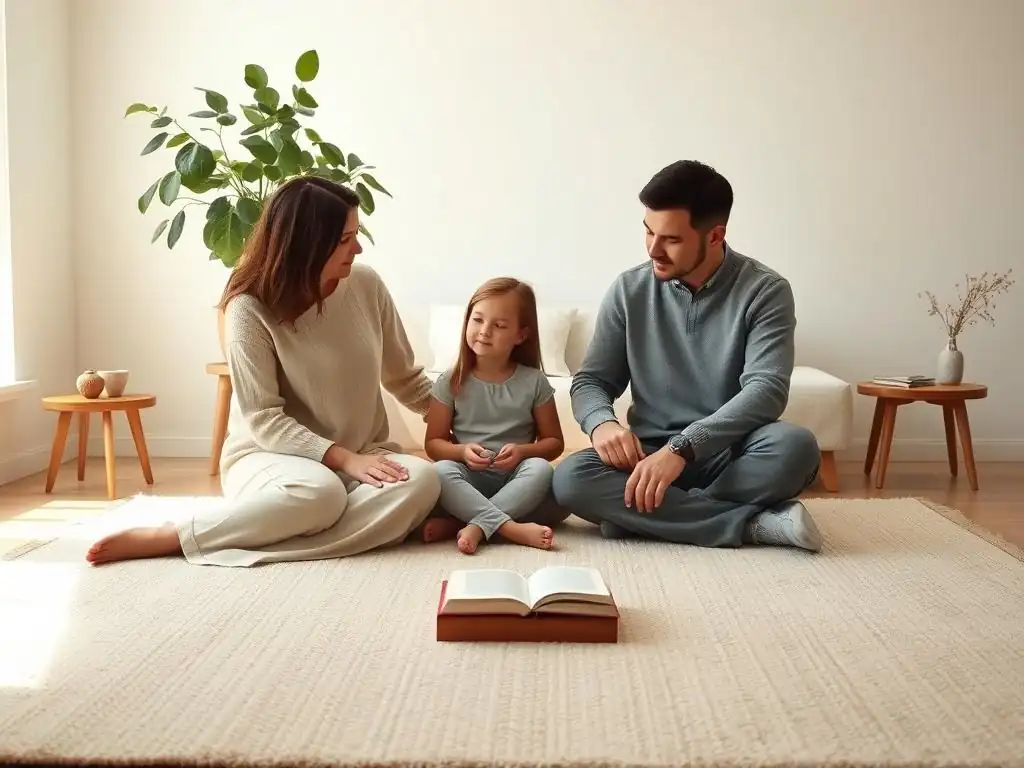
Navigating the complexities of a blended family can be emotionally and mentally draining for parents. The added stressors of merging households, managing different personalities, dealing with ex-partners, and potentially feeling like you're constantly juggling multiple roles can lead to burnout, anxiety, and depression. Prioritizing your own mental and emotional well-being is not selfish; it is essential for your ability to effectively parent and maintain a peaceful home environment. A stressed or overwhelmed parent is less equipped to handle family conflicts or provide the emotional support children need.
Making time for self-care activities that recharge you is critical. This could include exercise, mindfulness or meditation, spending time in nature, pursuing a hobby, reading, or simply scheduling quiet time alone. It also means setting realistic expectations for yourself and the blended family's progress. Recognize that building a cohesive blended family is a marathon, not a sprint. Protecting your own mental health is a non-negotiable part of successful blended family peace strategies, as your well-being directly impacts the family's overall dynamic.
Seeking Support and Guidance from Professionals
Parents in blended families don't have to navigate these challenges alone. Seeking support from others who understand the unique dynamics can be incredibly validating and helpful. This might involve connecting with friends or family members who have experience with blended families, joining a support group specifically for step-parents or blended families, or seeking professional guidance. Therapists or counselors specializing in family dynamics and blended families can provide valuable tools, strategies, and a neutral space to process difficulties.
Professional support can help parents and the family unit address complex issues such as loyalty binds, step-parenting challenges, co-parenting conflicts, and communication breakdowns. A therapist can teach effective communication techniques, mediate discussions, and help the family develop tailored blended family peace strategies. Don't wait until issues reach a crisis point. Proactive engagement with support systems, including professional help, can significantly improve outcomes and build a more resilient and peaceful blended family over the long term. It is estimated that up to 30% of blended families seek professional counseling at some stage.
Creating New Traditions While Honoring the Past
Holidays and special occasions can be particularly challenging times for blended families, often highlighting differences in traditions, expectations, and loyalties. It's important to approach these times with flexibility and a willingness to create new traditions that reflect the unique blend of the new family unit. This might involve discussing with all family members, including children, what aspects of their past traditions are important to them and how those might be incorporated or adapted. Simultaneously, actively creating entirely new traditions together helps build a shared sense of identity and belonging for the blended family.
For example, instead of trying to replicate past celebrations exactly, a blended family might create a new holiday ritual like decorating a specific tree together, having a themed movie marathon, or volunteering as a family on a particular day. This process should be collaborative, allowing everyone to contribute ideas. While honoring the past is important, focusing too heavily on replicating previous family structures or traditions can inadvertently exclude step-family members. Striking a balance between acknowledging heritage and building something new is a key aspect of blended family peace strategies during these high-stress times.
Planning Ahead to Minimize Stress and Conflict
One of the most effective ways to navigate holidays and special occasions peacefully in a blended family is through careful and proactive planning. This involves communicating well in advance with ex-partners regarding schedules and logistics for children. Waiting until the last minute to sort out who is where and when can lead to misunderstandings, stress, and conflict. Involve your current partner and children in the planning process for the time they will be with your blended family. Discuss expectations regarding travel, gift-giving, hosting, and spending time with extended family members from both sides.
Creating a shared calendar and confirming arrangements in writing (e.g., via email) can help avoid confusion. Be prepared for potential disappointments or changes in plans and approach them with flexibility and empathy. Having clear plans in place reduces uncertainty for both adults and children and minimizes the opportunities for conflict to arise from logistical chaos. Families who plan holiday schedules at least a month in advance often report a significant reduction in associated stress and arguments, demonstrating the power of preparation in blended family peace strategies.
Seeking Professional Help for Blended Family Issues
When to Consider Family Therapy
Deciding when to seek professional help is an important step for many blended families facing persistent challenges. It's often beneficial to consider family therapy when:
- Communication within the family breaks down consistently.
- Conflict is frequent, intense, or unresolved.
- Children are exhibiting significant behavioral issues, withdrawal, or distress related to the blended family structure.
- Step-parent/stepchild relationships are strained or hostile.
- Parents feel overwhelmed, stuck, or unable to resolve issues on their own.
- Loyalty binds or triangulation (children being put in the middle) are prevalent.
- Issues with ex-partners are significantly impacting the blended family's harmony.
Seeking therapy is not a sign of failure but a proactive measure to gain support, develop coping skills, and build healthier family dynamics. A therapist specializing in blended families can provide a neutral perspective, teach effective communication and conflict resolution techniques, and help the family navigate complex emotional terrain. Engaging in therapy is a powerful investment in the long-term well-being and peace of the blended family, acting as a dedicated resource for developing effective blended family peace strategies.
Finding the Right Therapist for Your Family Needs
Choosing the right therapist is crucial for a positive and effective therapy experience. Look for a licensed therapist or counselor with specific experience and training in working with blended families, stepfamilies, or family systems therapy. Their understanding of the unique challenges faced by blended families will be invaluable. You might ask potential therapists about their approach to blended family dynamics, their experience level, and how they involve children in therapy sessions (if applicable).
It's also important to find a therapist with whom all family members feel relatively comfortable and safe. The initial session can be an opportunity to assess the fit. Don't hesitate to meet with a couple of therapists before making a decision. The goal is to find a professional who can effectively guide your family towards improved communication, stronger relationships, and successful blended family peace strategies. While success rates vary, family therapy is often cited as having a high success rate, sometimes around 70-80%, in helping families improve functioning and resolve specific problems.
Long-Term Strategies for a Thriving Blended Family
Patience and Perseverance in Building Strong Relationships
Building a truly cohesive and thriving blended family is a process that requires significant patience, perseverance, and a realistic timeline. It's important to understand that forming deep, trusting relationships between step-parents and stepchildren, and between step-siblings, takes time – often many years, not months. Initial awkwardness, resistance, and conflict are normal parts of the adjustment phase. Expecting instant harmony can lead to disappointment and frustration. Each family member, especially children, will adjust at their own pace.
Focus on making consistent, small positive steps rather than expecting grand gestures or immediate acceptance. Celebrate progress, no matter how small. Understand that setbacks will happen, but they are opportunities to learn and grow. Maintaining open communication, continuing to invest in one-on-one time, and consistently applying the blended family peace strategies discussed are key to navigating the long-term journey. Your patience and perseverance signal commitment to the family's well-being and build resilience over time.
Celebrating Successes and Learning from Challenges
Creating a positive atmosphere in a blended family involves actively recognizing and celebrating successes, both big and small. This could be acknowledging a step-sibling resolving a conflict peacefully, a step-parent having a positive interaction with a stepchild, a successful family outing, or simply a week with fewer arguments. Celebrating these moments reinforces positive behaviors and helps the family see that their efforts towards peace and harmony are paying off. It shifts the focus from challenges to progress and builds a sense of collective achievement.
Equally important is learning from challenges. When conflicts arise or strategies don't work as planned, view them as opportunities for growth rather than failures. Discuss what happened, how each person felt, and what could be done differently next time. This process of reflection and adaptation is crucial for refining your blended family peace strategies. By celebrating successes and learning from difficulties, blended families can build resilience, strengthen bonds, and create a truly thriving and peaceful home environment over the long haul.
Frequently Asked Questions
What are some common challenges faced by blended families that can disrupt peace?
Blended families often face challenges related to differing parenting styles, loyalty conflicts between children and biological parents, and adjusting to new family dynamics. These can all contribute to tension and conflict.
How can open communication contribute to achieving blended family peace?
Open and honest communication allows family members to express their feelings and needs, helping to resolve misunderstandings and build mutual respect. It's crucial for addressing concerns before they escalate.
What role does establishing clear boundaries and rules play in a blended family environment?
Clearly defined boundaries and consistent rules provide structure and predictability, reducing confusion and conflict. This helps create a sense of stability and fairness for everyone involved.
Besides professional help, how can blended families build stronger bonds between members?
Encouraging shared activities and quality time fosters connections and strengthens family bonds. Focusing on creating new traditions and celebrating milestones together can be very beneficial.
What are some self-care strategies that parents in blended families can implement to manage stress and maintain their well-being?
Parents should prioritize self-care activities such as exercise, hobbies, and relaxation techniques. Taking time for themselves helps them manage stress and maintain emotional well-being, benefiting the entire family.
Final Reflection: Cultivating Harmony in the Heart of the Home
The quest for peace in a blended family is not a fleeting trend; it's a fundamental need for the well-being of every member. Creating a harmonious environment within a blended family requires consistent effort, understanding, and a willingness to adapt, but the rewards—a loving, supportive home—are immeasurable. This journey, while challenging, is ultimately deeply rewarding.
The impact of blended family dynamics on society is profound, shaping the emotional landscape of countless individuals. The very fabric of family is evolving, and understanding the unique challenges and opportunities presented by blended families is crucial for fostering healthier communities. The family you create is more important than the family you inherit.
This quote resonates deeply, highlighting the power of intentionality and conscious effort in building a thriving blended family unit. It's a constant work in progress, a testament to the resilience and adaptability of the human spirit.
Now, consider your own relationships, your own family dynamics. What small step can you take today to cultivate more peace and understanding within your home? Perhaps it's a mindful conversation, a gesture of forgiveness, or a simple act of kindness. Embrace the journey, celebrate the small victories, and remember that building a peaceful blended family is a testament to your love, commitment, and unwavering dedication to creating a truly harmonious home. The path may be winding, but the destination – a loving, supportive family – is worth every step.
Unlock Your Blended Family's Harmony
Thanks for taking the time to explore practical strategies for building a more peaceful blended household! We hope you found valuable insights to strengthen your family unit. Now, let's turn those insights into action.
- Prioritize one key relationship: Identify the most challenging relationship in your blended family and dedicate the next week to actively improving communication and understanding within that dynamic. This focused approach can make a significant difference.
- Share this guide: Pass along this article to other blended families who might benefit from these tips. Let's build a supportive community together!
- Reflect on a small win: What's one small step you can take today to foster a more peaceful atmosphere? Share your thoughts in the comments below – let’s learn from each other!
Ready to start creating a more harmonious home? What's your first step towards strengthening your blended family's bond?