
The Comfort Equation: Finding the Best Meditation Cushion or Chair

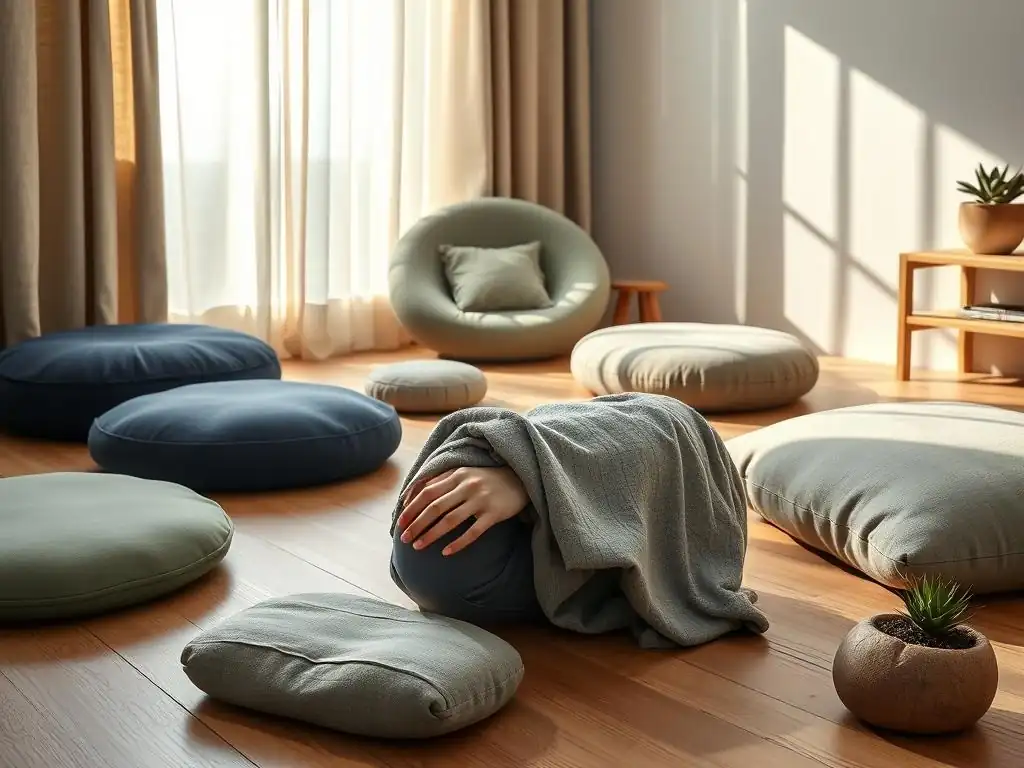
Welcome to Mind Care Guide, a sanctuary for your mental well-being.
Feeling overwhelmed by the choices when seeking the perfect meditation cushion or chair? You're not alone. We understand the importance of comfort in cultivating a peaceful practice. Dive into our Meditation Cushion Comfort Guide and unlock the secrets to finding the support that truly resonates with your body and mind. Discover how the right cushion can transform your meditation experience from a struggle to a serene journey. Let's find your perfect fit together.
The Comfort Equation: Finding the Best Meditation Cushion or Chair for Mind Care
- Meditation Cushion Comfort Guide: Your Path to Mindful Seating
- Decoding Meditation Cushion Comfort: Key Considerations
- Exploring Meditation Chairs: Ergonomic Alternatives for Enhanced Comfort
-
Top Meditation Cushions and Chairs for Optimal Comfort: Recommendations
- Best Overall Meditation Cushion: The Halfmoon Ergonomic Meditation Cushion – A Deep Dive Review
- Best Meditation Chair for Back Support: The Friends of Meditation Relaxback Rest – A Detailed Analysis
- Best Budget-Friendly Meditation Cushion: The Bean Products Zafu Meditation Cushion - Value and Comfort
- Maximizing Your Meditation Comfort: Tips and Tricks
- Creating a Comfortable Meditation Environment
- Investing in Your Mind Care: The Long-Term Benefits of Comfortable Meditation
- Conclusion: Choosing the Right Meditation Cushion or Chair for Your Journey
-
Frequently Asked Questions
- What factors contribute to the comfort of a meditation cushion?
- How does the height of a meditation cushion affect my posture?
- What types of meditation cushions are available, and which is best for me?
- Can a meditation chair offer the same benefits as a cushion?
- How do I choose the right size and firmness for my meditation cushion?
- Final Reflection: Finding Your Perfect Posture for Inner Peace
- Unlock Your Inner Peace: Find Your Perfect Meditation Seat
Meditation Cushion Comfort Guide: Your Path to Mindful Seating
Why Comfort Matters in Meditation
Entering a state of mindfulness requires a degree of physical ease. When the body is uncomfortable – perhaps joints are aching, hips are tight, or the back is unsupported – the mind inevitably becomes preoccupied with these sensations. This constant distraction pulls attention away from the breath, internal states, or chosen meditation object, significantly hindering the ability to settle into a deep and sustained practice. For those new to meditation, physical discomfort can be a major barrier, leading to frustration and abandonment of the practice before its benefits can be fully realized.
Furthermore, chronic discomfort during meditation can create negative associations with the practice itself. If every session is a struggle against pain or stiffness, it becomes less likely that one will consistently return to the cushion or chair. Investing in a comfortable meditation setup is not a luxury; it's a fundamental step in creating a supportive environment that encourages regularity and depth in your mind care journey. A good meditation cushion or chair acts as a foundation, allowing you to forget your body's needs for a time and devote your full attention to cultivating inner peace and awareness.
Understanding the Importance of Proper Posture for Meditation
Proper posture is crucial for a comfortable and effective meditation practice. Sitting with an aligned spine allows energy to flow freely and prevents the strain that can lead to pain in the back, neck, and shoulders. When the pelvis is tilted slightly forward, it helps the spine naturally fall into its correct curvature. This is where a meditation cushion becomes invaluable, as it elevates the hips above the knees, facilitating this forward pelvic tilt and making it easier to maintain an upright yet relaxed posture for extended periods.
Beyond spinal health, proper posture also impacts alertness and mental clarity. Slouching can restrict breathing and lead to fatigue, making it difficult to stay present and focused. An upright, stable posture, supported by the right cushion or chair, promotes open airways and a sense of groundedness. This physical stability translates into mental stability, helping to quiet the restless mind and deepen the meditative experience. Finding the right support is a key element in any comprehensive meditation cushion comfort guide.
Decoding Meditation Cushion Comfort: Key Considerations
Material Matters: Choosing the Right Fabric and Fill for Your Cushion
The internal filling and external fabric of a meditation cushion significantly impact its comfort, durability, and support level. Different materials offer distinct properties, catering to various needs and preferences. Understanding these differences is key to selecting the best cushion for your personal meditation cushion comfort guide.
Consider how the material feels against your skin, its breathability, and how well it maintains its shape and support over time. A cushion that feels great initially but quickly collapses or becomes lumpy won't provide long-term comfort. High-quality, durable materials ensure your investment supports your practice for years to come, making your meditation space a truly welcoming haven.
Buckwheat Hull Cushions: Firm Support and Adaptability
Buckwheat hull cushions are a popular choice for their firm, moldable support. The hulls are small and hard, allowing them to shift and conform precisely to the contours of your body, providing stable support that elevates the hips effectively. A standard zafu filled with buckwheat hulls might weigh around 5-7 pounds, giving it a substantial, grounded feel.
The natural density and flexibility of buckwheat hulls make these cushions excellent for maintaining proper pelvic tilt and spinal alignment. While firm, they aren't rigid; you can gently adjust the shape by shifting your weight, finding the perfect, personalized support. This adaptability is a major reason they are favored in many meditation cushion comfort guides.
Kapok Cushions: Lightweight and Traditional Comfort
Kapok is a light, fluffy fiber derived from the seed pods of the kapok tree. Cushions filled with kapok are significantly lighter than those filled with buckwheat, often weighing only 1-3 pounds for a standard zafu. This makes them easily portable, a plus for those who travel or attend classes.
Kapok provides a softer, more yielding support compared to buckwheat. It offers a gentle elevation and conforms less rigidly to the body. This traditional filling is often found in meditation styles that prefer a slightly softer seat. While comfortable, kapok can compress over time and may need periodic fluffing to maintain its shape and support.
Memory Foam Cushions: Contouring and Pressure Relief
Memory foam is a synthetic material known for its ability to contour to the body in response to heat and pressure. Meditation cushions made with memory foam, or a blend incorporating it, offer excellent pressure point relief, which can be particularly beneficial for those with sensitive hips or knees.
These cushions provide a stable, supportive base that doesn't shift like buckwheat hulls. They offer consistent elevation and distribute weight evenly, potentially reducing numbness or discomfort during longer sits. A memory foam cushion might offer a different kind of firmness – it feels dense and supportive but has a soft, conforming surface layer.
Shape and Size: Finding the Perfect Fit for Your Body
The shape and size of a meditation cushion are just as critical as the material in achieving optimal comfort and support. Different shapes are designed to facilitate specific postures and accommodate various body types and flexibility levels. Choosing the right dimensions ensures your hips are properly elevated and your legs and ankles are comfortably supported.
Consider your typical meditation posture (cross-legged, kneeling, etc. ), your height, and your current hip flexibility. A cushion that is too low will strain your hips and knees, while one that is too high might feel unstable. The right size provides the necessary elevation and surface area for stable, comfortable seating, a key element in any practical meditation cushion comfort guide.
Zafu Cushions: Classic Round Design for Elevated Seating
The zafu is perhaps the most iconic meditation cushion shape. Traditionally round with pleated sides, it is designed to elevate the hips several inches off the floor, typically between 4 to 7 inches depending on the filling and fullness. This elevation allows the knees to rest below the hips when sitting cross-legged, promoting a natural forward tilt of the pelvis and maintaining the spine's natural curve.
Zafus are versatile and suitable for various cross-legged positions, such as Burmese, half-lotus, or full-lotus. Their firm, rounded structure provides a stable base for balancing the body. A well-chosen zafu is a cornerstone piece for many meditators seeking reliable, elevated support as part of their meditation cushion comfort guide.
Zabuton Mats: Providing Grounded Knee and Ankle Support
A zabuton is a large, flat meditation mat designed to be placed under a zafu or used independently for kneeling postures. It typically measures around 25-30 inches square and is filled with several inches of soft material, like cotton batting or foam. Its primary function is to provide cushioning and insulation for the knees, ankles, and feet, preventing pressure points and discomfort on hard floors.
While not providing hip elevation itself, the zabuton works in tandem with a zafu to create a complete, comfortable meditation seat. It protects sensitive joints and grounds the lower body, allowing the meditator to relax into their posture without worrying about numbness or pain in the legs and feet.
Crescent Cushions: Ergonomic Design for Hip and Leg Comfort
Crescent-shaped cushions, also known as "zafus lite" or ergonomic cushions, offer a design that can be particularly comfortable for those with tight hips or who prefer to bring their feet closer to their body. Their sloped shape allows the legs to fall more naturally forward and outward from the hips compared to a round zafu.
The cut-out section provides space for the heels to tuck in comfortably, reducing pressure on the ankles and feet. These cushions typically offer a similar elevation to standard zafus, around 5-6 inches, but their shape can make maintaining hip-opening postures easier and more sustainable for longer periods.
Support Level: Matching Cushion Firmness to Your Needs
The firmness of a meditation cushion directly relates to the level of support it provides. The ideal firmness is subjective and depends on factors like body weight, flexibility, preferred posture, and personal preference. A cushion that is too soft will compress too much, failing to provide adequate hip elevation, while one that is too hard might feel uncomfortable or rigid.
Consider your body's needs and your experience level when choosing firmness. Beginners might prefer something slightly softer, while experienced meditators often benefit from the solid foundation a firmer cushion provides. Experimenting with different firmness levels is a crucial part of finding your personal meditation cushion comfort guide.
Firm Cushions: Ideal for Experienced Meditators and Back Support
Firm meditation cushions, often filled densely with buckwheat hulls or high-density foam, provide maximum elevation and stability. They maintain their shape well under weight, offering consistent support for the pelvis and spine. This solid base is often preferred by experienced meditators who can comfortably sit for longer durations and require reliable postural support.
A firm cushion helps maintain the natural lumbar curve, preventing the lower back from rounding. For individuals with specific back concerns, the unwavering support of a firm cushion can be beneficial in maintaining an upright and comfortable posture throughout their practice.
Soft Cushions: Gentle Support for Beginners and Sensitive Joints
Soft meditation cushions, typically filled with kapok or less dense foam/fiber blends, offer a more yielding and gentle seat. They provide some elevation but conform more significantly to the body's shape. This can be more comfortable for beginners whose bodies are not yet accustomed to sitting for long periods, or for individuals with sensitive joints.
While they may compress more, softer cushions can feel more forgiving and less imposing than firm ones. They still offer better support than sitting directly on the floor or a standard pillow and can be a good starting point for developing the ability to sit comfortably for longer durations.
Exploring Meditation Chairs: Ergonomic Alternatives for Enhanced Comfort
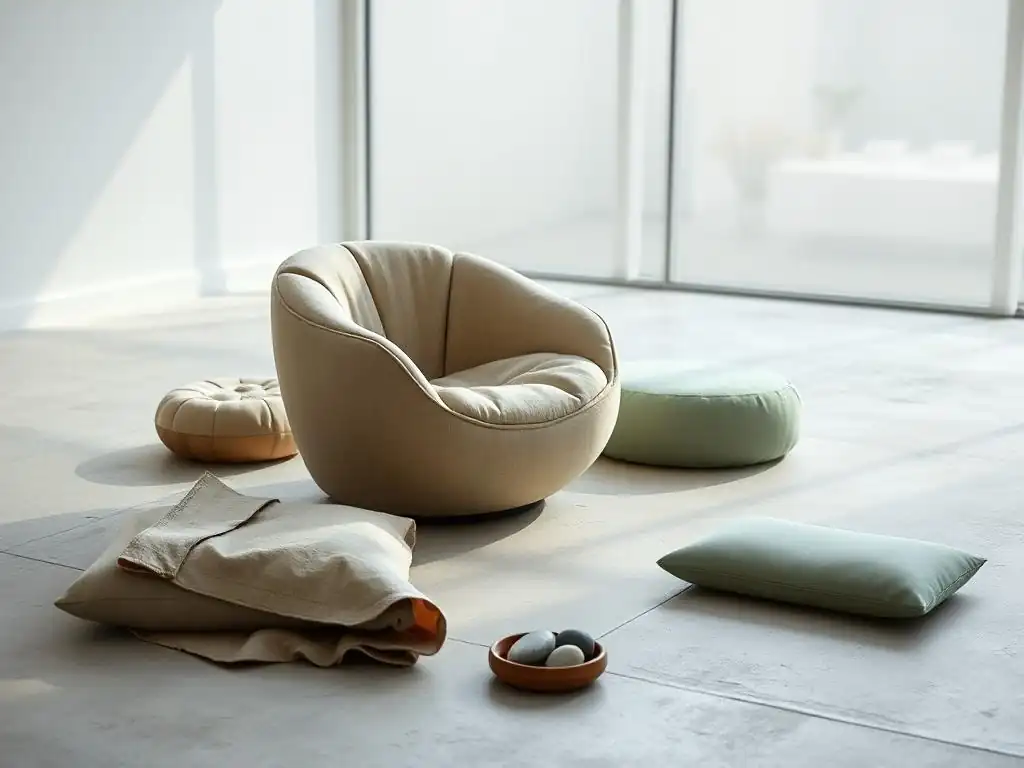
For many individuals, sitting on the floor, even with a cushion, is not feasible or comfortable due to physical limitations, injuries, or flexibility issues. Meditation chairs offer an excellent alternative, providing back support and taking pressure off the hips, knees, and ankles while still allowing for an upright, meditative posture. They are an important part of a comprehensive meditation cushion comfort guide for those seeking different seating options.
Meditation chairs come in various designs, from floor-based models with backrests to bench-like structures that facilitate kneeling. They can be a game-changer for those who struggle to sit on the floor, making meditation accessible and comfortable for a wider range of people.
Benefits of Meditation Chairs: Posture, Back Support, and Accessibility
The primary benefit of a meditation chair is the built-in back support. Unlike cushions, which rely solely on your muscular strength to maintain an upright spine, chairs provide external support, reducing fatigue and strain on the back muscles, especially during longer sessions. This allows meditators to focus on their practice rather than fighting discomfort.
Meditation chairs also improve accessibility. They are ideal for individuals with knee or hip issues, limited flexibility, or those recovering from injuries who cannot comfortably sit cross-legged or kneel on the floor. They allow these individuals to participate in meditation with greater ease and comfort, fostering a more consistent practice.
Types of Meditation Chairs: Finding the Right Style for You
Just as with cushions, meditation chairs come in different styles, each offering unique benefits and postures. The best type of chair for you depends on your physical needs, space limitations, and preferred sitting style during meditation.
Consider how much back support you need, whether you prefer to sit on the floor or slightly elevated, and if portability is a factor. Exploring the different types helps you find the ergonomic alternative that best supports your journey toward comfortable, mindful seating.
Folding Meditation Chairs: Portable and Space-Saving Options
Folding meditation chairs are typically floor-based seats with adjustable backrests. They allow you to sit directly on the floor or a mat while providing sturdy support for your back. Their main advantage is their portability and ease of storage; they can be folded flat and tucked away when not in use.
These chairs are great for small spaces or for those who attend meditation groups and need to bring their own seating. While they don't elevate the hips significantly, they offer crucial back support, making floor sitting accessible for many who would otherwise struggle.
Backjack Chairs: Simple and Supportive Design
Backjack chairs are a simple, durable type of meditation chair consisting of a fabric seat attached to a metal frame that provides back support. They are floor-based, requiring you to sit directly on the floor with your legs extended or crossed. The frame provides a firm, upright backrest.
Known for their robustness and straightforward design, Backjacks are a popular choice in meditation centers. They offer reliable back support without being bulky or overly complex, providing a stable and comfortable seat for extended periods.
Seiza Benches: Promoting Proper Spinal Alignment
Seiza benches are designed specifically for the kneeling posture (seiza). The bench elevates the hips several inches, allowing the legs to tuck underneath while taking pressure off the ankles and knees. This elevated kneeling position naturally encourages a straight spine and open chest.
Seiza benches are particularly beneficial for those who find cross-legged sitting uncomfortable or challenging. They promote excellent spinal alignment and can be a very stable and comfortable option for sustained meditation, often preferred in Zen traditions.
Top Meditation Cushions and Chairs for Optimal Comfort: Recommendations
Choosing from the vast array of meditation cushions and chairs available can be overwhelming. To help simplify your search for the best tools for your meditation cushion comfort guide, here are a few notable examples that are often praised for their comfort and support. These examples represent different types and price points, offering a starting point for your own exploration.
Remember that individual preferences vary, so these recommendations serve as well-regarded examples within the market, highlighting features that contribute to a comfortable meditation experience.
Best Overall Meditation Cushion: The Halfmoon Ergonomic Meditation Cushion – A Deep Dive Review
Often cited for its unique shape and supportive design, the Halfmoon Ergonomic Meditation Cushion is a standout choice for many meditators. Its crescent shape is specifically engineered to provide optimal support and alignment for cross-legged sitting, making it a top contender in the meditation cushion comfort guide.
This cushion is designed with both comfort and posture in mind, aiming to alleviate common discomforts associated with floor sitting. It represents a blend of traditional design principles with modern ergonomic considerations.
Features and Benefits of the Halfmoon Ergonomic Meditation Cushion
The Halfmoon Ergonomic Meditation Cushion typically features a generous crescent shape that slopes gently from back to front, providing a comfortable angle for the thighs and allowing feet to rest closer to the body. Filled often with dense buckwheat hulls, it offers firm, moldable support that customizes to your pelvic shape, promoting the necessary forward tilt for spinal alignment. Its typical dimensions might be around 15 inches wide, 9 inches deep, and 6 inches high at the back, tapering down at the front.
The benefits include reduced pressure on ankles and knees, improved hip flexibility facilitation, and excellent lumbar support due to proper pelvic positioning. The firmness of the buckwheat ensures it doesn't flatten during longer sits, maintaining consistent elevation and support, which is crucial for sustained comfort.
Where to Buy the Halfmoon Ergonomic Meditation Cushion
While I cannot provide specific links, the Halfmoon Ergonomic Meditation Cushion is typically available from specialized meditation supply retailers and various large online marketplaces that carry yoga and meditation accessories. Searching for the product name will lead you to vendors who stock this item. It is generally considered a mid-range to premium priced cushion due to its quality materials and ergonomic design.
Best Meditation Chair for Back Support: The Friends of Meditation Relaxback Rest – A Detailed Analysis
For those prioritizing robust back support, the Friends of Meditation Relaxback Rest chair is frequently recommended. This floor-based chair is designed specifically to promote good posture and provide ample lumbar support, making it a strong candidate in any meditation cushion comfort guide focusing on ergonomic seating.
It aims to make meditation accessible and comfortable even for individuals who find it impossible to sit upright on the floor without external support. Its design is focused on promoting relaxation while maintaining a healthy spinal curve.
Ergonomic Design and Spinal Alignment: How the Friends of Meditation Chair Promotes Comfort
The Friends of Meditation Relaxback Rest features a padded seat and a high, slightly angled backrest, often constructed with a metal frame and durable fabric. The backrest is designed to support the natural curve of the lumbar spine, preventing slouching and reducing strain on the back muscles. Users sit on the floor with their legs extended or gently bent, leaning back against the supportive rest.
This design takes the pressure off the hips and knees entirely, allowing individuals who cannot comfortably sit cross-legged or kneel to maintain an upright meditative posture. The chair typically folds flat for storage, offering a blend of support and practicality, often weighing around 5-8 pounds depending on the model.
Price and Availability of the Friends of Meditation Relaxback Rest
The Friends of Meditation Relaxback Rest chair is typically available through meditation supply stores and major online retailers. Its price point generally falls into the mid-range category for meditation chairs, reflecting its sturdy construction and focus on ergonomic support. Availability can vary, but it is a widely recognized product in the meditation community.
Best Budget-Friendly Meditation Cushion: The Bean Products Zafu Meditation Cushion - Value and Comfort
Finding a comfortable meditation cushion doesn't have to break the bank. The Bean Products Zafu Meditation Cushion is often highlighted as an excellent budget-friendly option that still provides reliable comfort and support, making it a valuable addition to any meditation cushion comfort guide focused on accessibility.
This cushion demonstrates that quality and comfort can be achieved at a more accessible price point, allowing more people to invest in their mind care practice without significant financial outlay.
Key Features and Benefits of the Bean Products Zafu Meditation Cushion
The Bean Products Zafu Meditation Cushion is a classic round zafu, often filled with either organic cotton or buckwheat hulls. The cotton-filled version typically offers a softer, lighter seat (around 3-4 pounds), while the buckwheat version provides firmer, heavier support (around 6-7 pounds). It usually measures about 15 inches in diameter and 5-6 inches in height.
Its key benefits include providing adequate hip elevation for comfortable cross-legged sitting, promoting proper spinal alignment, and offering durability at a competitive price. The choice of filling allows users to select their preferred firmness level, and the sturdy construction ensures the cushion maintains its shape over time, providing consistent comfort for meditation.
Where to Find the Bean Products Zafu Meditation Cushion
Bean Products meditation cushions, including their Zafu, are widely available online through their own website and various large e-commerce platforms. They are known for offering good value, placing them firmly in the budget-friendly category for quality meditation seating.
Maximizing Your Meditation Comfort: Tips and Tricks
Acquiring the right meditation cushion or chair is a significant step, but optimizing your comfort involves more than just the equipment. Small adjustments and techniques can further enhance your experience, allowing you to sit more comfortably and for longer durations. Incorporating these tips complements your meditation cushion comfort guide.
Experimentation is key. Your body is unique, and what works perfectly for one person might not be ideal for another. Be patient and willing to try different approaches to find what best supports your personal practice.
Finding the Right Seating Position: Experimenting for Optimal Alignment
Even with the perfect cushion or chair, your seating position matters. When using a zafu, ensure your hips are centered on the cushion, allowing your knees to drop below your hips. Experiment with different leg configurations: Burmese position (both feet in front of you), half-lotus (one foot resting on the opposite thigh), or full-lotus (both feet on opposite thighs) to see which feels most stable and comfortable for your body.
If using a chair, ensure your feet are flat on the floor or a footrest if needed, and your back is comfortably supported by the backrest without slumping. The goal is to find a position where your spine feels naturally aligned and your body feels balanced and at ease, reducing the need to constantly shift or readjust.
Incorporating Props: Using Blankets, Blocks, and Straps for Added Support
Don't hesitate to use additional props to enhance your comfort. A folded blanket placed under the knees or ankles can provide extra cushioning and support, relieving pressure points when sitting on a zafu or zabuton. A meditation block can be used under the knees if they are high off the ground, or placed under a zafu to increase its height if needed.
For those using a chair, a small cushion or rolled towel placed behind the lower back can provide customized lumbar support. A yoga strap can be used to gently support the legs in cross-legged postures, helping to maintain stability without muscular effort. These simple additions can make a significant difference in maintaining comfort during longer sits.
Listen to Your Body: Adjusting Your Posture and Cushion/Chair as Needed
Perhaps the most important tip is to listen attentively to your body during meditation. Discomfort is a signal, not a failure. If you feel sharp pain, numbness, or significant stiffness, it's okay to gently adjust your posture. This doesn't mean abandoning the sit, but rather mindfully shifting to alleviate the discomfort.
Pay attention to where tension is held and see if adjusting your position on your cushion or chair, slightly changing the angle of your hips, or shifting your weight helps. Over time, you'll learn what positions and adjustments work best for you, allowing you to maintain comfort and focus for longer periods. Your body is your wisest guide in this meditation cushion comfort guide journey.
Creating a Comfortable Meditation Environment
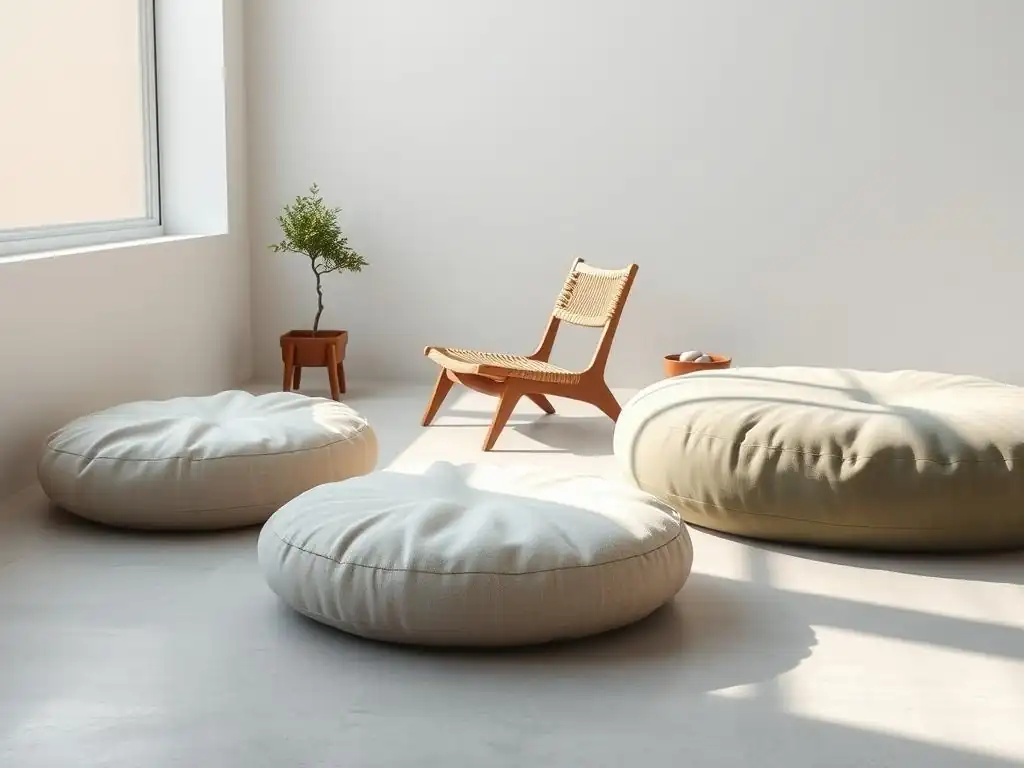
While the physical seat is crucial, the surrounding environment also plays a significant role in fostering a comfortable and conducive atmosphere for meditation. The senses are powerful, and creating a calming space helps the mind settle and relax more readily, complementing the physical comfort provided by your cushion or chair.
Consider your meditation space as a sanctuary for mind care. Paying attention to the environmental elements can deepen your practice and make your meditation time something you truly look forward to.
The Role of Lighting, Sound, and Temperature in Meditation Comfort
Harsh lighting can be distracting and strain the eyes. Opt for soft, natural light if possible, or use dim, warm artificial lighting. Too much noise can make concentration difficult; choose a quiet space or use earplugs or noise-canceling headphones if necessary. Some people find gentle ambient sounds or nature sounds helpful, while others prefer silence.
Ensure the temperature of your space is comfortable – not too hot or too cold. Being too warm can make you restless, while being too cold can cause muscles to tense up. A comfortable temperature allows your body to relax fully, making it easier to sit still and comfortably on your meditation cushion or chair.
Integrating Aromatherapy and Other Sensory Elements for Relaxation
Engaging the sense of smell can also enhance relaxation. Using a diffuser with calming essential oils like lavender, chamomile, or sandalwood can create a serene atmosphere. Ensure the scent is not too strong or overpowering, as this can become a distraction.
Consider adding other simple sensory elements like a soft blanket to wrap yourself in, a calming color scheme in your meditation corner, or a few meaningful objects that inspire peace. These elements contribute to the overall feeling of comfort and safety in your meditation space, supporting your practice.
Investing in Your Mind Care: The Long-Term Benefits of Comfortable Meditation
Choosing the right meditation cushion or chair is more than just selecting a piece of furniture; it's an investment in your well-being and the longevity of your meditation practice. When meditation is physically comfortable, you are more likely to practice consistently and for longer durations, unlocking deeper levels of calm and insight. A good meditation cushion comfort guide leads to sustained practice.
The benefits of a comfortable meditation practice extend far beyond the time spent sitting. They permeate your daily life, impacting how you handle stress, relate to others, and experience the world.
Reducing Stress and Anxiety: The Power of Mindful Seating
Consistent meditation, facilitated by comfortable seating, is a powerful tool for stress and anxiety reduction. By regularly training the mind to focus and return from distraction, you build resilience to stressful thoughts and situations. Sitting comfortably allows you to fully immerse yourself in this practice without physical discomfort adding to your mental load.
Studies have shown that regular meditators experience decreased levels of stress hormones like cortisol. A comfortable seat supports the ability to sit daily, even for short periods, building this crucial habit that calms the nervous system and reduces overall anxiety levels.
Improving Focus and Concentration: The Connection Between Comfort and Clarity
Physical discomfort is a major impediment to concentration. When you are constantly aware of aches or stiffness, your attention is fragmented. A comfortable meditation cushion or chair eliminates these physical distractions, allowing your mind to settle more easily and focus on the object of meditation – whether it's the breath, a mantra, or bodily sensations.
Improved focus during meditation translates directly to enhanced concentration in daily tasks. By removing physical barriers to stillness, comfortable seating helps you cultivate the mental clarity needed to stay present and attentive in all aspects of your life.
Cultivating a Deeper Meditation Practice: The Importance of a Supportive Foundation
A comfortable and supportive meditation setup provides the stable foundation necessary for cultivating a deeper practice. When your body is at ease, your mind is freer to explore subtler states of awareness and delve into deeper levels of concentration and insight. You can sit for longer periods without being pulled out of the meditative state by physical pain.
Over time, this ability to sit comfortably enables you to move beyond basic mindfulness and explore more advanced meditation techniques, leading to profound personal growth and a richer inner life. The right meditation cushion or chair is an essential partner in this journey.
Conclusion: Choosing the Right Meditation Cushion or Chair for Your Journey
Finding the best meditation cushion or chair is a personal process, but it's a worthwhile endeavor for anyone committed to a consistent and meaningful meditation practice. By prioritizing comfort, you remove a significant barrier to mindfulness and create an inviting space for self-exploration and inner peace. This meditation cushion comfort guide has aimed to illuminate the path.
Investing in comfortable seating is an investment in the quality and sustainability of your mind care practice. It allows you to sit longer, with less distraction, and reap the full benefits of meditation for your mental and emotional well-being.
Recapping Key Considerations for Finding Your Perfect Fit
Remember the key factors when making your choice: consider the filling material (buckwheat for firm, kapok for soft, memory foam for contouring), the shape and size that best suits your body and preferred posture (zafu, zabuton, crescent, or chair), and the level of support (firm or soft) that aligns with your needs and flexibility. Don't forget to explore ergonomic alternatives like meditation chairs if floor sitting is a challenge.
Also, factor in practical aspects like durability, ease of cleaning, and budget. Many quality options exist across different price points, ensuring you can find a suitable choice without compromise.
Prioritizing Comfort for a More Meaningful Meditation Experience
Ultimately, the goal of a meditation cushion comfort guide is to help you create a physical environment that supports your mental and spiritual journey. When you are comfortable, you can relax into the present moment more fully, reduce internal resistance, and cultivate a deeper connection with yourself.
Making comfort a priority in your meditation practice is a compassionate act towards yourself. It acknowledges the importance of the body in the mind-body connection and lays the groundwork for a more consistent, enjoyable, and transformative meditation experience, enriching your overall mind care journey.
Frequently Asked Questions
What factors contribute to the comfort of a meditation cushion?
The comfort of a meditation cushion is primarily determined by its height, firmness, and supportive material. These factors impact posture and reduce strain during meditation.
How does the height of a meditation cushion affect my posture?
A properly sized cushion elevates the hips, allowing for a more natural curve in the spine. This helps prevent slouching and promotes better spinal alignment, making meditation more comfortable.
What types of meditation cushions are available, and which is best for me?
Common types include zafus, zabutons, and benches. The best choice depends on your flexibility, preferred meditation posture, and any physical limitations. A meditation cushion comfort guide can help you choose.
Can a meditation chair offer the same benefits as a cushion?
Yes, meditation chairs provide back support and can be beneficial for individuals with mobility issues or who find sitting on the floor uncomfortable. They also promote proper posture during meditation.
How do I choose the right size and firmness for my meditation cushion?
Consider your height, weight, and flexibility. A firmer cushion is generally better for those needing more support, while a softer cushion might be preferred for longer meditation sessions. Refer to a meditation cushion comfort guide for specific recommendations.
Final Reflection: Finding Your Perfect Posture for Inner Peace
The quest for the ideal meditation posture is not merely about physical comfort; it's about cultivating the mental and emotional space necessary for a truly transformative practice. Finding the right cushion or chair isn't just about avoiding aches and pains; it's about removing obstacles to deeper connection with yourself and the present moment. This pursuit, as explored throughout this guide, directly impacts the accessibility and longevity of your meditation journey.
The impact of proper posture on meditation practice is profound. It's not just about physical ease; it's about creating a foundation for mental clarity and emotional stability. As Thich Nhat Hanh wisely said, If you just sit quietly and allow yourself to be, you will see that you are not separate from the universe.
Finding the right support, whether it's a perfectly-formed cushion or an ergonomically sound chair, allows you to fully inhabit that "being," to fully experience the present moment without the distraction of physical discomfort. This, in turn, allows the transformative power of meditation to unfold more completely.
Now, I invite you to reflect on your own meditation practice. Consider the role your posture plays in your experience. Is your current setup supporting your journey, or is it hindering your progress? Use the insights gained from this guide to experiment, to find what truly works for your body and your unique needs. Remember, the path to inner peace is a personal one, and finding the right comfort is a crucial step along the way. Embrace the journey, and may your meditation practice be filled with both ease and profound insight.
Unlock Your Inner Peace: Find Your Perfect Meditation Seat
Thanks for joining us on this journey to discover the perfect meditation posture! We hope you now feel more confident in choosing a cushion or chair that supports your practice and enhances your comfort. Ready to take the next step towards a more peaceful you?
- Find your ideal meditation seat: Use the guide's insights to browse options and select the cushion or chair that resonates with your needs and preferences. Consider trying out different styles if possible – your body will thank you!
- Share your discovery: Tell us (and your friends!) which cushion or chair you chose and why! We'd love to hear your experience in the comments below.
- Try a guided meditation: Use the newfound comfort of your chosen seat to deepen your practice with a guided session.
What posture will unlock your most peaceful and focused meditation today?