
Wearable Wellness: Using Smartwatches for Anxiety and Mindfulness Support

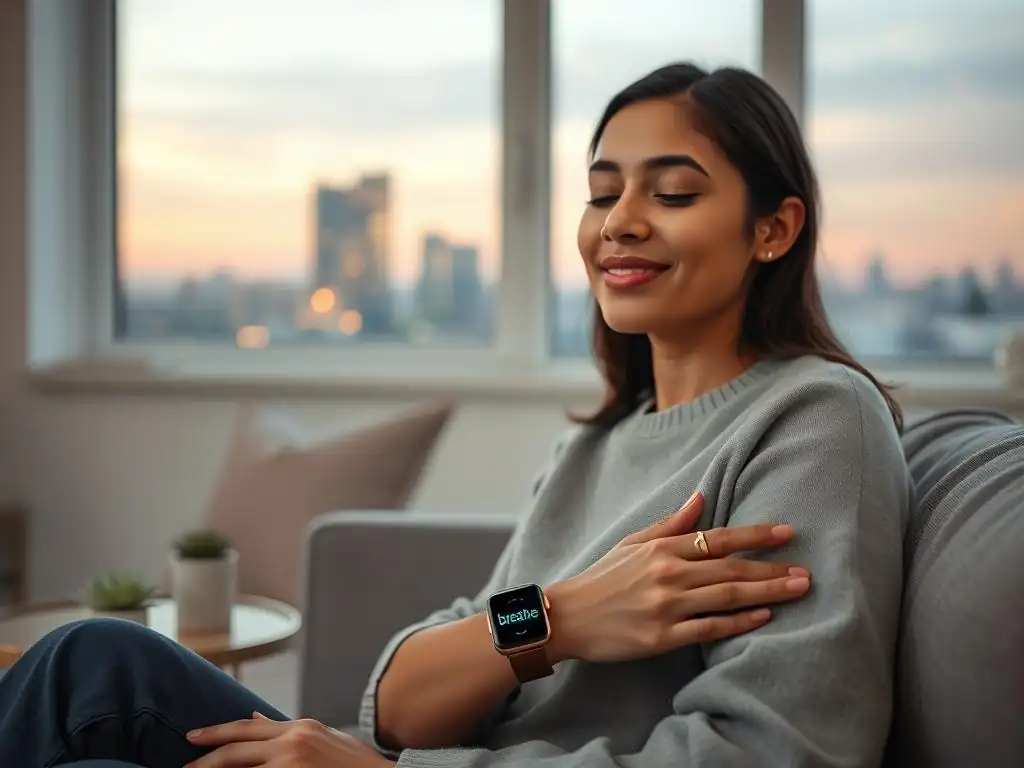
Welcome to Mind Care Guide, your haven for navigating the complexities of mental well-being. Feeling overwhelmed by anxiety and searching for practical tools? You're not alone. Dive into our latest article, "Wearable Wellness," where we explore the exciting potential of Smartwatch anxiety mindfulness support and how these devices can empower you to find calm amidst the chaos. Curious to learn how technology can be your ally on your journey to inner peace? Let's begin.
Wearable Wellness: Using Smartwatches for Anxiety and Mindfulness Support
- Finding Calm on Your Wrist: How Smartwatches Offer Anxiety and Mindfulness Support
- Step 1: Understanding Your Anxiety and Mindfulness Needs
- Step 2: Choosing the Right Smartwatch for Anxiety and Mindfulness
- Step 3: Setting Up Your Smartwatch for Optimal Anxiety and Mindfulness Support
- Step 4: Using Your Smartwatch for Daily Anxiety Management
- Step 5: Advanced Techniques and Troubleshooting
-
Frequently Asked Questions
- How can a smartwatch help with anxiety?
- What mindfulness features are commonly found on smartwatches?
- Are smartwatches an effective tool for mental well-being, or just a gimmick?
- How do I choose a smartwatch with good anxiety and mindfulness support features?
- Can relying on a smartwatch for anxiety management become problematic?
- Final Reflection: Weaving Technology into Wellbeing
- Unlock Your Inner Calm: Take Control of Your Wellness Today
Finding Calm on Your Wrist: How Smartwatches Offer Anxiety and Mindfulness Support
In today's fast-paced world, managing anxiety and cultivating mindfulness can feel like a constant challenge. Millions of people globally experience anxiety, with estimates suggesting that perhaps one in five adults in the United States alone is affected by an anxiety disorder in any given year.
Traditional methods like therapy and meditation are invaluable, but integrating technology can offer supplementary support, making these practices more accessible throughout the day. Smartwatches, with their presence directly on our wrists, are emerging as surprisingly effective tools for this purpose, providing features that help monitor physiological signs of stress and prompt moments of calm reflection.
These wearable devices go beyond just telling time or tracking steps. Modern smartwatches are equipped with sensors capable of measuring heart rate variability (HRV), blood oxygen levels, and even skin conductance, all of which can provide insights into our body's stress response.
Furthermore, they offer guided breathing exercises, meditation prompts, and sleep tracking features that are crucial components of a holistic approach to mental well-being. By offering timely reminders and easy access to mindfulness practices, smartwatches can help individuals build resilience against anxiety and integrate moments of peace into their busy lives, making smartwatch anxiety mindfulness support a tangible reality for many.
Step 1: Understanding Your Anxiety and Mindfulness Needs
Identifying Your Anxiety Triggers: A Foundation for Smartwatch Use
Understanding what situations, thoughts, or physical sensations tend to increase your anxiety is a critical first step in leveraging technology like smartwatches for support. Triggers can be external, such as social gatherings, work deadlines, or specific places, or internal, like negative thought patterns or physical discomfort. For instance, someone might notice their anxiety spikes before public speaking, or perhaps during their commute. Recognizing these patterns allows you to anticipate challenging moments and proactively use your smartwatch's features, such as a quick breathing exercise before a meeting or a brief guided meditation during a stressful bus ride.
Logging your experiences, either mentally or through a journaling feature on your phone or watch if available, can reveal patterns you might not have consciously noticed. Perhaps your heart rate consistently elevates during certain types of emails, or you feel restless every time you check social media. By identifying these specific triggers, you can program your smartwatch for targeted support.
For example, setting reminders to take a mindful minute before anticipated stressful events or using physiological data from the watch, like elevated heart rate or changes in HRV, as a prompt to check in with yourself and deploy a coping strategy like a guided breathing exercise offered directly on the device. This personalized approach enhances the effectiveness of smartwatch anxiety mindfulness support.
Defining Your Mindfulness Goals: What Do You Want to Achieve?
Setting clear goals for your mindfulness practice is essential for making consistent progress and utilizing your smartwatch effectively. Do you want to reduce overall stress levels? Improve focus and concentration? Enhance emotional regulation? Or perhaps simply incorporate more moments of presence into your day? Your goals will influence how you use your smartwatch's features. If your aim is to reduce stress, you might focus on using the watch's stress tracking and guided breathing features regularly. If you want to improve focus, you might schedule short, guided meditations via an app integrated with your watch throughout your workday.
Specific, measurable, achievable, relevant, and time-bound (SMART) goals can be particularly helpful. For example, instead of "be more mindful," a goal could be "complete a 5-minute guided meditation using my smartwatch app three times this week" or "use a guided breathing exercise via my watch whenever my stress level metric rises above a certain threshold."
Tracking progress toward these goals, often possible through linked apps on your smartphone, provides motivation and helps you assess what strategies are working best. Defining these objectives ensures that your use of smartwatch anxiety mindfulness support is intentional and aligned with your personal well-being journey.
Step 2: Choosing the Right Smartwatch for Anxiety and Mindfulness
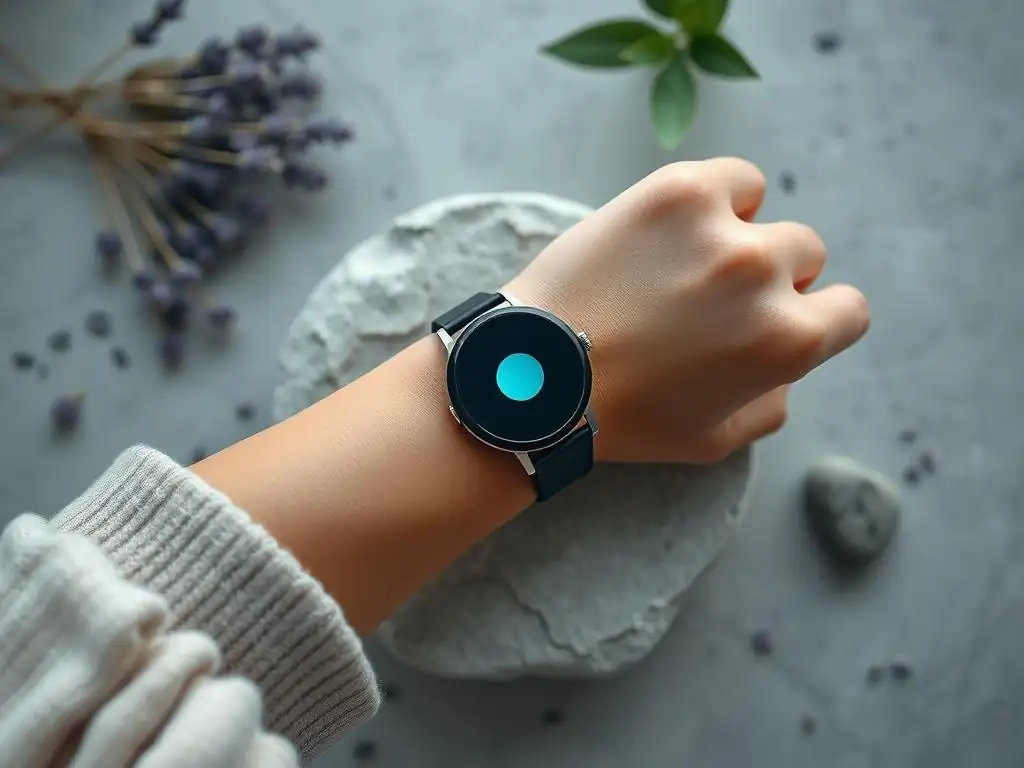
Key Features to Look For in a Mindfulness Smartwatch
When selecting a smartwatch with a focus on anxiety and mindfulness support, several features stand out as particularly beneficial. Heart rate variability (HRV) tracking is crucial, as HRV is a key indicator of your autonomic nervous system's balance and resilience to stress. A watch that provides accurate HRV data and perhaps even interprets it into a stress score or recovery metric can offer valuable daily insights. Another important feature is integrated guided breathing exercises, accessible directly from the watch face, allowing for quick stress relief without needing to access your phone.
Furthermore, compatibility with popular mindfulness and meditation apps like Calm, Headspace, or Breethe is highly desirable. This allows you to follow guided sessions, track your meditation time, and receive prompts directly on your wrist. Sleep tracking is also vital, as poor sleep significantly impacts anxiety levels and overall mental well-being. Look for watches that offer detailed sleep stage analysis and insights. Lastly, consider the watch's battery life (important for continuous tracking, especially sleep) and the intuitiveness of its interface – you want features to be easily accessible when you need them most for effective smartwatch anxiety mindfulness support.
Top Smartwatch Recommendations for Anxiety and Mindfulness
- Apple Watch Series 9: Integrates seamlessly with Calm and Headspace, offering robust HRV and sleep tracking.
- Apple Watch & Anxiety Reduction: How it works.: The Apple Watch incorporates several features that can indirectly support anxiety reduction. Its built-in Breathe app prompts users to take mindful breaths, a simple yet powerful technique for calming the nervous system. The watch also continuously monitors heart rate and can alert users to unusually high or low rates, which can sometimes be associated with panic or anxiety symptoms, providing an opportunity to pause and check in.
- Beyond breathing and heart rate, the Apple Watch tracks heart rate variability (HRV) and blood oxygen levels (SpO2), metrics that can offer insights into overall physiological stress and recovery. While not diagnostic tools, changes in these metrics over time or in response to certain situations can help users become more aware of their body's state. Integration with leading mindfulness apps also means guided meditations and sleep stories are accessible with a tap on the wrist, making it easier to weave these practices into daily life for better smartwatch anxiety mindfulness support.
- Fitbit Sense 2: Features EDA (Electrodermal Activity) sensor for stress management and a wide range of mindfulness apps.
- Fitbit EDA Scan App for Stress Tracking: A Deep Dive.: The Fitbit Sense 2's signature feature for stress management is the EDA (Electrodermal Activity) sensor, accessible via the Sense 2's Stress Management Tile or the EDA Scan app. Electrodermal activity reflects tiny changes in the electrical conductivity of your skin, which are influenced by sweat gland activity, a response regulated by the sympathetic nervous system, often activated during stress.
- When you place your palm over the watch face, the EDA sensor detects these changes. The Sense 2 analyzes this data along with other metrics like heart rate, HRV, and skin temperature to provide a daily Stress Management Score. A higher score indicates your body is showing fewer physical signs of stress. The app also prompts you to log your mood after an EDA scan, helping you connect your physiological responses with how you feel, thereby enhancing your awareness of stress triggers and contributing to effective smartwatch anxiety mindfulness support.
- Garmin Venu 3: Offers body battery monitoring, respiration tracking, and guided breathing exercises.
- Garmin Body Battery and Stress Levels: Understanding the Connection.: Garmin's Body Battery is a unique metric that estimates your energy reserves based on your activity, rest, and stress data. It starts at 100 and depletes with activity and stress, recharging during periods of rest and sleep. A low Body Battery score often correlates with high stress or inadequate recovery, serving as a tangible reminder that you might need to rest or engage in stress-reducing activities.
- Garmin also provides continuous, all-day stress tracking using heart rate variability. It assigns a stress score typically ranging from 0 to 100, categorizing levels as Rest, Low, Medium, or High Stress. Seeing your stress levels fluctuate throughout the day, and observing how they impact your Body Battery, can provide valuable insights into the physiological toll of different activities or situations. This connection helps users identify patterns and proactively use the watch's guided breathing exercises or other mindfulness tools to manage stress and enhance their smartwatch anxiety mindfulness support.
- Amazfit Band 7: A more affordable alternative with basic mindfulness features.
Comparing Smartwatch Features for Anxiety Relief
When comparing smartwatches specifically for anxiety relief, the depth and accuracy of physiological tracking features are paramount. Devices like the Fitbit Sense 2 with its EDA sensor offer a unique metric directly related to sympathetic nervous system arousal, providing a different perspective on stress than watches relying solely on HRV. However, the sophistication of HRV analysis varies; some watches provide raw data, while others interpret it into actionable scores or recovery recommendations, which can be more user-friendly for someone focused primarily on anxiety management.
Beyond core physiological data, consider the user experience for accessing mindfulness tools. How easy is it to initiate a guided breathing session from the watch face? Is the vibration gentle enough for subtle prompts? The range and quality of integrated or compatible mindfulness apps also differ significantly. While some watches offer basic built-in breathwork, others provide deep integration with subscription services offering hundreds of guided meditations, sleep stories, and soundscapes. Evaluating which combination of data, accessibility, and content aligns best with your personal needs will guide you to the most suitable tool for your smartwatch anxiety mindfulness support journey.
Step 3: Setting Up Your Smartwatch for Optimal Anxiety and Mindfulness Support
Downloading and Configuring Mindfulness Apps
Once you have chosen your smartwatch, integrating it with mindfulness applications is a key step to unlocking its full potential for anxiety support. Most popular smartwatches sync with their companion smartphone apps, which in turn can connect to third-party wellness and mindfulness platforms.
Navigate your phone's app store, download the mindfulness app(s) you prefer, and then follow the instructions within both the smartwatch's native app and the mindfulness app to ensure they are linked. This typically involves granting permissions for the apps to share data, such as meditation session duration or guided breathing exercise completion, back to your watch or health dashboard.
Configuring the app settings is equally important. Within the mindfulness app, you can often set daily reminders for meditation, schedule specific types of sessions (like a morning check-in or an evening wind-down), and customize the content you see. Some apps allow you to download sessions to your watch for offline use, which is convenient if you plan to practice mindfulness in areas without phone signal. Ensure notifications from the mindfulness app are enabled on your watch so prompts and session starts appear directly on your wrist, making it effortless to engage with smartwatch anxiety mindfulness support throughout your day.
- Calm App: A popular meditation app with a vast library of guided meditations.
- Headspace App: Another leading meditation app with a focus on mindfulness and mental well-being.
- Breethe App: Offers personalized meditation programs and sleep stories.
Customizing Notifications and Alerts
Smartwatches are designed to keep you connected, but a constant barrage of notifications can ironically increase stress and anxiety. For effective anxiety and mindfulness support, it's crucial to customize which alerts appear on your wrist. Go into your smartwatch's settings, usually accessed via the companion app on your phone, and carefully review the list of apps permitted to send notifications to your watch. Disable alerts for non-essential apps that tend to cause distraction or stress, such as certain social media feeds, news updates, or work emails outside of specific hours.
Prioritize notifications that are genuinely helpful for your well-being goals. This includes alerts from your chosen mindfulness apps reminding you to meditate or breathe, gentle nudges to move if you've been sedentary (as physical activity can reduce anxiety), or even reminders from a therapy app. Some watches allow you to set custom vibrations or quiet modes during specific times or when engaged in mindfulness activities. Tailoring your notification settings ensures your smartwatch serves as a tool for calm and awareness, rather than an additional source of digital noise, optimizing its function for smartwatch anxiety mindfulness support.
Integrating Your Smartwatch with Other Wellness Tools
Maximizing the benefits of your smartwatch for anxiety and mindfulness involves integrating its data and functionalities with other wellness tools you might use. This often happens automatically if your smartwatch's companion app syncs with broader health platforms like Apple Health on iOS or Google Fit on Android. These central hubs can consolidate data from various sources – perhaps sleep data from your watch, activity data from a fitness app, and nutrition tracking from another – providing a more complete picture of your overall health that can inform your mental well-being strategies.
Beyond data synchronization, consider how your smartwatch can complement practices like journaling, therapy, or physical exercise. For instance, noticing a pattern of increased stress levels on your watch data might prompt you to write about your feelings in a journal or discuss it during your next therapy session.
Using the watch to track your heart rate during exercise can help you understand how physical activity impacts your stress response over time. By connecting the insights from your wrist to your broader wellness ecosystem, you create a more informed and integrated approach to managing anxiety and cultivating mindfulness, enhancing the value of your smartwatch anxiety mindfulness support.
Step 4: Using Your Smartwatch for Daily Anxiety Management
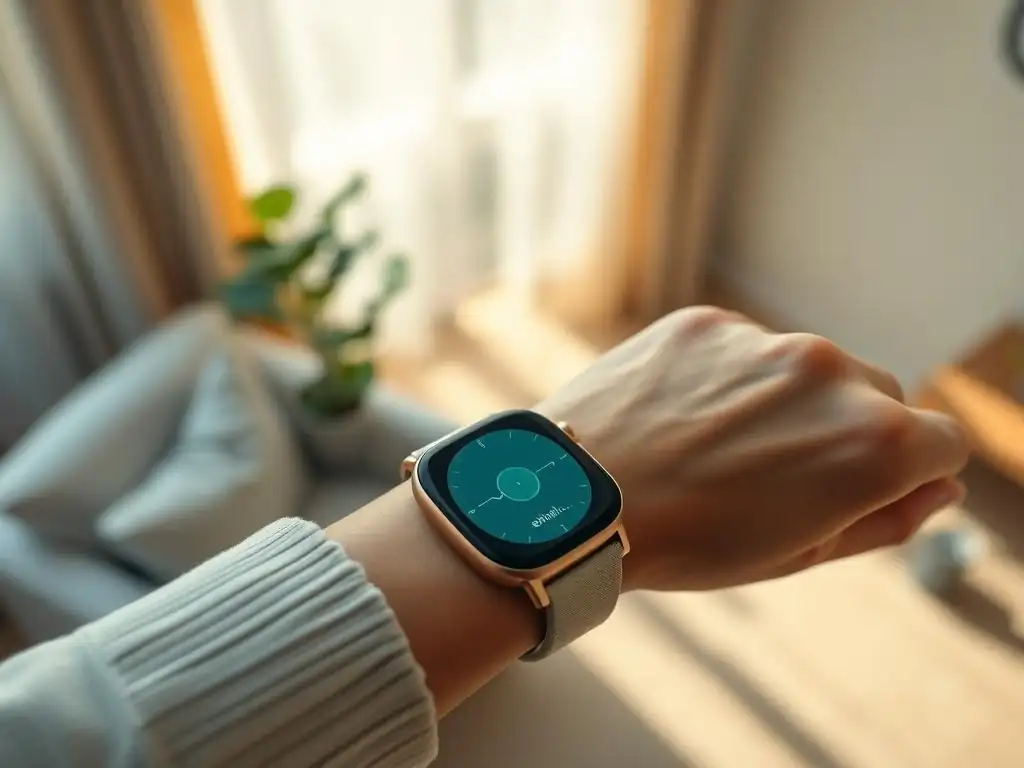
Incorporating Guided Meditations into Your Routine
One of the most direct ways to use your smartwatch for anxiety management is by incorporating guided meditations into your daily routine. With mindfulness apps integrated, you can initiate a meditation session directly from your wrist, making it easy to find a moment of calm whether you're at home, at work, or even on the go. Start small, perhaps with a 2 or 3-minute guided breathing exercise or a short body scan meditation during a break. Consistency is often more important than duration when building a mindfulness habit.
Schedule specific times for meditation using your watch's reminders, or simply use the watch as a spontaneous tool when you feel anxiety starting to rise. Many apps offer meditations tailored to specific needs, such as dealing with stress, improving focus, or promoting sleep. Accessing these directly from your wrist removes potential barriers like finding your phone or getting distracted by other apps. Over time, regular practice facilitated by your smartwatch can help train your mind to be less reactive to anxious thoughts and feelings, reinforcing the benefits of smartwatch anxiety mindfulness support.
Utilizing Breathing Exercises During Moments of Stress
Smartwatches are particularly adept at providing immediate support during acute moments of stress or anxiety thanks to built-in or easily accessible guided breathing exercises. When you feel your heart rate quicken, your breath become shallow, or tension build, a quick swipe or button press on your watch can start a guided breathing session, often lasting just one or two minutes. These exercises typically involve inhaling and exhaling in time with a visual or haptic (vibration) cue on the watch face, helping to regulate your breath and activate your parasympathetic nervous system, which promotes relaxation.
Having this tool readily available on your wrist means you don't need to excuse yourself to find a quiet space or retrieve your phone. You can discreetly engage in a calming breathing exercise during a challenging meeting, while stuck in traffic, or before a stressful encounter. Regularly practicing these exercises, both during stressful moments and proactively, can improve your ability to manage your body's stress response and provide an immediate sense of grounding, highlighting the practical utility of smartwatch anxiety mindfulness support.
Monitoring Your Sleep Patterns and Making Adjustments
Quality sleep is fundamentally linked to mental well-being, and poor sleep can significantly exacerbate anxiety. Most modern smartwatches offer comprehensive sleep tracking, monitoring not just the duration of your sleep but also different sleep stages (light, deep, REM) and periods of wakefulness. Analyzing this data over time, usually within the companion app, can reveal patterns that might be contributing to your anxiety, such as insufficient sleep duration, fragmented sleep, or inconsistent bedtimes.
Use the insights from your sleep data to identify areas for improvement. If you consistently get less than the recommended 7-9 hours, prioritize an earlier bedtime. If your sleep is restless, consider your evening routine – perhaps reducing screen time (including your watch face brightness before bed) or avoiding caffeine late in the day.
Some watches offer features like smart alarms that wake you during a lighter sleep stage, potentially reducing morning grogginess. By proactively monitoring and adjusting your sleep habits based on your smartwatch data, you build a stronger foundation for managing anxiety and improving overall mental resilience, supported by your smartwatch anxiety mindfulness support features.
Tracking Your Mood and Identifying Triggers
Many smartwatches and their linked apps offer features for logging your mood throughout the day. This can be as simple as selecting an emoji or rating your feeling on a scale. Consistently logging your mood, especially in correlation with stressful events or activities, can help you identify specific triggers that impact your emotional state. For example, you might notice that your mood consistently drops after certain types of social interactions, or that you feel more positive on days when you incorporate a morning walk or meditation.
Some advanced smartwatches integrate mood logging with physiological data, allowing you to see if changes in your heart rate, stress levels, or sleep correlate with shifts in your mood. This combined data provides a more objective perspective on your emotional experience and the factors influencing it. By actively tracking and reflecting on your mood patterns via your smartwatch, you gain greater self-awareness, enabling you to anticipate challenging situations and employ coping strategies more effectively, reinforcing the behavioral aspect of smartwatch anxiety mindfulness support.
Step 5: Advanced Techniques and Troubleshooting
Interpreting Your Smartwatch Data for Deeper Insights
Moving beyond simply collecting data, learning to interpret the various metrics your smartwatch provides can offer deeper insights into your anxiety and stress patterns. Look at trends in your heart rate variability (HRV) over days and weeks – consistent low HRV can sometimes indicate chronic stress or inadequate recovery.
Pay attention to your sleep metrics, particularly the balance of deep and REM sleep, as these stages are crucial for mental restoration. Correlate periods of high reported stress or anxiety with your physiological data – do they align with spikes in heart rate, drops in Body Battery, or changes in EDA readings?
Consider using your smartwatch data to track the impact of your coping strategies. Does a 10-minute meditation session visibly lower your stress score afterwards? Does a weekend with good sleep and low activity significantly improve your Body Battery or HRV? While this data should not replace professional medical advice, understanding the patterns and correlations between your physiological metrics, your logged mood, and your daily activities empowers you to make more informed decisions about your well-being. This analytical approach enhances the proactive nature of smartwatch anxiety mindfulness support.
Troubleshooting Common Issues
While smartwatches are powerful tools, you might encounter occasional issues that hinder their effectiveness for anxiety and mindfulness support. A common problem is inaccurate sensor readings, which can be caused by a poor fit (too loose or too tight), dirt on the sensors, or even certain medical conditions. Ensure your watch is snug but comfortable and clean the sensors regularly according to the manufacturer's instructions. If you suspect persistent inaccuracies, consult the device's support resources or potentially a healthcare professional if it relates to vital signs.
Another frequent issue is connectivity problems between the watch, the phone, and linked apps, leading to missed notifications or failure to sync data. Ensure Bluetooth is enabled, both devices are charged, and the companion app is running in the background on your phone. Sometimes simply restarting both the watch and the phone can resolve connectivity glitches. If a specific mindfulness app isn't syncing correctly, try reinstalling it or checking its specific troubleshooting guide. Addressing these technical hurdles ensures that your smartwatch remains a reliable source of smartwatch anxiety mindfulness support.
Consulting with a Healthcare Professional
While smartwatches offer valuable tools for self-awareness and support in managing anxiety and practicing mindfulness, they are not substitutes for professional medical advice, diagnosis, or treatment. The data provided by these devices, such as heart rate, HRV, or stress scores, should be viewed as supplementary information to help you understand your body's responses and patterns, not as a diagnostic tool for mental health conditions. If you are experiencing significant anxiety, panic attacks, or persistent difficulties with your mental well-being, it is crucial to consult with a qualified healthcare professional, such as a doctor, therapist, or psychiatrist.
Share the insights you gain from your smartwatch data with your healthcare provider. For example, showing them patterns of high stress levels during specific times or difficulties achieving restful sleep might provide valuable context for your discussions and treatment plan. They can help you interpret the data in the context of your overall health and recommend appropriate strategies, which may include therapy, medication, or lifestyle changes. Integrating the information from your smartwatch with professional guidance ensures a comprehensive and safe approach to managing your anxiety and leveraging technology for effective smartwatch anxiety mindfulness support.
Frequently Asked Questions
How can a smartwatch help with anxiety?
Smartwatches can aid in anxiety management by providing real-time biofeedback, such as heart rate variability, triggering mindfulness exercises, and offering guided meditation sessions. This early detection and intervention can help prevent anxiety escalation.
What mindfulness features are commonly found on smartwatches?
Many smartwatches offer features like breathing exercises, guided meditations, and reminders to engage in mindful moments throughout the day. Some even provide personalized insights based on your activity and sleep patterns.
Are smartwatches an effective tool for mental well-being, or just a gimmick?
While not a replacement for professional help, smartwatches can be an effective supplement to mental well-being practices. They provide convenient and accessible tools to promote mindfulness and reduce anxiety.
How do I choose a smartwatch with good anxiety and mindfulness support features?
Look for smartwatches with heart rate monitoring, stress tracking, guided meditation apps, and customizable alerts. Read user reviews to assess the accuracy and effectiveness of these features.
Can relying on a smartwatch for anxiety management become problematic?
It's important to use smartwatches as a tool, not a crutch. Over-reliance can lead to increased anxiety if the device malfunctions or is unavailable. Combine smartwatch use with traditional coping mechanisms and professional guidance.
Final Reflection: Weaving Technology into Wellbeing
The integration of smartwatches into our daily lives is no longer a futuristic fantasy; it's a present reality with profound implications for mental health. The ability to track physiological data, coupled with mindfulness apps and personalized feedback, offers a powerful tool in the ongoing battle against anxiety. This accessibility, however, necessitates a mindful approach to its utilization, ensuring technology serves as a support rather than a crutch.
The impact of wearable technology on our understanding and management of anxiety is only beginning to be fully realized. It's shifting the conversation from solely clinical interventions to a more holistic approach, incorporating self-monitoring and proactive strategies. This resonates deeply with my own experience using these tools; the simple act of observing my heart rate during a stressful moment provides a tangible anchor, reminding me to breathe and refocus. Technology is a powerful tool, but it's only as good as the person using it.
This quote underscores the importance of mindful engagement with these technologies, ensuring they enhance, not replace, genuine self-care.
Consider this your invitation to explore the potential of wearable wellness. Don't just passively wear your smartwatch; actively engage with its features. Experiment with different mindfulness apps, track your progress, and learn to interpret your data. Remember, the goal isn't to achieve perfect serenity, but to cultivate a deeper understanding of your own mind and body, empowering you to navigate life's challenges with greater resilience and self-awareness. Embrace the technology, but never forget the power of human connection and self-compassion.
Unlock Your Inner Calm: Take Control of Your Wellness Today
Thank you for taking the time to explore the world of wearable wellness with us! We hope this article equipped you with the knowledge to better understand how smartwatches can support your anxiety management and mindfulness journey. Now it's time to put that knowledge into action.
- Start your personalized mindfulness journey: Identify one calming activity from the article that resonates with you—deep breathing exercises, guided meditations, or nature sounds—and commit to practicing it for 10 minutes daily this week.
- Explore smartwatch features: Dive deeper into the mindfulness and anxiety-tracking features of your smartwatch (or research options if you don't have one). Experiment with different apps and settings to find what suits you best.
- Share your experience: Tell us in the comments below – what mindful activity are you most excited to try, and what are your initial thoughts on using technology to support your mental well-being?
What small step will you take today to cultivate a more mindful and peaceful life?