
Fear of Missing Out (FOMO) and Its Link to Isolation

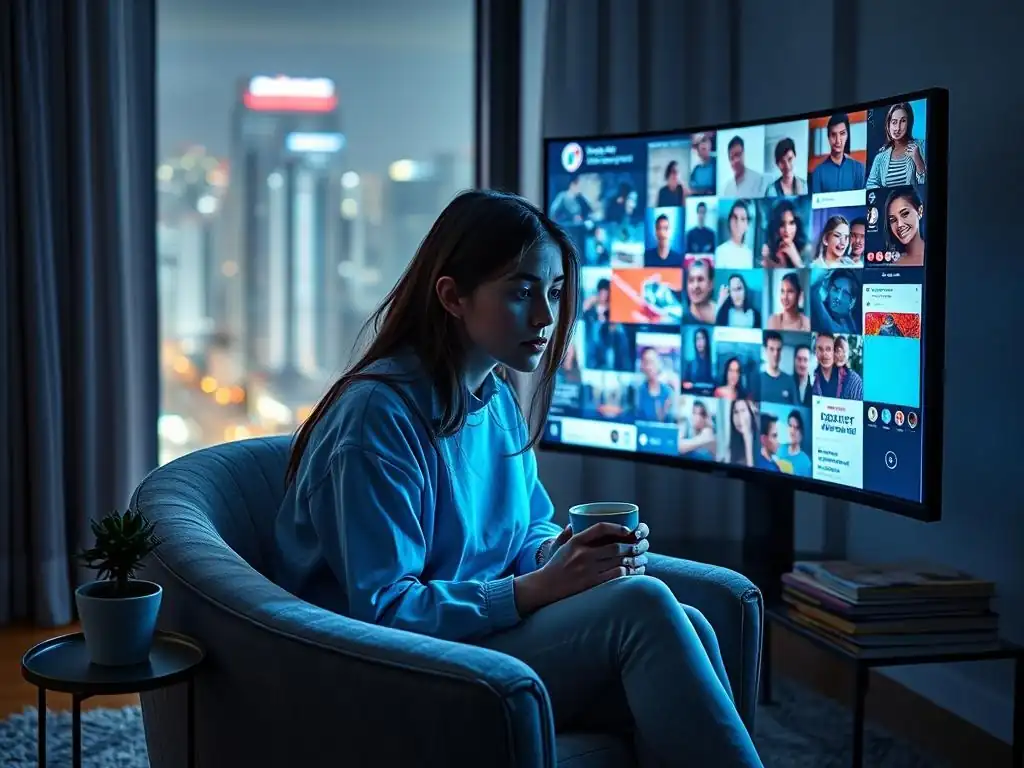
Welcome to Mind Care Guide, a sanctuary for your mental well-being.
Ever felt that nagging sense of unease, the feeling that everyone else is living a more exciting life? You're not alone. We delve into the often-overlooked connection between FOMO and its surprising impact on social connections, exploring how the fear of missing out can inadvertently lead to social isolation. Discover the underlying causes of FOMO and practical strategies to reclaim your peace of mind. Let's unravel this complex issue together and find ways to build more genuine and fulfilling relationships. Curious to learn more? Let's begin.
Fear of Missing Out (FOMO) and Its Link to Isolation: A Mind Care Guide
- Understanding FOMO: The Fear of Missing Out
- The Connection Between FOMO and Social Isolation
- FOMO Causes Social Isolation: Exploring the Link
- Identifying FOMO and Its Symptoms
- Strategies to Combat FOMO and Reduce Isolation
- Overcoming Social Isolation: Beyond FOMO
- Long-Term Strategies for Mental Well-being: Preventing FOMO and Isolation
- Resources for Overcoming FOMO and Social Isolation
-
Frequently Asked Questions
- How does Fear of Missing Out (FOMO) contribute to social isolation?
- What are the primary FOMO causes that lead to social isolation?
- Can managing FOMO help prevent social isolation?
- Are there specific resources available to address FOMO and its connection to social isolation?
- How does the constant exposure to curated online lives impact an individual's sense of self and contribute to social isolation?
- Final Reflection: Unmasking FOMO's Shadow: From Anxiety to Connection
- Unleash Your Connection: Conquer FOMO and Embrace Belonging
Understanding FOMO: The Fear of Missing Out
What is FOMO? Defining the Fear of Missing Out
Fear of Missing Out, commonly known as FOMO, is a pervasive feeling that others are having rewarding experiences from which one is absent. It's characterized by a desire to constantly stay connected with what others are doing, driven by the apprehension that you might miss out on something exciting, important, or enjoyable. This feeling isn't just a fleeting thought; it's often accompanied by anxiety, a sense of urgency, and a compelling need to check social media or other sources of information to see what's happening elsewhere.
While the feeling of being left out isn't new, the term and the intensity of FOMO have gained prominence in the digital age. It taps into fundamental human needs for belonging and social connection, but distorts them through a lens of constant comparison. Individuals experiencing FOMO might feel restless, dissatisfied with their current situation, and constantly on the lookout for potentially better alternatives to whatever they are doing, driven by the worry that they are not participating in the "best" or most significant activities happening around them.
The Psychological Roots of FOMO: Why We Experience It
The psychological underpinnings of FOMO are deeply rooted in human evolutionary needs and cognitive biases. At its core, FOMO stems from our innate desire for social connection and belonging – historically, being excluded from the group could have significant survival implications. This fundamental need makes us highly sensitive to social cues and the activities of others. When we perceive others engaging in seemingly positive experiences without us, it can trigger feelings of insecurity and anxiety, suggesting a potential threat to our social standing or access to resources.
Furthermore, cognitive biases such as the availability heuristic and confirmation bias play a role. We tend to overestimate the frequency and significance of events that are easily recalled or highly visible (like exciting posts on social media), and we actively seek out information that confirms our fear of missing out.
This creates a feedback loop where our anxieties are constantly reinforced by the perceived evidence of others' fulfilling lives. Personality traits like high levels of anxiety or neuroticism can also predispose individuals to experiencing more intense FOMO, as they may be more prone to worry and social comparison, making them more susceptible to the feeling that FOMO causes social isolation.
The rise of social media platforms has undeniably amplified the experience of FOMO to unprecedented levels. These platforms are designed to showcase curated highlight reels of people's lives – filtered photos, exciting check-ins, and carefully worded updates that often present an idealized version of reality. This constant stream of seemingly perfect experiences creates a fertile ground for comparison, making it easy to feel like your own life is less exciting or fulfilling in contrast.
The sheer volume and accessibility of information about others' activities mean that the opportunities to feel like you're missing out are virtually endless. Scrolling through a feed can quickly expose you to dozens of events, gatherings, or achievements you weren of part of, triggering feelings of inadequacy and the fear that FOMO causes social isolation by making you feel disconnected from the perceived social hub. This environment fosters a culture of constant checking and vigilance, turning the desire to stay connected into a compulsive behavior driven by anxiety rather than genuine interest.
How FOMO Contributes to Feelings of Isolation
One of the most significant consequences of experiencing FOMO is its direct contribution to feelings of isolation. While FOMO is about the fear of being excluded from social events or experiences, the feeling it generates can paradoxically lead to withdrawal. Constantly seeing others engaged in activities you're not part of can breed resentment, envy, and a sense of inadequacy. This can make individuals less likely to initiate social contact or accept invitations because they feel their own lives don't measure up or that they wouldn't fit in.
The comparison trap fueled by FOMO creates an internal barrier. Instead of connecting with others authentically, individuals might focus on the perceived gap between their own life and the idealized lives they see online. This internal focus on perceived lack or deficiency can make genuine social interaction feel daunting or pointless, reinforcing the very isolation they fear. The anxiety associated with FOMO can also be debilitating, making it easier to retreat from social situations than to face the potential discomfort of feeling left out in person. This is a core way FOMO causes social isolation.
The time and energy spent consuming content fueled by FOMO often detracts from opportunities for real-life social interaction. Hours spent scrolling through feeds, monitoring what others are doing, and feeling anxious about missing out are hours not spent engaging in face-to-face conversations, participating in local community events, or simply spending quality time with friends and family. This shift in focus from authentic connection to passive consumption of others' lives erodes the foundation of meaningful relationships.
Moreover, the pressure to present an equally idealized version of one's own life online can make real-life interactions feel like a performance rather than a genuine connection. This can lead to superficial interactions where the focus is on capturing the perfect photo or crafting the right caption rather than being present in the moment with others. Over time, this can diminish the quality of social connections and contribute to a sense of superficiality, ultimately reinforcing the feeling that FOMO causes social isolation.
The Cycle of FOMO and Loneliness: A Vicious Circle
FOMO and loneliness can become entangled in a destructive cycle. The fear of missing out drives individuals to spend more time online, observing the seemingly vibrant social lives of others. This constant exposure to curated highlights can intensify feelings of inadequacy and exclusion, which are core components of loneliness. As loneliness deepens, individuals may feel less motivated or able to seek out real-life social opportunities, partly due to low self-esteem or social anxiety exacerbated by FOMO.
This withdrawal then leads to further isolation, reducing opportunities for genuine connection and reinforcing the belief that they are missing out. The lack of fulfilling real-life interactions makes the online world, despite its negative effects, a primary source of social information, thus feeding the initial FOMO. This vicious circle perpetuates both the fear of missing out and the experience of social isolation, making it difficult to break free without conscious effort and strategic intervention. Understanding how FOMO causes social isolation is the first step to disrupting this cycle.

The pervasive nature of FOMO can significantly strain social connections and relationships. In personal interactions, the anxiety driven by FOMO might manifest as distraction, where individuals are more focused on checking their phones for updates than on engaging with the people in front of them. This lack of presence can make others feel unheard or undervalued, eroding intimacy and trust within relationships. Furthermore, the competitive aspect of FOMO – the feeling that one must keep up with or surpass others' experiences – can introduce tension and inauthenticity into friendships.
Beyond individual interactions, FOMO can influence group dynamics. Decisions about social activities might be driven by the desire to create content for social media rather than genuine shared enjoyment, leading to superficial gatherings. The constant awareness of other social events happening simultaneously can also create a sense of diluted commitment to the current interaction, fostering an environment where people feel only partially present. This erosion of genuine connection demonstrates how FOMO causes social isolation even when people are physically together.
FOMO and the Perception of Others' Lives: The Comparison Trap
A central mechanism through which FOMO causes social isolation is the comparison trap it fosters. Social media platforms encourage upward social comparison, where individuals compare themselves to those they perceive as better off, more successful, or having more exciting lives. Because online presentations are often highly curated, they rarely reflect the full, complex reality of a person's life, including struggles or mundane moments. This creates a distorted benchmark against which individuals measure their own experiences.
Studies have indicated that increased time spent on social media is often correlated with higher levels of social comparison, which in turn is linked to decreased well-being and increased feelings of envy and dissatisfaction. When individuals constantly perceive their own lives as falling short compared to the idealized versions of others, it can lead to feelings of shame and inadequacy. These feelings can make them reluctant to share their own lives authentically or engage in social situations, preferring to withdraw rather than face perceived judgment or inferiority, thereby deepening their social isolation.
The constant cycle of comparison and feeling left out inherent in FOMO significantly erodes self-esteem. When individuals repeatedly feel that their experiences are less valuable, their achievements less significant, or their social lives less vibrant than those of others, it chips away at their sense of self-worth. This diminished self-esteem can make initiating social contact incredibly challenging. The fear of rejection or not being 'interesting enough' becomes magnified, creating a significant barrier to forming and maintaining connections.
Low self-esteem also makes individuals more vulnerable to the negative impacts of perceived social slights or exclusions. Instead of shrugging off a missed invitation, someone with low self-esteem fueled by FOMO might interpret it as definitive proof of their inadequacy or undesirability, reinforcing the belief that they are fundamentally alone. This negative self-perception becomes a self-fulfilling prophecy, as reduced confidence leads to decreased social engagement, further solidifying the link between how FOMO causes social isolation and negative self-perception.
Identifying FOMO and Its Symptoms
Recognizing the Signs of FOMO: Self-Assessment
Recognizing FOMO in oneself is the first step towards managing it. Common signs often manifest as behavioral patterns and emotional states. Do you feel a persistent urge to check your phone or social media feeds? Do you experience anxiety or restlessness when you see others doing things you're not involved in? Do you find yourself saying "yes" to social invitations out of obligation or fear of missing out, rather than genuine desire? These are potential indicators.
Other signs include a tendency to constantly compare your life to others', particularly those portrayed online, feeling dissatisfied with your own plans when you see others doing something different, or experiencing a sense of panic if you are disconnected from the internet or your phone for an extended period. Reflecting honestly on these behaviors and feelings can help you gauge the extent to which FOMO is impacting your life and contributing to feelings that FOMO causes social isolation.
Common Triggers for FOMO: Identifying Your Vulnerabilities
Identifying personal triggers for FOMO is crucial for developing effective coping strategies. While social media is a universal trigger, specific situations or times might be more potent for individuals. For example, weekends, holidays, or specific events like concerts or parties are frequent triggers, as these are times when people are often actively sharing social experiences online. Seeing posts tagged at a location you wanted to visit or an event you couldn't attend can immediately spark the fear of missing out.
Personal vulnerabilities also play a role. Times of transition, uncertainty, or low self-esteem can make individuals more susceptible to FOMO. Feeling insecure about one's career, relationships, or social standing can amplify the negative impact of seeing others' perceived successes or vibrant social lives. Understanding when and why you feel FOMO most acutely allows you to anticipate these moments and implement strategies to manage your response, mitigating the way FOMO causes social isolation in these vulnerable periods.
The Impact of FOMO on Mental Well-being: Anxiety and Depression
The chronic stress and anxiety associated with FOMO can have a significant negative impact on overall mental well-being. The constant vigilance required to stay "in the loop," coupled with the fear of inadequacy and comparison, creates a state of heightened stress. This can manifest as generalized anxiety, difficulty sleeping, irritability, and even physical symptoms like headaches or digestive issues. The pressure to maintain a certain image or participate in certain activities to avoid feeling left out adds another layer of stress.
Over time, the persistent feelings of dissatisfaction, low self-esteem, and social comparison fueled by FOMO can contribute to the development or exacerbation of depressive symptoms. The feeling that one's life is less valuable or enjoyable than others', combined with the social isolation that FOMO often causes, can lead to feelings of hopelessness, sadness, and a loss of interest in activities. Research has shown correlations between high levels of FOMO and increased rates of anxiety and depression, highlighting the serious mental health implications.
Strategies to Combat FOMO and Reduce Isolation
Practical Tips for Managing FOMO: Taking Control
Managing FOMO involves conscious effort to change both behavior and mindset. One practical tip is to set specific limits on social media use. This could involve allocating certain times of the day for checking feeds or using apps that track and limit usage. Another strategy is to shift your focus from passive consumption to active creation or engagement in your own life. Plan activities that genuinely interest you, regardless of what others are doing.
- Set daily time limits for social media apps.
- Schedule "phone-free" periods, especially during meals or social gatherings.
- Turn off non-essential notifications to reduce urges to check.
- Focus on creating your own experiences rather than observing others'.
- Practice gratitude for what you have and the experiences you do have.
Additionally, practicing self-compassion is key. Recognize that everyone's life has ups and downs, and what you see online is rarely the full picture. Be kind to yourself when you experience FOMO and gently redirect your attention back to your own reality and goals.
Mindful social media use is about engaging with platforms intentionally rather than reactively. Before opening an app, ask yourself why you are checking it. Is it out of curiosity, or is it driven by anxiety and the fear of missing out? Be aware of how different types of content make you feel. If certain accounts or types of posts consistently trigger negative emotions or comparison, consider unfollowing or muting them.
Instead of endlessly scrolling, try to use social media as a tool for genuine connection – reaching out to friends, joining groups related to your interests, or sharing aspects of your life that feel authentic to you. Remember that you control your feed; curate it to be a source of inspiration and connection, not a trigger for anxiety and comparison that reinforces how FOMO causes social isolation. Regularly take breaks – even a few days off can significantly reset your perspective.
Building Stronger Real-Life Connections: Fostering Authentic Relationships
Countering the isolation that FOMO can cause requires investing time and energy in building and nurturing real-life connections. Make an effort to schedule face-to-face time with friends and family. Prioritize being fully present during these interactions by putting away distractions like your phone. Engage in active listening and share your own experiences authentically, including vulnerabilities, which fosters deeper bonds.
Consider joining local clubs, volunteer groups, or classes related to your hobbies or interests. These activities provide opportunities to meet people who share your passions, making it easier to form genuine connections based on shared experiences rather than online performance. Remember that quality of connections matters more than quantity; a few close, supportive relationships are far more valuable than a large network of superficial online acquaintances in combating the loneliness that FOMO can exacerbate.

If you've experienced social isolation, reconnecting with existing friends and family can be a powerful step. Reach out to people you haven't spoken to in a while. Send a text, make a call, or suggest meeting up for coffee or a walk. Don't wait for others to initiate; take the lead, even if it feels daunting. Remind yourself that true friends value your presence and are likely happy to hear from you.
Be open and honest about your desire to reconnect. You don't necessarily need to dwell on past withdrawal, but expressing that you'd like to spend more time together can pave the way for strengthening those bonds. Focus on shared history and mutual interests, and commit to being more present and reliable in the future. Rebuilding these connections directly addresses the social isolation that FOMO causes by providing real-world support systems.
Expanding your social circle can provide fresh opportunities for connection and help break patterns of isolation. Look for groups or activities that align with your interests, whether it's a book club, a hiking group, a sports league, or a crafting circle. Websites and community centers often list local events and groups. Online platforms can also be used to find local meetups, leveraging technology in a way that facilitates real-world interaction.
Starting a new activity provides a natural context for meeting people who share a common interest, reducing the pressure of making conversation out of thin air. Be open to meeting different kinds of people and try to participate regularly to allow relationships to develop naturally over time. Engaging in these activities not only introduces you to new people but also provides fulfilling experiences that counteract the feeling of missing out and directly combat the social isolation that FOMO causes.
Seeking Professional Help: When to Consider Therapy for FOMO and Isolation
If FOMO and the resulting social isolation are significantly impacting your mental health and daily life, seeking professional help is a sign of strength, not weakness. A therapist or counselor can provide tailored strategies to address the underlying anxieties, insecurities, and behavioral patterns associated with FOMO. Cognitive Behavioral Therapy (CBT), for example, can help identify and challenge the negative thought patterns that fuel FOMO and comparison.
Furthermore, a mental health professional can help you navigate feelings of loneliness, build social skills, and develop healthier coping mechanisms. They can provide a safe space to explore the roots of your anxiety and isolation and work with you to set realistic goals for increasing social connection in a way that feels comfortable and sustainable. If feelings of anxiety, depression, or isolation feel overwhelming or persistent, reaching out for professional support is a crucial step towards healing and recovery.
Long-Term Strategies for Mental Well-being: Preventing FOMO and Isolation
Cultivating Self-Acceptance: Embracing Your Own Path
A fundamental long-term strategy for preventing FOMO and its link to social isolation is cultivating self-acceptance. This involves embracing who you are, your unique strengths and weaknesses, and your own life path without constantly comparing it to others. Understand that everyone's journey is different, and there is no single definition of success or happiness that applies to all.
Practice self-compassion and challenge the internal critic that tells you you're not good enough or that you're missing out. Focus on your own values and priorities, and define success on your own terms. When you are secure in your own identity and value your own experiences, the achievements and activities of others become less threatening and less likely to trigger the fear of missing out and the subsequent feelings that FOMO causes social isolation.
Prioritizing Real-Life Experiences: Creating Meaningful Moments
Consciously prioritizing and investing in real-life experiences is a powerful antidote to FOMO. Instead of living vicariously through others' online lives, actively seek out opportunities for connection, learning, and enjoyment in the physical world. Plan activities that align with your genuine interests, whether it's spending time in nature, pursuing a hobby, attending a local event, or simply having a meaningful conversation with a loved one.
Focus on being fully present in these moments, savoring the experience rather than thinking about how to document it for online consumption. Creating meaningful memories through real-life interactions and activities provides a deeper sense of fulfillment and connection than passive observation of others' lives ever can. This proactive approach builds a rich internal life that is less susceptible to the superficial allure of curated online experiences and weakens the link between FOMO and social isolation.
Developing a Healthy Relationship with Technology: Finding Balance
Developing a healthy and balanced relationship with technology, particularly social media, is essential for long-term well-being and preventing the cycle where FOMO causes social isolation. This isn't about completely abandoning digital platforms, but about using them mindfully and setting boundaries. Define why you use social media – is it for genuine connection, information, or entertainment? Use it for those specific purposes and avoid mindless scrolling.
Establish clear times when you are offline, such as during meals, before bed, or for a certain period each day. Create tech-free zones in your home. Be critical of the content you consume and understand that it's often an edited highlight reel. By taking control of your technology use, you reduce your exposure to triggers for FOMO and free up time and mental energy to invest in real-world relationships and experiences that genuinely combat social isolation.
Online Support Groups and Communities: Connecting with Others
While social media can exacerbate FOMO, there are online platforms and communities specifically designed to offer support and connection for individuals dealing with mental health challenges, including FOMO and social isolation. These groups can provide a space to share experiences, learn coping strategies from others, and feel understood. Look for forums or groups moderated by mental health professionals or reputable organizations.
Examples might include online communities focused on anxiety, social anxiety, or well-being. These platforms can offer a sense of belonging and validation, reminding you that you are not alone in your struggles with FOMO and the feelings that FOMO causes social isolation. Remember to prioritize your safety and privacy when participating in online groups.
Mental Health Professionals Specializing in FOMO and Isolation
Seeking help from a mental health professional is a direct and effective way to address the root causes and symptoms of FOMO and social isolation. Look for therapists, counselors, or psychologists who specialize in anxiety disorders, social anxiety, technology addiction, or relationship issues. They can offer personalized assessment and treatment plans.
Therapy approaches like Cognitive Behavioral Therapy (CBT), Acceptance and Commitment Therapy (ACT), or interpersonal therapy can be particularly helpful. A professional can teach you specific techniques to challenge negative thoughts, manage anxiety, improve social skills, and develop healthier patterns of behavior and technology use. They can provide the guidance and support needed to break the cycle where FOMO causes social isolation.
Educating yourself about FOMO, its psychological mechanisms, and strategies for building connection can be incredibly empowering. Many books and articles offer insights, research findings, and practical tips for managing the fear of missing out and overcoming social isolation. Look for resources written by psychologists, sociologists, or reputable mental health experts.
Reading about others' experiences with FOMO can also provide validation and reduce feelings of shame. These resources can offer structured approaches to understanding your triggers, challenging unhelpful thought patterns, and developing healthier habits related to technology and social interaction. Learning from these materials complements the strategies you implement in your daily life to combat the negative effects that FOMO causes social isolation.
Frequently Asked Questions
FOMO often drives individuals to constantly compare themselves to others online, leading to feelings of inadequacy. This can result in reduced real-life interactions and a desire to avoid situations where they might feel left out, ultimately fostering social isolation.
Key FOMO causes include social media usage, the need for validation, and a fear of being excluded. These triggers can lead to compulsive online behavior and neglect of in-person relationships, increasing feelings of loneliness and isolation.
Yes, effectively managing FOMO can significantly reduce the risk of social isolation. By setting boundaries with social media, practicing mindfulness, and focusing on real-life experiences, individuals can reconnect with their immediate surroundings and build stronger, more meaningful connections.
Mind Care Guide offers information, support, and resources related to mental well-being. This includes articles and guides focusing on managing FOMO and building healthy social connections to combat isolation. Seek professional help if needed.
Seeing only the "best" versions of others' lives online can create unrealistic expectations and feelings of inadequacy. This negative self-perception can lead to withdrawal from social situations, contributing to increased social isolation and a disconnect from authentic connections.
Final Reflection: Unmasking FOMO's Shadow: From Anxiety to Connection
The pervasive anxiety of Fear of Missing Out (FOMO) isn't just a fleeting feeling; it's a significant contributor to the growing epidemic of social isolation. This isn't simply about missing a party; it's about the erosion of genuine connection in a world saturated with curated online experiences. The constant barrage of seemingly perfect lives on social media fuels this anxiety, creating a vicious cycle where the fear of missing out paradoxically leads to missing out on real-life interactions.
The insidious nature of FOMO's impact on our social landscape is undeniable. It subtly shifts our focus from present experiences to the perceived perfection of others' lives, leaving us feeling inadequate and disconnected. The more you look at other people's lives, the more you feel like your own life is not good enough.
This quote, while not directly about FOMO, perfectly encapsulates the feeling of inadequacy that fuels the cycle of isolation. We become so preoccupied with what we're missing that we fail to appreciate the richness of our own present moments and the relationships within our reach. This constant comparison, fueled by social media algorithms designed to keep us engaged, ultimately leaves us feeling more alone than ever before.
You hold the power to break free from this cycle. Take a moment to reflect on your own relationship with social media and the feelings it evokes. Consciously choose to prioritize genuine connections over curated online experiences. Engage in activities that bring you joy and foster real-life relationships. Remember, true connection isn't found in the fleeting highlights of others' lives, but in the shared moments and authentic interactions of your own. Embrace the present, and you'll find that the fear of missing out fades into the background, replaced by the richness of genuine human connection.
Unleash Your Connection: Conquer FOMO and Embrace Belonging
Thanks for taking the time to explore the often-overlooked link between FOMO and isolation. We hope you gained valuable insights into managing those feelings and finding genuine connection. Ready to take the next step?
- Prioritize real-life interactions: Schedule a coffee date, join a local club, or simply call a friend – focus on building authentic relationships that nourish your soul, rather than scrolling through highlight reels. This is your primary action towards combating FOMO and fostering genuine connection.
- Share this article: Help others understand the hidden impact of FOMO by sharing this article with someone who might benefit from these insights. Let's spread awareness and support each other!
- Challenge your inner critic: For one week, actively challenge negative thoughts triggered by social media. Notice them, question their validity, and replace them with self-compassionate affirmations.
What small step will you take today to foster a deeper sense of belonging and overcome the grip of FOMO?