
Beyond Relaxation: The Deeper Mental Health Benefits of Body Scan

Welcome to Mind Care Guide, a sanctuary for your mental well-being.
Feeling disconnected from your body, or overwhelmed by racing thoughts? You're not alone. Discover how a simple technique can bring you back to the present moment and unlock profound mental health benefits. Dive into our article and uncover the surprising power of body scan mental health benefits, a cornerstone of mindfulness and a pathway to lasting inner peace. Read on to learn how this practice can transform your relationship with yourself.
Beyond Relaxation: The Deeper Mental Health Benefits of Body Scan Meditation
- Introduction: Unveiling Body Scan Meditation for Enhanced Mental Well-being
- Exploring the Core Principles of Body Scan Meditation
-
Body Scan Meditation and its Impact on Mental Health: A Detailed Look
- Reducing Anxiety and Stress: The Calming Effects of Focused Attention
- Body Scan for Depression: Fostering Self-Compassion and Acceptance
- Enhancing Body Awareness and Emotional Regulation
- Improving Sleep Quality: Body Scan as a Pre-Sleep Ritual
- Managing Chronic Pain Through Heightened Sensory Awareness
- Specific Body Scan Techniques for Enhanced Mental Health
- Integrating Body Scan into Your Mental Wellness Routine
- Scientific Evidence Supporting the Mental Health Benefits of Body Scan
- Addressing Common Misconceptions About Body Scan
- Conclusion: Embracing Body Scan for Improved Mental Wellness
-
Frequently Asked Questions
- What exactly is a body scan and how is it related to mental health?
- What are the key body scan mental health benefits mentioned in the article?
- How often should I practice body scans to experience the body scan mental health benefits?
- Can a body scan help with specific mental health challenges like anxiety or depression?
- Is a body scan safe, and are there any situations where it might not be recommended?
- Final Reflection: Unfolding the Transformative Power of Body Scan
- Unveil Your Inner Calm: Take Control of Your Mental Wellbeing
Introduction: Unveiling Body Scan Meditation for Enhanced Mental Well-being
The Mindful Way's Perspective on Holistic Mental Health
Mind Care Guide views mental well-being not just as the absence of illness, but as a state of flourishing that integrates mind, body, and spirit. This holistic perspective recognizes that physical sensations and emotional states are deeply interconnected. Approaches like body scan meditation are fundamental to this view because they teach individuals to tune into this connection, fostering a deeper understanding of themselves and their internal landscape. By encouraging present moment awareness of bodily sensations without judgment, body scan cultivates a foundation for emotional resilience and self-compassion, crucial elements for navigating life's challenges.
Embracing a mindful approach to mental health means acknowledging the body's role in processing stress, trauma, and emotions. Chronic stress, for instance, can manifest physically as tension, pain, or digestive issues. Learning to observe these physical symptoms through practices like body scan provides valuable information about one's mental and emotional state. This insight empowers individuals to respond to their needs more effectively, moving beyond automatic reactions and towards conscious choices that support overall well-being. The practice helps illuminate the subtle ways the mind and body influence each other, paving the way for more integrated care and self-management strategies.
Understanding Body Scan Meditation: A Gateway to Present Moment Awareness
Body scan meditation is a foundational mindfulness practice that involves systematically bringing one's attention to different parts of the body, from the toes to the top of the head. The goal is not to relax or change any sensations, but simply to observe them with open curiosity and non-judgment. This deliberate, focused attention on the physical body serves as an anchor to the present moment, drawing the mind away from ruminative thoughts about the past or worries about the future. It teaches the practitioner to inhabit their body fully, fostering a sense of groundedness and presence.
This practice trains the mind to stay focused, improving concentration and reducing susceptibility to distractions. By repeatedly bringing attention back to the body when the mind wanders, practitioners strengthen their ability to direct their focus intentionally. This enhanced attentional control has significant benefits for mental health, helping individuals manage intrusive thoughts, reduce worry, and engage more fully in daily activities. The body scan meditation technique, in essence, is a portable tool for cultivating present moment awareness, accessible anytime, anywhere, and offering a direct path to understanding one's physical and emotional state.
Exploring the Core Principles of Body Scan Meditation
How Body Scan Works: Cultivating Awareness from Head to Toe
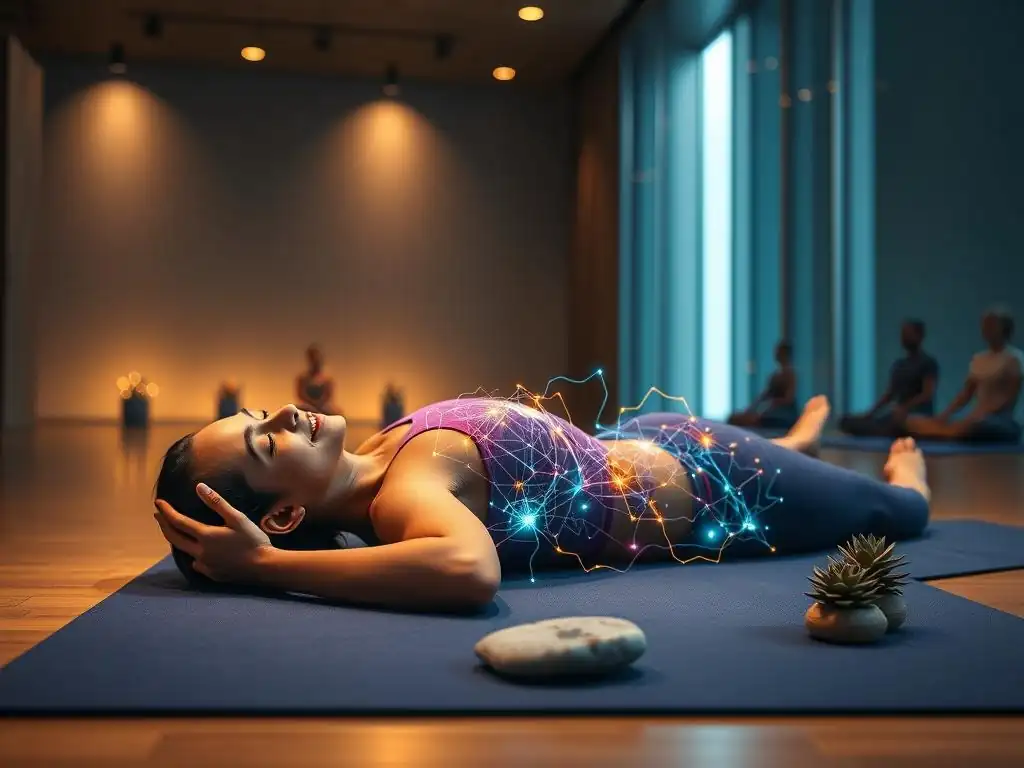
The body scan meditation process typically begins by finding a comfortable position, often lying down, and gently closing the eyes. The practitioner then systematically moves their attention through the body, starting with the feet and slowly progressing upwards through the legs, torso, arms, neck, and head.
As attention rests on each area, the invitation is to notice any sensations present – warmth, coolness, tingling, pressure, absence of sensation – without trying to change or analyze them. If the mind gets distracted by thoughts, the practice is simply to notice the distraction and gently guide attention back to the current body part.
This systematic approach helps to ensure that attention is focused and comprehensive. By dedicating specific time to each area, the practitioner develops a more intimate relationship with their physical form. This heightened awareness can reveal areas of chronic tension or discomfort that might otherwise go unnoticed in the rush of daily life.
For example, someone might discover they habitually hold tension in their shoulders or jaw. Simply noticing this tension, without judgment, is the first step towards potentially releasing it or at least understanding its connection to stress or emotional states. The gentle, non-demanding nature of the practice makes it accessible, focusing purely on the act of noticing.
Connecting Mind and Body: The Foundation of Emotional Regulation
Body scan meditation fundamentally highlights the deep connection between the mind and body. Emotions are not purely abstract experiences; they have physical manifestations. Anxiety might present as a churning stomach or tight chest, while sadness could feel like a heaviness in the limbs. By regularly practicing body scan, individuals become more attuned to these physical signals, learning to recognize emotional states as they arise in the body. This early recognition provides a window of opportunity to respond mindfully rather than react automatically.
Developing this sensitivity to the body's signals is a cornerstone of emotional regulation. When you can identify the physical sensations associated with a particular emotion, you gain valuable insight into your internal state. This awareness allows you to pause before reacting impulsively, giving you space to choose a more constructive response.
For instance, recognizing the physical heat and tension of anger in the chest can prompt a mindful pause, allowing you to breathe deeply or step away from a situation, rather than immediately lashing out. This practice cultivates a sense of agency over one's emotional responses, moving from being swept away by feelings to skillfully navigating them.
Body Scan Meditation and its Impact on Mental Health: A Detailed Look
Reducing Anxiety and Stress: The Calming Effects of Focused Attention
One of the most widely reported body scan mental health benefits is its effectiveness in reducing anxiety and stress. By directing attention to the physical body, the practice pulls the mind out of cycles of worry and rumination, which are common drivers of anxiety.
The systematic nature of the scan provides a structure that helps to anchor the mind in the present, counteracting the tendency for anxious thoughts to jump between potential future threats. As attention moves from one body part to the next, the focus is entirely on the what is in the present moment, rather than the what if.
Research supports these anecdotal reports. A meta-analysis published in Health Psychology Review in 2014, examining numerous studies on mindfulness-based interventions, including body scan, found consistent evidence for significant reductions in symptoms of anxiety and stress. Participants often reported feeling calmer and more grounded after regular practice.
For instance, studies involving individuals with generalized anxiety disorder have shown that participation in mindfulness programs incorporating body scan led to measurable decreases in anxiety scores, sometimes comparable to the effects of cognitive behavioral therapy. The practice helps individuals cultivate a different relationship with anxious thoughts and sensations, viewing them as temporary events rather than overwhelming truths.
Body Scan for Depression: Fostering Self-Compassion and Acceptance
Body scan meditation can also be a valuable tool for individuals experiencing depression. Depression often involves negative self-talk, rumination on past failures, and a disconnection from the present moment and one's own body. The body scan practice encourages a non-judgmental observation of internal experience, including difficult physical sensations or emotional states that may accompany depression. By simply noticing these experiences without trying to fix or change them, practitioners cultivate an attitude of acceptance towards themselves and their current state.
This acceptance is a crucial step towards self-compassion, which is often severely lacking in depression. Instead of criticizing oneself for feeling low energy or experiencing physical aches, the body scan invites gentle awareness. For example, noticing a feeling of heaviness in the limbs might be approached with curiosity rather than self-recrimination ("Why am I so lazy?").
Studies, such as those on Mindfulness-Based Cognitive Therapy (MBCT), which includes body scan as a core component, have demonstrated its effectiveness in preventing relapse in individuals with recurrent depression. An analysis of MBCT trials published in The Lancet in 2015 indicated that MBCT offered protection against depressive relapse similar to that of maintenance antidepressant medication for individuals with three or more previous episodes. The practice helps individuals recognize the early signs of a depressive episode in the body and mind, allowing for timely intervention.
Enhancing Body Awareness and Emotional Regulation
A primary outcome of regular body scan practice is a significant increase in body awareness, also known as interoceptive awareness – the ability to perceive internal sensations. This heightened awareness is intrinsically linked to improved emotional regulation. As mentioned earlier, emotions have physical correlates. Someone with low body awareness might only notice they are angry when they are already yelling, having missed the subtle cues of tension, heat, or tightness that preceded the outburst.
By systematically scanning the body, individuals become more sensitive to these subtle physical signals. They learn to recognize the initial stirrings of anxiety as a flutter in the stomach, or the first signs of frustration as tension in the jaw. This early detection allows for a more conscious response. Instead of being overwhelmed by intense emotions, individuals can use their awareness to pause, breathe, or apply coping strategies.
Research has shown a positive correlation between interoceptive awareness and emotional regulation skills. A study published in Emotion in 2016 found that mindfulness training, which enhances interoceptive awareness through practices like body scan, improved participants' ability to label and understand their emotional states, leading to more adaptive responses. This makes body scan meditation a powerful tool for developing emotional intelligence.
Improving Sleep Quality: Body Scan as a Pre-Sleep Ritual

Difficulty falling asleep or staying asleep is a common symptom of stress, anxiety, and depression. The racing thoughts and physical tension associated with these states can make it challenging to relax sufficiently for sleep. Body scan meditation offers a practical, non-pharmacological approach to calm the mind and body, making it an effective pre-sleep ritual. The process of systematically bringing attention to each body part helps to quiet the mental chatter and redirect focus away from worries.
The gentle, repetitive nature of the scan can induce a state of relaxation conducive to sleep. As the mind focuses on physical sensations, it becomes less engaged with stressful thoughts. Furthermore, the practice helps to release accumulated physical tension.
Many people hold stress in their bodies without realizing it, leading to discomfort that interferes with sleep. By bringing awareness to these areas during the body scan, individuals may find they can consciously or unconsciously release some of this tension. Studies on mindfulness for insomnia, such as those published in JAMA Internal Medicine in 2015, have shown that mindfulness-based programs, including body scan, can significantly improve sleep quality metrics, including sleep onset latency (time taken to fall asleep) and total sleep time, for individuals with chronic insomnia.
Managing Chronic Pain Through Heightened Sensory Awareness
Chronic pain is a complex experience involving both physical sensation and psychological factors like fear, anxiety, and frustration. Body scan meditation does not aim to eliminate pain, but rather to change one's relationship with it. By practicing non-judgmental awareness of physical sensations, individuals can learn to differentiate between the raw sensation of pain and the mental suffering associated with it (e.g., fear of the pain worsening, anger about its presence). This distinction can significantly reduce the overall burden of chronic pain.
The body scan teaches practitioners to observe painful sensations with curiosity, noticing their qualities (e.g., throbbing, sharp, dull), intensity, and how they change over time, without labeling them as "bad" or resisting them. This approach can decrease the emotional reactivity to pain. For instance, someone with chronic back pain might learn through body scan to notice the sensation of tightness without immediately tensing up further in fear or frustration. Research, including studies on Mindfulness-Based Stress Reduction (MBSR) which heavily utilizes body scan, has demonstrated its efficacy in helping individuals manage chronic pain conditions like fibromyalgia, lower back pain, and arthritis. A review in Pain in 2012 found that mindfulness interventions led to reduced pain intensity and improved functional capacity in patients with chronic pain. The practice empowers individuals to live more fully despite the presence of pain, by shifting focus from avoidance to acceptance and skillful navigation of physical sensations.
Specific Body Scan Techniques for Enhanced Mental Health
Focused Attention Body Scan: Cultivating Present Moment Awareness
The standard body scan, often called the Focused Attention Body Scan, is the most common technique. It involves systematically moving attention through the body, lingering on each part to notice sensations. This method is particularly effective for cultivating present moment awareness and concentration. The structure of moving sequentially from one area to the next provides a clear pathway for attention, helping beginners stay focused and preventing the mind from feeling overwhelmed by the entire body at once.
This deliberate focusing strengthens the 'attention muscle'. Just as lifting weights strengthens physical muscles, repeatedly bringing a wandering mind back to the body strengthens the capacity for sustained attention. This improved focus is a core body scan mental health benefit, as it underlies the ability to be present in conversations, concentrate on tasks, and disengage from unhelpful thought loops. For example, dedicating 3-5 minutes to the feet, then moving to the ankles and lower legs, provides a manageable chunk of focus time before transitioning, making the practice less daunting and more effective for building sustained attention.
Trauma-Sensitive Body Scan: Approaching Practice with Care and Safety
For individuals with a history of trauma, traditional body scan can sometimes be challenging, as bringing attention to the body may trigger difficult sensations or memories. A trauma-sensitive approach prioritizes safety, choice, and gradual engagement. This might involve starting with external sensations (like the feeling of clothing on the skin or the body's contact with the surface it's resting on) rather than internal ones, or focusing on parts of the body that feel neutral or safe.
The practitioner is always given full control to choose which areas to focus on, for how long, and the option to pause or stop at any time. The emphasis is on cultivating a sense of safety within one's own body.
Instead of a rigid head-to-toe sequence, the practice might invite gentle exploration of different body parts, allowing the individual to choose where their attention feels comfortable resting. This adapted approach ensures that the body scan remains a tool for healing and empowerment, rather than a potential trigger for distress, making the body scan mental health benefits accessible to those who need them most.
Breath-Focused Body Scan: Anchoring Awareness in the Present Moment
A variation of the body scan integrates focus on the breath within the scanning process. As attention rests on a particular body part, the practitioner might also bring awareness to the feeling of the breath in that area (if perceptible, e.g., the chest or abdomen) or simply use the breath as an anchor while scanning. This combines the grounding effect of breath awareness with the somatic exploration of the body scan.
Using the breath as an anchor throughout the scan can be particularly helpful for minds prone to wandering. Each inhale and exhale provides a consistent point of focus to return to when distracted. For example, while scanning the hands, one might notice sensations in the fingers while simultaneously feeling the subtle movement of breath in the chest.
This dual focus can deepen the sense of presence and interoceptive awareness. This technique reinforces the connection between the physical act of breathing and the state of the body, further enhancing the body scan mental health benefits related to stress reduction and emotional regulation.
Integrating Body Scan into Your Mental Wellness Routine
Creating a Consistent Body Scan Practice
Consistency is key to reaping the full body scan mental health benefits. Even short, regular sessions are more impactful than infrequent, long ones. Aiming for a daily practice, even just 10-15 minutes, can make a significant difference. Finding a specific time and place for your practice can help establish it as a routine. This might be first thing in the morning, before bed, or during a lunch break. Choose a quiet environment where you are unlikely to be interrupted.
Starting small and gradually increasing the duration as you become more comfortable is often helpful. Many guided body scan meditations are available online or through apps, which can make it easier to stay focused and learn the technique. Setting a realistic goal, like practicing for 10 minutes three times a week, is more sustainable than aiming for an hour every day initially. Over time, this consistent engagement helps to build the neural pathways associated with mindfulness and body awareness, solidifying the positive body scan mental health benefits.
Combining Body Scan with Psychotherapy: Synergistic Effects
Body scan meditation can be a powerful complement to traditional psychotherapy, particularly modalities like Cognitive Behavioral Therapy (CBT) or Dialectical Behavior Therapy (DBT). Therapy often involves processing thoughts, emotions, and past experiences. Body scan provides a tool to connect with the physical dimension of these experiences in the present moment. For example, in therapy, a client might discuss feelings of anxiety related to a specific situation. Practicing body scan can help them identify where they hold that anxiety in their body and learn to tolerate the physical sensations associated with it.
This integration can deepen therapeutic work. A therapist might guide a client through a brief body scan in session to help them ground themselves or connect with a difficult emotion physically. As a home practice, body scan can reinforce skills learned in therapy, such as distress tolerance or emotional identification. For instance, someone learning DBT skills might use body scan to become more aware of their physical state as part of recognizing emotional urges. This synergy enhances the overall effectiveness of treatment, leveraging the body scan mental health benefits alongside psychological interventions.
Resources for Learning and Practicing Body Scan Meditation
Numerous resources are available for individuals interested in learning and practicing body scan meditation. Many mindfulness centers and meditation studios offer introductory courses or workshops that include body scan training. Online platforms and apps are also excellent resources, providing guided meditations of varying lengths and styles, often led by experienced teachers.
Popular meditation apps like Calm, Headspace, and Insight Timer feature extensive libraries of guided body scan meditations, ranging from short 5-minute scans to longer 45-minute sessions. Websites like the UCLA Mindful Awareness Research Center or the Palouse Mindfulness website (offering free MBSR resources) also provide free guided body scan audio files. Exploring different guides and platforms can help individuals find a voice and style that resonates with them, making it easier to incorporate this practice into their routine and access the valuable body scan mental health benefits.
Scientific Evidence Supporting the Mental Health Benefits of Body Scan
Research Studies on Body Scan and Anxiety Reduction
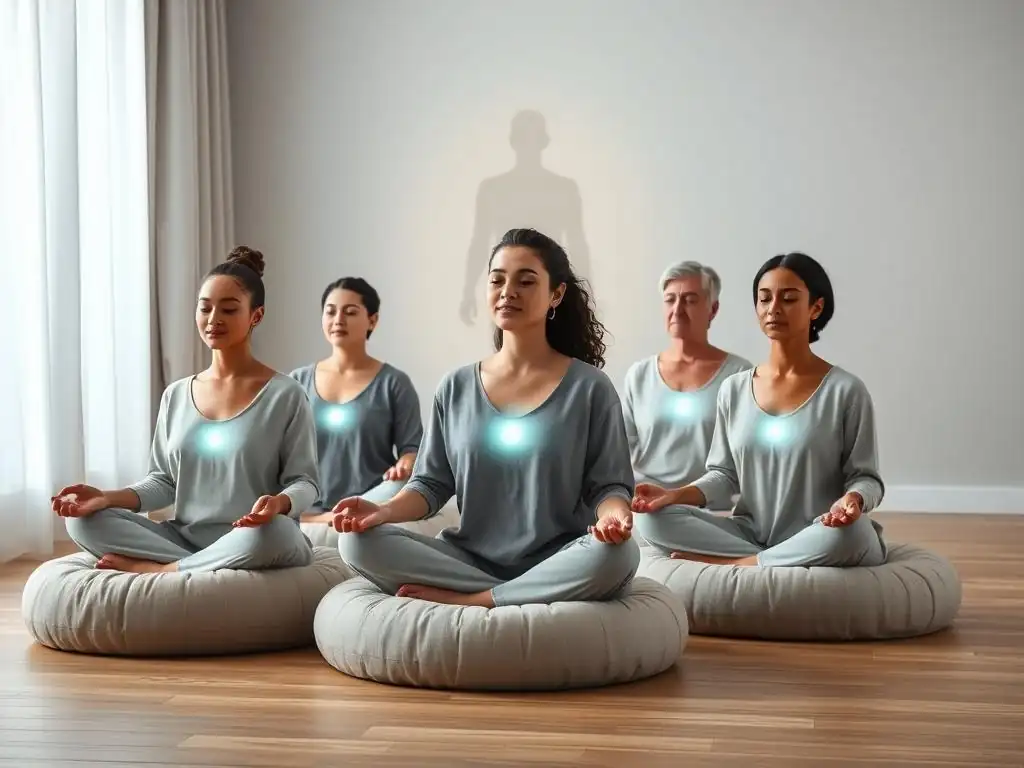
Scientific research has increasingly focused on the efficacy of mindfulness practices, including body scan, for mental health conditions. Numerous studies have investigated the impact of body scan meditation specifically on anxiety levels. For example, a study published in the Journal of Consulting and Clinical Psychology in 2013 examined the effects of an 8-week MBSR program, which includes daily body scan practice, on individuals with generalized anxiety disorder. The results showed significant reductions in anxiety symptoms compared to a control group, with participants reporting less worry and improved coping skills.
Further research has explored the neural mechanisms behind these effects. Neuroimaging studies using fMRI have shown that regular mindfulness practice, including body scan, can lead to changes in brain regions associated with anxiety and emotional regulation, such as decreased activity in the amygdala (the brain's fear center) and increased connectivity in areas related to attention and cognitive control, such as the prefrontal cortex. These findings provide objective support for the subjective experiences of reduced anxiety reported by practitioners and highlight the profound body scan mental health benefits at a neurological level.
Evidence-Based Benefits of Body Scan for Depression Management
The evidence supporting the use of body scan meditation for depression management, particularly in preventing relapse, is also robust. As mentioned earlier, MBCT, which heavily incorporates body scan, has strong empirical support. A meta-analysis of 9 studies involving 1258 participants, published in JAMA Psychiatry in 2016, found that MBCT significantly reduced the risk of depressive relapse over 60 weeks compared to usual care for individuals with recurrent depression.
Beyond relapse prevention, studies also suggest body scan can help manage current depressive symptoms. By fostering non-judgmental awareness and self-compassion, the practice helps individuals navigate the difficult emotional and physical states associated with depression. Research indicates that mindfulness-based interventions can lead to improvements in mood, energy levels, and motivation in individuals experiencing mild to moderate depression. These studies underscore the significant body scan mental health benefits for mood disorders, offering a complementary approach to traditional treatments.
The Role of Body Scan in Pain Management: Scientific Insights
Scientific investigation into the effects of body scan on chronic pain has demonstrated promising results. Research suggests that mindfulness, cultivated through practices like body scan, helps modify the brain's processing of pain signals.
Instead of amplifying pain through fear and catastrophic thinking, practitioners learn to observe the sensation itself, which can reduce the emotional reactivity and perceived intensity of the pain. A study published in Pain in 2011 used neuroimaging to show that mindfulness meditation reduced activity in brain regions involved in the cognitive and emotional processing of pain, while maintaining activity in areas related to the sensory experience of pain.
Clinical trials have further supported these findings. For instance, a randomized controlled trial published in the Journal of Pain in 2016 found that an MBSR program significantly reduced pain intensity and functional limitations in patients with chronic low back pain compared to a control group receiving usual care. These studies highlight that the body scan mental health benefits extend to improving quality of life for individuals living with chronic physical conditions by altering their relationship with pain.
Addressing Common Misconceptions About Body Scan
Myth: Body Scan is Only for Relaxation
A prevalent misconception is that the sole purpose of body scan meditation is to induce relaxation. While relaxation is often a pleasant side effect of the practice, it is not the primary goal. The true aim is to cultivate awareness and acceptance of whatever sensations are present in the body, whether they are pleasant, unpleasant, or neutral. Sometimes, bringing attention to the body might reveal discomfort or tension that wasn't previously noticed, which can initially feel counter to relaxation.
Focusing solely on relaxation can create an expectation that hinders the practice; if you feel agitated or restless during a body scan, you might judge yourself as failing. However, the practice is successful simply by noticing the agitation or restlessness without getting caught up in it. The body scan mental health benefits, such as improved emotional regulation and increased interoceptive awareness, go far beyond mere relaxation, fostering deeper psychological resilience and self-understanding.
Reality: Body Scan's Profound Impact on Mental Health
The reality is that body scan meditation offers profound and wide-ranging body scan mental health benefits that extend far beyond temporary relaxation. It is a practice that builds foundational skills for mental well-being, including enhanced self-awareness, improved focus, greater emotional regulation, and a more accepting relationship with one's internal experience. By training the mind to be present and non-judgmental towards bodily sensations, it directly impacts how we perceive and react to stress, anxiety, and difficult emotions.
The ability to stay present with uncomfortable physical sensations, cultivated through body scan, translates into a greater capacity to tolerate difficult emotions and challenging situations in life. This practice helps individuals develop a more stable and grounded sense of self, rooted in present moment awareness rather than being swept away by thoughts or feelings. The cumulative effect of regular body scan practice is a more resilient mind, better equipped to navigate the complexities of mental health.
Myth: Body Scan Requires Advanced Meditation Skills
Another common myth is that body scan meditation is an advanced practice requiring prior meditation experience. In reality, body scan is often introduced as one of the very first techniques in mindfulness programs precisely because it is accessible to beginners. It provides a concrete object of focus – the physical body – which can be easier to relate to than abstract concepts or simply following the breath for extended periods.
The instruction is simple: bring attention to one part of the body and notice sensations, then move to the next. There's no "right" way to feel or any requirement to empty the mind. The only requirement is a willingness to gently pay attention. Even if the mind wanders constantly, the practice is simply to notice the wandering and gently return to the body part. This makes body scan an excellent entry point for anyone curious about meditation and seeking body scan mental health benefits, regardless of their prior experience.
Conclusion: Embracing Body Scan for Improved Mental Wellness
The Long-Term Benefits of Regular Body Scan Practice
Committing to regular body scan meditation offers significant long-term body scan mental health benefits. Over time, consistent practice strengthens the neural pathways associated with attention, self-awareness, and emotional regulation. This leads to a more stable and less reactive state of mind. Individuals often report feeling more grounded, present, and less overwhelmed by daily stressors. The ability to recognize physical signs of stress or difficult emotions early allows for more skillful responses, preventing escalation and promoting greater emotional balance.
Furthermore, sustained practice deepens interoceptive awareness, fostering a more intuitive understanding of one's physical and emotional needs. This can lead to healthier lifestyle choices, improved self-care, and a greater sense of connection to oneself. The cumulative effect is enhanced resilience, better coping skills, and a greater capacity for experiencing joy and well-being, even amidst life's inevitable challenges.
Body Scan: A Powerful Tool for Mental Health and Self-Discovery
Body scan meditation is far more than a relaxation technique; it is a powerful tool for mental health and a profound path of self-discovery. By systematically exploring the landscape of the body with mindful attention, individuals gain invaluable insight into their physical sensations, emotional patterns, and the intricate connection between mind and body. This practice cultivates a foundation of present moment awareness and non-judgmental acceptance that is essential for navigating the complexities of human experience.
Whether used to reduce anxiety, manage depression, improve sleep, cope with pain, or simply foster a deeper connection with oneself, the body scan offers tangible and evidence-based body scan mental health benefits. It is an accessible practice that empowers individuals to take an active role in their own well-being, providing a portable sanctuary within the body that is always available, regardless of external circumstances. Embracing body scan is an investment in your mental wellness journey, offering a path towards greater peace, resilience, and self-understanding.
Frequently Asked Questions
A body scan is a mindfulness technique focusing on systematically noticing sensations throughout your body. This practice can reduce stress and improve awareness, directly impacting mental well-being.
What are the key body scan mental health benefits mentioned in the article?
The article highlights benefits such as reduced anxiety, improved body awareness, and enhanced emotional regulation. It argues that body scans go beyond simple relaxation.
How often should I practice body scans to experience the body scan mental health benefits?
Consistency is key. Aim for at least 10-15 minutes a few times a week to start. Regular practice amplifies the positive effects on your mental health.
Can a body scan help with specific mental health challenges like anxiety or depression?
Yes, studies suggest body scans can be a helpful tool for managing anxiety symptoms and improving mood. It promotes present moment awareness, which can counteract negative thought patterns.
Is a body scan safe, and are there any situations where it might not be recommended?
Generally, body scans are safe, but if you have a history of trauma or dissociation, proceed with caution. Starting with a guided meditation and gentle approach is recommended.
Final Reflection: Unfolding the Transformative Power of Body Scan
The practice of body scan meditation, far from being a mere relaxation technique, offers a potent pathway to improved mental well-being in our increasingly stressed world. Its ability to cultivate self-awareness, reduce anxiety, and foster a deeper connection with one's physical and emotional self is more crucial now than ever before, in a society grappling with unprecedented levels of mental health challenges.
The impact of body scan on the cultural landscape is subtle yet profound. It's a quiet revolution, empowering individuals to take ownership of their mental health through a simple, accessible practice. It's a shift away from solely relying on medication or therapy, offering a complementary approach that fosters self-reliance and resilience. The body keeps the score,
as Bessel van der Kolk so eloquently puts it, and body scan provides a powerful tool to begin understanding and processing the stories held within our physical selves. This resonates deeply with me, as I've personally witnessed the transformative effects of consistent practice.
Now, consider your own relationship with your body. Are you truly listening to its whispers? I invite you to explore the world of body scan meditation. Begin with just five minutes a day, allowing yourself to become intimately acquainted with the sensations within. Embrace the journey of self-discovery, and witness the profound impact this simple practice can have on your mental and emotional well-being. The path to a calmer, more resilient you begins with a single, mindful breath.
Unveil Your Inner Calm: Take Control of Your Mental Wellbeing
Thanks for taking the time to explore the powerful benefits of body scan meditation! You've just unlocked a key to managing stress and enhancing your mental clarity. Now, let's put this knowledge into action.
- Prioritize your well-being: Dedicate just 5-10 minutes today to a guided body scan meditation. Notice the subtle shifts in your body and mind.
- Share your experience: Tell a friend or family member about the benefits you discovered – perhaps they'll join you!
- Explore further: Try different body scan variations, focusing on specific body parts or incorporating mindful movement.
Ready to integrate this powerful practice into your daily routine? What small step will you take today to nurture your mental well-being?