
Eastern Wisdom Meets Western Science: Integrating Mental Health

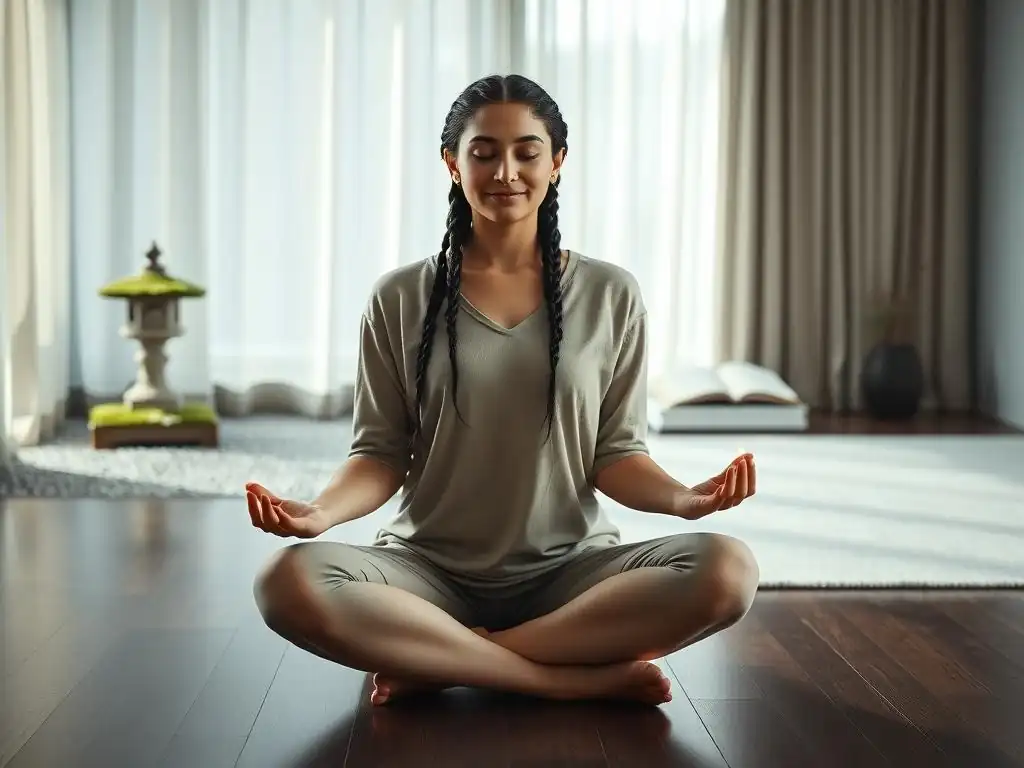
Welcome to Mind Care Guide, your companion on the journey to mental well-being. Feeling overwhelmed by anxiety? You're not alone. Eastern Wisdom Meets Western Science: Integrating Mental Health explores how mindfulness can be a powerful tool. Curious about how ancient practices can help calm modern anxieties? Let's delve into the science and discover the transformative power of mindfulness for anxiety reduction together.
Integrating Eastern and Western Approaches to Mental Health
- Introduction: A Holistic Approach to Mental Well-being
- Eastern Philosophies and Mental Health
- Western Scientific Approaches to Mental Health
- Mindfulness for Anxiety: An Integration Point
- Practical Techniques: Integrating Eastern and Western Methods
- Benefits of an Integrated Approach
- Challenges and Considerations
- Conclusion: A Holistic Future for Mental Health Care
-
Frequently Asked Questions
- How can mindfulness specifically help with anxiety?
- What does it mean to integrate Eastern wisdom and Western science in mental health?
- Where can I find resources to learn more about mindfulness for anxiety reduction?
- Is mindfulness a quick fix for anxiety, or does it require consistent practice?
- Are there any potential downsides or risks to practicing mindfulness for anxiety?
- Final Reflection: Finding Stillness in the Storm
- Unlock Your Inner Peace: Practical Steps to Wellbeing
Introduction: A Holistic Approach to Mental Well-being
The Need for Integrative Mental Health Solutions
In the modern world, mental health challenges are increasingly prevalent, affecting millions globally. Traditional Western approaches, while effective for many, often focus on symptom management and biological factors. However, a growing understanding recognizes that mental well-being is a complex interplay of mind, body, and environment. This realization highlights the urgent need for integrative solutions that combine the strengths of both Eastern wisdom traditions and Western scientific understanding to offer more comprehensive and sustainable paths to healing and resilience. Relying solely on one paradigm may overlook crucial aspects of an individual's experience, necessitating a broader, more inclusive framework.
The limitations of a purely siloed approach become apparent when considering conditions like chronic stress or generalized anxiety, where pharmaceutical interventions might manage symptoms but fail to address underlying lifestyle, thought patterns, or emotional regulation challenges. Similarly, traditional practices might offer profound insights into consciousness and peace but may lack the structured therapeutic frameworks or neurobiological understanding provided by Western science. An integrated model aims to bridge this gap, providing a richer toolkit for individuals and practitioners alike, enhancing the potential for long-term recovery and flourishing.
A Holistic Perspective on Mental Wellness
A truly holistic perspective on mental wellness views the individual as an interconnected system. It acknowledges that mental health is not merely the absence of illness but a state of positive well-being encompassing emotional, psychological, and social dimensions. This view aligns closely with many Eastern philosophies that emphasize the interconnectedness of all things and the importance of balance within oneself and with the surrounding world. It contrasts with a purely reductionist view that might isolate mental health to brain chemistry or specific psychological disorders.
Embracing this holistic perspective means considering lifestyle factors such as diet, exercise, sleep, and social connections alongside therapeutic interventions and potential medication. It also involves recognizing the influence of cultural background, personal values, and spiritual beliefs on mental health. By adopting this broader lens, integrative approaches seek to treat the whole person, empowering individuals to cultivate resilience, develop self-awareness, and build a fulfilling life, moving beyond merely managing symptoms to fostering genuine well-being.
Eastern Philosophies and Mental Health
Core Principles: Mindfulness and Balance
Mindfulness in Eastern Traditions
Mindfulness, a cornerstone of many Eastern traditions, particularly Buddhism, is the practice of bringing one's attention to experiences occurring in the present moment without judgment. This ancient concept is deeply rooted in contemplative practices developed over millennia, emphasizing awareness of thoughts, feelings, bodily sensations, and the surrounding environment. It is not about emptying the mind or achieving a state of bliss, but rather about cultivating a non-reactive, accepting relationship with one's internal and external experiences as they arise.
Historically, mindfulness was cultivated through various forms of meditation, walking meditation, and mindful engagement in daily activities. The core aim was often spiritual liberation or enlightenment, but the practical benefits for mental clarity, emotional regulation, and inner peace were widely recognized. This traditional understanding lays the groundwork for modern applications of mindfulness, which have been adapted for therapeutic purposes, including effective techniques for mindfulness for anxiety reduction.
Balance and Harmony
The concept of balance and harmony is central to numerous Eastern philosophies, including Traditional Chinese Medicine (TCM) and Ayurveda. These systems view health, including mental health, as a state of equilibrium between opposing forces or energies within the body and mind, and between the individual and their environment. Imbalances are seen as the root cause of illness, both physical and mental. In TCM, this involves balancing Yin and Yang and the flow of Qi (vital energy); in Ayurveda, it's about balancing the three Doshas (Vata, Pitta, Kapha).
Achieving and maintaining this balance involves various practices aimed at regulating energy flow, promoting physical health, and cultivating emotional and mental equilibrium. These practices often include specific diets, herbal remedies, exercise, meditation, and lifestyle adjustments tailored to an individual's constitution and current state of imbalance. This holistic view contrasts with Western approaches that might isolate mental illness as a distinct pathology, instead seeing it as a manifestation of a deeper systemic disharmony.
Eastern Practices for Mental and Emotional Health
Meditation for Anxiety
Meditation, in its many forms originating from Eastern traditions, has emerged as a powerful tool for mental and emotional health, particularly in providing mindfulness for anxiety reduction. Practices like Vipassanā (insight meditation) and Samatha (calm abiding) cultivate focus, awareness, and emotional regulation skills. By regularly observing thoughts and feelings without getting swept away by them, individuals can develop a greater capacity to tolerate discomfort and reduce reactivity, which are key factors in the experience of anxiety.
Research has shown that consistent meditation practice can lead to physiological changes, such as reduced heart rate and blood pressure, and neurological changes, including increased gray matter in areas associated with self-awareness and emotional regulation, and decreased activity in the amygdala, the brain's fear center. A meta-analysis published in JAMA Internal Medicine in 2014, looking at over 47 trials with 3,515 participants, found moderate evidence that meditation programs, including mindfulness meditation, can improve anxiety. While findings varied, the trend indicated positive effects on anxiety symptoms across diverse populations.
Yoga and Stress Reduction
Yoga, originating in ancient India, is a practice that combines physical postures (asanas), breathing techniques (pranayama), and meditation or relaxation. While often perceived in the West primarily as a form of exercise, its traditional purpose is to unify the mind, body, and spirit. The physical postures help release tension stored in the body, while breathing exercises calm the nervous system. The meditative aspects cultivate presence and self-awareness.
Numerous studies support yoga's effectiveness in reducing stress and improving mood. A review published in the Journal of Alternative and Complementary Medicine in 2018 examined 17 studies and concluded that yoga interventions were effective in reducing anxiety symptoms in various populations. The combination of physical activity, controlled breathing, and mindful presence helps activate the body's relaxation response, counteracting the physiological effects of stress and anxiety. Regular yoga practice can lead to lower cortisol levels, reduced heart rate variability indicative of stress, and improved subjective feelings of calm and well-being.
Traditional Chinese Medicine
Traditional Chinese Medicine (TCM) is a complete medical system developed in China over thousands of years. It includes practices such as acupuncture, herbal medicine, massage (Tuina), exercise (Qigong, Tai Chi), and dietary therapy. In TCM, mental and emotional states are intimately linked with the health of the body's organs and the flow of Qi (vital energy) along meridians. For example, anxiety and worry are often associated with imbalances in the Spleen or Heart systems, while anger is linked to the Liver.
TCM approaches mental health by diagnosing underlying patterns of disharmony and using treatments to restore balance. Acupuncture might be used to regulate Qi and calm the spirit (Shen), while specific herbal formulas are prescribed to nourish deficient organs or clear excess pathogens believed to contribute to emotional distress. While Western scientific evidence for the mechanisms of TCM is still developing, some studies indicate benefits for conditions like depression and anxiety. For instance, research has explored acupuncture's potential impact on neurotransmitters and its role in stress response pathways.
Ayurvedic Principles
Ayurveda, meaning "knowledge of life," is an ancient Indian system of medicine that views health as a state of balance between the mind, body, and spirit, influenced by the five elements and expressed through the three Doshas: Vata (air and space), Pitta (fire and water), and Kapha (earth and water). Mental health challenges are seen as arising from imbalances in these Doshas, often exacerbated by improper diet, lifestyle, and emotional factors.
Ayurvedic treatment for mental well-being involves personalized interventions based on an individual's unique constitution (Prakriti) and current state of imbalance (Vikriti). This includes dietary recommendations, lifestyle adjustments (like consistent sleep schedules), herbal remedies (such as Ashwagandha or Brahmi, known as adaptogens), therapeutic massage (Abhyanga), detoxification procedures (Panchakarma), yoga, and meditation. The goal is to restore equilibrium, calm the nervous system, and support the natural healing capacities of the mind and body, offering a holistic framework for managing stress and supporting mental resilience.
Western Scientific Approaches to Mental Health
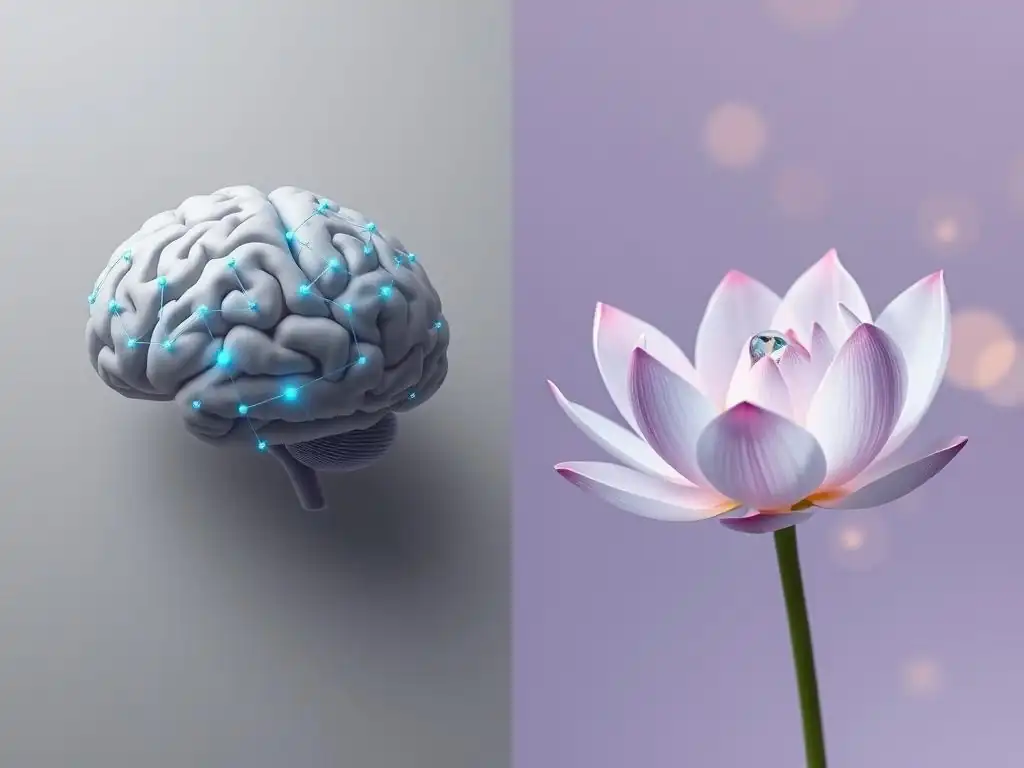
Cognitive Behavioral Therapy (CBT)
Cognitive Behavioral Therapy (CBT) is a widely-used Western psychotherapeutic approach based on the principle that psychological problems are based, in part, on faulty or unhelpful ways of thinking (cognitions) and learned patterns of unhelpful behavior. The core idea is that changing these thought patterns and behaviors can change how you feel. CBT is a structured, short-to-medium term therapy that focuses on present-day problems and practical solutions.
CBT has extensive empirical support for its effectiveness in treating a range of mental health conditions, including depression, obsessive-compulsive disorder (OCD), panic disorder, and is particularly well-supported as a therapy for anxiety disorders. Studies have shown that CBT can lead to significant reductions in anxiety symptoms, often comparable to or exceeding the effects of medication for some individuals. A large meta-analysis published in The Lancet in 2018 found that CBT was effective across various anxiety disorders, demonstrating lasting positive effects even after therapy concluded.
Neuroscience and Mental Illness
Western science has made significant strides in understanding the biological underpinnings of mental illness through the field of neuroscience. Research utilizing advanced imaging techniques like fMRI and PET scans, genetic studies, and biochemical analyses has shed light on the complex interplay of brain structure, function, and neurochemistry in conditions like depression, anxiety disorders, schizophrenia, and bipolar disorder. This research has identified specific brain regions (e.g., amygdala, prefrontal cortex, hippocampus) and neurotransmitter systems (e.g., serotonin, dopamine, norepinephrine) that are often implicated in mental health conditions.
Understanding the neurobiological correlates of mental illness has been crucial for developing targeted pharmaceutical interventions and informing therapeutic approaches. For instance, research showing dysregulation in the fear circuitry of the brain in anxiety disorders has supported the use of therapies that aim to modulate activity in these areas. While neuroscience doesn't offer a complete picture, it provides a vital piece of the puzzle, grounding our understanding in biological reality and paving the way for evidence-based treatments.
Pharmaceutical Interventions
Pharmaceutical interventions, such as antidepressants, anti-anxiety medications (anxiolytics), mood stabilizers, and antipsychotics, are a cornerstone of Western psychiatry. These medications work by targeting specific neurochemical pathways in the brain that are believed to be dysregulated in various mental illnesses. For example, Selective Serotonin Reuptake Inhibitors (SSRIs), a common class of antidepressants also used for anxiety, work by increasing serotonin levels in the brain.
Medications can be highly effective in managing severe symptoms, reducing the intensity of distress, and enabling individuals to engage more fully in psychotherapy or other forms of treatment. They can be life-saving for individuals with severe depression, bipolar disorder, or psychosis. However, pharmaceuticals also have potential side effects and may not address the root causes of mental distress for everyone.
Their use is often most effective when combined with therapy and lifestyle changes, highlighting the benefit of a multi-modal approach. For example, studies show that combining SSRIs with CBT is often more effective for moderate to severe depression and anxiety than either treatment alone.
Mindfulness for Anxiety: An Integration Point
Scientific Evidence Supporting MBIs
Studies on Mindfulness and Anxiety
The application of mindfulness in clinical settings, particularly through Mindfulness-Based Interventions (MBIs), has garnered significant scientific attention for its efficacy in addressing stress, depression, and notably, mindfulness for anxiety reduction. Numerous studies have investigated how mindfulness practices impact anxiety symptoms. Research consistently shows that engaging in regular mindfulness meditation can lead to measurable reductions in self-reported anxiety levels across various populations, from college students facing exam stress to individuals diagnosed with generalized anxiety disorder.
Specific brain changes observed in studies include decreased reactivity in the amygdala, the brain's fear processing center, and increased activity and connectivity in the prefrontal cortex, the area responsible for executive functions like attention and emotional regulation. A systematic review and meta-analysis published in Clinical Psychology Review in 2014 examined 39 studies and found that MBIs produced moderate reductions in anxiety symptoms. While individual responses vary, the body of evidence strongly supports the use of mindfulness-based approaches as effective tools for managing anxiety.
Mindfulness-Based Stress Reduction (MBSR)
Mindfulness-Based Stress Reduction (MBSR), developed by Jon Kabat-Zinn in the late 1970s, is one of the most well-established and researched MBIs. It is typically an 8-week program that teaches participants formal mindfulness meditation practices (like body scan, sitting meditation, and mindful movement) and informal practices (bringing mindfulness to everyday activities). Although originally designed for chronic pain and stress, MBSR has been widely applied and studied for its effects on mental health, including providing significant mindfulness for anxiety reduction.
Research on MBSR has demonstrated its effectiveness in reducing symptoms of generalized anxiety disorder, panic disorder, and social anxiety. Studies have shown that participants often experience sustained reductions in anxiety and stress levels even months after completing the program. For instance, a study published in Psychiatry Research in 2016 found that an 8-week MBSR program led to significant decreases in anxiety and increases in positive affect in individuals with generalized anxiety disorder. This program serves as a prime example of how ancient Eastern practices can be systematically adapted and validated within a Western scientific framework.
Mindfulness and Western Therapies
Mindfulness is increasingly being integrated into various Western psychotherapies, creating hybrid approaches that leverage the strengths of both traditions. Therapies like Dialectical Behavior Therapy (DBT), Acceptance and Commitment Therapy (ACT), and Mindfulness-Based Cognitive Therapy (MBCT) explicitly incorporate mindfulness skills as core components. DBT uses mindfulness to help individuals tolerate distress and regulate intense emotions. ACT utilizes mindfulness to help individuals accept difficult thoughts and feelings while committing to values-driven action.
MBCT, specifically designed for preventing relapse in depression, combines elements of CBT with mindfulness meditation. It teaches individuals to become more aware of their negative thought patterns and to relate to them with non-judgmental acceptance rather than getting caught in rumination. This integration allows therapists to provide clients with practical tools for self-awareness and emotional regulation, complementing the cognitive restructuring and behavioral strategies of traditional Western therapies. The synergy between mindfulness and Western therapeutic techniques offers a more comprehensive approach to mental health challenges, including enhancing the effectiveness of therapies aimed at mindfulness for anxiety reduction.
Practical Techniques: Integrating Eastern and Western Methods
Meditation and Cognitive Restructuring
Integrating meditation with cognitive restructuring techniques, a core component of CBT, offers a powerful approach to changing maladaptive thought patterns. Meditation, particularly mindfulness meditation, cultivates awareness of thoughts without immediate judgment or reaction. This practice helps individuals observe their negative or anxious thoughts from a distance, recognizing them as transient mental events rather than absolute truths. This observational capacity is a crucial first step in cognitive restructuring.
Once aware of the thought patterns, cognitive restructuring techniques can be applied. Instead of automatically believing and reacting to an anxious thought ("I'm going to fail"), the individual can use the distance gained through mindfulness to question the thought's validity, identify cognitive distortions (like catastrophizing), and replace it with a more balanced or realistic perspective ("I am prepared, and even if things don't go perfectly, I can handle it").
This combination allows individuals to first create space from their thoughts through mindfulness and then actively challenge and change them using cognitive strategies, enhancing their ability to manage conditions like anxiety.
Yoga, Exercise, and Mood Regulation
Combining the physical and mental benefits of yoga and other forms of exercise with Western understanding of mood regulation provides a robust strategy for mental well-being. Regular physical activity, including moderate exercise like brisk walking or cycling, is well-documented in Western science to release endorphins, often called "feel-good" chemicals, which can improve mood and reduce stress. Exercise also helps regulate sleep patterns and reduce physiological markers of stress, such as cortisol.
Yoga adds the dimension of mindful movement and breathwork, which directly impacts the nervous system. The parasympathetic nervous system, responsible for the body's "rest and digest" state, is activated through deep, conscious breathing and gentle movement, counteracting the "fight or flight" response associated with anxiety. Integrating regular yoga or mindful exercise into a routine leverages both the biochemical mood enhancement from activity and the nervous system calming effects of mindful movement, offering a holistic strategy for managing stress, improving mood, and supporting mindfulness for anxiety reduction.
Creating a Personalized Mental Health Plan
Identifying Needs and Goals
Creating a personalized mental health plan is essential for effectively integrating Eastern and Western approaches. This process begins with a thorough assessment of an individual's specific needs, challenges, and goals. What are the primary concerns – anxiety, depression, stress, trauma? What symptoms are most distressing? What are the individual's strengths, values, and cultural background? Understanding these factors provides a foundation for selecting the most appropriate tools and techniques.
Goals should be specific, measurable, achievable, relevant, and time-bound (SMART). For example, a goal might be to "reduce daily anxiety levels by 30% as measured by a self-report scale within three months" or "incorporate 20 minutes of mindfulness meditation into my daily routine five times a week." Identifying these clear objectives helps guide the selection of specific practices, whether it's incorporating mindfulness for anxiety reduction, exploring CBT techniques, trying acupuncture, or developing a regular yoga practice.
Working with Qualified Professionals
Navigating the diverse landscape of mental health interventions requires guidance from qualified professionals. This might include Western-trained therapists (psychologists, counselors, social workers), psychiatrists, and practitioners trained in Eastern modalities (certified yoga therapists, licensed acupuncturists, Ayurvedic practitioners). Ideally, finding professionals who are knowledgeable about or open to integrative approaches can be highly beneficial.
A therapist might help identify cognitive patterns contributing to anxiety and teach CBT techniques, while also recommending mindfulness practices. A psychiatrist might evaluate the need for medication while supporting the individual's desire to explore complementary practices. An Eastern practitioner can offer insights into energetic imbalances or constitutional factors and suggest tailored practices. Collaborative care among different types of practitioners, when possible, ensures a comprehensive and safe approach, helping individuals build a personalized plan that respects their unique path to well-being.
Benefits of an Integrated Approach
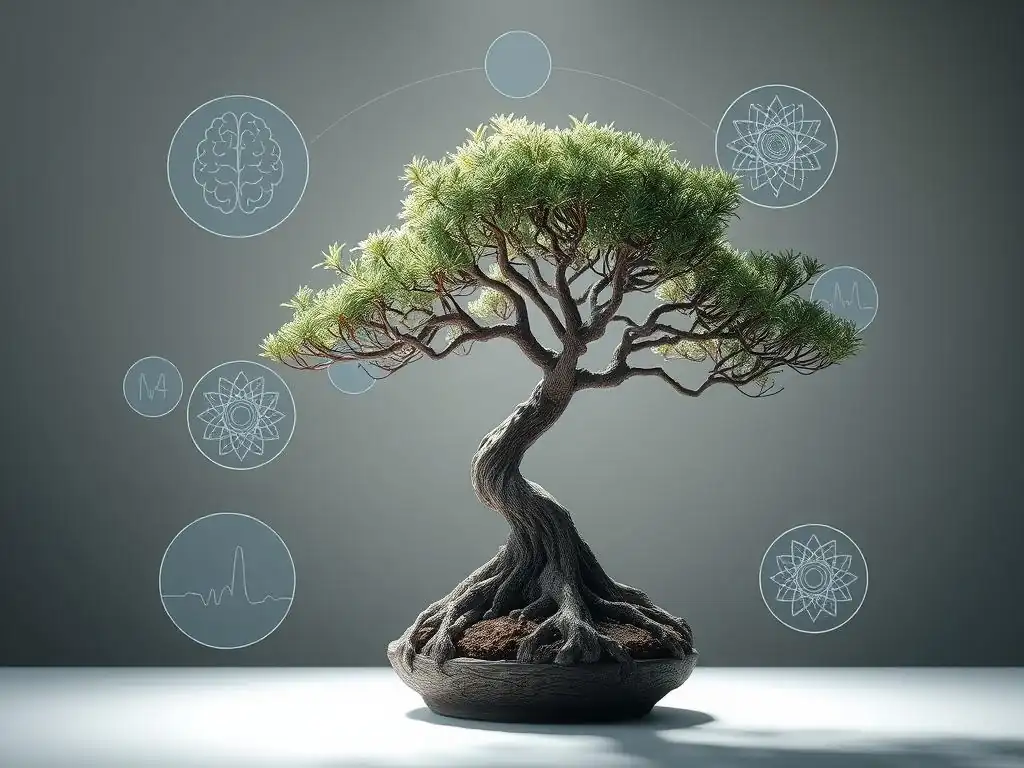
Enhanced Coping Mechanisms
An integrated approach to mental health significantly enhances an individual's coping mechanisms by providing a broader and more flexible toolkit for managing distress. Western therapies like CBT offer structured techniques for identifying and challenging negative thought patterns and developing behavioral strategies to face difficult situations. These are active, problem-solving skills.
Complementing these with Eastern practices like mindfulness meditation provides skills for emotional regulation, acceptance, and non-reactivity. Mindfulness teaches individuals to observe difficult emotions and thoughts without being overwhelmed by them, fostering a sense of inner calm and resilience. This combination equips individuals not only to actively change unhelpful patterns but also to skillfully navigate and tolerate unavoidable discomfort, leading to more robust and adaptable coping strategies for life's challenges, including significantly improving mindfulness for anxiety reduction.
Improved Well-being and Quality of Life
Adopting an integrated approach can lead to a profound improvement in overall well-being and quality of life, extending beyond mere symptom reduction. While Western medicine and therapy are often effective at alleviating specific disorders, incorporating Eastern practices can cultivate a deeper sense of peace, connection, and purpose. Practices like yoga and Tai Chi improve physical health and vitality, which are intrinsically linked to mental state.
Mindfulness and meditation foster self-awareness, emotional intelligence, and a greater appreciation for the present moment, enhancing daily life experiences. The holistic perspective encourages attention to lifestyle, relationships, and spiritual or personal values, contributing to a more balanced and fulfilling existence. By addressing the individual on multiple levels – mind, body, and spirit – an integrated approach supports not just recovery from illness but the cultivation of positive mental health and a higher quality of life.
A Holistic and Sustainable Path
An integrated approach offers a more holistic and sustainable path to mental health compared to relying on single modalities. By combining the symptomatic relief and structured interventions of Western science with the preventive, self-awareness-building, and lifestyle-oriented practices of Eastern traditions, individuals are empowered to take a more active role in their own well-being. This isn't just about treating illness; it's about building a foundation for lifelong mental resilience.
Relying solely on medication might manage symptoms but doesn't teach coping skills. Relying only on talk therapy might provide insight but could overlook the impact of physical health or lifestyle. Integrating approaches allows individuals to develop a comprehensive set of tools – from cognitive techniques and behavioral strategies to mindfulness, movement, and potentially dietary adjustments or herbal support – that can be adapted over time. This creates a sustainable framework for maintaining mental health and navigating future challenges.
Challenges and Considerations
Cultural Sensitivity
Integrating Eastern and Western approaches requires careful consideration of cultural sensitivity. Eastern practices are deeply embedded in specific philosophical and religious traditions. While practices like mindfulness and yoga have been secularized in the West, it is important to acknowledge their origins and avoid appropriation or misrepresentation. Practitioners offering integrated care must be knowledgeable about the cultural contexts of the practices they incorporate.
Furthermore, an individual's own cultural background and beliefs will influence how they perceive and engage with different practices. What resonates with one person may not resonate with another. An empathetic approach involves respecting individual differences, understanding their cultural perspectives on health and healing, and tailoring the integrated plan in a way that feels authentic and comfortable for them. Sensitivity ensures that integration is respectful and truly beneficial.
Finding Qualified Practitioners
A significant challenge in pursuing an integrated approach is finding qualified practitioners who are genuinely skilled in both or willing to collaborate across modalities. The mental health field is still largely segmented, with Western-trained therapists and Eastern practitioners often operating in separate spheres. While awareness is growing, truly integrative clinics or practitioners with dual expertise are not yet widespread.
Individuals may need to piece together their care team, seeing a Western therapist, a psychiatrist, and perhaps an acupuncturist or yoga therapist separately. This requires careful coordination and communication between practitioners, which can be difficult. It is crucial for individuals to research credentials, ask about training and experience in integrated methods, and ensure any practitioner they work with is licensed or certified in their respective field.
Overcoming Skepticism
Skepticism can arise from both practitioners and individuals towards approaches outside their familiar paradigm. Some Western medical professionals may be skeptical of traditional Eastern practices lacking extensive randomized controlled trial data as understood by Western science. Conversely, some proponents of Eastern traditions may view Western medicine as overly focused on symptoms and pharmaceuticals, neglecting holistic principles.
Individuals themselves may also be hesitant, perhaps finding Eastern practices too abstract or Western therapies too clinical. Overcoming this skepticism requires education, open-mindedness, and a focus on evidence where available, whether it's scientific data supporting mindfulness for anxiety reduction or empirical observations from traditional practices. Sharing personal experiences and focusing on practical, accessible techniques can help build trust and encourage exploration of integrated possibilities.
Conclusion: A Holistic Future for Mental Health Care
Synergy: Eastern Wisdom and Western Science
The journey towards integrating Eastern wisdom and Western science in mental health care represents a powerful synergy. Western science provides rigorous methodologies, empirical evidence, and targeted interventions that address the biological and psychological mechanisms of mental illness. Eastern traditions offer time-tested practices for cultivating inner peace, self-awareness, and resilience, emphasizing the interconnectedness of mind, body, and spirit.
When combined thoughtfully and respectfully, these approaches create a more comprehensive, person-centered model of care. This synergy acknowledges the multifaceted nature of human suffering and well-being, offering a richer array of tools and perspectives. It moves beyond a purely disease-focused model to one that promotes flourishing, leveraging the strengths of both paradigms to support individuals on their path to healing and optimal mental health.
Commitment to Integrated Mental Wellness Resources
Building a future where integrated mental health care is accessible requires a commitment to developing and promoting resources that bridge the gap between Eastern and Western approaches. This includes funding research into the mechanisms and effectiveness of integrated practices, particularly demonstrating the power of mindfulness for anxiety reduction and other common conditions within diverse populations.
It also involves training practitioners in integrative methods, fostering collaboration between different disciplines, and creating platforms where individuals can find reliable information and qualified providers. Developing accessible resources, whether through online guides, community programs, or clinical services, is essential to empowering individuals to explore and benefit from the best of both worlds in their pursuit of mental wellness.
Explore Further Resources
Navigating the world of integrated mental health can feel complex. To delve deeper, explore resources from reputable organizations that discuss both evidence-based Western therapies and mindfulness-based interventions. Look for books or courses on MBSR or MBCT, which have strong research backing.
Consider seeking out practitioners who explicitly state an integrative approach or are open to collaborating with practitioners from different modalities. Websites dedicated to mental wellness often provide sections on complementary and alternative approaches, frequently highlighting the benefits of practices like mindfulness for anxiety reduction and overall stress management. Educating yourself is a powerful first step towards building a personalized, integrated path to well-being.
Frequently Asked Questions
How can mindfulness specifically help with anxiety?
Mindfulness helps by training you to focus on the present moment, reducing the tendency to dwell on anxious thoughts about the future or regrets from the past. This practice can significantly lower anxiety levels.
What does it mean to integrate Eastern wisdom and Western science in mental health?
It involves combining traditional practices like mindfulness and meditation (rooted in Eastern philosophies) with evidence-based Western therapies such as cognitive behavioral therapy (CBT). This holistic approach offers a more comprehensive treatment plan.
Where can I find resources to learn more about mindfulness for anxiety reduction?
Mind Care Guide offers articles, guides, and support related to mindfulness. You can also search for local mindfulness workshops or explore online mindfulness apps.
Is mindfulness a quick fix for anxiety, or does it require consistent practice?
Mindfulness is not a quick fix. It requires consistent practice over time to develop the skills needed to manage anxiety effectively. Think of it like building a mental muscle.
Are there any potential downsides or risks to practicing mindfulness for anxiety?
While generally safe, some individuals may experience increased anxiety or uncomfortable emotions initially. It's crucial to start slowly and consider seeking guidance from a qualified mental health professional.
Final Reflection: Finding Stillness in the Storm
The ancient wisdom of Eastern practices and the rigorous research of Western science are converging to offer a powerful antidote to the anxiety epidemic gripping our modern world. This convergence, explored throughout this article, isn't just an academic curiosity; it's a vital lifeline for millions struggling to navigate the relentless pressures of daily life. Mindfulness, once a niche practice, is now recognized as a potent tool for anxiety reduction, offering a path towards a calmer, more resilient self.
The integration of Eastern mindfulness techniques into Western therapeutic approaches represents a profound shift in our understanding of mental well-being. It acknowledges the interconnectedness of mind and body, a concept often overlooked in purely biomedical models. This holistic approach resonates deeply with me, as I've witnessed firsthand the transformative power of incorporating mindfulness into my own life. The mind is everything. What you think you become.
– Buddha. This simple yet profound statement encapsulates the core principle of mindfulness: by cultivating awareness of our thoughts and emotions, we gain the power to shape our experience.
The journey towards a more mindful existence is not a destination, but a continuous practice. It requires dedication, patience, and self-compassion. I invite you, dear reader, to explore the techniques discussed in this article and to integrate them into your daily routine. Begin with small steps – a few minutes of mindful breathing each day, a conscious effort to savor a moment of beauty, a gentle release of judgment towards yourself and others. Embrace the process, and allow the stillness within to guide you towards a life less burdened by anxiety and more filled with peace and clarity.
Unlock Your Inner Peace: Practical Steps to Wellbeing
Thanks for taking the time to explore the powerful intersection of Eastern wisdom and Western science in mental health! You've gained valuable insights into nurturing your mind and body. Now, let's put that knowledge into practice.
- Prioritize a daily mindfulness practice: Even 5 minutes of focused breathing can make a significant difference in reducing stress and enhancing self-awareness. This is the most important step you can take based on today's article.
- Share your key takeaway from the article with a friend or family member – spreading awareness is crucial!
- Consider exploring a new mindful activity, such as yoga, meditation, or nature journaling, to deepen your connection with inner peace.
What simple change will you make today to prioritize your mental wellbeing?