
Getting Started with Art Therapy for Trauma: Your First Steps


Welcome to Mind Care Guide.
Feeling overwhelmed and searching for a gentle path to healing after trauma? You're not alone. It takes courage to begin, and we're here to support you. This guide offers a starting point, exploring your first steps into the world of art therapy trauma first steps. Curious to discover how creativity can unlock healing and empower your recovery journey? Let's begin, together.
- Getting Started with Art Therapy for Trauma: Your First Steps - A Mind Care Guide
- Preparing for Your First Art Therapy Session for Trauma
- Your First Art Therapy Session: What to Expect
- Essential Art Supplies for Art Therapy at Home: A Beginner's Guide
- Grounding Techniques and Self-Care in Art Therapy for Trauma
- Navigating Emotional Challenges in Art Therapy for Trauma
- Long-Term Benefits of Art Therapy for Trauma: Continued Healing
- Art Therapy for Trauma: Addressing Common Concerns and Misconceptions
-
Frequently Asked Questions
- What exactly is art therapy, and how can it help with trauma recovery?
- Is art therapy suitable for everyone who has experienced trauma, or are there specific cases where it's more beneficial?
- What are some of the first steps someone should take if they're interested in trying art therapy for trauma?
- How does art therapy differ from simply engaging in art as a hobby, and why is a trained therapist important?
- What are some common concerns people have before starting art therapy for trauma, and how can they be addressed?
- Final Reflection: Unfurling the Healing Power of Art
- Unveil Your Inner Artist: Start Your Healing Journey Today
Getting Started with Art Therapy for Trauma: Your First Steps - A Mind Care Guide
What is Art Therapy and How Does it Help with Trauma?
Art therapy is a form of psychotherapy that uses creative methods to help individuals explore self-expression and gain insight into their thoughts and feelings. It's not about artistic skill, but rather about the process of creating and the meaning derived from the artwork. For trauma survivors, traditional talk therapy can sometimes be overwhelming or difficult, especially when memories are fragmented or overwhelming.
Art therapy provides a non-verbal avenue to access and process traumatic experiences, allowing individuals to externalize difficult emotions and memories in a safe and controlled way. The act of creating can help bypass the conscious mind's defenses, offering a unique pathway to address deeply held pain and distress.
The therapeutic relationship with a qualified art therapist is central to this process. The therapist guides the individual through the creation process, providing a supportive presence and helping them interpret the artwork in the context of their trauma history. Studies have shown promising results; for example, research presented at the American Art Therapy Association conference in 2018 highlighted how art therapy reduced symptoms of PTSD in veterans by approximately 30% over a 12-week period.
This non-threatening approach can help re-establish a sense of control and agency, which is often lost during traumatic events. It facilitates emotional regulation and can improve communication skills, making it easier for survivors to connect with others and build healthier relationships.
The Benefits of Art Therapy for Healing from Trauma
Art therapy offers a multifaceted approach to healing complex trauma. One primary benefit is its ability to help individuals process non-verbal memories and emotions. Trauma is often stored in the body and the non-verbal parts of the brain, making it challenging to articulate through words alone. Creating art provides a tangible way to express these feelings, allowing survivors to gain distance from the overwhelming emotions by externalizing them onto paper or other materials. This can lead to significant reductions in anxiety and depression symptoms, often reported by participants in art therapy programs.
Furthermore, art therapy can help trauma survivors develop new coping mechanisms and build resilience. The creative process itself can be grounding and mindful, helping individuals stay present and manage dissociative symptoms. Through guided exercises, survivors can explore themes of safety, strength, and hope, fostering a sense of empowerment.
For instance, an individual might create a 'safe place' image or sculpt a representation of their inner strength. This process not only aids in emotional processing but also helps in reconstructing a positive self-image and narrative, essential components of long-term trauma recovery. Many report feeling a greater sense of self-awareness and emotional control after engaging in art therapy consistently.
Is Art Therapy Right for You? Considerations for Trauma Survivors
Deciding if art therapy is the right path is a personal journey, especially when considering art therapy trauma first steps. It is particularly beneficial for those who find it challenging to verbalize their experiences or who feel overwhelmed by traditional talk therapy. If you experience flashbacks, nightmares, or difficulty connecting with your emotions, the non-verbal expression offered by art therapy can be incredibly freeing and effective. It's also a good fit for individuals who enjoy creative activities or are open to exploring new ways of understanding themselves, regardless of perceived artistic talent.
However, it's important to consider your comfort level and readiness. While art therapy is generally safe, exploring traumatic material can be emotionally intense. A qualified trauma-informed art therapist will work at your pace, ensuring a safe and contained environment. Discussing your trauma history and current symptoms with a mental health professional can help determine if art therapy aligns with your specific needs and treatment goals. It can be used as a primary therapy or in conjunction with other therapeutic approaches like EMDR or Somatic Experiencing, creating a comprehensive treatment plan tailored to your unique recovery journey.
Preparing for Your First Art Therapy Session for Trauma
Finding a Qualified Art Therapist Specializing in Trauma
Finding the right therapist is a critical step when taking art therapy trauma first steps. Look for a licensed or board-certified art therapist (ATR-BC) who has specific training and experience in working with trauma survivors. Trauma-informed care is essential, meaning the therapist understands the profound impact of trauma and prioritizes safety, trustworthiness, choice, collaboration, and empowerment in their practice. Professional organizations, such as the American Art Therapy Association (AATA) or regional art therapy associations, often have directories of qualified therapists.
Don't hesitate to ask potential therapists about their experience with trauma, their therapeutic approach, and how they ensure client safety during sessions. A good fit is crucial for building trust and feeling comfortable exploring difficult emotions. Some therapists may offer a brief introductory call or consultation, which can be a helpful way to gauge rapport and ask questions before committing to a first session. Consider their location, fees, and whether they accept insurance, as these practicalities are also important factors in maintaining consistent therapy.
Initial Consultation: What to Expect from Your First Art Therapy Session
Your very first art therapy session, or an initial consultation, is typically focused on building rapport and understanding your needs. The therapist will likely explain the art therapy process, confidentiality, and the therapeutic goals you might work towards. They will ask about your history, including your trauma experiences (to the extent you feel comfortable sharing), your current symptoms, and what you hope to gain from therapy. This is your opportunity to ask questions about their approach and ensure you feel safe and understood.
While some initial sessions might involve a simple art-making activity to help you experience the process, others may focus solely on conversation. The therapist wants to get to know you as an individual and understand how trauma has impacted your life. They are assessing how art therapy might be integrated into your healing journey. Remember, there's no pressure to create something profound or even 'good' art; the focus is on beginning the therapeutic relationship and setting the stage for future work.
Setting Realistic Expectations for Art Therapy and Trauma Healing
Approaching art therapy with realistic expectations is vital for a positive experience, especially when starting art therapy trauma first steps. Healing from trauma is a process, not a quick fix, and art therapy is a tool within that process. Progress may not be linear; there might be sessions where you feel significant breakthroughs and others where you feel stuck or overwhelmed. It's important to be patient and compassionate with yourself throughout this journey.
Understand that the artwork itself is not the goal; the insights and emotional processing that occur during and after creation are what matter. You don't need to be an artist to benefit. The therapist will guide you, and the focus will always be on your experience and feelings, not the aesthetic quality of your work. Setting realistic expectations about the pace of healing and the nature of the therapeutic process will help you stay engaged and hopeful, even when the work feels challenging. Celebrate small victories and acknowledge the courage it takes to embark on this path.
Your First Art Therapy Session: What to Expect
Creating a Safe and Supportive Environment in Art Therapy
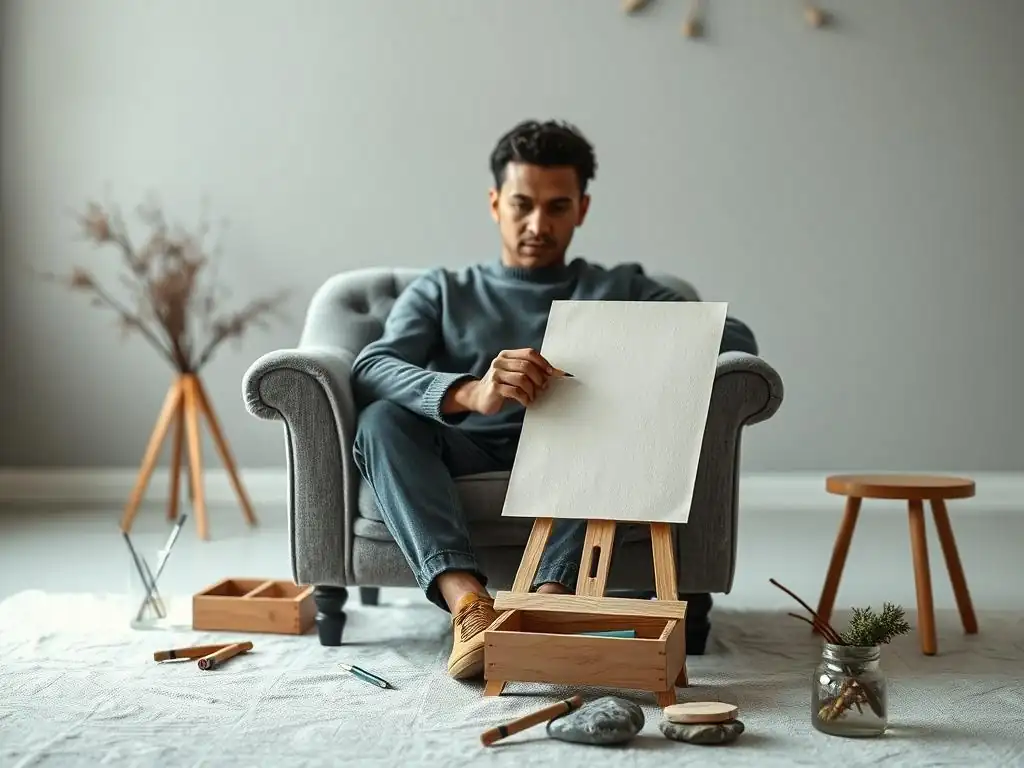
A core principle of trauma-informed art therapy is establishing a safe and supportive environment. Your therapist will prioritize creating a space where you feel secure and in control. This includes ensuring confidentiality, clearly explaining the boundaries of the therapeutic relationship, and respecting your pace and comfort level. The physical space itself is often designed to be calming and welcoming, equipped with a variety of art materials to choose from.
The therapist's role is to be a consistent, non-judgmental presence. They will never force you to create or share anything you are not ready for. They understand that trauma can make vulnerability difficult and will work to build trust gradually. Feeling safe in the therapeutic space is paramount, as it allows you to explore difficult emotions and memories without the fear of re-traumatization. This foundation of safety is crucial for any meaningful therapeutic work to occur.
Exploring Your Feelings Through Art: Initial Art Therapy Exercises for Trauma
In your first few sessions, the art therapy exercises will likely be designed to be accessible and non-threatening, focusing on self-expression and exploration rather than directly confronting traumatic memories. For instance, you might be invited to choose materials based on how you feel, or to create an image representing your current emotional state. A common initial exercise is creating a "feeling face" or a "weather report" of your emotions.
Another simple yet effective exercise is creating a 'stress container' – drawing or sculpting a container and then filling it with representations of your stressors. This helps externalize difficult feelings and can provide a sense of containment. The therapist might also guide you through creating an image of a safe place or a resource you draw strength from. These initial activities help you become comfortable with the materials and the process, while also beginning to explore your inner world in a gentle way. The focus is on the process and the feelings that arise, rather than the final product.
Understanding the Role of the Art Therapist in Trauma Recovery
The art therapist is not just an instructor but a trained psychotherapist who uses art as a primary therapeutic tool. Their role in trauma recovery is multifaceted. They provide a safe holding space, facilitate the art-making process, and help you reflect on the meaning and emotions that emerge from your artwork. They are trained to recognize trauma responses and to support you in regulating your emotions during and after sessions.
Your therapist will help you make connections between your art, your feelings, and your trauma experiences, but they will do so collaboratively and at your pace. They won't interpret your art for you; instead, they will ask questions to help you discover your own meaning. For example, they might ask, "Tell me about this part of your drawing," or "What feelings come up for you when you look at this sculpture?" They are your guide and ally in using creative expression to navigate the complex path of trauma healing.
Essential Art Supplies for Art Therapy at Home: A Beginner's Guide
Choosing the Right Art Materials for Trauma-Informed Art Therapy
When considering art therapy trauma first steps, having some materials available at home can support your journey between sessions. The key is to choose materials that feel accessible and non-intimidating. Simple, versatile options are best. Consider materials that allow for different types of expression – some that are fluid and expressive, like paints or pastels, and others that are more structured, like colored pencils or markers.
Clay or playdough can be excellent for grounding and expressing emotions physically. Paper or sketchbooks in various sizes are also essential. Think about what materials you are drawn to or what feels safe to experiment with. Avoid materials that feel overwhelming or trigger anxiety. The goal is to have tools that empower you to express yourself freely, not to create masterpieces. A small set of crayons, markers, or inexpensive paints is a great starting point.
Budget-Friendly Art Supplies for Starting Art Therapy at Home
You absolutely do not need expensive or specialized art supplies to engage in therapeutic art-making at home. Many effective art therapy activities can be done with very basic and budget-friendly materials. A simple set of Crayola crayons (around $5-10), a pack of printer paper or a basic sketchbook (under $10), and perhaps some inexpensive washable markers (around $5) are more than enough to begin.
Air-dry clay is another affordable option, often available for under $10 for a pound. Even gathering natural materials from outside, like leaves, sticks, or stones, can be incorporated into therapeutic art. The focus is on the process and the emotional release, not the cost of the materials. Look for sales at craft stores or even check dollar stores for basic supplies. Starting small and adding materials as you go is a perfectly valid approach.
Safe Handling and Storage of Art Supplies for Mental Well-being
Maintaining a sense of order and safety around your art supplies can contribute to your overall sense of well-being, especially when engaging in therapeutic art for trauma. Store your materials in a designated area – a box, shelf, or drawer – so they are accessible but also contained. This helps create a ritual around beginning and ending your art-making process.
Ensure adequate ventilation if using materials with strong fumes, like certain paints or solvents (though these are often unnecessary for beginner therapeutic art). Keep materials organized to avoid frustration. Cleaning up after yourself is also an important part of the process, signaling a transition out of the creative space and back into your daily routine. This can be a grounding activity in itself. Treating your supplies with respect can foster a sense of care for yourself and your creative process.
Grounding Techniques and Self-Care in Art Therapy for Trauma
Grounding Exercises to Manage Emotional Distress During Art Therapy
Engaging with trauma through art can sometimes bring up intense emotions. Grounding techniques are essential tools to help you stay present and manage distress during or after art therapy sessions, particularly as you take art therapy trauma first steps. Simple techniques like focusing on your breath – noticing the inhale and exhale – can be very effective. You can also focus on your senses: what do you see, hear, smell, touch, and taste in the present moment?
Physical grounding exercises, like feeling your feet on the floor, gently pressing your hands together, or noticing the sensations in your body, can help you reconnect with the present. Your art therapist can guide you through specific grounding techniques tailored to your needs. Incorporating grounding into your art-making process, perhaps by taking a moment to feel the texture of the paper or the weight of the clay, can also enhance the therapeutic benefits and prevent feeling overwhelmed.
The Importance of Self-Care After Art Therapy Sessions for Trauma
Self-care after an art therapy session, especially one where difficult emotions were explored, is crucial for integrating the experience and maintaining emotional stability. Just as you might need time to process after a challenging conversation, your mind and body need care after engaging in therapeutic art. Plan for some quiet time afterward – perhaps a warm bath, listening to calming music, or spending time in nature.
Avoid scheduling demanding activities immediately following a session. Hydrating, eating a nourishing meal, and getting adequate rest are also fundamental aspects of self-care that support your nervous system's recovery. Think about what activities help you feel safe, calm, and nurtured, and make time for them. This deliberate self-care reinforces the message that you are worthy of care and compassion, which is a vital part of trauma recovery.
Integrating Art Therapy into Your Trauma Recovery Journey
Art therapy is most effective when integrated thoughtfully into your overall trauma recovery journey. It can complement other forms of therapy, medical care, and self-care practices. Discuss with your therapist how your art therapy work fits into your broader treatment plan. The insights gained in art therapy can inform discussions in talk therapy, and vice versa.
Consider keeping a journal alongside your artwork to record thoughts, feelings, or memories that arise during or after creating. Regularly reviewing your artwork over time can also provide valuable insight into your progress and recurring themes. Consistency is key; even short periods of engaging in therapeutic art between sessions can reinforce the work done with your therapist and help maintain momentum in your healing process. View art therapy not as a standalone activity, but as a powerful thread woven into the fabric of your recovery.

Identifying and Processing Triggering Emotions Through Art
Trauma often leaves individuals with specific triggers – sights, sounds, smells, or even feelings that can evoke intense emotional responses or flashbacks. In art therapy, these triggers might emerge during the art-making process or when reflecting on the artwork. The art itself can sometimes contain elements that represent triggers, or the act of creating can bring up memories or feelings associated with the trauma.
Your art therapist is trained to help you identify these triggering emotions and process them safely within the therapeutic container. They might guide you to create a boundary around triggering imagery in your artwork, or use grounding techniques to manage distress. The process of externalizing triggering feelings onto the page or into a sculpture can provide a sense of distance and control, allowing you to examine them without being completely overwhelmed. It's a way to approach difficult emotions symbolically first.
Coping Mechanisms for Difficult Emotions in Art Therapy
Developing healthy coping mechanisms is a central goal of trauma-informed therapy, including art therapy. When difficult emotions arise during a session, your therapist will help you utilize strategies to manage them. This might include pausing the art-making to engage in a grounding exercise, taking a break, or talking through the feelings that are present.
You might also use art itself as a coping mechanism within the session – perhaps creating a protective image or destroying an image that represents distress. The therapist will teach you techniques you can use outside of sessions as well, such as creating 'calm down' art or using repetitive motions like scribbling or coloring as a way to self-soothe. Learning to tolerate and regulate intense emotions in a safe space is a powerful step towards healing.
When to Seek Additional Support: Recognizing the Need for Further Assistance
While art therapy is highly effective for many trauma survivors, recognizing when you might need additional or different support is important. If you find that art therapy consistently leaves you feeling overwhelmed, highly activated, or re-traumatized without sufficient containment or relief, discuss this openly with your therapist. It might mean adjusting the pace, changing the therapeutic approach, or incorporating other forms of support.
Severe symptoms like persistent suicidal ideation, inability to function in daily life, or severe dissociation may require a higher level of care, such as intensive outpatient programs or residential treatment. Your art therapist can help you assess your needs and connect you with appropriate resources. It's a sign of strength, not failure, to recognize when you need more support, and your therapist is there to help you navigate those decisions.
Long-Term Benefits of Art Therapy for Trauma: Continued Healing
Tracking Your Progress: Monitoring Your Journey in Art Therapy
Over time, engaging in art therapy can lead to significant and lasting changes. Tracking your progress can be incredibly validating and provide insight into your healing journey. This isn't about judging your art, but noticing shifts in themes, colors, use of space, or the emotions expressed in your work. You might observe a move from chaotic or dark imagery towards more contained or vibrant expressions.
Keeping your artwork in a dedicated space allows you to look back and see how far you've come. Discussing these changes with your therapist can highlight unconscious shifts and reinforce feelings of growth and empowerment. You might also track changes in your symptoms, such as reduced anxiety, fewer nightmares, or improved ability to manage triggers, noting how these correlate with your art therapy engagement.
Maintaining a Consistent Art Therapy Practice for Sustained Recovery
Consistency is key to unlocking the long-term benefits of art therapy for trauma. Regular sessions with your therapist provide ongoing support and guidance. Additionally, incorporating therapeutic art-making into your routine outside of sessions can help maintain momentum and integrate the work into your daily life. Even dedicating 15-30 minutes a few times a week to simple expressive activities can be beneficial.
This doesn't mean replicating therapy sessions at home, but using art as a tool for self-care, emotional processing, or relaxation. This could involve journaling with art, creating mandalas for grounding, or simply doodling to express feelings. A consistent practice reinforces the coping skills learned in therapy and provides a continuous outlet for emotional expression, contributing to sustained healing and resilience.
Resources for Continued Learning and Support in Art Therapy for Trauma Survivors
As you continue your journey, you may find value in exploring additional resources related to art therapy and trauma. Professional organizations like the AATA offer public resources and information. Many qualified art therapists offer workshops or groups focused on specific themes relevant to trauma recovery.
Reading books about art therapy for trauma or exploring reputable online resources can deepen your understanding of the process. Connecting with other survivors in safe, facilitated settings (like support groups) can also provide valuable peer support, although it's important that these groups are led by trained professionals, especially when discussing trauma. Continued learning and seeking appropriate support are active steps in maintaining long-term well-being.
Art Therapy for Trauma: Addressing Common Concerns and Misconceptions
Debunking Myths About Art Therapy and its Effectiveness for Trauma
There are several common myths about art therapy that can prevent people from exploring it, especially when considering art therapy trauma first steps. One major misconception is that art therapy is only for children or individuals who cannot communicate verbally. In reality, it is a sophisticated therapeutic modality effective for people of all ages and abilities, providing a unique avenue for expression even for those who are highly verbal.
Another myth is that art therapy is not 'real' therapy compared to talk therapy. This is untrue; qualified art therapists are trained mental health professionals who integrate psychological theories and therapeutic techniques with the creative process. Research supports its effectiveness in treating trauma-related conditions like PTSD, depression, and anxiety. It's a valid and powerful therapeutic approach.
Addressing Concerns About Artistic Skill and Talent in Art Therapy
Perhaps the most common concern people have when considering art therapy is the belief that they need to be artistic or talented. This is a complete myth. Art therapy is about the process of creation and self-expression, not about producing aesthetically pleasing artwork. There is no judgment on the quality of your art. The focus is on what you feel, think, and discover through the act of making.
Your therapist is interested in your unique process and the meaning you derive from your work, not whether it would hang in a gallery. Using simple materials like crayons or clay is perfectly acceptable and often encouraged. The freedom from the pressure to create 'good' art is often what makes art therapy so liberating for trauma survivors, allowing for authentic and uninhibited expression.
Understanding the Ethical Considerations in Art Therapy for Trauma Treatment
Ethical practice is paramount in trauma-informed art therapy. Qualified art therapists adhere to strict ethical guidelines that prioritize client safety, confidentiality, and autonomy. They are trained to work within their scope of practice and to recognize when referrals to other professionals are necessary. Confidentiality is a cornerstone, ensuring that what you share in session, including your artwork, is protected.
Your therapist will discuss confidentiality with you at the outset, including any limits (such as mandated reporting in cases of harm to self or others). They will also seek your informed consent for the therapeutic process and respect your right to choose what you create and share. Understanding these ethical considerations can help build trust and ensure you feel safe and respected throughout your art therapy journey.
Frequently Asked Questions
What exactly is art therapy, and how can it help with trauma recovery?
Art therapy utilizes creative processes like painting, drawing, or sculpting to help individuals explore emotions and experiences they may struggle to express verbally. It can be a powerful tool for processing traumatic memories and promoting healing.
Is art therapy suitable for everyone who has experienced trauma, or are there specific cases where it's more beneficial?
While beneficial for many, art therapy is particularly helpful for those who have difficulty verbalizing their experiences or prefer a non-verbal approach. It's also effective for children and individuals with communication challenges.
What are some of the first steps someone should take if they're interested in trying art therapy for trauma?
The first step is finding a qualified and licensed art therapist experienced in working with trauma. Look for therapists listed on professional organizations' websites or through referrals from trusted sources.
How does art therapy differ from simply engaging in art as a hobby, and why is a trained therapist important?
Art therapy is facilitated by a trained therapist who guides the process, helps interpret artwork, and provides emotional support. Simply creating art as a hobby lacks the therapeutic framework and clinical expertise.
What are some common concerns people have before starting art therapy for trauma, and how can they be addressed?
Common concerns include feeling like they aren't "artistic enough" or being afraid to confront difficult emotions. A skilled therapist can create a safe and supportive environment to address these fears and guide the process.
Final Reflection: Unfurling the Healing Power of Art
The journey towards healing from trauma is deeply personal, yet the initial steps can feel daunting. This article highlighted that art therapy offers a powerful, accessible entry point, a gentle yet effective way to begin processing difficult experiences. Many individuals are discovering the transformative potential of this approach, and its increasing recognition within the mental health community underscores its growing importance.
Art therapy's influence extends far beyond the individual; it's reshaping our understanding of trauma and healing within our broader culture. It's fostering a more compassionate and nuanced dialogue around mental health, encouraging open conversations about vulnerability and resilience. Art enables us to find ourselves and lose ourselves at the same time.
– Thomas Merton. This quote perfectly encapsulates the paradoxical yet ultimately liberating nature of the artistic process in trauma recovery. It allows for both self-discovery and a release from the confines of painful memories.
Now, consider your own journey. Perhaps this article has sparked a curiosity, a desire to explore the potential of art therapy for yourself or someone you know. Take that first step. Research local art therapists, explore online resources, or simply pick up a pencil and paper and begin to express yourself. The path to healing is not always linear, but the act of creating, of expressing what words cannot, is a powerful act of self-compassion and a crucial step towards reclaiming your well-being. Embrace the process, trust your intuition, and allow the healing power of art to unfold.
Unveil Your Inner Artist: Start Your Healing Journey Today
Thanks for taking the time to explore the power of art therapy for trauma with us! We hope you gained valuable insights into how creative expression can support your healing process. Now it's time to put those insights into action.
Here are a few ways to begin your journey:
- Start with a simple art activity: Grab some paper and pencils (or any materials you have!) and just begin to draw, paint, or sculpt whatever comes to mind. Don't worry about the outcome; the process is key.
- Explore online resources: Search for guided art therapy exercises specifically designed for trauma healing. Many free resources are available online.
- Share your experience: Tell us – or a trusted friend – about your experience with this first step! Knowing you're not alone is vital to healing.
What small creative act will you commit to today, to begin your own healing journey?