
Mindfulness Explained: A Simple Guide for the Curious Mind


Welcome to Mind Care Guide, a safe space dedicated to nurturing your mental well-being. Feeling overwhelmed by anxiety and stress? You're not alone. Discover how a powerful practice, Mindfulness for reducing anxiety stress, can help you reclaim your inner peace. Curious to learn more? Let's explore the transformative potential of mindfulness together and unlock a calmer, more centered you.
Mindfulness Explained: A Simple Guide for the Curious Mind
- Introduction to Mindfulness: Your Path to Inner Peace
- Understanding the Core Principles of Mindfulness
- Mindfulness for Reducing Anxiety and Stress: Practical Techniques
- Integrating Mindfulness into Your Daily Life
- Benefits of Mindfulness: Beyond Stress Reduction
- Common Misconceptions About Mindfulness
- Starting Your Mindfulness Journey: Tips and Resources
- Overcoming Challenges in Mindfulness Practice
- The Science Behind Mindfulness and Stress Reduction
- Conclusion: Embrace Mindfulness for a More Peaceful and Fulfilling Life
-
Frequently Asked Questions
- What exactly is mindfulness, and how does it relate to mental well-being?
- How can mindfulness techniques specifically help in reducing anxiety and stress?
- What are some simple mindfulness exercises that beginners can easily incorporate into their daily routines?
- How often should I practice mindfulness to experience noticeable benefits in managing anxiety stress?
- Where can I find reliable resources and support for learning more about mindfulness and its application in managing anxiety stress?
- Final Reflection: Cultivating Inner Peace in a Frantic World
- Unlock Your Inner Calm: Start Your Mindfulness Journey Today!
Introduction to Mindfulness: Your Path to Inner Peace
What is Mindfulness and How Can It Help You?
Mindfulness is a practice rooted in ancient traditions, fundamentally about paying attention in a particular way: on purpose, in the present moment, and non-judgmentally. It's not about clearing your mind or achieving a state of perpetual calm, but rather about developing a greater awareness of your thoughts, feelings, bodily sensations, and the world around you as they arise, without getting carried away by them. This simple yet profound practice can be cultivated through various techniques, most commonly meditation, but also through applying mindful awareness to everyday activities.
The practical benefits of mindfulness are increasingly recognized, particularly its role in promoting mental and emotional well-being. By regularly practicing mindfulness, individuals can learn to observe their internal experiences, such as anxious thoughts or stressful feelings, without immediately reacting to them. This creates a space between the stimulus and the response, allowing for more considered and less reactive reactions. This capacity is especially powerful when considering mindfulness for reducing anxiety stress, as it helps to interrupt the cycle of worry and rumination that often fuels these states.
The Growing Importance of Mindfulness in Today's World
In our fast-paced, constantly connected world, stress and anxiety have become pervasive challenges for many. We are often multitasking, bombarded by information, and pressured by deadlines and expectations. This environment can make it difficult to simply be present, leading to feelings of overwhelm, burnout, and disconnection. It's in this context that mindfulness has surged in popularity as a vital tool for navigating the complexities of modern life.
The increasing adoption of mindfulness practices is evident across various sectors, from healthcare and education to corporate environments. Research has shown significant positive impacts on well-being metrics. For instance, studies published in peer-reviewed journals have indicated that participating in mindfulness-based programs can lead to noticeable decreases in self-reported stress levels and improvements in mood. This widespread recognition underscores mindfulness's potential as a practical, accessible approach to fostering resilience and improving overall quality of life, making it a key strategy for managing the pressures of contemporary society and specifically using mindfulness for reducing anxiety stress.
Understanding the Core Principles of Mindfulness
Paying Attention on Purpose: The Essence of Mindfulness
At its heart, mindfulness is the deliberate act of directing your attention. In our daily lives, our minds often wander, getting caught up in planning the future, rehashing the past, or simply being distracted by external stimuli. Paying attention on purpose means consciously choosing where to place your focus, typically on the present moment experience.
This could be the sensation of breathing, the feeling of your feet on the ground, the sounds around you, or the taste of your food. It requires an active effort to anchor your awareness to what is happening right now, rather than letting your mind drift uncontrollably.
This intentional focus is a skill that strengthens with practice. Initially, you might find your mind wanders frequently, which is completely normal. The practice isn't about never getting distracted, but about noticing when your mind has strayed and gently bringing it back to your chosen anchor, again and again. This repetitive act of redirecting attention builds mental muscle, improving concentration and focus over time. For those seeking mindfulness for reducing anxiety stress, this ability to intentionally shift focus away from worrisome thoughts and towards present reality is a fundamental component of finding relief.
Non-Judgmental Awareness: Accepting Thoughts and Feelings
Another cornerstone of mindfulness is cultivating a non-judgmental attitude towards your present moment experience. This means observing your thoughts, feelings, and sensations as they are, without labeling them as "good" or "bad," "right" or "wrong." For example, if you notice a feeling of anxiety during a meditation practice, the non-judgmental approach is to simply acknowledge the feeling, perhaps noting its physical sensations or emotional quality, without criticizing yourself for having it or trying to push it away.
Developing non-judgmental awareness can be challenging, as we are often conditioned to evaluate our experiences. However, it is a powerful aspect of using mindfulness for reducing anxiety stress. When we judge our anxious thoughts or stressful feelings, we often add layers of secondary suffering, such as guilt ("I shouldn't feel this way") or fear ("This feeling will never go away"). By practicing non-judgmental observation, we can create distance from these reactions, allowing the thoughts and feelings to simply be, which paradoxically can lessen their intensity and hold over us.
Cultivating Compassion: Extending Kindness to Yourself and Others
Mindfulness is not a harsh or critical practice; it inherently involves cultivating an attitude of compassion, both towards oneself and others. Self-compassion is particularly important when engaging in mindfulness, as it acknowledges the inherent difficulties and challenges that arise in life and during practice. It means treating yourself with the same kindness, understanding, and acceptance that you would offer a friend who is struggling. This involves recognizing that suffering, including anxiety and stress, is a common human experience, not a personal failure.
Extending compassion to oneself during mindfulness practice means being gentle when the mind wanders, acknowledging feelings of frustration without self-criticism, and offering comfort and understanding during moments of difficulty. This compassionate stance is vital when using mindfulness for reducing anxiety stress, as anxiety often comes with a harsh inner critic. By softening this inner voice and approaching your struggles with kindness, you create a more supportive internal environment that facilitates healing and resilience. Compassion also naturally extends outwards, fostering empathy and understanding in your interactions with others.
Mindfulness for Reducing Anxiety and Stress: Practical Techniques
Mindfulness Meditation for Anxiety Relief: A Step-by-Step Guide
Mindfulness meditation is one of the most widely practiced techniques for cultivating present moment awareness, and it is particularly effective as mindfulness for reducing anxiety stress. A common approach involves sitting comfortably, closing your eyes or softening your gaze, and bringing your attention to the sensation of your breath.
You simply focus on the inhale and exhale, noticing the rise and fall of your abdomen or the air passing through your nostrils. When your mind inevitably wanders to thoughts, worries, or plans – as it will – you gently notice the distraction without judgment and guide your attention back to the breath.
This simple practice, often recommended for just 5-10 minutes daily to start, trains your mind to observe thoughts without getting entangled in them. By repeatedly returning to the breath, you build the capacity to interrupt the automatic chain reaction of anxious thinking. Over time, this can reduce the intensity and frequency of worry and stress responses. Research has shown that consistent meditation practice can lead to measurable changes in brain activity patterns associated with stress regulation, offering a physiological basis for its effectiveness in managing anxiety.
Body Scan Meditation: Releasing Tension and Stress Through Awareness
The body scan is another powerful mindfulness technique, specifically helpful for becoming aware of and releasing physical tension often associated with stress and anxiety. It involves systematically bringing your attention to different parts of your body, starting typically from the toes and moving up to the top of the head. As you focus on each area, you notice any sensations present – tingling, warmth, tightness, relaxation – without trying to change them or judge them. The goal is simply to observe with curiosity and acceptance.
This practice helps to ground you in the physical present moment, pulling your awareness away from swirling anxious thoughts. By noticing areas of tension, you create the possibility for release, often finding that simply bringing non-judgmental awareness to tightness can allow it to soften. Regularly practicing the body scan can increase your overall body awareness, making you more attuned to the early physical signs of stress and anxiety, enabling you to address them before they escalate. This makes the body scan a valuable component of using mindfulness for reducing anxiety stress effectively.
Mindful Breathing Exercises: Calming Your Mind and Body
Focused breathing is perhaps the most fundamental mindfulness technique and a cornerstone of using mindfulness for reducing anxiety stress. Unlike formal meditation, mindful breathing can be practiced anytime, anywhere – while sitting at your desk, standing in line, or before a challenging conversation. It simply involves taking a few moments to consciously bring your attention to your breath, noticing the sensation of air entering and leaving your body. You don't need to breathe in a special way, just notice the natural rhythm.
A common variation is mindful belly breathing or diaphragmatic breathing, where you focus on allowing your abdomen to rise and fall with each breath. This type of breathing naturally engages the parasympathetic nervous system, which helps to counteract the "fight or flight" response triggered by stress and anxiety. Taking just three to five slow, mindful breaths can have an immediate calming effect on both the mind and body, making it an accessible and powerful tool for instant anxiety relief and stress management throughout the day.
Integrating Mindfulness into Your Daily Life
Mindful Walking: Connecting with Nature and Your Senses
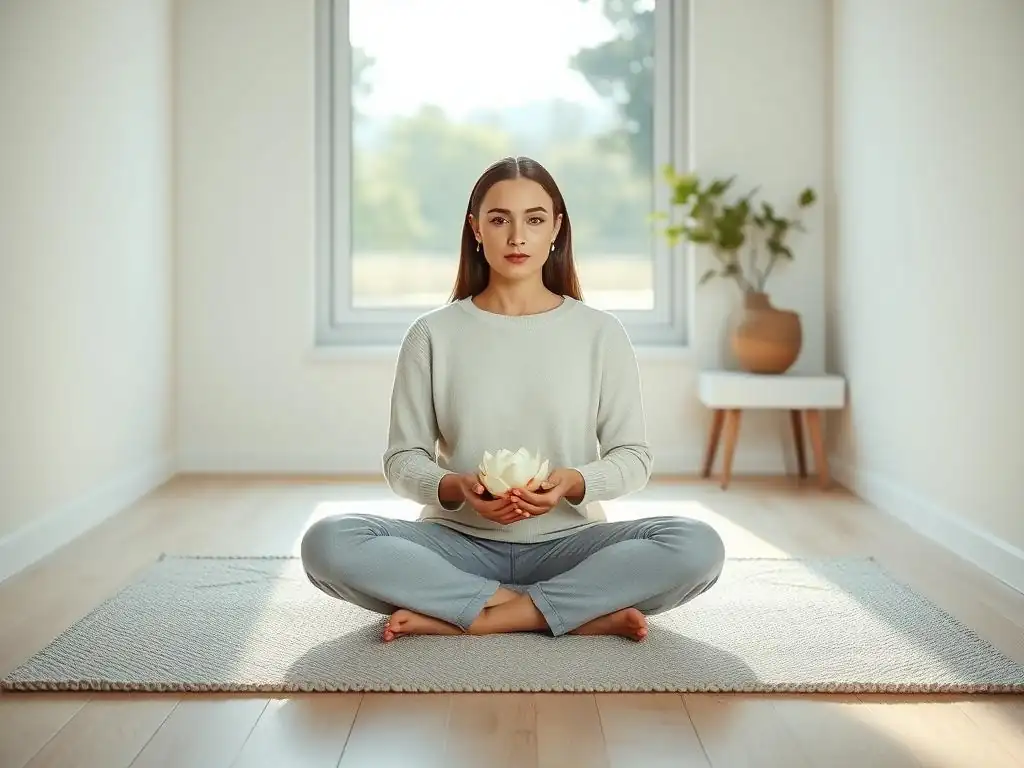
Mindfulness doesn't have to be confined to sitting on a cushion. Mindful walking is an excellent way to bring awareness to everyday activities and can be a refreshing break, particularly beneficial when using mindfulness for reducing anxiety stress. Instead of rushing from one place to another or getting lost in thought, mindful walking involves paying deliberate attention to the physical sensations of walking: the feeling of your feet touching the ground, the movement of your legs, the swing of your arms.
You can also expand your awareness to include the environment around you, noticing the sights, sounds, and smells of the place you are walking through. If walking outdoors, connect with nature – the feel of the breeze, the warmth of the sun, the rustling of leaves. This practice grounds you in the present moment, pulling your attention away from internal worries and engaging your senses. Even a short 10-minute mindful walk can help to clear the mind and reduce feelings of stress and anxiety.
Mindful Eating: Savoring Each Bite and Reducing Overeating
Eating is an activity we do multiple times a day, yet it's often done mindlessly – while working, watching TV, or scrolling on a phone. Mindful eating involves bringing full awareness to the experience of eating, engaging all your senses. Before eating, you might notice the colors, smells, and textures of the food. While eating, you pay attention to the act of chewing, the flavors and textures in your mouth, and the physical sensations of hunger and fullness.
This practice helps you slow down, appreciate your food, and become more attuned to your body's hunger and satiety cues. It can help prevent overeating, improve digestion, and transform a routine activity into a moment of pleasure and presence. For those who experience stress-related eating or anxiety around food, mindful eating offers a gentle way to build a healthier relationship with food and your body, contributing to overall well-being and offering another avenue for mindfulness for reducing anxiety stress.
Mindful Communication: Enhancing Relationships and Reducing Conflict
Bringing mindfulness to our interactions with others can significantly improve relationships and reduce interpersonal stress. Mindful communication involves paying full attention to the person you are interacting with, both when speaking and listening. When speaking, you are aware of your intentions and the impact of your words. When listening, you focus intently on what the other person is saying, both verbally and non-verbally, without interrupting or formulating your response while they are still speaking.
This practice fosters deeper connection and understanding. It reduces misunderstandings that can lead to conflict and stress. By being fully present in conversations, you can respond more thoughtfully rather than reacting impulsively, which is particularly helpful in navigating challenging discussions or managing social anxiety. Cultivating mindful communication skills is an important way to use mindfulness for reducing anxiety stress that arises from social interactions and improving the quality of your connections.
Benefits of Mindfulness: Beyond Stress Reduction
Improved Focus and Concentration Through Mindfulness Practices
While mindfulness for reducing anxiety stress is a major benefit, the practice offers a wide array of cognitive advantages. One of the most notable is a significant improvement in focus and concentration. The core practice of mindfulness meditation involves repeatedly bringing your attention back to a chosen anchor (like the breath) whenever your mind wanders. This act is like a workout for your attention muscle.
Regularly engaging in this mental exercise strengthens your ability to sustain focus over longer periods and resist distractions. Studies have shown that individuals who practice mindfulness demonstrate better performance on tasks requiring sustained attention compared to non-practitioners. This enhanced focus isn't just beneficial during formal meditation; it translates into daily life, improving productivity at work or school, enhancing learning, and allowing you to engage more fully in activities you enjoy.
Enhanced Emotional Regulation and Resilience
Mindfulness cultivates the ability to observe emotions without being overwhelmed by them. Instead of automatically reacting to difficult feelings like anger, sadness, or frustration, mindfulness helps you to acknowledge these emotions, understand their transient nature, and choose how to respond rather than being swept away. This process is known as enhanced emotional regulation.
By practicing mindfulness, you develop greater insight into your emotional patterns and triggers. This awareness builds emotional resilience, the capacity to bounce back from adversity and navigate life's challenges with greater ease. When faced with stressful situations or difficult emotions, you are better equipped to handle them constructively, rather than falling into habitual, often unhelpful, reactions. This resilience is a crucial outcome of using mindfulness for reducing anxiety stress and building overall emotional well-being.
Increased Self-Awareness and Understanding
Mindfulness inherently involves turning your attention inward with curiosity and acceptance. Through consistent practice, you gain a deeper understanding of your inner landscape – your thoughts, beliefs, habitual reactions, and emotional patterns. This increased self-awareness is like holding up a mirror to your mind, allowing you to see yourself more clearly, without judgment.
This deeper understanding can lead to profound insights into why you react in certain ways, what truly motivates you, and what causes you distress. It helps you recognize negative thought patterns or behaviors that might be contributing to your anxiety or stress, empowering you to make conscious choices for change. This journey of self-discovery is a powerful, transformative aspect of mindfulness, going far beyond just managing symptoms and leading to greater authenticity and self-acceptance.
Common Misconceptions About Mindfulness
Mindfulness is Not About Emptying Your Mind
One of the most common misconceptions about mindfulness is that its goal is to stop thinking or to achieve a completely blank mind. This is not the case. The human mind naturally produces thoughts constantly; trying to force it to stop is often frustrating and counterproductive. Mindfulness is not about the absence of thoughts, but about changing your relationship with your thoughts.
The practice teaches you to observe your thoughts as mental events – like clouds floating across the sky – rather than getting lost in them or believing everything you think. It's about noticing thoughts without judgment and choosing whether or not to engage with them. For someone struggling with anxiety, this is incredibly liberating, as it means they don't have to identify with every anxious thought or feel controlled by them. It's about seeing that "I am having an anxious thought" rather than "I am anxiety."
Mindfulness is Not a Quick Fix for Anxiety
While mindfulness can offer immediate moments of calm, especially through techniques like mindful breathing, it is not a magic bullet or a quick fix for chronic anxiety or severe stress. It is a practice, requiring consistent effort and patience over time. The benefits of mindfulness accumulate gradually, like exercising a muscle.
Significant reductions in anxiety and stress levels typically require regular, dedicated practice – often daily meditation or the integration of mindfulness into daily activities over weeks, months, or even years. It's important to approach mindfulness with realistic expectations and perseverance. While some individuals may experience rapid relief, for many, it's a journey of gradual change and increasing capacity to manage challenging internal states. Viewing mindfulness as a long-term tool for building resilience is key.
Mindfulness is Not Just for "Spiritual" People
Another misconception is that mindfulness is solely for people with specific spiritual or religious beliefs, or that it requires adopting a particular lifestyle. While mindfulness has roots in Buddhist contemplative traditions, it is widely taught and practiced today in a secular context. It is a practical technique for training attention and awareness, accessible to anyone regardless of their background or beliefs.
Mindfulness is increasingly integrated into clinical psychology, corporate wellness programs, and educational curricula precisely because its benefits are universal and evidence-based, not dependent on any spiritual framework. You don't need special clothing, equipment, or beliefs to practice mindfulness. All that's required is a willingness to pay attention to your present moment experience with an open mind and a gentle attitude, making it a practical skill for anyone seeking mindfulness for reducing anxiety stress and improving well-being.
Starting Your Mindfulness Journey: Tips and Resources
Finding a Qualified Mindfulness Teacher or Course
Embarking on a mindfulness journey can feel more accessible and effective with guidance. While self-teaching is possible, learning from a qualified mindfulness teacher or enrolling in a structured course can provide a solid foundation and support. A good teacher can introduce you to various techniques, explain the principles in depth, guide you through practices, and help you troubleshoot challenges that may arise.
Programs like Mindfulness-Based Stress Reduction (MBSR) or Mindfulness-Based Cognitive Therapy (MBCT) are well-established, evidence-based courses typically taught over eight weeks. They provide a comprehensive introduction to mindfulness practices and their application in managing stress, anxiety, and other challenges. Seeking out certified instructors ensures you receive training based on established curricula and best practices.
Recommended Mindfulness Apps and Websites
For those seeking flexible and accessible ways to practice mindfulness, numerous high-quality apps and websites are available. These platforms offer guided meditations of varying lengths, body scans, mindful movement exercises, and educational content. Many provide programs specifically designed for using mindfulness for reducing anxiety stress, improving sleep, or enhancing focus.
Popular mindfulness apps often include features like progress tracking, reminders, and a wide range of guided practices suitable for beginners and experienced practitioners alike. Websites from reputable mindfulness centers or organizations often offer free resources, articles, and recordings. While apps and websites can be excellent tools for daily practice, they can also complement in-person learning or serve as a starting point before committing to a longer course.
Mindfulness Books for Beginners
Reading books about mindfulness can offer deeper insights into its philosophy, principles, and practical applications. Many excellent books are available that introduce mindfulness in an accessible way, often including guided practices or exercises. These resources can help build a conceptual understanding alongside the experiential learning of practice.
Look for books by well-known mindfulness teachers and researchers. Many beginner-friendly titles explain the science behind mindfulness, share personal stories, and provide practical tips for integrating mindfulness into daily life. Reading can reinforce the benefits of mindfulness for reducing anxiety stress and provide motivation to maintain a consistent practice.
Overcoming Challenges in Mindfulness Practice
Dealing with Distractions and Wandering Thoughts
It is completely normal for the mind to wander during mindfulness practice. In fact, noticing that your mind has wandered and gently bringing it back is a core part of the practice itself. When you notice you've been distracted by thoughts, sounds, or sensations, simply acknowledge it without judgment. There's no need to criticize yourself; everyone's mind wanders.
The key is to gently redirect your attention back to your chosen anchor, whether it's the breath, bodily sensations, or sounds. Each time you notice the wandering and return, you are strengthening your capacity for attention and awareness. Think of it not as a failure, but as an opportunity to practice the core skill of mindfulness. Patience and persistence are crucial here.
Cultivating Patience and Persistence
Mindfulness is often described as a practice, not a destination. Results, especially significant reductions in chronic anxiety or stress, often unfold gradually over time. It can be easy to feel discouraged if you don't immediately experience profound calm or if your mind seems busier than ever when you try to meditate. Cultivating patience with yourself and the process is essential.
Persistence is equally important. Aim for consistency rather than perfection. Even short, regular practices (e.g., 5-10 minutes daily) are more beneficial than infrequent long sessions. Accept that some days will feel easier than others. Committing to a regular practice, even when it feels difficult or unproductive, is how you build the capacity for mindfulness for reducing anxiety stress and developing lasting resilience.
Addressing Sleepiness During Meditation
It's not uncommon to feel sleepy or even fall asleep during mindfulness meditation, especially if you are tired or meditating in a relaxed posture. This can be a challenge, particularly if you are trying to build a consistent practice. While relaxation is a pleasant side effect of mindfulness, the primary aim is awareness, not sleep.
If you find yourself frequently getting drowsy, try adjusting your posture; sitting upright on a chair or cushion can help maintain alertness more than lying down. You might also try practicing at a different time of day when you feel more awake. Focusing on sensations that are less likely to induce sleep, such as the feeling of your feet on the floor or sounds around you, can also be helpful strategies to maintain mindful awareness rather than drifting off.
The Science Behind Mindfulness and Stress Reduction
Neuroplasticity and the Benefits of Mindfulness on the Brain
Scientific research has provided compelling evidence for how mindfulness impacts the brain, a process known as neuroplasticity – the brain's ability to change and reorganize itself throughout life. Studies using neuroimaging techniques like fMRI have observed structural and functional changes in the brains of individuals who regularly practice mindfulness.
Specifically, research indicates that mindfulness training can lead to increased gray matter density in areas associated with learning, memory, emotional regulation, and self-awareness, such as the hippocampus and prefrontal cortex. Simultaneously, there can be decreases in gray matter density in the amygdala, a region strongly linked to fear and the stress response. These findings suggest that mindfulness doesn't just feel calming; it can actually rewire the brain in ways that support reduced reactivity to stress and enhanced emotional control, providing a biological basis for mindfulness for reducing anxiety stress.
Mindfulness and its Impact on the Nervous System
Beyond brain structure, mindfulness also influences the autonomic nervous system, which controls involuntary bodily functions like heart rate, breathing, and digestion. Stress and anxiety typically activate the sympathetic nervous system, triggering the "fight or flight" response characterized by increased heart rate, rapid breathing, and muscle tension.
Mindfulness practices, particularly focused breathing and body scan, help to activate the parasympathetic nervous system, often called the "rest and digest" system. This activation promotes relaxation, slows heart rate, deepens breathing, and reduces muscle tension. By shifting the balance towards parasympathetic dominance, regular mindfulness practice can lower baseline stress levels and improve the body's ability to recover from stressful events, offering a physiological pathway for mindfulness for reducing anxiety stress.
Research Studies on Mindfulness and Depression
While the focus here is on anxiety and stress, it's worth noting that mindfulness has also shown promise in addressing depression. Research, particularly studies on Mindfulness-Based Cognitive Therapy (MBCT), indicates that mindfulness can be effective in preventing relapse in individuals with recurrent depression. MBCT teaches individuals to become aware of negative thought patterns associated with depression without getting caught up in them.
Studies have demonstrated that MBCT can significantly reduce the risk of depressive relapse compared to usual care, sometimes showing similar effectiveness to maintenance antidepressant medication for certain populations. This highlights the broader impact of mindfulness on mental health challenges beyond just anxiety and stress, reinforcing its value as a comprehensive tool for emotional well-being.
Conclusion: Embrace Mindfulness for a More Peaceful and Fulfilling Life
The Power of Mindfulness in a Fast-Paced World
In a world that constantly demands our attention and often leaves us feeling overwhelmed, the simple act of being present can be profoundly transformative. Mindfulness offers a powerful antidote to the pressures of modern life, providing a way to anchor ourselves in the here and now amidst the chaos. It is not about escaping reality, but about learning to meet it with greater awareness, acceptance, and ease. The skills cultivated through mindfulness – paying attention, non-judgment, compassion – are invaluable for navigating challenges with resilience and finding moments of peace in our busy lives.
Embracing mindfulness for reducing anxiety stress is a journey towards greater inner peace and a more fulfilling existence. It empowers you to step off the autopilot, to observe your thoughts and feelings without being consumed by them, and to respond to life's difficulties with more intention and less reactivity. Whether through formal meditation, mindful movement, or simply bringing awareness to everyday activities, incorporating mindfulness into your routine can lead to tangible improvements in your mental, emotional, and even physical health.
Continuing Your Mindfulness Practice: A Lifelong Journey
Mindfulness is not a destination to be reached, but rather a continuous practice. Like tending a garden, it requires ongoing cultivation and care. The benefits deepen over time with consistent effort, and the skills become more ingrained, readily available when you need them most – particularly during moments of stress or anxiety. Committing to mindfulness as a lifelong journey means approaching it with curiosity, patience, and self-compassion, acknowledging that there will be ups and downs.
As you continue to practice, you may find new ways to integrate mindfulness into your life, discovering what works best for you. The journey is one of ongoing learning and self-discovery, leading towards greater self-awareness, emotional resilience, and a richer appreciation for the present moment. By embracing the practice of mindfulness for reducing anxiety stress and cultivating inner peace, you are investing in your long-term well-being and building a foundation for a more balanced and fulfilling life.
Frequently Asked Questions
What exactly is mindfulness, and how does it relate to mental well-being?
Mindfulness is the practice of paying attention to the present moment without judgment. It's a powerful tool for improving mental well-being by fostering greater self-awareness and emotional regulation.
How can mindfulness techniques specifically help in reducing anxiety and stress?
Mindfulness helps reduce anxiety and stress by shifting focus from future worries or past regrets to the present. This allows you to observe thoughts and feelings without getting carried away by them, promoting a sense of calm.
What are some simple mindfulness exercises that beginners can easily incorporate into their daily routines?
Beginners can try mindful breathing, focusing on the sensation of each breath. Another easy exercise is body scan meditation, paying attention to different parts of the body. These techniques can be practiced for just a few minutes daily.
How often should I practice mindfulness to experience noticeable benefits in managing anxiety stress?
The frequency depends on individual needs, but aiming for at least 10-15 minutes daily is a good starting point. Consistency is key; even short, regular sessions can lead to significant improvements over time.
Where can I find reliable resources and support for learning more about mindfulness and its application in managing anxiety stress?
Mind Care Guide offers articles, guided meditations, and links to external resources. You can also explore mindfulness apps or consider taking a mindfulness-based stress reduction (MBSR) course for structured guidance.
Final Reflection: Cultivating Inner Peace in a Frantic World
The pursuit of mindfulness isn't a fleeting trend; it's a vital tool for navigating the anxieties and stresses of modern life. In a world saturated with constant stimulation and demands, the ability to find stillness and presence within ourselves is more crucial than ever before. The techniques explored in this guide – from mindful breathing to body scans – offer practical pathways to reclaim our inner peace and build resilience against the pressures we face daily.
The impact of mindfulness on our cultural landscape is undeniable, shifting from a niche practice to a widely recognized approach to well-being. We see its principles integrated into workplaces, schools, and even healthcare settings, reflecting a growing understanding of its therapeutic potential. The simple act of paying attention to the present moment, without judgment, is a powerful antidote to the anxieties that often stem from dwelling on the past or worrying about the future. Mindfulness is simply being present; being aware of what is happening right now without wishing it were different.
– Jon Kabat-Zinn. This quote encapsulates the core essence of this practice and its transformative power.
Now, consider your own life. Where do you feel the weight of stress and anxiety most acutely? I invite you to experiment with even one of the mindfulness techniques discussed in this article. Start small, perhaps with just five minutes of mindful breathing each day. Observe the subtle shifts in your perspective, your emotional landscape, and your overall sense of well-being. The journey to inner peace is a personal one, but with consistent practice, the rewards of a calmer, more centered life are immeasurable. Embrace the opportunity to cultivate mindfulness, and discover the transformative power it holds for you.
Unlock Your Inner Calm: Start Your Mindfulness Journey Today!
Thanks for taking the time to explore the world of mindfulness with us! We hope this guide has equipped you with valuable tools to manage stress and find greater peace in your daily life. Now it's time to put those tools into practice.
- Start a daily mindfulness practice: Even 5 minutes of focused breathing can make a world of difference. Try our guided meditation (link to a fictional resource) to help you begin.
- Share your experience: Let us know in the comments what resonates with you and how you plan to integrate mindfulness into your day-to-day life. Inspire others!
- Consider a mindful challenge: Commit to a week of mindful eating or a daily walk in nature – truly immerse yourself in your senses!
What small step will you take today to cultivate more mindfulness in your life?