
The Power of Colorful Foods: Phytonutrients for Brain Health

Welcome to Mind Care Guide, your compassionate companion on the journey to mental well-being.
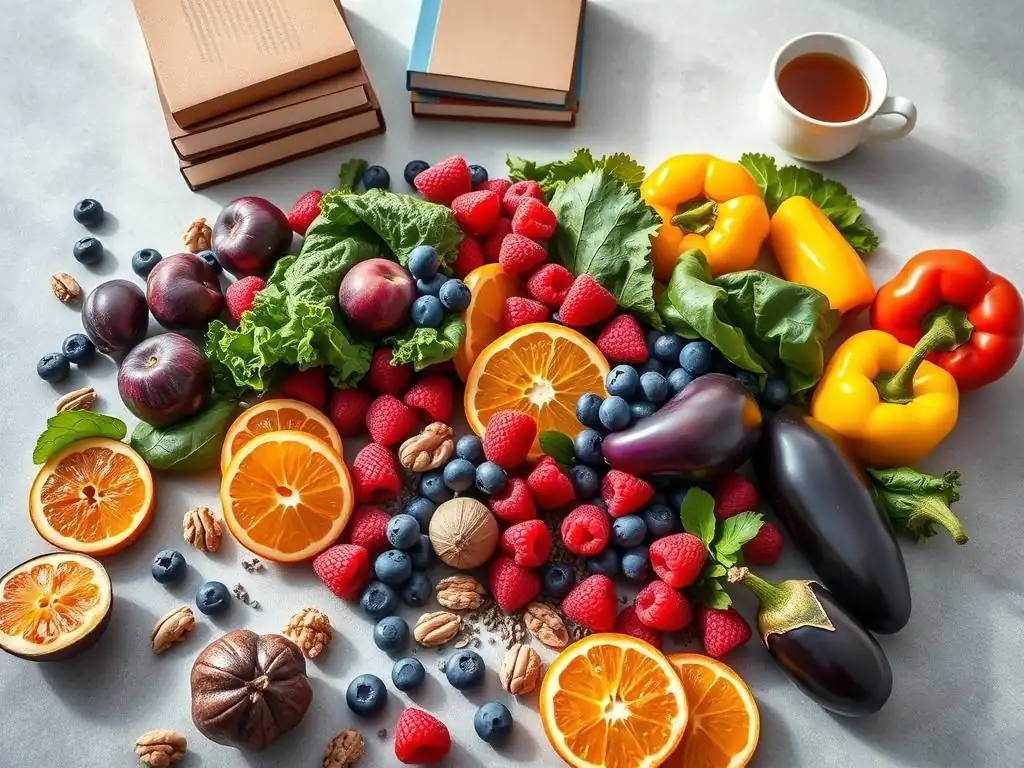
Ever wonder if the vibrant colors on your plate could be a secret weapon for a sharper mind? We understand the challenges you face in nurturing your mental health, and we're here to illuminate the path. Dive into our exploration of colorful foods brain health and discover how phytonutrients can unlock a new level of cognitive vitality. What if the answer to a brighter mental outlook was as simple as adding more color to your diet? Let's find out together...
The Power of Colorful Foods: Phytonutrients for Brain Health
- Introduction: Unlocking Brain Health with Colorful Foods
- Understanding Phytonutrients: The Key to Color and Brainpower
-
The Rainbow Diet: Colorful Foods and Their Brain-Boosting Benefits
- Red Foods: Lycopene and Anthocyanins for Brain Protection
- Orange and Yellow Foods: Carotenoids for Enhanced Brain Health
- Green Foods: Chlorophyll and Folate for Cognitive Enhancement
- Blue and Purple Foods: Anthocyanins for Memory and Learning
- White and Brown Foods: Allicin and Other Compounds for Brain Wellness
- Specific Phytonutrients and Their Impact on Brain Health
- How to Incorporate More Colorful Foods into Your Diet for Brain Health
- The Importance of a Balanced Diet for Optimal Brain Function
- Potential Risks and Considerations When Increasing Phytonutrient Intake
- Conclusion: Embrace the Power of Colorful Foods for a Healthier Brain
-
Frequently Asked Questions
- What are phytonutrients, and how do they relate to brain health?
- Which specific colorful foods are particularly beneficial for brain health?
- How do colorful foods contribute to better mental well-being, beyond just brain function?
- How much of these colorful foods should I include in my diet for optimal brain health benefits?
- Can simply adding colorful foods to my diet replace other mental health treatments or interventions?
- Final Reflection: A Rainbow of Resilience for the Mind
- Unlock Your Brain's Potential: A Colorful Journey to Better Health
Introduction: Unlocking Brain Health with Colorful Foods
Why Colorful Foods are Essential for Optimal Brain Function
The vibrant hues of fruits and vegetables are more than just visually appealing; they are indicators of powerful plant compounds called phytonutrients. These naturally occurring chemicals play a crucial role in protecting plants from environmental threats, but they also offer significant health benefits to humans, particularly for brain health. Incorporating a wide spectrum of colorful foods into your diet provides your brain with a diverse array of these protective and performance-enhancing compounds, contributing to better memory, sharper focus, and reduced risk of cognitive decline over time.
A diet rich in these diverse phytonutrients supports brain function by combating oxidative stress and inflammation, two major contributors to age-related cognitive issues. For example, anthocyanins, responsible for the blue and purple colors in berries, have been linked to improved memory and executive function in studies involving older adults. Similarly, carotenoids found in orange and yellow foods like carrots are associated with better cognitive performance. These compounds work synergistically, meaning their combined effect is greater than the sum of their individual parts, highlighting the importance of consuming a variety of colors daily for optimal colorful foods brain health.
Brain Health Guide: Nourishing Your Brain Through Diet
Navigating the path to enhanced mental well-being often involves exploring various lifestyle factors, and diet stands out as a fundamental pillar. A comprehensive brain health guide emphasizes the critical link between what we eat and how our brain functions. Focusing on nutrient-dense foods, particularly those rich in phytonutrients, provides the necessary building blocks and protective agents to support neural pathways, neurotransmitter production, and overall cognitive resilience. It's not just about avoiding unhealthy foods; it's actively choosing foods that contribute positively to brain structure and function.
Adopting a dietary pattern centered around colorful foods is a practical and effective strategy for nourishing your brain. This approach aligns with well-regarded dietary recommendations for mental well-being, such as the Mediterranean diet, which is inherently rich in fruits, vegetables, nuts, and seeds – all excellent sources of phytonutrients. By making conscious choices to include a rainbow of produce in your daily meals, you are making an investment in your long-term cognitive health, supporting not only your brain's performance today but also its ability to withstand the challenges of aging.
Understanding Phytonutrients: The Key to Color and Brainpower
What are Phytonutrients and How Do They Benefit the Brain?
Phytonutrients are bioactive compounds found in plants that give them their color, flavor, and aroma. Unlike essential vitamins and minerals, they are not strictly necessary for human survival, but research consistently shows they offer significant health advantages. There are thousands of different phytonutrients, broadly categorized into groups like carotenoids, flavonoids, phenolic acids, and organosulfur compounds. These compounds act as antioxidants, protecting brain cells from damage caused by free radicals, unstable molecules linked to aging and disease.
Beyond their antioxidant properties, phytonutrients also possess anti-inflammatory capabilities. Chronic low-grade inflammation in the brain is implicated in various neurological and psychiatric conditions. By reducing inflammation, phytonutrients help maintain a healthier brain environment, supporting neural communication and overall cognitive function. They can also influence blood flow to the brain, enhance the production of brain-derived neurotrophic factor (BDNF) – a protein crucial for learning and memory – and even interact with gut bacteria, which in turn influences brain health through the gut-brain axis. Understanding these mechanisms underscores the profound impact of colorful foods on brain health.
The Link Between Phytonutrient Intake and Cognitive Function
Extensive epidemiological studies and clinical trials have demonstrated a strong association between higher consumption of phytonutrient-rich foods and improved cognitive function. For instance, large cohort studies, such as those involving thousands of participants over many years, have shown that individuals with diets high in flavonoids tend to experience slower rates of cognitive decline compared to those with lower intake. This suggests that the protective effects of these compounds are cumulative over time.
The benefits extend across various cognitive domains, including memory, attention, processing speed, and executive function. Research published in journals like the American Journal of Clinical Nutrition has highlighted specific phytonutrient groups, such as anthocyanins and flavanones, as particularly potent for brain health. These findings provide compelling evidence that actively seeking out a diet rich in colorful foods can be a powerful strategy for maintaining sharp cognitive abilities throughout life and supporting overall mental well-being.
The Rainbow Diet: Colorful Foods and Their Brain-Boosting Benefits
Red Foods: Lycopene and Anthocyanins for Brain Protection
Red fruits and vegetables owe their vibrant color to compounds like lycopene and anthocyanins. Lycopene, a potent carotenoid found abundantly in tomatoes, is a powerful antioxidant that can cross the blood-brain barrier, offering direct protection to brain cells from oxidative damage. Studies have shown that higher lycopene levels are associated with a reduced risk of stroke and may play a role in preventing neurodegenerative diseases by mitigating cellular stress.
Anthocyanins, present in foods like strawberries, raspberries, and red grapes, contribute to brain health by improving blood flow and reducing inflammation. Enhanced blood flow ensures that the brain receives adequate oxygen and nutrients necessary for optimal function. Research indicates that regular consumption of anthocyanin-rich foods can lead to improvements in memory and cognitive processing speed, reinforcing the critical role of colorful foods brain health.
-
Tomatoes, Berries, and Red Peppers: Protecting against free radical damage and improving blood flow.
Orange and Yellow Foods: Carotenoids for Enhanced Brain Health
The sunny hues of orange and yellow foods come primarily from carotenoids like beta-carotene, alpha-carotene, and beta-cryptoxanthin. These are precursors to Vitamin A, which is essential for vision and immune function, but the carotenoids themselves also act as powerful antioxidants in the brain. Lutein and zeaxanthin, specific carotenoids found in yellow corn and bell peppers, are known to accumulate in the retina and brain, where they are thought to play a protective role against age-related macular degeneration and cognitive decline.
Studies investigating the link between carotenoid intake and cognitive function have often found positive correlations. For example, higher levels of lutein and zeaxanthin in the brain have been associated with better performance on tests of cognitive speed and efficiency in older adults. Incorporating foods like carrots, sweet potatoes, and citrus fruits into your diet provides a robust supply of these compounds, contributing significantly to colorful foods brain health and overall cognitive vitality.
-
Carrots, Sweet Potatoes, and Citrus Fruits: Supporting healthy vision and cognitive function.
Green Foods: Chlorophyll and Folate for Cognitive Enhancement
Green leafy vegetables and other green foods are nutritional powerhouses, rich in a variety of vitamins, minerals, and phytonutrients, including chlorophyll and folate. Folate (Vitamin B9) is critical for neurological function, playing a key role in the synthesis of neurotransmitters and DNA repair. Adequate folate intake is associated with a reduced risk of depression and cognitive decline, as low folate levels can lead to elevated homocysteine, a marker linked to increased risk of dementia and stroke.
Beyond folate, green vegetables like spinach and broccoli contain compounds like sulforaphane (especially in cruciferous greens) and antioxidants such as Vitamin K and lutein. These compounds contribute to brain health by reducing inflammation, protecting neurons, and supporting synaptic plasticity – the brain's ability to reorganize itself by forming new neural connections. Regular consumption of green foods is a cornerstone of a diet focused on colorful foods brain health, providing essential nutrients for both development and maintenance.
-
Spinach, Broccoli, and Avocados: Promoting healthy brain development and reducing the risk of cognitive decline.
Blue and Purple Foods: Anthocyanins for Memory and Learning
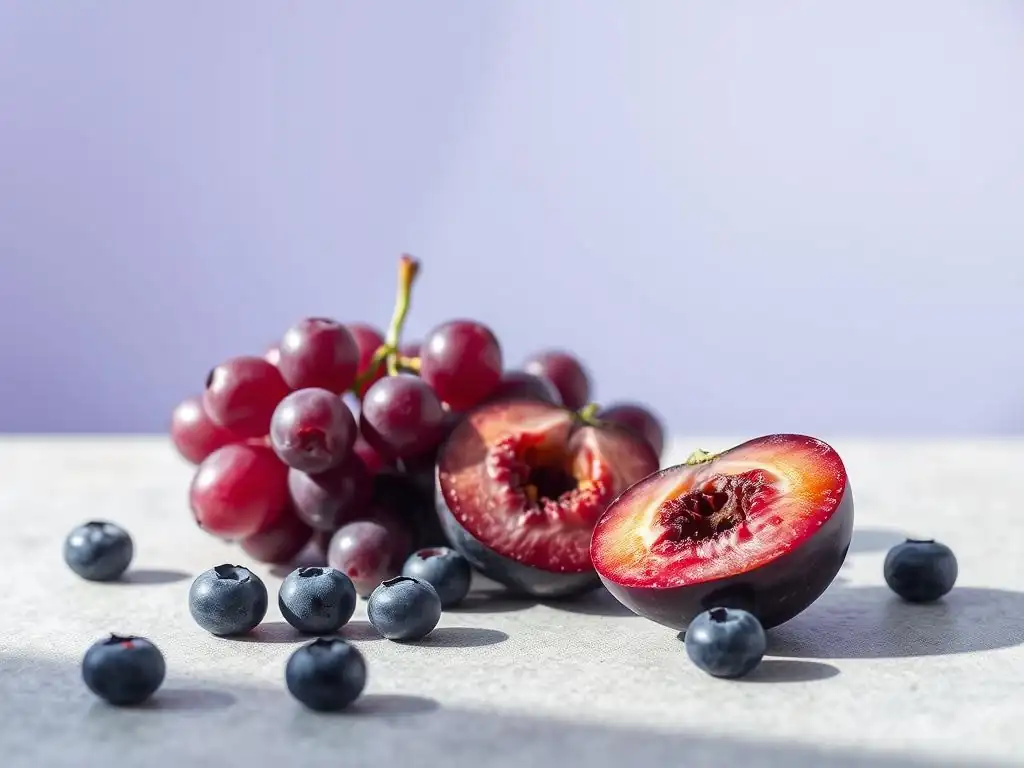
The deep blues and purples of foods like blueberries, eggplant, and purple cabbage are due to high concentrations of anthocyanins. These potent antioxidants are particularly celebrated for their benefits to cognitive function, especially memory and executive function. Research has shown that anthocyanins can improve communication between brain cells and stimulate the regeneration of neurons, particularly in the hippocampus, a brain region critical for memory formation.
Studies involving the consumption of blueberries, a prime example of blue foods, have demonstrated improvements in memory performance in both children and older adults. These findings suggest that the anthocyanins in blue and purple foods help protect brain cells from oxidative damage and inflammation, supporting the neural pathways involved in learning and memory. Including these richly colored foods is a delicious way to actively support colorful foods brain health.
-
Blueberries, Eggplant, and Purple Cabbage: Improving memory and protecting against age-related cognitive decline.
White and Brown Foods: Allicin and Other Compounds for Brain Wellness
While not as vibrant as the other colors, white and brown foods like garlic, onions, mushrooms, and cauliflower also contribute valuable phytonutrients to brain health. Garlic and onions contain organosulfur compounds, such as allicin, which have anti-inflammatory and antioxidant properties. These compounds may help improve blood flow by relaxing blood vessels, ensuring the brain receives sufficient oxygen and nutrients. Improved circulation is vital for sustained cognitive performance.
Mushrooms, though technically fungi, are often grouped with vegetables and offer unique compounds like ergothioneine, an antioxidant that may help protect brain cells. Some mushroom varieties also contain compounds being studied for their potential neuroprotective effects. While their visual appeal might be less striking, the phytonutrients in white and brown foods play an important supporting role in a holistic approach to colorful foods brain health.
-
Garlic, Onions, and Mushrooms: Supporting healthy blood flow and protecting against inflammation.
Specific Phytonutrients and Their Impact on Brain Health
Anthocyanins: Boosting Memory and Protecting Against Cognitive Decline
Anthocyanins are a class of flavonoids found in blue, purple, and red fruits and vegetables. Their powerful antioxidant and anti-inflammatory properties make them particularly beneficial for the brain. They are known to cross the blood-brain barrier and concentrate in brain regions associated with learning and memory, such as the hippocampus. Once there, they can protect neurons from oxidative stress and inflammation, which are major contributors to age-related cognitive decline.
Beyond protection, research indicates that anthocyanins may directly enhance neural signaling and stimulate neurogenesis (the growth of new brain cells). Studies, including those published in the European Journal of Nutrition, have shown that regular consumption of anthocyanin-rich foods, like blueberries, can lead to measurable improvements in episodic memory and executive functions over periods as short as 12 weeks. This highlights the direct and positive impact of these colorful compounds on brain performance.
Carotenoids: Supporting Cognitive Function and Reducing Oxidative Stress
Carotenoids, such as beta-carotene, lutein, and zeaxanthin, are fat-soluble pigments responsible for the yellow, orange, and red colors in many plants. These compounds are potent antioxidants that help neutralize harmful free radicals throughout the body, including the brain. Oxidative stress is a significant factor in the aging process and the development of neurodegenerative diseases, so reducing it is crucial for maintaining cognitive health.
Research suggests that higher dietary intake and blood levels of carotenoids are associated with better cognitive performance, particularly in areas like processing speed and memory. Lutein and zeaxanthin, in particular, are thought to accumulate in neural tissues and may play a protective role similar to their function in the eye. Including a variety of orange and yellow colorful foods brain health strategies ensures a good supply of these protective carotenoids.
Flavonoids: Enhancing Brain Plasticity and Learning Abilities
Flavonoids represent a large group of phytonutrients found in virtually all fruits and vegetables, as well as in tea, cocoa, and wine. Different subclasses of flavonoids, including anthocyanins, flavanols, flavanones, and isoflavones, offer various benefits. Collectively, flavonoids are known for their antioxidant and anti-inflammatory effects, but they also have the remarkable ability to influence brain plasticity – the brain's capacity to adapt and rewire itself.
Studies have shown that certain flavonoids can promote the production of BDNF, a protein essential for the growth, survival, and function of neurons, as well as the formation of new synapses. This support for neuroplasticity is fundamental for learning and memory. For example, flavanols found in cocoa have been linked to improvements in cognitive function, including attention and memory, in both young and older adults. This underscores the broad impact of diverse colorful foods on brain health.
Sulforaphane: Protecting Brain Cells from Damage
Sulforaphane is an organosulfur compound found primarily in cruciferous vegetables like broccoli, cauliflower, and kale, particularly in sprouts. It is released when these vegetables are chopped or chewed, activating an enzyme that converts precursor compounds into sulforaphane. This phytonutrient is a powerful activator of the body's natural detoxification pathways and has potent anti-inflammatory and antioxidant effects.
In the context of brain health, sulforaphane has shown promise in protecting brain cells from various insults, including oxidative stress and inflammation. It can also promote the production of heat shock proteins, which help protect neurons from damage. Research suggests sulforaphane may have therapeutic potential in conditions involving neuroinflammation and oxidative damage, although more human studies are needed. Including broccoli and other cruciferous vegetables is a key component of maximizing the benefits of colorful foods brain health.
How to Incorporate More Colorful Foods into Your Diet for Brain Health
Simple Strategies for Adding Variety to Your Meals
Integrating a wider spectrum of colorful foods into your daily diet doesn't have to be complicated. Start by making small, manageable changes. Aim to include at least three different colors of fruits or vegetables in each meal. For breakfast, add berries to your yogurt or spinach to your scrambled eggs. At lunch, pile various colored vegetables onto your sandwich or salad. For dinner, make half your plate colorful vegetables.
Another effective strategy is to intentionally purchase produce in colors you don't typically eat. If you usually buy green grapes, try purple ones this week. If you stick to carrots, pick up some bell peppers in different colors (red, yellow, orange). Preparing vegetables in different ways – raw, steamed, roasted, or sautéed – can also add variety and make them more appealing. Making these conscious choices supports your colorful foods brain health journey.
Recipes Featuring Colorful Foods for Brainpower
Cooking with colorful foods can be both delicious and beneficial for your brain. Simple recipes can pack a powerful phytonutrient punch. Here are a couple of ideas to get you started:
-
Berry Blast Smoothie: A quick and easy way to start your day with a boost of antioxidants.
Combine 1 cup mixed berries (blueberries, raspberries, strawberries), half a banana, a handful of spinach, 1 tablespoon chia seeds, and 1 cup unsweetened almond milk or water. Blend until smooth. This smoothie provides anthocyanins, Vitamin C, folate, and healthy fats, making it an excellent brain-boosting breakfast or snack.
-
Roasted Vegetable Medley: A flavorful side dish packed with a variety of vitamins and minerals.
Toss chopped broccoli florets, sweet potato cubes, red bell pepper strips, and red onion wedges with olive oil, salt, pepper, and herbs like rosemary or thyme. Spread on a baking sheet and roast at 400°F (200°C) for 20-25 minutes, or until tender and slightly caramelized. This medley offers sulforaphane, beta-carotene, Vitamin C, and other beneficial compounds from multiple color groups, contributing significantly to colorful foods brain health.
Tips for Maximizing Phytonutrient Absorption
Getting phytonutrients into your diet is the first step; maximizing their absorption is the next. Many phytonutrients, like carotenoids (found in orange/yellow foods) and Vitamin K (found in green foods), are fat-soluble. This means they are best absorbed when consumed with a source of healthy fat. Adding a drizzle of olive oil to your salad, roasting vegetables with avocado oil, or including nuts and seeds with your fruit can significantly enhance phytonutrient absorption.
Cooking methods can also affect phytonutrient levels. While some phytonutrients can be reduced by heat (like Vitamin C), others, like lycopene in tomatoes and some carotenoids, become more bioavailable when cooked. Aim for a balance of raw and cooked colorful foods to get the broadest spectrum of benefits. Gentle cooking methods like steaming can also help preserve nutrient content better than boiling. Understanding these nuances helps you fully leverage the power of colorful foods brain health.
The Importance of a Balanced Diet for Optimal Brain Function
Beyond Colorful Foods: Other Essential Nutrients for Brain Health
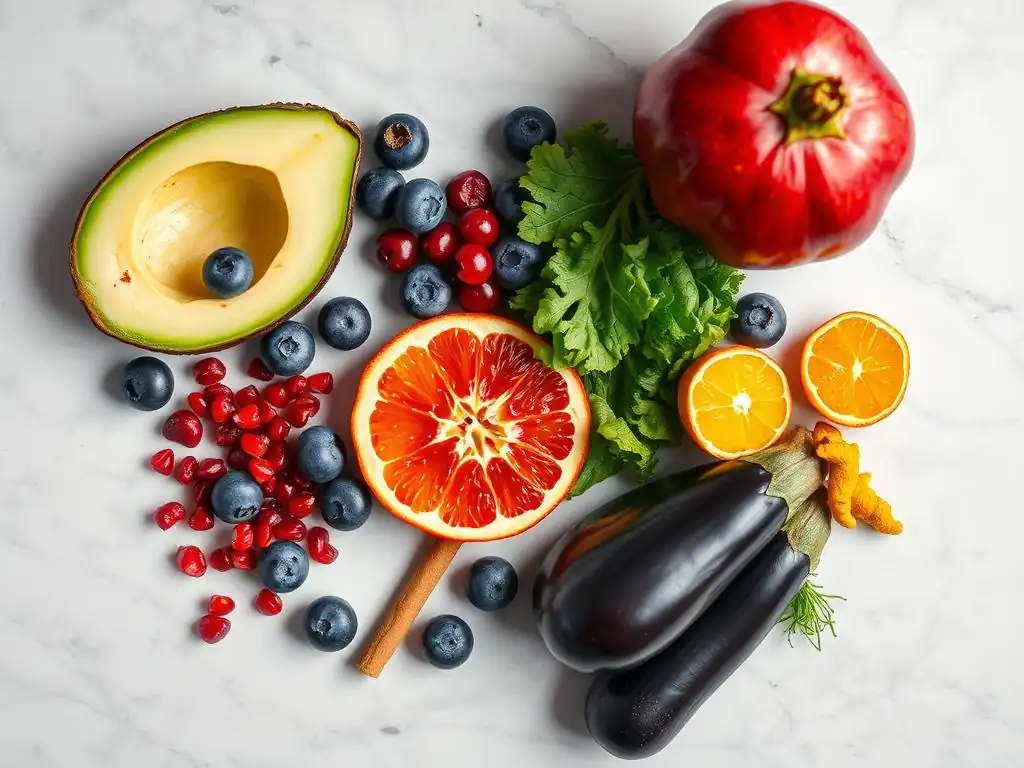
While colorful foods and their phytonutrients are incredibly important for brain health, they are part of a larger nutritional picture. The brain requires a wide range of nutrients to function optimally. Omega-3 fatty acids, particularly DHA, are crucial components of brain cell membranes and are vital for cognitive function throughout life. Sources include fatty fish like salmon, walnuts, and flaxseeds.
B vitamins (like B6, B12, and folate) are essential for energy metabolism in the brain and the synthesis of neurotransmitters. Iron is needed for oxygen transport to the brain, and zinc plays a role in nerve signaling. A truly brain-healthy diet must provide adequate amounts of these and other essential vitamins and minerals, in addition to the wealth of phytonutrients found in colorful foods. Focusing solely on one aspect, even colorful foods brain health, isn't sufficient for comprehensive mental well-being.
The Role of a Holistic Approach to Nutrition and Mental Well-being
Nourishing the brain for optimal function and mental well-being involves adopting a holistic approach to diet. This means prioritizing whole, unprocessed foods from all food groups, not just fruits and vegetables. Lean proteins provide amino acids, the building blocks of neurotransmitters. Complex carbohydrates from whole grains offer a steady source of glucose, the brain's primary fuel. Healthy fats are essential for cell structure and function.
A holistic perspective also considers hydration, meal timing, and the gut microbiome. The beneficial effects of colorful foods on brain health are amplified when consumed as part of a balanced, nutrient-dense dietary pattern that supports overall physical and mental health. This integrated approach ensures that the brain receives all the necessary components for optimal performance, resilience, and long-term well-being.
Potential Risks and Considerations When Increasing Phytonutrient Intake
Allergies and Interactions with Medications
While increasing intake of colorful foods is generally safe and highly beneficial for most people, it's important to be aware of potential individual considerations. Food allergies are a primary concern; individuals with known allergies to specific fruits or vegetables should avoid them and consult with a healthcare professional or registered dietitian for alternative sources of similar nutrients.
Some phytonutrients or high doses of certain vitamins found in concentrated forms (like supplements) can potentially interact with medications. For instance, Vitamin K, abundant in green leafy vegetables, plays a role in blood clotting and can interfere with anticoagulant medications like warfarin. While the amount of Vitamin K in a balanced diet is usually not problematic, sudden, drastic changes in intake should be discussed with a healthcare provider, especially if you are on medication. This cautious approach ensures that enhancing colorful foods brain health doesn't inadvertently create other health issues.
Moderation and Balance in Dietary Changes
When making changes to your diet, moderation and balance are key. While focusing on increasing colorful foods is excellent, it's important not to consume excessive amounts of any single food or nutrient to the exclusion of others. A diverse diet is the best way to ensure you get a broad spectrum of nutrients and phytonutrients without risking imbalances or potential adverse effects from overconsumption of one compound.
Rapidly increasing fiber intake from fruits and vegetables can also lead to digestive discomfort for some individuals. It's often best to gradually increase your consumption of colorful foods to allow your digestive system to adjust. Listening to your body and making sustainable, gradual changes are crucial for long-term dietary success and overall well-being, supporting colorful foods brain health in a sustainable way.
Conclusion: Embrace the Power of Colorful Foods for a Healthier Brain
The Long-Term Benefits of a Phytonutrient-Rich Diet
Adopting a diet rich in colorful foods is a powerful, proactive step towards safeguarding and enhancing your brain health over the long term. The consistent intake of diverse phytonutrients provides ongoing protection against the cellular damage and inflammation that contribute to age-related cognitive decline. It supports neuroplasticity, improves blood flow, and provides the antioxidants necessary for brain cells to function efficiently day after day.
The cumulative effects of nourishing your brain with these vibrant plant compounds can lead to sustained improvements in memory, focus, and overall cognitive function, potentially reducing the risk of neurodegenerative diseases later in life. Committing to a diet centered around colorful foods brain health is an investment in your future cognitive vitality and mental well-being.
Brain Health Guide's Commitment to Brain-Boosting Nutrition.
Here at Mind Care Guide, we are committed to providing information and resources that empower you to take charge of your mental well-being. We believe that nutrition, particularly the conscious inclusion of colorful, phytonutrient-rich foods, is a cornerstone of this journey. Our goal is to be your trusted brain health guide, offering practical, evidence-based strategies to nourish your brain and support your cognitive health through the power of diet. We encourage you to explore the incredible benefits that a rainbow on your plate can offer for a healthier, more resilient mind.
Frequently Asked Questions
What are phytonutrients, and how do they relate to brain health?
Phytonutrients are natural compounds found in colorful fruits and vegetables. They possess antioxidant and anti-inflammatory properties that can protect brain cells from damage and enhance cognitive function.
Which specific colorful foods are particularly beneficial for brain health?
Berries like blueberries and strawberries, leafy greens like spinach, and orange vegetables like carrots are excellent choices. These foods are rich in phytonutrients linked to improved memory and focus.
How do colorful foods contribute to better mental well-being, beyond just brain function?
The antioxidants in colorful foods can help reduce oxidative stress and inflammation, factors associated with depression and anxiety. A healthy diet supports overall mood regulation and resilience.
How much of these colorful foods should I include in my diet for optimal brain health benefits?
Aim for a diverse range of colorful fruits and vegetables in each meal. A good starting point is to fill half your plate with fruits and vegetables at lunch and dinner.
Can simply adding colorful foods to my diet replace other mental health treatments or interventions?
No. While a healthy diet, including colorful foods, is crucial for supporting mental well-being, it's not a replacement for professional help. It should be considered a complementary approach alongside therapy or medication, if needed.
Final Reflection: A Rainbow of Resilience for the Mind
The vibrant hues of our fruits and vegetables aren't just aesthetically pleasing; they represent a powerful arsenal of phytonutrients crucial for maintaining optimal brain health. Ignoring the profound impact of diet on cognitive function is akin to neglecting the very fuel that powers our thoughts, memories, and emotions. This oversight has significant consequences in a world increasingly grappling with cognitive decline and neurodegenerative diseases.
The exploration of colorful foods and their brain-boosting properties has been a deeply enriching journey, highlighting the interconnectedness of our diet and mental well-being. The sheer diversity of phytonutrients, each with its unique protective and restorative qualities, is truly awe-inspiring. Let food be thy medicine and medicine be thy food,
Hippocrates wisely observed, and this article underscores the timeless truth of his statement. The ongoing research into the specific mechanisms by which these compounds impact brain function continues to reveal the intricate and vital relationship between what we eat and how we think.
Now, consider your own plate. What colors are missing? What vibrant additions could you make to nourish your brain and enhance your cognitive resilience? This isn't about restrictive diets or unattainable perfection; it's about making conscious choices to incorporate the rainbow of nature's bounty into your daily life. Embrace the power of colorful foods – it's an investment in your present and future well-being, a vibrant path towards a sharper, healthier mind.
Unlock Your Brain's Potential: A Colorful Journey to Better Health
Thanks for taking the time to explore the vibrant world of phytonutrients and their impact on brain health! You've now armed yourself with valuable knowledge to boost your cognitive wellbeing. Ready to put this new understanding into action?
- Prioritize colorful foods in your next grocery trip: Start small! Swap out one regular meal ingredient for a colorful, phytonutrient-rich alternative (think berries for breakfast or a rainbow of veggies for dinner).
- Share your colorful discoveries: Tell your friends and family about the amazing benefits of phytonutrient-rich foods – inspire them to join you on this delicious journey to better brain health!
- Experiment with a new colorful recipe: Find a recipe featuring fruits and vegetables you haven't tried before. This is your chance to get creative and discover new, brain-boosting favorites!
What vibrant addition to your diet will you be trying first? Let us know in the comments below!