
The AntiInflammatory Shopping List: Stocking Up for Mental Wellness

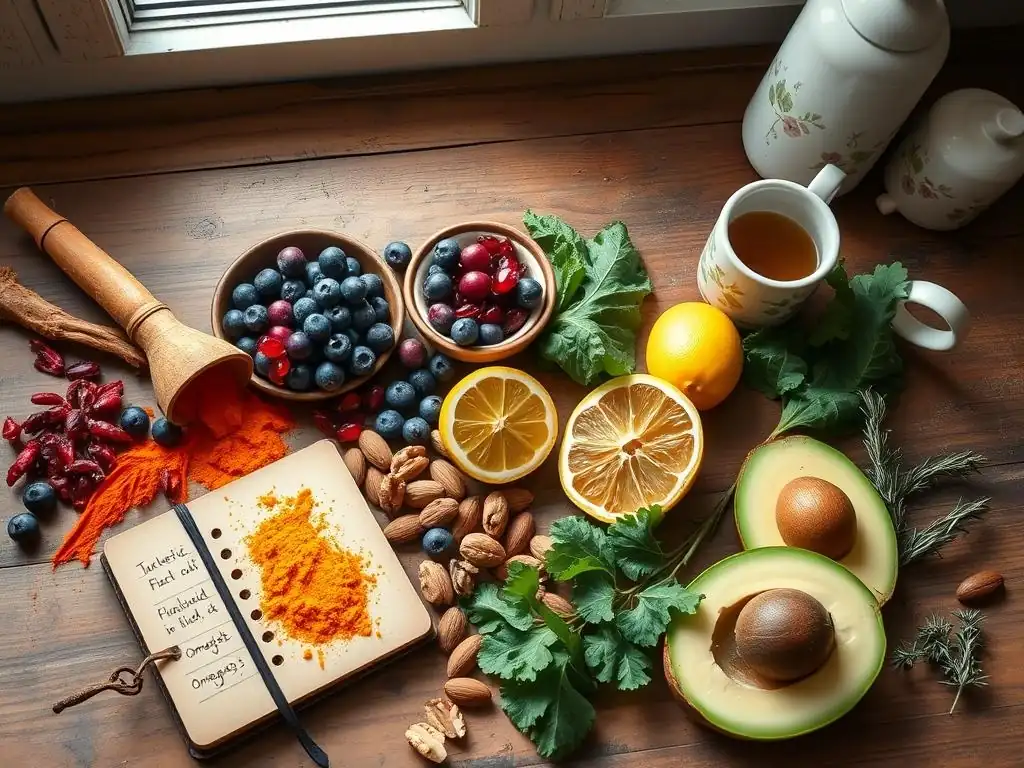
Welcome to Mind Care Guide, a safe space where we explore the intricate connection between mind and body. Are you feeling weighed down, emotionally and physically? Could the foods you're eating be contributing to your mental fog? This week, we delve into the powerful link between diet and mood, specifically focusing on inflammatory foods and mental health. Discover how making small changes to your shopping list can lead to significant improvements in your overall well-being. Intrigued? Let's begin your journey towards a clearer, calmer mind, starting with The AntiInflammatory Shopping List below...
- The Anti-Inflammatory Shopping List: Stocking Up for Mental Wellness | Mind Care Guide
- Building Your Anti-Inflammatory Shopping List: A Guide for Mental Clarity
-
The Anti-Inflammatory Shopping List: Foods to Prioritize
- Fruits Rich in Antioxidants for Brain Health
- Vegetables Packed with Nutrients to Reduce Inflammation
- Healthy Fats: Fueling Your Brain with Anti-Inflammatory Power
- Lean Proteins: Supporting Brain Function and Reducing Inflammation
- Nuts and Seeds: Snacking Smart for Mental Clarity
- Herbs and Spices: Adding Flavor and Fighting Inflammation
- Foods to Avoid: Minimizing Inflammatory Foods for Mental Health
- Implementing Your Anti-Inflammatory Shopping List: Tips and Strategies
- Conclusion: Nourishing Your Brain for Optimal Mental Health
-
Frequently Asked Questions
- How do inflammatory foods negatively impact mental health?
- What are some key examples of inflammatory foods to avoid?
- What types of foods should I include on my anti-inflammatory shopping list?
- How quickly might I see improvements in my mental well-being after adopting an anti-inflammatory diet?
- Besides diet, what other lifestyle factors can help reduce inflammation and improve mental health?
- Final Reflection: Nourishing the Mind, One Grocery Trip at a Time
- Unleash Your Inner Calm: Start Shopping for Wellness Today!
The Anti-Inflammatory Shopping List: Stocking Up for Mental Wellness | Mind Care Guide
How Inflammatory Foods Impact Your Brain
Chronic inflammation in the body isn't just linked to physical ailments; it has a profound impact on the brain and, consequently, on mental health. When you consume inflammatory foods, they can trigger an immune response that leads to systemic inflammation. This inflammation doesn't stop at the body's periphery; it can cross the blood-brain barrier, affecting brain function and structure.
Studies have shown that inflammatory markers like C-reactive protein (CRP) and pro-inflammatory cytokines (such as IL-6 and TNF-alpha) are often elevated in individuals experiencing depression, anxiety, and other mood disorders. For example, research published in Molecular Psychiatry in 2018 highlighted a strong correlation between elevated inflammatory markers and the severity of depressive symptoms, suggesting that inflammation plays a significant role in the pathophysiology of these conditions.
The brain is particularly vulnerable to the effects of inflammation. Neuroinflammation, or inflammation within the brain, can damage neurons, disrupt neurotransmitter balance (like serotonin, dopamine, and norepinephrine, which regulate mood), and impair neurogenesis (the creation of new brain cells). This can manifest as fatigue, cognitive fog, irritability, and even contribute to the development or worsening of mental health conditions.
The gut-brain axis is also critically involved; inflammatory foods can disrupt the gut microbiome, leading to increased gut permeability ("leaky gut"). This allows inflammatory molecules to enter the bloodstream and travel to the brain, further fueling neuroinflammation. Understanding the direct link between inflammatory foods mental health is a crucial step in taking control of your wellbeing.
The Role of Diet in Reducing Inflammation and Improving Mental Wellbeing
Fortunately, just as certain foods can promote inflammation, others can actively reduce it. An anti-inflammatory diet focuses on nutrient-dense foods rich in antioxidants, omega-3 fatty acids, fiber, and other compounds that combat inflammation throughout the body and brain.
Shifting dietary patterns away from processed items, sugary drinks, and unhealthy fats towards whole, plant-based foods can significantly lower inflammatory markers. For instance, a meta-analysis of over 16 studies published in Translational Psychiatry in 2019 found that dietary interventions, particularly those emphasizing fruits, vegetables, whole grains, and fish (hallmarks of an anti-inflammatory approach), led to a significant reduction in depressive symptoms compared to control groups.
Adopting an anti-inflammatory eating pattern isn't just about avoiding inflammatory foods mental health problems might be linked to; it's about actively nourishing your brain. These beneficial foods provide the building blocks for healthy neurotransmitters, support brain cell repair, and promote a balanced gut microbiome, which in turn sends positive signals to the brain. Think of it as building a resilient foundation for your mental state.
While diet is one piece of the puzzle in comprehensive mental health care, its impact on reducing inflammation and improving brain function is substantial and well-supported by scientific evidence. Making conscious food choices is a powerful, accessible tool in your mental wellness toolkit.
Building Your Anti-Inflammatory Shopping List: A Guide for Mental Clarity

Essential Categories for an Anti-Inflammatory Diet
Creating an anti-inflammatory shopping list involves focusing on several key food categories that are naturally rich in compounds known to combat inflammation. These include vibrant fruits and vegetables loaded with antioxidants and vitamins, healthy fats like omega-3 fatty acids that are crucial for brain structure and function, lean proteins that support neurotransmitter production, and fiber-rich whole grains and legumes that nourish a healthy gut microbiome.
Spices and herbs also play a significant role, offering potent anti-inflammatory properties in concentrated forms. Prioritizing these categories helps ensure you're getting a wide spectrum of nutrients that work synergistically to reduce inflammation and support overall health, including mental clarity and mood stability.
When planning your trips to the grocery store, think in terms of color and freshness. Aim to fill your cart with a diverse range of produce, healthy fats, and quality protein sources. This approach not only makes shopping more enjoyable but also guarantees you're stocking up on the essential ingredients needed to prepare meals that actively fight inflammation and support your mental wellbeing. Building this list is a practical step towards mitigating the potential negative effects of inflammatory foods mental health can experience.
The Anti-Inflammatory Shopping List: Foods to Prioritize
Fruits Rich in Antioxidants for Brain Health
Berries: Blueberries, Strawberries, Raspberries, and Their Benefits for Mental Wellness
Berries are often hailed as superfruits, and for good reason. They are exceptionally high in antioxidants, particularly anthocyanins, which give them their vibrant colors. These powerful compounds help protect brain cells from damage caused by inflammation and oxidative stress. Blueberries, for example, have been shown in studies to improve cognitive function and memory in older adults, likely due to their potent anti-inflammatory effects. A 2012 study published in the Annals of Neurology linked higher berry intake to slower rates of cognitive decline over nearly two decades in a large cohort of women.
Beyond cognitive benefits, the anti-inflammatory power of berries also contributes to mood regulation. Chronic low-grade inflammation is implicated in various mood disorders, and the antioxidants in berries help counteract this. Including a variety of berries like strawberries, raspberries, and blackberries in your diet provides a mix of different antioxidants and fiber, further supporting gut health and overall inflammatory balance. Adding a handful of berries to your breakfast, snacks, or desserts is a delicious and effective way to combat inflammatory foods mental health might be impacted by.
Other Anti-Inflammatory Fruits: Oranges, Grapes and Their Benefits
While berries are stars, many other fruits offer significant anti-inflammatory benefits. Citrus fruits like oranges are excellent sources of Vitamin C, a powerful antioxidant that helps reduce oxidative stress and supports immune function, which is closely linked to inflammation. Oranges also contain flavonoids that have anti-inflammatory properties. Including oranges or other citrus fruits in your diet can contribute to lowering systemic inflammation.
Grapes, especially red and purple varieties, contain resveratrol, a polyphenol compound known for its strong antioxidant and anti-inflammatory effects. Research suggests that resveratrol may help protect brain cells and improve blood flow to the brain. A study published in the British Journal of Nutrition in 2014 found that grape polyphenols could influence mood and cognitive function in middle-aged adults. Incorporating a diverse range of colorful fruits ensures you're getting a broad spectrum of beneficial plant compounds that help reduce inflammation throughout the body, including the brain.
Vegetables Packed with Nutrients to Reduce Inflammation
Leafy Greens: Spinach, Kale, and Their Impact on Mental Health
Leafy green vegetables like spinach, kale, collard greens, and Swiss chard are nutritional powerhouses, rich in vitamins (like A, C, K), minerals (like folate, magnesium), and antioxidants. Folate, in particular, is crucial for brain health; low levels have been associated with depression. These greens also contain sulforaphane and other compounds that have potent anti-inflammatory effects.
Regular consumption of leafy greens has been linked to a slower rate of cognitive decline. A study from Tufts University found that older adults who ate about 1.3 servings of leafy greens per day had brains that were functionally 11 years younger than those who ate few or none.
The high fiber content in leafy greens also supports a healthy gut microbiome, which, as mentioned earlier, is vital for the gut-brain axis and regulating inflammation. Adding leafy greens to salads, smoothies, soups, or stir-fries is an easy way to boost your intake of these inflammation-fighting nutrients. Their dense nutritional profile makes them essential items when building an anti-inflammatory shopping list aimed at supporting mental wellbeing and counteracting inflammatory foods mental health effects.
Cruciferous Vegetables: Broccoli, Cauliflower, and Their Anti-Inflammatory Properties
Cruciferous vegetables, such as broccoli, cauliflower, Brussels sprouts, and cabbage, are rich in glucosinolates, compounds that the body converts into isothiocyanates. These compounds are powerful anti-inflammatory agents and have been studied for their potential in preventing chronic diseases, including neurodegenerative conditions. Sulforaphane, found abundantly in broccoli, is a particularly well-researched isothiocyanate known for its ability to activate detoxification pathways and reduce inflammation in the brain.
Incorporating a variety of cruciferous vegetables into your diet provides a diverse array of these beneficial compounds. Steaming or lightly cooking them helps preserve their nutrient content. Regularly eating broccoli or cauliflower can contribute significantly to lowering systemic inflammation, which in turn supports better brain health and mood regulation. These versatile vegetables are indispensable additions to an anti-inflammatory shopping list designed to nourish your body and mind.
Other Anti-Inflammatory Vegetables: Sweet Potatoes and Asparagus
Beyond greens and cruciferous vegetables, many other vegetables offer valuable anti-inflammatory benefits. Sweet potatoes are rich in beta-carotene, an antioxidant that the body converts to Vitamin A. They also contain Vitamin C and fiber. Beta-carotene helps protect cells from damage and reduces oxidative stress, contributing to lower inflammation levels. Their complex carbohydrates also provide sustained energy, avoiding blood sugar spikes associated with inflammatory foods mental health might be sensitive to.
Asparagus is another excellent choice, packed with vitamins (A, C, E, K), folate, and chromium. It contains potent anti-inflammatory compounds, including saponins and quercetin. Asparagus also acts as a natural diuretic and supports detoxification pathways, further aiding the body's ability to manage inflammation. Including a wide array of colorful vegetables ensures a broad intake of inflammation-fighting nutrients.
Healthy Fats: Fueling Your Brain with Anti-Inflammatory Power
Olive Oil: Extra Virgin and Its Mental Health Benefits
Extra virgin olive oil (EVOO) is a cornerstone of the Mediterranean diet, widely recognized for its health benefits, including its anti-inflammatory properties. EVOO is rich in monounsaturated fats and polyphenols, particularly oleocanthal, which has been shown to have anti-inflammatory effects similar to ibuprofen. These compounds help reduce systemic inflammation and protect against oxidative stress.
Regular consumption of EVOO has been associated with a lower risk of depression. A large Spanish study, the PREDIMED trial, found that participants following a Mediterranean diet supplemented with EVOO had a significantly lower risk of developing depression compared to a control group. Using high-quality extra virgin olive oil for cooking and dressing salads is a simple yet effective way to incorporate beneficial fats that support both physical and mental health.
Avocados: A Superfood for Brain Function and Reducing Inflammation
Avocados are a nutrient-dense fruit packed with monounsaturated fats, fiber, vitamins (C, E, K, B6), folate, and potassium. The healthy fats in avocados are crucial for brain health, supporting cell membrane integrity and neurotransmitter function. They also help the body absorb fat-soluble vitamins.
Avocados contain carotenoids, phenolic compounds, and other antioxidants that contribute to their anti-inflammatory effects. Research has shown that adding avocado to a meal can help reduce inflammatory markers in the body. Their unique combination of healthy fats, fiber, and antioxidants makes them an excellent food for supporting brain function and reducing inflammation, making them a must-have on an anti-inflammatory shopping list.
Fatty Fish: Salmon, Tuna, and Omega-3s for Mental Wellbeing
Fatty fish like salmon, mackerel, sardines, and tuna are among the best dietary sources of omega-3 fatty acids, specifically EPA (eicosapentaenoic acid) and DHA (docosahexaenoic acid). These are polyunsaturated fats that are highly anti-inflammatory and critical components of brain cell membranes. DHA, in particular, is abundant in the brain and essential for cognitive function, mood regulation, and nerve signaling.
Numerous studies have linked higher intake of omega-3 fatty acids from fish to a reduced risk of depression and anxiety. Omega-3s help regulate neurotransmitters, reduce neuroinflammation, and promote neurogenesis. Aiming for two to three servings of fatty fish per week is a powerful strategy to boost your omega-3 intake and combat the effects of inflammatory foods mental health can suffer from.
Lean Proteins: Supporting Brain Function and Reducing Inflammation
Chicken and Turkey: Lean Protein Sources for Mental Health
Lean protein sources like chicken and turkey are valuable components of an anti-inflammatory diet. Protein is essential for building and repairing tissues, including brain cells, and for synthesizing neurotransmitters like serotonin and dopamine, which are vital for mood regulation. Lean poultry provides these necessary amino acids without the higher levels of saturated fat found in some red meats, which can be pro-inflammatory for some individuals.
Choosing lean cuts and preparing them without excessive added fats or inflammatory breadings helps maximize their benefit. Incorporating grilled or baked chicken or turkey into meals provides the protein needed to support stable blood sugar levels and brain function, contributing positively to mental wellbeing.
Legumes: Beans and Lentils as Anti-Inflammatory Protein Options
Legumes, including beans (such as black beans, kidney beans, chickpeas) and lentils, are exceptional sources of plant-based protein and fiber. They are also rich in folate, magnesium, potassium, and various antioxidants. The high fiber content in legumes is particularly beneficial for gut health, feeding beneficial bacteria that produce short-chain fatty acids like butyrate, which have potent anti-inflammatory effects and support the gut-brain axis.
Studies have shown that diets rich in legumes can help reduce inflammatory markers and improve metabolic health, which is closely linked to mental health. Including beans and lentils in soups, stews, salads, or as a meat substitute is a budget-friendly and nutrient-dense way to add anti-inflammatory protein and fiber to your diet, helping to mitigate the impact of inflammatory foods mental health might be susceptible to.
Nuts and Seeds: Snacking Smart for Mental Clarity
Walnuts and Almonds: Brain-Boosting Benefits
Nuts are excellent sources of healthy fats, protein, fiber, vitamins, and minerals, and many have significant anti-inflammatory properties. Walnuts are particularly noteworthy for their high content of alpha-linolenic acid (ALA), a plant-based omega-3 fatty acid that the body can convert into EPA and DHA (though the conversion rate is low). Walnuts have been linked to improved cognitive function and reduced risk of depression. A 2016 study in the Journal of Nutritional Science found that walnut consumption was associated with lower rates of depression in a large sample of U.S. adults.
Almonds are rich in Vitamin E, magnesium, and fiber. Vitamin E is a powerful antioxidant that protects brain cells from oxidative damage. Magnesium is essential for nerve function and has been linked to improved mood. Incorporating a handful of nuts like walnuts and almonds into your daily routine provides healthy fats and nutrients that support brain health and combat inflammation.
Chia Seeds and Flax Seeds: Omega-3 Powerhouses
Chia seeds and flax seeds are small but mighty sources of ALA omega-3 fatty acids, fiber, and antioxidants. Like walnuts, they provide plant-based omega-3s that contribute to reducing inflammation. The high fiber content in these seeds also supports digestive health and promotes a balanced gut microbiome, which, as we know, is crucial for mental wellbeing.
Adding chia seeds to smoothies, yogurt, or oatmeal, and using ground flax seeds in baking or sprinkled over meals, are easy ways to boost your intake of these beneficial fats and fiber. Regularly consuming these seeds can help reduce inflammatory markers and support brain function, making them valuable additions to an anti-inflammatory shopping list focused on mental clarity.
Herbs and Spices: Adding Flavor and Fighting Inflammation
Turmeric: The Power of Curcumin for Mental Health
Turmeric is a vibrant yellow spice widely used in Indian cuisine and traditional medicine, known for its potent anti-inflammatory properties. Its primary active compound, curcumin, is a powerful antioxidant and anti-inflammatory agent. Research suggests that curcumin can cross the blood-brain barrier and may have neuroprotective effects, potentially improving mood and cognitive function.
Studies have explored curcumin's potential as an adjunctive therapy for depression, with some research indicating it may be as effective as certain antidepressants in managing symptoms, particularly when combined with piperine (found in black pepper) to enhance absorption. Adding turmeric to curries, soups, or even lattes is a flavorful way to incorporate this inflammation fighter into your diet. Focusing on these potent ingredients helps counteract the effects of inflammatory foods mental health might be negatively impacted by.
Ginger: Anti-Inflammatory Benefits for the Brain
Ginger is another popular spice with a long history of medicinal use, known for its anti-inflammatory and antioxidant properties. The primary bioactive compounds in ginger, gingerols, have been shown to reduce the production of pro-inflammatory cytokines.
Ginger's anti-inflammatory effects can benefit brain health by reducing neuroinflammation. It may also help alleviate symptoms like nausea and digestive discomfort, which can sometimes be linked to stress and anxiety. Using fresh or ground ginger in cooking, teas, or smoothies is a simple way to harness its health benefits.
Other Anti-Inflammatory Spices: Garlic and Cloves
Many other herbs and spices offer significant anti-inflammatory benefits. Garlic contains sulfur-containing compounds like allicin, which have been shown to possess anti-inflammatory, antioxidant, and immune-boosting properties. Regular garlic consumption has been linked to a lower risk of various chronic diseases.
Cloves are also incredibly rich in antioxidants, particularly eugenol, which gives them potent anti-inflammatory effects. Ounce for ounce, cloves are one of the most antioxidant-dense spices. Incorporating a variety of herbs and spices into your cooking not only enhances flavor but also provides a cumulative dose of compounds that actively fight inflammation and support overall health, including mental wellbeing.
Foods to Avoid: Minimizing Inflammatory Foods for Mental Health

Processed Foods: The Impact on Inflammation and Mental Wellbeing
Highly processed foods are a major source of inflammatory compounds in the modern diet. These often contain refined sugars, unhealthy fats (like trans fats and excessive saturated fats), refined carbohydrates, and artificial additives. Foods like sugary cereals, packaged snacks, fast food, and processed meats can trigger a significant inflammatory response in the body. For example, consuming a meal high in refined carbohydrates and saturated fat can lead to a measurable increase in inflammatory markers in the bloodstream within hours.
Regularly eating processed foods contributes to chronic low-grade inflammation, which is detrimental to both physical and mental health. Studies have shown a correlation between diets high in processed foods and an increased risk of depression and anxiety. Reducing your intake of processed items is perhaps the single most impactful step you can take to minimize inflammatory foods mental health effects.
Excessive consumption of added sugars, particularly in sugary drinks and snacks, is a significant driver of inflammation. When you consume large amounts of sugar, it can lead to rapid spikes in blood sugar, which triggers the release of pro-inflammatory cytokines. Fructose, commonly found in high-fructose corn syrup used in many processed foods and drinks, is particularly linked to increased inflammation and negative impacts on liver health and metabolism.
Regularly consuming sugary items contributes to chronic inflammation and can negatively affect mood and energy levels, often leading to energy crashes and irritability. A 2017 study published in Scientific Reports found a link between consumption of sugary foods and drinks and common mental disorders. Limiting or eliminating sugary beverages like soda and fruit juices, and reducing intake of candies, cakes, and pastries, is crucial for reducing sugar-induced inflammation.
Refined Carbohydrates: Minimizing Their Impact on Mental Health
Refined carbohydrates, such as white bread, white rice, pastries, and pasta made from refined flour, are quickly broken down into sugar in the body. This rapid conversion leads to blood sugar spikes similar to those caused by pure sugar, triggering an inflammatory response. Unlike whole grains, refined grains have been stripped of their fiber, vitamins, and minerals, which are beneficial for health and help slow down sugar absorption.
Diets high in refined carbohydrates have been associated with increased inflammation and a higher risk of mood disorders. Choosing whole grain alternatives like whole wheat bread, brown rice, quinoa, and oats provides more fiber and nutrients, resulting in a slower, more stable release of sugar into the bloodstream and less inflammatory impact. Minimizing refined inflammatory foods mental health can benefit from is a key strategy.
Unhealthy Fats: Trans Fats and Saturated Fats to Limit
Certain types of fats are highly inflammatory and should be limited or avoided. Trans fats, often found in partially hydrogenated oils used in fried foods, baked goods, and margarine, are strongly linked to increased systemic inflammation and poor heart health. Even small amounts of trans fats can have negative health consequences.
While saturated fats (found in red meat, butter, cheese, and processed snacks) are less clearly linked to inflammation than trans fats, excessive intake can still contribute to inflammation and poor health outcomes for many individuals. Replacing sources of trans and excessive saturated fats with healthy fats like those found in olive oil, avocados, nuts, and fatty fish is essential for an anti-inflammatory diet. Being mindful of these unhealthy inflammatory foods mental health can be negatively affected by is vital for improving wellbeing.
Implementing Your Anti-Inflammatory Shopping List: Tips and Strategies
Planning Your Meals for Mental Wellness
Transitioning to an anti-inflammatory diet is easier with a plan. Start by planning your meals and snacks for the week based on your anti-inflammatory shopping list. This helps ensure you have all the necessary ingredients on hand and reduces the likelihood of relying on convenience or processed foods when you're busy or tired. Consider dedicating some time each week to meal prepping, such as chopping vegetables, cooking a batch of whole grains, or preparing lean protein, to make healthy eating more accessible during the week.
Think about incorporating a variety of colorful fruits and vegetables into every meal. For example, add berries to your breakfast, a large salad with lean protein and healthy fats for lunch, and a dinner featuring baked fish or legumes with plenty of cooked vegetables. Planning helps you make conscious choices that prioritize nutrient-dense, inflammation-fighting foods and avoid falling back on less healthy options.
Reading Food Labels: Identifying Inflammatory Ingredients
Becoming adept at reading food labels is a crucial skill for avoiding hidden inflammatory foods mental health can be sensitive to. Pay close attention to the ingredients list. Look for added sugars, which can be listed under many names (e.g., sucrose, glucose, fructose, corn syrup, maltodextrin). Be wary of refined grains listed as "enriched" or "bleached" flour; opt for "whole wheat" or other whole grains instead.
Check the fat content, specifically looking for "partially hydrogenated oils" (trans fats) and high amounts of saturated fat. Also, be mindful of artificial additives, preservatives, and excessive sodium, which can sometimes contribute to inflammation for susceptible individuals. Choosing products with simple, recognizable ingredients is generally a good rule of thumb when building an anti-inflammatory diet.
Gradually Transitioning to an Anti-Inflammatory Diet
Making significant dietary changes all at once can feel overwhelming. A more sustainable approach is to transition gradually. Start by incorporating more anti-inflammatory foods into your existing diet. For example, swap your usual snack for a handful of nuts and berries, add extra vegetables to your dinner, or switch from white bread to whole wheat.
Then, begin phasing out inflammatory foods mental health might be suffering from. Perhaps start by eliminating sugary drinks, then reduce your intake of processed snacks, and gradually cut back on refined carbohydrates. Focusing on adding beneficial foods first can make the process feel less restrictive and more empowering. Small, consistent changes over time are more likely to lead to lasting habits that support your mental wellbeing.
Conclusion: Nourishing Your Brain for Optimal Mental Health
The Long-Term Benefits of an Anti-Inflammatory Diet for Mental Wellbeing
Adopting an anti-inflammatory diet is not a quick fix but a long-term strategy for supporting optimal mental health. By consistently choosing foods that reduce inflammation and nourish your brain, you are building a resilient foundation for mood stability, cognitive function, and overall psychological wellbeing. The cumulative effect of reducing chronic low-grade inflammation over months and years can significantly lower the risk of developing or worsening conditions like depression and anxiety.
Beyond mental health, this way of eating also offers numerous physical benefits, including improved heart health, better blood sugar control, and reduced risk of other chronic diseases, all of which are interconnected with mental health. Focusing on nutrient-dense, whole foods helps ensure your body and brain receive the necessary building blocks to function optimally. The effort put into avoiding inflammatory foods mental health can negatively react to and embracing anti-inflammatory ones yields substantial rewards in terms of vitality and resilience.
Seeking Professional Guidance: Consulting a Dietitian or Mental Health Professional
While this anti-inflammatory shopping list and guide provide a solid foundation, it's important to remember that diet is just one component of comprehensive mental health care. If you are struggling with a mental health condition, seeking support from qualified professionals is essential. A registered dietitian can provide personalized dietary advice tailored to your specific needs, health conditions, and preferences, helping you create a sustainable anti-inflammatory eating plan.
Furthermore, consulting with a mental health professional, such as a therapist or counselor, can provide crucial support for managing symptoms, exploring underlying issues, and developing coping strategies. Diet and mental health treatments can work synergistically. Discussing your dietary changes with your healthcare team ensures a holistic approach to your wellbeing, addressing both the physical and psychological factors that influence your mental health.
Frequently Asked Questions
How do inflammatory foods negatively impact mental health?
Inflammatory foods can disrupt the gut microbiome, which is strongly linked to brain function. This disruption can increase inflammation in the body, potentially contributing to mood disorders.
What are some key examples of inflammatory foods to avoid?
Processed foods, sugary drinks, and refined carbohydrates are common culprits. Also, excessive amounts of red meat and fried foods should be limited.
What types of foods should I include on my anti-inflammatory shopping list?
Focus on fruits, vegetables, whole grains, and healthy fats like omega-3s. Berries, leafy greens, and fatty fish are excellent choices.
How quickly might I see improvements in my mental well-being after adopting an anti-inflammatory diet?
It varies, but some people notice improvements within a few weeks. Consistency with the dietary changes and incorporating other mental wellness practices is key.
Besides diet, what other lifestyle factors can help reduce inflammation and improve mental health?
Regular exercise, sufficient sleep, and stress management techniques are crucial. These complement the anti-inflammatory diet for optimal results.
Final Reflection: Nourishing the Mind, One Grocery Trip at a Time
The connection between what we eat and how we feel is undeniable, and the impact of inflammation on mental wellness is increasingly recognized. Ignoring this link is akin to neglecting the foundation of a healthy mind. We've explored the surprising ways inflammatory foods can contribute to mental health challenges, and conversely, how an anti-inflammatory diet can pave the way for improved mood, focus, and overall well-being.
This journey into the world of anti-inflammatory eating has profoundly shifted my own perspective on food's role in mental health. It's not just about calories or macronutrients; it's about the intricate dance between our gut, our brain, and the nourishment we provide them. You are what you eat,
is more than a cliché; it's a fundamental truth that deserves our attention and mindful consideration. The subtle changes I've made to my own diet, prioritizing whole foods and minimizing processed ingredients, have yielded tangible improvements in my energy levels and mental clarity.
Now, it's your turn. Take a moment to reflect on your own relationship with food. Consider the ingredients that regularly fill your shopping cart. Are they nurturing your mind and body, or contributing to inflammation and potential mental health challenges? This isn't about perfection; it's about progress. Start small, swap one inflammatory food for a healthier alternative, and observe the subtle shifts in your mood and energy. Embrace the power of food as medicine, and embark on a journey towards a healthier, happier you.
Unleash Your Inner Calm: Start Shopping for Wellness Today!
Thanks for taking the time to explore the power of anti-inflammatory foods for better mental wellness! You’ve learned how simple dietary changes can make a big difference. Now, let’s put that knowledge into action.
- Prioritize your pantry: Make a shopping list based on the anti-inflammatory foods highlighted in the article, and head to the store this week. Focus on incorporating at least three new items into your regular diet.
- Share your journey: Tell us about your experience! Share your favorite anti-inflammatory recipes or tips in the comments below. Let's build a supportive community.
- Experiment with new recipes: Find a new recipe featuring at least one of the foods mentioned and try it this week. Don't be afraid to get creative!
What surprising anti-inflammatory food are you most excited to try and how will you incorporate it into your diet this week?