
Was it Demonic Possession? Medieval Interpretations of Mental Distress


Welcome to Mind Care Guide.
Ever wondered how mental health was understood centuries ago? Imagine a world where symptoms we now recognize as mental illness were attributed to demonic possession. Our journey into the past begins with an exploration of " Medieval demonic possession mental health" and how it shaped perceptions of distress. Uncover the fascinating, and often unsettling, interpretations of mental suffering in the Middle Ages and how they contrast with our modern understanding. Let's delve into this captivating history together and discover the roots of mental health care.
Was it Demonic Possession? Medieval Interpretations of Mental Distress
- Introduction: Bridging Medieval Beliefs and Modern Mental Health
- Understanding Medieval Concepts of Demonic Possession
- Symptoms Attributed to Demonic Possession: A Medieval Perspective
- Alternative Explanations for Mental Distress in the Medieval Period
- Case Studies: Examining Medieval Accounts of "Possession" and Mental Illness
- The Role of the Church and Religious Practices in Addressing Mental Distress
- The Influence of Socio-Cultural Factors on the Interpretation of Mental Illness
- From Demonic Possession to Mental Illness: A Shift in Understanding
- Modern Perspectives on Medieval "Demonic Possession"
- Conclusion: Reconciling Past Beliefs with Present Knowledge of Mental Health
-
Frequently Asked Questions
- What was the prevailing understanding of mental distress during the medieval period, particularly concerning what we might now classify as mental health conditions?
- How did the concept of "demonic possession" shape the treatment of individuals experiencing mental health challenges in medieval times?
- What are some examples of behaviors or symptoms that medieval society might have interpreted as signs of demonic possession, which we now understand as symptoms of mental illnesses?
- How does the medieval understanding of mental distress differ from our modern understanding of mental health conditions?
- Can the historical perspective on "demonic possession" offer any valuable insights into the stigma surrounding mental health, even in contemporary society?
- Final Reflection: Unmasking the Demons Within: Medieval Perspectives on Mental Illness
- Unlock the Mysteries of Medieval Minds
Introduction: Bridging Medieval Beliefs and Modern Mental Health
Exploring the Historical Context of Mental Distress in the Middle Ages
Understanding mental health in the Middle Ages requires stepping back into a world vastly different from our own, where scientific understanding was limited and religious belief permeated every aspect of life. For centuries, from roughly the 5th to the 15th century, explanations for unusual or distressing behaviors often resided in the supernatural realm.
While we now understand conditions like depression, anxiety, schizophrenia, and bipolar disorder through biological and psychological lenses, medieval people often attributed such struggles to external forces – divine favor or, more commonly in cases of distress, malevolent spiritual entities. The concept of Medieval demonic possession mental health was deeply ingrained in the cultural fabric, shaping how individuals perceived their own suffering and how communities reacted to those displaying symptoms we would recognize as mental illness today.
This historical context highlights the significant challenge in retrospectively diagnosing medieval individuals. What might appear as a clear case of a psychiatric disorder to a modern clinician could have been interpreted by contemporaries as a sign of sin, witchcraft, or direct interference by demons.
The available records, often written by clergy or chroniclers, reflect this worldview, focusing on the spiritual battles rather than internal psychological states. Therefore, when examining historical accounts, it's crucial to consider the prevalent belief systems and the limited medical knowledge of the time, recognizing that the framework for understanding mental distress was fundamentally different from our own.
The Intersection of Faith, Medicine, and Mental Well-being in Medieval Society
In medieval society, faith and medicine were often intertwined, with the Church playing a central role in both spiritual and physical healing. While there were physicians who followed the classical medical traditions of Hippocrates and Galen, their understanding of the body and mind was based on the humoral theory, which posited that imbalances in bodily fluids caused illness.
However, even within this medical framework, spiritual explanations for ailments, particularly those affecting the mind, were common and often dominant. A sudden onset of bizarre behavior might be seen as a humoral imbalance and a sign of spiritual weakness or demonic influence, requiring both medical and religious intervention.
Monasteries and convents sometimes served as havens for those struggling with mental distress, offering care, prayer, and a structured environment, though the primary focus was often on spiritual discipline and healing. Physicians might prescribe herbal remedies or dietary changes based on humoral principles, while simultaneously recommending prayer, confession, or even exorcism rituals. This dual approach underscores the complex interplay between faith, the nascent medical understanding, and the prevailing beliefs about Medieval demonic possession mental health, where the soul's state was seen as inextricably linked to the body's health and the mind's functioning.
Understanding Medieval Concepts of Demonic Possession
What Constituted Demonic Possession in the Medieval Mind?
In the medieval mind, demonic possession was understood as a state where a demon or a group of demons entered a person's body, taking control of their will, thoughts, and actions. Unlike simple temptation or influence, possession implied a direct, physical occupation. This belief was rooted in biblical accounts and reinforced by theological teachings and popular folklore. Symptoms attributed to possession were varied and often dramatic, ranging from speaking in unknown languages (glossolalia) or voices different from their own, exhibiting unnatural strength, having knowledge of hidden things, to experiencing convulsions, extreme pain, or displaying blasphemous or violent behavior.
Theological texts and manuals for clergy often provided guidelines for identifying genuine possession versus other conditions, though these guidelines were frequently subjective and open to interpretation. The key differentiator was often the manifestation of behaviors considered explicitly anti-Christian or supernatural, such as an aversion to holy objects, spitting at crosses, or revealing secret sins of others. This framework meant that many behaviors we now associate with severe mental illness could easily be misconstrued as signs of a demon's presence, fueling the belief in Medieval demonic possession mental health as a primary explanation for such afflictions.
Distinguishing Demonic Influence from Other Explanations of Abnormal Behavior
While demonic possession was a significant concept, medieval thinkers did attempt to distinguish it from other causes of abnormal behavior, albeit within their limited understanding. Simple demonic influence or temptation was considered distinct from full possession; the former involved a person's will being tempted towards sin, while the latter meant the will was overridden.
Furthermore, medieval physicians, operating under the humoral theory, recognized that imbalances in the four humors (blood, phlegm, yellow bile, and black bile) could cause various physical and mental ailments. Conditions like melancholia (associated with excess black bile) were understood as natural illnesses, potentially leading to symptoms like despair, fear, and lethargy.
However, the lines between these categories were often blurred. A severe case of melancholia causing bizarre behavior might still be suspected of having a demonic component, especially if religious aversion was present.
Similarly, conditions we might call epilepsy or Tourette's syndrome, with their dramatic physical manifestations, could easily be misinterpreted as signs of possession. The difficulty in definitively distinguishing between natural causes, spiritual influence, and full possession meant that many individuals experiencing mental or neurological symptoms were subject to both medical treatments (like purging or bleeding) and religious rituals (like prayer or exorcism), reflecting the pervasive belief in the potential role of Medieval demonic possession mental health in their suffering.
Symptoms Attributed to Demonic Possession: A Medieval Perspective
Physical Manifestations: Identifying Signs of Demonic Control
Medieval accounts of demonic possession frequently detailed dramatic physical symptoms believed to indicate a demon's presence and control over the body. These included violent convulsions or spasms, often described as the body being twisted into unnatural shapes. Unnatural strength, far exceeding the individual's normal capabilities, was another commonly cited sign. Reports sometimes mentioned distended or bloated body parts, the appearance of strange marks or wounds, or the expulsion of foreign objects from the mouth or other orifices. In some cases, individuals were described as being able to levitate or move in ways that seemed physically impossible.
Furthermore, an inability to tolerate holy objects or places was considered a strong indicator. This might manifest as extreme pain upon touching a relic or holy water, violent reactions to prayers or scripture, or an inability to enter a church. While modern medicine can attribute many of these physical symptoms to conditions like epilepsy, tics, or hysterical conversion disorders, in the medieval context, they were often interpreted through a spiritual lens, seen as undeniable proof of a demon's physical grip on the individual, reinforcing the fears surrounding Medieval demonic possession mental health.
Psychological Symptoms: Recognizing Altered States and Mental Disturbances
Beyond the physical, a wide array of psychological symptoms were attributed to demonic possession, often overlapping with what we now understand as altered mental states or severe psychiatric conditions. These included sudden and dramatic changes in personality or voice, speaking in languages the person had never learned (xenoglossy), or uttering blasphemous or obscene words. Individuals might exhibit extreme rage or violence, directed at themselves or others, or display unusual levels of despair, fear, or paranoia. Loss of memory, confusion, or a complete lack of self-awareness were also sometimes reported.
Possessed individuals were often described as having unnatural knowledge, such as revealing secrets or future events, or displaying an uncanny understanding of complex theological matters. Conversely, some accounts emphasized a profound loss of rational thought or coherent speech. The medieval understanding struggled to categorize these diverse psychological manifestations, often lumping them under the umbrella of demonic influence if they seemed irrational, uncontrollable, or contrary to Christian norms. This made it difficult to distinguish between genuine mental illness and perceived spiritual affliction, contributing to the complex picture of Medieval demonic possession mental health.
Individuals believed to be demonically possessed often caused significant social disruption within their medieval communities. Their erratic, violent, or blasphemous behavior could instill widespread fear, panic, and moral outrage. Communities struggled to understand and cope with behaviors that deviated so dramatically from societal norms and religious expectations. The presence of a "possessed" person could be seen as a sign of spiritual corruption or a test from God, sometimes even leading to accusations of witchcraft against the afflicted individual or those associated with them.
The social response varied but often involved isolating the individual, either for their own protection or to protect the community. Religious authorities were typically called upon, leading to public or private exorcism rituals, which themselves were significant social events, drawing crowds and reinforcing the belief in the reality of possession. While some individuals might receive care within religious institutions, others faced ostracization, fear, and even persecution. The social impact underscores how deeply integrated the belief in Medieval demonic possession mental health was, influencing not just individual interpretations of suffering but also the collective response of medieval society.
Alternative Explanations for Mental Distress in the Medieval Period

Humoral Theory: Balancing the Bodily Fluids for Mental Equilibrium
While the supernatural explanation of Medieval demonic possession mental health was prevalent, medieval physicians did offer alternative, naturalistic explanations rooted in the ancient medical tradition of the humoral theory. This theory, inherited from Greek and Roman medicine, posited that the body was composed of four primary humors: blood, phlegm, yellow bile, and black bile. Mental and physical health were believed to depend on the proper balance of these humors. An excess or deficiency of any humor was thought to cause specific ailments, including those affecting the mind.
For instance, an excess of black bile was associated with melancholia, a condition characterized by sadness, fear, despair, and sometimes delusional thinking. An imbalance of yellow bile might lead to choleric temperaments, marked by irritability and anger. Treatments based on humoral theory aimed to restore balance through diet, lifestyle changes, herbal remedies, bleeding, or purging. While often ineffective by modern standards, these medical interventions represented an attempt to understand mental distress through a physical framework, distinct from purely spiritual explanations, offering an alternative perspective to Medieval demonic possession mental health.
Natural Causes: Acknowledging Physical and Environmental Factors in Mental Ailments
Beyond the humoral theory, medieval thinkers also recognized that certain physical and environmental factors could contribute to mental disturbances. Head injuries, fevers, childbirth complications, and chronic illnesses were sometimes acknowledged as potential causes of altered mental states, confusion, or delirium. Poor diet, lack of sleep, and exposure to extreme weather were also occasionally cited as contributing factors to various ailments, including those affecting mood or behavior.
While the understanding of the brain and nervous system was virtually nonexistent, and the lines between physical and spiritual causes were often blurred, the acknowledgment of these natural factors indicates that not all mental distress was automatically attributed to demons. A person experiencing delirium during a high fever, for example, might be seen as ill rather than possessed. This limited recognition of natural causes provided a counterpoint to the pervasive belief in Medieval demonic possession mental health, suggesting a nascent, albeit underdeveloped, understanding of the body's role in mental well-being.
The Role of Trauma and Stress in Medieval Mental Health
Although not framed in modern psychological terms, medieval society implicitly acknowledged that traumatic experiences and significant stress could impact a person's state of mind. Witnessing violence, experiencing loss, enduring famine or plague, or facing persecution were all part of the challenging realities of medieval life. While these experiences might not have been directly labeled as causes of "mental illness" in the modern sense, their impact on an individual's disposition, mood, and behavior was sometimes recognized.
For example, chronic hardship or grief might be seen as predisposing someone to melancholia or making them more vulnerable to temptation or spiritual despair. Accounts of hermits or ascetics who experienced visions or altered states might be interpreted through a spiritual lens, but the extreme physical and psychological stress of their lifestyle was also a factor. While the concept of psychological trauma as a cause of mental illness was absent, the lived experience of hardship and stress undoubtedly contributed to the spectrum of mental distress observed, existing alongside and sometimes intertwined with interpretations of Medieval demonic possession mental health.
Case Studies: Examining Medieval Accounts of "Possession" and Mental Illness
Analyzing Historical Records: The Case of Jeanne des Armoises and Claims of Demonic Influence
Historical records offer glimpses into how claims of demonic influence were treated in the medieval period. One fascinating, albeit complex, example is the case of Jeanne des Armoises, who appeared a few years after the death of Joan of Arc, claiming to be the Maid returned. While Joan herself faced accusations of witchcraft and heresy (often intertwined with notions of demonic pacts), Jeanne des Armoises's case highlights the difficulties in verifying identity and the potential for deception or psychological factors. Some chroniclers were skeptical, viewing her as an imposter, while others were initially convinced.
The context of the time, steeped in beliefs about divine intervention and demonic trickery, meant that such claims were taken seriously, requiring investigation by both secular and religious authorities. While Jeanne des Armoises was ultimately exposed as a fraud and confessed, the initial willingness of some to believe she might be Joan, possibly aided or hindered by supernatural forces, underscores how readily medieval minds considered spiritual explanations for extraordinary events or individuals.
This case, while not a clear-cut example of mental illness, illustrates the cultural readiness to interpret unusual phenomena, including behaviors we might now see as driven by psychological motives or delusion, through the lens of Medieval demonic possession mental health or divine miracles.
Deconstructing Interpretations: The Ursuline Nuns of Loudun and Mass Hysteria
A later but highly relevant case, often used to illustrate the complexities of interpreting historical "possession" accounts, is that of the Ursuline Nuns of Loudun in the 17th century (just outside the strict medieval period, but reflecting persistent beliefs). A group of nuns exhibited bizarre behaviors, including convulsions, blasphemy, and sexual exhibitionism, which were widely interpreted as signs of demonic possession orchestrated by a local priest, Urbain Grandier. Grandier was subsequently tried and executed for witchcraft.
Modern interpretations often view the events at Loudun through the lens of mass hysteria, fueled by ascetic practices, social tensions, and suggestive questioning during exorcism rituals. The symptoms displayed by the nuns align with psychological phenomena that can spread through a group under stress and suggestion. This case serves as a powerful example of how social dynamics, religious beliefs, and psychological factors can converge to create a widespread belief in possession, demonstrating how historical accounts of Medieval demonic possession mental health and similar phenomena require careful deconstruction, considering alternative explanations beyond the purely supernatural.
Comparing and Contrasting: Demonic Explanations vs. Medical Interventions
Examining medieval case studies reveals a complex interplay between demonic explanations and nascent medical interventions. In some instances, individuals displaying symptoms were subjected primarily to exorcism rituals, reflecting a strong belief in possession. For example, accounts of individuals writhing or speaking in strange voices were often met with attempts to expel the presumed demon through prayer, holy water, and specific rites prescribed by the Church.
In other cases, individuals experiencing symptoms like melancholia or delirium might receive treatments based on humoral theory, such as bloodletting, herbal remedies, or dietary changes. However, it was also common for both approaches to be used concurrently.
A person suffering from severe melancholia might be treated with purgatives by a physician and subjected to prayers and spiritual counseling by a priest, acknowledging both potential physical imbalances and spiritual vulnerability to Medieval demonic possession mental health or temptation. This dual approach highlights the lack of a clear dividing line between spiritual and physical explanations for mental distress in the medieval period.
The Role of the Church and Religious Practices in Addressing Mental Distress
Exorcism Rituals: The Process of Expelling "Demons"
The Church played a central role in addressing conditions believed to be caused by demonic possession, with exorcism being the primary ritual employed to expel the malevolent spirits. Based on biblical accounts and Church tradition, exorcism was a formal rite performed by ordained clergy, usually priests or bishops, who were authorized to confront and command the demons in the name of God. The rituals involved prayers, readings from scripture, the use of holy water, relics, and crucifixes, and direct commands to the demon to leave the afflicted person's body.
The process could be lengthy and physically demanding for both the exorcist and the individual believed to be possessed. It was often conducted publicly or semi-publicly, serving both as a spiritual intervention and a demonstration of the Church's power over evil forces. While records of successful exorcisms were celebrated as proof of divine power and the reality of possession, failures might be attributed to the demon's strength, the individual's lack of faith, or the presence of hidden sin. These rituals were deeply intertwined with the medieval understanding of Medieval demonic possession mental health as a spiritual battleground.
Prayer and Pilgrimage: Seeking Divine Intervention for Mental Healing
Beyond formal exorcism, prayer and pilgrimage were common religious practices used to seek healing for various ailments, including those affecting the mind. Individuals experiencing distress, whether interpreted as melancholia, spiritual despair, or potential demonic influence, would often turn to prayer, either individually or communally, seeking solace, strength, or divine intervention. Monasteries and hermitages were sometimes sought out for their spiritual atmosphere and the guidance of holy individuals.
Pilgrimages to sacred sites, shrines of saints known for healing, or places associated with miracles were also popular. The journey itself, combined with fervent prayer at the destination, was believed to bring about spiritual and physical restoration.
While these practices addressed a wide range of human suffering, they were particularly relevant for mental distress, which was often perceived as having a strong spiritual component. Turning to God and the saints through prayer and pilgrimage offered a pathway to healing that aligned with the dominant religious worldview, providing an alternative or complementary approach to addressing issues interpreted through the lens of Medieval demonic possession mental health.
Confession and Repentance: Addressing Spiritual Ailments Affecting the Mind
Confession and repentance were fundamental practices in medieval Christianity, believed to cleanse the soul of sin and restore one's relationship with God. Since mental distress, especially symptoms interpreted as demonic influence or spiritual despair, was often linked to sin or spiritual weakness, confession played a significant role in addressing these issues. Individuals were encouraged to confess their sins to a priest, receive absolution, and perform acts of penance.
The act of confession itself could be therapeutic, offering a chance to verbalize anxieties, guilt, and troubling thoughts within a structured, supportive (though sometimes judgmental) framework. Repentance and spiritual discipline were seen as ways to strengthen the soul against demonic temptation and influence. Thus, for those struggling with what might be modernly understood as guilt-induced anxiety, depression, or even obsessive thoughts, confession and a renewed commitment to religious practice offered a prescribed path towards relief, highlighting the spiritual framework within which Medieval demonic possession mental health and other forms of suffering were understood and addressed.
The Influence of Socio-Cultural Factors on the Interpretation of Mental Illness
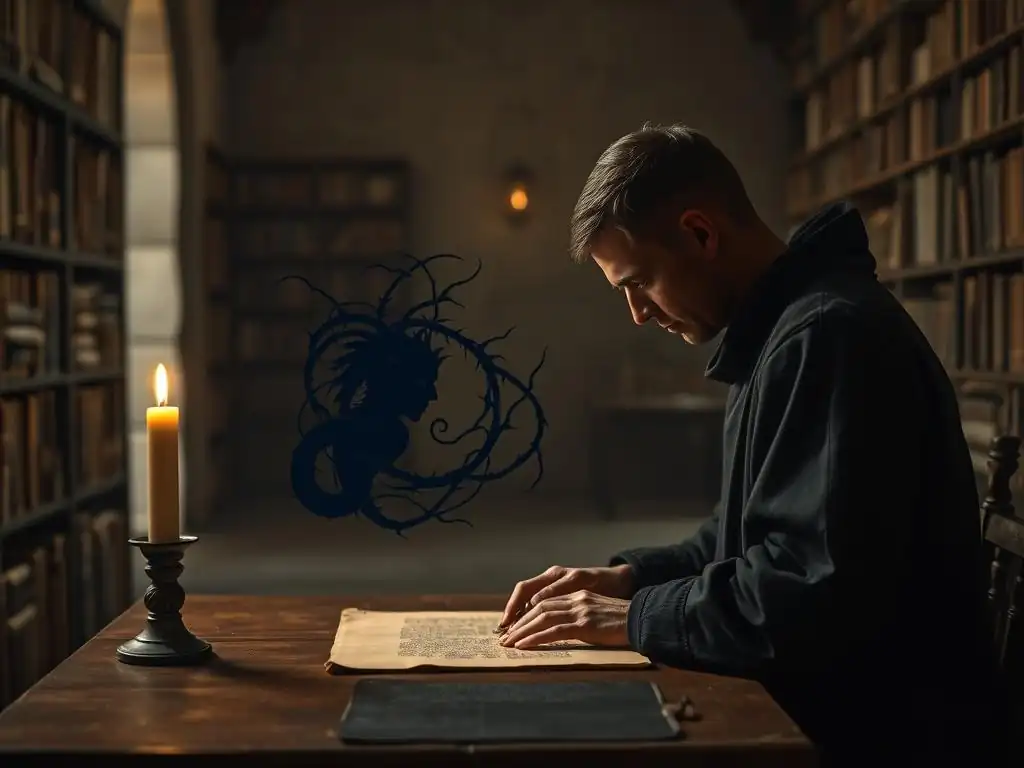
Gender and Mental Health: Examining Societal Expectations and Beliefs
Socio-cultural factors significantly shaped the interpretation of mental distress in the Middle Ages, and gender played a notable role. Women, particularly those who deviated from societal norms or exhibited unusual behaviors, were sometimes more readily suspected of witchcraft or being susceptible to demonic influence than men. Medieval society often viewed women as being weaker in mind and body, and thus more easily swayed by the devil. Accounts of hysteria or mass possessions, such as the later Loudun case, often involved communities of women.
Conversely, certain forms of spiritual ecstasy or visionary experiences in women, particularly nuns or anchoresses, could be interpreted positively, as signs of divine favor. However, the line between divine inspiration and demonic delusion was often precarious, and women exhibiting intense religious fervor or unusual physical manifestations were subject to scrutiny by religious authorities. This gendered lens influenced how symptoms were perceived, diagnosed, and treated, adding another layer of complexity to the understanding of Medieval demonic possession mental health and its impact on women.
Social status also influenced how individuals experiencing mental distress were treated in the medieval period. Wealthy or noble individuals might have access to physicians, potentially receiving treatments based on humoral theory, as well as spiritual care from private chaplains. While they were not immune to accusations of possession or witchcraft, their status might afford them a degree of protection or different forms of intervention compared to the poor.
For the majority of the population, access to formal medical care was limited. The Church often served as the primary institution offering support, with local priests providing spiritual guidance, prayer, and if deemed necessary, minor exorcism rites. Monasteries might offer refuge, but space and resources were finite.
Individuals without means or social connections who exhibited severe or disruptive behavior were often left to the care (or neglect) of their families or communities, sometimes facing ostracization or confinement. This disparity in access highlights how social class intersected with beliefs about Medieval demonic possession mental health, shaping the lived experience of those suffering.
The Power of Suggestion and Collective Hysteria in Shaping Perceptions
The strong belief in the supernatural, combined with limited scientific understanding, made medieval society particularly susceptible to the power of suggestion and collective hysteria. In communities where fear of the devil and demons was pervasive, unusual events or behaviors could quickly be interpreted through this framework. Public exorcisms, rumors of witchcraft, and charismatic religious figures could all contribute to an atmosphere where individuals might genuinely believe they were possessed or witness others being afflicted.
Mass hysteria events, like those seen in some convents, demonstrate how psychological and social factors could mimic symptoms attributed to possession. The behavior of a few individuals, fueled by suggestion and group dynamics, could spread rapidly, leading many to exhibit similar physical and psychological manifestations. This phenomenon underscores how the socio-cultural environment, steeped in beliefs about Medieval demonic possession mental health, could actively shape the perception and experience of mental distress, sometimes creating the very "symptoms" it sought to explain.
From Demonic Possession to Mental Illness: A Shift in Understanding
The Gradual Transition from Religious to Medical Explanations
The transition from primarily religious interpretations like Medieval demonic possession mental health to medical explanations for mental distress was a slow and uneven process that spanned centuries. While humoral theory existed throughout the medieval period, it often coexisted with or was overshadowed by spiritual explanations. The Renaissance and the Enlightenment brought a renewed interest in empirical observation and rational inquiry, gradually challenging purely supernatural explanations for natural phenomena, including human behavior.
Figures like Johann Weyer in the 16th century began to argue that many individuals accused of witchcraft or possession were in fact suffering from natural illnesses, particularly melancholia. While Weyer still believed in the devil, he argued against demonic possession as a primary cause of the behaviors attributed to witches. This marked an early, significant step towards medicalizing what had previously been seen as spiritual affliction. This shift was not immediate or universally accepted, but it laid the groundwork for future developments that would increasingly view mental distress through a medical, rather than purely theological, lens.
The Emergence of Early Asylums and Institutional Care
As medical explanations for mental distress gained some traction, albeit slowly, the approach to care also began to change. While monasteries and hospitals had sometimes offered refuge, the late medieval and early modern periods saw the emergence of institutions specifically intended to house individuals deemed "mad" or incapable of functioning in society. These early asylums, such as Bethlehem Royal Hospital (Bedlam) in London, founded in the 13th century but significantly developing later, represented a move towards institutionalizing mental illness.
However, these institutions were often custodial rather than therapeutic, focusing on containment rather than treatment. Conditions could be harsh, and the understanding of care was rudimentary. Nevertheless, their existence signifies a societal acknowledgment that certain forms of mental distress required specialized handling outside of the family or general community, reflecting a slow move away from purely religious interventions for Medieval demonic possession mental health towards a form of secular, albeit often inhumane, institutionalization.
Key Figures in the History of Mental Health: Johann Weyer and the Challenge to Witchcraft Beliefs
Johann Weyer (1515-1588) stands as a pivotal figure in the early history of mental health, specifically for his challenge to the prevailing belief that witchcraft and many cases of "possession" were the direct result of demonic pacts. In his influential work De Praestigiis Daemonum (On the Deceptions of Demons) published in 1563, Weyer argued that many individuals accused of witchcraft, particularly elderly women, were not malevolent agents of the devil but rather suffering from mental illness, primarily melancholia.
While Weyer still believed in demons and the possibility of possession, he argued that demons primarily deceived and tempted, and that the afflicted were often victims rather than willing participants. He advocated for compassion and medical treatment rather than persecution and execution for those exhibiting symptoms previously attributed to witchcraft or Medieval demonic possession mental health. Weyer's work, though controversial in its time and facing opposition from figures like Jean Bodin, was instrumental in planting the seeds of a more medical and humane understanding of mental illness, challenging the dominant supernatural framework.
Modern Perspectives on Medieval "Demonic Possession"
Reinterpreting Historical Accounts Through a Contemporary Lens
From a modern perspective, historical accounts of Medieval demonic possession mental health are often reinterpreted through the lens of contemporary medical and psychological understanding. Behaviors described as convulsions, trances, or speaking in tongues might be seen as symptoms of epilepsy, dissociative disorders, or psychotic episodes. Extreme despair and self-harm could be recognized as severe depression with suicidal ideation. Visions, hallucinations, and disordered thinking align with symptoms of schizophrenia or other psychotic disorders.
Furthermore, phenomena like mass hysteria and conversion disorders offer psychological explanations for group manifestations previously attributed to collective possession. By applying modern diagnostic categories and understanding of neurological and psychological conditions, historians and psychologists can analyze medieval descriptions and offer alternative, non-supernatural explanations for the observed behaviors. This reinterpretation doesn't dismiss the lived experience of medieval people or the reality of their beliefs, but rather provides a different framework for understanding the underlying causes of the distress they observed and documented, moving beyond the framework of Medieval demonic possession mental health.
The Enduring Influence of Medieval Beliefs on Stigma and Mental Health
Although the concept of demonic possession is no longer the primary explanation for mental illness in most parts of the world, the historical legacy of linking mental distress to malevolent forces or moral failing has had a lasting and detrimental impact on the stigma surrounding mental health. The fear, shame, and judgment associated with perceived possession contributed to the marginalization and mistreatment of individuals struggling with their minds. This historical association with something "other," frightening, or inherently evil has contributed to the deep-seated stigma that persists today.
Even in secular contexts, language reflecting these historical beliefs can linger, with terms like "battling inner demons" or viewing mental illness as a moral weakness. This historical baggage makes it harder for individuals to seek help, fostering secrecy and isolation. Understanding the history of Medieval demonic possession mental health and its connection to stigma is crucial for dismantling current prejudices and fostering a more compassionate and accepting environment for those facing mental health challenges today.
Lessons Learned: Understanding the Importance of Compassion and Evidence-Based Treatment
Examining the medieval approach to mental distress, dominated by beliefs in Medieval demonic possession mental health, offers important lessons for contemporary society. Firstly, it highlights the critical need for compassion and empathy towards individuals experiencing mental health issues, regardless of the prevailing explanatory framework. The fear and persecution faced by many in the Middle Ages serve as a stark warning against allowing misunderstanding and prejudice to dictate our response to suffering.
Secondly, the shift away from supernatural explanations towards medical and psychological understanding underscores the value of evidence-based approaches. While medieval treatments based on humoral theory or exorcism were rooted in the knowledge and beliefs of the time, modern mental healthcare relies on scientific research, clinical trials, and a continually evolving understanding of the brain and mind. This historical perspective reinforces the importance of advocating for and utilizing treatments that are supported by empirical evidence, ensuring that individuals receive the most effective and humane care possible, moving decisively beyond the limitations of Medieval demonic possession mental health interpretations.
Conclusion: Reconciling Past Beliefs with Present Knowledge of Mental Health
Moving Forward: Fostering a More Empathetic and Informed Approach to Mental Well-being
Reconciling the medieval understanding of Medieval demonic possession mental health with our present knowledge requires a commitment to both historical empathy and modern scientific rigor. We must acknowledge the genuine suffering experienced by medieval individuals and the frameworks they used to make sense of it, while simultaneously recognizing the vast advancements in our understanding of mental health. Moving forward, the goal is to foster a more empathetic and informed approach to mental well-being in contemporary society. This involves challenging lingering stigma, promoting mental health literacy, and ensuring access to evidence-based care for everyone.
Understanding the historical roots of prejudice and misunderstanding can empower us to build a future where mental health is viewed with the same seriousness and compassion as physical health. It means advocating for policies and practices that support recovery and integration, rather than isolation and judgment.
By learning from the past, including the limitations and consequences of interpreting mental distress solely through a supernatural lens, we can better equip ourselves to address the complex mental health challenges of the present with greater wisdom and kindness, ensuring the history of Medieval demonic possession mental health remains a cautionary tale, not a continuing reality.
The Ongoing Relevance of Historical Context in Understanding Mental Health Challenges
The historical context of mental health, including the medieval interpretations of Medieval demonic possession mental health, remains relevant for several reasons. It provides a crucial perspective on the social construction of illness, demonstrating how cultural beliefs and scientific knowledge (or lack thereof) shape our understanding and response to human suffering. Studying this history helps us appreciate the long struggle to move beyond superstition and fear towards a more humane and effective approach to mental healthcare.
Furthermore, examining historical accounts can offer insights into the enduring aspects of the human experience of distress, even as the explanations for it change. Despair, fear, confusion, and altered perceptions are universal experiences, regardless of whether they are attributed to demons, humors, or neurotransmitter imbalances.
By understanding how past societies grappled with these challenges within their own frameworks, we gain a deeper appreciation for the progress that has been made and the work that still needs to be done to support mental well-being for all. The story of Medieval demonic possession mental health is not just a historical curiosity; it is a vital part of the larger narrative of humanity's attempts to understand and heal the troubled mind.
Frequently Asked Questions
What was the prevailing understanding of mental distress during the medieval period, particularly concerning what we might now classify as mental health conditions?
During the medieval period, mental distress was often attributed to supernatural forces, primarily demonic possession. This was a common explanation for behaviors and symptoms that deviated from societal norms.
How did the concept of "demonic possession" shape the treatment of individuals experiencing mental health challenges in medieval times?
Individuals believed to be possessed often faced exorcism rituals and were sometimes subjected to harsh treatment. Understanding of medical interventions was limited, with spiritual solutions being prioritized.
What are some examples of behaviors or symptoms that medieval society might have interpreted as signs of demonic possession, which we now understand as symptoms of mental illnesses?
Behaviors such as uncontrollable outbursts, hallucinations, and seizures were frequently interpreted as signs of demonic influence. These could correspond to conditions like schizophrenia or epilepsy today.
How does the medieval understanding of mental distress differ from our modern understanding of mental health conditions?
Modern understanding emphasizes biological and psychological factors, recognizing mental health conditions as illnesses requiring medical and therapeutic intervention. The medieval view primarily focused on spiritual and moral explanations.
Can the historical perspective on "demonic possession" offer any valuable insights into the stigma surrounding mental health, even in contemporary society?
Yes, understanding the historical association of mental distress with negative spiritual forces can help us recognize and address the lingering stigma that often surrounds mental health issues today. This can help promote understanding and empathy.
Final Reflection: Unmasking the Demons Within: Medieval Perspectives on Mental Illness
The medieval understanding of mental distress, often attributed to demonic possession, remains chillingly relevant today. While we've advanced in our medical and psychological understanding, the stigma surrounding mental illness persists, mirroring the societal anxieties and fear of the unknown that fueled medieval interpretations. The parallels are unsettling, highlighting the enduring human struggle to comprehend and empathize with those experiencing mental health challenges.
The enduring legacy of these medieval beliefs continues to shape our perceptions of mental illness, influencing how we approach treatment and support. The fear and misunderstanding that characterized the medieval era unfortunately cast a long shadow, leaving a residue of prejudice that we still grapple with. The madman is not simply a sick man; he is a man who has lost his humanity.
This quote, while not directly from the medieval period, speaks to the dehumanization that often accompanied mental illness then, and sadly, echoes in some aspects of modern society. We must actively challenge these lingering biases and work towards a more compassionate and informed understanding.
Consider the implications of this historical perspective on your own life. How do you perceive mental illness? Do you find yourself unconsciously harboring any of the prejudices born from centuries of misunderstanding? Take this opportunity to examine your own biases and commit to fostering empathy and support for those struggling with mental health challenges. Let the lessons learned from the past inspire a more enlightened and humane future where mental health is treated with the respect and understanding it deserves.
Unlock the Mysteries of Medieval Minds
Thanks for exploring the fascinating—and sometimes unsettling—world of medieval interpretations of mental distress! You've gained valuable insights into a crucial historical perspective on mental health. Ready to delve deeper?
- Dive into further research: Explore reputable historical sources and academic articles on medieval medicine and societal views on mental illness. This will allow you to expand on what you have already learned.
- Share your thoughts: Join the conversation! What surprised you most about medieval understandings of mental illness? What parallels, if any, do you see with modern approaches?
- Challenge your perceptions: Consider how historical contexts shape our understanding of mental health today, and how this influences current treatments and societal attitudes.
What other historical periods intrigue you, and how might exploring their perspectives enrich our understanding of mental health?