
Your Brain on Neurofeedback: Understanding Brainwave Activity

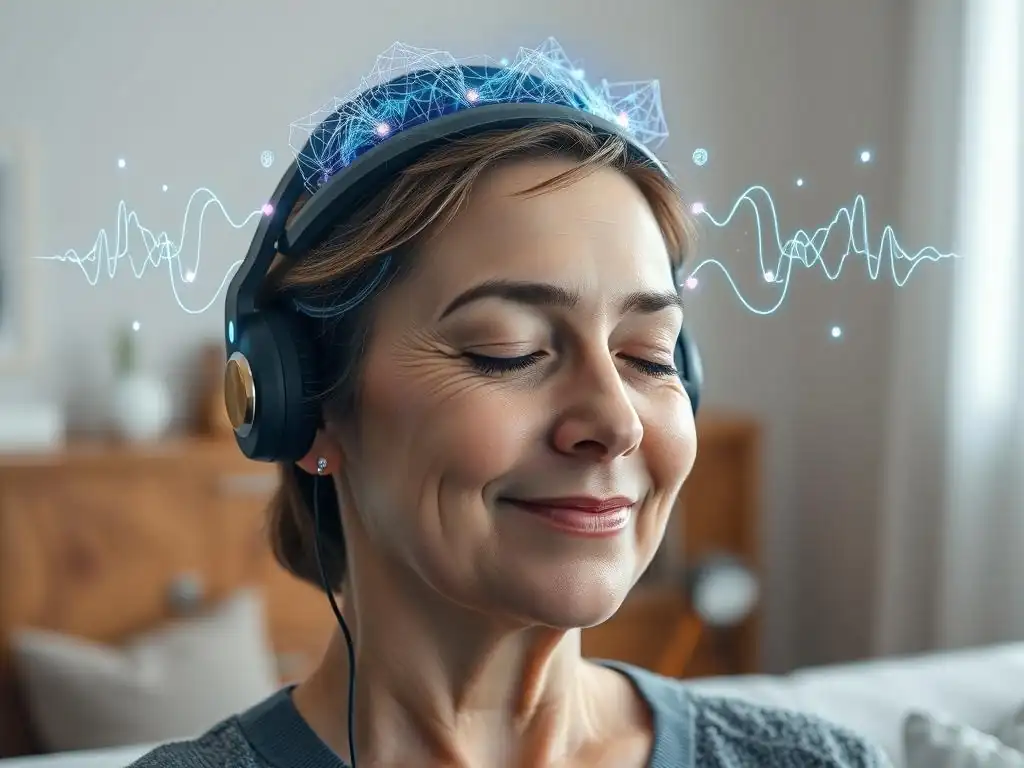
Welcome to Mind Care Guide, a sanctuary for your mental well-being.
Feeling like your brain is working against you? You're not alone. Dive into our comprehensive exploration of how Neurofeedback brainwave training benefits can unlock your brain's potential for enhanced focus, reduced anxiety, and a more balanced life. Curious to understand how retraining your brainwaves can reshape your mental landscape? Let's begin this journey of discovery together...
Your Brain on Neurofeedback: Understanding Brainwave Activity
- Introduction to Neurofeedback and Brainwave Training
- Understanding Brainwave Activity: The Foundation of Neurofeedback
- Neurofeedback Brainwave Training Benefits: Enhancing Mental Performance
- The Neurofeedback Process: What to Expect
- Neurofeedback for Specific Mental Health Conditions
- The Science Supporting Neurofeedback: Research and Evidence
- Neurofeedback vs. Other Mental Health Treatments
- Finding a Qualified Neurofeedback Practitioner
- Potential Side Effects and Risks of Neurofeedback
- Optimizing Your Neurofeedback Treatment
- Conclusion: The Future of Brainwave Training and Mental Well-being
-
Frequently Asked Questions
- What exactly is neurofeedback brainwave training?
- What are the primary benefits of neurofeedback brainwave training, according to Mind Care Guide?
- How does neurofeedback work to improve brainwave activity?
- Is neurofeedback brainwave training a cure for mental health conditions?
- Where can I find more information and resources on neurofeedback brainwave training?
- Final Reflection: Harnessing the Power Within: Neurofeedback's Potential
- Unlock Your Brain's Potential: Start Your Neurofeedback Journey
Introduction to Neurofeedback and Brainwave Training
What is Neurofeedback? An Overview for Mental Well-being
Neurofeedback, also known as EEG biofeedback, is a non-invasive therapeutic technique that helps individuals learn to regulate their brain activity. It is based on the principle that we can consciously alter physiological responses if we are given real-time information about them. In the context of mental well-being, Neurofeedback provides feedback on brainwave patterns, allowing individuals to learn how to shift their brain activity towards healthier, more optimal states associated with improved mental function and emotional balance. This process essentially involves training the brain to enhance its own self-regulation capabilities.
This form of brainwave training is often presented visually or auditorily. For example, a person might watch a video that only plays smoothly when their brain is producing brainwaves within a desired range. Over time, the brain learns to associate the desired brainwave patterns with positive feedback (like the video playing) and undesirable patterns with negative feedback (like the video pausing). This operative conditioning helps the brain develop new, healthier patterns of activity, leading to potential improvements in symptoms related to various mental health challenges. The goal is to achieve lasting changes in brain function through targeted training.
The Neuroscience Behind Neurofeedback: How it Works
At its core, Neurofeedback operates by measuring the electrical activity of the brain, known as brainwaves, using sensors placed on the scalp. These brainwaves are generated by the synchronized electrical pulses of masses of neurons communicating with each other. An electroencephalogram (EEG) machine records this activity, and specialized software analyzes it in real-time, comparing the individual's brainwave patterns to normative databases or desired target patterns. This comparison identifies areas where brain activity might be dysregulated, such as excessive slow waves (like theta) in areas associated with attention, or excessive fast waves (like high beta) linked to anxiety.
The real-time feedback provided during a Neurofeedback session is crucial. As the software detects brainwave activity moving towards the target range (e.g., increasing alpha waves for relaxation, decreasing theta waves for focus), the user receives positive reinforcement. This feedback loop strengthens the brain's ability to produce the desired patterns. Neurofeedback leverages the brain's natural plasticity – its capacity to reorganize itself by forming new neural connections throughout life. By repeatedly reinforcing healthier brainwave patterns, Neurofeedback helps the brain rewire itself, leading to more stable and functional mental states over time.
Neurofeedback for Mental Health: A Mind Care Guide Introduction
Neurofeedback has emerged as a promising tool within the broader landscape of mental health care, offering a non-pharmacological approach to addressing a range of conditions. Unlike medications that directly alter brain chemistry, Neurofeedback empowers the individual to learn self-regulation of their brain activity. This can be particularly appealing for those seeking alternatives or complementary therapies to traditional treatments. On Mind Care Guide, we explore how understanding and training your brainwaves through Neurofeedback can contribute significantly to your overall mental well-being journey.
The application of Neurofeedback for mental health spans a wide spectrum, from managing symptoms of ADHD and anxiety to addressing challenges associated with depression, PTSD, and sleep disorders. By targeting specific brainwave patterns implicated in these conditions, Neurofeedback aims to restore balance and improve function. The benefits of Neurofeedback brainwave training are increasingly recognized, with individuals reporting improvements in focus, emotional regulation, sleep quality, and stress management. This guide aims to provide a comprehensive look at how this fascinating technology can play a role in enhancing your mental health.
Understanding Brainwave Activity: The Foundation of Neurofeedback
Different Types of Brainwaves: Delta, Theta, Alpha, Beta, and Gamma
Our brain is constantly producing electrical activity, which can be measured as waves. These brainwaves are categorized by their frequency (cycles per second, or Hertz - Hz) and amplitude (power). The five primary types, ranging from slowest to fastest, are Delta, Theta, Alpha, Beta, and Gamma. Delta waves (0.5-4 Hz) are the slowest and largest, typically associated with deep, dreamless sleep and certain unconscious states. They are usually dominant in infants but can indicate brain dysfunction in awake adults.
Theta waves (4-8 Hz) are present during sleep, deep relaxation, and meditative states. In waking adults, excessive theta activity, particularly in the frontal lobes, can be linked to difficulties with attention, focus, and impulse control. Alpha waves (8-13 Hz) are characteristic of a relaxed, but awake state. They are prominent when you close your eyes or are resting peacefully. Alpha waves are associated with calm alertness and are often targeted in Neurofeedback to promote relaxation and reduce anxiety.
Beta waves (13-30 Hz) are associated with active, engaged thinking, concentration, and problem-solving. While necessary for daily functioning, excessive high beta activity (often above 20 Hz) can be linked to anxiety, stress, rumination, and difficulty relaxing. Low beta activity (13-20 Hz), sometimes called SMR (Sensory Motor Rhythm), is associated with focused attention and calm alertness, and is often targeted in Neurofeedback for conditions like ADHD. Finally, Gamma waves (above 30 Hz) are the fastest and are thought to be involved in higher cognitive functions, learning, memory, and conscious perception, linking information from different brain areas.
How Brainwaves Relate to Mental States and Cognitive Function
The balance and location of different brainwave frequencies significantly influence our mental states and cognitive abilities. For instance, when you are deeply focused on a task, you are likely exhibiting increased beta or gamma activity in relevant brain regions. Conversely, if you are feeling anxious or stressed, you might show excessive high beta activity. States of calm and readiness, like preparing for a presentation but feeling centered, might involve prominent alpha and SMR (low beta). Difficulties with memory or learning could potentially involve imbalances in theta or gamma activity.
Mental health conditions are often correlated with specific patterns of brainwave dysregulation. For example, individuals with ADHD commonly show an elevated theta-to-beta ratio in certain brain areas, suggesting an imbalance between states of drowsiness/inattention (theta) and focused attention (beta). Anxiety disorders can be associated with excessive high beta activity, particularly in the right hemisphere. Understanding these correlations is fundamental to Neurofeedback, as it allows practitioners to identify specific brainwave targets for training based on an individual's symptoms and assessment. This knowledge forms the basis for designing personalized Neurofeedback brainwave training benefits protocols.
Identifying Brainwave Imbalances: A Key to Neurofeedback Therapy
The first step in effective Neurofeedback therapy is typically identifying specific brainwave imbalances. This is often done through a quantitative electroencephalogram (QEEG), also known as brain mapping. During a QEEG, sensors are placed on the scalp to record brain activity across multiple sites. This data is then processed by sophisticated software that compares the individual's brainwave patterns (including power, coherence, phase, and asymmetry) to a large normative database of individuals of the same age and gender who do not have the symptoms the client is experiencing.
The resulting QEEG report provides a detailed map highlighting areas and frequencies where the individual's brain activity significantly deviates from the norm. For example, the report might show elevated theta power in the frontal lobes (suggesting attention issues), excessive beta coherence between hemispheres (potentially linked to anxiety or rigid thinking), or reduced alpha power in the occipital lobe (possibly related to difficulty relaxing).
Identifying these specific imbalances is critical because it allows the Neurofeedback practitioner to design a highly personalized training protocol targeting the precise brain regions and frequencies that need regulation to address the individual's unique symptoms and maximize the potential Neurofeedback brainwave training benefits. Without this specific identification, training would be less targeted and potentially less effective.
Neurofeedback Brainwave Training Benefits: Enhancing Mental Performance
Improved Focus and Attention with Neurofeedback
One of the most widely reported Neurofeedback brainwave training benefits is the significant improvement in focus and attention, particularly in individuals with ADHD or general difficulties with concentration. Studies and clinical practice have shown that by training individuals to reduce excessive slow-wave activity (like theta) and increase faster waves associated with alert states (like low beta or SMR) in specific brain regions, attention capacity can be enhanced. For example, training to increase SMR activity in the sensorimotor cortex has been shown in various studies to correlate with reduced hyperactivity and improved sustained attention in children and adults with ADHD.
Reported improvements in attention following Neurofeedback training for ADHD often range from moderate to large effect sizes in research, with many individuals experiencing a reduction in inattentive and hyperactive symptoms comparable to or exceeding medication effects in some cases, according to several meta-analyses. A typical course of training might involve 20-40 sessions, after which parents of children with ADHD often report noticeable improvements in schoolwork, homework completion, and ability to stay on task. This targeted approach to brainwave regulation directly supports the brain's capacity for sustained focus, contributing significantly to the benefits of Neurofeedback brainwave training for cognitive performance.
Reducing Anxiety and Stress Through Brainwave Regulation
Neurofeedback is increasingly utilized to help individuals manage and reduce symptoms of anxiety and chronic stress. Anxiety is often associated with excessive high-frequency beta activity, particularly in the right hemisphere, and sometimes with imbalances in alpha activity. Neurofeedback protocols designed to address anxiety typically focus on training the brain to decrease this excessive high beta activity and/or increase alpha waves, which are associated with calm and relaxation. Training to increase alpha power in the posterior regions, for instance, can help promote a more relaxed state.
Many individuals undergoing Neurofeedback for anxiety report a significant reduction in worry, restlessness, and physical tension. Clinical outcomes often show reductions in anxiety scores on standardized tests. While individual results vary, some studies report success rates or significant symptom reduction in the range of 60-80% for generalized anxiety disorder after a sufficient number of sessions. The ability to learn to consciously shift brainwave patterns away from those associated with heightened arousal contributes directly to the Neurofeedback brainwave training benefits related to emotional regulation and stress reduction, offering a non-pharmacological pathway to a calmer mind.
Neurofeedback for Emotional Regulation: Achieving Mental Balance
Beyond just reducing anxiety, Neurofeedback training can significantly enhance overall emotional regulation. Many mental health challenges, including mood swings, irritability, and difficulty managing emotional responses, are linked to dysregulation in neural networks involving areas like the prefrontal cortex and limbic system. Specific brainwave patterns in these areas, such as alpha asymmetry or imbalances in theta and beta, can be associated with mood disorders and emotional lability.
Neurofeedback protocols can target these specific areas and patterns. For example, training to balance alpha activity between the left and right frontal lobes (alpha asymmetry training) has shown promise in addressing depressive symptoms and improving emotional resilience. By helping the brain achieve a more balanced and flexible state, individuals can learn to respond to emotional triggers more adaptively, reducing reactivity and improving their ability to maintain emotional equilibrium. This capacity for improved emotional control is a key component of the broader Neurofeedback brainwave training benefits for mental well-being.
Enhancing Cognitive Abilities: Memory and Learning Improvements
Neurofeedback training also shows potential for enhancing general cognitive abilities, including memory and learning. Cognitive function relies on efficient communication and processing speed within the brain, which are reflected in optimal brainwave patterns, including appropriate levels of theta for encoding new information, balanced alpha for relaxed learning states, and sufficient beta and gamma for processing and retrieval. Imbalances, such as excessive theta or insufficient gamma, can hinder these processes.
Protocols aimed at cognitive enhancement often focus on optimizing activity in areas like the prefrontal cortex and temporal lobes, which are critical for executive functions, memory formation, and learning. For instance, training to increase gamma activity has been explored for its potential role in improving information processing speed and memory consolidation. While research is still evolving, preliminary findings and clinical observations suggest that by promoting more efficient brainwave patterns, Neurofeedback can contribute to improved working memory, faster processing speed, and enhanced learning capacity, adding another layer to the potential Neurofeedback brainwave training benefits.
The Neurofeedback Process: What to Expect
Initial Assessment and Brain Mapping (QEEG)
The journey into Neurofeedback typically begins with a thorough initial assessment. This involves a detailed intake interview where the practitioner gathers information about the individual's symptoms, medical history, lifestyle, and goals. This is crucial for understanding the specific challenges the person is facing and how they are impacting their life. Following the interview, a quantitative electroencephalogram (QEEG), or brain mapping, is often conducted.
During the QEEG, a cap or individual sensors are placed on the scalp to record electrical brain activity from multiple sites. The individual is usually asked to sit quietly with their eyes open and then with their eyes closed for several minutes each. This painless process typically takes about 30-60 minutes.
The recorded raw EEG data is then analyzed by specialized software, comparing it to a normative database. The resulting QEEG report highlights areas of dysregulation and provides the practitioner with objective data to inform the development of a personalized training plan, identifying the specific brainwave patterns and locations to target for the greatest potential Neurofeedback brainwave training benefits.
Personalized Neurofeedback Training Protocols
Based on the information gathered during the initial assessment and, most importantly, the findings from the QEEG, the Neurofeedback practitioner develops a personalized training protocol. This protocol specifies which brain regions will be targeted (e.g., frontal lobe, parietal lobe), which specific brainwave frequencies will be trained (e.g., increase SMR, decrease high beta, balance alpha asymmetry), and the type of feedback that will be used. The protocol is highly individualized because each person's brainwave patterns and symptoms are unique.
For example, a protocol for ADHD might focus on increasing low beta/SMR and decreasing theta in frontal and central regions, while a protocol for anxiety might target decreasing high beta in the right hemisphere and increasing alpha in posterior regions. The practitioner selects the appropriate sensors and feedback parameters based on the QEEG data and the individual's goals. This tailored approach is fundamental to maximizing the efficacy and realizing the specific Neurofeedback brainwave training benefits relevant to the individual's condition.
The Neurofeedback Session: A Step-by-Step Guide
A typical Neurofeedback session is non-invasive and relatively passive for the individual undergoing training. After the sensors are placed on the scalp according to the personalized protocol, the individual sits comfortably in a chair, often facing a computer screen. The brain's electrical activity is continuously monitored by the sensors and fed into the Neurofeedback software in real-time.
The feedback is usually presented through visual or auditory means. For instance, the individual might watch a video, play a simple game, or listen to music.
The software is configured so that the video plays smoothly, the game progresses, or the music continues without interruption only when the individual's brain is producing the desired brainwave patterns within the target range. If the brain activity drifts outside the target range, the feedback changes – the video might pause or shrink, the game might stop, or the music might fade.
This immediate feedback allows the individual's brain to learn, through operant conditioning, how to adjust its activity to stay within the desired range, reinforcing the desired brainwave patterns and working towards achieving the Neurofeedback brainwave training benefits. Sessions typically last between 30 to 50 minutes, and a full course of training often involves 20 to 40 sessions, depending on the individual and the condition being addressed.
Monitoring Progress and Adjusting Treatment
Monitoring progress is an essential part of the Neurofeedback process. Practitioners track changes in brainwave patterns over sessions using the Neurofeedback software's built-in metrics. They also regularly check in with the individual (and sometimes family members) about symptom changes, daily functioning, and overall well-being. This subjective feedback is crucial for assessing the real-world impact of the training.
Periodically, often after 10-20 sessions, a follow-up QEEG might be conducted to objectively measure the changes in brainwave activity since the initial assessment. This allows the practitioner to see if the targeted patterns are normalizing. Based on both the objective brainwave data and the subjective symptom reports, the practitioner may adjust the training protocol. This could involve targeting different frequencies, changing the sensor locations, or modifying the feedback parameters to ensure the training remains effective and continues to build upon the achieved Neurofeedback brainwave training benefits. The treatment plan is dynamic, adapting to the individual's response and progress.
Neurofeedback for Specific Mental Health Conditions
Neurofeedback for ADHD: Improving Attention and Focus
Neurofeedback has become a well-established intervention for Attention-Deficit/Hyperactivity Disorder (ADHD). The condition is often characterized by difficulties with attention, impulsivity, and hyperactivity, which are frequently associated with specific brainwave patterns, such as an elevated theta-to-beta ratio in frontal or central brain regions. Neurofeedback training for ADHD typically focuses on reducing excessive theta activity and increasing beta or SMR (low beta) activity in these relevant areas.
Numerous studies and meta-analyses have investigated the efficacy of Neurofeedback for ADHD. While results can vary, many studies report significant improvements in core ADHD symptoms, including reduced inattention, decreased hyperactivity, and improved impulse control. Effect sizes for inattention and hyperactivity symptoms are often reported as medium to large, comparable to or exceeding those of medication in some long-term follow-up studies.
For instance, a significant meta-analysis published in 2013 suggested that Neurofeedback meets the criteria for Level 1 "Best Support" as a treatment for ADHD inattention and hyperactivity symptoms. The sustained nature of these improvements after training completion highlights the lasting Neurofeedback brainwave training benefits for individuals with ADHD.
Neurofeedback for Anxiety Disorders: Calming the Mind
Anxiety disorders encompass a range of conditions, including generalized anxiety disorder, panic disorder, and social anxiety. These conditions are frequently linked to patterns of excessive arousal in the brain, often reflected in heightened beta or gamma activity, particularly in the right hemisphere, or dysregulation of alpha waves. Neurofeedback protocols for anxiety typically aim to reduce this excessive high-frequency activity and/or enhance alpha activity associated with relaxation.
Clinical reports and research studies indicate that Neurofeedback can be effective in reducing anxiety symptoms. Individuals often report feeling calmer, less restless, and experiencing fewer intrusive worries. While specific success rates vary depending on the type and severity of anxiety, studies often report significant reductions in anxiety scores on standardized scales. Some clinics report symptom reduction in the range of 60-80% for various anxiety presentations after a course of training. The ability to train the brain away from hyper-arousal patterns contributes significantly to the Neurofeedback brainwave training benefits for managing anxiety and promoting a sense of calm.
Neurofeedback for Depression: Lifting Mood and Energy Levels
Depression is a complex mood disorder often associated with dysregulation in neural circuits involved in mood, motivation, and pleasure. Brainwave patterns associated with depression can include alpha asymmetry (imbalance of alpha activity between the left and right frontal lobes), excessive frontal theta, or reduced beta activity in certain areas. Neurofeedback protocols for depression often target these specific patterns, such as training to increase left frontal alpha activity relative to the right, or normalizing theta/beta ratios.
While research on Neurofeedback for depression is still developing, initial studies and clinical observations are promising. Many individuals report improvements in mood, increased energy levels, reduced rumination, and a greater sense of motivation following Neurofeedback training. Some studies suggest that Neurofeedback can lead to a significant reduction in depressive symptoms, with reported response rates varying but often showing clinically meaningful improvement. The capacity of Neurofeedback to help regulate brain activity patterns associated with mood dysregulation underscores its potential Neurofeedback brainwave training benefits in supporting recovery from depression.
Neurofeedback for PTSD: Processing Trauma and Reducing Symptoms
Post-Traumatic Stress Disorder (PTSD) involves significant dysregulation in brain areas associated with fear, memory, and emotional processing, often leading to symptoms like flashbacks, hypervigilance, avoidance, and emotional numbing. QEEG studies in individuals with PTSD often reveal specific brainwave patterns, such as increased frontal theta, reduced alpha peak frequency, or abnormalities in coherence and phase, particularly in limbic and cortical regions involved in trauma processing.
Neurofeedback protocols for PTSD are often complex and may target different patterns depending on the individual's specific presentation. Common approaches involve regulating activity in the amygdala or hippocampus (via connectivity training) or normalizing alpha/theta patterns. Preliminary research and clinical reports suggest that Neurofeedback can help individuals with PTSD reduce symptom severity, including decreases in hyperarousal, intrusive thoughts, and avoidance behaviors. The ability to train the brain to better regulate its response to trauma-related cues is a significant aspect of the potential Neurofeedback brainwave training benefits for those suffering from PTSD.
Neurofeedback for Sleep Disorders: Promoting Restful Sleep
Sleep disorders, such as insomnia, are often linked to dysregulation in brainwave patterns that govern sleep-wake cycles. Difficulty falling asleep or staying asleep can be associated with excessive high-frequency beta activity (alertness) at bedtime or insufficient slow-wave activity (delta/theta) during sleep. Neurofeedback offers a non-pharmacological approach to address these underlying brainwave imbalances.
Protocols for insomnia often involve training individuals to increase SMR (low beta) activity in the sensorimotor cortex, which is associated with relaxed wakefulness and the ability to transition into sleep, and potentially decreasing high beta activity. Some protocols also target increasing alpha and theta activity during the process of falling asleep. Clinical outcomes often show improvements in sleep onset latency (time taken to fall asleep), reduced awakenings during the night, and increased total sleep time. Many individuals report feeling more rested and experiencing improved sleep quality, highlighting the practical Neurofeedback brainwave training benefits for those struggling with sleep disturbances.
The Science Supporting Neurofeedback: Research and Evidence
Studies on Neurofeedback Effectiveness for ADHD
The body of research supporting Neurofeedback for ADHD is substantial, making it one of the most studied applications of this therapy. Numerous controlled studies, including randomized controlled trials (RCTs), have investigated its efficacy. A significant meta-analysis published in 2013 by Arns et al. reviewed multiple studies and concluded that Neurofeedback for ADHD met criteria for Level 1 efficacy for inattention and hyperactivity/impulsivity symptoms, placing it in the category of "Best Support" interventions according to criteria established by the Association for Applied Psychophysiology and Biofeedback (AAPB) and the International Society for Neurofeedback and Research (ISNR).
Subsequent research, including long-term follow-up studies, has often indicated that the improvements gained through Neurofeedback training can be maintained over time, unlike the effects of stimulant medication which only last as long as the medication is active. For example, follow-up studies published several months or even years after training completion have shown sustained reductions in core ADHD symptoms, suggesting that Neurofeedback facilitates lasting changes in brain function.
While some studies have yielded mixed results, the overall consensus in the field, based on numerous trials involving hundreds of participants, points to Neurofeedback as a viable and often durable treatment option for ADHD symptoms, contributing to the evidence base for Neurofeedback brainwave training benefits.
Research on Neurofeedback for Anxiety and Depression
Research into Neurofeedback for anxiety and depression is also growing, though perhaps not as extensive as for ADHD. Studies on anxiety disorders often involve qEEG-guided protocols targeting excessive beta or gamma activity and promoting alpha or SMR. Randomized controlled trials have shown Neurofeedback to be effective in reducing symptoms of generalized anxiety disorder, social anxiety, and specific phobias. For instance, studies comparing Neurofeedback to control groups have reported significant reductions in subjective anxiety levels and physiological markers of arousal.
For depression, research has explored various protocols, including alpha asymmetry training. While findings are still accumulating, several studies have indicated that Neurofeedback can lead to significant reductions in depressive symptom scores, sometimes comparable to or augmenting the effects of traditional therapies. A review of studies on Neurofeedback for affective disorders noted promising results, particularly when protocols are individualized based on QEEG findings. While more large-scale, multi-site trials are still needed to solidify the evidence base for all types and severities of anxiety and depression, the existing research provides support for the potential Neurofeedback brainwave training benefits in these areas.
Evidence-Based Benefits of Neurofeedback for Various Conditions
Beyond ADHD, anxiety, and depression, research supports the use of Neurofeedback for a range of other conditions, albeit with varying levels of evidence. Studies have investigated its effectiveness for sleep disorders, demonstrating improvements in sleep architecture and subjective sleep quality. For PTSD, preliminary research suggests Neurofeedback can help regulate the brain's response to trauma cues and reduce symptom severity. There is also research exploring Neurofeedback for conditions like migraines, chronic pain, traumatic brain injury (TBI), and even cognitive enhancement in peak performers.
While the level of evidence (ranging from case studies and uncontrolled trials to randomized controlled trials and meta-analyses) varies across conditions, the growing body of scientific literature underscores the versatility of Neurofeedback as a therapeutic tool. The common thread across these applications is the ability of Neurofeedback to help individuals learn to regulate dysfunctional brainwave patterns associated with their specific symptoms. This ability to target and modify underlying neural activity is the basis for the observed Neurofeedback brainwave training benefits across a broad spectrum of neurological and psychological challenges.
Neurofeedback vs. Other Mental Health Treatments
Comparing Neurofeedback to Medication
When considering treatment options for mental health conditions, many individuals weigh the pros and cons of medication versus alternative or complementary therapies like Neurofeedback. Medications, such as stimulants for ADHD or antidepressants for depression, directly alter brain chemistry and can be highly effective in managing symptoms for many people. They typically provide relatively rapid symptom relief. However, they often come with potential side effects, require ongoing prescription management, and symptoms may return if medication is stopped.
Neurofeedback, in contrast, is a non-pharmacological intervention that aims to teach the brain self-regulation. It does not introduce external substances into the body. While the effects may take longer to become apparent (requiring multiple sessions), the goal is for the brain to learn a new, healthier pattern of functioning that can be maintained long-term, potentially even after training ceases.
Studies comparing Neurofeedback to medication for conditions like ADHD have sometimes shown comparable efficacy in symptom reduction, with Neurofeedback potentially offering more durable results. The absence of systemic side effects associated with medication is often cited as a significant advantage of Neurofeedback, contributing to the appeal of Neurofeedback brainwave training benefits as a non-drug option.
Neurofeedback and Cognitive Behavioral Therapy (CBT): A Combined Approach
Neurofeedback is not necessarily a replacement for other therapies like Cognitive Behavioral Therapy (CBT) but can often be a valuable complementary approach. CBT is a form of talk therapy that helps individuals identify and change negative thought patterns and behaviors contributing to their difficulties. It focuses on conscious cognitive processes and learned behaviors.
Neurofeedback, on the other hand, works directly with the physiological activity of the brain at a subconscious level, training the brain's self-regulation mechanisms. Combining Neurofeedback with CBT can be a powerful strategy. Neurofeedback might help regulate the underlying physiological arousal (e.g., reducing anxiety-related high beta or improving focus-related SMR) that makes it difficult for an individual to engage effectively with CBT.
For example, someone with severe anxiety might find it easier to challenge negative thoughts (CBT) after Neurofeedback has helped reduce their baseline physiological state of hyperarousal. This combined approach leverages both conscious cognitive strategies and subconscious brain regulation for potentially enhanced and more robust therapeutic outcomes, maximizing the overall Neurofeedback brainwave training benefits.
Advantages and Disadvantages of Neurofeedback
Like any therapeutic intervention, Neurofeedback has its own set of advantages and disadvantages.
Advantages often cited include:
- Non-invasive and drug-free nature, appealing to those wishing to avoid medication side effects.
- Potential for long-lasting effects, as the brain learns new patterns.
- Targeted approach based on objective brainwave data (QEEG).
- Can be used for a wide range of conditions and across different age groups.
- Empowering, as individuals learn to self-regulate their own brain activity.
Disadvantages can include:
- Requires a significant time commitment, typically 20-40 sessions.
- Can be expensive, as sessions are often not fully covered by insurance.
- Results are not guaranteed and can vary significantly among individuals.
- Requires access to a qualified and experienced practitioner.
- The field is still evolving, with research levels varying by condition.
Understanding these points is important for anyone considering Neurofeedback. The potential Neurofeedback brainwave training benefits must be weighed against the investment in time and cost, and the understanding that it is not a guaranteed cure but a training process.
Finding a Qualified Neurofeedback Practitioner
What to Look for in a Neurofeedback Therapist
Choosing the right Neurofeedback practitioner is a critical step towards achieving positive outcomes. A qualified therapist should have a strong clinical background in a relevant field such as psychology, counseling, social work, or medicine. Beyond their primary license, they should have specialized training and certification in Neurofeedback. Look for practitioners certified by recognized bodies like the Biofeedback Certification International Alliance (BCIA), which requires specific coursework, mentorship, and passing a certification exam.
Experience is also a key factor. Inquire about their experience treating clients with conditions similar to yours and their approach to developing personalized protocols. A good practitioner will conduct a thorough initial assessment, likely including a QEEG, and be able to clearly explain their findings and proposed treatment plan. They should also discuss the expected number of sessions, costs, and how progress will be monitored. Don't hesitate to ask questions about their training, experience, and treatment philosophy to ensure you feel comfortable and confident in their abilities to guide your Neurofeedback journey towards achieving desired Neurofeedback brainwave training benefits.
Questions to Ask Before Starting Neurofeedback
Before committing to Neurofeedback training, it's wise to ask potential practitioners several key questions to ensure they are a good fit and that their approach aligns with your expectations. Consider asking:
- What is your professional background and licensing?
- What is your specific training and certification in Neurofeedback? (e.g., Are you BCIA certified?)
- How long have you been practicing Neurofeedback?
- What is your experience treating my specific condition (e.g., ADHD, anxiety, depression)?
- Do you conduct a QEEG or other form of brain mapping as part of the assessment?
- How do you develop personalized training protocols?
- What type of Neurofeedback equipment and software do you use?
- How many sessions do you typically recommend for my condition, and what is the frequency?
- How will you monitor my progress?
- What are the potential costs per session and the estimated total cost?
- What are the potential Neurofeedback brainwave training benefits I can realistically expect, and are there any potential side effects?
Asking these questions can provide clarity on the practitioner's qualifications, approach, and what you can expect throughout the training process, helping you make an informed decision.
The Importance of Certification and Experience
Certification by recognized bodies like BCIA signifies that a practitioner has met specific educational requirements, completed supervised practice hours, and passed a rigorous exam demonstrating competency in the principles and practice of Neurofeedback. While not legally required in all jurisdictions, BCIA certification indicates a commitment to professional standards and ethical practice in the field. It assures clients that the practitioner has a foundational understanding of psychophysiology, Neurofeedback principles, and clinical applications.
Beyond certification, practical experience is invaluable. A practitioner who has worked with numerous clients, particularly those with presentations similar to yours, will have a deeper understanding of how to interpret complex brainwave data, troubleshoot challenges during sessions, and tailor protocols effectively. Experience often refines a practitioner's clinical judgment and their ability to integrate Neurofeedback with other therapeutic strategies if needed. Choosing a practitioner with both solid certification and relevant experience significantly increases the likelihood of receiving high-quality care and maximizing the potential Neurofeedback brainwave training benefits.
Potential Side Effects and Risks of Neurofeedback
Understanding Common Side Effects
Neurofeedback is generally considered very safe and non-invasive, with minimal risks compared to pharmacological treatments. However, like any intervention, some individuals may experience mild and temporary side effects, particularly in the initial sessions as the brain adjusts to the training. The most commonly reported side effects are typically transient and may include:
- Fatigue or tiredness after a session.
- Mild headache.
- Feeling slightly lightheaded or "spacy."
- Temporary increase in symptoms (e.g., feeling more anxious or irritable) – this is often referred to as an "activation" response and usually subsides quickly.
- Difficulty sleeping on the night of a session (less common).
These side effects are usually mild, resolve within a few hours, and often indicate that the brain is responding to the training. They typically decrease in frequency and intensity as training progresses. It is important to communicate any side effects to your practitioner so they can adjust the protocol if necessary.
Minimizing Risks with Proper Training and Protocols
Minimizing the risks and potential side effects of Neurofeedback relies heavily on the competence of the practitioner and the use of proper, individualized protocols. An experienced and certified practitioner will conduct a thorough assessment, including a QEEG, to ensure the training protocols are precisely tailored to the individual's specific brainwave patterns and symptoms. Using generic or inappropriate protocols is more likely to result in ineffective training or unwanted side effects.
Proper training involves starting with conservative protocols and gradually adjusting parameters based on the individual's response. The practitioner monitors the individual during the session for any signs of discomfort or adverse reactions and checks in with them about how they are feeling after each session.
If side effects occur, a skilled practitioner can adjust the protocol (e.g., reduce the intensity of the feedback, change the frequency being trained) to make the training more comfortable and effective. Adhering to established best practices and ethical guidelines in Neurofeedback ensures that the training is delivered safely, maximizing the potential Neurofeedback brainwave training benefits while minimizing any adverse reactions.
Optimizing Your Neurofeedback Treatment
Lifestyle Factors that Support Brainwave Training
While Neurofeedback directly trains brainwave activity, lifestyle factors play a significant role in overall brain health and can support and optimize the benefits of the training. Adequate sleep is crucial, as sleep quality directly impacts brainwave patterns and plasticity. Aiming for consistent, restful sleep can enhance the brain's ability to learn and consolidate the changes promoted by Neurofeedback.
Regular physical exercise is another powerful factor. Exercise increases blood flow to the brain, promotes neurogenesis (the growth of new neurons), and can positively influence neurotransmitter levels, all of which create a more fertile ground for Neurofeedback-induced changes. Managing stress through techniques like mindfulness, yoga, or spending time in nature can also support the training by reducing overall brain arousal and promoting calmer states, complementing the goals of Neurofeedback brainwave training.
Nutrition and Neurofeedback: A Synergistic Approach
What you eat significantly impacts your brain function and can either support or hinder the effects of Neurofeedback. A nutrient-dense diet rich in omega-3 fatty acids (found in fatty fish, flaxseeds), antioxidants (from fruits and vegetables), vitamins, and minerals provides the building blocks for healthy brain structure and function. Omega-3s, for instance, are crucial components of brain cell membranes and play a role in neuroplasticity.
Avoiding or minimizing processed foods, excessive sugar, and unhealthy fats is also important, as these can contribute to inflammation and dysregulation that counteract the positive changes sought through Neurofeedback. Staying well-hydrated is essential for optimal brain function. Some individuals may also benefit from targeted nutritional supplements under the guidance of a healthcare professional, addressing specific deficiencies that could impact brain health. Integrating good nutrition with Neurofeedback training creates a synergistic approach that supports the brain's capacity for change and helps maximize the Neurofeedback brainwave training benefits.
Combining Neurofeedback with Mindfulness and Meditation
Mindfulness and meditation practices offer a powerful complement to Neurofeedback training. Mindfulness involves paying attention to the present moment without judgment, while meditation often involves focused attention or open awareness, which can directly influence brainwave states. Regular meditation practice, for example, has been shown to increase alpha and theta activity in certain brain regions, patterns that are often targeted in Neurofeedback for relaxation, creativity, and emotional regulation.
Engaging in mindfulness or meditation alongside Neurofeedback can help individuals become more aware of their internal states and brainwave patterns, making them more attuned to the feedback they receive during sessions. This increased body-mind awareness can potentially accelerate the learning process in Neurofeedback. Furthermore, the skills learned in meditation (like focusing attention or returning to a calm state) can reinforce the self-regulation abilities developed through Neurofeedback, helping to generalize the Neurofeedback brainwave training benefits into daily life. This combined approach leverages both technological training and conscious practice for enhanced mental well-being.
Conclusion: The Future of Brainwave Training and Mental Well-being
The Growing Role of Neurofeedback in Mental Health Care
Neurofeedback is steadily gaining recognition and acceptance within the mental health field. What was once considered an experimental therapy is increasingly being integrated into clinical practice alongside traditional treatments like psychotherapy and medication. As research continues to clarify its mechanisms and efficacy for a wider range of conditions, Neurofeedback is poised to play a more significant role in personalized mental health care.
The increasing accessibility of more sophisticated and user-friendly Neurofeedback technology, coupled with growing public awareness of brain health and non-pharmacological options, is contributing to its expansion. Mental health professionals are becoming more educated about its applications and benefits. This trajectory suggests that Neurofeedback will become a more common and accessible tool for individuals seeking to improve their mental well-being by directly addressing the underlying physiological activity of their brain.
Neurofeedback: A Personalized Approach to Brain Health
One of the key strengths of Neurofeedback lies in its inherently personalized nature. Beginning with a detailed assessment, often including a QEEG, practitioners can identify the unique brainwave patterns that are contributing to an individual's specific symptoms. This allows for the creation of highly tailored training protocols that target the precise areas and frequencies needing regulation.
Unlike a one-size-fits-all approach, Neurofeedback treatment is dynamic, adjusted over time based on the individual's response and progress, guided by both subjective reports and objective brainwave data. This personalized approach respects the unique wiring of each brain and aims to optimize its specific functioning. This level of individualization is a significant advantage, contributing to the potential for effective and lasting Neurofeedback brainwave training benefits.
Embracing Neurofeedback for a Healthier Mind
Embracing Neurofeedback represents a commitment to understanding and actively participating in the regulation of your own brain activity for improved mental health. It offers a path towards enhanced self-awareness and self-control over physiological processes that significantly influence thoughts, feelings, and behaviors. For individuals struggling with conditions like ADHD, anxiety, depression, or sleep disorders, Neurofeedback provides a science-backed method to train the brain towards healthier patterns.
The journey of Neurofeedback brainwave training is an investment in your brain's capacity for change and resilience. By learning to regulate your brainwaves, you are building fundamental skills that can lead to sustained improvements in focus, emotional balance, stress management, and overall cognitive function. As you navigate the landscape of mental well-being, exploring the potential of Neurofeedback offers a promising route towards achieving a healthier, more balanced mind.
Frequently Asked Questions
What exactly is neurofeedback brainwave training?
Neurofeedback is a type of biofeedback that directly trains brainwave activity. It uses real-time displays of brainwave activity to help individuals learn to self-regulate their brain function. The goal is to improve mental performance and reduce symptoms.
What are the primary benefits of neurofeedback brainwave training, according to Mind Care Guide?
The Mind Care Guide highlights several potential benefits, including improved attention and focus, reduced anxiety and stress, and enhanced sleep quality. It also mentions possible benefits for conditions like ADHD and migraines.
How does neurofeedback work to improve brainwave activity?
Neurofeedback uses sensors to monitor brainwaves, providing feedback through visual or auditory signals. This allows individuals to learn to consciously control their brainwave patterns over time, leading to improved regulation.
Is neurofeedback brainwave training a cure for mental health conditions?
No, neurofeedback is generally not considered a cure-all. While it can be a helpful complementary therapy, it's often used in conjunction with other treatments like therapy and medication. It should be viewed as part of a holistic approach to mental well-being.
Where can I find more information and resources on neurofeedback brainwave training?
The Mind Care Guide website offers a comprehensive guide to mental well-being, including detailed information on neurofeedback. You can also consult with qualified mental health professionals to determine if neurofeedback is right for you.
Final Reflection: Harnessing the Power Within: Neurofeedback's Potential
The understanding and application of neurofeedback are rapidly evolving, offering a powerful, personalized approach to brain health and optimization. This isn't just about treating disorders; it's about unlocking the inherent potential of the human brain to achieve peak performance and well-being. The future of mental and cognitive health may well lie in our ability to harness the power of our own brainwaves.
The journey into the world of neurofeedback has been profoundly enlightening, revealing the intricate dance of brainwave activity and its profound impact on our daily lives. It's remarkable to consider how subtle shifts in brainwave patterns can translate into significant improvements in focus, mood, and overall cognitive function. This understanding underscores the importance of investing in brain health, just as we invest in physical health. The brain is the most complex organ in the body, and it deserves the same level of care and attention as any other organ.
Consider the implications of this knowledge. You now possess a deeper understanding of your own brain's capabilities and the potential for positive change through neurofeedback brainwave training. Take a moment to reflect on your own cognitive patterns and emotional landscape. Are there areas where you could benefit from improved focus, stress management, or emotional regulation?
Explore the possibilities. Research practitioners in your area, and consider the potential for neurofeedback to empower you to live a more fulfilling and productive life. The journey to a healthier, more balanced brain begins with a single step—a step towards understanding and optimizing the incredible power within you.
Unlock Your Brain's Potential: Start Your Neurofeedback Journey
Thanks for diving deep into the fascinating world of neurofeedback! You've now gained valuable insights into brainwave activity and its impact on your well-being. Ready to take the next step?
- Schedule a consultation with a neurofeedback specialist: This is the most important step to explore whether neurofeedback is right for you and discuss personalized treatment options.
- Share this article with someone who might benefit: Help spread awareness about this powerful brain-training technique.
- Explore more resources on Mind Care Guide: Discover further articles and insights on brain health and related topics to deepen your understanding.
What specific aspect of neurofeedback resonates most with you and why?