
Practice Gratitude: Simple Guided Meditations to Shift Your Perspective

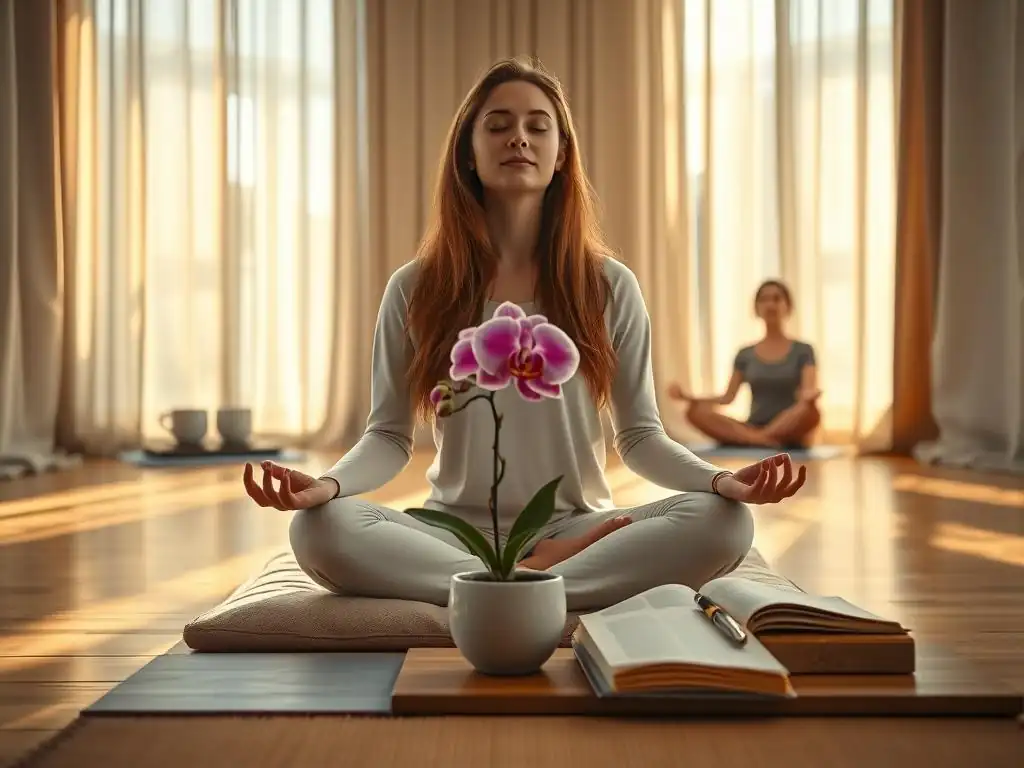
Welcome to Mind Care Guide, a space designed to support your journey towards mental well-being.
Are you feeling overwhelmed or simply looking for a positive shift? This article explores the transformative power of gratitude meditation for mental health. Discover how simple guided practices can reshape your perspective and unlock a deeper sense of peace and contentment. Intrigued? Let's begin.
Practice Gratitude: Simple Guided Meditations to Shift Your Perspective
- The Power of Gratitude Meditation for Mental Health
- Preparing for Your Gratitude Meditation Session
- Guided Gratitude Meditation Scripts and Techniques
- Short Gratitude Meditations for Busy Days
- Deepening Your Gratitude Practice
- Gratitude Meditation for Specific Mental Health Concerns
- Advanced Gratitude Meditation Techniques
- Maintaining a Consistent Gratitude Practice
- The Science Behind Gratitude and Mental Well-being
-
Frequently Asked Questions
- What is gratitude meditation and how does it relate to mental health?
- How can gratitude meditation help with mental health challenges?
- How often should I practice gratitude meditation to see benefits?
- Are there different types of gratitude meditations I can try?
- Where can I find guided gratitude meditations to help me get started?
- Final Reflection: Cultivating Gratitude, Cultivating Wellbeing
- Unlock Inner Peace: Start Your Gratitude Journey Today!
The Power of Gratitude Meditation for Mental Health
Gratitude meditation for mental health is a powerful practice that involves focusing on the things you are thankful for. This isn't just a fleeting positive thought; it's a conscious effort to cultivate a state of appreciation, which can significantly impact your emotional and psychological well-being. By regularly pausing to acknowledge the good in your life, no matter how small, you begin to shift your internal landscape away from negativity and towards a more hopeful outlook. This practice is accessible to everyone, requiring no special equipment or prior experience, just a willingness to open your heart and mind.
The benefits of incorporating gratitude meditation for mental health into your routine are wide-ranging. Studies suggest that individuals who regularly practice gratitude report higher levels of positive emotions, increased life satisfaction, and greater resilience in the face of adversity. For example, research published in the Journal of Personality and Social Psychology in 2003 by Emmons and McCullough found that participants who wrote about gratitude once a week for 10 weeks reported greater optimism and life satisfaction compared to control groups. This simple act of acknowledging blessings appears to rewire the brain, fostering a more positive perspective over time.
Understanding the Benefits of Gratitude Practices
Engaging in regular gratitude practices offers a multitude of benefits for mental well-being. Beyond simply feeling good in the moment, cultivating gratitude can lead to sustained improvements in mood, reduced stress levels, and even better sleep. It helps interrupt cycles of negative rumination and comparison, redirecting your focus towards abundance rather than lack. This shift in perspective can be particularly beneficial for individuals struggling with anxiety or low mood, providing a simple yet effective tool for managing challenging emotions.
Furthermore, practicing gratitude can enhance your ability to cope with stress and trauma. By finding things to be grateful for even during difficult times, you build a psychological buffer that helps you navigate challenges with greater strength and perspective. For instance, a study published in the Journal of Personality and Social Psychology in 2006 found that Vietnam War veterans who reported higher levels of gratitude experienced lower rates of PTSD. This highlights the profound protective effect that a grateful mindset can have on mental resilience.
How Gratitude Meditation Impacts Mental Well-being
Gratitude meditation specifically targets the mind's ability to focus and appreciate. By guiding your attention to specific aspects of your life for which you are thankful, you actively train your brain to seek out and recognize the positive. This process can help to quiet the inner critic and reduce the volume of negative self-talk that often accompanies mental health struggles. The meditative aspect allows for a deeper, more sustained engagement with feelings of gratitude, moving beyond a superficial acknowledgment to a more embodied sense of appreciation.
Regular practice of gratitude meditation for mental health can lead to measurable changes in brain activity. Neuroscientific research suggests that cultivating gratitude can activate areas of the brain associated with reward, social bonding, and emotional regulation, such as the medial prefrontal cortex. This activation can help to strengthen neural pathways associated with positive emotions and reduce activity in areas linked to fear and stress. Over time, this can result in a more stable and positive emotional baseline, making you less susceptible to the dips and valleys of challenging mental states.
Incorporating Gratitude into Daily Life for Enhanced Mental Clarity
Integrating gratitude into your daily routine doesn't require hours of dedication; even small, consistent efforts can yield significant results for mental clarity. Simple practices like identifying three things you are grateful for each morning or evening, or taking a moment to appreciate a simple pleasure like a warm drink or a beautiful sky, can shift your perspective. The key is consistency and intentionality, making the practice a regular part of your day rather than an occasional activity.
Beyond formal meditation, look for opportunities to express gratitude throughout your day. This could involve thanking a colleague for their help, acknowledging the efforts of a loved one, or simply sending a mental note of thanks for a smooth commute. These small acts reinforce your grateful mindset and strengthen your connection to others, further enhancing your mental well-being. Making gratitude a habit helps to clear mental clutter and allows you to approach challenges with a more focused and positive mindset.
Preparing for Your Gratitude Meditation Session
Preparation is key to a meaningful gratitude meditation for mental health. While you can practice gratitude anywhere, creating a dedicated space and setting the right intention can deepen your experience and make the practice more effective. Think of this preparation phase as setting the stage for internal peace and focused appreciation. It's about minimizing distractions and signaling to your mind and body that it's time to slow down and connect with feelings of thankfulness.
Taking a few moments to prepare also helps transition from the busyness of daily life into a more mindful state. This transition is crucial for allowing yourself to fully immerse in the meditation. It helps quiet the external noise and internal chatter, making it easier to access and cultivate feelings of gratitude. Remember, the goal isn't perfection, but creating a supportive environment for your practice.
Creating a Peaceful Environment for Gratitude Practice
Finding or creating a peaceful environment is crucial for a successful gratitude meditation for mental health. This doesn't mean you need a dedicated meditation room; it could be a quiet corner of your home, a spot in a park, or even just ensuring your immediate surroundings are tidy and free from major distractions.
Turn off notifications on your phone, let others in your household know you need a few minutes of quiet time, and minimize potential interruptions. The aim is to create a space where you feel safe, comfortable, and able to focus inward without external demands pulling at your attention.
Consider adding elements that enhance a sense of calm, such as soft lighting, a comfortable cushion or chair, or even a gentle scent from an essential oil diffuser if you find that helpful. While these aren't strictly necessary for gratitude meditation, they can contribute to a more relaxed and conducive atmosphere. The key is to choose a location where you feel at ease and can minimize sensory input that might pull your focus away from your internal experience of gratitude. A consistent location can also help train your mind to enter a meditative state more easily over time.
Setting Intentions for Your Gratitude Meditation
Before you begin your gratitude meditation, take a moment to set a clear intention. This helps to focus your mind and give purpose to your practice. Your intention could be as simple as "To cultivate a feeling of appreciation" or "To notice three things I am grateful for today." Having an intention helps to guide your focus, especially if your mind tends to wander during meditation. It provides a gentle anchor to return to when distractions arise.
Setting an intention also makes the practice more active and meaningful. Instead of just passively going through the motions, you are consciously directing your energy towards a specific outcome – in this case, cultivating gratitude for mental health. You might set an intention to feel more hopeful, to appreciate the small things, or to find gratitude even in challenging circumstances. Articulating this intention, even silently to yourself, can deepen your engagement with the meditation and enhance its positive effects.
Comfortable Posture and Breathing Techniques for Meditation
Finding a comfortable posture is essential for remaining present and focused during gratitude meditation. Whether sitting on a cushion with crossed legs, kneeling, or sitting in a chair with your feet flat on the floor, ensure your spine is relatively straight but relaxed. Your hands can rest comfortably in your lap or on your knees. The goal is to be stable and comfortable enough that your physical body isn't a distraction, allowing you to focus on your breath and feelings of gratitude.
Incorporating simple breathing techniques can also enhance your gratitude meditation for mental health. Start by taking a few deep breaths, inhaling slowly through your nose, filling your belly, and exhaling fully through your mouth or nose. This helps to calm the nervous system and bring you into the present moment. During the meditation, simply allow your breath to flow naturally, noticing its rhythm. You can use your breath as an anchor, returning your attention to it whenever your mind wanders, and then gently redirecting your focus back to your feeling of gratitude.
Guided Gratitude Meditation Scripts and Techniques
Guided gratitude meditation scripts and techniques provide a structured way to cultivate feelings of appreciation. These scripts often lead you through a process of identifying and focusing on specific things, people, or experiences for which you are thankful. They are particularly helpful for beginners or for days when your mind feels scattered, offering a gentle voice to guide your attention. The variety of techniques available means you can find approaches that resonate most deeply with you, making your gratitude practice more engaging and effective for mental health.
Using guided meditations can also help introduce you to different ways of thinking about and experiencing gratitude. Some scripts might focus on sensory details, others on relationships, and some on overcoming challenges. Experimenting with different approaches allows you to explore the breadth of what you can be grateful for and discover which techniques help you access feelings of appreciation most readily. This exploration is part of the journey towards integrating gratitude more fully into your life.
Beginner-Friendly Gratitude Meditation: Focusing on Sensory Awareness
A beginner-friendly approach to gratitude meditation for mental health is to focus on sensory awareness. This technique grounds you in the present moment by inviting you to notice the simple sensory experiences you often take for granted. Find a comfortable seated position, gently close your eyes, and take a few deep breaths. Begin by noticing the sensations in your body – the feeling of the chair beneath you, the clothes on your skin, the air against your face. Acknowledge these sensations with a sense of simple appreciation.
Next, extend your awareness to your other senses. What sounds can you hear? Perhaps the distant hum of traffic, the chirping of birds, or the sound of your own breath. Simply notice these sounds without judgment and feel a sense of gratitude for your ability to hear. What smells are present?
Perhaps the scent of coffee, the outdoors, or nothing distinct – feel grateful for your sense of smell. What tastes linger in your mouth? Appreciate your sense of taste. Finally, if your eyes are closed, recall something visually appealing you saw recently – a beautiful flower, a smile, the sky – and feel grateful for your sense of sight. This simple practice of appreciating your senses can quickly shift your perspective towards the richness of the present moment.
Gratitude Meditation for Overcoming Negative Thoughts
Gratitude meditation can be a powerful tool for navigating and overcoming negative thought patterns. When negative thoughts arise, the practice isn't about ignoring them, but rather about consciously shifting your focus towards something positive. Begin by acknowledging the negative thought without judgment, perhaps saying silently, "I notice a thought about [the negative topic]." Then, gently but firmly, redirect your attention to something you are grateful for. This could be a person, an experience, a quality within yourself, or even a simple comfort like a warm blanket.
Practice returning to your chosen object of gratitude each time a negative thought pulls you away. It's like exercising a muscle; the more you practice redirecting your focus, the stronger your ability to choose where your mind dwells becomes. For example, if you're feeling anxious about the future, you might intentionally focus on gratitude for your current safety, the support of a friend, or your past resilience. This active process of choosing gratitude over negativity helps to weaken the hold of detrimental thought loops and strengthens your ability to cultivate a more positive internal environment.
Guided Imagery: Visualizing Gratitude and Appreciation
Guided imagery is a technique that uses visualization to enhance feelings of gratitude during meditation. Find a relaxed posture and close your eyes. Imagine a warm, golden light filling your body, starting from your feet and slowly rising upwards, bringing with it a feeling of warmth and peace. As the light reaches your heart, imagine it expanding outwards.
Now, bring to mind someone you are deeply grateful for. Visualize their face, their smile, and recall a specific moment when they helped or supported you. Allow yourself to fully feel the warmth and appreciation for this person. As you inhale, imagine breathing in gratitude; as you exhale, send that gratitude back out to them.
Repeat this process, bringing to mind other people you are grateful for, perhaps family, friends, teachers, or even pets. You can also visualize places or experiences that bring you joy and for which you feel thankful, allowing the images and feelings of appreciation to wash over you. This visual approach can make the feeling of gratitude more tangible and deeply felt.
Short Gratitude Meditations for Busy Days

Even on the busiest days, finding a few minutes for gratitude meditation for mental health can make a significant difference. These short practices are designed to be quick and accessible, providing a rapid boost to your mood and perspective without requiring extensive time commitments. The key is to be intentional about carving out these small pockets of time and fully immersing yourself in the practice, even if only for a few minutes.
Incorporating short bursts of gratitude throughout the day can help counteract the stress and pressure of a packed schedule. These mini-meditations act as mental resets, allowing you to pause, breathe, and reconnect with a sense of appreciation before diving back into your tasks. They demonstrate that cultivating gratitude is possible regardless of how hectic your life may seem, reinforcing its value as a practical tool for mental well-being.
5-Minute Gratitude Boost: Quick Meditation for Mental Health
A 5-minute gratitude boost is a perfect way to inject some positivity into a busy day. Find a quiet spot where you won't be disturbed for five minutes. Set a timer if that helps you stay focused. Close your eyes or soften your gaze. Take three deep breaths to center yourself. Then, bring to mind one or two things you are genuinely grateful for right now. This could be something as simple as the comfort of your chair, a recent positive interaction, or the fact that you have access to clean water.
Spend the remaining few minutes silently listing more things you are grateful for, either in your mind or by whispering them softly. Don't overthink it; just let the thoughts flow. Focus on the feeling of gratitude associated with each item. When the timer goes off, take one more deep breath, acknowledge the feeling of appreciation, and gently open your eyes. This brief practice can significantly shift your mood and perspective, reminding you of the good things in your life even amidst chaos.
Bedtime Gratitude Reflection for Peaceful Sleep
Incorporating a short gratitude reflection before bed can promote peaceful sleep and improve overall mental well-being. As you settle into bed, take a few moments to recall three to five things that happened during the day for which you are grateful. These don't have to be monumental events; they can be small moments of kindness, a task completed, a pleasant conversation, or even just a comfortable bed to sleep in.
Focus on the feelings associated with each item of gratitude. Allow yourself to fully experience the warmth, joy, or peace that comes with appreciating these moments. This practice helps to shift your mind away from worries or stressors from the day and towards a more positive and calming state, making it easier to fall asleep. Ending your day with gratitude sets a positive tone and reinforces the habit of noticing the good in your life.
Gratitude Meditation on the Go: Cultivating Mindfulness Anywhere
Cultivating gratitude meditation for mental health doesn't require sitting still in a quiet room; you can practice gratitude on the go. During your commute, waiting in line, or taking a walk, take a moment to pause and notice something around you that you can appreciate. This could be the beauty of nature, the efficiency of public transport, the architecture of a building, or even just the feeling of the sun on your skin.
Engage your senses and find something specific to be grateful for in that moment. For instance, while walking, feel grateful for your body's ability to move, the fresh air you're breathing, or the sight of a vibrant flower. This informal practice of finding gratitude in your immediate environment helps to keep you present and can turn mundane moments into opportunities for positive reflection, enhancing your mental clarity throughout the day.
Deepening Your Gratitude Practice
Once you've established a regular gratitude meditation for mental health routine, you might wish to deepen your practice. This involves exploring complementary techniques and expanding your understanding and expression of gratitude beyond formal meditation sessions. Deepening your practice can lead to a more profound and integrated sense of appreciation that permeates various aspects of your life, further enhancing your mental and emotional resilience.
Exploring different avenues for expressing and cultivating gratitude helps to solidify the practice as a core component of your well-being strategy. It moves beyond a simple exercise to become a way of seeing the world and interacting with others. This deeper engagement can unlock even greater benefits for your mental health, fostering stronger connections and a more optimistic outlook.
Gratitude Journaling: Complementing Meditation for Mental Wellness
Gratitude journaling is an excellent complement to gratitude meditation for mental health. While meditation cultivates a feeling of gratitude in the moment, journaling allows you to reflect more deeply and create a tangible record of the things you appreciate. Setting aside a few minutes each day or week to write down what you are grateful for can provide valuable insights and reinforce your grateful mindset. Studies, like one published in the Journal of Personality and Social Psychology in 2003, have shown that participants who kept gratitude journals reported greater optimism and fewer physical symptoms.
Your journal entries can be brief, simply listing three to five things, or more detailed, exploring why you are grateful for specific people, experiences, or opportunities. The act of writing helps to solidify the feeling of gratitude and provides a resource to look back on during challenging times. Reviewing past entries can be a powerful reminder of the good in your life and a source of comfort and perspective when faced with adversity.
Expressing Gratitude to Others: Strengthening Connections
Expressing gratitude directly to others is a powerful way to deepen your practice and strengthen your social connections, which are vital for mental health. Don't just feel grateful; voice it. Take the time to thank people in your life – friends, family, colleagues, or even strangers who perform small acts of kindness. A sincere "thank you" can brighten someone else's day and reinforce your own feeling of appreciation.
Consider writing a gratitude letter to someone who has made a significant positive impact on your life but whom you haven't properly thanked. Research by Seligman et al. (2005) published in the American Psychological Association journal found that participants who wrote and delivered a gratitude letter experienced significant increases in happiness scores for up to a month. This demonstrates the profound impact that expressing gratitude can have, not only on the recipient but also on your own well-being. Making a conscious effort to express gratitude regularly fosters stronger relationships and a greater sense of belonging.
Overcoming Challenges in Gratitude Meditation: Tips and Solutions
It's natural to encounter challenges when trying to maintain a regular gratitude meditation for mental health practice. You might find your mind wandering constantly, feel cynical or resistant to the idea of gratitude, or struggle to think of things to be grateful for, especially during difficult periods. Acknowledge these challenges without judgment; they are a normal part of the process. If your mind wanders, gently guide it back to your chosen focus of gratitude without self-criticism.
If you feel resistant or cynical, start small. Try finding gratitude for the most basic things – your breath, a warm place to sit, access to water. Don't force feelings you don't genuinely have. Consistency is more important than intensity.
If you struggle to find things to be grateful for, try shifting your perspective. Instead of focusing on what you lack, consider what you have, even if it feels minimal. Looking at challenges from a different angle, perhaps seeing them as opportunities for growth, can sometimes reveal hidden reasons for gratitude. Be patient and compassionate with yourself as you navigate these challenges.
Gratitude Meditation for Specific Mental Health Concerns
Gratitude meditation for mental health is not a cure-all, but it can be a valuable complementary tool for managing specific mental health concerns such as anxiety, depression, and low resilience. By cultivating a grateful mindset, individuals can build internal resources that help them cope with symptoms and foster a more positive outlook. The practice helps to interrupt negative thought spirals and redirect attention towards positive aspects of life, offering moments of relief and hope.
It's important to remember that gratitude meditation should be used in conjunction with professional help for serious mental health conditions. However, integrating gratitude practices can significantly enhance the effectiveness of therapy and other treatments by building psychological strength and promoting emotional regulation. It empowers individuals by giving them an active role in managing their mental well-being.
Gratitude Meditation for Anxiety Relief
For individuals experiencing anxiety, gratitude meditation for mental health can provide a calming anchor in the present moment. Anxiety often pulls the mind into worrying about the future or rehashing past events. Focusing on gratitude helps to ground you in the here and now by directing your attention to concrete things you can appreciate. During an anxious moment, take a few deep breaths and deliberately bring to mind something simple you are grateful for, like the feeling of solid ground beneath your feet, the steady rhythm of your breath, or the comfort of a familiar object.
This conscious shift in focus can help to interrupt the anxious thought loop. Regularly practicing gratitude meditation builds your capacity to redirect your attention away from worries and towards more positive anchors. For example, if you feel overwhelmed by future uncertainties, practice gratitude for your current safety, your inner strength, or the support system you have. This doesn't erase the anxiety, but it provides moments of relief and helps you build resilience against its intensity.
Gratitude Meditation for Depression Management
When managing depression, finding motivation or positive feelings can be incredibly challenging. Gratitude meditation for mental health is not about forcing happiness, but about gently opening to the possibility of noticing small pockets of light. Start very small when practicing gratitude during periods of low mood. You might be grateful for simply waking up, for a ray of sunlight, for the basic necessities of shelter or food. Avoid comparing your level of gratitude to others; your experience is valid.
Focus on acknowledging these small things without pressure to feel intensely happy about them. The practice is about noticing, not forcing. Over time, this consistent noticing of small positives can help to gradually shift your perspective and build a sense of hope. For example, if you're struggling with low energy, you might find gratitude for a moment of rest, or for a simple task you managed to complete. It's about finding small wins to appreciate, which can slowly build momentum towards a more positive state.
Building Resilience with Gratitude Practices
Gratitude is a cornerstone of resilience. By regularly acknowledging the good things in your life, you build a psychological reservoir that helps you navigate adversity more effectively. When faced with challenges, a grateful mindset allows you to see beyond the immediate difficulty and appreciate the resources, support, and inner strength you possess. Gratitude meditation for mental health helps cultivate this inner strength by reinforcing positive neural pathways.
Consider a difficult situation; while you may not be grateful for the challenge itself, you can find gratitude for the lessons learned, the support received, or your own capacity to endure. This perspective shift doesn't diminish the difficulty of the challenge but empowers you by highlighting your ability to cope and grow. Research, such as studies on post-traumatic growth, suggests that finding meaning and appreciating life more deeply are common outcomes for individuals who demonstrate resilience after trauma, and gratitude plays a significant role in this process.
Advanced Gratitude Meditation Techniques

As you become more comfortable with basic gratitude meditation for mental health, you can explore more advanced techniques that expand the scope of your practice. These methods often involve extending gratitude outwards to others, integrating it into broader mindfulness practices, and weaving it into your long-term strategy for maintaining mental well-being. These advanced techniques can deepen your connection to yourself and the world around you, fostering a more profound sense of peace and contentment.
Moving beyond personal gratitude allows you to cultivate a more universal sense of appreciation. This can be particularly beneficial for fostering empathy, compassion, and a sense of interconnectedness. Exploring these advanced techniques can transform gratitude from a personal practice into a way of being in the world, enriching your mental and emotional life significantly.
Loving-Kindness Meditation with Gratitude
Loving-kindness meditation (Metta) can be beautifully combined with gratitude meditation for mental health. This practice involves cultivating feelings of warmth, compassion, and kindness towards yourself and others. You can integrate gratitude by first directing loving-kindness towards yourself, perhaps feeling grateful for your body, your mind, or your efforts. Then, extend loving-kindness and gratitude outwards to people you care about, appreciating their presence and positive impact on your life.
Next, extend loving-kindness and gratitude to neutral individuals, people you don't have strong feelings about, finding small things to appreciate about their existence or role in the community. Finally, extend loving-kindness and gratitude to difficult people, recognizing their shared humanity and perhaps appreciating the lessons learned from challenging interactions, however difficult that may be. This practice expands your capacity for both love and appreciation, fostering a deeper sense of connection and empathy.
Expanding Gratitude Beyond Yourself
Expanding gratitude beyond personal experiences and relationships is a key aspect of advanced gratitude meditation for mental health. This involves cultivating appreciation for broader aspects of life, such as the natural world, the resources available to you (like clean water or electricity), the complex systems that support society, or even abstract concepts like knowledge, art, or peace. Take time during your meditation to reflect on these larger elements and feel a sense of awe and appreciation for them.
Consider the interconnectedness of things. Be grateful for the farmers who grew your food, the engineers who built the bridges you cross, or the scientists who developed life-saving medicines. This practice helps to reduce feelings of isolation and fosters a sense of belonging to a larger community and the planet itself. For example, spending a few minutes appreciating the intricate beauty of a single leaf or the vastness of the night sky can evoke a powerful sense of gratitude for the wonders of the universe.
Integrating Gratitude into Your Long-Term Mental Health Strategy
Integrating gratitude into your long-term mental health strategy means making it a consistent and integral part of your overall well-being plan, not just a temporary fix. This involves scheduling regular gratitude meditation for mental health sessions, incorporating gratitude journaling, and actively looking for opportunities to express gratitude throughout your day. It's about cultivating a grateful mindset that becomes a default way of viewing the world, rather than an effortful practice.
Consider how gratitude can support other aspects of your mental health journey, such as stress management, building healthy relationships, and setting personal goals. A grateful perspective can help you appreciate progress, find joy in the process, and maintain motivation. For instance, when working towards a goal, be grateful for the opportunity to learn and grow, even during setbacks. Making gratitude a core pillar of your mental health approach builds lasting resilience and promotes a more fulfilling life.
Maintaining a Consistent Gratitude Practice
Consistency is paramount when it comes to reaping the full benefits of gratitude meditation for mental health. Like any skill, cultivating gratitude requires regular practice to become ingrained. While daily practice is ideal, finding a rhythm that works for you – perhaps three to five times a week – is more important than aiming for perfection and falling short. Establishing a routine helps to make gratitude a natural part of your day.
Maintaining consistency also involves being mindful of potential barriers and proactively addressing them. Life happens, and there will be days when finding time or feeling grateful feels difficult. Having strategies in place for these moments, such as shorter meditations or leaning on support systems, can help you stay on track and ensure your gratitude practice remains a reliable source of support for your mental well-being.
Tracking Your Progress and Celebrating Milestones
Tracking your progress in gratitude meditation for mental health can provide motivation and a sense of accomplishment. While gratitude isn't a quantifiable metric in the same way as physical fitness, you can track the consistency of your practice or note qualitative changes in your mood, perspective, or ability to cope with stress. This could be as simple as marking off days on a calendar when you meditate or making brief notes in a journal about how you felt after a session.
Celebrate milestones in your practice, no matter how small. Completing a week of daily gratitude meditations, successfully using gratitude to navigate a stressful situation, or simply remembering to pause and appreciate something during a busy day are all achievements worth acknowledging. Celebrating these small victories reinforces the positive habit and encourages you to continue your practice, further solidifying its benefits for your mental health.
Finding an Accountability Partner for Gratitude
Finding an accountability partner can significantly help maintain consistency in your gratitude meditation for mental health practice. This could be a friend, family member, or fellow meditator who shares your goal of cultivating gratitude. Check in with each other regularly to share your experiences, discuss challenges, and offer encouragement. Knowing that someone is expecting you to practice can provide that extra push on days when motivation is low.
Sharing your gratitude journey with someone else also fosters connection and mutual support, which are inherently beneficial for mental well-being. You can swap tips, recommend resources, and celebrate each other's progress. For instance, you might agree to text each other three things you're grateful for each evening. This shared commitment makes the practice feel less like a solitary task and more like a supportive joint effort.
Resources for Continued Learning and Support in Gratitude Meditation
There are numerous resources available to support your continued learning and practice of gratitude meditation for mental health. Explore meditation apps that offer guided gratitude meditations (many offer free basic versions). Look for books or articles on the science and practice of gratitude. Consider joining a local meditation group or finding online communities focused on mindfulness and gratitude.
Many mental health organizations and wellness websites also offer free resources, scripts, and tips for incorporating gratitude into your life. For example, websites like the Greater Good Science Center at UC Berkeley provide extensive articles and research on the benefits of gratitude and practical ways to cultivate it. Utilizing these resources can keep your practice fresh, provide new insights, and connect you with a supportive network, ensuring that gratitude remains a vibrant and effective tool for your mental health journey.
The Science Behind Gratitude and Mental Well-being
The positive impact of gratitude meditation for mental health is not just anecdotal; it is increasingly supported by scientific research. Studies across various disciplines, including psychology, neuroscience, and even health sciences, are shedding light on how gratitude affects our brains, bodies, and overall well-being. Understanding the science can deepen your appreciation for the practice and provide further motivation to make it a regular part of your life.
This scientific validation reinforces the idea that gratitude is more than just a pleasant feeling; it is a powerful psychological tool with measurable effects. Exploring the research helps to demystify the practice and underscores its potential as a valuable component of a comprehensive mental health strategy. It highlights the tangible ways in which cultivating appreciation can lead to lasting positive change.
Research on the Positive Effects of Gratitude
Extensive research has documented the positive effects of gratitude on various aspects of mental and emotional health. Studies consistently show correlations between higher levels of gratitude and increased happiness, optimism, and life satisfaction. For example, a meta-analysis of multiple studies published in the Journal of Happiness Studies in 2017 found a significant positive association between gratitude and subjective well-being.
Beyond positive emotions, research indicates that gratitude can reduce symptoms of depression and anxiety. A study published in the Journal of Consulting and Clinical Psychology in 2016 found that gratitude predicted lower levels of anxiety and depression among individuals with chronic illness. Furthermore, studies have shown that grateful individuals report higher levels of resilience and better coping mechanisms when faced with stressful life events, demonstrating the protective power of a grateful mindset.
Gratitude's Impact on Brain Chemistry and Function
Neuroscientific studies are beginning to uncover how gratitude impacts brain chemistry and function, providing a biological basis for its positive effects on mental health. Research suggests that practicing gratitude can influence activity in brain regions associated with reward, morality, and social cognition, such as the medial prefrontal cortex and the ventral striatum. These areas are involved in processing positive emotions, making decisions, and understanding social interactions.
Furthermore, cultivating gratitude may influence neurotransmitter systems. Some studies suggest a link between gratitude and increased levels of dopamine and serotonin, neurotransmitters associated with pleasure, motivation, and mood regulation. While more research is needed to fully understand these complex interactions, the evidence points towards gratitude having a tangible impact on brain function that supports improved mental well-being. For example, functional MRI studies have shown altered brain activity patterns when individuals engage in grateful thinking.
Gratitude's Influence on Neuroplasticity and Mental Health
Gratitude meditation for mental health also appears to leverage the principle of neuroplasticity – the brain's ability to reorganize itself by forming new neural connections throughout life. By consistently directing your attention to positive aspects of your life and cultivating feelings of appreciation, you are actively strengthening neural pathways associated with positive emotions, resilience, and well-being. Conversely, this process can help to weaken pathways associated with negative thought patterns, worry, and stress.
Think of it like carving a path through a forest; the more you walk a particular path, the clearer and easier it becomes to traverse. Similarly, the more you practice gratitude, the more effortless it becomes for your brain to access and maintain a grateful perspective. This neuroplastic change contributes to long-term improvements in mood, reduced reactivity to stress, and enhanced overall mental health, making gratitude a powerful tool for shaping your brain for the better.
Frequently Asked Questions
What is gratitude meditation and how does it relate to mental health?
Gratitude meditation is a practice that involves focusing on and appreciating the positive aspects of your life. This practice is linked to improved mental health by reducing stress and boosting overall well-being.
How can gratitude meditation help with mental health challenges?
It can help by shifting your focus away from negative thoughts and promoting feelings of hope and optimism. Regularly practicing gratitude meditation can build resilience against stress and anxiety.
How often should I practice gratitude meditation to see benefits?
Even short, regular sessions can be beneficial. Aim for at least 5-10 minutes of gratitude meditation several times a week to experience noticeable improvements.
Are there different types of gratitude meditations I can try?
Yes, many variations exist. Some involve focusing on specific things you're grateful for, while others involve visualizing positive experiences or writing in a gratitude journal. Experiment to find what works best for you.
Where can I find guided gratitude meditations to help me get started?
Many resources are available online, including apps, websites (like Mind Care Guide), and videos. Look for guided meditations specifically designed to cultivate gratitude and promote mental well-being.
Final Reflection: Cultivating Gratitude, Cultivating Wellbeing
The practice of gratitude isn't merely a fleeting trend; it's a powerful tool for navigating the complexities of modern life and fostering genuine mental wellbeing. In a world often characterized by relentless striving and a constant pursuit of "more," consciously cultivating gratitude offers a potent antidote to anxiety, stress, and negativity. This article explored simple guided meditation techniques designed to help you access and amplify the positive emotions inherent in appreciating the present moment.
The impact of gratitude on our cultural landscape is undeniable, slowly but surely shifting the focus from material acquisition to inner peace. We are increasingly recognizing the limitations of a solely achievement-oriented mindset and seeking alternative paths to happiness. The rise in popularity of mindfulness practices, including gratitude meditations, reflects this societal shift. Gratitude makes sense of our past, brings peace for today, and creates a vision for tomorrow.
– Melody Beattie. This quote perfectly encapsulates the transformative power of gratitude, not just as a feeling, but as a framework for living a more fulfilling life.
Now, I invite you to consider how you can integrate these simple yet profound practices into your daily routine. Begin with just five minutes of mindful appreciation – for the warmth of the sun on your skin, the taste of your morning coffee, the love of a pet, or the simple act of breathing. Let this be your starting point, a seed of gratitude planted in the fertile ground of your mind. Nurture it, watch it grow, and experience the profound and lasting benefits that a life lived with gratitude can bring.
Unlock Inner Peace: Start Your Gratitude Journey Today!
Thank you for taking the time to explore the power of gratitude with us! We hope you gained valuable insights into how simple practices can significantly shift your perspective and boost your well-being. Ready to cultivate more positivity in your life?
- Begin your daily gratitude practice: Start with a 5-minute guided meditation – even a few minutes can make a difference. Imagine the positive energy flowing through you.
- Share your gratitude: Tell a loved one what you appreciate about them. You might be surprised by the positive ripple effect.
- Explore our other resources: Discover additional practices and techniques on our site to deepen your journey.
What small act of gratitude will you commit to today to brighten your day and the lives of those around you?