
The Role of Protein: Stabilizing Mood Through Balanced Meals


Welcome to Mind Care Guide, a sanctuary for your mental well-being. Are you searching for a way to naturally uplift your spirits and find stability amidst life's challenges? Perhaps the answer lies in your plate. Dive into our insightful article, " The Role of Protein: Stabilizing Mood Through Balanced Meals," and discover how incorporating protein stabilize mood meals can profoundly impact your emotional landscape. Uncover the connection between nutrition and mood, and embark on a journey towards a happier, healthier you. What if a simple shift in diet could unlock a brighter outlook?
- Introduction: Understanding the Link Between Diet and Mood
- Protein's Role in Mood Regulation: A Scientific Overview
- The Science Behind Protein Stabilize Mood Meals
- Creating Protein-Rich Meals for Mood Stability
- The Benefits of Balanced Meals: Beyond Protein
- Protein and Specific Mood Disorders: Addressing Depression and Anxiety
- Practical Tips for Maintaining a Protein-Rich Diet
- Debunking Protein Myths: Separating Fact from Fiction
- Conclusion: Empowering Your Mood Through Protein-Rich, Balanced Nutrition
-
Frequently Asked Questions
- What is the connection between protein and mood stability?
- How can protein stabilize mood?
- What are some examples of "Protein stabilize mood meals" I can incorporate into my diet?
- How much protein do I need to consume daily for mood stabilization?
- Besides diet, what other factors contribute to mood stability?
- Final Reflection: Nourishing the Mind, One Balanced Meal at a Time
- Unlock Your Mood's Potential: Nourish Your Well-being
Introduction: Understanding the Link Between Diet and Mood
The Importance of Nutrition for Mental Well-being
The connection between what we eat and how we feel is profound and well-documented in scientific literature. Our brains require a steady supply of nutrients to function optimally, producing the neurotransmitters and hormones that regulate our moods, energy levels, and cognitive abilities. A diet rich in whole foods—including lean proteins, complex carbohydrates, healthy fats, vitamins, and minerals—provides the necessary building blocks for robust mental health. Conversely, diets high in processed foods, refined sugars, and unhealthy fats have been linked to increased risks of mood disorders, including depression and anxiety.
Research consistently highlights the role of comprehensive nutrition in supporting emotional resilience. For instance, studies have shown that adherence to dietary patterns like the Mediterranean diet, which emphasizes fruits, vegetables, whole grains, legumes, nuts, seeds, and olive oil, along with moderate amounts of fish and poultry, is associated with a lower incidence of depressive symptoms. This underscores that focusing on overall dietary quality, not just single nutrients, is crucial for fostering a stable and positive mood. Ensuring adequate intake of essential nutrients sets the stage for better mental well-being, providing a foundation upon which other lifestyle factors can build.
How Protein Impacts Brain Function and Emotional Stability
Protein is far more than just fuel for muscles; it plays a critical role in the complex machinery of the brain. Composed of amino acids, protein provides the precursors needed to synthesize key neurotransmitters—chemical messengers that transmit signals between nerve cells. These neurotransmitters, such as serotonin, dopamine, and norepinephrine, are vital for regulating mood, sleep, appetite, and cognitive functions. Without sufficient protein intake, the brain's ability to produce these crucial chemicals can be compromised, potentially leading to imbalances that affect emotional stability.
Furthermore, protein influences blood sugar regulation, a factor intricately linked to mood swings and energy levels. Consuming protein as part of a balanced meal helps slow the absorption of carbohydrates, preventing rapid spikes and subsequent crashes in blood glucose. This steady release of energy helps maintain consistent mood and avoids the irritability, fatigue, and difficulty concentrating often associated with unstable blood sugar. Therefore, integrating protein into meals is a strategic way to promote balanced energy and emotional states throughout the day, contributing to overall mental resilience.
Protein's Role in Mood Regulation: A Scientific Overview
Amino Acids: The Building Blocks of Protein and Neurotransmitters
Proteins are large, complex molecules made up of smaller units called amino acids. There are 20 different amino acids commonly found in proteins, nine of which are considered "essential" because the human body cannot produce them and must obtain them through diet. These amino acids are not only vital for building and repairing tissues but also serve as direct precursors for many neurotransmitters that govern mood and behavior. For example, the amino acid tryptophan is the precursor for serotonin, while tyrosine is essential for the synthesis of dopamine and norepinephrine.
Once protein is consumed and digested, it is broken down into individual amino acids, which are then absorbed into the bloodstream and transported to various parts of the body, including the brain. The availability of these specific amino acids in the brain directly impacts the rate at which neurotransmitters are produced. Ensuring a consistent supply of a variety of amino acids through dietary protein intake is therefore fundamental to supporting healthy neurotransmitter levels and, consequently, stable mood. This metabolic pathway highlights the direct biochemical link between eating protein and brain chemistry.
Neurotransmitters and Mood: Serotonin, Dopamine, and Norepinephrine
Serotonin, often referred to as the "feel-good" neurotransmitter, plays a significant role in regulating mood, sleep, appetite, digestion, learning ability, and memory. Low levels of serotonin are frequently associated with symptoms of depression and anxiety. Dopamine is central to the brain's reward system, influencing motivation, pleasure, and motor control. Imbalances in dopamine are implicated in conditions like depression, addiction, and Parkinson's disease. Norepinephrine, also known as noradrenaline, affects alertness, arousal, attention, and the body's fight-or-flight response. It plays a role in mood regulation, and low levels can contribute to fatigue and difficulty concentrating.
The intricate balance and interplay between these neurotransmitters are essential for maintaining emotional stability. When their synthesis, release, or uptake is disrupted, it can lead to significant shifts in mood and behavior. For instance, studies have shown that individuals with depression often exhibit lower levels of serotonin activity. Similarly, fluctuations in dopamine pathways can affect motivation and the ability to experience pleasure. Supporting the healthy function of these neurotransmitter systems through adequate nutrient intake, including the necessary amino acid precursors from protein, is a key strategy for promoting balanced mood.
The Connection Between Protein Intake and Neurotransmitter Synthesis
The synthesis of key mood-regulating neurotransmitters like serotonin, dopamine, and norepinephrine is directly dependent on the availability of specific amino acids derived from dietary protein. For instance, tryptophan, an essential amino acid found in foods like turkey, chicken, fish, eggs, dairy, nuts, and seeds, is converted into 5-hydroxytryptophan (5-HTP) and then into serotonin. Similarly, tyrosine, an amino acid abundant in protein-rich foods such as meat, poultry, fish, and dairy, is the precursor for both dopamine and norepinephrine.
Consuming adequate amounts of protein ensures that the body has a sufficient pool of these necessary amino acids to support optimal neurotransmitter production. While the transport of some amino acids across the blood-brain barrier can be competitive, strategic protein intake, especially when combined with other nutrients, can help facilitate the uptake of key precursors. This biochemical relationship underscores why incorporating protein into your meals is a foundational step in supporting the brain's ability to regulate mood effectively and contributes to the goal of using protein stabilize mood meals.
The Science Behind Protein Stabilize Mood Meals
Understanding the Glycemic Index and Its Impact on Mood Swings
The Glycemic Index (GI) is a value assigned to foods based on how quickly they cause a rise in blood sugar levels after consumption. High-GI foods, such as white bread, sugary drinks, and refined snacks, are rapidly digested and absorbed, leading to a sharp spike in blood glucose followed by a rapid decline. This roller coaster effect on blood sugar can significantly impact mood, often resulting in irritability, fatigue, difficulty concentrating, and increased anxiety as blood sugar levels crash. These fluctuations are essentially biological stressors that the body and brain react to.
Conversely, low-GI foods, including most vegetables, fruits, legumes, and whole grains, are digested and absorbed more slowly, leading to a gradual and sustained release of glucose into the bloodstream. This stable blood sugar level provides a consistent energy supply to the brain and body, preventing the dramatic peaks and valleys associated with high-GI foods. Understanding the GI helps in making dietary choices that promote stable energy and mood throughout the day, avoiding the disruptive effects of blood sugar volatility.
How Protein Helps Regulate Blood Sugar Levels
Protein plays a crucial role in moderating the body's glycemic response to food. When protein is consumed alongside carbohydrates, it slows down the rate at which the stomach empties and the speed at which sugars are absorbed into the bloodstream. This results in a more gradual and sustained rise in blood glucose levels compared to eating carbohydrates alone. This buffering effect is particularly pronounced when protein is paired with high-GI carbohydrates, effectively lowering the overall glycemic impact of the meal.
By promoting a slower, more controlled release of glucose, protein helps prevent the sharp blood sugar spikes and subsequent crashes that can trigger negative mood states. This stabilizing effect contributes significantly to maintaining consistent energy levels and emotional balance throughout the day. Including protein in every meal and snack is a practical strategy to leverage this blood sugar-regulating benefit, making protein stabilize mood meals a cornerstone of a diet focused on mental well-being.
Preventing Mood Crashes Through Balanced Protein Intake
Mood crashes, often characterized by sudden feelings of fatigue, irritability, or low mood, are frequently linked to unstable blood sugar levels. Consuming meals that lack adequate protein and healthy fats, especially those high in refined carbohydrates, can lead to rapid blood sugar spikes followed by precipitous drops. These drops can trigger the release of stress hormones like cortisol and adrenaline, which further exacerbate negative feelings and contribute to anxiety or irritability.
Incorporating protein into every meal helps create balanced meals that promote stable blood sugar. For example, pairing toast (carbohydrate) with eggs or avocado (protein/fat) rather than just jam can significantly alter the glycemic response. This sustained energy supply from protein-rich meals prevents the dips that can lead to mood crashes, helping individuals maintain a more even keel emotionally and energetically throughout the day. This proactive approach to meal planning is key to using protein stabilize mood meals effectively.
Creating Protein-Rich Meals for Mood Stability

Incorporating Protein into Breakfast, Lunch, and Dinner
Starting the day with protein is particularly beneficial for setting a stable foundation for blood sugar and mood. A breakfast containing protein, such as eggs, Greek yogurt, or a protein smoothie, helps prevent the mid-morning slump and reduces cravings for sugary snacks. This sustained energy release supports focus and emotional resilience through the early part of the day. Skipping breakfast or consuming only refined carbohydrates can lead to rapid blood sugar fluctuations that negatively impact mood.
Lunch and dinner provide further opportunities to anchor meals with protein. Aim for a palm-sized portion of protein at each main meal. This could be grilled chicken or fish, lentils in a soup or salad, tofu in a stir-fry, or beans in a chili. Pairing this protein source with complex carbohydrates like whole grains or vegetables and healthy fats ensures a balanced meal that promotes satiety and sustained energy, preventing the afternoon or evening crash that can affect mood and willpower. Consistent protein intake throughout the day is key to maintaining stable mood levels.
High-Quality Protein Sources: Animal and Plant-Based Options
High-quality protein sources provide all the essential amino acids necessary for optimal health and neurotransmitter synthesis. Animal sources are considered complete proteins, meaning they contain all nine essential amino acids in sufficient quantities. Examples include:
- Lean meats (chicken breast, turkey)
- Fish (salmon, tuna, cod)
- Eggs
- Dairy products (milk, yogurt, cheese)
Plant-based protein sources can also provide complete protein, often when combined strategically, or some are complete on their own. Including a variety ensures a full spectrum of amino acids. Examples include:
- Legumes (lentils, beans, chickpeas)
- Tofu, tempeh, edamame
- Quinoa
- Nuts and seeds
- Certain plant-based protein powders (e.g., soy, pea, rice blends)
Choosing a mix of these sources ensures you are getting a diverse range of amino acids and other beneficial nutrients, supporting not only protein needs but overall nutritional health crucial for mood stability.
Sample Protein-Rich Meal Plans for Mood Enhancement
Designing protein stabilize mood meals involves structuring your day around balanced meals and snacks. Here is a simple template:
- Breakfast: Greek yogurt with berries and a sprinkle of nuts, OR scrambled eggs with spinach and whole-grain toast, OR oatmeal made with milk and topped with seeds.
- Mid-Morning Snack (if needed): A handful of almonds, OR a hard-boiled egg, OR cottage cheese with fruit.
- Lunch: Lentil soup with a side salad and whole-grain bread, OR grilled chicken or fish salad with mixed greens and olive oil dressing, OR a bean and vegetable burrito bowl with quinoa.
- Mid-Afternoon Snack (if needed): Apple slices with peanut butter, OR a small protein shake, OR edamame.
- Dinner: Baked salmon with roasted vegetables (like broccoli and sweet potato), OR chicken stir-fry with plenty of vegetables and brown rice, OR lentil curry with quinoa.
This structure emphasizes protein at each eating occasion, combined with fiber-rich carbohydrates and healthy fats, to promote stable blood sugar and sustained energy, thereby supporting consistent mood throughout the day.
The Benefits of Balanced Meals: Beyond Protein
The Role of Complex Carbohydrates in Mood Regulation
While the focus is on protein stabilize mood meals, complex carbohydrates are equally vital components of a mood-supportive diet. Unlike simple sugars, complex carbohydrates found in whole grains, vegetables, and legumes are digested slowly, providing a steady release of glucose into the bloodstream. This sustained energy supply is crucial for brain function and helps prevent the energy crashes and mood swings associated with rapid blood sugar fluctuations. Furthermore, complex carbohydrates, particularly whole grains, are good sources of B vitamins, which are essential for energy metabolism and neurotransmitter production.
The slow digestion of complex carbohydrates also supports the uptake of tryptophan into the brain. While protein provides tryptophan, consuming carbohydrates alongside protein can help facilitate its transport across the blood-brain barrier by influencing insulin release. Insulin helps clear other amino acids from the bloodstream into muscle cells, reducing competition for entry into the brain and making it easier for tryptophan to pass through. This synergy between complex carbs and protein highlights why balanced meals are more effective for mood stability than focusing on a single macronutrient.
Healthy Fats: Essential for Brain Function and Mood
Healthy fats, particularly omega-3 fatty acids, are critical for brain structure and function. The brain is composed of a high percentage of fat, and omega-3s, such as EPA and DHA, are integral components of brain cell membranes. These fats play a role in cell communication, reduce inflammation (which is increasingly linked to mood disorders), and support the production of neurotransmitters. Studies have shown that individuals with higher intakes of omega-3s tend to have a lower risk of depression and anxiety.
Sources of healthy fats include fatty fish (salmon, mackerel, sardines), flaxseeds, chia seeds, walnuts, avocados, and olive oil. Including these fats in your balanced meals provides the necessary lipids to support neuronal health and communication, contributing to cognitive function and emotional resilience. Combining protein, complex carbohydrates, and healthy fats in each meal creates a nutrient-dense synergy that optimizes brain health and supports stable mood.
Micronutrients: Vitamins and Minerals That Support Mental Health
Beyond macronutrients like protein, carbohydrates, and fats, a spectrum of vitamins and minerals plays indispensable roles in brain function and mood regulation. B vitamins (B1, B6, B12, folate) are crucial for energy metabolism, neurotransmitter synthesis, and nerve function. Deficiencies in these vitamins have been associated with fatigue, irritability, and depression. Vitamin D receptors are found throughout the brain, and low levels have been linked to mood disorders; it plays a role in serotonin production.
Minerals like magnesium are involved in hundreds of enzymatic reactions, including those that regulate neurotransmitter function and stress response. Iron is essential for oxygen transport to the brain and energy production; iron deficiency can lead to fatigue and low mood. Zinc is involved in neurotransmitter signaling and brain plasticity. Ensuring adequate intake of these micronutrients through a varied diet rich in fruits, vegetables, whole grains, and protein sources provides comprehensive support for mental well-being, complementing the benefits of protein stabilize mood meals.
Protein and Specific Mood Disorders: Addressing Depression and Anxiety
Protein Intake for Depression: Recommendations and Considerations
While diet is not a standalone cure for depression, optimizing nutrient intake can be a valuable part of a comprehensive treatment plan. Adequate protein intake is particularly relevant due to its role in synthesizing mood-regulating neurotransmitters like serotonin and dopamine, which are often dysregulated in individuals with depression. Ensuring a consistent supply of the necessary amino acid precursors can support the brain's capacity to produce these chemicals. General recommendations often suggest consuming approximately 0.8 to 1.0 grams of protein per kilogram of body weight per day, distributed throughout meals.
For individuals with depression, focusing on high-quality protein sources combined with complex carbohydrates and healthy fats in balanced meals helps stabilize blood sugar, preventing the energy dips that can exacerbate feelings of fatigue and low mood. For example, instead of a sugary pastry for breakfast, choosing eggs and whole-grain toast provides sustained energy. While research directly linking specific protein amounts to depression severity is ongoing, ensuring nutritional adequacy is a fundamental step in supporting overall brain health and resilience.
Protein Intake for Anxiety: Tailoring Your Diet
Anxiety can manifest in various ways, and dietary strategies can help manage some symptoms, particularly those related to blood sugar fluctuations and nutrient deficiencies. Unstable blood sugar can trigger the release of stress hormones, potentially increasing feelings of nervousness or panic. Consuming protein as part of balanced meals helps mitigate these blood sugar swings, providing a calming effect and reducing the physiological stress response. Protein stabilize mood meals are therefore beneficial for managing anxiety symptoms related to energy dips.
Additionally, some amino acids derived from protein have specific calming effects. For instance, L-theanine, an amino acid found primarily in green tea, has been shown to promote relaxation without causing drowsiness. While not a direct protein component in the same way as tryptophan or tyrosine, the focus on amino acids highlights the broader impact of protein-rich foods and related compounds on the nervous system. Tailoring your diet to include regular, protein-rich meals and snacks can help maintain stable energy and blood sugar, creating a more stable internal environment less prone to anxiety spikes.
Potential Interactions with Medications
It is crucial to understand that dietary changes, including increasing protein intake, should complement, not replace, prescribed medications or therapy for mood disorders. While dietary adjustments can be supportive, they are typically part of a broader treatment strategy. For individuals taking certain medications, such as MAO inhibitors (a type of antidepressant), specific dietary restrictions regarding foods high in tyramine (an amino acid derivative) may apply. Some protein-rich foods, particularly aged or fermented ones, can be high in tyramine.
Therefore, before making significant changes to your diet, especially if you are on medication for depression, anxiety, or any other health condition, it is essential to consult with your doctor or a registered dietitian. They can provide personalized guidance based on your specific health needs, current medications, and dietary requirements, ensuring that your approach to using protein stabilize mood meals is safe and effective alongside your treatment plan.
Practical Tips for Maintaining a Protein-Rich Diet
Planning Your Meals for Optimal Mood Stability
Effective meal planning is key to consistently incorporating protein stabilize mood meals into your daily routine. Start by planning your meals and snacks for the week, ensuring each includes a source of protein. This reduces the likelihood of making impulsive, less healthy food choices when you're hungry and pressed for time. Consider preparing components of meals in advance, such as cooking a batch of chicken or lentils, chopping vegetables, or portioning out nuts and seeds for snacks.
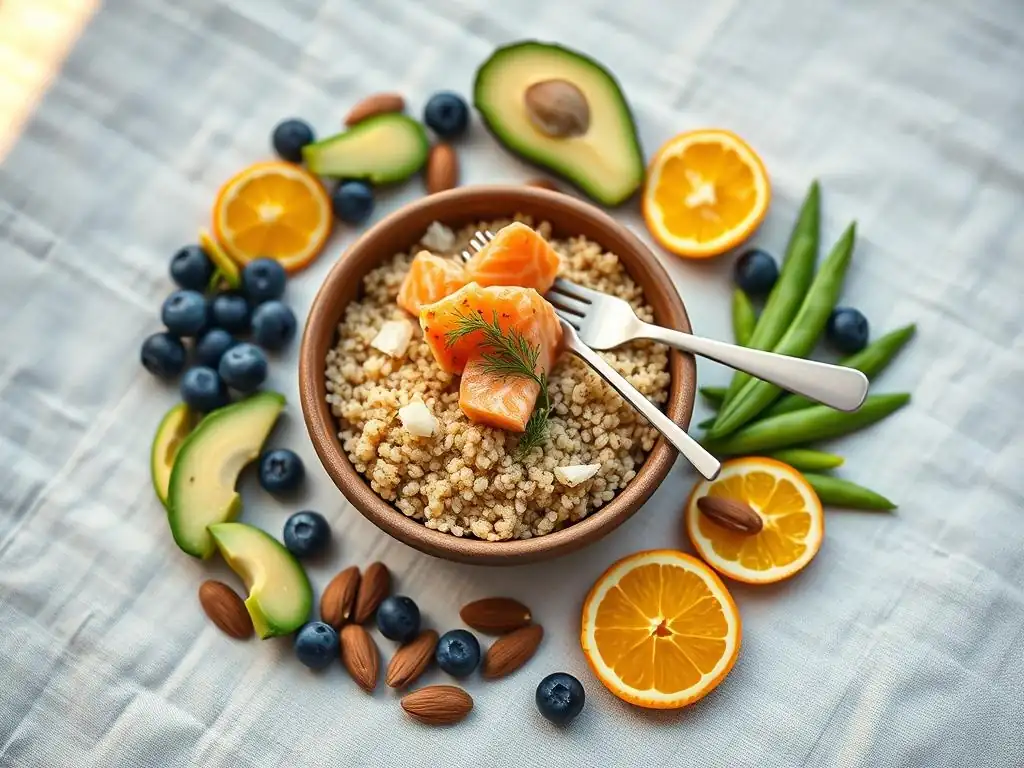
Having a plan also helps manage grocery shopping efficiently, ensuring you have all the necessary ingredients for your protein-rich meals. Think about how you can combine different food groups to create balanced plates – for example, pairing a protein source (like fish or tofu) with a complex carbohydrate (quinoa or sweet potato), healthy fats (avocado or olive oil), and plenty of non-starchy vegetables. This structured approach takes the guesswork out of healthy eating and makes it easier to maintain consistent protein intake for mood support.
Snacking Strategically: Choosing Healthy, Protein-Packed Options
Snacking can be an important tool for maintaining stable blood sugar and mood between meals, provided you choose wisely. Opting for snacks that combine protein and fiber helps prevent blood sugar crashes and provides sustained energy, unlike sugary or refined carbohydrate snacks. Strategic protein-packed snacks contribute to your overall daily protein intake and reinforce the benefits of protein stabilize mood meals throughout the day.
Good examples of protein-rich snacks include:
- Hard-boiled eggs
- Greek yogurt (plain)
- A handful of nuts or seeds (almonds, walnuts, pumpkin seeds)
- Cottage cheese
- Edamame
- Apple slices with peanut or almond butter
- Beef jerky (low sodium)
- Small protein shake
Having these options readily available can curb cravings for less healthy alternatives and help maintain consistent energy and mood levels between main meals.
Addressing Common Challenges: Budget, Time Constraints, and Dietary Restrictions
Incorporating protein prioritize mood meals consistently can present challenges, but there are practical solutions. For budget concerns, focus on affordable protein sources like eggs, beans, lentils, canned tuna or salmon, and bulk chicken thighs. Cooking meals at home is generally more cost-effective than eating out. Batch cooking and meal prepping can save significant time during busy weeks; dedicate a few hours on a weekend to prepare components for multiple meals.
Dietary restrictions, such as vegetarian, vegan, or allergies, require careful planning but are entirely compatible with a protein-rich diet. Vegetarians can rely on eggs, dairy, beans, lentils, tofu, tempeh, and high-protein grains like quinoa. Vegans have excellent options in beans, lentils, tofu, tempeh, seitan, nuts, seeds, nutritional yeast, and various plant-based protein powders. Those with allergies need to carefully select appropriate protein sources and read labels diligently. Consulting with a registered dietitian can be invaluable for navigating specific dietary needs and ensuring adequate protein intake for mood stability.
Debunking Protein Myths: Separating Fact from Fiction
High Protein Diets are Unhealthy - The Reality
A common myth is that high protein diets are inherently unhealthy, particularly for the kidneys or bones. However, for healthy individuals, consuming protein within recommended ranges (generally 0.8-1.6 grams per kilogram of body weight, depending on activity level and goals) is not typically harmful. The body is well-equipped to process protein. Concerns about kidney strain are primarily relevant for individuals with pre-existing kidney disease, where protein intake may need to be monitored under medical supervision.
Furthermore, adequate protein intake is crucial for maintaining muscle mass and bone health, particularly as we age. Focusing on protein stabilize mood meals means prioritizing sufficient, but not necessarily excessive, protein as part of a balanced dietary pattern that includes plenty of vegetables, fruits, and fiber. It's the overall dietary context that matters most, not just a single macronutrient in isolation. A balanced approach is key, not extreme restriction or overconsumption.
Only Meat Eaters Can Get Enough Protein - The Reality
Another prevalent myth is that only individuals who eat meat can meet their protein needs. This is simply untrue. While meat is a concentrated source of complete protein, a well-planned vegetarian or vegan diet can easily provide sufficient protein from plant-based sources. Many plant foods contain protein, and by combining different types (like beans and rice), vegetarians and vegans can ensure they consume all essential amino acids over the course of the day.
Excellent plant-based protein sources include lentils, beans, chickpeas, tofu, tempeh, edamame, quinoa, nuts, seeds, and seitan. Many plant-based dairy and meat alternatives are also fortified with protein. With mindful planning and variety, individuals following plant-based diets can comfortably meet their protein requirements to support muscle health, satiety, and the goal of using protein stabilize mood meals, proving that diverse dietary paths can lead to adequate intake.
Protein Supplements are Necessary for Mood Stability - The Reality
Protein supplements, such as whey, casein, or plant-based powders, can be convenient ways to increase protein intake, but they are generally not necessary for most people to achieve mood stability or meet daily protein needs. The primary focus should always be on obtaining protein from whole food sources as part of balanced meals. Whole foods provide a matrix of other beneficial nutrients – vitamins, minerals, fiber, antioxidants – that work synergistically to support overall health, including mental well-being.
Supplements should be considered just that: supplemental to a healthy diet, not a replacement for nutrient-dense foods. For individuals with very high protein requirements (e.g., elite athletes) or those with difficulty consuming enough whole foods due to medical conditions or time constraints, supplements can play a useful role. However, for the average person aiming to use protein stabilize mood meals, focusing on incorporating diverse protein sources into regular meals and snacks is usually sufficient and preferable.
Conclusion: Empowering Your Mood Through Protein-Rich, Balanced Nutrition
The Long-Term Benefits of a Protein-Conscious Diet for Mental Wellness
Adopting a diet that consciously includes protein prioritize mood meals offers significant long-term benefits for mental wellness. By providing the essential amino acids needed for neurotransmitter synthesis and helping to regulate blood sugar levels, consistent protein intake fosters a more stable internal environment. This stability can translate into reduced mood swings, less irritability, improved focus, and sustained energy throughout the day. Over time, these effects contribute to greater emotional resilience and a stronger ability to cope with stress.
Furthermore, a protein-rich, balanced diet supports overall physical health, which is deeply intertwined with mental health. Maintaining healthy body weight, supporting muscle mass, and ensuring adequate intake of essential vitamins and minerals through diverse food choices all contribute to a foundation of well-being that positively impacts mood and cognitive function. This holistic approach, centered around nutrient-dense foods including protein, is a sustainable strategy for supporting mental health for years to come.
Taking Control of Your Mental Health Through Informed Food Choices
Understanding the powerful link between nutrition and mood empowers you to take proactive steps in managing your mental health. Recognizing how protein stabilize mood meals work – by influencing neurotransmitters and blood sugar – allows you to make informed food choices that directly support your emotional well-being. It shifts the perspective from simply eating to fueling your brain and body for optimal function and resilience.
Implementing practical strategies like meal planning, choosing protein-rich snacks, and balancing your macronutrients at each meal puts this knowledge into action. It’s about making conscious decisions about the foods you consume, understanding their impact, and using them as tools to support a more stable and positive mood. This informed approach to eating is a tangible way to exert control over aspects of your mental health journey.
Resources and Support for Dietary Changes
Making significant dietary changes can feel overwhelming, but you don't have to do it alone. Numerous resources and support systems are available to help you incorporate protein stabilize mood meals and adopt a more mood-supportive diet. Registered dietitians and nutritionists are qualified professionals who can provide personalized advice based on your specific health profile, dietary needs, preferences, and lifestyle. They can help you create a meal plan that is both effective and sustainable.
Additionally, many reputable websites (like Mind Care Guide), books, and community programs offer guidance on healthy eating and its connection to mental health. Consulting with your primary care physician or a mental health professional about your interest in dietary changes is also recommended, especially if you have existing health conditions or are taking medications. Seeking support ensures that your journey towards using nutrition to enhance your mood is safe, informed, and tailored to your individual needs.
Frequently Asked Questions
What is the connection between protein and mood stability?
Protein provides essential amino acids, which are the building blocks for neurotransmitters. These neurotransmitters, like serotonin and dopamine, play a crucial role in regulating mood and emotional well-being.
How can protein stabilize mood?
By providing a steady supply of amino acids, protein helps to maintain consistent neurotransmitter levels. This prevents significant mood swings that can be triggered by blood sugar fluctuations or nutrient deficiencies.
What are some examples of "Protein stabilize mood meals" I can incorporate into my diet?
Balanced meals that combine lean protein sources (chicken, fish, beans) with complex carbohydrates (whole grains, vegetables) and healthy fats (avocado, nuts) are ideal. Examples include grilled salmon with quinoa and broccoli, or a lentil soup with whole-wheat bread.
How much protein do I need to consume daily for mood stabilization?
The recommended daily intake varies, but generally, aiming for 0.8 grams of protein per kilogram of body weight is a good starting point. This can be adjusted based on individual needs and activity levels.
Besides diet, what other factors contribute to mood stability?
While diet is crucial, other factors like adequate sleep, regular exercise, stress management techniques, and strong social connections are also vital. A holistic approach to mental well-being is essential.
Final Reflection: Nourishing the Mind, One Balanced Meal at a Time
The connection between the food we eat and our mental well-being is undeniable, and understanding the role of protein in stabilizing mood is crucial for navigating the complexities of modern life. A balanced diet isn't just about physical health; it's the foundation upon which emotional resilience is built. Ignoring this fundamental truth leaves us vulnerable to mood swings and emotional instability.
The impact of consistent, protein-rich meals on my own life has been profound. I've witnessed firsthand how incorporating adequate protein into my daily diet has led to increased focus, reduced irritability, and a more even emotional keel. You are what you eat,
is more than just a cliché; it's a fundamental truth that underscores the intricate relationship between our physical and mental states. This understanding empowers us to take proactive steps towards improving our overall well-being.
Now, consider your own relationship with food and mood. What adjustments can you make to incorporate more protein into your daily meals? I encourage you to experiment with new recipes, explore different protein sources, and pay close attention to how your body and mind respond. By making conscious choices about your nutrition, you are investing in a healthier, happier, and more emotionally stable you. This journey towards balanced eating is a journey towards a more balanced life.
Unlock Your Mood's Potential: Nourish Your Well-being
Thanks for taking the time to explore the powerful connection between protein and mood stability! You've gained valuable insights into how balanced meals can significantly impact your emotional well-being. Now, it's time to put this knowledge into action.
- Prioritize protein: Start by incorporating more protein-rich foods into your next meal. Think lean meats, fish, beans, lentils, or even a protein shake! Notice how you feel throughout the day.
- Track your progress: Keep a food diary for a week, noting not only what you eat but also how your mood changes. This will help you identify patterns and refine your approach.
- Share your experience: Tell us about your protein journey! Share your successes and challenges in the comments below – let's build a supportive community committed to mood-boosting nutrition.
What small change in your diet will you make today to nourish your mind and uplift your mood?