
Improve Your Sleep Quality, Improve Your Life: Thanks to Sleep Trackers and SelfAwareness?

Welcome to Mind Care Guide, a sanctuary for your mental well-being.
Feeling overwhelmed by anxiety? You're not alone. Discover how understanding your sleep patterns can be a powerful tool in managing anxiety in our article, " Sleep tracker benefits for anxiety." Could a simple device unlock a deeper understanding of your mind and body? Let's explore how wearable tech and self-awareness can pave the way to a calmer, more rested you. Dive in and begin your journey toward better sleep and reduced anxiety today.
Improve Your Sleep Quality, Improve Your Life: Thanks to Sleep Trackers and Self-Awareness
- Understanding the Connection: Anxiety, Sleep Deprivation, and Mental Wellbeing
-
How to Use Sleep Trackers for Anxiety Relief: A Step-by-Step Guide
- Step 1: Choosing the Right Sleep Tracker for Your Needs
- Step 2: Setting Up Your Sleep Tracker and Establishing a Baseline
- Step 3: Interpreting Your Sleep Data and Identifying Patterns
- Step 4: Implementing Lifestyle Changes Based on Your Sleep Data
- Step 5: Tracking Progress and Adjusting Your Strategy
- Maximizing the Benefits: Beyond the Sleep Tracker
- Real-Life Examples: Sleep Tracker Success Stories for Anxiety Sufferers
- Conclusion: Taking Control of Your Sleep, Taking Control of Your Life
-
Frequently Asked Questions
- How can a sleep tracker help with anxiety?
- What specific sleep metrics do sleep trackers monitor that are relevant to anxiety?
- Are sleep trackers accurate enough to be helpful in managing anxiety?
- What are some actionable steps I can take based on the data from my sleep tracker to reduce anxiety-related sleep problems?
- Besides tracking sleep, what other features of sleep trackers are beneficial for managing anxiety?
- Final Reflection: The Untapped Potential of Sleep, Anxiety, and Self-Awareness
- Unlock Your Best Sleep Yet!
Understanding the Connection: Anxiety, Sleep Deprivation, and Mental Wellbeing
The Vicious Cycle: How Anxiety Disrupts Sleep and Vice Versa
Anxiety and sleep share a deeply intertwined and often detrimental relationship. When anxiety levels are high, the body's "fight or flight" response is activated, releasing stress hormones like cortisol. This physiological arousal makes it incredibly difficult to fall asleep and stay asleep.
Thoughts race, worries escalate, and the mind remains hyperactive, preventing the relaxation necessary for sleep onset. Studies suggest that individuals with generalized anxiety disorder (GAD) are significantly more likely to report chronic insomnia symptoms, with estimates often showing over 50% experiencing difficulty initiating or maintaining sleep on most nights. This lack of restful sleep then exacerbates anxiety symptoms during the day, creating a persistent and exhausting cycle.
Furthermore, poor sleep quality directly impacts the brain's ability to regulate emotions and manage stress. Research indicates that sleep deprivation can impair activity in the prefrontal cortex, the area responsible for executive functions like decision-making and emotional control, while increasing activity in the amygdala, the brain's fear center. This imbalance makes individuals more reactive to stressors and less capable of managing anxious thoughts.
A single night of significantly reduced sleep (e.g., less than 5-6 hours) can lead to a noticeable increase in feelings of worry, irritability, and nervousness the following day. Over time, chronic sleep deprivation significantly amplifies the severity and frequency of anxiety symptoms, highlighting the critical need to break this cycle. Understanding these sleep tracker benefits for anxiety is the first step towards intervention.
Why Prioritizing Sleep is Crucial for Mental Health & Anxiety Reduction
Prioritizing sufficient, quality sleep is not merely about feeling rested; it is a fundamental pillar of good mental health, particularly for managing anxiety. Sleep is when the brain processes emotions, consolidates memories, and performs critical restorative functions. During deep sleep, the body repairs tissues and strengthens the immune system, while REM sleep is vital for emotional processing and problem-solving.
Consistent, healthy sleep patterns help stabilize mood, improve resilience to stress, and enhance cognitive function, all of which are essential for keeping anxiety in check. Aiming for 7-9 hours of quality sleep per night is a widely recommended target for adults.
Adequate sleep directly contributes to a more balanced emotional state, making individuals less susceptible to the triggers that can escalate anxiety. When well-rested, the ability to cope with daily challenges is significantly improved. The mind feels clearer, focus is enhanced, and the capacity for rational thought is greater.
Conversely, chronic sleep deprivation makes individuals more vulnerable, less patient, and prone to negative thinking, feeding the anxiety loop. Recognizing the profound impact of sleep on mental well-being underscores why exploring tools like sleep trackers, which can offer insights into sleep patterns, is a valuable strategy for those seeking sleep tracker benefits for anxiety relief.
Introducing Sleep Trackers: Your Personalized Sleep Improvement Tool
Sleep trackers are wearable devices or smartphone applications designed to monitor various aspects of your sleep patterns. They collect data on metrics such as total sleep duration, time spent in different sleep stages (light, deep, REM), heart rate variability, movement, and sometimes even blood oxygen levels and skin temperature. By collecting this objective data, sleep trackers provide users with tangible insights into their nocturnal habits and sleep quality, moving beyond subjective feelings of restfulness. This data can reveal patterns that might not be obvious, such as consistent late-night awakenings or insufficient deep sleep.
The value of these devices lies in their ability to promote self-awareness regarding sleep. Before using a tracker, many people are unaware of how much (or how little) quality sleep they are actually getting. A sleep tracker provides a baseline and allows individuals to see the real-world impact of their daily habits – like late-night caffeine, stress, or screen time – on their sleep architecture.
This objective feedback empowers individuals to identify potential issues and make informed decisions about lifestyle adjustments aimed at improving sleep hygiene. For those struggling with anxiety, understanding these patterns is crucial, as it provides actionable data to address sleep-related triggers, unlocking potential sleep tracker benefits for anxiety management.
How to Use Sleep Trackers for Anxiety Relief: A Step-by-Step Guide
Step 1: Choosing the Right Sleep Tracker for Your Needs
Selecting a sleep tracker is the first critical step in leveraging this technology for anxiety relief. The market offers a wide array of devices, each with different features, accuracy levels, and price points. Consider what metrics are most important to you – perhaps detailed sleep stage analysis, heart rate variability (HRV) for stress assessment, or long battery life. Think about comfort and ease of use, as you'll be wearing it consistently. Reading reviews and comparing specifications based on your specific needs related to sleep and anxiety is highly recommended.
Comparing Popular Sleep Trackers: Fitbit Charge 6 vs. Garmin Venu 3 vs. Apple Watch Series 9 – Features, Accuracy, and Price
- Fitbit Charge 6: Often praised for its detailed sleep tracking metrics, including sleep stages, sleep score, and even estimated oxygen variation. It also offers EDA (electrodermal activity) scans for stress management and HRV tracking, features particularly relevant for anxiety. It's typically in a moderate price range and offers a good balance of features for general wellness and sleep tracking.
- Garmin Venu 3: Known for robust fitness tracking, Garmin also provides comprehensive sleep analysis, including sleep stages, respiration rate, and Pulse Ox data. Its "Body Battery" metric, which estimates energy levels based on activity, stress, and sleep, can be very insightful for understanding the impact of anxiety and sleep deprivation. Garmin devices tend to be in a higher price range but offer extensive data.
- Apple Watch Series 9: Integrates well into the Apple ecosystem and offers sleep tracking, including sleep stages and trends over time. It also includes features like ECG and blood oxygen monitoring. While its sleep tracking is reliable, some dedicated sleep trackers might offer more granular analysis. The Apple Watch is generally in a premium price category.
Key Features to Look for: Heart Rate Variability, Sleep Stages, and Stress Tracking
When selecting a tracker with sleep tracker benefits for anxiety in mind, specific features are more valuable than others. Heart Rate Variability (HRV) is a key metric, as it reflects the balance of your autonomic nervous system and is often used as an indicator of stress levels and recovery. A lower HRV can correlate with higher stress or anxiety.
Detailed sleep stage tracking (Light, Deep, REM) helps you understand if you're getting enough of each crucial stage, particularly deep sleep for physical restoration and REM sleep for emotional processing. Finally, built-in stress tracking features, which some devices offer through metrics like skin temperature or EDA, can provide further context for how your daily stress is impacting your sleep and overall well-being.
The Importance of a Comfortable Design: Consider Wristbands vs. Ring Trackers like the Oura Ring Gen3
Comfort is paramount for consistent sleep tracking. A device that is bulky, irritating, or uncomfortable will likely be abandoned quickly. Wristband trackers, like the Fitbit Charge 6 or Garmin Venu 3, are common and generally unobtrusive, though some people find them bothersome during sleep.
Ring trackers, such as the Oura Ring Gen3, are worn on the finger and are often preferred by individuals who dislike wearing something on their wrist overnight. The Oura Ring is known for its advanced sleep tracking and high accuracy, often used by athletes and wellness enthusiasts, but it comes at a higher price point. Choose a design that you can comfortably wear every single night without it disrupting your sleep further.
Step 2: Setting Up Your Sleep Tracker and Establishing a Baseline
Once you've chosen your sleep tracker, the next step is setting it up correctly and wearing it consistently to establish a baseline of your typical sleep patterns. This initial period, often 5-7 nights, is crucial for gathering representative data before you start making changes. Most trackers require downloading a companion app to your smartphone. This app is where all your sleep data is collected, analyzed, and displayed. Follow the instructions to pair your device via Bluetooth and ensure it's syncing correctly.
Downloading the App and Syncing Your Device
Every sleep tracker, whether it's a wearable like a watch or ring, or even a dedicated sleep mat, comes with a specific mobile application. You'll need to download this app from your device's app store (Apple App Store or Google Play Store). Once downloaded, you'll typically create an account and follow on-screen instructions to pair your sleep tracker via Bluetooth.
Ensure the app has the necessary permissions (like access to health data) to function correctly. Keep the app updated to benefit from the latest features and accuracy improvements. Consistent syncing is key to ensuring your data is always available for review.
Understanding Your Initial Sleep Data: Total Sleep Time, Sleep Stages, and Sleep Efficiency
During the baseline period, focus on simply wearing the tracker every night and allowing it to collect data without trying to change your habits yet. Review the initial data in the app. Pay attention to key metrics: Total Sleep Time (how long you were registered as asleep), time spent in different Sleep Stages (Light, Deep, REM), and Sleep Efficiency (the percentage of time spent in bed actually asleep).
For example, your tracker might show you're only getting 6 hours of sleep when you thought it was 7, or that your sleep efficiency is low (e.g., 75%), indicating significant time spent awake in bed. This initial data provides a factual starting point, highlighting potential areas for improvement related to your sleep, which is vital for understanding sleep tracker benefits for anxiety.
Identifying Potential Sleep Disruptors: Light, Noise, and Temperature
While establishing your baseline, also pay attention to your environment and daily routine. Use the data from your tracker in conjunction with a simple sleep diary (even mental notes) to identify potential disruptors. Did you have caffeine late in the afternoon? Did you eat a heavy meal close to bedtime?
Was your room too bright, noisy, or hot? Your tracker might show increased awakenings or lighter sleep on nights when these factors were present. For instance, if your deep sleep is consistently low, consider if your room temperature is optimal (often recommended around 60-67°F or 15-19°C). Correlating external factors with the objective data from your tracker is crucial for the next steps.
Step 3: Interpreting Your Sleep Data and Identifying Patterns
Once you have several nights or even a couple of weeks of baseline data, it's time to dive deeper into interpretation. Look for consistent patterns rather than focusing on single-night anomalies. The goal is to understand how you are sleeping, not just if you are sleeping. Are you consistently getting less than the recommended 7-9 hours? Is your deep sleep or REM sleep consistently below average? Are there specific nights where your sleep quality is significantly worse? These patterns can point towards underlying issues that could be contributing to or exacerbated by your anxiety.
Decoding Sleep Stages: REM, Light, and Deep Sleep
Understanding what each sleep stage means is key to interpreting your data. Light sleep is the transition stage, where you can be easily awakened. Deep sleep (also known as slow-wave sleep) is crucial for physical restoration, muscle repair, and immune function; ideally, adults need about 20-25% of their total sleep in this stage.
REM (Rapid Eye Movement) sleep is vital for cognitive functions, memory consolidation, and emotional processing; it's also where most dreaming occurs, typically making up about 20-25% of total sleep time. If your tracker consistently shows very low percentages of deep or REM sleep, it suggests your sleep is not as restorative as it should be, which can significantly impact mood and anxiety levels.
Recognizing Signs of Sleep Apnea or Other Sleep Disorders
While sleep trackers are not medical devices and cannot diagnose sleep disorders, the data they collect can sometimes indicate potential issues that warrant professional attention. For example, if your tracker shows frequent, prolonged awakenings throughout the night, consistently low blood oxygen levels (if your device tracks this), or very low sleep efficiency despite spending adequate time in bed, these could be signs of conditions like sleep apnea, restless legs syndrome, or chronic insomnia not solely related to anxiety. If you notice concerning patterns that persist, it's essential to consult a doctor or sleep specialist for proper diagnosis and treatment.
Case Study: How Emily Used Her Fitbit Sense 2 Data to Identify Late-Night Snacking as Her Sleep Disruptor
Emily, who struggled with moderate anxiety, noticed her Fitbit Sense 2 consistently reported poor sleep quality, particularly low deep sleep and frequent awakenings around 2-3 AM. She initially attributed it solely to her anxious thoughts. After tracking her data for two weeks and cross-referencing it with a simple journal, she identified a pattern: her worst sleep nights always followed evenings where she had a significant snack (like chips or ice cream) within an hour of bedtime.
The tracker's data showed increased heart rate and restlessness during the early hours on those nights. By using her Fitbit Sense 2 data, Emily was able to pinpoint this habit as a major physical disruptor. Eliminating late-night snacking significantly improved her deep sleep percentage (from an average of 10% to 18%) and reduced middle-of-the-night awakenings, demonstrating a tangible sleep tracker benefit for anxiety by addressing a root cause.
Step 4: Implementing Lifestyle Changes Based on Your Sleep Data

With your baseline established and patterns identified, the next crucial step is to use this information to make targeted lifestyle changes. This is where the self-awareness gained from the tracker translates into action. Focus on optimizing your sleep hygiene based on what your data reveals. For instance, if your tracker shows you consistently go to bed late and get insufficient total sleep, prioritizing an earlier bedtime becomes a clear goal. If environmental factors seem to be disrupting your sleep, focus on creating a better sleep sanctuary.
Optimizing Your Sleep Environment: Blackout Curtains, White Noise Machines (e.g., LectroFan Micro2), and Temperature Control
Your bedroom environment plays a significant role in sleep quality. If your tracker shows fragmented sleep, consider light and noise. Investing in blackout curtains can block external light, which can interfere with melatonin production. Using a white noise machine, such as the LectroFan Micro2, can mask disruptive sounds from traffic, neighbors, or household noises, promoting more continuous sleep.
Pay close attention to temperature; your tracker data might show more restlessness if your room is too warm. Aim for that cooler range (15-19°C or 60-67°F) and use breathable bedding. Making these physical adjustments can have a direct positive impact visible in your sleep data.
Developing a Consistent Sleep Schedule: The Importance of Circadian Rhythm
One of the most impactful changes you can make, often highlighted by inconsistent sleep tracker data, is establishing a regular sleep schedule. Your body's internal clock, the circadian rhythm, thrives on consistency. Going to bed and waking up around the same time every day, even on weekends, helps regulate this rhythm, making it easier to fall asleep and wake up naturally.
If your tracker shows significant variation in your bedtime or wake-up time, or consistently poor sleep efficiency when your schedule is erratic, this is a strong indicator that consistency is needed. A regular schedule helps solidify your sleep-wake cycle, improving sleep onset and continuity, which are key sleep tracker benefits for anxiety management.
Using Apps for Sleep Enhancement: Calm and Headspace for Guided Meditations and Sleep Stories
Integrating relaxation practices into your bedtime routine can significantly improve sleep quality, especially for anxiety sufferers. Sleep trackers might show increased heart rate or restlessness before sleep if you're anxious. Apps like Calm and Headspace offer guided meditations specifically designed for sleep, calming the mind and body. They also provide "sleep stories" or ambient sounds that can distract from anxious thoughts and promote relaxation. Using these apps consistently and observing improvements in your time to fall asleep or nighttime awakenings in your tracker data can provide positive reinforcement and tangible sleep tracker benefits for anxiety.
The Benefits of Weighted Blankets: Explore Options like Gravity Blanket for Enhanced Relaxation
For many with anxiety, the physical sensation of pressure can be calming. Weighted blankets, like those offered by brands such as Gravity Blanket, can provide a sense of being held or grounded, reducing feelings of restlessness and promoting relaxation before sleep.
This physical comfort can help quiet a racing mind and make it easier to transition into sleep. While a tracker won't directly measure the feeling of comfort, you might observe improvements in metrics like time to fall asleep or reduced tossing and turning after incorporating a weighted blanket into your routine, contributing to the overall sleep tracker benefits for anxiety.
Step 5: Tracking Progress and Adjusting Your Strategy
Implementing changes is just the beginning. The real power of using a sleep tracker lies in its ability to help you track the impact of those changes over time and adjust your strategy as needed. Continue wearing your tracker consistently. Review your data regularly – perhaps weekly or monthly – to see if your implemented changes are leading to improvements in your key metrics like total sleep time, sleep efficiency, or time spent in deep/REM sleep. This ongoing feedback loop is essential for sustained progress.
Monitoring Changes in Your Sleep Metrics Over Time
Look at the trends in your sleep data. Are you consistently getting more total sleep than when you started? Has your sleep efficiency increased? Are you spending more time in deep or REM sleep? Most tracker apps provide historical data and trend analysis, allowing you to visualize your progress. For example, if after two weeks of a consistent bedtime your tracker shows your time to fall asleep has decreased by 15 minutes and your deep sleep has increased by 5%, that's a clear sign your strategy is working. Celebrate these small victories, as they provide motivation to continue.
Seeking Professional Help: When to Consult a Doctor or Sleep Specialist
While sleep trackers are valuable tools for self-awareness and lifestyle adjustments, they are not substitutes for professional medical advice. If your tracker data reveals persistent, concerning patterns (like very low oxygen saturation, suspected sleep apnea based on reported snoring/pauses in breathing by a partner, or chronic severe insomnia) that don't improve with lifestyle changes, it's crucial to consult a doctor.
Similarly, if your anxiety is severe and significantly impacting your sleep despite using a tracker and implementing strategies, a mental health professional or sleep specialist can provide tailored support, diagnosis, and treatment options like CBT-I. Your sleep tracker data can be valuable information to share with these professionals.
The Role of Cognitive Behavioral Therapy for Insomnia (CBT-I) in Anxiety-Related Sleep Problems
Cognitive Behavioral Therapy for Insomnia (CBT-I) is a highly effective, evidence-based treatment for chronic insomnia, particularly when linked to anxiety. CBT-I addresses the thoughts and behaviors that interfere with sleep. It involves techniques like stimulus control (associating the bed only with sleep), sleep restriction (temporarily limiting time in bed to improve efficiency), and cognitive restructuring (challenging anxious thoughts about sleep).
While a sleep tracker can provide data for CBT-I (e.g., tracking time in bed vs. time asleep), the therapy itself provides the structured approach to change the underlying patterns. Combining the objective data from a sleep tracker with the therapeutic strategies of CBT-I can be a powerful approach for overcoming anxiety-driven insomnia.
Maximizing the Benefits: Beyond the Sleep Tracker
While sleep trackers offer invaluable insights, their full potential for anxiety relief is realized when integrated into a broader approach to mental wellness. Sleep is interconnected with many other aspects of health, and addressing these areas can amplify the positive effects of improving sleep quality. A holistic approach recognizes that managing anxiety requires multiple strategies working in synergy.
Combining Sleep Tracking with Other Mental Wellness Practices
Using your sleep tracker data to inform and motivate other healthy habits creates a virtuous cycle. For instance, if your tracker shows high stress levels impacting your sleep, incorporating mindfulness could be the next step. If poor diet is suspected of causing nighttime restlessness, focusing on nutritional changes becomes a priority. The tracker acts as a feedback mechanism, showing how these different practices influence your sleep and, consequently, your anxiety levels. This integrated approach leverages the sleep tracker benefits for anxiety within a comprehensive wellness plan.
The Power of Mindfulness and Meditation for Anxiety and Sleep
Mindfulness and meditation are powerful tools for calming the nervous system and reducing anxiety, which directly impacts sleep quality. Practices like guided meditation, deep breathing exercises, or body scans can help quiet a racing mind before bed, making it easier to fall asleep. Regular daytime mindfulness practice can also reduce overall stress levels, leading to more restful sleep. Your sleep tracker might show improvements in metrics like time to fall asleep, reduced nighttime awakenings, or even improved HRV as a result of consistent meditation, providing objective validation for the practice's effectiveness in managing anxiety and improving sleep.
The Importance of Regular Exercise and a Healthy Diet
Physical activity is a well-known stress reliever and can significantly improve sleep quality, though intense exercise too close to bedtime should be avoided. Regular aerobic exercise, for example, can help reduce symptoms of both anxiety and insomnia. Similarly, a balanced diet rich in whole foods supports overall physical and mental health.
Avoiding stimulants like caffeine and nicotine, especially in the afternoon and evening, and limiting alcohol intake can prevent sleep disruption, as might be reflected in your tracker data showing less fragmented sleep. Using your tracker can help you correlate periods of increased exercise or healthier eating with improved sleep metrics.
Building a Supportive Social Network
Human connection and social support are vital for managing anxiety. Talking about your worries with trusted friends, family, or a support group can reduce stress and feelings of isolation. Feeling supported can lead to a calmer state of mind before bed. While a sleep tracker won't directly measure your social interactions, the emotional well-being derived from a strong social network can indirectly contribute to better sleep quality, which might be reflected in more consistent sleep patterns or lower stress indicators on your device, highlighting the indirect sleep tracker benefits for anxiety through overall well-being.
Real-Life Examples: Sleep Tracker Success Stories for Anxiety Sufferers
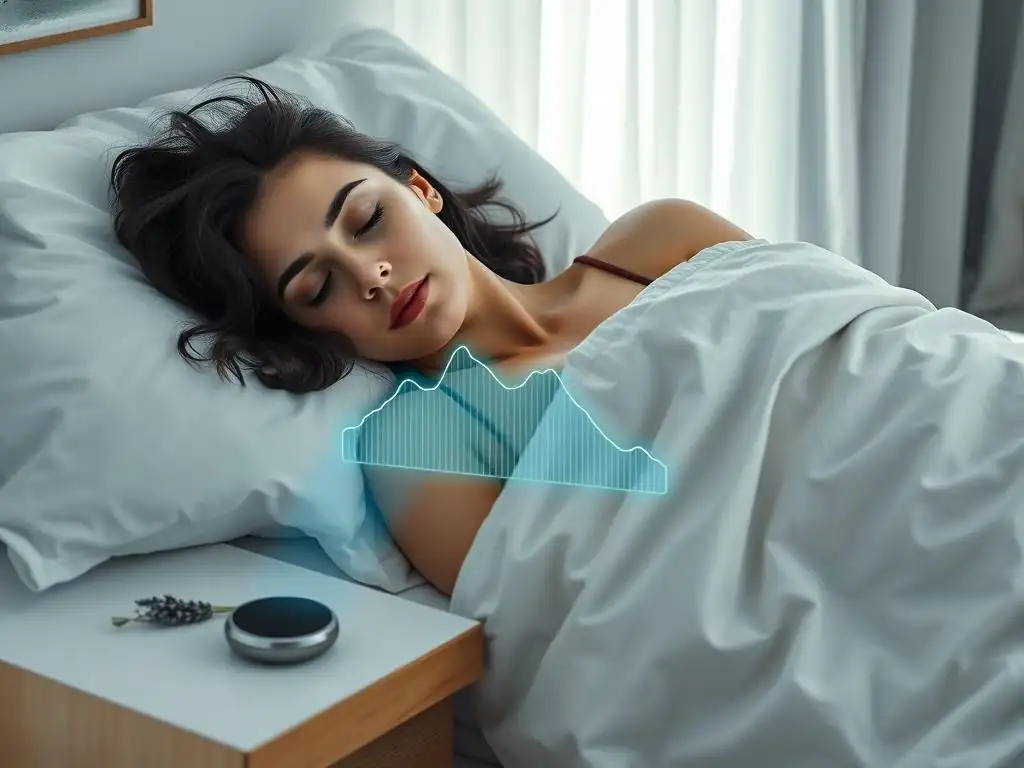
Hearing about how others have successfully used sleep trackers to manage anxiety and improve sleep can be incredibly motivating. These stories illustrate the practical application of the concepts discussed and highlight the tangible sleep tracker benefits for anxiety in real-world scenarios.
David's Journey: From Sleepless Nights to Restful Sleep with the Help of Apple Watch Series 8 and Guided Meditation
David, a software engineer, struggled for years with anxiety-fueled insomnia, often taking over an hour to fall asleep and waking up multiple times during the night. He purchased an Apple Watch Series 8 primarily for fitness but started using its sleep tracking features. His data consistently showed he was only getting around 5.5 hours of sleep per night, with very little deep sleep. The watch's high heart rate alerts during periods of intense anxiety also provided objective feedback on his stress levels. Motivated by this data, David began using guided meditation apps through his Apple Watch before bed.
Over three months, David's Apple Watch data showed a gradual but significant improvement. His average total sleep time increased to nearly 7 hours, and his time to fall asleep decreased to under 30 minutes on most nights. His deep sleep percentage also rose slightly. The combination of seeing his progress quantified by the tracker and the calming effect of the meditation helped reduce his bedtime anxiety. He reported feeling more rested during the day and noticed a decrease in the intensity of his anxious thoughts, demonstrating a clear sleep tracker benefit for anxiety through data-driven habit change.
Maria's Story: Overcoming Insomnia and Anxiety Using Sleep Cycle App and CBT-I
Maria experienced significant nighttime anxiety that manifested as chronic insomnia. She would ruminate for hours in bed, dreading another sleepless night. She started using the Sleep Cycle app on her phone, which uses the microphone to track movement and sound during the night to estimate sleep quality and wake her during a light sleep phase. Her initial data showed she was spending excessive time awake in bed (low sleep efficiency, sometimes below 60%) and frequently waking up for prolonged periods. The app's graphs visually represented her fragmented sleep.
Armed with this data, Maria decided to pursue Cognitive Behavioral Therapy for Insomnia (CBT-I) with a therapist. She shared her Sleep Cycle data, which helped the therapist understand the severity and patterns of her insomnia. Using CBT-I techniques like stimulus control (only being in bed when truly sleepy) and challenging her anxious thoughts about sleep, alongside the app's objective tracking, Maria began to see improvements.
Her Sleep Cycle data showed her sleep efficiency gradually increasing (reaching over 80% within a few months) and the duration of her awakenings decreasing. The app provided tangible proof that the CBT-I was working, reducing her anxiety about sleep itself and highlighting the powerful sleep tracker benefits for anxiety when combined with professional therapy.
Conclusion: Taking Control of Your Sleep, Taking Control of Your Life
Improving sleep quality is a powerful strategy for managing anxiety and enhancing overall mental well-being. The connection between sleeplessness and anxiety is undeniable, forming a cycle that can feel overwhelming. However, by gaining self-awareness and implementing targeted strategies, it is possible to break free from this cycle. Sleep trackers offer a modern, data-driven approach to understanding your unique sleep patterns and identifying areas for improvement. They provide objective insights that can inform lifestyle changes, from optimizing your sleep environment to establishing a consistent schedule.
The Long-Term Benefits of Prioritizing Sleep for Anxiety Management and Overall Well-being
Prioritizing sleep yields significant long-term benefits for both anxiety and overall health. Consistent, quality sleep strengthens your ability to cope with stress, improves emotional regulation, and enhances cognitive function. For individuals managing anxiety, better sleep means fewer intense anxious episodes, greater resilience, and an improved capacity to engage in daily life. Over time, this leads to a reduction in the severity and frequency of anxiety symptoms. Beyond mental health, good sleep supports physical health, boosting the immune system, improving cardiovascular health, and aiding metabolic function. The positive impact of prioritizing sleep ripples through every aspect of your life.
Investing in Your Sleep Health: The Value of Sleep Trackers and Self-Awareness
Investing time and effort into understanding and improving your sleep health is one of the most valuable commitments you can make to your mental and physical well-being. Sleep trackers serve as valuable tools in this journey, providing the data needed to move from subjective feelings to objective understanding. They empower you with self-awareness, allowing you to see the direct impact of your habits and environment on your sleep quality.
While a tracker isn't a magic cure, the sleep tracker benefits for anxiety lie in their ability to illuminate the path towards better sleep and, consequently, a calmer, more balanced life. By combining the insights from technology with conscious effort and, when needed, professional support, you can take meaningful steps towards taking control of your sleep and, ultimately, taking control of your life.
Frequently Asked Questions
How can a sleep tracker help with anxiety?
A sleep tracker can help by providing objective data about your sleep patterns, allowing you to identify potential sleep disturbances that might be contributing to your anxiety. This data then empowers you to address the root causes of poor sleep.
What specific sleep metrics do sleep trackers monitor that are relevant to anxiety?
Sleep trackers commonly monitor metrics such as sleep duration, sleep stages (light, deep, REM), and heart rate variability (HRV). Changes in these metrics can indicate stress levels and potential anxiety-related sleep disruptions, such as frequent awakenings.
Are sleep trackers accurate enough to be helpful in managing anxiety?
While not as accurate as clinical sleep studies, modern sleep trackers offer a reasonable approximation of sleep patterns. They are useful for identifying trends and patterns over time, providing valuable insights for self-awareness and potential intervention.
Based on the data, you can experiment with lifestyle changes such as adjusting your sleep schedule, optimizing your sleep environment, or implementing relaxation techniques before bed to improve sleep quality and reduce anxiety.
Besides tracking sleep, what other features of sleep trackers are beneficial for managing anxiety?
Many sleep trackers offer features like guided meditations, breathing exercises, and stress monitoring, which can directly help manage anxiety symptoms alongside improving sleep. These tools offer a holistic approach to mental well-being.
Final Reflection: The Untapped Potential of Sleep, Anxiety, and Self-Awareness
The pursuit of better sleep isn't just about counting sheep; it's about unlocking a healthier, more resilient you. Sleep trackers, while a relatively new tool, offer a powerful window into our sleep patterns, revealing connections between our rest and our mental well-being, particularly anxiety. This understanding is crucial in a world increasingly grappling with stress and sleep disorders.
The impact of sleep on anxiety is profound and often underestimated. By gaining insight into our sleep cycles through trackers, we begin to understand the intricate relationship between rest, recovery, and emotional regulation. Sleep is the golden chain that ties health and our bodies together.
This quote, while not directly about anxiety, highlights the fundamental role sleep plays in our overall well-being, a well-being inextricably linked to our mental health. The data provided by sleep trackers allows us to personalize our approach to sleep hygiene, potentially mitigating anxiety triggers and improving our capacity to cope with stress.
Now, consider your own sleep patterns. What insights have you gleaned about your sleep and its connection to your anxiety levels? Are you ready to take control of your sleep, and in turn, your mental health? I encourage you to explore the possibilities offered by sleep trackers and self-awareness. Begin by tracking your sleep for a week, noting any correlations between your sleep quality and your anxiety levels. This small step can be the catalyst for a significant improvement in your overall well-being, leading you towards a more peaceful and productive life.
Unlock Your Best Sleep Yet!
Thanks for taking the time to explore the world of better sleep with us! We hope you gained valuable insights into how sleep trackers and self-awareness can transform your nights – and your days. Now it's time to put that knowledge into action.
- Prioritize your sleep hygiene: Start small – try one new sleep habit this week, whether it's establishing a consistent bedtime routine or creating a relaxing pre-sleep environment.
- Download a sleep tracker app: Experiment with different apps to find one that suits your needs and see how your sleep patterns change over time. This is your key to understanding your unique sleep needs!
- Share your sleep journey: Connect with others in our community (comment below!) and share your tips and challenges. We're all in this together!
Ready to make sleep a priority and see the positive changes in your life? What's one small step you'll take tonight to improve your sleep?