
The Future of Mental Health Treatment: Leveraging Neuroplasticity


Welcome to Mind Care Guide, a sanctuary for your mental well-being.
Feeling stuck? What if the key to unlocking a brighter future lies within your own brain? Discover the revolutionary potential of neuroplasticity mental health treatment options and how they are reshaping the landscape of mental healthcare. Intrigued? Let's explore how your brain's inherent ability to adapt and change can pave the way towards healing and lasting wellness.
- The Future of Mental Health Treatment: Leveraging Neuroplasticity
- Understanding Neuroplasticity and Mental Health
- Current Mental Health Treatment Options and Neuroplasticity
-
Neuroplasticity-Based Mental Health Treatment Options: A New Era
- Neurofeedback: Harnessing Real-Time Brain Activity for Mental Wellness
- Transcranial Magnetic Stimulation (TMS): Targeted Brain Stimulation for Mental Disorders
- Cognitive Remediation Therapy: Strengthening Cognitive Skills Through Brain Plasticity
- Mindfulness and Meditation: Cultivating Neuroplasticity for Emotional Regulation
- Exercise and Diet: Supporting Brain Health and Neuroplasticity in Mental Health
- Virtual Reality Therapy: Creating Novel Experiences to Promote Brain Changes
-
Optimizing Neuroplasticity for Mental Health Treatment Success
- Personalized Treatment Plans: Tailoring Interventions to Individual Brain Profiles
- The Importance of Repetition and Consistency in Neuroplasticity-Based Therapies
- Combining Therapies: Maximizing Neuroplasticity Through Integrated Approaches
- The Role of Lifestyle Factors: Sleep, Nutrition, and Stress Management
- The Future of Neuroplasticity in Mental Health Care
- Overcoming Challenges and Embracing Neuroplasticity for Mental Wellness
-
Frequently Asked Questions
- How does neuroplasticity relate to mental health treatment?
- What are some neuroplasticity-based mental health treatment options?
- How can I tell if a mental health treatment is utilizing neuroplasticity?
- What are the potential benefits of using neuroplasticity in mental health treatment?
- Is neuroplasticity-based mental health treatment right for everyone?
- Final Reflection: Harnessing the Brain's Power to Heal
- Unlock Your Brain's Potential: Embrace Neuroplasticity Today!
The Future of Mental Health Treatment: Leveraging Neuroplasticity
Mind Care Guide: Brain Plasticity and Mental Health - Rewiring the Brain
Understanding Neuroplasticity and Mental Health
What is Neuroplasticity? Defining Brain Rewiring
Neuroplasticity, often referred to as brain plasticity, is the remarkable ability of the brain to reorganize itself by forming new neural connections throughout life. This dynamic process allows neurons to compensate for injury and disease and adjust their activities in response to new situations or changes in their environment. It's the biological foundation of learning, memory, and adaptation, enabling our brains to change structure and function based on experiences, thoughts, and behaviors. Far from being a static organ after childhood, the adult brain is constantly being shaped by everything we do and encounter.
This capacity for change means the brain is not fixed; it can literally rewire itself. When we learn a new skill, form a new habit, or even recover from a traumatic experience, neuroplasticity is at work, creating new pathways or strengthening existing ones. This understanding has revolutionized neuroscience and opened up profound possibilities for mental health treatment. It suggests that the brain's structure and function, which can be altered by mental health conditions, are not permanent and can be positively influenced through targeted interventions and life experiences.
The Role of Neuroplasticity in Mental Health Recovery
Neuroplasticity plays a fundamental role in mental health recovery by providing the biological mechanism for change and healing. Many mental health conditions, such as depression, anxiety, PTSD, and addiction, are associated with specific patterns of neural activity and structural changes in the brain. For example, chronic stress can lead to atrophy in areas like the hippocampus, crucial for memory and emotional regulation. Recovery, therefore, often involves reversing or mitigating these changes and building healthier neural circuits.
Leveraging neuroplasticity means actively engaging the brain's capacity for positive change. Therapeutic interventions, whether traditional talk therapy, medication, or novel techniques, work, in part, by stimulating neuroplastic processes. For instance, successfully navigating a challenging social situation can strengthen neural pathways associated with confidence and resilience. Learning new coping strategies can help prune maladaptive circuits and reinforce healthier responses. Understanding this underlying principle empowers individuals by showing that recovery is not just possible but is a natural biological process that can be encouraged and supported.
How Brain Plasticity Impacts Mental Health Treatment Outcomes
The degree and nature of brain plasticity significantly impact the effectiveness of various mental health treatment options. Treatments that actively promote or utilize neuroplastic mechanisms tend to be more effective in fostering long-term change.
For example, cognitive behavioral therapy (CBT) helps individuals identify and challenge negative thought patterns, which over time, can literally rewire the brain's response to certain triggers. Studies using fMRI have shown that successful CBT for anxiety can lead to decreased activity in the amygdala (the brain's fear center) and increased activity in prefrontal cortex regions associated with rational thought and emotional regulation – a clear sign of plastic change.
Furthermore, individual differences in neuroplasticity may explain why some people respond better to certain treatments than others. Factors like age, genetics, lifestyle (sleep, diet, exercise), and the severity and duration of the condition can all influence brain plasticity. Tailoring neuroplasticity mental health treatment options to enhance an individual's capacity for change, perhaps by combining therapy with lifestyle interventions or novel technologies, holds the promise of improving remission rates and preventing relapse. The focus shifts from merely managing symptoms to fundamentally changing the brain's structure and function towards a healthier state.
Current Mental Health Treatment Options and Neuroplasticity
Traditional Therapies Enhanced by Neuroplasticity Principles
Traditional psychotherapies, such as Cognitive Behavioral Therapy (CBT), Dialectical Behavior Therapy (DBT), and Interpersonal Therapy (IPT), have long been effective, and their success is deeply rooted in their ability to harness neuroplasticity. These therapies guide individuals to develop new ways of thinking, feeling, and behaving, which involves forming and strengthening new neural pathways while weakening old, maladaptive ones. For instance, practicing mindfulness in DBT helps individuals build stronger connections in brain areas related to attention and emotional regulation, estimated to improve these skills by over 50% with consistent practice over several months.
Consider exposure therapy for phobias or PTSD. By gradually and safely confronting feared situations, individuals learn that the anticipated negative outcome does not occur, leading to a rewiring of the fear response circuitry in the brain. This process, extinction learning, is a prime example of neuroplasticity in action. Therapists, perhaps unknowingly for decades, have been guiding patients to intentionally engage in experiences that promote beneficial brain changes, making the understanding of neuroplasticity a powerful tool for optimizing these established mental health treatment options.
Medication and Brain Plasticity: Synergistic Effects
Psychiatric medications, while primarily targeting neurotransmitter systems, also influence neuroplasticity, often in ways that can synergize with therapy. For example, Selective Serotonin Reuptake Inhibitors (SSRIs), commonly prescribed for depression and anxiety, increase serotonin levels in the brain. While this directly impacts mood, research suggests that SSRIs also promote neurogenesis (the growth of new neurons) in areas like the hippocampus and increase the flexibility of neural circuits, particularly in the prefrontal cortex. This enhanced plasticity may make the brain more receptive to therapeutic interventions.
The combination of medication and therapy is often more effective than either approach alone, likely because the medication creates a biological environment more conducive to the plastic changes therapy aims to achieve. For instance, a meta-analysis of studies on depression treatment suggests that combination therapy can improve response rates by 10-20% compared to monotherapy.
The medication might alleviate severe symptoms enough for a person to engage effectively in therapy, and the therapy then helps hardwire healthier patterns. This interplay highlights how pharmaceutical interventions can prime the brain for the beneficial rewiring facilitated by behavioral and cognitive strategies among the range of neuroplasticity mental health treatment options.
Limitations of Current Treatments and the Need for Neuroplasticity-Based Approaches
While existing mental health treatment options are effective for many, they are not universally successful. A significant portion of individuals, perhaps 30-40% for conditions like major depression, do not achieve remission with initial treatments, and relapse rates can be high. Furthermore, traditional approaches can be time-consuming, require significant patient engagement, and may not directly target the underlying neural circuit dysfunction in the most efficient way. Medications can also have side effects that limit adherence.
These limitations underscore the critical need for novel, more targeted neuroplasticity mental health treatment options. By directly influencing brain activity and structure with greater precision, these new approaches hold the potential to improve efficacy, reduce treatment duration, and offer alternatives for those who haven't responded to conventional methods. Exploring therapies that explicitly measure and modulate brain activity, or use technologies to stimulate specific brain regions, represents a significant step forward in harnessing the brain's innate capacity for change more effectively for mental wellness.
Neuroplasticity-Based Mental Health Treatment Options: A New Era
Neurofeedback: Harnessing Real-Time Brain Activity for Mental Wellness
Neurofeedback is a non-invasive therapy that allows individuals to learn to regulate their own brain activity. Using sensors placed on the scalp, the therapy measures brainwave patterns (like alpha, beta, theta waves) in real-time and provides feedback to the patient, typically through visual or auditory cues. For example, a person might watch a video that only plays when their brain is producing a desired pattern of activity associated with focus or calm. Over multiple sessions, individuals learn to consciously or unconsciously shift their brainwave patterns towards a healthier state.
This technique directly leverages neuroplasticity by providing the brain with immediate feedback on its own functioning, enabling it to learn and adapt. It's been explored as a neuroplasticity mental health treatment option for various conditions, including ADHD (improving focus), anxiety (reducing hyperarousal), and PTSD. While results vary, studies on ADHD have shown improvements in inattentiveness and hyperactivity symptoms, sometimes comparable to medication effects, in cohorts of children and adults after 20-40 sessions. By training the brain to operate within healthier parameters, neurofeedback aims for lasting changes in neural regulation.
Transcranial Magnetic Stimulation (TMS): Targeted Brain Stimulation for Mental Disorders
Transcranial Magnetic Stimulation (TMS) is a non-invasive procedure that uses magnetic pulses to stimulate specific areas of the brain. A coil is placed on the scalp, delivering magnetic pulses that create electrical currents in targeted brain regions, modulating their activity. For depression, TMS is often targeted at the left prefrontal cortex, an area often underactive in individuals with the condition. By stimulating this region, TMS aims to restore normal activity levels and connectivity.
TMS directly promotes neuroplasticity by altering the excitability and connectivity of neurons in the stimulated area. Repeated stimulation over several weeks (typically 5 sessions per week for 4-6 weeks) can lead to long-lasting changes in neural circuits.
It is an FDA-approved neuroplasticity mental health treatment option for major depressive disorder in adults who have not responded to antidepressant medication, with response rates reported to be around 50-60% and remission rates about 30-40% in clinical trials. It is also being explored for other conditions like OCD and anxiety disorders, demonstrating the power of direct brain modulation to induce therapeutic plastic changes.
Cognitive Remediation Therapy: Strengthening Cognitive Skills Through Brain Plasticity
Cognitive Remediation Therapy (CRT) is a behavioral treatment designed to improve cognitive skills such as attention, memory, and problem-solving, which are often impaired in conditions like schizophrenia, depression, and traumatic brain injury. CRT uses targeted exercises and strategies to help individuals practice and improve these skills, often in a structured, repetitive manner. For example, memory exercises might involve recalling lists or sequences, while attention training could use tasks requiring sustained focus.
CRT relies heavily on the principles of neuroplasticity, specifically the idea that "neurons that fire together wire together." By repeatedly engaging in tasks that challenge specific cognitive functions, individuals can strengthen the neural pathways underlying those skills. Studies in schizophrenia have shown that CRT can lead to modest but significant improvements in cognitive performance, which can translate to better functional outcomes in daily life, such as improved social skills or vocational functioning, potentially improving these outcomes by 10-20% on average. As a neuroplasticity mental health treatment option, CRT offers a way to rebuild essential cognitive foundations impacted by illness.
Mindfulness and Meditation: Cultivating Neuroplasticity for Emotional Regulation
Mindfulness and meditation practices, increasingly integrated into mental health treatment, are powerful tools for cultivating beneficial neuroplastic changes. These practices involve training attention and awareness, focusing on the present moment without judgment. Regular meditation has been shown to lead to structural changes in the brain, including increased gray matter density in areas associated with self-awareness, compassion, and emotional regulation, such as the prefrontal cortex and hippocampus.
By intentionally shifting focus away from ruminative thoughts or distressing emotions and towards present-moment awareness, individuals practicing mindfulness are actively rewiring their brains. They strengthen pathways associated with non-reactivity and emotional detachment while potentially weakening pathways linked to automatic negative responses. Research indicates that consistent mindfulness practice, even for just 10-20 minutes daily, can lead to measurable changes in brain structure and function within weeks or months, contributing significantly to improved mood, reduced anxiety, and enhanced emotional resilience, making them accessible neuroplasticity mental health treatment options.
Exercise and Diet: Supporting Brain Health and Neuroplasticity in Mental Health
Lifestyle factors like exercise and diet are often overlooked but are fundamental in supporting brain health and neuroplasticity, thereby impacting mental health outcomes. Regular physical activity, particularly aerobic exercise, increases blood flow to the brain, promotes the release of growth factors like BDNF (Brain-Derived Neurotrophic Factor), which is crucial for neurogenesis and synaptic plasticity, and reduces inflammation and stress hormones.
Similarly, a nutrient-rich diet, especially one high in omega-3 fatty acids, antioxidants, and vitamins, provides the building blocks and protective factors necessary for optimal brain function and plasticity. Conversely, poor diet and sedentary lifestyles can impair neuroplasticity and exacerbate mental health symptoms. Incorporating regular exercise (e.g., 30 minutes of moderate activity most days of the week) and a balanced diet are essential supportive neuroplasticity mental health treatment options, creating the optimal biological environment for other therapies to succeed and promoting overall brain wellness.
Virtual Reality Therapy: Creating Novel Experiences to Promote Brain Changes
Virtual Reality (VR) therapy is an innovative approach that uses immersive digital environments to create experiences designed to promote therapeutic change. For mental health, VR is often used in exposure therapy, allowing individuals to confront feared situations (like heights, public speaking, or social interactions) in a safe, controlled, and highly realistic virtual setting. This technology offers a level of realism and control often difficult to achieve in traditional in-vivo exposure.
VR therapy leverages neuroplasticity by providing novel, engaging, and repetitive experiences that can modify fear responses and build new coping mechanisms. The brain processes the virtual environment as real, triggering genuine emotional and physiological responses, which are then processed and rewired through the therapeutic process.
Studies on VR exposure therapy for phobias have shown significant reductions in fear responses, comparable to traditional exposure therapy, with some studies reporting success rates upwards of 70-80% for specific phobias after a limited number of sessions. As a neuroplasticity mental health treatment option, VR offers a powerful platform for targeted experiential learning and brain change.
Optimizing Neuroplasticity for Mental Health Treatment Success
Personalized Treatment Plans: Tailoring Interventions to Individual Brain Profiles
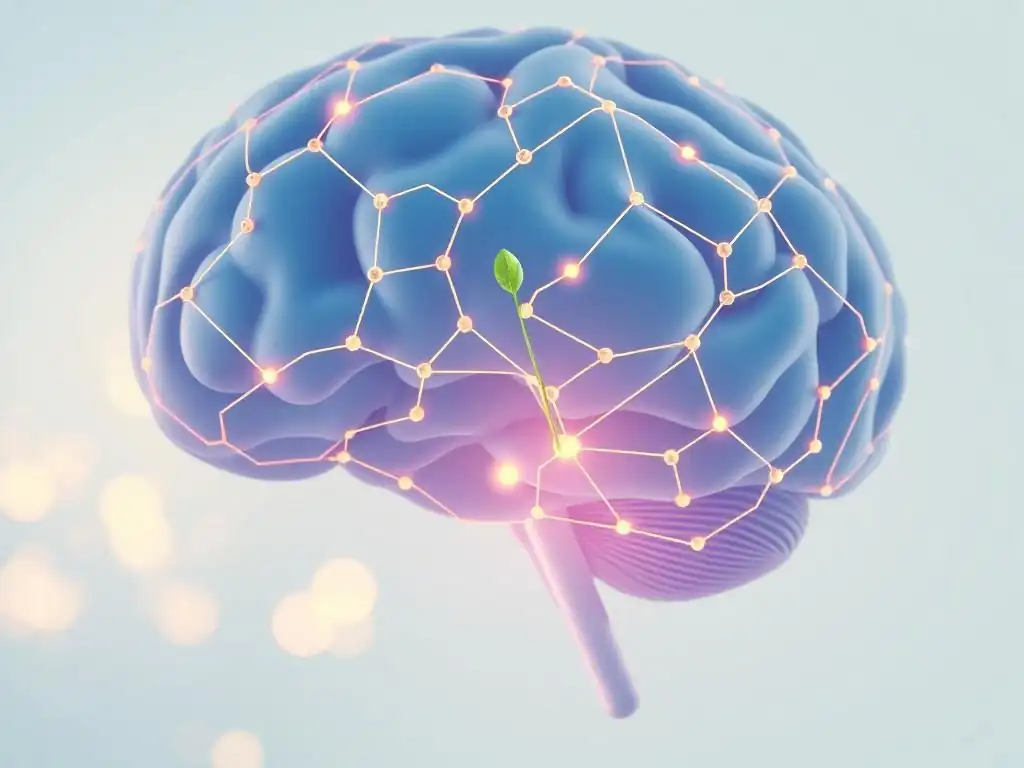
Given that neuroplasticity varies between individuals and is influenced by numerous factors, a one-size-fits-all approach to mental health treatment may limit effectiveness. Future and current best practices increasingly point towards personalized treatment plans that consider an individual's unique brain profile, genetic predispositions related to plasticity, specific symptom presentation, and lifestyle. This might involve using neuroimaging techniques (like fMRI or EEG) to understand dysfunctional brain circuits and tailor interventions like TMS or neurofeedback to target those specific areas or patterns.
Personalization also extends to selecting the most appropriate mix of neuroplasticity mental health treatment options. For example, someone with significant cognitive deficits might benefit more initially from Cognitive Remediation Therapy combined with exercise, while someone with severe emotional dysregulation might prioritize DBT and mindfulness. Tailoring the intensity, duration, and combination of therapies based on an individual's response and biological markers holds the promise of significantly enhancing treatment outcomes and maximizing the brain's capacity for positive change.
The Importance of Repetition and Consistency in Neuroplasticity-Based Therapies
A core principle of neuroplasticity is that "practice makes permanent" (or at least more robust). Forming and strengthening new neural pathways requires repeated activation. This means that consistency and repetition are absolutely crucial for the success of neuroplasticity-based mental health treatment options. Attending therapy sessions regularly, practicing skills learned in therapy between sessions, maintaining a consistent exercise routine, or adhering to a TMS schedule are not just about compliance; they are essential activities that provide the necessary repeated stimulation for the brain to rewire effectively.
Missing sessions or inconsistently applying learned strategies can significantly slow down or even halt the process of plastic change. For instance, while 20-40 neurofeedback sessions might yield substantial results, irregular attendance could require double the number of sessions for similar outcomes. Emphasizing the importance of consistent effort and practice empowers individuals by helping them understand that they are active participants in physically changing their brains, reinforcing the value of perseverance in their recovery journey.
Combining Therapies: Maximizing Neuroplasticity Through Integrated Approaches
The brain is a complex network, and mental health conditions often involve dysfunction across multiple circuits and systems. Therefore, combining different neuroplasticity mental health treatment options can often be more effective than relying on a single modality. An integrated approach might combine medication to create a receptive biological state, therapy to teach new cognitive and behavioral skills, neuromodulation (like TMS) to target specific underactive or overactive brain regions, and lifestyle interventions (exercise, diet, sleep) to support overall brain health and plasticity.
For example, someone with chronic depression might receive TMS to stimulate the prefrontal cortex, engage in CBT to challenge negative thoughts, and incorporate daily exercise and mindfulness practice. Each element supports neuroplasticity in slightly different ways, creating a synergistic effect that can lead to more comprehensive and lasting improvements. This holistic approach, leveraging multiple avenues to promote beneficial brain change, represents a powerful strategy for optimizing recovery and building resilience.
The Role of Lifestyle Factors: Sleep, Nutrition, and Stress Management
Beyond formal therapies, foundational lifestyle factors are indispensable allies in supporting neuroplasticity and overall mental wellness. Adequate, quality sleep is critical; during sleep, the brain consolidates memories, clears metabolic waste, and undergoes important plastic changes. Chronic sleep deprivation impairs cognitive function and reduces neuroplasticity. Similarly, proper nutrition provides the essential nutrients for brain health, neurotransmitter synthesis, and energy metabolism necessary for neural activity and repair.
Effective stress management is equally vital. Chronic stress releases cortisol, which can damage neurons and impair neurogenesis, particularly in the hippocampus. Techniques like mindfulness, yoga, deep breathing exercises, and spending time in nature can help regulate the stress response and protect brain health. Integrating these lifestyle factors alongside clinical neuroplasticity mental health treatment options is not merely supplementary; it's fundamental to creating a brain environment where positive plastic changes can thrive and be sustained.
The Future of Neuroplasticity in Mental Health Care
Emerging Technologies and Neuroplasticity: Digital Therapeutics and Closed-Loop Systems
The intersection of technology and neuroscience is rapidly expanding the horizon for neuroplasticity mental health treatment options. Digital therapeutics, delivered via apps or online platforms, offer scalable ways to provide cognitive training, mindfulness exercises, and even behavioral interventions, often incorporating elements designed to promote brain plasticity through repetition and engagement. These can make therapies more accessible and allow for consistent practice crucial for neuroplastic change.
Even more exciting are closed-loop systems, which combine real-time brain monitoring (like EEG) with targeted intervention. For example, a system might detect early signs of an anxiety response in brainwave patterns and immediately deliver a calming audio prompt or initiate a brief neurofeedback exercise. These systems learn and adapt to the individual's brain activity, offering highly personalized and responsive interventions that could continuously support beneficial neuroplasticity throughout the day, moving treatment beyond clinic walls.
Research Directions: Unlocking the Full Potential of Brain Plasticity for Mental Well-being
Ongoing research is crucial for fully unlocking the potential of brain plasticity for mental health. Key research directions include identifying specific biomarkers (genetic, neuroimaging, physiological) that predict an individual's neuroplastic capacity and response to different interventions, allowing for more precise treatment matching. Scientists are also exploring novel ways to enhance neuroplasticity, perhaps through targeted pharmaceuticals that promote growth factors or through optimized stimulation protocols for techniques like TMS or tDCS (transcranial direct current stimulation).
Furthermore, research is delving deeper into how specific types of experiences and learning promote distinct types of plastic change relevant to different conditions. Understanding these mechanisms at a cellular and circuit level will enable the development of even more targeted and effective neuroplasticity mental health treatment options. The goal is to move towards a future where interventions are not just symptom-focused but are precisely designed to repair and rebuild the neural architecture supporting mental wellness.
As neuroplasticity mental health treatment options become more powerful and precise, important ethical considerations arise. Questions about access and equity are paramount – ensuring that these potentially transformative therapies are available to everyone who could benefit, not just those with financial resources. There are also ethical discussions around the potential for "cognitive enhancement" in healthy individuals using techniques developed for treating illness, and where the line should be drawn.
Furthermore, as we gain the ability to intentionally alter brain function, discussions about personal identity, autonomy, and the potential for unintended consequences become critical. It is essential that the development and application of these therapies are guided by strong ethical frameworks, prioritizing patient well-being, informed consent, and responsible innovation. Navigating these complex issues collaboratively among researchers, clinicians, policymakers, and the public will be vital for ensuring that the future of neuroplasticity in mental health care is both effective and ethically sound.
Overcoming Challenges and Embracing Neuroplasticity for Mental Wellness
Addressing Stigma and Promoting Access to Innovative Treatments
Despite significant advancements, stigma surrounding mental health remains a major barrier, preventing many individuals from seeking help or accessing innovative neuroplasticity mental health treatment options. This stigma can be compounded when treatments involve technology or direct brain intervention, which may seem daunting or unfamiliar. Education is key to demystifying these approaches and highlighting their basis in well-understood biological principles – the brain's ability to change.
Promoting equitable access is another critical challenge. Advanced therapies like TMS or neurofeedback can be expensive and may not be widely covered by insurance. Advocacy is needed to ensure that as evidence for the effectiveness of neuroplasticity-based treatments grows, they become more affordable and accessible to diverse populations. Addressing both social stigma and systemic barriers is essential to ensure that the benefits of harnessing brain plasticity for mental wellness reach everyone who needs them.
Educating Professionals and the Public about Neuroplasticity and Mental Health
A widespread understanding of neuroplasticity is vital for both mental health professionals and the general public. Clinicians need training in how to integrate neuroplasticity principles into their practice, understanding which interventions best promote beneficial brain changes and how to combine them effectively. This includes staying abreast of new technologies and research findings in this rapidly evolving field.
Educating the public empowers individuals to become active participants in their own mental wellness journey. Understanding that their brains can change provides hope and motivation. It helps people appreciate why consistency in therapy or lifestyle changes is important and encourages them to explore the range of available neuroplasticity mental health treatment options. Public health campaigns and accessible educational resources can play a significant role in fostering this understanding and promoting a proactive approach to mental health.
Fostering Collaboration: Building a Future of Integrated Mental Healthcare Leveraging Brain Plasticity
The future of mental health care, one that fully leverages the power of brain plasticity, requires unprecedented collaboration. This includes collaboration between researchers and clinicians to translate scientific discoveries into practical therapies, between different mental health disciplines (psychiatry, psychology, social work) to provide integrated care, and between healthcare providers and technology developers to create innovative tools.
Furthermore, fostering collaboration between patients, families, and providers is crucial. Treatment decisions should be shared, with individuals understanding the rationale behind neuroplasticity mental health treatment options and feeling empowered in their recovery process. By working together, breaking down silos, and focusing on the brain's inherent capacity for change, we can build a future of mental healthcare that is more effective, personalized, and ultimately, more hopeful for individuals navigating mental health challenges.
Frequently Asked Questions
How does neuroplasticity relate to mental health treatment?
Neuroplasticity, the brain's ability to reorganize itself by forming new neural connections, allows for the development of novel mental health treatment options. By understanding and harnessing this ability, we can create interventions that promote positive changes in brain function and alleviate symptoms. This focuses on lasting recovery.
What are some neuroplasticity-based mental health treatment options?
Examples include cognitive behavioral therapy (CBT), which helps reshape thought patterns; mindfulness meditation, which strengthens attention networks; and brain stimulation techniques like transcranial magnetic stimulation (TMS), which can directly modulate brain activity to improve mental well-being.
How can I tell if a mental health treatment is utilizing neuroplasticity?
Look for treatments that emphasize active learning, repeated practice, and adaptation to new experiences. They should also demonstrate a focus on long-term changes in behavior or thought patterns, rather than just temporary symptom relief.
What are the potential benefits of using neuroplasticity in mental health treatment?
Neuroplasticity-based treatments offer the potential for more durable and personalized mental health interventions. They can lead to fundamental changes in brain function, potentially resulting in more significant and long-lasting improvements in mental well-being compared to treatments focused on symptom management alone.
Is neuroplasticity-based mental health treatment right for everyone?
While promising, neuroplasticity-based treatments are not a one-size-fits-all solution. The effectiveness varies depending on the individual, the specific condition, and the treatment approach. It is essential to consult with a qualified mental health professional to determine the best course of action.
Final Reflection: Harnessing the Brain's Power to Heal
The understanding and application of neuroplasticity represent a paradigm shift in mental health treatment, offering a future where lasting recovery is not just a hope, but a realistic goal. This isn't simply about new techniques; it's about a fundamental change in how we view the brain's capacity for change and repair, moving away from a model of fixed limitations to one of dynamic potential.
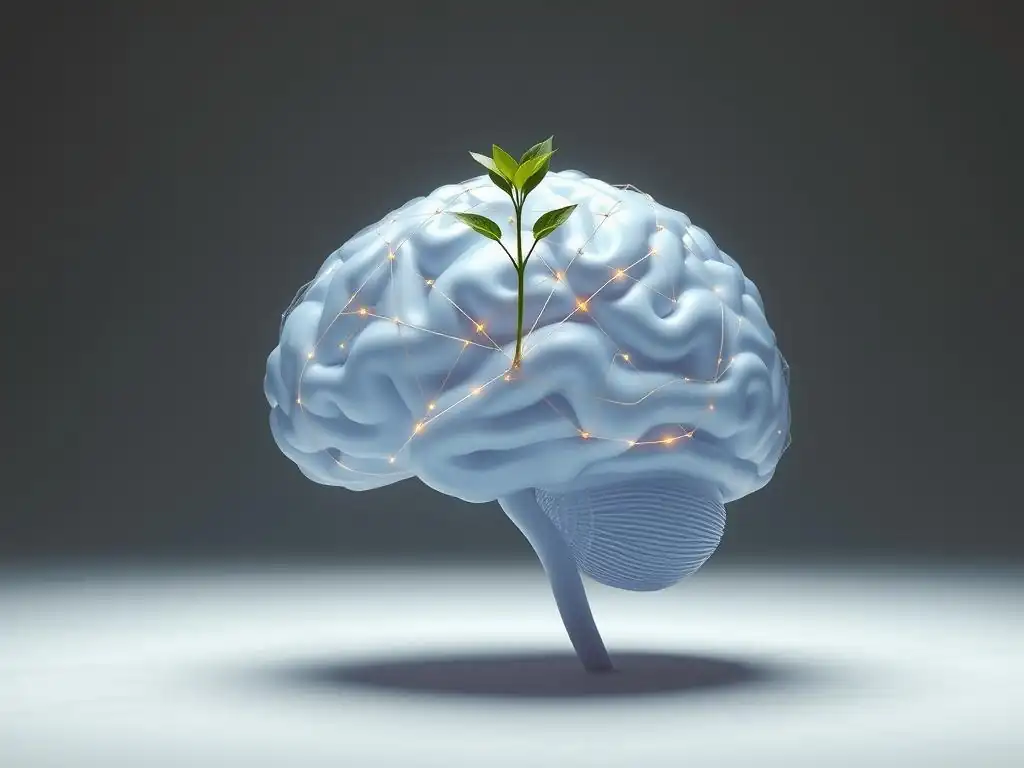
The implications of neuroplasticity for mental health are profound and far-reaching, impacting everything from therapeutic approaches to societal understanding of mental illness. We've seen a move away from purely medication-based treatments towards more holistic approaches that incorporate lifestyle changes, mindfulness practices, and targeted therapies designed to actively reshape neural pathways. This shift reflects a growing recognition of the mind-body connection and the power of individual agency in the healing process. The brain is not a machine; it is a garden that can be cultivated.
This quote encapsulates the essence of neuroplasticity's potential, highlighting the active role individuals can play in their own mental well-being.
Consider the possibilities: Imagine a future where personalized treatment plans, informed by an individual's unique brain patterns and neuroplastic responses, become the norm. Imagine a world where stigma surrounding mental illness diminishes as we embrace the brain's inherent capacity for healing. This future isn't a fantasy; it's a future we are actively building. Take the time to learn more about neuroplasticity, explore the various therapeutic approaches that leverage its power, and remember that your brain is capable of remarkable change. Embrace this potential, and actively cultivate the garden of your mind.
Unlock Your Brain's Potential: Embrace Neuroplasticity Today!
Thanks for exploring the fascinating world of neuroplasticity and its impact on mental health! You've now learned how your brain can adapt and grow, offering incredible opportunities for positive change. Ready to put this knowledge into action?
- Prioritize one new brain-boosting activity this week: This could be anything from starting a mindfulness practice to learning a new language, or even simply committing to a daily walk in nature. Small steps make a big difference!
- Share this article with someone who could benefit: Help spread the word about the power of neuroplasticity and its potential to transform lives.
- Join our Mind Care Guide community: Connect with others on their own neuroplasticity journey for support, inspiration, and shared insights.
What small step will you take today to nurture your brain's incredible capacity for change?