
Finding Inner Peace: Cultivating Stillness with Body Scan

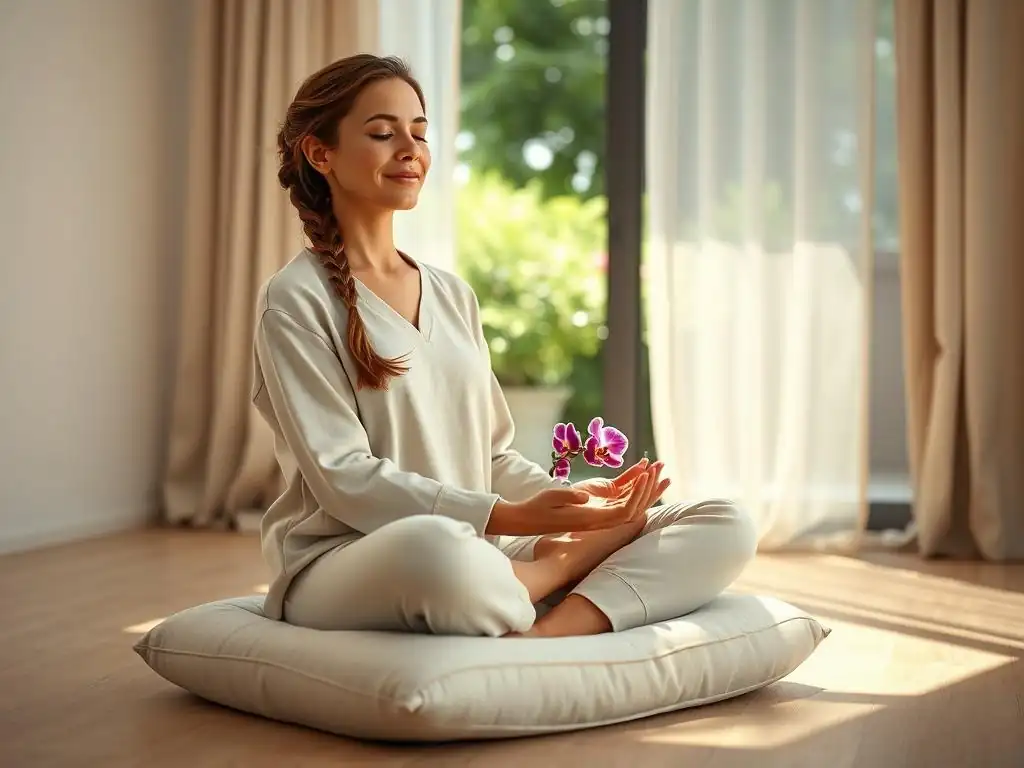
Welcome to Mind Care Guide, a sanctuary dedicated to nurturing your mental well-being.
Feeling overwhelmed by stress? You're not alone. Discover the transformative power of mindfulness in our latest article, where we explore the profound body scan meditation benefits stress. Learn how this simple yet effective technique can help you reconnect with your body, quiet your mind, and cultivate a sense of inner peace. Ready to begin your journey to a calmer, more centered you? Let's explore.
Cultivating Calm: A Guide to Body Scan Meditation for Stress Reduction
- Introduction to Body Scan Meditation
- The Benefits of Body Scan Meditation for Stress Relief
- How to Practice Body Scan Meditation
- Integrating Body Scan into Daily Life
- Addressing Challenges and Common Mistakes
- Advanced Body Scan Techniques
- Real-Life Applications
- Conclusion: Finding Inner Peace Through Body Scan Meditation
-
Frequently Asked Questions
- What exactly is body scan meditation, and how does it relate to stress reduction?
- How often should I practice body scan meditation to experience the body scan meditation benefits stress, and how long should each session be?
- Can body scan meditation help with specific stress-related symptoms like anxiety or insomnia?
- Are there any potential downsides or risks associated with practicing body scan meditation?
- How does body scan meditation differ from other mindfulness techniques, and why might it be particularly effective for reducing stress?
- Final Reflection: The Enduring Power of Stillness
- Unlock Your Inner Calm: Start Your Body Scan Journey Today!
Introduction to Body Scan Meditation
The Link Between Stress, Mind, and Body
Stress is an undeniable part of modern life, acting as a significant bridge between our mental state and physical well-being. When faced with perceived threats, the body activates its stress response system, releasing hormones like cortisol and adrenaline. This physiological cascade is designed for short-term survival, preparing us to fight or flee. However, chronic stress, which is increasingly common, keeps this system on high alert, leading to a range of negative outcomes.
Mentally, this can manifest as persistent worry, anxiety, irritability, and difficulty concentrating. Physically, chronic stress is linked to muscle tension, digestive problems, headaches, weakened immune function, and even increased risk of cardiovascular issues over time. The intricate connection means that alleviating mental stress often requires addressing its physical manifestations, and vice versa.
Consider the statistics: according to recent surveys, over 70% of adults report experiencing symptoms of stress that affect their physical or mental health. This pervasive impact underscores the critical need for effective stress management techniques that address both the mind and the body. Ignoring the physical signals of stress, such as tight shoulders or a churning stomach, makes it harder to manage the accompanying mental distress.
Conversely, getting stuck in anxious thought loops can amplify physical tension. This feedback loop highlights why practices that bring awareness to the physical self, like body scan meditation, are particularly powerful tools for disrupting the stress cycle and fostering a sense of calm.
Body Scan Meditation: A Simple Explanation
Body scan meditation is a foundational mindfulness practice that involves systematically bringing your attention to different parts of your body, one area at a time, from head to toe or toe to head. The goal isn't to change anything you notice, but simply to observe the sensations present in each area with curiosity and without judgment. This could include feelings of warmth, coolness, tingling, pressure, or even the absence of sensation. It's an exercise in present-moment awareness, grounded specifically in the physical realm.
The practice is often described as "shining a flashlight" of attention on different body regions. You might start with the toes, spend a few moments feeling whatever is there, then gently move your attention up to the feet, ankles, calves, and so on. This deliberate, sequential focus helps anchor the mind in the present, pulling it away from worrying thoughts about the past or future.
By tuning into the physical body, you create a space for the mind to settle and become less reactive to stressors. This simple yet profound process is a key reason why body scan meditation benefits stress reduction so effectively, by shifting focus from mental chatter to tangible, physical experience.
Why Stress Management is Essential Today
In our fast-paced, interconnected world, stressors seem to be ever-present, ranging from work pressures and financial worries to social media overload and global uncertainties. This constant exposure to potential triggers makes proactive stress management not just beneficial, but essential for maintaining overall health and quality of life. Unmanaged stress can erode resilience, impair decision-making, strain relationships, and significantly diminish joy and engagement in daily activities. It's a major contributor to burnout, affecting individuals across all professions and life stages.
Effective stress management techniques, such as incorporating regular body scan meditation, equip individuals with tools to navigate challenges more skillfully. Rather than being overwhelmed by stress, these practices help cultivate the capacity to respond thoughtfully instead of reacting impulsively. Research indicates that individuals who actively manage stress report higher levels of life satisfaction, improved sleep quality, and better physical health outcomes.
For instance, studies have shown that regular mindfulness practice can lead to measurable reductions in stress hormones and inflammatory markers. Prioritizing stress management through techniques like body scan meditation is an investment in long-term well-being, building a foundation of inner calm that can withstand external pressures.
The Benefits of Body Scan Meditation for Stress Relief
Stress Reduction Through Body Scan: An Overview
Body scan meditation is widely recognized for its efficacy in reducing stress levels. By intentionally directing attention to physical sensations, practitioners learn to become more aware of where stress is held in the body. This awareness is the first step in releasing tension. The practice encourages a non-judgmental attitude towards whatever sensations arise, which helps to interrupt the typical stress response cycle where physical tension often fuels anxious thoughts, and vice versa. Regularly engaging in body scan helps to cultivate a sense of calm and presence, making it easier to identify and address stressors before they become overwhelming.
Numerous studies have explored the body scan meditation benefits stress reduction. For example, a meta-analysis published in Health Psychology reviewed multiple studies and found that mindfulness-based interventions, which often include body scan, lead to significant reductions in perceived stress and improvements in stress-related symptoms. Participants often report feeling more relaxed, less reactive to stressful situations, and having a greater capacity to cope with challenges. This speaks to the power of simply pausing and connecting with the physical self as a direct pathway to alleviating mental and emotional burden.
How Body Scan Calms the Nervous System
The practice of body scan meditation directly influences the autonomic nervous system, which controls involuntary bodily functions like heart rate, breathing, and digestion. Stress activates the sympathetic nervous system, triggering the "fight or flight" response. Body scan, by promoting relaxation and present-moment awareness, helps to activate the parasympathetic nervous system, often called the "rest and digest" system. This shift counteracts the stress response.
Focusing attention on the body, without trying to change anything, signals to the nervous system that you are safe. This allows the body to move out of a state of high alert. Physiological indicators of this shift include a decrease in heart rate, slower and deeper breathing, and reduced muscle tension.
Studies using biofeedback have demonstrated these changes during mindfulness practices like body scan. For instance, research published in the Journal of Consulting and Clinical Psychology showed that participants practicing mindfulness meditation exhibited reduced levels of cortisol, the primary stress hormone, compared to control groups. This neurobiological effect is a core mechanism by which body scan meditation benefits stress relief at a fundamental level.
Anxiety Reduction and Relaxation Through Body Awareness
Anxiety often manifests as a cascade of worries and future-oriented fears, frequently accompanied by physical symptoms like a racing heart, shallow breathing, and muscle tightness. Body scan meditation offers a powerful antidote by anchoring attention firmly in the present moment and in the tangible reality of physical sensations. By systematically exploring the body, practitioners learn to observe these physical manifestations of anxiety without getting swept away by the accompanying thoughts. This creates a sense of distance and allows for a less reactive response.
Through repeated practice, the body scan helps individuals become more attuned to the subtle signs of tension and anxiety as they arise. This early detection allows for intervention before anxiety escalates. Moreover, the practice itself is inherently relaxing.
Dedicating time to simply be present with the body, in a state of gentle awareness, encourages the release of physical tension that often underlies anxiety. Many individuals who regularly practice body scan meditation benefits stress and anxiety reduction significantly, reporting feeling more grounded and less overwhelmed by anxious feelings. One study involving college students showed that participants who engaged in regular body scan practice reported a significant decrease in test anxiety and improved emotional regulation compared to a control group.
Body Scan for Chronic Pain Management
Chronic pain is often intertwined with stress and anxiety, creating a complex feedback loop where pain exacerbates stress, and stress can intensify the perception of pain. Body scan meditation can be a valuable tool in managing chronic pain, not necessarily by eliminating the pain itself, but by changing the individual's relationship to it. The practice teaches how to observe pain sensations with a non-judgmental awareness, separating the raw physical sensation from the emotional and mental reactions to it.
By focusing attention on areas other than where the pain is most intense, or by gently exploring the edges of the painful area, individuals can discover that sensation is constantly changing and that pain doesn't occupy 100% of their experience. This can reduce the fear and anxiety associated with chronic pain, which in turn can lower stress levels and potentially reduce pain sensitivity. Mindfulness-Based Stress Reduction (MBSR) programs, which heavily feature body scan, have shown positive results in clinical populations dealing with chronic pain conditions like fibromyalgia and lower back pain.
Studies have reported that participants in MBSR programs experienced a reduction in pain intensity and an improvement in their ability to cope with pain, often leading to decreased reliance on pain medication. The body scan meditation benefits stress and pain management by fostering a more accepting and less reactive stance towards physical discomfort.
How to Practice Body Scan Meditation

Preparing for Your Session
Setting the stage for your body scan meditation can significantly enhance the experience and the benefits you gain for stress reduction. Find a quiet place where you won't be disturbed for the duration of your practice, whether it's 10 minutes or 45 minutes. Turn off your phone and minimize other potential distractions.
You can practice lying down on a mat, bed, or floor, which allows for deep relaxation and minimizes points of contact that might pull your attention away. Alternatively, you can sit comfortably in a chair with your feet flat on the floor and hands resting gently in your lap. The key is to find a position where you can be both relaxed and alert, not so comfortable that you fall asleep, but comfortable enough to remain still.
Wear loose, comfortable clothing that doesn't restrict your breathing or movement. You might consider using a blanket if you feel cold, as the body can cool down during deep relaxation. Some people find it helpful to dim the lights or use an eye mask to reduce visual stimulation.
While not strictly necessary, creating a consistent environment can help signal to your mind and body that it's time to practice. Remember, the goal is simply to create conditions that support your ability to focus inward and cultivate awareness of your physical self, maximizing the potential body scan meditation benefits stress relief.
A Step-by-Step Guide to Body Scan Meditation
Practicing the body scan is a straightforward process, though it requires patience and gentle persistence. Here is a common sequence:
- Starting Position: Lie down on your back or sit comfortably. Close your eyes gently if you feel comfortable doing so.
- Initial Settling: Take a few moments to simply arrive. Notice the points where your body makes contact with the surface beneath you. Feel the weight of your body. Take a few deeper breaths, perhaps exhaling slowly, to help yourself settle.
- Bringing Awareness to the Breath: Spend a minute or two noticing the sensation of your breath entering and leaving your body, perhaps in your abdomen or chest. This helps to anchor your attention in the present moment.
- Scanning the Body (Beginning): Gently bring your attention to your toes. Notice any sensations present there – tingling, pressure, warmth, coolness, or nothing at all. Simply observe with curiosity.
- Moving Up the Body: Slowly move your attention upwards through your body, section by section. From the toes, move to the feet, then the ankles, calves, knees, thighs, and pelvis. Spend a few breaths or moments with each area before moving on.
- Continuing the Scan: Continue moving your attention up through the abdomen, lower back, chest, upper back, fingers, hands, wrists, forearms, elbows, upper arms, shoulders, neck, and throat.
- Scanning the Head and Face: Finally, bring your awareness to your face (jaw, mouth, nose, cheeks, eyes, forehead) and the top of your head.
- Whole Body Awareness: After scanning each part individually, take a moment to feel the body as a whole. Notice the overall sense of presence and sensation.
- Concluding the Practice: When you are ready, gently bring your awareness back to the room. Wiggle your fingers and toes, and slowly open your eyes. Take a moment before getting up.
Throughout the practice, the intention is simply to observe, not to change or fix anything. If you encounter discomfort or pain, simply acknowledge it and bring a gentle, curious awareness to the sensations, perhaps exploring the edges of the sensation. If your mind wanders (which it will!
), that's perfectly normal. Simply notice that your mind has wandered and gently guide your attention back to the part of the body you were focusing on. This process of noticing wandering and returning is a core exercise in building mindfulness and attention, contributing to the body scan meditation benefits stress relief by training the mind to be less reactive and more present.
Staying Focused and Handling Distractions
It is completely natural for your mind to wander during body scan meditation. Thoughts about the past, future, to-do lists, or even judgments about the practice itself will inevitably arise. The practice isn't about having an empty mind; it's about recognizing when your mind has drifted and gently guiding your attention back to the intended focus – the physical sensations in the body. This act of noticing and returning is the core mental training involved. Each time you notice your mind has wandered and bring it back, you are strengthening your capacity for attention and present-moment awareness.
When distractions arise, whether they are thoughts, sounds, or physical discomfort, acknowledge them without judgment. You might mentally note, "thinking," or "sound," and then gently redirect your attention back to the part of the body you are scanning. Treat yourself with kindness; there's no need to get frustrated.
Think of it like training a puppy – the puppy will wander, and you gently lead it back. The more you practice this gentle redirection, the stronger your focus muscle becomes. Over time, this increased capacity for focus translates directly into a reduced tendency to ruminate on stressors, thereby enhancing the body scan meditation benefits stress management in daily life.
Adapting Body Scan for Different Needs
Body scan meditation is highly adaptable and can be modified to suit various needs, time constraints, and physical abilities. While a full 45-minute scan is common in formal programs, even a shorter 10 or 15-minute version can offer significant body scan meditation benefits stress reduction. If time is limited, you can focus on a specific area of the body where you tend to hold tension, such as the shoulders, neck, or abdomen. Alternatively, you can do a rapid scan, quickly moving your attention through the body parts, spending just a few seconds on each area.
For individuals who find lying down uncomfortable or who are prone to falling asleep, practicing the body scan while sitting upright in a chair is a perfectly valid option. If physical limitations prevent you from sensing certain body parts clearly, simply bring a gentle awareness to that area, acknowledging its presence even if you feel nothing specific.
For those who find prolonged stillness challenging, incorporating gentle, mindful movements before or after the scan can be helpful. The key is to approach the practice with flexibility and self-compassion, finding a way to engage with the body that feels accessible and supportive for you on any given day.
Integrating Body Scan into Daily Life
Creating a Regular Meditation Practice
Consistency is key to unlocking the full body scan meditation benefits stress reduction and overall well-being. While even a single session can offer temporary relief, the cumulative effects of regular practice are transformative. Aim to incorporate body scan, or another mindfulness practice, into your daily routine. Even starting with 5-10 minutes each day can make a difference. Consider scheduling your practice at the same time each day, perhaps first thing in the morning to set a calm tone, during a lunch break to reset, or before bed to unwind.
Finding a time that works consistently with your schedule is crucial. Some people find that stacking the habit with an existing one, like practicing after brushing their teeth or before their morning coffee, makes it easier to remember. Don't aim for perfection; some days your practice will feel easier, and others will feel more challenging. The important thing is to show up regularly. Reflect on how your body and mind feel before and after your practice. Noticing these subtle shifts can be a powerful motivator to maintain consistency and deepen your commitment to cultivating inner calm through body awareness.
Body Scan as a Self-Care Tool
Viewing body scan meditation as a vital form of self-care can shift your perspective from it being another task to an essential practice for nurturing your well-being. In a world that often encourages pushing through stress, taking dedicated time to pause, tune into your body, and simply be present is a radical act of self-compassion. It's an opportunity to check in with yourself, acknowledge how you are truly feeling, and offer yourself kindness and acceptance. This regular check-in helps prevent burnout and allows you to respond to your needs proactively.
Using body scan as a self-care tool means recognizing its value beyond just stress reduction. It's a way to build a stronger connection with your physical self, improve interoceptive awareness (the ability to sense internal bodily states), and foster a sense of groundedness. When you feel overwhelmed or depleted, a short body scan can provide a much-needed pause and sense of replenishment. It's a portable tool you can use anywhere, anytime you need to reconnect with yourself and find a moment of peace amidst the demands of life, reinforcing the significant body scan meditation benefits stress and overall resilience.
Enhancing Mindfulness with Body Scan
Body scan meditation is not only a mindfulness practice in itself but also serves as a powerful foundation for cultivating mindfulness in other areas of life. By training your attention to focus gently on physical sensations during the formal practice, you develop the skill of being present and aware. This skill can then be extended to everyday activities. For instance, you can practice mindful eating by paying attention to the sensations of taste and texture, or mindful walking by noticing the feeling of your feet on the ground.
The body scan deepens your understanding of the mind-body connection, making you more attuned to how your emotions manifest physically. This heightened awareness allows you to catch stress signals earlier in your day.
As you become more familiar with the subtle shifts in your body, you become better equipped to recognize when you're becoming tense, anxious, or stressed, even outside of formal meditation. This awareness empowers you to take proactive steps, whether it's taking a few deep breaths, stretching, or briefly pausing to reconnect with your body, thereby extending the body scan meditation benefits stress management throughout your waking hours.
Addressing Challenges and Common Mistakes
Managing Difficult Emotions During Body Scan
During body scan meditation, you might encounter not only physical sensations but also difficult emotions such as sadness, anger, fear, or restlessness. This is a common experience and a natural part of the process. The practice encourages you to meet these emotions with the same gentle, non-judgmental awareness you bring to physical sensations. Instead of trying to push them away or get rid of them, simply acknowledge their presence. You might notice where you feel the emotion in your body – perhaps tightness in the chest or a knot in the stomach.
Approach these emotions with curiosity, as if you were studying a new phenomenon. Remind yourself that emotions are temporary and will shift. If the emotion feels overwhelming, it's okay to gently open your eyes or take a break.
You can also shift your focus to the sensation of your breath, which can be a grounding anchor. Remember that simply allowing the emotion to be present, without getting caught up in the story around it, is a powerful way to learn about your inner landscape and build emotional resilience. This practice of acknowledging and sitting with difficult feelings, rather than avoiding them, is a key aspect of how body scan meditation benefits stress reduction related to emotional reactivity.
Dealing with Physical Discomfort
While body scan meditation is generally a relaxing practice, you might encounter physical discomfort or even pain during a session, especially if you are holding tension or have pre-existing conditions. It's important to approach discomfort with the same attitude of gentle curiosity as you would any other sensation. First, check if your position needs adjustment to improve comfort, but avoid excessive fidgeting. Once in a stable position, bring your awareness to the area of discomfort.
Explore the sensations within and around the discomfort. Can you identify different qualities – throbbing, aching, tingling, heat? Notice that the sensation might change from moment to moment. You can also try focusing your attention on areas of the body that feel neutral or comfortable, providing a contrast and a break from the discomfort.
If the pain is intense, it's okay to shorten your practice or stop and move around. Remember that the goal is not to eliminate discomfort, but to change your relationship to it through awareness. If you have chronic pain or a medical condition, it's wise to consult with a healthcare professional before starting any new meditation practice. Learning to be present with physical sensations, even uncomfortable ones, is part of the broader body scan meditation benefits stress management by fostering acceptance and reducing reactivity.
Common Mistakes and How to Avoid Them
Several common pitfalls can arise when beginning body scan meditation. One is trying too hard or feeling like you're "failing" if your mind wanders or you don't feel perfectly relaxed. Avoid the expectation of an empty mind or immediate bliss; the practice is about training attention and cultivating awareness, not achieving a specific state. Simply notice the wandering and gently return. Another mistake is judging sensations as "good" or "bad." Remember the goal is non-judgmental observation. All sensations are simply information.
- Mistake: Trying to make sensations happen or feel a certain way.
- How to Avoid: The intention is just to notice what's already there. Let go of expectations.
- Mistake: Getting frustrated when the mind wanders.
- How to Avoid: Recognize mind-wandering as normal. Gently guide attention back. Each time is a repetition for building focus.
- Mistake: Falling asleep during the practice (especially when lying down).
- How to Avoid: If lying down, ensure you are comfortable but not overly cozy. If it persists, try sitting upright in a chair. You can also practice with your eyes slightly open.
- Mistake: Rushing through the scan or skipping areas.
- How to Avoid: Take your time with each body part. There's no finish line to race towards. The process is the practice.
Avoiding these common mistakes helps ensure you engage with the practice effectively, maximizing the potential body scan meditation benefits stress reduction and self-awareness.
Advanced Body Scan Techniques

Combining Body Scan with Other Mindfulness Practices
Once you have a foundational understanding of body scan meditation, you can explore combining it with other mindfulness techniques to deepen your practice and enhance its effects. For instance, you might start your meditation session with a brief period of focused breathing, paying close attention to the physical sensations of the breath, before moving into the systematic body scan. This can help to settle the mind and anchor you in the present moment before you begin scanning.
Another approach is to integrate loving-kindness meditation (Metta) with the body scan. As you bring awareness to each part of your body, you can silently offer phrases of kindness and compassion towards that area, such as "May this part of my body be free from pain," or "May I be kind to myself." This adds an element of self-compassion to the physical awareness.
Furthermore, practicing mindful walking or mindful movement after a body scan can help integrate the sense of embodied presence into activity. These combinations allow you to explore different dimensions of mindfulness while leveraging the grounding power of body awareness, potentially amplifying the body scan meditation benefits stress reduction and emotional well-being.
Body Scan and Emotional Regulation
Body scan meditation is a powerful tool for developing emotional regulation skills. By regularly tuning into the body, you become more skilled at recognizing the physical sensations associated with different emotions as they arise. For example, you might notice tightness in your chest when you feel anxious, heat in your face when you feel angry, or a lightness in your shoulders when you feel joy. This increased interoceptive awareness provides an early warning system, allowing you to identify emotions before they become overwhelming.
Furthermore, the non-judgmental attitude cultivated during the body scan extends to your emotional experience. Instead of immediately reacting to or suppressing difficult emotions, you learn to simply observe them as temporary states, noticing where they are held in the body and how they shift over time. This creates a space between the emotion and your reaction, enabling you to choose a more skillful response.
For instance, recognizing the physical signs of rising anger allows you to pause and breathe, rather than immediately lashing out. This capacity for mindful response is a significant aspect of how body scan meditation benefits stress management and promotes emotional resilience.
Body Scan Meditation and Trauma Sensitivity (Consult with a healthcare professional if you have a history of trauma)
For individuals with a history of trauma, body scan meditation requires a sensitive and cautious approach. Trauma can profoundly impact the body, and bringing focused attention to physical sensations can sometimes trigger intense emotional or physical responses, including flashbacks or dissociation. While mindfulness and body awareness practices can be incredibly healing for trauma survivors, it is crucial that they are approached safely and, ideally, under the guidance of a trauma-informed therapist or mindfulness instructor.
If you have a history of trauma, consider starting with very short periods of body awareness, focusing on sensations that feel neutral or pleasant, such as the feeling of your feet on the floor or the gentle rise and fall of your breath. It can be helpful to practice with your eyes open initially, maintaining a sense of connection to your surroundings. Having a safe person or space nearby can also provide a sense of security.
Always prioritize your sense of safety and well-being. If the practice feels activating or overwhelming, stop and use grounding techniques, such as focusing on your five senses.
It is strongly recommended to consult with a healthcare professional or a trauma-informed therapist before engaging in body scan meditation if you have a history of trauma. They can help you determine if this practice is appropriate for you at this time and guide you in a way that supports your healing journey, ensuring that you can potentially explore body scan meditation benefits stress reduction in a safe and controlled manner.
Real-Life Applications
Stress Reduction in Healthcare Professionals
Healthcare professionals face incredibly high levels of stress and burnout due to demanding workloads, emotional intensity, and long hours. Integrating mindfulness practices, including body scan meditation, has shown promise in mitigating these challenges. Hospitals and healthcare systems have implemented mindfulness programs tailored for doctors, nurses, and support staff. These programs often teach techniques like body scan to help professionals manage stress in high-pressure environments and cultivate resilience.
For example, a study conducted at a major medical center offered an 8-week mindfulness course, which included body scan, to oncology nurses. Participants reported a significant decrease in perceived stress and burnout symptoms compared to a control group.
Another initiative involving physicians demonstrated that regular short mindfulness sessions, including brief body scans, led to improved emotional regulation and a reduction in self-reported stress levels. The ability to quickly tune into physical sensations and release tension learned through body scan meditation provides healthcare workers with a valuable tool to navigate the daily stressors of their profession, highlighting the practical body scan meditation benefits stress management in critical fields.
Improving Sleep Quality and Managing Anxiety in Students
College students often grapple with significant stress, anxiety, and sleep disturbances due to academic pressures, social adjustments, and financial concerns. Mindfulness interventions, particularly body scan meditation, have been introduced in university settings as a way to support student mental health. The practice helps students become more aware of physical tension related to anxiety and provides a method for relaxation, which can be particularly helpful before sleep.
Research involving university students participating in mindfulness programs incorporating body scan reported improvements in both anxiety levels and sleep quality. One study found that students who practiced body scan regularly experienced a reduction in symptoms of generalized anxiety disorder and took less time to fall asleep.
The body scan helps quiet the racing thoughts that often interfere with sleep and allows the body to relax deeply. By training students to become more present and less reactive to stressful thoughts, body scan meditation benefits stress and anxiety management, contributing to better academic performance and overall well-being during their demanding educational years.
Personal Story: Finding Calm Through Body Scan Meditation
Note: This is a composite example based on common experiences shared by individuals who practice body scan meditation.
"For years, I lived with a constant knot of tension in my stomach and shoulders. I didn't even realize how stressed I was until I started experiencing frequent headaches and difficulty sleeping. My mind was always racing, jumping from one worry to the next. I decided to try a mindfulness course, and the body scan meditation was a core practice. Initially, I found it frustrating; my mind wandered constantly, and I felt impatient. But I stuck with it, practicing for just 15 minutes each evening.
Slowly, something began to shift. I started noticing the subtle sensations in my body – the warmth in my hands, the pressure of my feet on the floor. I learned to recognize the first signs of tension building in my shoulders before it turned into a full-blown headache. More importantly, I learned to simply observe these sensations and my anxious thoughts without immediately reacting.
It wasn't about getting rid of the stress entirely, but about changing my relationship with it. Now, when I feel overwhelmed, I can pause, take a few deep breaths, and quickly scan my body. This simple act helps to ground me in the present moment and prevents the stress from spiraling. The body scan meditation benefits stress reduction have been profound for me, giving me a tool to find moments of peace and calm in the midst of a busy life."
Conclusion: Finding Inner Peace Through Body Scan Meditation
Summary of Benefits and Techniques
Body scan meditation is a powerful and accessible mindfulness practice that offers significant benefits for stress reduction and overall well-being. By systematically bringing non-judgmental attention to physical sensations throughout the body, practitioners cultivate present-moment awareness, reduce physical tension, and activate the body's relaxation response. This simple technique helps to interrupt the cycle of stress by anchoring the mind in the tangible reality of the body, pulling attention away from anxious thoughts and future worries.
The practice involves finding a comfortable position, settling in, and then gently moving awareness through each part of the body, observing sensations with curiosity. Key benefits include measurable reductions in stress hormones like cortisol, activation of the parasympathetic nervous system, improved anxiety management by fostering present awareness, and even aiding in coping with chronic pain by altering the relationship to discomfort.
While challenges like mind-wandering or encountering difficult emotions may arise, the practice teaches gentle redirection and non-judgmental acceptance. Regular practice, even for short durations, integrates these body scan meditation benefits stress management into daily life, enhancing mindfulness and self-care.
Encouragement for Continued Practice
Embarking on the journey of body scan meditation is an investment in your inner peace and resilience. Like any skill, it takes practice and patience. There will be days when it feels easy and deeply relaxing, and days when it feels challenging and your mind feels particularly restless. Be kind to yourself on these days. The goal is not perfection, but consistency and gentle persistence. Each time you show up for the practice, you are strengthening your capacity for presence, awareness, and self-compassion.
The body scan meditation benefits stress relief accumulate over time. As you continue to practice, you may find yourself becoming more aware of your body's signals throughout the day, better equipped to recognize stress as it arises, and more capable of responding skillfully rather than reacting automatically. Make it a regular part of your self-care routine, whether it's for 5 minutes or 30 minutes. Trust the process and celebrate the small shifts you notice. Your commitment to connecting with your body is a powerful step towards cultivating lasting calm and inner peace.
Resources for Further Learning
To deepen your understanding and practice of body scan meditation, numerous resources are available. Guided meditations, often found through mindfulness apps or websites, can be particularly helpful when starting out, providing verbal instructions to guide you through the scan sequence. Books by pioneers in the field, such as Jon Kabat-Zinn, who developed the Mindfulness-Based Stress Reduction (MBSR) program that heavily features the body scan, offer comprehensive insights into the practice and its underlying principles.
Attending a local mindfulness course or workshop led by a certified instructor can also provide valuable guidance, allowing you to ask questions and receive personalized support. Many universities and community centers offer such programs. Exploring different guided versions of the body scan can help you find a style that resonates with you. Remember, the core technique is simple, but consistent engagement with supportive resources can help you navigate challenges and fully embrace the transformative body scan meditation benefits stress reduction and enhanced well-being.
Frequently Asked Questions
What exactly is body scan meditation, and how does it relate to stress reduction?
Body scan meditation is a mindfulness technique that involves systematically focusing your attention on different parts of your body. It reduces stress by promoting present moment awareness and decreasing physiological arousal.
How often should I practice body scan meditation to experience the body scan meditation benefits stress, and how long should each session be?
Consistency is key; aim for at least 3-5 times per week. Start with 10-15 minute sessions and gradually increase the duration as you become more comfortable.
Yes, body scan meditation can be beneficial. By reducing overall stress levels, it can alleviate anxiety symptoms and improve sleep quality.
Are there any potential downsides or risks associated with practicing body scan meditation?
For most people, body scan meditation is safe. However, individuals with a history of trauma or severe mental health conditions should consult with a mental health professional before starting.
How does body scan meditation differ from other mindfulness techniques, and why might it be particularly effective for reducing stress?
Unlike other mindfulness practices that focus on breath or thoughts, body scan specifically directs attention to physical sensations. This can be particularly effective for grounding oneself and reducing stress by becoming aware of and releasing tension held in the body.
Final Reflection: The Enduring Power of Stillness
The relentless pace of modern life often leaves us feeling overwhelmed, yet the simple act of cultivating stillness through practices like body scan meditation offers a powerful antidote to stress. This ancient technique, readily accessible to anyone, provides a tangible pathway to inner peace, a resource increasingly vital in our high-pressure world. The benefits, from reduced anxiety to improved sleep, are not merely anecdotal; they are supported by growing scientific research, solidifying the body scan's place as a valuable tool for self-care.
The profound impact of body scan meditation extends beyond individual well-being; it fosters a deeper connection with ourselves and the present moment, influencing our interactions with others and shaping our overall perspective. This mindful awareness, cultivated through consistent practice, allows us to navigate challenges with greater resilience and compassion. As Thich Nhat Hanh eloquently stated, Peace is not something you can find. Peace is something you create.
Body scan meditation provides the practical tools to actively create that inner peace, transforming our relationship with stress and fostering a more harmonious existence.
Now, consider your own life. Where do you feel the weight of stress most acutely? How might incorporating even five minutes of daily body scan meditation help you cultivate a greater sense of calm and clarity? I invite you to experiment, to explore the transformative power of stillness within, and to discover the profound benefits that await you on this journey towards inner peace. Begin today, and witness the ripple effect of tranquility extending into every aspect of your life.
Unlock Your Inner Calm: Start Your Body Scan Journey Today!
Thank you for taking the time to explore the power of body scan meditation with us. We hope you've gained a deeper understanding of how this simple practice can cultivate stillness and inner peace. Now, it's time to put your newfound knowledge into action!
- Begin your first body scan meditation now: Find a quiet space, settle in comfortably, and follow the guided steps you learned. Even 5 minutes can make a significant difference. This is your primary step toward cultivating inner calm.
- Share your experience: Connect with others on their journey by sharing your thoughts and reflections on body scan practice in the comments below. Your insights might inspire someone else to begin their own journey.
- Explore different guided body scans: Search online for various guided meditations to find what resonates best with you. Experimenting with different voices and techniques will help you discover your personal practice.
Ready to experience the transformative power of stillness? What’s the first step you’ll take to incorporate body scan meditation into your daily routine?