
Fueling Focus: How AntiInflammatory Eating Improves Concentration


Welcome to Mind Care Guide, a safe space dedicated to nurturing your mental well-being.
Feeling foggy and struggling to concentrate? You're not alone. Discover how a simple shift in your diet could be the key. Our in-depth exploration of how an antiinflammatory diet improves focus will reveal the powerful connection between what you eat and how you think. Ready to unlock your mental clarity? Let's dive in...
Fueling Focus: How Anti-Inflammatory Eating Improves Concentration
- Understanding the Connection: Inflammation and Cognitive Function
- The Anti-Inflammatory Diet: A Roadmap to Sharper Focus
- Anti-Inflammatory Diet: Practical Strategies
- Scientific Evidence: Research Supporting Anti-Inflammatory Eating for Cognitive Enhancement
- Optimizing Your Diet for Peak Mental Clarity: A Personalized Approach
- Long-Term Benefits of an Anti-Inflammatory Diet on Cognitive Health
-
Frequently Asked Questions
- What is an anti-inflammatory diet and how does it relate to focus?
- How does inflammation impact concentration and mental clarity?
- What are some key foods to include in an anti-inflammatory diet for better focus?
- How long does it typically take to notice an improvement in focus after starting an anti-inflammatory diet?
- Are there any other lifestyle factors that can complement an anti-inflammatory diet to improve focus?
- Final Reflection: Igniting Your Mind Through the Plate
- Ignite Your Focus: Take Control of Your Concentration Today!
Understanding the Connection: Inflammation and Cognitive Function
The Role of Inflammation in Brain Health
Inflammation is the body's natural response to injury or infection, a crucial part of the immune system. In the brain, specialized immune cells called microglia play a key role in this process, acting as the central nervous system's primary defenders. When activated acutely, microglia help clear debris and pathogens, supporting brain health. However, chronic, low-grade inflammation can occur when these cells remain activated over extended periods, often triggered by factors like poor diet, stress, or environmental toxins. This persistent activation leads to the release of inflammatory molecules known as cytokines, which can disrupt normal neuronal function and communication pathways.
Chronic inflammation in the brain is increasingly recognized as a significant contributor to various neurological and psychiatric conditions. Studies have shown that elevated levels of inflammatory markers, such as C-reactive protein (CRP) in the blood, are often correlated with decreased cognitive performance across different age groups. This suggests that while acute inflammation is protective, a sustained inflammatory state can actively harm the delicate balance required for optimal brain function. Understanding this fundamental link between inflammation and neural processes is the first step in appreciating how dietary interventions, specifically an anti-inflammatory diet, can improve focus and overall cognitive well-being.
How Chronic Inflammation Impacts Focus and Concentration
Chronic inflammation doesn't just cause physical discomfort; it can profoundly affect mental clarity and cognitive abilities, particularly focus and concentration. The inflammatory cytokines released in the brain can interfere with neurotransmitter systems essential for attention, such as dopamine and acetylcholine. This disruption can manifest as "brain fog," difficulty sustaining attention on tasks, impaired working memory, and reduced mental stamina. Imagine your brain trying to operate with constant low-level static – that's akin to the challenge posed by chronic inflammation.
Research consistently links systemic inflammation to cognitive deficits. For example, studies in individuals with inflammatory conditions like irritable bowel syndrome (IBS) or rheumatoid arthritis often report higher instances of cognitive complaints, including difficulty concentrating. Data from large cohort studies, such as the Nurses' Health Study, have indicated that women with higher levels of inflammatory biomarkers have a slightly increased risk of cognitive decline over several years compared to those with lower levels.
While the exact mechanisms are complex, the evidence strongly suggests that reducing chronic inflammation is a viable strategy to potentially enhance cognitive function and sharpen focus. This is where the concept of an anti-inflammatory diet improves focus becomes particularly relevant.
The Gut-Brain Axis: A Key Player in Cognitive Function
The gut and the brain are in constant communication through a complex network known as the gut-brain axis. This bidirectional pathway involves the nervous system (including the vagus nerve), the endocrine system, and the immune system, all influenced significantly by the trillions of microorganisms residing in the gut – the gut microbiota. A healthy, diverse gut microbiome plays a vital role in producing neurotransmitters, synthesizing vitamins, and maintaining the integrity of the gut lining, which prevents harmful substances from entering the bloodstream.
However, an imbalance in the gut microbiota, often referred to as dysbiosis, can trigger inflammation. A diet high in processed foods and low in fiber can promote the growth of pro-inflammatory bacteria and compromise the gut barrier ("leaky gut"). This allows inflammatory molecules and bacterial products (like lipopolysaccharides or LPS) to enter the circulation, potentially reaching the brain.
Once in the brain, these substances can activate microglia and perpetuate chronic neuroinflammation, thereby impairing cognitive functions like focus and concentration. Nurturing a healthy gut microbiome through an anti-inflammatory diet can therefore directly support brain health and demonstrate how an anti-inflammatory diet improves focus by influencing this critical axis.
The Anti-Inflammatory Diet: A Roadmap to Sharper Focus
What is an Anti-Inflammatory Diet?
An anti-inflammatory diet isn't a strict, short-term regimen but rather a long-term eating pattern centered on foods known to reduce inflammation in the body. It emphasizes whole, unprocessed foods rich in antioxidants, omega-3 fatty acids, fiber, and essential vitamins and minerals, while limiting foods that tend to promote inflammation. Think of it as a lifestyle shift towards nourishing your body in a way that calms inflammatory responses rather than provoking them. This dietary approach is widely recognized for its benefits beyond just inflammation, supporting cardiovascular health, metabolic balance, and indeed, cognitive function.
The core principles involve prioritizing plant-based foods, choosing healthy fats, selecting lean protein sources, and incorporating herbs and spices known for their anti-inflammatory properties. It's less about calorie counting and more about food quality and composition. Adopting this style of eating provides the body with the necessary building blocks to combat oxidative stress and chronic inflammation, creating a more favorable environment for brain cells to function optimally. This targeted nutritional strategy is precisely why an anti-inflammatory diet improves focus and overall mental clarity for many individuals.
Key Anti-Inflammatory Foods to Boost Concentration
Incorporating specific foods into your daily meals can significantly bolster your body's fight against inflammation and provide direct benefits for cognitive function. These foods are packed with compounds that actively work to neutralize inflammatory molecules and protect brain cells. Making conscious choices about what you eat can be a powerful tool in enhancing your ability to concentrate and maintain mental sharpness throughout the day.
Let's explore some of the powerhouses of an anti-inflammatory diet and how they contribute to improved focus. Understanding the why behind these food choices can empower you to make sustainable changes.
Fruits and Vegetables Rich in Antioxidants
Fruits and vegetables, especially those with vibrant colors, are loaded with antioxidants like vitamins C and E, carotenoids, and flavonoids. Antioxidants combat oxidative stress, a process closely linked to inflammation and cellular damage, including in the brain. For instance, blueberries are particularly rich in anthocyanins, a type of flavonoid shown in some human studies to improve memory and attention over time when consumed regularly. A study involving older adults found that daily consumption of blueberry powder for 16 weeks led to improvements in certain cognitive tasks.
Leafy green vegetables like spinach, kale, and collard greens are excellent sources of vitamins K, lutein, and folate, all associated with brain health. Research published in the journal Neurology found that eating just one serving of green leafy vegetables per day was associated with slower cognitive decline in older adults. These foods provide the necessary micronutrients and protective compounds that help shield brain cells from inflammatory damage, thereby supporting sustained focus and cognitive function.
Healthy Fats for Brain Function
Not all fats are created equal. Healthy fats, particularly omega-3 fatty acids, are crucial components of brain cell membranes and play a significant role in regulating inflammation. Omega-3s, specifically EPA (eicosapentaenoic acid) and DHA (docosahexaenoic acid), found abundantly in fatty fish like salmon, mackerel, and sardines, have potent anti-inflammatory effects. DHA is a major structural component of the brain, essential for maintaining cell membrane fluidity and facilitating communication between neurons.
Studies have consistently linked higher intake of omega-3s to better cognitive function and reduced risk of cognitive decline. For example, a meta-analysis of observational studies suggested a positive association between fish consumption and cognitive performance. Other sources of healthy fats include avocados, nuts (like walnuts and almonds), and seeds (chia seeds, flaxseeds), which provide monounsaturated fats and some omega-3s (ALA - alpha-linolenic acid). Incorporating these fats helps to reduce overall systemic inflammation, creating a more stable environment for neuronal activity necessary for concentration.
Lean Proteins and Their Cognitive Benefits
Protein is essential for synthesizing neurotransmitters, the chemical messengers that facilitate communication between brain cells and are vital for focus, mood, and attention. Lean protein sources like poultry, fish, legumes, and tofu provide the necessary amino acids without the higher levels of saturated fat often found in red and processed meats, which can be pro-inflammatory for some individuals. For example, tyrosine, an amino acid found in protein-rich foods, is a precursor to dopamine and norepinephrine, neurotransmitters critical for alertness and focus.
Consuming adequate protein also helps stabilize blood sugar levels, preventing the spikes and crashes that can impair concentration. A balanced meal containing lean protein, healthy fats, and complex carbohydrates provides sustained energy for the brain, supporting cognitive endurance. While protein's primary role isn't directly anti-inflammatory in the same way as antioxidants or omega-3s, choosing lean sources within an overall anti-inflammatory framework contributes to better metabolic health and reduces the burden of potentially pro-inflammatory components, indirectly supporting the brain's ability to focus.
Spices with Anti-Inflammatory Properties
Many common kitchen spices are potent anti-inflammatory agents, offering a simple and delicious way to enhance your diet's cognitive benefits. Turmeric, containing the active compound curcumin, is perhaps the most well-known. Curcumin has been extensively studied for its powerful anti-inflammatory and antioxidant effects, and research suggests it may cross the blood-brain barrier and directly impact brain health. Some preliminary studies indicate that curcumin supplementation might improve attention and memory in certain populations, though more research is needed.
Ginger is another spice with strong anti-inflammatory and antioxidant properties, traditionally used to alleviate various ailments. Compounds in ginger, such as gingerols, can help reduce inflammatory markers in the body. Cinnamon also possesses anti-inflammatory and antioxidant benefits and may help regulate blood sugar levels, which is indirectly beneficial for maintaining stable cognitive function. Incorporating these spices into your cooking not only adds flavor but actively contributes to reducing systemic inflammation that can hinder focus, showcasing another facet of how an anti-inflammatory diet improves focus.
Foods to Avoid for Enhanced Focus: Reducing Inflammatory Triggers
Just as certain foods can help reduce inflammation, others can actively promote it. Minimizing or eliminating these pro-inflammatory culprits is as crucial as adding the beneficial foods when aiming to improve focus through diet. These foods often contribute to oxidative stress, disrupt gut health, and cause rapid blood sugar fluctuations, all of which can negatively impact cognitive function and perpetuate that unwelcome "brain fog."
Understanding which foods act as inflammatory triggers allows you to make informed choices that support your mental clarity. Reducing your intake of these items removes obstacles to optimal brain performance, reinforcing the cognitive benefits of an anti-inflammatory diet.
Processed Foods and Their Negative Impact on Concentration
Processed foods are often high in unhealthy fats (like trans fats and processed vegetable oils), refined carbohydrates, added sugars, and artificial additives. These components are notorious for triggering systemic inflammation. For example, hydrogenated oils, commonly found in many processed snacks and baked goods, contribute to oxidative stress and inflammation. The high calorie density and low nutrient value of these foods mean they provide little support for brain health and can actively work against cognitive function.
Regular consumption of processed foods has been linked in observational studies to a higher risk of cognitive decline and poorer performance on cognitive tests. They can also negatively impact the gut microbiome, leading to dysbiosis and further inflammation along the gut-brain axis. By displacing nutrient-dense whole foods, processed items deprive the brain of the essential building blocks it needs to function optimally, making it harder to concentrate and maintain mental energy. Avoiding these items is a fundamental step in allowing an anti-inflammatory diet to improve focus effectively.
Sugary Drinks and Their Inflammatory Effects
Sugary drinks, such as sodas, fruit juices with added sugar, and energy drinks, are concentrated sources of rapidly absorbed sugars, particularly high-fructose corn syrup. This rapid influx of sugar leads to sharp spikes in blood glucose and insulin levels, which over time can promote chronic low-grade inflammation throughout the body, including the brain. High sugar intake has been shown to increase inflammatory markers like CRP and IL-6.
Beyond inflammation, excessive sugar consumption can impair cognitive function directly. Research suggests that diets high in added sugars can negatively impact memory and learning abilities. The rapid energy boost from sugary drinks is often followed by a crash, leading to fatigue and difficulty concentrating. Opting for water, herbal teas, or unsweetened beverages is a simple yet impactful way to reduce inflammatory load and support stable cognitive performance. Limiting sugary drinks is a key component in leveraging an anti-inflammatory diet to improve focus and avoid energy dips.
Refined Carbohydrates and Cognitive Impairment
Refined carbohydrates, found in white bread, pasta, pastries, and white rice, have been stripped of their fiber and many nutrients during processing. Like sugary drinks, they are quickly digested and cause rapid increases in blood sugar levels. This glycemic response triggers similar inflammatory pathways as added sugars and contributes to insulin resistance over time, a condition linked to impaired cognitive function and an increased risk of neurodegenerative diseases.
The lack of fiber in refined carbohydrates also means they don't provide the sustained energy release that whole grains or complex carbohydrates do. This can lead to energy fluctuations and difficulty maintaining focus. Furthermore, diets high in refined carbs can negatively alter the gut microbiome composition, further contributing to inflammation via the gut-brain axis. Replacing refined grains with whole grains (like brown rice, quinoa, oats) and other complex carbohydrates (like vegetables and legumes) is crucial for reducing inflammation and supporting consistent mental clarity, demonstrating how choosing wisely within an anti-inflammatory diet improves focus.
Anti-Inflammatory Diet: Practical Strategies
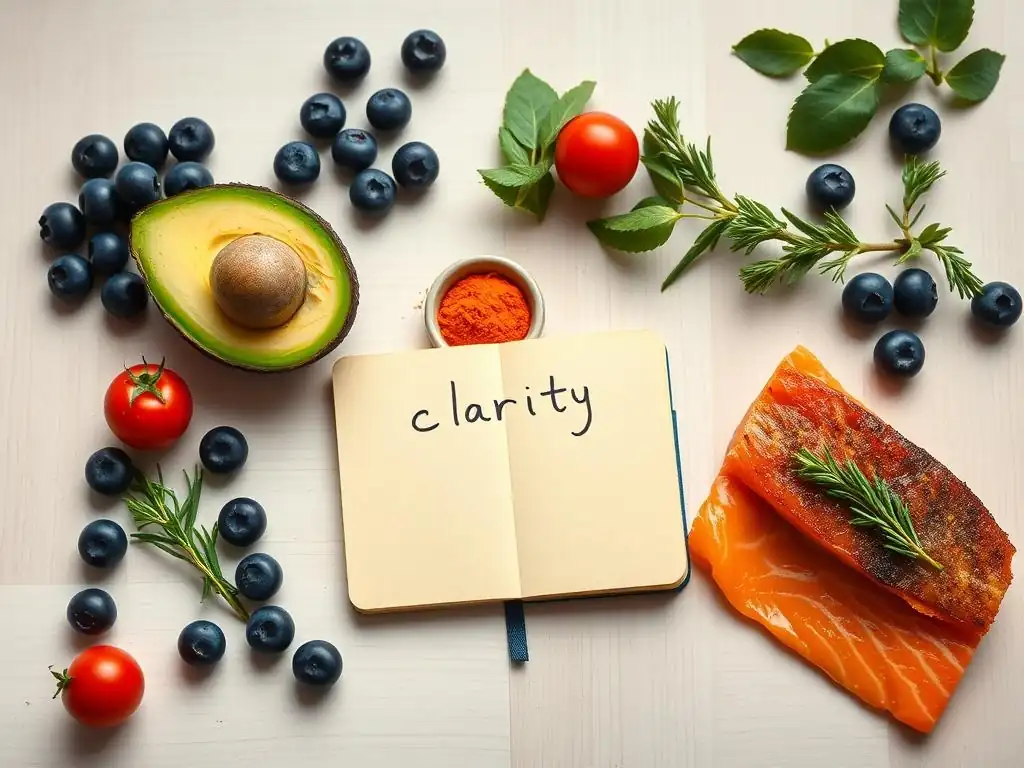
Creating an Anti-Inflammatory Meal Plan for Enhanced Concentration
Transitioning to an anti-inflammatory diet doesn't have to be overwhelming. A structured approach, like creating a meal plan, can make it much more manageable and sustainable. Start by assessing your current eating habits and identifying areas where you can swap pro-inflammatory foods for anti-inflammatory alternatives. Focus on incorporating a variety of colorful fruits and vegetables, lean proteins, healthy fats, and complex carbohydrates into each meal. Planning helps ensure you have the necessary ingredients on hand and reduces the likelihood of defaulting to less healthy convenience foods when you're busy.
Consider building your meals around a large portion of non-starchy vegetables, adding a source of lean protein or legumes, including a healthy fat (like avocado or olive oil), and finishing with a modest portion of a whole grain or starchy vegetable if desired. For example, a lunch could be a large salad with mixed greens, grilled chicken or chickpeas, avocado slices, and a drizzle of olive oil and lemon juice.
This balanced approach ensures you're getting a wide spectrum of nutrients that combat inflammation and support brain function, illustrating how a planned anti-inflammatory diet improves focus by providing consistent nutritional support.
Sample Anti-Inflammatory Recipes for Improved Focus
You don't need complex recipes to eat anti-inflammatory. Simple preparations that highlight fresh, whole ingredients are often the best. Here are some ideas focusing on nutrient density and ease of preparation:
- Breakfast Ideas for Sustained Cognitive Energy:
- Overnight oats made with rolled oats, chia seeds, almond milk, and topped with berries and a sprinkle of walnuts.
- Scrambled eggs with spinach, mushrooms, and a side of avocado.
- A smoothie blending leafy greens (kale or spinach), berries, half a banana, almond milk, and a scoop of plant-based protein powder.
- Lunch Options for Enhanced Mental Clarity:
- Quinoa salad with cucumber, tomatoes, bell peppers, black beans, and a lime-cilantro dressing.
- Leftover baked salmon with roasted broccoli and sweet potato.
- Lentil soup packed with vegetables and herbs.
- Dinner Recipes to Support Optimal Brain Function:
- Baked chicken or tofu with a generous portion of steamed asparagus and brown rice.
- Cod or other white fish baked with lemon and herbs, served with a side of sautéed kale.
- Vegetable curry (using coconut milk, turmeric, ginger) with chickpeas and mixed vegetables, served with a small portion of quinoa.
These simple ideas demonstrate how easy it is to build meals that reduce inflammation and provide the nutrients needed for sharp focus. By focusing on fresh, whole ingredients, you naturally create meals that support cognitive health.
Lifestyle Factors Complementing an Anti-Inflammatory Diet for Focus
While diet is a cornerstone of reducing inflammation for better focus, other lifestyle factors play a crucial supportive role. Adopting a holistic approach that addresses diet, stress, sleep, and physical activity creates a powerful synergy that maximizes your potential for enhanced cognitive function. Ignoring these other pillars can undermine even the best dietary efforts.
Integrating these practices alongside an anti-inflammatory diet provides a comprehensive strategy for not only improving focus but also promoting overall mental well-being and resilience against cognitive challenges.
The Importance of Sleep for Cognitive Health
Sleep is a critical period for brain repair and consolidation. During sleep, the brain clears out metabolic waste products, including those associated with inflammation. Chronic sleep deprivation, defined as consistently getting less than 7-9 hours of quality sleep per night for most adults, is linked to increased levels of inflammatory markers in the body. Studies have shown that even just one night of poor sleep can elevate inflammatory cytokines.
Lack of sleep directly impairs cognitive functions like attention, concentration, memory, and decision-making. It makes it harder to stay focused and can exacerbate brain fog. Prioritizing sufficient, restorative sleep allows the brain to perform essential maintenance, reducing the inflammatory burden and supporting optimal daytime cognitive performance. Aiming for consistent sleep hygiene complements the benefits of an anti-inflammatory diet in fueling focus.
Stress Management Techniques to Reduce Inflammation
Chronic stress triggers the release of hormones like cortisol, which, while helpful in short bursts, can promote inflammation when levels remain elevated over time. Sustained stress is associated with higher levels of pro-inflammatory cytokines and can negatively impact the gut-brain axis, further contributing to systemic inflammation that affects cognitive function. Feeling constantly stressed makes it incredibly difficult to concentrate and maintain mental clarity.
Incorporating stress management techniques into your routine is vital. This could include practices like mindfulness meditation, deep breathing exercises, yoga, spending time in nature, or engaging in hobbies. Finding healthy ways to cope with stress helps regulate the body's inflammatory response, creating a more favorable internal environment for the brain to function effectively. Combining stress reduction with an anti-inflammatory diet improves focus by tackling inflammation from multiple angles.
Regular Exercise and its Impact on Brain Function
Regular physical activity is a powerful anti-inflammatory agent. Exercise helps reduce systemic inflammation by decreasing inflammatory markers and increasing the production of anti-inflammatory molecules. It also improves circulation, ensuring the brain receives adequate oxygen and nutrients, and stimulates the release of brain-derived neurotrophic factor (BDNF), a protein that supports the growth, survival, and function of brain cells.
Studies have repeatedly shown that regular exercise improves cognitive function, including attention, processing speed, and executive function. Aiming for at least 150 minutes of moderate-intensity aerobic activity or 75 minutes of vigorous activity per week, as recommended by health guidelines, can significantly contribute to reducing inflammation and enhancing mental sharpness. Integrating exercise with an anti-inflammatory diet provides a robust foundation for boosting focus and overall brain health.
Scientific Evidence: Research Supporting Anti-Inflammatory Eating for Cognitive Enhancement
Studies on the Link Between Diet and Concentration
A growing body of scientific research supports the notion that dietary patterns significantly influence cognitive function, including the ability to concentrate. Observational studies, such as those following large populations over time, have consistently shown that dietary patterns rich in fruits, vegetables, whole grains, and healthy fats (characteristic of anti-inflammatory diets like the Mediterranean diet) are associated with better cognitive performance and a reduced risk of cognitive decline in later life.
For instance, data from the PREDIMED study, a large randomized trial in Spain, found that participants following a Mediterranean diet supplemented with olive oil or nuts showed improved cognitive function compared to a control group over several years.
Intervention studies, where participants are assigned to specific diets, also provide compelling evidence. While studies specifically measuring "concentration" as a single outcome can be complex, research often assesses related cognitive domains like attention, working memory, and processing speed. A randomized controlled trial published in Nutrients in 2019, for example, explored the effects of a whole-food, plant-based diet on cognitive function and found improvements in measures of attention and executive function. This collective evidence underscores the powerful connection between what we eat and our brain's ability to focus.
The Impact of Specific Nutrients on Cognitive Performance
Beyond whole dietary patterns, research has delved into the effects of specific nutrients abundant in anti-inflammatory diets on cognitive performance. Omega-3 fatty acids, particularly DHA, are perhaps the most well-studied in this regard. Supplementation studies and studies tracking dietary intake have linked higher omega-3 levels to improvements in measures of attention and reaction time, especially in populations with lower baseline levels or certain cognitive challenges. A meta-analysis published in the Journal of Alzheimer's Disease in 2016 reviewed multiple studies and found that omega-3 polyunsaturated fatty acids supplementation showed potential benefits for cognitive function in older adults.
Antioxidants like flavonoids, found in berries, tea, and colorful vegetables, have also been investigated. Research suggests that these compounds can improve blood flow to the brain and protect neurons from oxidative damage, potentially enhancing cognitive performance. B vitamins (like B6, B12, and folate) are crucial for neurotransmitter synthesis and nerve function; deficiencies are linked to cognitive issues.
While single nutrients are important, the scientific consensus points to the synergistic effect of consuming a pattern of nutrient-dense, anti-inflammatory foods as the most effective strategy for supporting brain health and improving focus. This cumulative effect highlights why an anti-inflammatory diet improves focus more effectively than focusing on single supplements.
Optimizing Your Diet for Peak Mental Clarity: A Personalized Approach

Identifying Food Sensitivities and Intolerances
While an anti-inflammatory diet provides a strong framework, individual responses to foods can vary. For some people, certain foods commonly considered healthy might trigger inflammatory responses due to sensitivities or intolerances. Common culprits include gluten, dairy, soy, corn, and eggs, although reactions are highly individual. These sensitivities can manifest not only as digestive issues but also contribute to systemic inflammation and cognitive symptoms like brain fog and difficulty concentrating.
Identifying potential food sensitivities often involves an elimination diet, where suspected foods are removed from the diet for a period (typically 2-4 weeks) and then reintroduced one by one while monitoring for symptoms. This process should ideally be undertaken with guidance from a healthcare professional or registered dietitian. Pinpointing and avoiding specific trigger foods, in addition to following general anti-inflammatory principles, can significantly enhance the cognitive benefits you experience, making your anti-inflammatory diet more effective at improving focus.
Working with a Nutritionist or Healthcare Professional
Navigating dietary changes, especially when aiming for specific health outcomes like improved focus, can be complex. A registered dietitian or nutritionist specializing in inflammatory conditions or cognitive health can provide personalized guidance based on your unique health status, dietary needs, lifestyle, and preferences. They can help you create a sustainable meal plan, identify potential nutrient deficiencies, and offer strategies for overcoming challenges.
Healthcare professionals can also help rule out other potential causes of cognitive difficulties, such as underlying medical conditions, medication side effects, or nutrient deficiencies that require specific supplementation. Collaborating with experts ensures your approach is safe, effective, and tailored to your individual needs, maximizing the positive impact of an anti-inflammatory diet on your focus and overall brain health. Their expertise can help fine-tune how your anti-inflammatory diet improves focus specifically for your body.
Monitoring Your Progress and Adjusting Your Diet Accordingly
Making dietary changes is an ongoing process, and what works best may evolve over time. It's helpful to monitor how your body and mind respond to the changes you make. Keep a journal noting your food intake, energy levels, mood, and ability to concentrate. Are you experiencing less brain fog? Is it easier to stay focused on tasks? Are your energy levels more stable throughout the day?
Based on your observations and feedback from your healthcare provider, be prepared to make adjustments. Perhaps you find that adding more healthy fats significantly boosts your mental clarity, or you discover that limiting even certain "healthy" foods (like specific nuts or seeds) due to a sensitivity further improves your focus. This iterative process of observation and adjustment allows you to truly optimize your anti-inflammatory diet to meet your cognitive goals and ensure your anti-inflammatory diet improves focus in the most personalized way possible.
Long-Term Benefits of an Anti-Inflammatory Diet on Cognitive Health
Adopting an anti-inflammatory diet isn't just beneficial for immediate focus; it's a powerful strategy for protecting cognitive function over the long term. Chronic low-grade inflammation is considered a key driver in the aging process and contributes to age-related cognitive decline, often characterized by gradual changes in memory, processing speed, and executive functions. By consistently reducing systemic inflammation through diet, you create a less hostile environment for brain cells, helping to preserve their structure and function as you age.
Large prospective studies, such as the Chicago Health and Aging Project (CHAP), have linked dietary patterns high in anti-inflammatory foods to a slower rate of cognitive decline over several years in older adults. While aging naturally involves some changes, a diet focused on combating inflammation can help maintain cognitive vitality and resilience well into later life. This preventative aspect is one of the most compelling reasons to embrace an anti-inflammatory lifestyle; it helps ensure your anti-inflammatory diet improves focus not just today, but for years to come.
Reducing the Risk of Neurodegenerative Diseases
Chronic inflammation is also implicated in the development and progression of neurodegenerative diseases such as Alzheimer's disease and Parkinson's disease. These conditions are characterized by the progressive loss of neurons and brain function, and inflammatory processes are believed to contribute significantly to the damage. For example, in Alzheimer's disease, activated microglia and inflammatory cytokines are found clustered around amyloid plaques and tau tangles, the hallmark protein abnormalities of the disease.
While diet is not a guaranteed preventative measure, research suggests that adopting an anti-inflammatory eating pattern may help mitigate the risk or delay the onset of these devastating diseases. Studies on the Mediterranean diet, which is inherently anti-inflammatory, have shown associations with a reduced risk of Alzheimer's disease.
For instance, a study published in JAMA Neurology in 2015 found that greater adherence to the Mediterranean diet was associated with larger brain volume over three years in older adults, a marker often linked to better cognitive health. By reducing the chronic inflammation that contributes to neuronal damage, an anti-inflammatory diet offers a promising approach for long-term brain protection, extending the benefits beyond just improving focus in the short term to safeguarding cognitive health for the future.
Frequently Asked Questions
What is an anti-inflammatory diet and how does it relate to focus?
An anti-inflammatory diet focuses on foods that reduce inflammation in the body. This can improve focus by reducing brain fog and supporting optimal brain function.
How does inflammation impact concentration and mental clarity?
Inflammation can disrupt neurotransmitter function and blood flow to the brain, hindering concentration. Reducing inflammation through diet can lead to improved mental clarity and focus.
What are some key foods to include in an anti-inflammatory diet for better focus?
Include foods rich in omega-3 fatty acids, antioxidants, and fiber, like fatty fish, berries, leafy greens, and nuts. These foods combat inflammation and support cognitive health.
How long does it typically take to notice an improvement in focus after starting an anti-inflammatory diet?
While individual results vary, some people notice improvements in focus within a few weeks. Consistent adherence to the diet is key for long-term benefits.
Are there any other lifestyle factors that can complement an anti-inflammatory diet to improve focus?
Yes, combining the diet with regular exercise, adequate sleep, and stress management techniques can significantly enhance focus and overall mental well-being.
Final Reflection: Igniting Your Mind Through the Plate
The connection between what we eat and how we think is undeniable, and the power of an anti-inflammatory diet to sharpen focus is a revelation waiting to be embraced. In a world increasingly demanding mental acuity, understanding the profound impact of nutrition on cognitive function is not just beneficial—it's essential. This article has explored the intricate pathways by which inflammation hinders concentration, and how a carefully chosen diet can pave the way for a clearer, more focused mind.
The shift towards mindful eating, away from processed foods and towards nutrient-rich whole foods, is a cultural movement slowly gaining momentum. It's more than just a diet; it's a conscious choice to prioritize mental well-being. The food you eat can be either the safest and most powerful form of medicine or the slowest form of poison.
This quote, often attributed to Hippocrates, rings truer than ever in the context of our discussion. The impact of inflammation on brain health is a growing area of research, and the implications for our daily lives are significant. We are only beginning to understand the full extent of this powerful connection.
Now, consider your own relationship with food. What steps can you take today to reduce inflammation and enhance your focus? Start small—perhaps by incorporating more colorful vegetables into your meals, or swapping sugary drinks for water. Every conscious choice you make towards an anti-inflammatory diet is an investment in your mental clarity and overall well-being. Embrace this journey of self-discovery and unlock the incredible potential of your mind through the power of mindful eating.
Ignite Your Focus: Take Control of Your Concentration Today!
Thanks for taking the time to explore the power of anti-inflammatory eating for sharper focus! You've learned how simple dietary changes can significantly impact your concentration. Now it's time to put that knowledge into action.
Here’s how you can start improving your focus today:
- Prioritize anti-inflammatory foods: Begin incorporating more fruits, vegetables, and healthy fats into your diet this week. Make a conscious effort to swap out processed foods for whole, nutrient-rich alternatives. This is the key step to transforming your concentration.
- Track your progress:Keep a food journal for a week, noting how you feel after meals. This will help you identify which foods boost your focus and which ones hinder it. You'll be surprised at the results!
- Share your journey: Connect with others on social media using #AntiInflammatoryFocus and share your experiences, recipes, and tips. Let's build a supportive community together!
What specific anti-inflammatory food will you add to your diet first, and why?