
Mind Care Guide: Your Source for Safe & Effective Herbal Stress Information


Welcome to Mind Care Guide, where we understand the weight of stress and the importance of finding gentle, effective solutions. Feeling overwhelmed? You're not alone. We're here to help you navigate the complexities of mental well-being with compassion and clarity. Explore our guide to discover the potential benefits of herbal stress relief techniques and begin your journey toward a calmer, more balanced you. But is herbal relief truly effective, and are there risks to be aware of? Let's delve deeper...
Mind Care Guide: Your Source for Safe & Effective Herbal Stress Information
- Understanding Stress and the Role of Herbal Remedies
- Top Herbal Stress Relief Techniques: A Comprehensive Guide
- Comparing Herbal Stress Relief Techniques: Which One is Right for You?
- Safety Considerations and Potential Side Effects
- Maximizing the Effectiveness of Herbal Stress Relief
- Conclusion: Finding the Right Herbal Stress Relief Solution for You
-
Frequently Asked Questions
- What are some common herbal remedies used for stress relief?
- Are herbal stress relief techniques safe for everyone to use?
- How long does it typically take to experience the benefits of herbal stress relief techniques?
- Can herbal stress relief techniques completely replace conventional treatments for anxiety or stress?
- Where can I find reliable information and resources about using herbal remedies for stress?
- Final Reflection: Cultivating Inner Peace Through Nature's Wisdom
- Unlock Your Inner Calm: Start Your Herbal Stress Journey Today!
Understanding Stress and the Role of Herbal Remedies
What is Stress and How Does It Affect You?
Stress is the body's natural response to challenges or demands. While short-term stress can be beneficial, helping us react quickly in emergencies, chronic stress has detrimental effects on both physical and mental health. It can manifest as persistent fatigue, headaches, digestive issues, muscle tension, and a weakened immune system. Mentally, prolonged stress often leads to feelings of overwhelm, irritability, difficulty concentrating, and can exacerbate conditions like anxiety and depression. Understanding these impacts is the first step in finding effective ways to manage it.
The physiological response to stress involves the activation of the sympathetic nervous system and the release of hormones like cortisol and adrenaline. While helpful in acute situations ("fight or flight"), chronically elevated levels of cortisol, for instance, have been linked to weight gain, high blood pressure, and impaired cognitive function. Recognizing the signs of chronic stress in your own life – perhaps struggling to relax after work or feeling constantly on edge – is crucial for seeking appropriate strategies, including exploring herbal stress relief techniques.
Why Consider Herbal Stress Relief Techniques?
Many individuals seek natural alternatives or complementary approaches to manage stress due to concerns about side effects from conventional medications or a preference for holistic well-being. Herbal stress relief techniques offer a long history of use in traditional medicine systems across the globe, with some gaining traction in modern research for their potential calming and adaptogenic properties. These remedies can sometimes provide gentle support for the nervous system, help modulate the body's stress response, and promote relaxation without the sedative effects associated with some pharmaceutical options.
The appeal of herbal stress relief techniques lies in their potential to address the root causes of stress symptoms, such as nervous system imbalance or hormonal fluctuations, rather than just masking them. For instance, certain adaptogenic herbs are believed to help the body 'adapt' to stress more effectively over time. While they are not a cure-all and should be used responsibly, incorporating herbal remedies into a broader stress management plan, alongside lifestyle changes, can be a valuable path for many seeking natural ways to enhance their resilience to daily pressures.
Important Considerations Before Using Herbal Remedies
Before diving into the world of herbal stress relief techniques, it's paramount to approach them with informed caution. Herbal supplements are not regulated by the FDA in the same way as pharmaceuticals, meaning quality, purity, and potency can vary significantly between products and brands. It is crucial to source herbs from reputable manufacturers that adhere to good manufacturing practices (GMP) to ensure you are getting what is stated on the label and that the product is free from contaminants.
Furthermore, while often perceived as "natural" and therefore harmless, herbal remedies can have side effects and interact with prescription medications, over-the-counter drugs, and even other supplements. For example, certain herbs can affect blood clotting, alter blood sugar levels, or impact the effectiveness of antidepressants or sedatives. Always consult with a healthcare professional, especially if you have existing health conditions, are pregnant or breastfeeding, or are taking other medications, before starting any new herbal stress relief techniques. This step is non-negotiable for safe and effective use.
Top Herbal Stress Relief Techniques: A Comprehensive Guide
Ashwagandha: An Ancient Herb for Modern Stress
Benefits of Ashwagandha for Stress Reduction
Ashwagandha ( Withania somnifera) is a cornerstone herb in Ayurvedic medicine, revered for its adaptogenic properties. As an adaptogen, it is believed to help the body resist physiological and psychological stress by supporting various biological functions. Research suggests Ashwagandha may help lower cortisol levels, the primary stress hormone. For example, some human studies have shown significant reductions in serum cortisol levels, sometimes by as much as 20-30% in individuals taking Ashwagandha compared to placebo over several weeks. This modulation of the stress response can lead to a reduction in symptoms like anxiety, fatigue, and difficulty concentrating.
Beyond its direct impact on cortisol, Ashwagandha is also thought to influence neurotransmitters like GABA, which has a calming effect on the nervous system. Users often report feeling a sense of calm focus and improved resilience to daily stressors. This makes it a popular choice among those seeking herbal stress relief techniques that address both the mental and physical aspects of stress. Its potential benefits extend to improving sleep quality, reducing symptoms of anxiety, and enhancing overall well-being when used consistently over time.
How to Choose a High-Quality Ashwagandha Supplement
Selecting a quality Ashwagandha supplement is essential for experiencing its potential benefits effectively. Look for products made from root extract, as the root is traditionally considered the most potent part of the plant for medicinal purposes. Standardized extracts are often preferred because they guarantee a specific concentration of the active compounds, known as withanolides. A common standardization is to 2.5% or 5% withanolides, ensuring consistent potency across doses.
Certification is another key factor. Seek out products that are certified organic, non-GMO, and tested by third parties for purity and contaminants like heavy metals, pesticides, and microbial impurities. Reputable brands will often provide this information on their packaging or website. While cost shouldn't be the only factor, extremely cheap products might indicate lower quality ingredients or less rigorous testing. Prioritizing products with transparent sourcing and manufacturing practices is vital when choosing Ashwagandha or any herbal stress relief techniques.
Dosage and Potential Side Effects of Ashwagandha
Typical dosages for Ashwagandha root extract range from 300 mg to 600 mg per day, often taken in one or two doses. Some studies use higher doses, but starting low and gradually increasing is often recommended. It's important to note that the effects of Ashwagandha are generally not immediate; it often needs to be taken consistently for several weeks (e.g., 4-12 weeks) to notice significant benefits in stress reduction. Always follow the specific dosage instructions on the product label or as advised by your healthcare provider.
While generally well-tolerated by most people when taken at recommended doses, Ashwagandha can cause mild side effects in some individuals. These might include digestive upset, diarrhea, nausea, or drowsiness. It is also contraindicated for individuals with certain conditions, such as autoimmune diseases (like rheumatoid arthritis, lupus, Hashimoto's thyroiditis) due to its potential to stimulate the immune system, or thyroid disorders, as it may affect thyroid hormone levels. Pregnant and breastfeeding women should avoid Ashwagandha. Always consult a professional before beginning this or other herbal stress relief techniques.
Lavender: Calming Aromatherapy and Beyond
The Science Behind Lavender's Relaxing Properties
Lavender ( Lavandula angustifolia) is perhaps best known for its soothing aroma, widely used in aromatherapy for its calming effects. The primary active compounds in lavender essential oil, such as linalool and linalyl acetate, are believed to interact with neurotransmitters in the brain, particularly GABA, which helps to quiet the nervous system. When inhaled, these compounds quickly reach the brain and can influence mood and stress levels. Studies have shown that inhaling lavender aroma can reduce anxiety, improve mood, and even lower heart rate and blood pressure in stressful situations.
Beyond inhalation, research also supports the anxiolytic (anxiety-reducing) effects of orally administered lavender oil preparations. A specific pharmaceutical-grade lavender oil preparation has been studied for its effectiveness in reducing anxiety symptoms, performing comparably to some low-dose anti-anxiety medications in clinical trials, but with fewer side effects like sedation or dependence. This suggests that lavender's benefits as an herbal stress relief technique extend beyond just its scent, offering systemic effects when taken internally under appropriate guidance.
Best Ways to Use Lavender for Stress Relief (Essential Oils, Teas, Capsules)
There are multiple ways to incorporate lavender into your herbal stress relief techniques. Aromatherapy is perhaps the most popular method. You can diffuse lavender essential oil in your home or office, add a few drops to a warm bath, or place a drop or two on a tissue or pillowcase for inhalation. When using essential oils topically, always dilute them with a carrier oil (like coconut or jojoba oil) to avoid skin irritation, and perform a patch test first. Never ingest standard essential oils unless specifically formulated and labeled for internal use under professional guidance.
For internal use, lavender tea, made from the dried flower buds, is a gentle option for promoting relaxation before bedtime. Steep 1-2 teaspoons of dried lavender flowers in hot water for 5-10 minutes. Alternatively, standardized lavender oil capsules are available and have been studied for their efficacy in reducing anxiety. These capsules provide a consistent dose of the active compounds. Whichever method you choose, ensure the lavender product is high quality and intended for the specific use (aromatherapy vs. internal).
Product Recommendations: Lavender Products
While specific product names cannot be given, when looking for lavender products for herbal stress relief techniques, consider the following: For aromatherapy, seek 100% pure, therapeutic-grade essential oils from reputable brands that provide information on sourcing and testing. For teas, look for organic dried lavender flowers from suppliers focused on quality and purity.
For capsules, search for standardized formulations, often labeled as containing a specific amount of Lavandula angustifolia essential oil (e.g., 80 mg), and prioritize brands with clinical research backing their specific product formulation. Always check ingredient lists for fillers or additives and look for third-party testing where possible.
Chamomile: A Gentle Herb for Anxiety and Sleep
Chamomile Tea for a Relaxing Evening Routine
Chamomile ( Matricaria recutita or Chamaemelum nobile) is a beloved herbal remedy, particularly renowned for its mild sedative and calming properties, making it a staple among gentle herbal stress relief techniques. Chamomile tea, brewed from the dried flower heads, is a popular choice for winding down in the evening and preparing for sleep. Its calming effects are thought to be partly due to an antioxidant called apigenin, which may bind to certain receptors in the brain that decrease anxiety and initiate sleep.
A warm cup of chamomile tea can be a comforting ritual that signals to the body it's time to relax. While the effects are typically mild, consistent use as part of an evening routine can contribute to improved sleep quality and reduced feelings of restlessness or mild anxiety that might interfere with falling asleep. It's generally considered safe for most people, making it an accessible starting point for exploring herbal stress relief techniques.
Chamomile Extract Supplements: Benefits and Precautions
Beyond tea, chamomile is also available in extract form, often in capsules or tinctures, offering a more concentrated dose of its active compounds. Studies on chamomile extract have explored its potential in reducing generalized anxiety disorder (GAD) symptoms. For example, some research suggests that chamomile extract taken daily might significantly reduce moderate-to-severe GAD symptoms compared to placebo over several weeks or months. This indicates a potential for more pronounced effects when using standardized extracts compared to occasional tea consumption.
However, using concentrated extracts requires more caution regarding dosage and potential interactions. While rare, some individuals may experience allergic reactions to chamomile, particularly if they are sensitive to plants in the daisy family (like ragweed, marigolds, and chrysanthemums). High doses might potentially cause drowsiness or, paradoxically, nausea and vomiting in some people. Always adhere to recommended dosages on the product label or consult a healthcare provider, especially if you are pregnant, breastfeeding, or taking blood-thinning medications, as chamomile might have mild anticoagulant effects.
Choosing the Right Chamomile Product
When selecting a chamomile product for herbal stress relief techniques, consider your primary goal. For a relaxing evening ritual and mild calming effect, high-quality dried chamomile flowers for tea are usually sufficient. Look for organic options to minimize pesticide exposure. For more targeted support for anxiety symptoms, a standardized extract supplement might be more appropriate.
Ensure the extract product specifies the type of chamomile used (German or Roman) and ideally provides information on the concentration of active compounds like apigenin. As with other herbs, choose reputable brands that conduct third-party testing for purity and potency. Check for certifications like organic or non-GMO if those are important to you. Reading reviews and looking for brands with transparent manufacturing practices can also help guide your choice.
Rhodiola Rosea: An Adaptogen for Stress and Fatigue
How Rhodiola Rosea Helps the Body Adapt to Stress
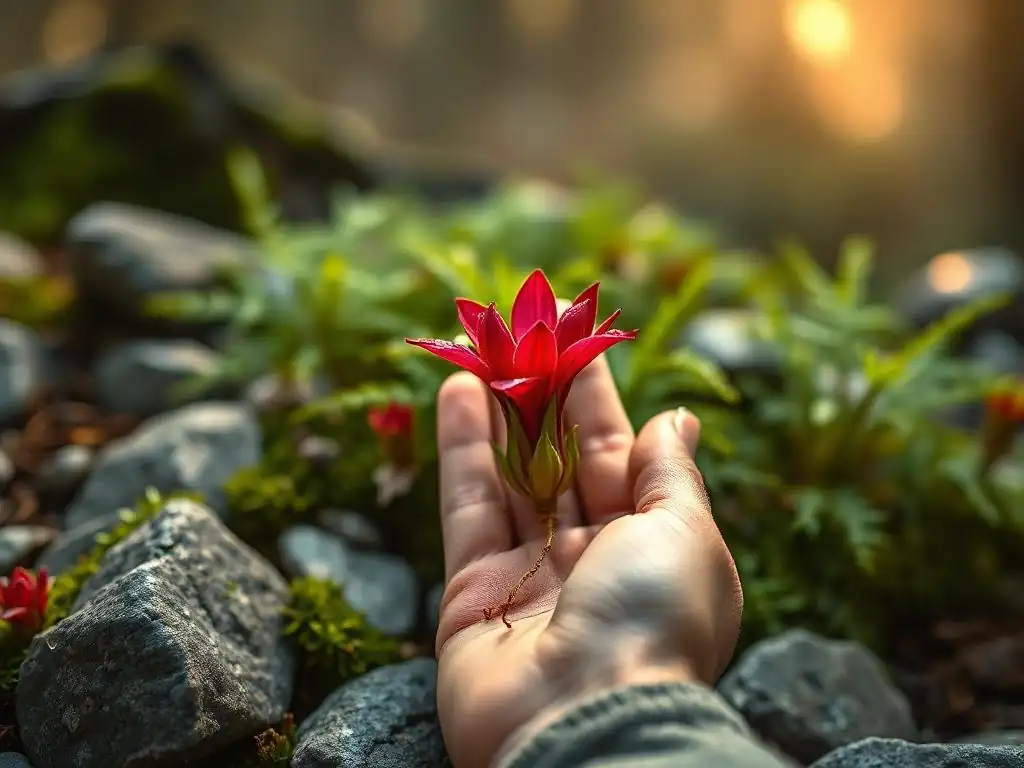
Rhodiola Rosea, often called "golden root," is another prominent adaptogen, traditionally used in Scandinavian and Eastern European countries to enhance physical and mental performance and resist stress. Its primary mechanism of action is believed to involve modulating the body's stress response system, specifically the hypothalamic-pituitary-adrenal (HPA) axis, which plays a central role in regulating stress hormones like cortisol. By potentially helping to regulate cortisol release and improve cellular energy metabolism, Rhodiola can help the body cope better with both physical and psychological stressors.
Research suggests that Rhodiola Rosea can help reduce symptoms of fatigue, improve concentration, and enhance mood in individuals experiencing stress-related burnout or fatigue. For instance, studies on people with stress-related fatigue have shown improvements in symptoms like exhaustion, irritability, and difficulty concentrating after taking Rhodiola extract for just a few weeks. This makes it a valuable option among herbal stress relief techniques for those whose stress manifests significantly as fatigue and reduced mental performance.
Selecting a Rhodiola Rosea Supplement
To ensure you are getting an effective Rhodiola Rosea supplement, look for products made from the root extract, standardized to contain specific levels of its active compounds: rosavins and salidrosides. A common standardization is to 3% rosavins and 1% salidrosides, reflecting the natural ratio found in the root. This standardization is crucial because the potency can vary widely depending on the plant's origin and preparation method.
As with other supplements, choose products from reputable manufacturers that adhere to quality control standards and ideally provide third-party testing results. Check the label to confirm it is Rhodiola Rosea and not another species of Rhodiola, as Rhodiola Rosea is the species most studied for its adaptogenic effects. Consider factors like organic certification and absence of fillers or artificial ingredients.
Dosage and Potential Interactions of Rhodiola Rosea
Typical dosages for standardized Rhodiola Rosea extract (3% rosavins, 1% salidrosides) range from 100 mg to 600 mg per day. Lower doses (e.g., 100-200 mg) might be used for fatigue and mood support, while higher doses (e.g., 400-600 mg) have been explored in studies for stress and burnout. It is often recommended to take Rhodiola in the morning or early afternoon, as taking it too late in the day could potentially interfere with sleep due to its stimulating effects on focus and energy.
While generally well-tolerated, Rhodiola can cause side effects in some individuals, including dizziness, dry mouth, or difficulty sleeping, particularly at higher doses or when taken late in the day. It may interact with certain medications, including antidepressants, stimulants, and blood pressure medications. Individuals with bipolar disorder should use caution, as Rhodiola might potentially trigger manic episodes. Always consult with a healthcare professional before using Rhodiola, especially if you have existing health conditions or are taking other medications, to ensure it is a safe addition to your herbal stress relief techniques.
Passionflower: A Natural Remedy for Anxiety and Insomnia
Passionflower's Calming Effects on the Nervous System
Passionflower ( Passiflora incarnata) is an herb native to the Americas, traditionally used as a calming agent and sleep aid. Its anxiolytic effects are believed to be linked to its influence on GABA levels in the brain. Like benzodiazepines, Passionflower appears to increase GABA, a neurotransmitter that helps inhibit brain activity, leading to a sense of calm and relaxation. This interaction with the GABA system makes it a promising option among herbal stress relief techniques for those experiencing anxiety and difficulty sleeping due to racing thoughts or restlessness.
Studies have explored Passionflower's effectiveness in reducing anxiety symptoms. Some research suggests it may be comparable in effectiveness to certain conventional anti-anxiety medications for generalized anxiety disorder, though typically with fewer side effects like sedation or impaired performance. Its ability to promote relaxation without causing significant drowsiness during the day makes it a potential option for managing daytime anxiety, while also supporting sleep quality at night.
Using Passionflower Tea or Supplements for Stress Relief
Passionflower can be consumed in various forms for herbal stress relief techniques. Passionflower tea, made from the dried aerial parts of the plant (flowers, leaves, and stems), is a traditional and gentle method for promoting relaxation and aiding sleep. Steeping 1-2 teaspoons of dried herb in hot water for 10-15 minutes creates a calming beverage often consumed before bedtime.
For more potent effects, standardized extracts in capsule or tincture form are available. These provide a more concentrated and consistent dose of the plant's active compounds. Dosages for extracts can vary widely depending on the product and standardization, but typical ranges might be from 100 mg to 400 mg several times daily for anxiety, or a higher dose before bed for insomnia. Always follow product label instructions or seek advice from a qualified health practitioner.
Product Suggestions: Passionflower Products
When seeking Passionflower products for herbal stress relief techniques, look for products made from Passiflora incarnata. For tea, choose dried herbs from reputable suppliers, ideally organic. For extracts, check if the product is standardized, although standardization markers for Passionflower are less common than for herbs like Ashwagandha or Rhodiola. Look for extracts that use the aerial parts of the plant.
Prioritize brands known for quality control and third-party testing to ensure purity and potency. Read customer reviews and look for transparency regarding sourcing and manufacturing processes. While specific product names are not provided, focusing on these quality indicators will help you choose a reliable Passionflower product.
Comparing Herbal Stress Relief Techniques: Which One is Right for You?
Ashwagandha vs. Lavender: A Head-to-Head Comparison
When comparing Ashwagandha and Lavender as herbal stress relief techniques, their mechanisms and typical uses differ significantly. Ashwagandha is an adaptogen that works systemically to help the body build resilience to stress over time, primarily by modulating the HPA axis and potentially reducing cortisol. It's often chosen for chronic stress, fatigue, and feeling "burned out." Its effects are cumulative and may take weeks to become noticeable. It's typically taken internally as a capsule or powder.
Lavender, on the other hand, is often used for its more immediate calming effects, particularly through aromatherapy which directly impacts the limbic system in the brain. While oral forms exist for systemic anxiety reduction, its most common application for quick stress relief is inhalation or topical use. It's often chosen for acute anxiety, restlessness, or to promote relaxation before sleep. Its effects can be felt relatively quickly, especially when inhaled. One focuses on long-term resilience (Ashwagandha), the other on immediate calming and relaxation (Lavender, especially via aromatherapy).
Chamomile vs. Passionflower: Which is Better for Sleep?
Both Chamomile and Passionflower are popular herbal stress relief techniques used to promote relaxation and improve sleep, but they may suit slightly different needs. Chamomile is known for its gentle, mild sedative effects, making it ideal for mild anxiety and difficulty falling asleep due to restlessness. Its calming effect is subtle and often enjoyed as a warm tea ritual before bed. It's generally considered very safe for occasional or regular use in tea form.
Passionflower is often considered to have slightly stronger anxiolytic and sedative properties than chamomile, potentially due to a more direct interaction with the GABA system. It may be more effective for individuals whose insomnia is strongly linked to significant anxiety, racing thoughts, or a very active mind that prevents sleep. While tea is an option, extracts are often used for more pronounced effects on sleep and anxiety. Both can be effective, but Passionflower might be preferred for more significant anxiety-related sleep disturbances, while Chamomile is excellent for gentle relaxation and mild insomnia.
Rhodiola Rosea vs. Ashwagandha: Which is Better for Energy and Focus?
Comparing Rhodiola Rosea and Ashwagandha as adaptogens for managing stress, fatigue, and improving mental function reveals nuances in their typical benefits. Both are used for stress-related fatigue, but Rhodiola is often highlighted for its more stimulating effects on mental and physical performance, helping to combat fatigue, improve focus, and enhance endurance, particularly in situations requiring sustained effort. It's often favored by those whose primary stress symptom is profound exhaustion and difficulty concentrating.
Ashwagandha, while also combating fatigue, is often perceived as more calming or grounding compared to Rhodiola. It helps build overall resilience and can improve sleep, which in turn supports energy levels. It's perhaps better suited for those whose stress manifests as feeling wired but tired, or who experience significant anxiety alongside fatigue. While both are excellent herbal stress relief techniques, Rhodiola might be the first choice if your main goal is boosting energy and focus in the face of stress, whereas Ashwagandha might be preferred for overall stress resilience and calming effects.
Considering Your Specific Needs and Preferences
Choosing among herbal stress relief techniques is a personal journey. Consider your primary stress symptoms: Are you dealing with chronic overwhelm and fatigue (perhaps Ashwagandha or Rhodiola)? Do you experience acute anxiety or difficulty relaxing (Lavender or Passionflower)? Is insomnia your main issue (Chamomile or Passionflower)? Your personal response to herbs can also vary, so what works well for one person might not be as effective for another.
Think about your preferred method of consumption: Do you prefer sipping a warm tea (Chamomile, Passionflower, Lavender)? Or is a convenient capsule better for you (Ashwagandha, Rhodiola, Lavender, Chamomile)? Are you interested in aromatherapy (Lavender)? Starting with one herb targeting your main symptom, at a low dose, and observing its effects over a few weeks is a sensible approach. Keeping a journal to track your symptoms and how you feel after taking an herb can be very helpful in determining which herbal stress relief techniques are most beneficial for you.
Safety Considerations and Potential Side Effects
Understanding Potential Interactions with Medications
Using herbal stress relief techniques requires careful consideration of potential interactions with prescription and over-the-counter medications. Many herbs can affect how drugs are metabolized by the liver, potentially increasing or decreasing drug levels in the bloodstream. For example, St. John's Wort, sometimes used for mood support (though not covered in detail here), is notorious for interacting with a wide range of medications, including antidepressants, birth control pills, and blood thinners.
Even the herbs discussed here have potential interactions. Ashwagandha might interact with immunosuppressants, sedatives, and thyroid medications. Rhodiola could interact with antidepressants and stimulants. Passionflower and Chamomile can enhance the effects of sedatives or anxiety medications. It is absolutely critical to disclose all herbs and supplements you are taking to your healthcare provider or pharmacist to identify potential interactions and ensure the safe use of herbal stress relief techniques.
Consulting with a Healthcare Professional
Given the potential for interactions, side effects, and varying quality of products, consulting with a qualified healthcare professional is an essential step before starting any new herbal stress relief techniques. This could be your primary care physician, a licensed naturopathic doctor, or a pharmacist knowledgeable about herbal medicine. They can help you assess whether a particular herb is appropriate for your specific health situation, considering your existing conditions and medications.
A healthcare professional can also provide guidance on appropriate dosages, duration of use, and potential risks based on the latest evidence and clinical experience. They can help you identify reputable sources for supplements and monitor your response to the treatment. Self-treating with herbs without professional guidance can be risky, especially for individuals with chronic health issues or those taking multiple medications. Prioritizing professional advice is a cornerstone of safe and effective herbal stress relief techniques.
Recognizing and Managing Side Effects
While many herbal stress relief techniques are generally well-tolerated, side effects can occur. These are often mild and may include digestive upset (nausea, diarrhea), headaches, or drowsiness. For example, some individuals might experience mild stomach discomfort with Ashwagandha or a headache with Rhodiola. Allergic reactions, though less common, are also possible, especially for individuals with sensitivities to certain plant families (like the daisy family for Chamomile).
If you experience any adverse effects after taking an herbal supplement, stop taking it immediately and consult your healthcare provider. It's important to start with the lowest effective dose and gradually increase if needed while monitoring your body's response. Keeping a log of when you take the herb, the dosage, and any effects or side effects you notice can be helpful in managing your use and discussing it with your healthcare provider. Being aware of potential side effects and knowing when to seek professional help is key to safely using herbal stress relief techniques.
Maximizing the Effectiveness of Herbal Stress Relief
Combining Herbal Remedies with Lifestyle Changes
Herbal stress relief techniques are most effective when integrated into a holistic approach to well-being. While herbs can provide support, they are not typically standalone solutions for chronic stress. Combining them with positive lifestyle changes significantly enhances their potential benefits. For instance, while Ashwagandha can help your body manage stress hormones, its effects will be amplified if you also prioritize sleep, nutrition, and physical activity.
Consider herbs as tools to support your body as you build healthier habits. Chamomile tea might help you relax before bed, making it easier to get the recommended 7-9 hours of sleep. Rhodiola might boost your energy, making it easier to incorporate regular exercise into your routine. Viewing herbal stress relief techniques as part of a larger strategy, rather than a quick fix, is crucial for long-term success in managing stress and improving overall health.
The Importance of Diet, Exercise, and Sleep
Diet, exercise, and sleep are foundational pillars of stress management. A balanced diet rich in whole foods, fruits, vegetables, lean proteins, and healthy fats provides the nutrients your body needs to function optimally and cope with stress. Avoiding excessive caffeine, sugar, and processed foods can help stabilize mood and energy levels. Regular physical activity is a powerful stress reliever, releasing endorphins and helping to reduce muscle tension. Aim for at least 150 minutes of moderate-intensity exercise per week.
Adequate, quality sleep is non-negotiable for stress resilience. Chronic sleep deprivation significantly impairs your ability to handle stress, increases cortisol levels, and negatively impacts mood and cognitive function. Aim for 7-9 hours of uninterrupted sleep per night. Establishing a consistent sleep schedule and creating a relaxing bedtime routine can make a big difference. Incorporating herbal stress relief techniques like Chamomile or Passionflower tea can be a supportive part of this routine, but they cannot replace the need for sufficient sleep itself.
Managing Stress Through Mindfulness and Meditation
Mindfulness and meditation are powerful practices that can complement herbal stress relief techniques by directly addressing the mental and emotional components of stress. Mindfulness involves paying attention to the present moment without judgment, which can help you become more aware of your stress triggers and your reactions to them. Regular meditation practice has been shown to reduce stress, anxiety, and even change brain structure in ways that enhance emotional regulation.
Even just a few minutes of deep breathing exercises, a short guided meditation, or mindful walking can interrupt the stress response and promote a sense of calm. These practices help you develop coping skills that empower you to manage stress in the moment, rather than solely relying on external aids. Combining internal practices like mindfulness with external support like herbal stress relief techniques creates a comprehensive and robust strategy for navigating life's challenges with greater ease and resilience.
Conclusion: Finding the Right Herbal Stress Relief Solution for You
Recap of Key Considerations
Navigating the world of herbal stress relief techniques involves understanding your stress symptoms, exploring the potential benefits and mechanisms of different herbs like Ashwagandha, Lavender, Chamomile, Rhodiola Rosea, and Passionflower, and critically evaluating product quality. Safety is paramount, requiring careful consideration of potential side effects and interactions with medications, and always consulting with a healthcare professional before beginning any new regimen.
Remember that the effectiveness of herbal stress relief techniques is often enhanced when combined with foundational lifestyle changes, including prioritizing nutrition, regular exercise, adequate sleep, and adopting mindfulness practices. What works best is highly individual, and finding the right solution may involve trial and error under professional guidance.
Empowering You to Make Informed Choices
This guide aims to empower you with information about popular herbal stress relief techniques so you can have informed conversations with your healthcare provider. You are an active participant in your well-being journey. By understanding the potential benefits, risks, and quality considerations associated with herbal remedies, you can make choices that are safe and aligned with your personal health goals.
Choosing the right herbal stress relief techniques is about finding tools that support your body's natural ability to cope with stress, enhance your resilience, and contribute to your overall mental and physical health. Approach herbs with respect, seek expert advice, and integrate them thoughtfully into your broader stress management strategy.
Where to Buy Recommended Herbal Supplements.
When you and your healthcare provider have identified suitable herbal stress relief techniques for your needs, sourcing high-quality products is the next step. Look for reputable retailers specializing in natural health products or well-established online stores known for rigorous quality control. Prioritize brands that provide third-party testing for purity and potency and are transparent about their sourcing and manufacturing processes. Avoid purchasing from unverified sources, as the quality and safety of the product cannot be guaranteed. Your healthcare provider may also be able to recommend specific brands or suppliers they trust.
Frequently Asked Questions
What are some common herbal remedies used for stress relief?
Many herbs are traditionally used for stress. Some popular choices include chamomile, lavender, and valerian root. These are often used for their calming properties.
Are herbal stress relief techniques safe for everyone to use?
No, herbal remedies aren't universally safe. Certain herbs can interact with medications or have side effects. It's crucial to consult with a healthcare professional before starting any new herbal regimen.
How long does it typically take to experience the benefits of herbal stress relief techniques?
The timeframe varies depending on the individual and the herb used. Some people may notice benefits within days, while others might need several weeks of consistent use. Patience is key.
Can herbal stress relief techniques completely replace conventional treatments for anxiety or stress?
Herbal remedies can be a helpful addition to a wellness plan, but they shouldn't replace professional medical treatment. They are often used as complementary therapies.
Where can I find reliable information and resources about using herbal remedies for stress?
Reputable sources include websites like Mind Care Guide, medical journals, and consultations with qualified herbalists or healthcare providers. Always prioritize evidence-based information.
Final Reflection: Cultivating Inner Peace Through Nature's Wisdom
The pursuit of effective and safe stress management is more critical than ever in our fast-paced world. The overwhelming pressures of modern life demand that we explore holistic approaches to well-being, and the ancient wisdom of herbal remedies offers a powerful pathway to calmer, more balanced lives. This guide has explored the potential benefits of various herbs, emphasizing the importance of responsible sourcing and informed usage.
The influence of herbal remedies on our cultural landscape is profound, extending far beyond simple relaxation techniques. These plants have been integral to healing traditions across diverse cultures for millennia, representing a deep connection between humanity and the natural world. Their enduring presence speaks volumes about their efficacy and the inherent human desire to find solace and strength in nature. The earth laughs in flowers.
– Ralph Waldo Emerson. This simple quote encapsulates the power of nature to heal and uplift, reminding us of the inherent beauty and restorative potential found within the plant kingdom.
Now, consider your own relationship with stress. What practices currently help you manage it? Are you open to exploring the gentle power of herbal remedies as a complementary approach? I encourage you to embark on a journey of self-discovery, researching reputable sources and consulting with healthcare professionals before incorporating any new herbal remedies into your routine. Remember, the path to inner peace is a personal one, and the wisdom of nature offers a valuable tool to help you navigate it with grace and resilience.
Unlock Your Inner Calm: Start Your Herbal Stress Journey Today!
Thanks for taking the time to explore the world of herbal stress relief with us! We hope you found valuable insights into safe and effective natural solutions. Now it's time to put that knowledge into action.
- Begin your personalized herbal stress plan: Take a moment to reflect on the herbs discussed and identify which ones resonate most with your needs. Research their individual properties further and consider how to incorporate them into your daily routine.
- Share your discoveries: Tell a friend or family member about a new herbal remedy you've learned about. Sharing knowledge empowers us all!
- Explore our community forum (Coming Soon!): Connect with others on their own herbal journeys. Share tips, ask questions, and support each other in creating healthier, calmer lives.
Ready to embrace a more tranquil you? What's the first step you'll take to incorporate herbal remedies into your stress management plan?