
Are Herbal Stress Remedies Right for You? Effectiveness and Safety Checklist

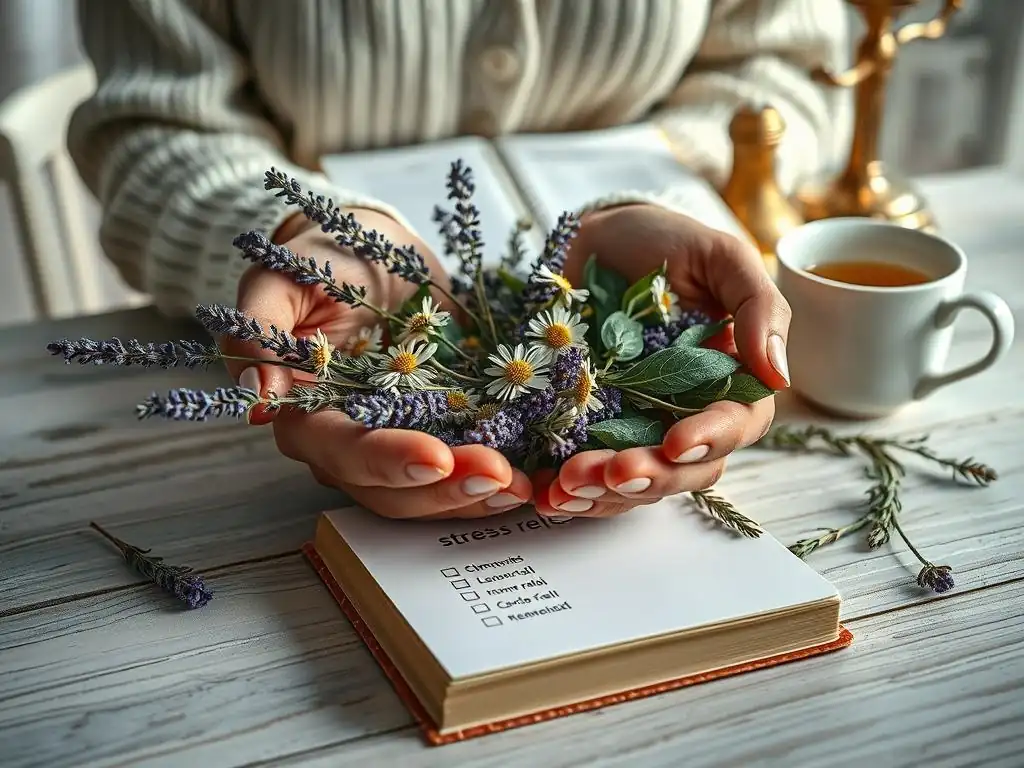
Welcome to Mind Care Guide, a space dedicated to nurturing your mental well-being. Feeling overwhelmed by stress and anxiety? You're not alone. Discover the potential of herbal remedies to ease your mind – but before you dive in, are they truly right for you? Let's explore the effectiveness and safety checklist surrounding herbal remedies reduce stress anxiety, empowering you to make informed decisions about your mental health journey.
Are Herbal Stress Remedies Right for You? Effectiveness and Safety Checklist
- Understanding Stress and Anxiety: Is Herbal Relief the Answer?
- Exploring Effective Herbal Remedies to Reduce Stress Anxiety
- Herbal Remedies Reduce Stress Anxiety: A Safety Checklist
- Integrating Herbal Remedies into Your Stress Management Plan
- Beyond Herbal Remedies: Exploring Other Natural Anxiety Solutions
- Conclusion: Making Informed Decisions About Herbal Stress Relief
-
Frequently Asked Questions
- Are herbal remedies a primary treatment for serious anxiety disorders?
- How effective are herbal remedies in actually reducing stress and anxiety?
- What are the key safety concerns associated with using herbal remedies for stress?
- Where can I find reliable information about using herbal remedies to reduce stress anxiety?
- How do I know if an herbal remedy is right for me for managing stress and anxiety?
- Final Reflection: Finding Calm in the Herbal Garden
- Unlock Your Calm: Take Control of Stress Today!
Understanding Stress and Anxiety: Is Herbal Relief the Answer?
Chronic stress and anxiety are pervasive challenges in modern life, impacting millions globally. Understanding the nature of these experiences is the first step toward finding effective management strategies. Stress is often a response to external pressures or demands, while anxiety is typically characterized by excessive worry or fear, often without a specific external trigger. Both can manifest physically, emotionally, and cognitively, leading to symptoms like fatigue, irritability, difficulty concentrating, muscle tension, and sleep disturbances. For many, the search for relief leads them to explore various options, including the potential benefits of herbal remedies reduce stress anxiety.
Navigating the landscape of stress and anxiety management can feel overwhelming, with options ranging from therapy and medication to lifestyle adjustments. The desire for natural approaches has grown significantly, prompting interest in how herbal remedies reduce stress anxiety. However, it's crucial to approach these options with a balanced perspective, understanding that while some herbs show promise in clinical studies, they are not a one-size-fits-all solution and should be considered as part of a comprehensive well-being plan. Evaluating the effectiveness and safety of any potential remedy, including herbal supplements, is paramount before incorporation.
Identifying the Roots of Your Stress & Anxiety
Pinpointing the specific triggers and patterns of your stress and anxiety is a fundamental step in effective management. These roots can be external, such as demanding work environments, financial pressures, relationship conflicts, or major life changes like moving or job loss. For instance, a high-pressure job with tight deadlines might consistently elevate cortisol levels, the body's primary stress hormone. Understanding that this specific external factor is a significant contributor helps in formulating a targeted approach, whether it involves setting boundaries, developing coping mechanisms, or exploring how tools like herbal remedies reduce stress anxiety might offer support alongside other interventions.
Internal factors also play a significant role in the experience of stress and anxiety. These can include perfectionistic tendencies, negative self-talk, a fear of failure, or past traumatic experiences. An individual with a strong fear of judgment might experience intense anxiety in social situations, even when no objective threat exists. Recognizing these internal patterns is crucial because they often require strategies like cognitive behavioral therapy (CBT) or mindfulness. While exploring how herbal remedies reduce stress anxiety can be a complementary step, addressing these underlying internal roots through psychological approaches is often essential for long-term relief and building resilience.
The Appeal of Natural Stress Relief: Why Herbal Remedies Are Popular
The growing interest in natural approaches to health and well-being has significantly boosted the popularity of herbal remedies for stress and anxiety. Many individuals are drawn to these options due to a desire for alternatives to conventional pharmaceuticals, sometimes citing concerns about potential side effects, dependency, or the desire for a more holistic approach.
There's often a perception that "natural" equates to "safe," although this isn't always the case, and understanding this nuance is vital when considering how herbal remedies reduce stress anxiety. The historical use of many plants for medicinal purposes across various cultures also lends a sense of tradition and trustworthiness to these options.
Furthermore, the accessibility of herbal supplements contributes to their widespread appeal. They are readily available in health food stores, pharmacies, and online, often without requiring a prescription. This ease of access allows individuals to explore options like herbal remedies reduce stress anxiety on their own terms.
The marketing surrounding these products often highlights their plant-based origins and perceived gentle action, resonating with consumers seeking less synthetic interventions for managing their mental health. However, this accessibility also underscores the importance of informed decision-making, as the lack of stringent regulation compared to pharmaceuticals means consumers must be diligent in researching product quality and potential risks.
Exploring Effective Herbal Remedies to Reduce Stress Anxiety
Research into the effectiveness of herbal remedies for stress and anxiety is ongoing, with some plant-based supplements showing promising results in clinical trials. These remedies often contain compounds that interact with the body's nervous system, potentially influencing neurotransmitters, hormone levels, or inflammatory pathways associated with stress responses. While individual results can vary widely depending on the specific herb, dosage, and the individual's unique physiology and the nature of their stress or anxiety, understanding the mechanisms behind these natural options is key to evaluating their potential role in a stress management plan.
When considering how herbal remedies reduce stress anxiety, it's helpful to look at specific examples that have garnered scientific attention. Herbs like Ashwagandha, Rhodiola Rosea, and calming agents like Chamomile and Lavender are frequently studied for their effects on mood and stress. Each works through different pathways – some are adaptogens helping the body resist stressors, while others influence GABA receptors or promote relaxation. Exploring the evidence for these specific remedies, including typical dosages and potential side effects, provides a clearer picture of their potential utility and helps manage expectations regarding their effectiveness.
The Science Behind Herbal Anxiolytics: How They Work
Many herbal remedies believed to reduce stress anxiety operate through complex interactions with the body's neurochemical systems. For instance, some herbs contain compounds that may mimic or modulate the activity of neurotransmitters like gamma-aminobutyric acid (GABA). GABA is an inhibitory neurotransmitter that helps calm nervous activity; increasing its availability or enhancing its effects can lead to feelings of relaxation and reduced anxiety. Examples of herbs thought to interact with GABA pathways include Valerian and Passionflower, contributing to their traditional use as sedatives and anxiolytics.
Other herbal supplements, particularly adaptogens like Ashwagandha and Rhodiola Rosea, function differently. Adaptogens are a class of plants that are thought to help the body adapt to stress by modulating the hypothalamic-pituitary-adrenal (HPA) axis, which is central to the body's stress response.
By potentially influencing cortisol levels or improving the body's resilience to stressors, these herbs aim to reduce the overall physiological impact of stress over time. While research is still evolving, studies suggest that some adaptogens may help lower stress markers and improve subjective feelings of well-being, offering a different mechanism for how herbal remedies reduce stress anxiety compared to GABAergic herbs.
Top Herbal Remedies for Stress and Anxiety Relief: A Breakdown
Exploring specific herbal options provides a practical look at how herbal remedies reduce stress anxiety. Each herb has unique properties, typical uses, and potential considerations. It's important to approach this information as a starting point and always consult with a healthcare professional before beginning any new supplement regimen. This section breaks down some of the most commonly researched and used herbal remedies for stress and anxiety.
Ashwagandha: Benefits, Dosage, and Potential Side Effects
Ashwagandha (Withania somnifera) is an adaptogenic herb widely used in Ayurvedic medicine. It is primarily known for its potential to help the body manage stress. Studies have indicated that Ashwagandha may help reduce cortisol levels, the hormone associated with stress. For example, some clinical trials have reported reductions in cortisol ranging from approximately 11% to 32% after several weeks of supplementation in stressed individuals. This effect is believed to contribute to its reported benefits in reducing symptoms of stress and anxiety, improving mood, and potentially enhancing sleep quality.
Typical dosages of Ashwagandha extract range from 300 mg to 600 mg per day, often standardized to contain a certain percentage of withanolides, the active compounds. While generally considered safe for short-term use, potential side effects can include mild digestive upset, drowsiness, or headaches. It is also advised that individuals with autoimmune diseases, thyroid disorders, or those who are pregnant or breastfeeding consult a doctor before use due to potential interactions or effects on these conditions. Understanding these aspects is crucial when considering how this particular herbal remedy helps reduce stress anxiety.
L-Theanine: Promoting Relaxation Without Drowsiness
L-Theanine is an amino acid naturally found in tea leaves, particularly green tea. Unlike many other calming agents, L-Theanine is noted for its ability to promote relaxation and reduce anxiety without causing sedation or drowsiness. Research suggests that L-Theanine may increase alpha brain wave activity, which is associated with a state of relaxed alertness, and may also influence levels of neurotransmitters like GABA, serotonin, and dopamine. This unique profile makes it appealing for individuals seeking stress relief that doesn't impair focus or daily function.
Common dosages for L-Theanine range from 100 mg to 200 mg per dose, often taken as needed or regularly throughout the day. It is frequently combined with caffeine (as it is in tea) to promote focused relaxation. L-Theanine is generally well-tolerated with few reported side effects. Some individuals might experience mild headaches or digestive discomfort, but these are uncommon. Its good safety profile and mechanism of action contribute to its popularity as a gentle way to potentially reduce stress anxiety.
Chamomile: A Gentle Soother for Anxiety and Sleep
Chamomile is a daisy-like flower often consumed as a tea, renowned for its mild sedative and calming properties. It has been traditionally used for centuries to soothe digestive upset, promote sleep, and reduce anxiety. The main active compound believed to contribute to its calming effects is apigenin, a flavonoid that may bind to GABA receptors in the brain, similar to how some anti-anxiety medications work, though much more weakly. This interaction is thought to help reduce nervous tension and promote relaxation.
While often consumed as a tea, concentrated chamomile extracts are also available in capsule form for more potent effects. Dosage for tea is typically several cups per day, while extract dosages vary widely depending on standardization. Chamomile is generally considered safe, but some individuals, particularly those with allergies to ragweed, marigolds, or daisies, may experience allergic reactions. Due to its mild nature, it is often considered a gentle option when exploring how herbal remedies reduce stress anxiety, especially for mild symptoms or as a bedtime aid.
Lavender: Calming Aromatherapy and Oral Supplements
Lavender (Lavandula angustifolia) is widely recognized for its soothing aroma and calming effects, making it a popular choice in aromatherapy for stress and anxiety relief. Inhaling the scent of lavender essential oil is thought to influence the limbic system in the brain, which is involved in regulating emotions. Studies have shown that aromatherapy with lavender can reduce anxiety levels in various settings, such as dental offices or before medical procedures.
Beyond aromatherapy, specific oral preparations of lavender essential oil have been studied for their anxiolytic effects. A particular standardized preparation has shown promise in reducing anxiety symptoms in individuals with generalized anxiety disorder, with dosages typically around 80 mg per day. Potential side effects of oral lavender can include digestive issues like burping or nausea. While topical application is generally safe, undiluted essential oils can cause skin irritation. Considering both aromatic and oral forms provides options for how this specific herbal remedy might help reduce stress anxiety.
Rhodiola Rosea: Adaptogen for Stress Resistance and Energy
Rhodiola Rosea is another adaptogenic herb, often used to help the body cope with physical and mental fatigue and stress. It is believed to work by influencing stress response systems, including the HPA axis, and potentially affecting neurotransmitters like serotonin, norepinephrine, and dopamine. By improving resilience to stressors and potentially reducing fatigue, Rhodiola is thought to enhance mental performance and reduce feelings of burnout associated with prolonged stress.
Typical dosages of Rhodiola Rosea extract range from 200 mg to 600 mg per day, often standardized for active compounds like rosavins and salidrosides. It is commonly taken in the morning or early afternoon due to its potential energizing effects. While generally well-tolerated, some individuals may experience side effects like dizziness, dry mouth, or difficulty sleeping, particularly at higher doses or when taken late in the day. Its role as an adaptogen makes it a distinct option among herbal remedies looking to reduce stress anxiety by improving overall stress resilience.
Herbal Remedies Reduce Stress Anxiety: A Safety Checklist
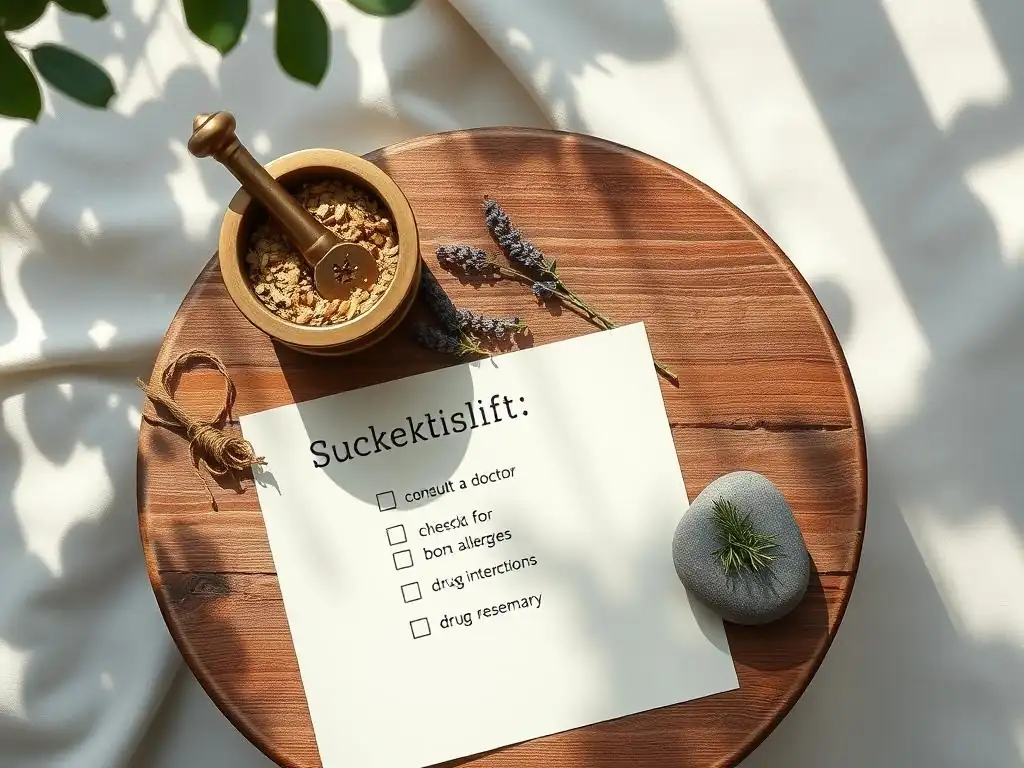
While the appeal of natural options is strong, it is critical to approach herbal remedies with a focus on safety. The assumption that "natural" means "safe" is a misconception; herbs contain potent bioactive compounds that can have significant effects on the body. Understanding potential risks, side effects, and interactions is just as important as understanding potential benefits. A proactive approach to safety involves careful research, adherence to guidelines, and open communication with healthcare providers.
Ensuring safety when using herbal remedies to reduce stress anxiety requires diligence. This includes being aware of potential adverse effects, understanding how herbs might interact with prescription medications or other supplements you are taking, and recognizing the importance of proper dosage. Furthermore, the quality and purity of herbal supplements can vary significantly between brands, making it essential to choose reputable products. By following a safety checklist, individuals can minimize risks and make more informed decisions about incorporating herbal options into their well-being routine.
Potential Risks and Side Effects of Herbal Supplements
Like any active substance, herbal supplements carry potential risks and can cause side effects, even when used as directed. The severity and type of side effects vary greatly depending on the specific herb, the dosage, individual sensitivity, and overall health status. For example, while Chamomile is generally mild, high doses might cause nausea or vomiting in some people. Valerian, often used for sleep and anxiety, can sometimes cause headaches, dizziness, or digestive upset, and paradoxically, some individuals may experience excitability rather than sedation.
More serious, though less common, side effects can also occur. Kava, for instance, has been associated with rare cases of liver damage, leading to warnings and restrictions in some countries, despite its effectiveness in reducing anxiety in some studies. St. John's Wort, often used for mild depression and sometimes anxiety, is known for significant interactions with numerous medications. Being aware of these potential issues for each specific herb is a crucial part of safely exploring how herbal remedies reduce stress anxiety.
Interactions with Medications: A Crucial Consideration
One of the most significant safety concerns with herbal supplements is their potential to interact with prescription and over-the-counter medications. Herbs contain compounds that can affect how the body processes drugs, potentially altering their effectiveness or increasing the risk of side effects.
For example, St. John's Wort is a potent inducer of certain liver enzymes (like CYP3A4) that metabolize many drugs, including antidepressants, birth control pills, blood thinners (like warfarin), and medications for heart disease or HIV. Taking St. John's Wort can cause these medications to be metabolized faster, reducing their levels in the blood and rendering them less effective.
Conversely, some herbs can inhibit enzyme activity or affect drug transporters, potentially leading to increased levels of medications in the body, which can result in toxicity. Valerian, Kava, and Chamomile, due to their sedative properties, can enhance the effects of other central nervous system depressants, such as sedatives, tranquilizers, or alcohol, leading to excessive drowsiness or impaired coordination. It is absolutely essential to discuss all supplements, including herbal remedies used to reduce stress anxiety, with a doctor or pharmacist before starting them, especially if you are taking any other medications, to avoid dangerous interactions.
Allergic Reactions: Recognizing the Signs and Symptoms
Although generally considered safe, herbal remedies derived from plants can cause allergic reactions in susceptible individuals. People with known allergies to specific plants or plant families are at a higher risk. For example, individuals with allergies to plants in the Asteraceae family, which includes ragweed, marigolds, and daisies, may react to Chamomile. Symptoms of an allergic reaction can range from mild skin rashes, itching, or hives to more severe responses like swelling of the face, lips, tongue, or throat (angioedema), difficulty breathing (bronchospasm), or even anaphylaxis, a life-threatening systemic reaction.
Recognizing the signs and symptoms of an allergic reaction promptly is vital. Mild reactions might occur within minutes or hours of ingestion or contact, while severe reactions can be rapid and require immediate medical attention. If you experience any signs of allergy after taking an herbal supplement, discontinue use immediately and seek medical help if symptoms are severe or worsen. Always inform your healthcare provider about any plant allergies you have before considering herbal remedies to reduce stress anxiety.
Dosage Guidelines: Finding the Right Amount for Your Needs
Determining the appropriate dosage for herbal supplements can be challenging, as formulations and concentrations of active compounds can vary widely between products. Unlike pharmaceuticals, which have precisely defined dosages based on extensive clinical trials, herbal supplement dosages are often based on traditional use, limited studies, or manufacturer recommendations. Taking too little may result in no noticeable effect, while taking too much can increase the risk of side effects or toxicity. For example, exceeding recommended doses of Valerian might lead to increased sedation or paradoxical excitation.
It is crucial to follow the dosage instructions provided on the product label or, preferably, guidance from a qualified healthcare professional knowledgeable in herbal medicine. Standardized extracts, which contain a guaranteed amount of specific active compounds (e.g., Ashwagandha standardized to withanolides, Rhodiola to rosavins and salidrosides), offer more consistency in dosing than crude herbs or non-standardized powders. Starting with the lowest effective dose and gradually increasing it, if necessary and advised by a professional, can help assess tolerance and minimize risks when using herbal remedies to reduce stress anxiety.
Quality Matters: Choosing Reputable Herbal Supplement Brands
The quality and purity of herbal supplements are not consistently regulated to the same extent as pharmaceutical drugs in many regions. This means that the actual content of a product may not match what is stated on the label. Some products may contain lower amounts of the active ingredient than claimed, while others may be contaminated with heavy metals, pesticides, or other harmful substances. Choosing supplements from reputable brands that prioritize quality control is essential for both effectiveness and safety.
Researching brands and looking for indicators of quality can help navigate the market. Reliable manufacturers often adhere to Good Manufacturing Practices (GMP), which ensure certain standards in production, packaging, and labeling. However, GMP certification primarily speaks to manufacturing processes, not necessarily the quality or efficacy of the final product. Taking the time to investigate brands and understand what quality assurances they offer is a critical step in ensuring you are getting a safe and potentially effective product when seeking how herbal remedies reduce stress anxiety.
Third-Party Testing and Certification: Ensuring Purity and Potency
One of the most reliable ways to gauge the quality of an herbal supplement is to look for evidence of third-party testing and certification. Independent organizations, such as USP (United States Pharmacopeia), NSF International, or ConsumerLab.com, test supplements to verify their contents, purity, and potency. These certifications typically indicate that the product contains the ingredients listed on the label in the declared amounts, is free from harmful levels of contaminants (like heavy metals or microbes), and will break down in the body within a specified time.
While not all reputable brands use third-party testing (it can be expensive), its presence provides an extra layer of assurance regarding product quality. Checking a brand's website or product label for seals or mentions of these certifications can help consumers make more informed choices. Prioritizing products that have undergone independent verification is a key step in ensuring that the herbal remedies you choose to reduce stress anxiety are both safe and likely to contain the intended active compounds.
Reading Labels Carefully: Understanding Ingredients and Warnings
Diligent label reading is non-negotiable when selecting herbal supplements. Pay close attention to the list of ingredients, looking for standardized extracts and the percentage or amount of active compounds if possible. Be wary of proprietary blends that do not disclose the specific amounts of each ingredient, as this makes it difficult to determine effective dosages or identify potential allergens. Understand the difference between a whole herb powder and a concentrated extract; extracts are typically more potent.
Also, carefully review any warnings, contraindications, or potential side effects listed on the label. Manufacturers often include important information regarding who should not use the product (e.g., pregnant or breastfeeding women, individuals with certain medical conditions) and potential interactions. If a label raises questions or concerns, or if you have underlying health issues, consult with a healthcare professional before use. Empowering yourself with this information is crucial for safely incorporating herbal remedies to reduce stress anxiety into your routine.
Integrating Herbal Remedies into Your Stress Management Plan
Herbal remedies are generally most effective when viewed as complementary tools within a broader, holistic stress management plan, rather than standalone cures. Addressing stress and anxiety comprehensively often involves a combination of strategies that support mental, emotional, and physical well-being. Integrating herbal supplements thoughtfully means considering how they can support other healthy habits and professional guidance.
A comprehensive approach recognizes that factors like diet, exercise, sleep, and psychological strategies play significant roles in managing stress. When considering how herbal remedies reduce stress anxiety, think about how they might enhance or support these other efforts. This might involve using a calming herb like Chamomile to improve sleep, which in turn helps the body cope better with stress, or using an adaptogen like Ashwagandha alongside mindfulness practices to build overall resilience.
Combining Herbal Supplements with Lifestyle Changes
Lifestyle factors are powerful determinants of stress and anxiety levels. Regular physical activity is known to release endorphins and reduce stress hormones. A balanced diet rich in whole foods provides the nutrients necessary for optimal brain function and mood regulation. Sufficient, quality sleep is fundamental for emotional resilience and cognitive function. When these foundational elements are in place, the body is better equipped to handle stress.
Incorporating herbal remedies to reduce stress anxiety alongside these lifestyle changes can create a synergistic effect. For example, someone struggling with stress-related insomnia might find that combining good sleep hygiene practices (like a consistent sleep schedule and limiting screen time before bed) with a calming herbal tea or supplement like Valerian or Chamomile enhances their ability to fall asleep. Similarly, someone managing work-related stress might find that regular exercise, stress-reducing adaptogens like Rhodiola Rosea, and time management techniques provide a more robust defense against burnout than any single strategy alone.
Consulting with a Healthcare Professional: The Importance of Personalized Advice
Given the potential for side effects and drug interactions, consulting with a qualified healthcare professional is perhaps the most critical step before starting any new herbal supplement, especially if you have existing health conditions or are taking medications. Doctors, pharmacists, or practitioners trained in herbal medicine can provide personalized advice based on your specific health status, the nature of your stress or anxiety, and any other treatments you are undergoing.
A healthcare provider can help you evaluate whether a particular herbal remedy is appropriate for your situation, recommend an appropriate dosage and duration of use, and monitor for potential side effects or interactions. They can also help integrate herbal options safely with conventional medical treatments or suggest alternative approaches if herbal remedies are not suitable. This personalized guidance ensures that your efforts to use herbal remedies to reduce stress anxiety are both safe and aligned with your overall health goals.
Case Study: Ashwagandha for Anxiety
Consider a generalized example: Sarah, a 38-year-old marketing manager, experienced increasing levels of stress and anxiety related to job demands and family responsibilities. She often felt overwhelmed, had difficulty sleeping, and noticed her concentration was waning. After discussing her symptoms with her doctor, who ruled out underlying medical conditions and suggested exploring stress management techniques alongside potential complementary therapies, Sarah decided to try Ashwagandha extract as part of her plan, under guidance from her doctor.
Sarah started taking 300 mg of standardized Ashwagandha extract daily, as recommended. Alongside this, she committed to a regular meditation practice and incorporated a 30-minute walk into her daily routine. After approximately six weeks, Sarah reported feeling less on edge and more capable of handling daily pressures.
While her job demands hadn't changed, she felt her body was reacting less intensely to stress, and her sleep quality had slightly improved. This illustrative case highlights how integrating an herbal remedy like Ashwagandha, which studies suggest can help modulate stress responses, alongside lifestyle changes and professional advice, can contribute to reducing stress anxiety for some individuals.
Tracking Your Progress: Monitoring Effectiveness and Side Effects
Once you begin using an herbal remedy to reduce stress anxiety, it's helpful to monitor its effects. Keep a journal or simply make notes about how you are feeling, noting any changes in your stress or anxiety levels, mood, sleep patterns, and energy. Also, pay close attention to any new or unusual symptoms that might indicate a side effect. Be realistic about the timeframe; herbal remedies may take several weeks to show noticeable effects, unlike some prescription medications.
Regularly reviewing your notes can help you determine if the herbal remedy is providing the desired benefits and if you are experiencing any adverse reactions. This information is invaluable when you follow up with your healthcare provider. If you notice significant side effects or if the remedy doesn't seem to be helping after an appropriate trial period, discuss this with your doctor. Adjusting the dosage, trying a different herb, or exploring alternative strategies may be necessary to find the most effective and safest approach for managing your stress and anxiety.
Beyond Herbal Remedies: Exploring Other Natural Anxiety Solutions
While herbal remedies can be a valuable part of a stress management plan for some individuals, they are just one piece of the puzzle. A truly holistic approach to reducing stress and anxiety involves exploring a range of natural strategies that support mental and emotional resilience. These methods often address the underlying physiological and psychological components of stress without relying on supplements.
Incorporating practices like mindfulness, optimizing your diet, and engaging in regular physical activity are evidence-based approaches that can significantly impact stress and anxiety levels. These natural solutions often work by regulating the nervous system, balancing brain chemistry, and promoting an overall sense of well-being. Exploring these options alongside or instead of herbal remedies provides a comprehensive toolkit for managing stress.
Mindfulness and Meditation Techniques for Stress Reduction
Mindfulness and meditation are powerful practices that cultivate present-moment awareness and can significantly reduce stress and anxiety. Mindfulness involves paying attention to your thoughts, feelings, and bodily sensations without judgment. Meditation is a practice that uses techniques like focused breathing or guided imagery to calm the mind and body. Regular practice has been shown to alter brain structure and function in ways that enhance emotional regulation and reduce reactivity to stressors.
Even a few minutes of daily mindfulness or meditation can yield benefits. Research indicates that consistent practice can lower cortisol levels, reduce symptoms of generalized anxiety disorder, and improve overall psychological well-being. Unlike taking a supplement, these practices empower individuals with skills they can use anytime, anywhere, offering a sustainable and drug-free way to actively manage stress and contribute to reducing stress anxiety naturally.
Dietary Changes to Support Mental Well-being
The food we eat plays a significant role in our mental health. A diet rich in processed foods, sugar, and unhealthy fats can contribute to inflammation and blood sugar fluctuations, which can exacerbate stress and anxiety symptoms. Conversely, a diet focused on whole, nutrient-dense foods provides the building blocks for healthy neurotransmitter production and supports stable energy levels, which are crucial for mood regulation.
Incorporating foods high in omega-3 fatty acids (like fatty fish, flaxseeds, and walnuts), complex carbohydrates, lean proteins, and plenty of fruits and vegetables can support brain health and reduce the physiological impact of stress. Limiting caffeine and alcohol intake is also often recommended, as these substances can trigger or worsen anxiety in many individuals. While not a direct swap for how herbal remedies reduce stress anxiety, optimizing nutrition provides essential support for the body's stress response systems.
Exercise and Physical Activity: Releasing Endorphins and Reducing Stress Hormones
Regular physical activity is one of the most widely recommended and effective natural strategies for managing stress and anxiety. Exercise helps reduce stress hormones like cortisol and adrenaline and stimulates the production of endorphins, natural mood boosters that can produce feelings of well-being and even act as natural painkillers. Engaging in physical activity provides a healthy outlet for pent-up energy and tension.
Whether it's aerobic exercise like running or swimming, strength training, yoga, or even a brisk walk, finding an activity you enjoy and doing it consistently can significantly impact your stress levels. Aiming for at least 150 minutes of moderate-intensity exercise per week, as recommended by health guidelines, can have profound effects on both physical and mental health, serving as a powerful tool in the effort to reduce stress anxiety naturally.
Conclusion: Making Informed Decisions About Herbal Stress Relief
Navigating the options for managing stress and anxiety is a personal journey, and for many, exploring natural remedies is a compelling path. Herbal remedies offer a diverse range of potential benefits, with some showing promise in clinical research for their ability to help reduce stress anxiety. From adaptogens like Ashwagandha that modulate the stress response to calming herbs like Chamomile that promote relaxation, there are various mechanisms through which these plant-based options may offer support.
However, the decision to use herbal remedies should be approached thoughtfully and with a strong emphasis on safety. Understanding that "natural" does not equate to "risk-free" is fundamental. Potential side effects, interactions with medications, and variations in product quality are serious considerations that require careful attention. Empowering yourself with knowledge about specific herbs, dosage guidelines, and the importance of choosing reputable brands is essential for minimizing risks and maximizing potential benefits.
Evaluating Your Options and Prioritizing Safety and Effectiveness
Before incorporating any herbal remedy into your routine, take the time to evaluate your options based on reliable information. Research the specific herb's purported benefits, the scientific evidence supporting its use for stress or anxiety, typical dosages, and known side effects or contraindications. Prioritize remedies that have a reasonable amount of research backing their claims, even if the evidence is preliminary or moderate.
Most importantly, prioritize safety. This involves a thorough review of your current health status, any medications or supplements you are taking, and any allergies you may have. Consulting with a healthcare professional is a crucial step to ensure that the herbal remedy you are considering is appropriate and won't interfere with your existing health regimen. Making informed decisions requires balancing the potential effectiveness of herbal remedies to reduce stress anxiety with a clear understanding of their safety profile.
Finding the Right Approach for Your Individual Needs
Ultimately, the most effective approach to managing stress and anxiety is highly individual. What works well for one person may not work for another. For some, herbal remedies might offer significant support when used appropriately as part of a broader plan. For others, lifestyle changes, therapy, or conventional medication might be the primary tools. There is no single best solution, but rather a combination of strategies that best fits your unique needs, circumstances, and preferences.
Embrace a holistic perspective that includes addressing the roots of your stress, adopting healthy lifestyle habits, exploring psychological techniques, and, if appropriate and safe, incorporating complementary options like herbal remedies to reduce stress anxiety. Stay informed, listen to your body, and maintain open communication with healthcare professionals. By taking a comprehensive and personalized approach, you can build resilience and find sustainable ways to navigate the challenges of stress and anxiety, improving your overall well-being.
Frequently Asked Questions
Are herbal remedies a primary treatment for serious anxiety disorders?
No, herbal remedies are generally considered complementary treatments. They should not replace professional medical advice or prescribed medication for severe anxiety.
How effective are herbal remedies in actually reducing stress and anxiety?
Effectiveness varies. Some herbs, like lavender and chamomile, have shown mild to moderate anxiety-reducing effects in studies, but more research is needed to confirm their long-term efficacy and compare them to conventional treatments.
What are the key safety concerns associated with using herbal remedies for stress?
Potential risks include interactions with medications, allergic reactions, and variations in product quality. Always consult with a healthcare professional before starting any herbal supplement, especially if you have pre-existing conditions.
Where can I find reliable information about using herbal remedies to reduce stress anxiety?
Consult reputable sources like the "Mind Care Guide" website, peer-reviewed research articles, and certified herbalists. Be wary of unsubstantiated claims and prioritize information from evidence-based sources.
How do I know if an herbal remedy is right for me for managing stress and anxiety?
Consider your individual health profile, the severity of your symptoms, and potential risks. A healthcare professional can help you determine if herbal remedies are a safe and appropriate addition to your stress management plan.
Final Reflection: Finding Calm in the Herbal Garden
The search for effective and safe stress relief is more urgent than ever in our fast-paced world. The overwhelming pressures of modern life leave many seeking solace, and herbal remedies offer a compelling, natural alternative to potentially harmful pharmaceuticals. This exploration into the world of herbal stress relief highlights the crucial need for informed choices, emphasizing both the potential benefits and the inherent risks.
The impact of herbal remedies on our cultural landscape is undeniable, reflecting a growing desire to reconnect with natural healing practices. We are witnessing a resurgence of interest in traditional medicine, a shift away from solely relying on synthetic solutions. This movement towards holistic well-being speaks to a deeper yearning for balance and harmony within ourselves. Nature provides the cure for every disease.
- Hippocrates. This ancient wisdom resonates powerfully today as we seek gentler paths to managing stress and anxiety.
Consider the information presented within this article – the effectiveness ratings, the safety checklist, and the importance of consulting a healthcare professional. You are now equipped to make informed decisions about your own well-being. Take the time to research the specific herbs mentioned, understand their potential interactions with other medications, and prioritize your safety above all else. Embrace the potential of herbal remedies, but do so with knowledge and responsibility. Your journey towards a calmer, more balanced life begins with a single, thoughtful step.
Unlock Your Calm: Take Control of Stress Today!
Thanks for taking the time to explore herbal stress remedies with us! We hope you gained valuable insights into what works and what to watch out for. Ready to take the next step towards a calmer you?
- Start your personalized herbal stress plan: Carefully consider which remedies resonate with you most from the article and research their use further, focusing on reputable sources. Begin with small doses and observe how your body responds.
- Share your journey: Connect with others online – let’s build a supportive community! Discuss your experiences and findings (good or bad!) in the comments below. Sharing knowledge empowers us all.
- Explore mindful practices: Combine herbal remedies with stress-reducing techniques like deep breathing or meditation for a holistic approach to well-being. This synergistic approach can yield even better results.
Which small step will you take today to nurture your inner peace and embrace a more relaxed life?