
Propranolol (BetaBlocker) for Performance Anxiety: How it Helps and Side Effects


Welcome to Mind Care Guide.
Feeling the weight of performance anxiety? You're not alone. We understand the debilitating effects it can have. Dive into our comprehensive guide where we explore the often-discussed solution of Propranolol - a beta-blocker used to manage those intense moments. But is it right for you? We'll delve into how Propranolol can help with performance anxiety, and, crucially, what side effects you should be aware of. Let's explore this together and discover if it's a path towards regaining your confidence. Curious to learn more? Read on…
Propranolol (Beta-Blocker) for Performance Anxiety: A Comprehensive Guide
- Understanding Performance Anxiety
- Propranolol: A Beta-Blocker for Anxiety
- Propranolol for Performance Anxiety: Benefits
- Propranolol Side Effects
- Propranolol Interactions and Contraindications
- Alternatives for Performance Anxiety
- Propranolol: User Experiences and Research
- Comprehensive Guide Perspective
-
Frequently Asked Questions
- What is Propranolol and how does it help with performance anxiety?
- How quickly does Propranolol work for performance anxiety?
- What are the most common side effects of Propranolol?
- Is Propranolol a cure for performance anxiety, or does it just manage the symptoms?
- Who should not take Propranolol for performance anxiety?
- Final Reflection: Navigating the Stage with Propranolol: A Balanced Perspective
- Unlock Your Peak Performance: Take Control of Anxiety Now!
Understanding Performance Anxiety
Defining Performance Anxiety
Performance anxiety is a specific type of anxiety triggered by the prospect or reality of performing a task in front of others. This isn't limited to musicians or actors; it can affect anyone facing a situation where they feel evaluated, such as public speaking, taking an exam, participating in sports, or even attending social events. It's characterized by intense fear, worry, and physical symptoms that can significantly impair performance and enjoyment.
While a little nervousness can sometimes sharpen focus, performance anxiety goes beyond typical jitters. It often involves catastrophic thinking about potential failure and its consequences, leading to a vicious cycle where the fear of poor performance actually causes it. Estimates suggest that public speaking anxiety, a common form of performance anxiety, affects up to 75% of people to some degree, with a significant portion experiencing severe symptoms that prompt them to avoid such situations entirely.
Physical and Psychological Symptoms
The physical manifestations of performance anxiety are often the most disruptive. These can include a rapid heartbeat (palpitations), trembling hands or voice, sweating, shortness of breath, dizziness, nausea, and muscle tension. These symptoms are part of the body's "fight or flight" response, triggered by the perceived threat of being evaluated or failing. For instance, a musician might find their fingers shaking uncontrollably, making it impossible to play their instrument accurately, or a speaker might experience a dry mouth and racing pulse that make it hard to deliver their speech smoothly.
Psychologically, performance anxiety involves intense worry, fear of judgment, difficulty concentrating, and negative self-talk. Individuals may replay potential worst-case scenarios in their minds, feel overwhelmed, and experience a strong urge to escape the situation. This mental distress exacerbates the physical symptoms. For example, a student facing an exam might experience such severe mental block and panic that they struggle to recall information they know well, despite hours of preparation. This combination of physical and psychological distress makes performance anxiety a significant barrier for many.
Impact on Daily Life and Performance
The effects of performance anxiety can ripple through various aspects of life, extending beyond the specific performance situation. Chronic avoidance of feared situations, such as declining promotions that involve public speaking or avoiding social gatherings, can limit career advancement, educational opportunities, and social connections. This avoidance reinforces the anxiety, making future encounters even more daunting.
Furthermore, the stress and anticipation leading up to a performance can impact sleep, appetite, and overall well-being for days or weeks beforehand. The fear of experiencing severe physical symptoms, like a panic attack during a presentation, can become a source of anxiety itself. This constant worry diminishes quality of life and can prevent individuals from pursuing activities they are passionate about or that are necessary for their personal and professional growth.
Propranolol: A Beta-Blocker for Anxiety
What is Propranolol?
Propranolol is a medication belonging to a class of drugs known as beta-blockers. Originally developed to treat heart conditions like high blood pressure and irregular heart rhythms, it works by blocking the effects of adrenaline (epinephrine) and noradrenaline (norepinephrine) on the body's beta-adrenergic receptors. While primarily a cardiovascular medication, its ability to mitigate the physical symptoms caused by adrenaline surges has led to its off-label use for certain types of anxiety, particularly performance anxiety.
Unlike traditional anti-anxiety medications like benzodiazepines or SSRIs, Propranolol does not directly affect brain chemistry related to psychological anxiety symptoms such as worry or fear. Instead, it focuses on the physical manifestations. It is often prescribed on an as-needed basis for specific stressful events rather than for daily management of generalized anxiety, making it particularly suited for situational anxiety like performance jitters.
Mechanism of Action: Targeting Physical Symptoms
Propranolol works by blocking beta-1 and beta-2 adrenergic receptors. When adrenaline surges due to stress or anxiety, it binds to these receptors, causing the heart to beat faster and stronger, blood vessels to constrict, and muscles to tremble. By occupying these receptors, Propranolol prevents adrenaline from exerting these effects. This results in a slower heart rate, reduced tremor, and less sweating.
Specifically for performance anxiety, taking Propranolol before a stressful event helps to blunt the physical symptoms that can undermine confidence and performance. For instance, if a musician takes Propranolol an hour before a concert, they are less likely to experience the debilitating hand tremors or racing heart that adrenaline would typically cause. This reduction in physical symptoms can, in turn, help to alleviate some of the psychological distress, as the individual is not experiencing the physical feedback loop that fuels their anxiety.
Propranolol vs. Other Anxiety Medications
Propranolol differs significantly from other classes of anxiety medications in its primary mechanism and typical use. Benzodiazepines (like Xanax or Ativan), for example, work by enhancing the effect of the neurotransmitter GABA, which has a calming effect on the brain. They reduce both psychological and physical symptoms of anxiety but carry risks of sedation, dependence, and withdrawal, and are generally prescribed for short-term or acute anxiety relief.
Selective Serotonin Reuptake Inhibitors (SSRIs) (like Lexapro or Zoloft) are antidepressants that are also effective for various anxiety disorders, including generalized anxiety, panic disorder, and social anxiety. They work by increasing serotonin levels in the brain and are taken daily for long-term management.
Unlike Propranolol, SSRIs treat the underlying psychological aspects of chronic anxiety but do not offer immediate relief for acute situational anxiety and can take several weeks to become effective. Propranolol's niche for performance anxiety lies in its ability to provide rapid, targeted relief from physical symptoms without causing significant sedation or posing the same risk of dependence as benzodiazepines when used occasionally.
Propranolol for Performance Anxiety: Benefits

Managing Stage Fright and Public Speaking
One of the most common uses of Propranolol for performance anxiety is in managing stage fright and public speaking fears. Individuals facing presentations, musical performances, or theatrical roles often experience intense physical symptoms like shaking voice, trembling hands, rapid heart rate, and sweating, which can severely hinder their ability to perform confidently.
Taking Propranolol approximately 60-90 minutes before the event can significantly reduce these symptoms. For example, a study involving musicians found that those who took Propranolol reported a notable decrease in performance-related physical symptoms compared to those who received a placebo. By calming the physical response to stress, Propranolol allows individuals to focus on their task rather than being distracted or impaired by their body's anxiety signals, enabling a smoother and more controlled performance.
Reducing Test Anxiety and Improving Focus
Performance anxiety isn't limited to the stage; it also affects students facing exams. Test anxiety can manifest as a racing heart, inability to concentrate, and mental blankness during the test itself. While Propranolol doesn't improve cognitive function or memory, it can help reduce the physical symptoms of anxiety that interfere with focus and recall.
By slowing the heart rate and reducing the feeling of panic, Propranolol can create a calmer physiological state that allows students to access and process information more effectively during high-pressure testing situations. Anecdotal reports from students who have used Propranolol for test anxiety often describe feeling less overwhelmed by physical symptoms, which in turn helps them maintain concentration and perform closer to their actual ability, rather than being derailed by panic.
Dosage for Performance Anxiety
The typical dosage of Propranolol for performance anxiety is relatively low compared to doses used for cardiovascular conditions. It is almost always prescribed on an as-needed basis, taken about 60-90 minutes before the anticipated stressful event. Common doses range from 10 milligrams (mg) to 40 mg.
A healthcare provider will determine the appropriate starting dose based on the individual's medical history and the severity of their symptoms. For instance, a doctor might start with 10 mg and see if that provides sufficient relief, potentially increasing to 20 mg or 40 mg if needed for subsequent events. It is crucial to take only the prescribed dose and not to take it more frequently than advised, as this is intended for situational use, not daily anxiety management.
Propranolol Side Effects
Common Side Effects
Like any medication, Propranolol can cause side effects, although many people tolerate low doses well. The most common side effects are related to its effect on the cardiovascular system and include fatigue, cold hands or feet, slow heart rate (bradycardia), and dizziness or lightheadedness, particularly when standing up quickly. Some individuals might also experience nausea or stomach upset.
These side effects often occur because the medication is reducing the typical adrenaline response. For example, the feeling of fatigue or cold extremities results from the body's reduced metabolic rate and blood flow to the periphery. While usually mild, these effects are important to be aware of, particularly for activities requiring alertness. Understanding Propranolol performance anxiety side effects is crucial for anyone considering this medication.
Less Common Side Effects
Less common but more significant Propranolol performance anxiety side effects can include symptoms like difficulty breathing or wheezing, especially in individuals with a history of asthma or other respiratory conditions, as Propranolol can constrict airways. Some people might experience sleep disturbances, such as insomnia or vivid dreams.
Other less common effects can include depression, confusion, memory problems, and in rare cases, hallucinations. While these psychological side effects are less frequent, they highlight the importance of discussing any unusual or concerning symptoms with a healthcare provider. It's also important to note that abruptly stopping Propranolol after regular use (though uncommon for performance anxiety) can lead to rebound symptoms, including increased heart rate and blood pressure.
Managing Side Effects
Most common side effects of Propranolol for performance anxiety, such as mild fatigue or cold extremities, can often be tolerated, especially given the infrequent use. To manage dizziness, individuals should stand up slowly from sitting or lying down. Taking the medication with food can sometimes help with nausea.
If more bothersome side effects occur, such as significant fatigue that impacts function, or if less common side effects like breathing difficulties or mood changes arise, it is imperative to contact the prescribing healthcare provider. They can assess whether the side effect is related to the Propranolol performance anxiety dose, suggest adjustments, or recommend alternative strategies or medications. Never adjust the dosage or stop taking the medication without consulting a doctor.
Propranolol Interactions and Contraindications
Drug Interactions to Avoid
Propranolol can interact with various other medications, potentially altering their effects or increasing the risk of side effects. It's crucial to inform your healthcare provider about all medications you are taking, including prescription drugs, over-the-counter medicines, vitamins, and herbal supplements.
Significant interactions include those with other blood pressure medications (like calcium channel blockers or ACE inhibitors), which can lead to dangerously low blood pressure or heart rate. Combining Propranolol with certain antidepressants, antipsychotics, or medications for heart rhythm problems can also increase the risk of side effects or alter drug effectiveness. For instance, concurrent use with certain asthma medications (like beta-agonists) can render the asthma medication less effective while increasing potential side effects.
Contraindications and Precautions
Propranolol is not suitable for everyone. There are specific conditions where its use is contraindicated or requires extreme caution. Absolute contraindications include bronchial asthma or bronchospasm (due to the risk of severe breathing difficulties), certain heart conditions like sick sinus syndrome or severe bradycardia (slow heart rate), and cardiogenic shock.
Individuals with diabetes should use Propranolol cautiously, as it can mask the symptoms of low blood sugar (hypoglycemia), such as tremors and rapid heartbeat, making it harder to recognize and treat. It should also be used with care in people with liver or kidney disease, as these conditions can affect how the body processes the drug. A thorough medical history is essential before prescribing Propranolol for performance anxiety.
Propranolol and Pregnancy/Breastfeeding
The use of Propranolol during pregnancy and breastfeeding requires careful consideration and discussion with a healthcare provider. Propranolol can cross the placenta and has been associated with potential risks to the fetus, including slow heart rate, low blood sugar, and restricted growth, particularly when used in the later stages of pregnancy. While some studies suggest it may be used cautiously if the benefit outweighs the risk, it is generally avoided if possible.
Propranolol is also excreted in breast milk. Although the amount transferred is generally considered low, potential effects on a nursing infant, such as slow heart rate or low blood sugar, are a concern. Healthcare providers will weigh the risks and benefits for both the mother and the baby and may recommend alternative strategies or medications if needed.
Alternatives for Performance Anxiety
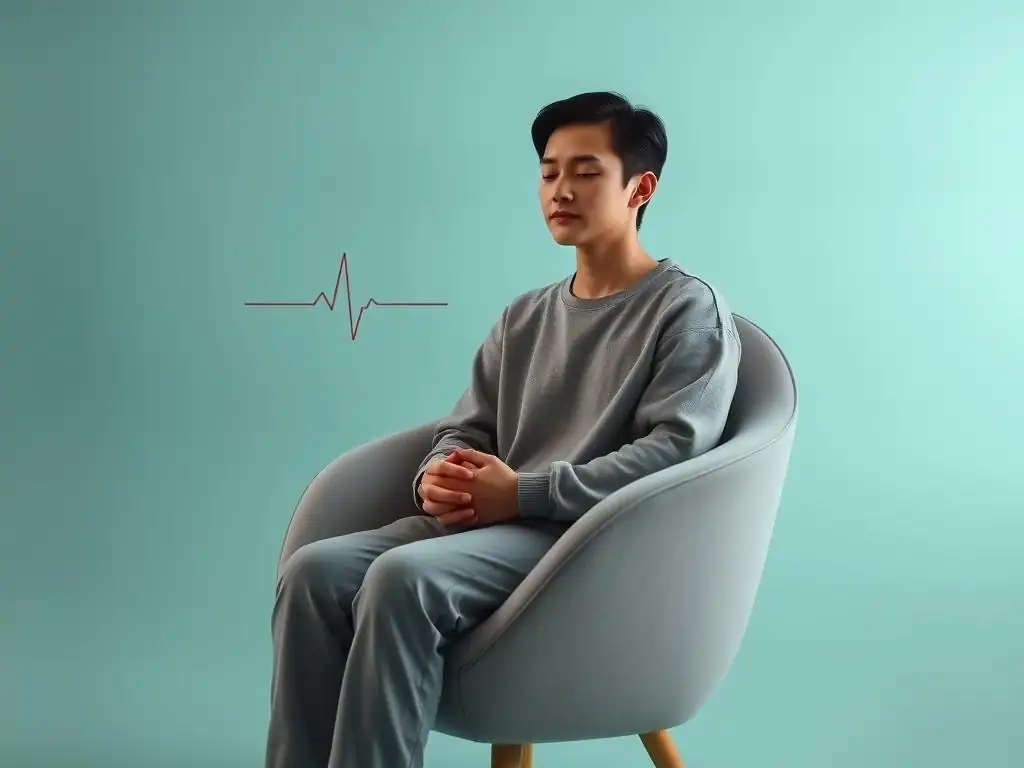
Non-Medication Alternatives
Many effective strategies exist for managing performance anxiety without medication. Behavioral techniques are often highly beneficial. Cognitive Behavioral Therapy (CBT) helps individuals identify and challenge negative thought patterns associated with performance situations. Exposure therapy, gradually confronting feared situations, can also reduce anxiety over time.
Other non-medication approaches include relaxation techniques such as deep breathing exercises, progressive muscle relaxation, and mindfulness meditation, which can be practiced regularly and used acutely before a performance. Visualization, imagining a successful performance, can also build confidence. Learning effective coping strategies and focusing on preparation rather than potential failure are cornerstones of managing performance anxiety without relying on drugs.
Other Medications for Anxiety
While Propranolol targets physical symptoms, other medications address different aspects of anxiety. For individuals with more generalized social anxiety that includes performance situations, SSRIs or SNRIs might be prescribed for daily use. These medications work by affecting neurotransmitters and can reduce overall anxiety levels, making performance situations less daunting over time.
In some acute, severe cases, a healthcare provider might consider prescribing a low dose of a benzodiazepine for a specific, high-stakes event. However, due to the risk of dependence, sedation, and potential for impaired cognitive function (which can be counterproductive for performance), benzodiazepines are generally not the preferred first-line medication for performance anxiety compared to Propranolol or non-medication strategies.
Natural Remedies: A Cautious Approach
Various natural remedies are sometimes suggested for anxiety, but their effectiveness for performance anxiety is often not supported by robust scientific evidence, and quality can vary. Some individuals explore options like L-theanine (an amino acid found in green tea), magnesium, or certain herbal supplements like valerian root or chamomile.
While some of these may have mild calming effects for some people, they should be approached with caution. Their dosage, purity, and potential interactions with other medications are often less studied than prescription drugs. It is essential to discuss any natural remedies you are considering with a healthcare provider to ensure they are safe and appropriate for your specific situation and will not negatively interact with any other treatments.
Propranolol: User Experiences and Research
Real-Life Accounts
Many individuals who have used Propranolol for performance anxiety report positive experiences, often describing a significant reduction in debilitating physical symptoms like shaking or rapid heartbeat. For a public speaker, this might mean the difference between struggling through a presentation with a trembling voice and visible shaking versus delivering it calmly and confidently.
Musicians frequently share how Propranolol has allowed them to perform without the physical interference of severe stage fright. While it doesn't eliminate all nervousness, many users find that by quieting the physical "noise" of anxiety, they are better able to focus on the task at hand and perform to their potential. However, experiences vary, and some users report little benefit or bothersome Propranolol performance anxiety side effects.
Research Findings on Propranolol
Research on Propranolol for performance anxiety, particularly in specific contexts like music performance or public speaking, generally supports its effectiveness in reducing physical symptoms. Studies have shown objective measures, such as heart rate, are lower in individuals taking Propranolol before a performance compared to placebo groups.
While research confirms its physiological effects, studies also highlight that Propranolol primarily targets the physical symptoms and does not necessarily reduce the subjective feeling of anxiety or worry for everyone. Its efficacy is strongest for individuals whose performance anxiety is heavily driven by physical manifestations. For those whose anxiety is primarily psychological worry, other strategies or medications may be more beneficial.
Consulting a Healthcare Professional
Given the potential Propranolol performance anxiety side effects, drug interactions, and contraindications, it is absolutely essential to consult a healthcare professional before considering Propranolol for performance anxiety. Self-medicating or using medication prescribed for someone else is dangerous.
A doctor can evaluate your specific symptoms, medical history, and overall health to determine if Propranolol is a safe and appropriate option for you. They can discuss the potential benefits and risks, prescribe the correct dosage for situational use, and advise on how to use it safely. They can also discuss alternative strategies, including non-medication approaches, which may be equally or more effective depending on the individual's needs.
Comprehensive Guide Perspective
Commitment to Mental Health Information
Mind Care Guide is committed to providing accessible, accurate, and comprehensive information on mental health topics, including anxiety disorders and their management. We understand that navigating mental health challenges can be complex, and access to reliable information is a crucial first step towards seeking help and finding effective strategies.
Our goal is to empower individuals with knowledge about various conditions, treatment options, and coping mechanisms. By offering detailed guides on topics like understanding performance anxiety and exploring potential interventions such as Propranolol for performance anxiety side effects and benefits, we aim to support informed decision-making about mental wellness journeys.
Resources for Managing Performance Anxiety
Managing performance anxiety often involves a multi-faceted approach. Beyond potential medication options discussed with a healthcare provider, numerous resources can offer support and practical strategies. These include books and online courses on public speaking or performance techniques, mindfulness apps, and guided relaxation exercises.
Exploring therapeutic options like CBT or seeking coaching specifically focused on performance can also be invaluable. Many resources offer structured programs designed to help individuals build confidence, challenge anxious thoughts, and develop effective coping mechanisms for high-pressure situations. Utilizing a combination of these resources can lead to sustainable improvements in managing anxiety.
Seeking Professional Help
While information resources are helpful, they are not a substitute for professional medical or psychological help. If performance anxiety is significantly impacting your life, causing distress, or preventing you from achieving your goals, seeking support from a qualified healthcare professional is strongly recommended.
A doctor can rule out any underlying physical conditions contributing to symptoms and discuss medication options like Propranolol performance anxiety treatment if appropriate. A therapist specializing in anxiety can provide evidence-based therapies tailored to your needs. Remember, seeking help is a sign of strength, and effective treatments are available to help you manage performance anxiety and live a fuller life.
Frequently Asked Questions
What is Propranolol and how does it help with performance anxiety?
Propranolol is a beta-blocker medication. It works by blocking the effects of adrenaline, which helps to reduce the physical symptoms of anxiety, such as tremors and rapid heartbeat, associated with performance situations.
How quickly does Propranolol work for performance anxiety?
Propranolol typically starts working within 30 to 60 minutes after taking it. It's usually recommended to take it about an hour before the anticipated performance situation for optimal effect.
What are the most common side effects of Propranolol?
Common side effects can include dizziness, fatigue, and low blood pressure. It's important to discuss potential side effects with your doctor before starting Propranolol.
Is Propranolol a cure for performance anxiety, or does it just manage the symptoms?
Propranolol does not cure performance anxiety. It only manages the physical symptoms associated with anxiety, allowing individuals to perform better in specific situations.
Who should not take Propranolol for performance anxiety?
People with certain medical conditions, such as asthma, very low blood pressure, or certain heart problems, should not take Propranolol. It is crucial to consult with a doctor to determine if it's safe and appropriate for your individual health profile before use.
The pervasive nature of performance anxiety is undeniable, and the search for effective, safe solutions remains a critical concern. Propranolol, while offering a potential pathway to managing debilitating symptoms, demands careful consideration of its benefits and drawbacks. This article has explored the complex relationship between this beta-blocker and performance anxiety, highlighting the need for informed decision-making.
Understanding the impact of performance anxiety on individuals' lives—from public speaking to athletic competitions—has underscored the importance of exploring all available treatment options. The delicate balance between alleviating anxiety and managing potential side effects is crucial. The goal is not to eliminate anxiety altogether, but to manage it so that it doesn't interfere with daily life or performance.
This quote encapsulates the nuanced approach required when considering medication like Propranolol. The ongoing conversation surrounding medication for anxiety highlights the need for open dialogue and personalized treatment plans.
The information presented here is not a prescription, but a starting point. You are the architect of your own well-being. Consider this article a tool to empower you in conversations with healthcare professionals. Explore the potential benefits and risks of Propranolol, weigh them against alternative therapies, and ultimately, make an informed choice that aligns with your individual needs and goals. Take control of your anxiety, and find the path that leads you to a stage where you can perform with confidence and peace of mind.
Unlock Your Peak Performance: Take Control of Anxiety Now!
Thanks for taking the time to learn about managing performance anxiety with propranolol. We hope you found the information insightful and empowering! Now it's time to put that knowledge into action.
Here's how you can move forward:
- Schedule a consultation with your doctor: This is the most important next step to discuss whether propranolol is right for you and to understand potential risks and benefits. Don't hesitate – your well-being is paramount.
- Explore relaxation techniques: Supplementing propranolol with mindfulness or deep breathing exercises can further enhance your ability to manage anxiety in high-pressure situations.
- Share this article with someone who might benefit: Knowing you're not alone can make a huge difference. Help others find the tools they need to conquer performance anxiety.
Ready to take that first step towards feeling confident and in control? What specific strategy from the article resonates most with you, and how will you incorporate it into your life?