
The 478 Breathing Method: Instantly Calm Anxiety for Sleep


Welcome to Mind Care Guide, your sanctuary for mental well-being.
Feeling overwhelmed by anxiety that steals your sleep? You're not alone. Discover how a simple, yet powerful technique can offer immediate relief. Explore our guide to the 478 Breathing Method for Anxiety Sleep and unlock a pathway to calmer nights and brighter days. Ready to reclaim your rest and quiet your mind? Let's begin.
The 478 Breathing Method: Instantly Calm Anxiety for Sleep
- Understanding the 4-7-8 Breathing Technique for Anxiety and Sleep
- Step-by-Step Guide: Mastering the 4-7-8 Breathing Exercise
- Optimizing Your 4-7-8 Breathing Practice for Maximum Anxiety Relief
- Troubleshooting Common Issues with the 4-7-8 Breath
- Combining the 4-7-8 Breathing Method with Other Relaxation Techniques for Better Sleep
- When to Seek Professional Help for Anxiety and Sleep Problems
- The 478 Breathing Method: A Powerful Tool for Anxiety and Improved Sleep Quality - Conclusion
- Frequently Asked Questions
- Final Reflection: Breathing Your Way to Peaceful Slumber
- Unlock Your Inner Calm: Breathe Your Way to Better Sleep
Understanding the 4-7-8 Breathing Technique for Anxiety and Sleep
What is the 4-7-8 Breathing Method?
The 4-7-8 breathing method is a simple yet powerful relaxation technique developed by Dr. Andrew Weil, inspired by ancient yogic practices known as pranayama. This specific breathing method involves a precise count for inhaling, holding the breath, and exhaling, following a 4-second inhale, 7-second hold, and 8-second exhale pattern. It is often described as a "natural tranquilizer for the nervous system" because it promotes a deep state of relaxation, making it a popular breathing method for anxiety sleep difficulties.
The technique is designed to be easily accessible, requiring no special equipment or setting, though practicing in a quiet, comfortable space can enhance its effects. Its simplicity allows individuals to incorporate it into their daily routine, particularly during moments of heightened stress or when preparing for sleep. Many people find that consistent practice of this breathing method for anxiety sleep significantly reduces the time it takes to fall asleep and improves overall sleep quality.
The Science Behind the 4-7-8 Breath and Anxiety Reduction
The effectiveness of the 4-7-8 breathing method in calming anxiety is rooted in its impact on the body's autonomic nervous system. Deep, controlled breathing, like that practiced in the 4-7-8 technique, helps to activate the parasympathetic nervous system, which is responsible for the body's "rest and digest" state. This activation counteracts the "fight or flight" response triggered by the sympathetic nervous system during periods of stress or anxiety.
By intentionally slowing the heart rate and increasing oxygen flow to the brain, the 4-7-8 breath signals to the body that it is safe to relax. The extended exhale phase, in particular, is crucial as it helps to expel carbon dioxide and further stimulate the vagus nerve, a key component of the parasympathetic system. Over time, regular practice can help regulate the body's stress response, potentially lowering baseline anxiety levels and making this breathing method for anxiety sleep a valuable tool.
Benefits of Using the 4-7-8 Breathing Method for Sleep
Utilizing the 4-7-8 breathing method specifically for sleep offers several significant advantages. One of the most immediate benefits is its ability to quiet the racing thoughts that often plague individuals with sleep onset insomnia related to anxiety. By focusing on the breath count, the mind is redirected away from worries and stressors, creating a mental space conducive to sleep.
Furthermore, the physiological changes induced by the technique—such as reduced heart rate and muscle tension—prepare the body for rest. Many users report feeling a sense of calm wash over them within just a few cycles. This makes the 4-7-8 method a powerful breathing method for anxiety sleep, helping individuals transition from a state of alertness or anxiety to one of deep relaxation, often leading to falling asleep more quickly and experiencing more restful sleep throughout the night.
Step-by-Step Guide: Mastering the 4-7-8 Breathing Exercise
Preparing for Your 4-7-8 Breathing Session
Before beginning the 4-7-8 breathing exercise, it's helpful to prepare your environment and yourself. Choose a quiet place where you won't be interrupted. While you can perform this exercise in almost any position, sitting upright with a straight back or lying down comfortably are often recommended. Ensure your hands are resting gently in your lap or by your sides.
The key is to feel relaxed and supported. If using this breathing method for anxiety sleep, lying in bed is perfectly suitable. Let your tongue rest against the roof of your mouth, behind your front teeth; this is the position you'll maintain throughout the exercise, as you'll be exhaling through your mouth around your tongue.
Step 1: Exhale Completely
Begin by exhaling completely through your mouth, making a gentle "whoosh" sound. This step helps to empty your lungs and prepare them for a full, deep inhale. It also serves as a clear starting point for the cycle.
This initial exhale signals the beginning of the controlled breathing pattern. It's a simple action but crucial for setting the rhythm of the subsequent steps.
Step 2: Inhale Quietly Through Your Nose for 4 Seconds
Close your mouth and inhale quietly through your nose for a slow count of four. Focus on filling your lungs with air.
Feel your abdomen expand slightly as you inhale. This ensures you are engaging your diaphragm for deeper breathing, which is more effective for relaxation than shallow chest breathing.
Step 3: Hold Your Breath for 7 Seconds
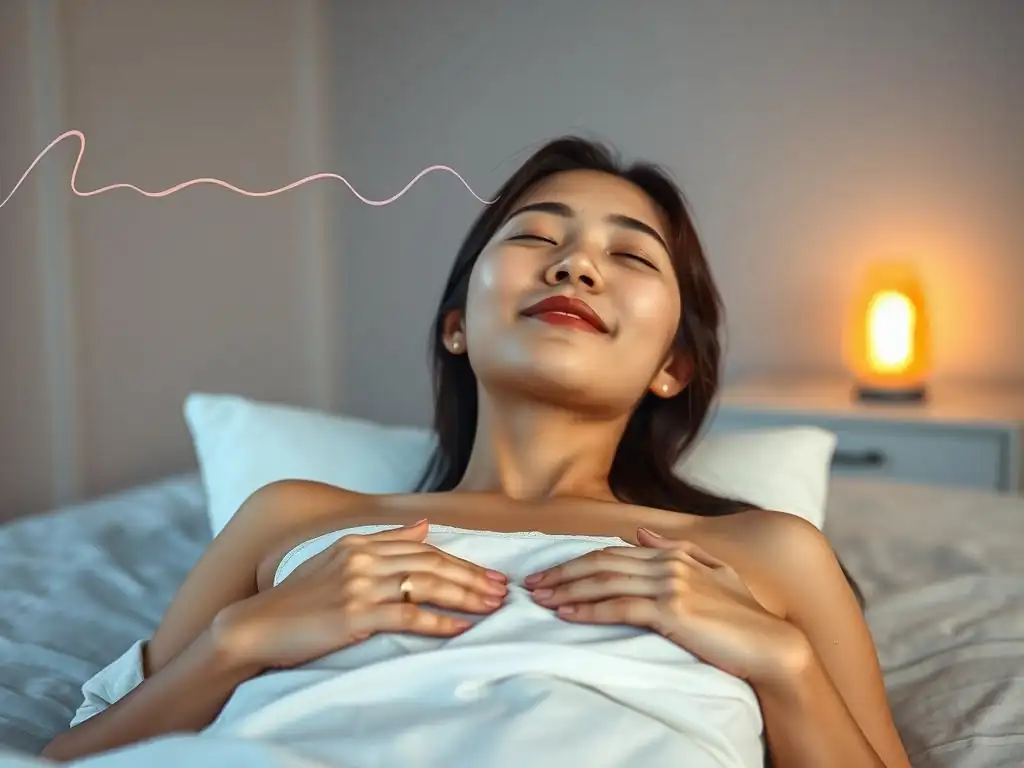
Hold your breath for a count of seven. This is the longest phase and is thought to allow oxygen to circulate through the bloodstream effectively.
While holding, avoid tensing your body. Remain relaxed and simply maintain the held breath for the full count, resisting the urge to exhale prematurely.
Step 4: Exhale Slowly and Forcefully Through Your Mouth for 8 Seconds
Exhale completely through your mouth, making a "whoosh" sound, for a full count of eight. This exhale should be slow and controlled, longer than the inhale.
The extended exhale is particularly important for stimulating the parasympathetic nervous system and releasing tension. Ensure the "whoosh" sound is audible but gentle.
Step 5: Repeat the Cycle at Least Four Times
You have now completed one cycle of the 4-7-8 breathing method. To experience the full benefits, repeat this cycle at least three more times, for a total of four breaths.
You can do more cycles if you feel comfortable, but four is often sufficient to induce a state of calm. Consistency in repeating the steps is key to leveraging this breathing method for anxiety sleep effectively.
Optimizing Your 4-7-8 Breathing Practice for Maximum Anxiety Relief
Finding a Comfortable Position for Breathwork
Choosing a comfortable position is fundamental to getting the most out of the 4-7-8 breathing method. Whether sitting or lying down, ensure your spine is relatively straight to allow your diaphragm to move freely. If sitting, support your back and let your shoulders relax. Avoid positions that feel strained or constrict your chest or abdomen.
For those using this as a breathing method for anxiety sleep, lying in bed is ideal. Find a position that you typically use for sleeping, whether on your back, side, or stomach (though back or side might facilitate deeper breathing). The goal is to remove any physical discomfort that might distract you from the breathing pattern.
Creating a Relaxing Environment to Enhance the 4-7-8 Technique
Your surroundings can significantly impact your ability to relax and benefit from the 4-7-8 breath. Aim for a quiet environment with minimal distractions. Dimming the lights, ensuring a comfortable room temperature, and perhaps using an eye mask can all contribute to a more conducive atmosphere, especially when practicing this breathing method for anxiety sleep before bed.
Consider incorporating soothing elements like soft, instrumental music or using aromatherapy with calming scents such as lavender. The intention is to create a sanctuary where your mind and body feel safe and encouraged to let go of tension and anxiety.
Maintaining Consistency for Long-Term Anxiety and Sleep Improvement
While the 4-7-8 method can offer immediate relief, its power is amplified through consistent practice. Aim to practice the technique at least twice a day—once in the morning and again in the evening before bed. Consistency helps train your body and mind to enter a relaxed state more readily.
Think of it like exercising a muscle; the more you practice this breathing method for anxiety sleep, the stronger its calming effect becomes. Regular practice, even when you're not feeling anxious, builds resilience and makes the technique more effective when you need it most, such as during unexpected moments of stress or when struggling to fall asleep.
Troubleshooting Common Issues with the 4-7-8 Breath
Difficulty Holding Your Breath
Some individuals may initially find it challenging to hold their breath for the full 7 seconds, especially if they are new to breathwork or feeling particularly anxious. If this is the case, do not force it. Start with a shorter hold time that feels comfortable, perhaps 3 or 4 seconds, while keeping the 4-8 exhale ratio intact (e.g., 2-4-5 or 3-6-7).
As you practice consistently, your lung capacity and comfort level with holding your breath will gradually increase. The key is gentle progression, not perfection from day one. Be patient with yourself and focus on maintaining the overall rhythm and the longer exhale.
Feeling Lightheaded or Dizzy
Occasionally, practicing deep breathing techniques like the 4-7-8 method can lead to feeling slightly lightheaded or dizzy, particularly when first starting out. This is usually due to taking in more oxygen than your body is accustomed to in a short period. If this happens, pause the exercise and breathe normally for a few moments.
To prevent this, ensure your breaths are gentle and controlled, not forced or overly deep. Limit yourself to just four cycles when you begin, and gradually increase if you feel comfortable. Practicing while lying down can also help mitigate lightheadedness. This sensation typically decreases with practice as your body adjusts to the increased oxygen intake.
Noticing Immediate Results: Managing Expectations
While many people experience immediate calming effects from the 4-7-8 breathing method, it's important to manage expectations. Not everyone will feel instantly relaxed or fall asleep immediately after their first few attempts. The effectiveness can vary based on individual differences, the level of anxiety, and consistency of practice.
Consider the 4-7-8 method a skill that improves over time. While it's a powerful breathing method for anxiety sleep, it's not a guaranteed instant cure. Be patient, practice regularly, and observe the subtle shifts in your state of mind and body. Over days and weeks, you are more likely to notice a significant improvement in your ability to manage anxiety and improve sleep quality.
Combining the 4-7-8 Breathing Method with Other Relaxation Techniques for Better Sleep
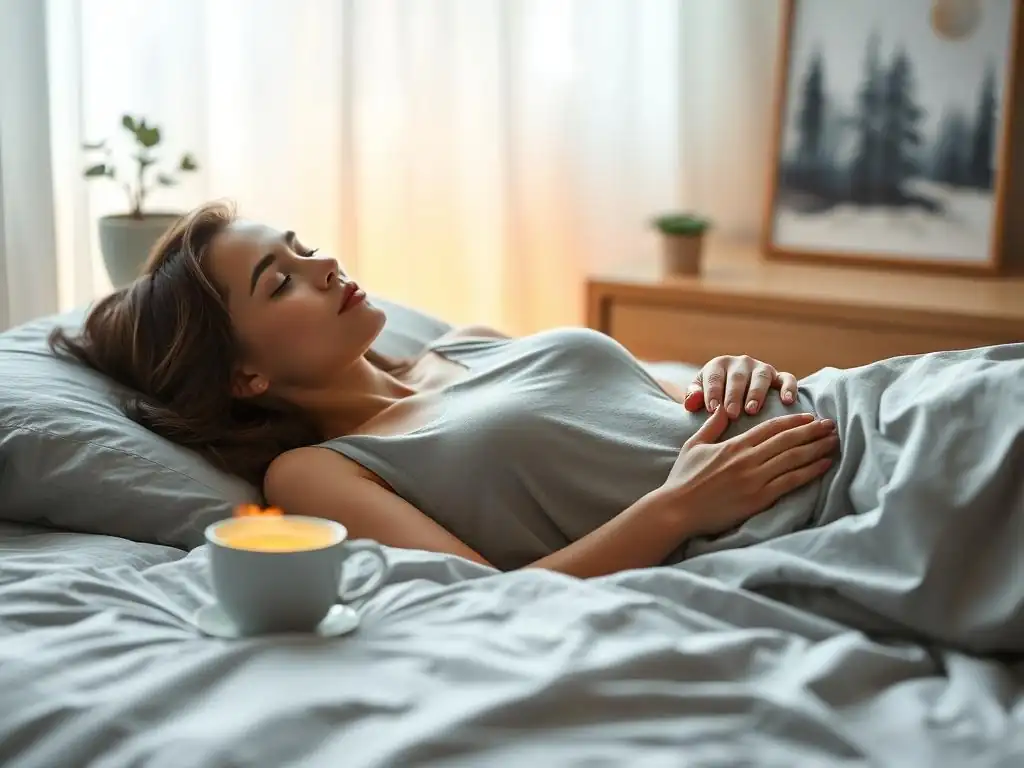
Progressive Muscle Relaxation and the 4-7-8 Breath
Combining the 4-7-8 breathing method with progressive muscle relaxation (PMR) can create a powerful synergy for reducing tension and promoting sleep. PMR involves tensing and then slowly releasing different muscle groups in the body, one section at a time, to become aware of physical tension and release it.
You can perform a few cycles of 4-7-8 breathing before starting PMR to calm your mind, or integrate the breathing pattern as you move through the muscle groups – perhaps inhaling and tensing on the 4-count, holding tension on the 7-count, and exhaling and releasing tension on the 8-count. This combined approach addresses both mental and physical components of anxiety that interfere with sleep.
Mindfulness Meditation and the 4-7-8 Breathing Technique
Mindfulness meditation, which involves focusing on the present moment without judgment, pairs exceptionally well with the 4-7-8 breath. The rhythmic counting of the 4-7-8 method provides a perfect anchor for mindfulness practice, helping to keep the mind from wandering.
You can use the 4-7-8 count as your primary focus during a mindfulness session, bringing your attention back to the breath whenever your mind drifts. This combination enhances your ability to stay present and detach from anxious thoughts, making the 4-7-8 breathing method for anxiety sleep even more effective as a tool for mental quietude before bed.
The 4-7-8 Breath and Guided Imagery for Enhanced Relaxation
Guided imagery involves creating calming mental images or scenarios to promote relaxation and reduce stress. Integrating the 4-7-8 breathing method with guided imagery can deepen the relaxation response by engaging both physiological calming and mental distraction from anxiety.
As you practice the 4-7-8 breath, you can simultaneously visualize a peaceful scene – perhaps a tranquil beach, a serene forest, or any place that brings you comfort. Coordinate your breathing with the imagery, perhaps imagining stress leaving your body with each long exhale. This technique leverages the power of the mind-body connection to enhance the benefits of the breathing method for anxiety sleep.
When to Seek Professional Help for Anxiety and Sleep Problems
Recognizing the Signs of a More Serious Anxiety Disorder
While the 4-7-8 breathing method is a valuable tool, it's important to recognize when anxiety and sleep problems may indicate a more significant underlying condition requiring professional intervention. Signs that might suggest a more serious anxiety disorder include persistent, excessive worry that is difficult to control, significant distress or impairment in social, occupational, or other important areas of functioning, and physical symptoms like restlessness, fatigue, difficulty concentrating, irritability, muscle tension, or disturbed sleep that occur on more days than not for at least six months.
If you find that your anxiety is overwhelming, significantly impacting your daily life, or if sleep difficulties persist despite trying relaxation techniques like the 4-7-8 breathing method for anxiety sleep consistently, it may be time to consult a healthcare professional. They can help determine if your symptoms align with a diagnosable condition such as Generalized Anxiety Disorder, Panic Disorder, or others.
The Importance of Consulting a Healthcare Professional
Consulting a doctor or mental health professional is crucial if you are experiencing significant anxiety or chronic sleep problems. They can conduct a thorough evaluation to rule out any underlying medical conditions that might be contributing to your symptoms. They can also provide an accurate diagnosis for any mental health conditions present.
A professional can offer tailored treatment plans, which may include therapy (such as Cognitive Behavioral Therapy for Insomnia - CBT-I, or exposure therapy for anxiety), medication, or lifestyle recommendations. Relying solely on techniques like the 4-7-8 breathing method for anxiety sleep, while helpful for symptom management, may not be sufficient to address the root causes of severe or persistent issues.
Alternative Anxiety Management Techniques and Therapies
Beyond breathing exercises, a range of other evidence-based techniques and therapies can effectively manage anxiety and improve sleep. Cognitive Behavioral Therapy (CBT) is widely recommended, helping individuals identify and change negative thought patterns and behaviors contributing to anxiety and insomnia. Mindfulness-Based Stress Reduction (MBSR) programs teach techniques to increase awareness and acceptance of anxious thoughts and feelings without being overwhelmed by them.
Other options include exercise, which is proven to reduce anxiety symptoms, maintaining good sleep hygiene practices, and exploring dietary changes. For some, prescription medication may be necessary to manage severe symptoms under medical supervision. A healthcare professional can help you navigate these options and build a comprehensive strategy alongside using a breathing method for anxiety sleep.
The 478 Breathing Method: A Powerful Tool for Anxiety and Improved Sleep Quality - Conclusion
Key Takeaways: Mastering Anxiety Relief Through Breathwork
The 4-7-8 breathing method is a simple, accessible, and effective technique that can serve as a valuable tool in managing anxiety and improving sleep quality. By following the precise 4-second inhale, 7-second hold, and 8-second exhale pattern, individuals can activate the body's natural relaxation response, counteracting the physiological effects of stress and anxiety.
Consistent practice of this breathing method for anxiety sleep can lead to reduced heart rate, calmed nervous system activity, and a quieter mind, making it easier to fall asleep and stay asleep. While not a cure-all, integrating the 4-7-8 breath into a regular routine, especially before bed, offers a tangible way to regain a sense of control and promote tranquility in both mind and body.
- [ ] Understand the 4-7-8 cycle (4-7-8)
- [ ] Practice the steps regularly
- [ ] Combine with other relaxation techniques
- [ ] Be patient and consistent
- [ ] Seek professional help if needed
Frequently Asked Questions
What is the 4-7-8 breathing method?
The 4-7-8 breathing method is a simple, yet powerful, technique designed to promote relaxation and reduce anxiety. It involves a specific breathing pattern: inhaling for 4 seconds, holding for 7 seconds, and exhaling for 8 seconds.
How does the 4-7-8 breathing method help with anxiety and sleep?
This method helps by slowing down your heart rate and calming your nervous system. The controlled breathing promotes increased oxygen intake and triggers the body's natural relaxation response, which is beneficial for reducing anxiety and improving sleep quality.
Is the 4-7-8 breathing method safe for everyone?
Generally, yes. However, if you have any underlying respiratory conditions or health concerns, it's always recommended to consult with a healthcare professional before regularly practicing this or any other breathing technique.
How often should I practice the 4-7-8 breathing method for the best results?
You can practice it several times a day. Starting with just a few repetitions is recommended, gradually increasing as you become more comfortable. Consistency is key to experiencing the full benefits for anxiety and sleep.
Can the 4-7-8 breathing method completely cure anxiety or insomnia?
No, it's not a cure. The 4-7-8 breathing method is a helpful tool for managing anxiety and promoting better sleep. It works best when combined with other healthy lifestyle choices and, if necessary, professional mental health support.
Final Reflection: Breathing Your Way to Peaceful Slumber
The 478 breathing method isn't just a technique; it's a readily accessible tool for navigating the turbulent waters of anxiety and achieving restful sleep. In a world increasingly characterized by stress and sleep deprivation, mastering simple yet effective coping mechanisms like this one is not a luxury, but a necessity for overall well-being. This accessible method offers a powerful antidote to the pervasive anxieties that plague modern life, offering a path towards a calmer, more restorative night's rest.
The impact of anxiety on sleep is undeniable, and its ripple effects extend far beyond the bedroom. The constant state of hyper-vigilance it creates leaves us exhausted, impacting our productivity, relationships, and overall mental health. Learning to harness the power of our breath to calm the nervous system is a profound shift in perspective, empowering us to take control of our own well-being. The breath is the bridge between the body and the mind.
This simple truth underscores the profound connection between our physical and mental states, highlighting the 478 method's effectiveness in bridging the gap between anxious thoughts and peaceful rest.
Now, consider this: what small change could you integrate into your nightly routine to prioritize your mental and physical health? The 478 breathing method is a starting point, a gentle invitation to cultivate a mindful approach to sleep. Try it tonight. Feel the rhythm of your breath, the slowing of your heart rate, and the gentle release of tension. Embrace this simple practice, and discover the transformative power of conscious breathing in your journey towards a more peaceful and restorative sleep.
Unlock Your Inner Calm: Breathe Your Way to Better Sleep
Thanks for taking the time to explore the power of the 478 Breathing Method! We hope you now have a valuable new tool to manage anxiety and improve your sleep quality. Ready to put it into practice?
- Prioritize your breathing: Try the 478 method before bed tonight. Notice the difference in your mind and body as you fall asleep. This is your primary step to a calmer, more restful night's sleep.
- Share the calm: Tell a friend or family member about this technique – it could make a world of difference for them too!
- Experiment with variations: Try the 478 method at different times throughout the day to see how it affects your overall stress levels. What modifications feel best for you?
What small step will you take today to cultivate a more peaceful mind and a better night's sleep?