
The Science Behind Eating for Less Anxiety.


Welcome to Mind Care Guide, a space dedicated to nurturing your mental well-being.
Feeling overwhelmed by food choices and how they impact your anxiety? You're not alone. Many experience this, and there are ways to find relief. Dive into our article, "The Science Behind Eating for Less Anxiety," where we explore practical food anxiety management techniques. Discover how mindful eating and strategic food choices can become powerful tools in your journey towards inner peace. Curious to learn more? Let's begin.
- Mind Care Guide: Eating for Less Anxiety
- Nutritional Strategies for Anxiety Reduction
- Practical Strategies for Dietary Changes
- Beyond Diet: A Holistic Approach to Mental Well-being
-
Frequently Asked Questions
- What is food anxiety, and how does it relate to mental well-being?
- How does "The Science Behind Eating for Less Anxiety" article help with food anxiety management?
- Can dietary changes alone completely resolve food anxiety, or are other strategies needed?
- What are some examples of "food anxiety management techniques" discussed in the article?
- How can someone access further support and resources for food anxiety management after reading the article?
- Final Reflection: Nourishing the Mind, Calming the Soul
- Unleash Your Inner Calm: Take Control of Anxiety Through Diet
Mind Care Guide: Eating for Less Anxiety
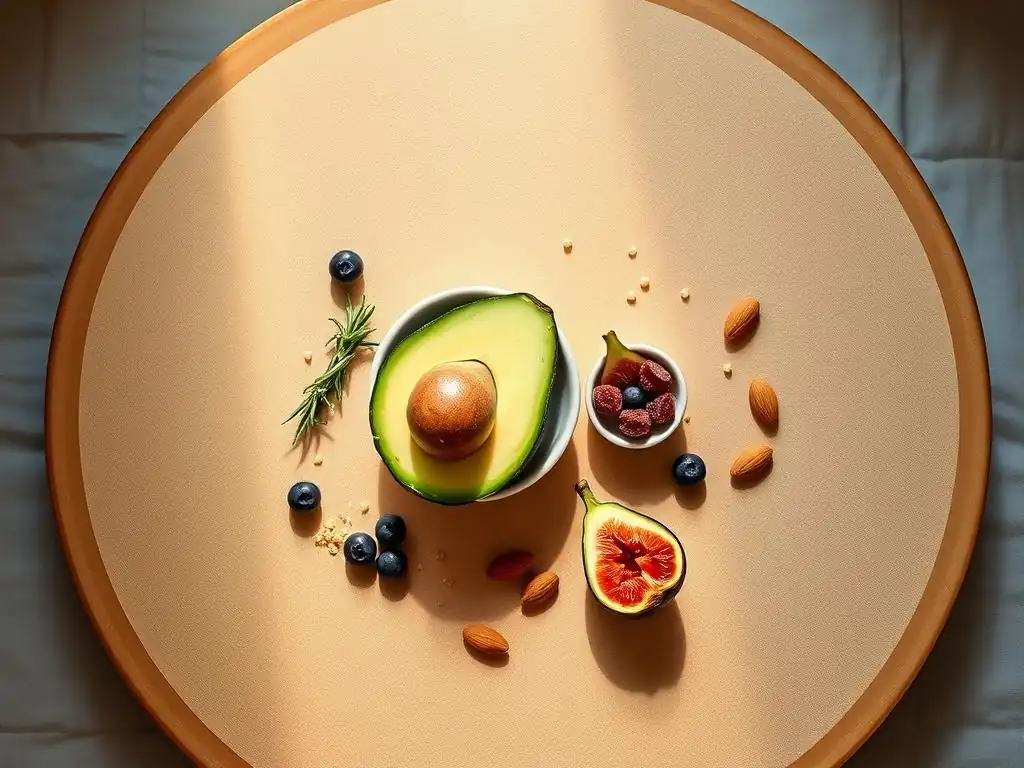
How Food Choices Impact Mental Well-being
The relationship between what we eat and how we feel mentally is increasingly understood by science. Our daily food choices provide the building blocks for our neurotransmitters, hormones, and overall brain function. When we consistently choose nutrient-poor foods, it can disrupt these delicate processes, potentially leading to imbalances that affect mood, energy levels, and stress responses. Conversely, adopting effective food anxiety management techniques through mindful eating and selecting nutrient-dense options can provide the brain with the necessary fuel to function optimally and potentially mitigate feelings of anxiety.
Studies have indicated a correlation between dietary patterns and mental health outcomes. For example, research published in journals like Nutritional Neuroscience has shown that diets high in processed foods, saturated fats, and refined sugars are often associated with a higher risk of depression and anxiety disorders. In contrast, traditional diets rich in fruits, vegetables, whole grains, lean proteins, and healthy fats are frequently linked to lower rates of these conditions. This suggests that the cumulative effect of dietary habits over time plays a significant role in our mental resilience and susceptibility to anxiety.
The Gut-Brain Axis: A Key Connection in Anxiety and Diet
A critical pathway linking our diet to our mental state is the gut-brain axis. This is a bidirectional communication system between the central nervous system (brain) and the enteric nervous system (gut). The gut is home to trillions of microorganisms, collectively known as the gut microbiota, which play a crucial role in digestion, immune function, and even the production of neurotransmitters like serotonin, a key mood regulator. Approximately 90% of the body's serotonin is produced in the gut.
Disruptions to the gut microbiota, often caused by poor diet (high in processed foods, low in fiber), stress, or antibiotic use, can negatively impact this communication axis. An imbalanced gut environment, known as dysbiosis, can lead to increased inflammation throughout the body, including the brain, and potentially alter neurotransmitter production and signaling. Research suggests that this inflammation and altered signaling can contribute to symptoms of anxiety and depression. Therefore, supporting a healthy gut environment through dietary choices is a fundamental food anxiety management technique.
Nutrient Deficiencies and Anxiety: Identifying Potential Gaps
Specific nutrient deficiencies have been linked to an increased risk or severity of anxiety symptoms. While a balanced diet is ideal, modern diets or individual absorption issues can sometimes lead to suboptimal levels of essential vitamins and minerals crucial for brain health and stress response. Identifying and addressing these potential gaps through dietary adjustments or, sometimes, supplementation under guidance, is a vital component of nutritional strategies for anxiety.
Common deficiencies potentially linked to anxiety include magnesium, B vitamins (especially B6, B9 - folate, and B12), Vitamin D, zinc, and Omega-3 fatty acids. For instance, magnesium is involved in hundreds of biochemical reactions, including those related to nerve function and stress response; low levels are frequently observed in individuals experiencing anxiety. Similarly, B vitamins are essential for neurotransmitter synthesis, and insufficient intake can impair these processes. Recognizing that simple nutrient gaps could contribute to anxiety is empowering, highlighting diet as a powerful tool for well-being.
Nutritional Strategies for Anxiety Reduction
The Role of Specific Nutrients in Anxiety Reduction
Focusing on specific nutrients that play key roles in brain health and stress response is a targeted approach within food anxiety management techniques. While a holistic diet is paramount, understanding the function of these individual components can help prioritize food choices.
Magnesium: A Natural Anxiety Reliever Through Diet
Magnesium is often referred to as "nature's tranquilizer" due to its calming effects on the nervous system. It plays a crucial role in regulating neurotransmitters, particularly GABA (gamma-aminobutyric acid), which is an inhibitory neurotransmitter that helps calm nerve activity. Magnesium also helps regulate the body's stress response system, including the hypothalamic-pituitary-adrenal (HPA) axis.
Studies have explored the link between magnesium intake and anxiety. While large-scale clinical trials are still ongoing, preliminary research and observational studies suggest that increasing dietary magnesium intake may help reduce mild to moderate anxiety symptoms. Foods rich in magnesium include leafy green vegetables like spinach, nuts and seeds (especially pumpkin and chia seeds), legumes, and whole grains. Ensuring adequate magnesium intake through these foods is a practical food anxiety management technique.
Vitamin D: Sunshine and Mental Health
Vitamin D, often synthesized through sun exposure, also plays a role in brain function and mood regulation. Receptors for Vitamin D are found in areas of the brain associated with mood and behavior. Research suggests that Vitamin D may influence the production of serotonin and dopamine, neurotransmitters critical for mood regulation.
Low levels of Vitamin D have been associated with an increased risk of both depression and anxiety in several studies. While the exact mechanisms are still being researched, maintaining adequate Vitamin D levels is considered important for overall mental health. Dietary sources of Vitamin D are limited but include fatty fish, fortified dairy products, and fortified plant-based milks. Combining dietary sources with safe sun exposure or supplementation (under medical advice) can support healthy levels.
Omega-3 Fatty Acids: Brain Health and Anxiety
Omega-3 fatty acids, particularly EPA (eicosapentaenoic acid) and DHA (docosahexaenoic acid), are essential fats that are crucial for brain structure and function. They are major components of brain cell membranes and have potent anti-inflammatory properties. Chronic inflammation is increasingly linked to mood disorders, including anxiety.
Research indicates that regular intake of Omega-3 fatty acids may help reduce symptoms of anxiety. A meta-analysis published in JAMA Network Open in 2018, which reviewed 19 clinical trials, suggested that Omega-3 supplementation might be beneficial for individuals with diagnosed anxiety. Incorporating Omega-3 rich foods like fatty fish (salmon, mackerel, sardines), flaxseeds, chia seeds, and walnuts into your diet is a valuable food anxiety management technique.
Foods to Include in Your Anxiety-Reducing Diet
Building a diet focused on whole, nutrient-dense foods is a cornerstone of effective food anxiety management techniques. These foods provide the necessary vitamins, minerals, fiber, and healthy fats that support brain health and a balanced gut microbiome.
Leafy Greens: Nutrient Powerhouses for Mental Health
Leafy green vegetables like spinach, kale, collard greens, and Swiss chard are packed with nutrients vital for mental well-being. They are excellent sources of magnesium, folate (Vitamin B9), and various antioxidants. Folate is essential for the synthesis of neurotransmitters like serotonin, dopamine, and norepinephrine, which are critical for mood regulation.
Studies have shown that higher intake of vegetables, particularly leafy greens, is associated with a lower risk of depression and anxiety. For instance, a cup of cooked spinach provides approximately 150-160 mg of magnesium, which is about 35-40% of the daily recommended intake for adults, contributing significantly to magnesium levels. Incorporating a generous serving of leafy greens daily is a simple yet powerful dietary strategy for managing anxiety.
Berries: Antioxidants and Mood Regulation
Berries like blueberries, strawberries, raspberries, and blackberries are not only delicious but also rich in antioxidants, particularly flavonoids. Antioxidants help protect brain cells from oxidative stress and inflammation, processes implicated in the development of anxiety and depression.
Research suggests that diets high in antioxidants may have a positive impact on mood. For example, a study involving older adults found that higher flavonoid intake was associated with a lower risk of depression symptoms. While the direct link to anxiety is still being explored, the general brain-protective effects of berries make them a valuable addition to an anxiety-reducing diet. A handful of mixed berries can be an easy snack or addition to meals.
Fatty Fish: Omega-3s for Anxiety Relief
Fatty fish are one of the best dietary sources of the beneficial Omega-3 fatty acids, EPA and DHA. As discussed earlier, these fats are crucial for brain health and their anti-inflammatory properties may help mitigate anxiety symptoms. Examples include salmon, mackerel, sardines, herring, and anchovies.
Aiming for two servings of fatty fish per week is a common recommendation for general health and can be a key part of dietary strategies for managing anxiety. For instance, a 3-ounce serving of cooked salmon can provide well over 1,000 mg of combined EPA and DHA, significantly contributing to recommended Omega-3 intake levels. For individuals who do not eat fish, algal oil supplements or foods like flaxseeds and walnuts (which contain ALA, a precursor Omega-3 the body can convert to EPA/DHA to some extent) are alternatives.
Nuts and Seeds: Healthy Fats and Anxiety Reduction
Nuts and seeds are nutrient-dense foods providing healthy fats, protein, fiber, vitamins, and minerals like magnesium, zinc, and selenium. Walnuts, chia seeds, and flaxseeds are notable for their Omega-3 (ALA) content, while pumpkin seeds and almonds are good sources of magnesium and zinc. Brazil nuts are an excellent source of selenium.
Research suggests that regular nut consumption is linked to better mental health outcomes. For example, a study published in Clinical Nutrition in 2019 found that frequent nut consumption was associated with a lower risk of depression and anxiety. The combination of healthy fats, fiber, and minerals in nuts and seeds makes them a valuable component of nutritional approaches to reduce anxiety. A small handful of nuts or seeds can be a satisfying and beneficial snack.
Foods to Limit or Avoid for Better Anxiety Management
Just as certain foods can support mental well-being, others can potentially exacerbate anxiety symptoms. Limiting or avoiding these items is an equally important aspect of effective food anxiety management techniques.
Processed Foods: Impact on Gut Health and Anxiety
Processed foods are often high in unhealthy fats, added sugars, sodium, and artificial additives, while being low in fiber and essential nutrients. Diets dominated by processed foods can negatively impact the gut microbiome, promote inflammation, and lead to blood sugar imbalances, all of which can contribute to or worsen anxiety.
Studies have consistently shown a link between high consumption of processed foods and poorer mental health outcomes, including increased anxiety. For example, research published in the American Journal of Clinical Nutrition has demonstrated that dietary patterns characterized by high intake of processed meats, refined grains, and sugary drinks are associated with higher rates of anxiety disorders. Reducing reliance on convenience meals, packaged snacks, and fast food is a crucial step in dietary strategies for managing anxiety.
Added Sugars: Blood Sugar Spikes and Anxiety
Foods and drinks high in added sugars cause rapid spikes and subsequent crashes in blood sugar levels. These fluctuations can mimic or exacerbate anxiety symptoms, leading to feelings of nervousness, irritability, and fatigue. While the body needs glucose for energy, excessive simple sugars overwhelm the system.
Regular high sugar intake can also contribute to inflammation and negatively impact the gut microbiome, further influencing the gut-brain axis. A study from the Journal of Affective Disorders found that men who consumed higher amounts of added sugar were at greater risk for anxiety and depression. Being mindful of hidden sugars in seemingly savory foods like sauces, dressings, and bread is important when implementing food anxiety management techniques.
Caffeine and Anxiety: Understanding the Connection
Caffeine is a stimulant found in coffee, tea, energy drinks, and chocolate. For many people, moderate caffeine intake is well-tolerated, but for individuals prone to anxiety, it can trigger or intensify symptoms. Caffeine stimulates the nervous system, increasing heart rate, blood pressure, and alertness, which can be perceived as anxiety by the body.
The sensitivity to caffeine varies greatly from person to person. Some individuals may experience heightened nervousness, jitters, or even panic attacks after consuming relatively small amounts. If you experience increased anxiety after consuming caffeine, gradually reducing your intake or switching to decaffeinated alternatives can be a helpful food anxiety management technique.
Alcohol and Anxiety: Short-Term Relief, Long-Term Problems
Many people with anxiety turn to alcohol for temporary relief, as it initially has a calming effect on the central nervous system. However, this effect is short-lived. As the body processes alcohol, it acts as a depressant, disrupting neurotransmitter balance and sleep patterns.
In the hours after consuming alcohol, or during withdrawal, anxiety can return and often rebound more intensely than before, sometimes referred to as "hangxiety." Chronic alcohol use can worsen existing anxiety disorders and even induce new ones. Limiting or avoiding alcohol is often recommended as part of comprehensive food anxiety management techniques and overall mental health support.
Practical Strategies for Dietary Changes
Making significant dietary changes can feel overwhelming, especially when dealing with anxiety. Approaching it with small, manageable steps and practical strategies can make the process smoother and more sustainable.
Meal Planning for Anxiety Reduction
Planning meals ahead of time can reduce stress related to food choices and ensure you have healthy options readily available. This helps prevent impulsive choices like reaching for processed snacks or fast food when feeling anxious or pressed for time. Dedicating some time each week to plan meals and snacks that align with anxiety-reducing principles is a powerful food anxiety management technique.
- Create a weekly meal plan focusing on whole foods.
- Include sources of healthy fats, lean proteins, complex carbohydrates, and plenty of fruits and vegetables.
- Prepare some components in advance (e.g., chop vegetables, cook grains).
- Pack healthy snacks for when you're on the go to avoid vending machine temptations.
Mindful Eating: Paying Attention to Your Body's Signals
Mindful eating involves paying full attention to the experience of eating and drinking, both inside and outside the body. It's about noticing the physical hunger and fullness cues, the taste, smell, and texture of food, and the emotions and thoughts that arise during a meal. This practice can help you make more conscious food choices and reduce anxiety around eating.
Instead of eating quickly or while distracted, try slowing down. Pay attention to how different foods make you feel, both physically and mentally, during and after consumption. This increased awareness can help you identify foods that might exacerbate your anxiety and reinforce choices that support your well-being. Mindful eating is a complementary food anxiety management technique that enhances the benefits of dietary changes.
Reading Food Labels: Making Informed Choices
Understanding food labels is essential for implementing effective nutritional strategies for anxiety. Labels provide information about ingredients, nutrient content, and serving sizes, allowing you to make informed decisions about what you are consuming.
Learn to identify sources of added sugars (often listed under various names like corn syrup, fructose, sucrose), unhealthy fats (trans fats, excessive saturated fats), and excessive sodium. Also, look for foods rich in fiber, vitamins, and minerals. Choosing products with fewer ingredients, especially those you recognize as whole foods, is generally a good rule of thumb. Being an informed consumer is a key part of food anxiety management techniques.
Supplementation: Considerations and Precautions
While prioritizing nutrient intake from whole foods is the primary approach, supplementation may be considered in some cases to address specific deficiencies or provide targeted support. However, it's crucial to approach supplementation cautiously and always consult with a healthcare provider or a registered dietitian before starting any new supplement regimen.
Supplements that are sometimes explored for anxiety support include magnesium, Omega-3 fatty acids, Vitamin D, and certain B vitamins. However, the effectiveness of supplements can vary, and they are not a substitute for a healthy diet and lifestyle. A healthcare professional can help identify any actual deficiencies through testing and advise on appropriate dosages and potential interactions with medications, ensuring supplementation is a safe and effective addition to your food anxiety management techniques if needed.
Beyond Diet: A Holistic Approach to Mental Well-being
While nutritional strategies for anxiety are incredibly powerful and an essential part of food anxiety management techniques, it's important to remember that diet is just one piece of the puzzle. A holistic approach that integrates multiple supportive practices is most effective for long-term mental well-being.
The Importance of Exercise and Stress Management
Regular physical activity is a well-documented mood booster and stress reliever. Exercise releases endorphins, natural mood-lifting chemicals, and can help reduce levels of stress hormones like cortisol. Aiming for moderate exercise most days of the week can significantly complement the benefits gained from dietary changes.
Stress management techniques, such as meditation, deep breathing exercises, yoga, or spending time in nature, are also crucial. Chronic stress can negatively impact digestion, nutrient absorption, and hormonal balance, potentially undermining dietary efforts. Integrating stress-reducing practices alongside food anxiety management techniques creates a more resilient foundation for mental health.
The Role of Therapy and Counseling
For many individuals, anxiety is a complex condition that benefits from professional support. Therapy, such as Cognitive Behavioral Therapy (CBT) or Acceptance and Commitment Therapy (ACT), can provide valuable tools for understanding and managing anxious thoughts and behaviors.
Counseling offers a safe space to explore the root causes of anxiety and develop coping mechanisms. Combining therapeutic interventions with nutritional strategies for anxiety provides a comprehensive approach that addresses both the psychological and physiological aspects of the condition. Mental health professionals can work with you to develop a personalized plan.
Integrating Lifestyle Factors for Optimal Mental Health
Achieving optimal mental health involves considering all aspects of your lifestyle. Beyond diet, exercise, and therapy, factors such as adequate sleep, social connection, and engaging in enjoyable activities play significant roles. Poor sleep, for example, can exacerbate anxiety and disrupt appetite-regulating hormones, making healthy eating more challenging.
Building a supportive network of friends and family provides emotional support and reduces feelings of isolation. Making time for hobbies and activities you enjoy helps reduce stress and promotes a sense of purpose. By integrating effective food anxiety management techniques with these other healthy lifestyle pillars, you build a robust foundation for managing anxiety and fostering overall well-being.
Frequently Asked Questions
What is food anxiety, and how does it relate to mental well-being?
Food anxiety is a form of anxiety related to food choices, preparation, or consumption, often stemming from concerns about weight, health, or specific ingredients. It significantly impacts mental well-being by causing stress and distress surrounding eating.
How does "The Science Behind Eating for Less Anxiety" article help with food anxiety management?
The article explores the link between diet and anxiety, offering insights into how specific foods and eating patterns can influence mental state. It provides evidence-based strategies for choosing anxiety-reducing foods and managing mealtime stress.
Can dietary changes alone completely resolve food anxiety, or are other strategies needed?
While dietary changes can be beneficial, they're often most effective when combined with other strategies like therapy, mindfulness, or relaxation techniques. Addressing the underlying psychological factors is crucial for complete resolution.
What are some examples of "food anxiety management techniques" discussed in the article?
The article might suggest techniques like mindful eating, focusing on the sensory experience of food, and planned meals, to reduce decision fatigue and uncertainty. It could also highlight identifying trigger foods and gradually introducing them back into the diet with professional support.
How can someone access further support and resources for food anxiety management after reading the article?
"Mind Care Guide" offers additional articles, support groups, and links to mental health professionals. Consulting a registered dietitian or therapist specializing in eating disorders and anxiety is also recommended for personalized guidance.
Final Reflection: Nourishing the Mind, Calming the Soul
The science of nutrition's impact on anxiety is no longer a niche topic; it's a vital key to understanding and managing mental well-being in our increasingly stressful world. The research presented clearly demonstrates the powerful connection between the foods we consume and the state of our minds, highlighting the potential for dietary changes to significantly impact anxiety levels. This isn't just about fad diets; it's about harnessing the body's natural mechanisms to promote calm and resilience.
The exploration of this topic has profoundly shifted my own understanding of self-care, moving beyond simple mindfulness exercises to encompass a holistic approach that includes mindful eating. You are what you eat,
is more than a cliché; it's a fundamental truth that underscores the intricate relationship between our physical and mental health. This understanding extends beyond personal benefit; it highlights the urgent need for broader societal awareness and access to nutritional education, especially for vulnerable populations struggling with anxiety and related disorders.
Consider the foods you consume today. Are they nourishing your mind and body, or contributing to feelings of anxiety and unease? I urge you to take a moment to reflect on your dietary habits and explore how simple adjustments—incorporating more whole foods, reducing processed sugars and refined carbohydrates—might contribute to a calmer, more centered you. This isn't about perfection; it's about conscious choices that empower you to take control of your well-being and cultivate a healthier, happier relationship with food and your mental health.
Unleash Your Inner Calm: Take Control of Anxiety Through Diet
Thanks for taking the time to explore the science behind anxiety and nutrition! We hope you gained valuable insights into how food choices can impact your mental well-being. Ready to put this knowledge into action?
- Prioritize your plate: Start by building a balanced meal plan incorporating the anxiety-reducing foods discussed in the article. Even small changes can make a difference!
- Share your journey: Tell us about your experience in the comments below! What are your favorite anxiety-fighting foods? Sharing your tips could inspire others.
- Experiment and discover: Try one new, anxiety-reducing recipe this week and track how it makes you feel. What small dietary shifts can you make to support your mental health?
What simple change will you make today to cultivate a more peaceful and balanced mind through your diet?