
The Social Brain: Connecting with Others Fosters Neuroplasticity


Welcome to Mind Care Guide, a space dedicated to nurturing your mental well-being.
Ever wondered how deeply connected your brain is to the world around you? It's more profound than you might think. Dive in as we explore how social connection boosts neuroplasticity, unlocking the secrets to a more resilient and adaptable mind. Discover the neuroscience behind human interaction and how cultivating meaningful relationships can fundamentally reshape your brain for the better. Ready to connect?
The Social Brain: Connecting with Others Fosters Neuroplasticity
- Introduction: Understanding the Social Brain and Neuroplasticity
- Social Connection Boosts Neuroplasticity: The Science Behind It
- The Neuroscience of Social Connection: Brain Regions Involved
- Benefits of Social Interaction for Brain Plasticity and Mental Health
- Loneliness and Social Isolation: The Negative Impact on Brain Health
- Practical Ways to Foster Social Connection and Enhance Neuroplasticity
- The Role of Therapy and Support Groups in Enhancing Social Connection
- Social Connection and Neuroplasticity Across the Lifespan
- Conclusion: Harnessing the Power of Social Connection for Brain Health and Well-being
-
Frequently Asked Questions
- How does social connection boost neuroplasticity?
- What specific types of social interaction are most beneficial for enhancing neuroplasticity?
- Can virtual social connections have a similar impact on neuroplasticity as in-person interactions?
- What role does social isolation play in affecting neuroplasticity negatively?
- Are there specific brain regions that are particularly sensitive to social connection and its impact on neuroplasticity?
- Final Reflection: The Ever-Evolving Social Brain
- Unlock Your Brain's Potential: Strengthen Connections, Strengthen Your Mind
The human brain is fundamentally a social organ, wired for connection from birth. This inherent social nature plays a critical role not just in our emotional well-being but also in the very structure and function of our neural networks. Our interactions with others, from simple conversations to complex group dynamics, continuously shape the brain through a process known as neuroplasticity. This dynamic relationship means that the quality and quantity of our social ties have a tangible impact on cognitive abilities, emotional regulation, and overall brain resilience throughout life.
Research in neuroscience consistently highlights this profound link. Studies using fMRI (functional magnetic resonance imaging) demonstrate that social stimuli activate specific brain regions involved in reward, emotion, and cognition. Furthermore, longitudinal studies tracking individuals over years show that those with robust social networks tend to exhibit better cognitive function in later life and a reduced risk of developing neurodegenerative conditions compared to their more isolated peers. This evidence underscores that social interaction is not merely a pleasant aspect of life but a vital component for maintaining a healthy, adaptable brain.
From the perspective of Mind Care Guide, social connection is not just a factor in mental well-being; it's a cornerstone. Feeling connected, understood, and supported by others provides a buffer against stress, anxiety, and depression. It fosters a sense of belonging, which is a fundamental human psychological need. When individuals feel connected, they are more likely to seek help when needed, share their burdens, and engage in positive coping strategies, all of which are essential for managing mental health challenges.
Moreover, strong social ties contribute to increased levels of oxytocin and dopamine, neurotransmitters associated with bonding, pleasure, and stress reduction. Chronic social isolation, conversely, can elevate cortisol levels, the primary stress hormone, which can have detrimental effects on brain structures like the hippocampus, crucial for memory and learning. Therefore, nurturing social connections is a proactive and powerful strategy for promoting mental resilience and fostering a positive state of mind.
Social interactions are rich, complex stimuli that engage multiple brain systems simultaneously. When we interact with others, our brains process facial expressions, tone of voice, body language, and the meaning of words. This multi-sensory processing, combined with the cognitive demands of understanding perspectives, predicting behavior, and responding appropriately, provides a constant workout for neural circuits. This consistent engagement of various brain areas, particularly those involved in social cognition, language, empathy, and executive functions, strengthens existing neural pathways and encourages the formation of new ones.
Consider the simple act of having a conversation. It requires listening attentively, processing information in real-time, formulating a response, regulating your own emotions, and interpreting the other person's emotional state. This intricate dance of cognitive and emotional processing stimulates activity in the prefrontal cortex, temporal lobes, and limbic system, among other areas. Over time, regular engagement in such complex social tasks enhances the efficiency and connectivity of these brain regions, demonstrating how social connection boosts neuroplasticity.
Neuroplasticity: The Brain's Ability to Adapt and Rewire
Neuroplasticity refers to the brain's remarkable ability to reorganize itself throughout life – forming new neural connections in response to learning, experience, or injury. It's the biological basis for how we learn new skills, form memories, and adapt to changing environments. This adaptability isn't limited to formal learning; it's constantly at work, influenced by everything we do and experience, including our social lives. The brain isn't a static organ; it's a dynamic system continuously being molded by our interactions with the world and the people in it.
This rewiring can occur at various levels, from changes in individual synapses (the connections between neurons) to the formation of entirely new neurons in certain brain regions, like the hippocampus (a process called neurogenesis). When we engage in stimulating activities, including complex social interactions, the neurons involved fire together, strengthening their connections. This principle, often summarized as "neurons that fire together, wire together," is a core mechanism by which social connection boosts neuroplasticity, leading to more robust and efficient brain networks over time.
The amygdala, a pair of almond-shaped structures deep within the temporal lobes, is primarily known for its role in processing emotions, particularly fear and threat detection. However, it is also crucial for social processing. The amygdala helps us evaluate the emotional significance of social cues, such as recognizing fear or trustworthiness in faces. It plays a role in social learning, helping us understand social norms and predict the outcomes of social interactions based on past experiences. An overactive amygdala can contribute to social anxiety, while impaired amygdala function can affect the ability to interpret social signals.
In social interactions, the amygdala is constantly active, assessing the social environment and preparing the body's response. For example, encountering a new person or navigating a complex social situation triggers activity in the amygdala. Positive social interactions, however, can help regulate amygdala activity over time, potentially reducing reactivity to perceived social threats. This modulation demonstrates one way social interaction can influence the brain's emotional processing centers, contributing to overall emotional regulation and resilience.
The prefrontal cortex (PFC), located at the front of the brain, is the executive control center responsible for complex cognitive behaviors, decision-making, planning, and personality expression. It is also indispensable for social cognition, including understanding social rules, thinking about others' thoughts and feelings (theory of mind), regulating our own behavior in social contexts, and making ethical judgments. Different parts of the PFC are involved in various aspects of social processing; for instance, the ventromedial PFC is important for processing social rewards and values.
Social interactions heavily rely on and, in turn, strengthen the neural pathways within the prefrontal cortex. Engaging in discussions, collaborating on tasks, or resolving social conflicts all require significant PFC activity. Regular social engagement provides ongoing training for these high-level cognitive functions. This constant demand helps maintain PFC volume and connectivity, which is crucial as PFC function is often affected in conditions like depression and schizophrenia, highlighting the link between social cognitive abilities and mental health.
Mirror Neurons: Empathy and Understanding Others
Mirror neurons are a class of neurons that fire both when an individual performs an action and when they observe someone else performing the same action. First discovered in macaque monkeys and later identified in humans, these neurons are thought to play a fundamental role in understanding the intentions and emotions of others. When we see someone smile or wince in pain, our mirror neurons fire as if we were experiencing those sensations ourselves, contributing to our capacity for empathy and social resonance.
Beyond simple imitation, the mirror neuron system is believed to be a key component of our ability to "read" other people and connect with them on an emotional level. This system is highly active during social interactions, allowing us to intuitively grasp the feelings and motivations of those around us. By facilitating empathy and social understanding, mirror neurons enable deeper, more meaningful connections, which in turn provide richer stimuli for brain activity and contribute to the ways social connection boosts neuroplasticity, particularly in areas related to social cognition and emotional intelligence.
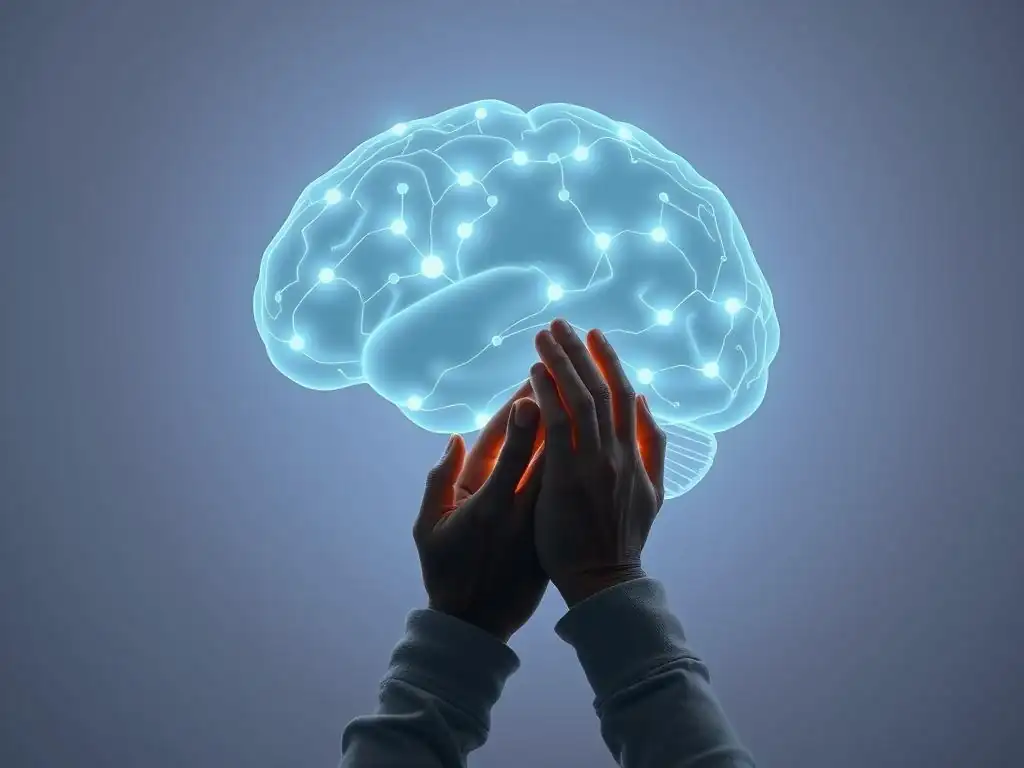
Active social engagement provides a multifaceted stimulus for the brain, leading to measurable improvements in cognitive functioning. Participating in conversations, group activities, or collaborative projects challenges the brain in ways that solitary activities often do not. These interactions require quick thinking, memory recall, problem-solving, and perspective-taking, all of which exercise and strengthen different cognitive abilities. For instance, studies have shown that adults who frequently participate in social activities tend to perform better on tests of memory, processing speed, and executive function compared to those who are socially isolated.
Furthermore, the novelty and complexity inherent in social situations stimulate the brain and promote the development of new neural pathways. Learning about others' experiences, discussing new ideas, or adapting to different social environments all contribute to cognitive flexibility – the ability to switch between different tasks or thoughts. This continuous cognitive stimulation through social means is a powerful driver of neuroplasticity, helping the brain remain agile and efficient throughout life.
Reduced Risk of Neurodegenerative Diseases
A compelling body of evidence suggests that strong social networks are associated with a reduced risk of developing neurodegenerative diseases such as Alzheimer's and other forms of dementia. While the exact mechanisms are still being researched, several factors likely contribute to this protective effect. Social interaction provides cognitive stimulation, which helps build cognitive reserve – the brain's ability to cope with disease or damage by using alternative brain networks or strategies.
Social support also helps manage stress, a known risk factor for cognitive decline. Moreover, socially integrated individuals are more likely to engage in other healthy behaviors, such as physical exercise and maintaining a balanced diet, which also benefit brain health.
Longitudinal studies, such as those tracking thousands of participants over decades, have consistently shown that individuals reporting higher levels of social engagement in midlife and later life have a significantly lower incidence of dementia, sometimes estimated to be reduced by as much as 40-50% compared to those with low social engagement. This highlights how social connection boosts neuroplasticity in ways that build resilience against age-related cognitive decline.
Social connection is a powerful antidote to negative emotions and a significant contributor to emotional well-being. Supportive social relationships provide a sense of security and belonging, reducing feelings of stress, anxiety, and loneliness. Sharing experiences and emotions with trusted individuals can help process difficult feelings, gain new perspectives, and feel less alone in challenges. This emotional support system acts as a buffer against life's stressors, preventing chronic stress that can negatively impact brain areas involved in mood regulation, such as the hippocampus and prefrontal cortex.
Furthermore, positive social interactions trigger the release of feel-good neurotransmitters like serotonin, dopamine, and oxytocin, which are associated with happiness, pleasure, and bonding. These neurochemical effects contribute to improved mood and can have antidepressant-like effects. Learning to navigate social situations, manage conflicts constructively, and express emotions appropriately within relationships also enhances emotional intelligence and regulatory skills, further demonstrating how social interaction promotes a healthier emotional landscape and supports brain plasticity in areas related to affect regulation.
Just as social connection boosts neuroplasticity, the lack of it – social deprivation or isolation – can have detrimental effects on the brain's ability to adapt and rewire. When individuals lack meaningful social interaction, the brain receives less of the complex stimulation that promotes neural growth and strengthens connections. This can lead to a reduction in cognitive reserve and make the brain more vulnerable to decline. Research indicates that chronic isolation can lead to reduced activity in brain regions involved in social cognition and emotional processing.
Prolonged loneliness is also a significant stressor. The brain interprets social isolation as a threat, triggering a stress response that can lead to elevated levels of cortisol. Chronic exposure to high levels of cortisol can damage neurons, particularly in the hippocampus, impairing memory and learning. It can also disrupt the balance of neurotransmitters essential for mood and cognitive function. Thus, the absence of social connection actively hinders positive neuroplastic changes and can even contribute to negative alterations in brain structure and function over time.
The Link Between Loneliness and Cognitive Decline
A growing body of research strongly links loneliness and social isolation to an increased risk of cognitive decline and dementia. Studies have shown that individuals who report feeling lonely are significantly more likely to experience cognitive impairment and develop Alzheimer's disease later in life. For example, one large study found that lonely older adults experienced cognitive decline 20% faster than those who were not lonely. This association persists even after accounting for other risk factors like physical health and socioeconomic status.
The mechanisms behind this link are complex. Chronic stress from loneliness can damage brain cells and impair synaptic function. Lack of cognitive stimulation from social interaction reduces the opportunity to build and maintain cognitive reserve. Furthermore, social isolation can lead to a decline in physical activity and adherence to healthy habits, indirectly impacting brain health. The emotional distress associated with loneliness can also contribute to depression and anxiety, which are themselves risk factors for cognitive decline. This makes addressing loneliness a critical strategy for preserving cognitive function.
Beyond cognitive decline, social isolation is a well-established risk factor for a range of mental health issues. Humans are social creatures, and the lack of meaningful connection can lead to profound psychological distress. Loneliness is strongly associated with an increased risk of depression and anxiety disorders. Feeling disconnected can exacerbate feelings of worthlessness, hopelessness, and alienation.
Moreover, social isolation can make it harder for individuals to cope with stress and adversity, as they lack the support system that social connections provide. This can lead to a vicious cycle where mental health challenges make it harder to connect with others, further deepening isolation. Studies have shown that the impact of social isolation on mortality risk is comparable to well-known factors like smoking or obesity, highlighting its significant threat to overall well-being, including mental health. Addressing social isolation is therefore a crucial component of mental health care and prevention strategies.
Cultivating Meaningful Relationships: Quality Over Quantity
When thinking about how social connection boosts neuroplasticity, it's important to recognize that the quality of relationships often matters more than the sheer number of acquaintances. Having a few close, supportive relationships can be more beneficial for brain health and mental well-being than having a large network of superficial ties. Meaningful relationships involve trust, empathy, mutual support, and genuine connection. These deeper interactions provide richer emotional and cognitive stimulation.
Focus on nurturing existing close relationships and being open to forming new ones based on shared values and interests. This might involve scheduling regular calls or visits with family and close friends, actively listening when others share, and being willing to be vulnerable yourself. Investing time and effort in building and maintaining these high-quality connections provides ongoing positive stimulus for the brain, reinforcing neural pathways associated with trust, empathy, and emotional regulation.
Actively participating in social activities and becoming involved in the community provides opportunities for regular interaction and a sense of belonging. This could include joining clubs or groups based on hobbies (e.g., a book club, a hiking group, a choir), volunteering for a cause you care about, taking a class, or participating in community events. These activities offer structured opportunities to meet new people and engage in shared experiences.
Community involvement, in particular, provides a sense of purpose and contribution, which are also beneficial for mental health. The regular rhythms of group meetings or activities create predictable social interactions that can be comforting and stimulating. Engaging in diverse social settings exposes the brain to different perspectives and challenges, further promoting cognitive flexibility and demonstrating how social connection boosts neuroplasticity through varied experiences.
For many, social interaction can be challenging due to shyness, social anxiety, or past negative experiences. Overcoming these barriers is crucial for reaping the benefits of social connection. This often involves taking small, manageable steps to gradually increase social exposure. Starting with low-pressure interactions, such as smiling at strangers, making small talk with a cashier, or reaching out to one friend, can help build confidence.
Learning and practicing social skills can also be beneficial. This might include active listening techniques, conversation starters, and strategies for managing anxiety in social situations. Cognitive Behavioral Therapy (CBT) is often effective in challenging negative thought patterns associated with social anxiety. By gradually facing social fears and building positive social experiences, individuals can reshape their brain's response to social stimuli, reducing the amygdala's reactivity and strengthening pathways related to social confidence and ease, illustrating the power of directed neuroplasticity.
Utilizing Technology to Stay Connected (Mindfully)
In the modern world, technology offers powerful tools for staying connected, especially for those who are geographically distant or have mobility challenges. Video calls, social media, and online communities can help maintain relationships and build new ones. However, it's important to use technology mindfully, ensuring that it supplements rather than replaces in-person interactions when possible, and being aware of the potential for negative comparisons or cyberbullying.
Using technology for connection should focus on meaningful engagement – having genuine conversations, sharing experiences authentically, and offering support – rather than passive scrolling or superficial interactions. For example, scheduling regular video calls with family members living far away provides visual and auditory cues that are richer than text messages, offering a more stimulating social experience for the brain. Mindful use of technology can support social ties, contributing positively to brain health when used as a tool for genuine connection.

Group therapy provides a structured and safe environment to improve social skills and build connections. In a group setting, participants can practice communication skills, receive feedback from peers and a therapist, and experiment with new ways of relating to others. This experiential learning is particularly valuable for individuals who struggle with social anxiety, shyness, or difficulty forming relationships.
Within a therapy group, individuals can observe others' social behaviors, learn from their experiences, and gain confidence by successfully navigating group dynamics. The shared experience of working through challenges with others also fosters a sense of solidarity and belonging, directly combating feelings of isolation. The regular, predictable social interaction and the focus on interpersonal dynamics in group therapy provide consistent positive social stimulation, actively promoting neuroplasticity in brain regions involved in social cognition and emotional regulation.
For individuals whose social challenges are significant and persistent, seeking professional help from a therapist or counselor can be a crucial step. Mental health professionals can help identify the root causes of social anxiety or isolation, such as past trauma, negative beliefs about oneself, or underlying mental health conditions like depression.
Therapy, such as CBT or exposure therapy, can provide targeted strategies for overcoming social fears and building confidence. A therapist can also help develop a plan for gradually increasing social interaction and building a supportive network. Addressing these issues with professional guidance is an important investment in both mental health and brain health, as it directly tackles barriers that prevent individuals from experiencing the benefits of social connection, thereby supporting the brain's capacity for positive change and demonstrating how overcoming barriers to social connection boosts neuroplasticity.
Social interaction is absolutely fundamental to healthy brain development during childhood and adolescence. The developing brain, particularly the prefrontal cortex and limbic system, is highly sensitive to social experiences. Early social interactions with caregivers and peers shape the development of crucial skills like emotional regulation, empathy, perspective-taking, and conflict resolution. Positive social experiences in these formative years lay the groundwork for healthy social functioning and contribute significantly to the wiring of social brain networks.
Lack of positive social interaction or exposure to chronic social stress (like bullying or neglect) during these critical periods can have long-lasting negative effects on brain development and increase vulnerability to mental health issues. Conversely, engaging in diverse social activities, forming friendships, and participating in family interactions provide rich, varied stimuli that promote robust neural development and cognitive flexibility. This highlights the profound and lasting impact of early social environments on brain structure and function.
Maintaining social connections remains vital throughout adulthood, providing continued cognitive and emotional benefits. As individuals navigate career, family, and personal growth, social relationships offer support, shared experiences, and intellectual stimulation. Whether through friendships, romantic partnerships, professional networks, or community groups, ongoing social engagement helps keep the brain active and adaptable.
For example, engaging in intellectually stimulating conversations with friends, collaborating with colleagues on complex projects, or participating in family decision-making processes all require and strengthen cognitive abilities. These interactions also provide emotional support during life transitions and challenges, reducing stress that could negatively impact brain health. Prioritizing social connections in adulthood ensures a continuous source of positive neurobiological stimulation, supporting cognitive function and emotional well-being.
Older adults are particularly vulnerable to social isolation due to factors like retirement, loss of loved ones, and mobility issues. However, maintaining social connections is arguably more critical than ever in later life for preserving cognitive function and promoting brain health. Social engagement provides vital cognitive stimulation, helps maintain a sense of purpose, and offers emotional support that can buffer against the stresses of aging.
Initiatives aimed at combating social isolation in older adults, such as senior centers, community programs, intergenerational activities, and technology training to facilitate online connection, are crucial. Research consistently shows that older adults who remain socially active have a lower risk of cognitive decline and a better quality of life. Encouraging participation in social activities and ensuring access to opportunities for connection are essential strategies for promoting neuroplasticity and healthy aging in this population.
The evidence is clear: social connection is not merely a pleasant aspect of life; it is a fundamental ingredient for a healthy, resilient, and adaptable brain. From the intricate dance of neurons in social brain regions to the protective effects against cognitive decline and mental health issues, our relationships with others profoundly shape our neural landscape throughout life. Social interaction provides the complex, multi-faceted stimulation that promotes neuroplasticity, strengthens cognitive abilities, enhances emotional regulation, and builds resilience against stress and disease.
Understanding how social connection boosts neuroplasticity empowers us to recognize the importance of nurturing our relationships as a form of brain care. Just as we prioritize healthy eating and exercise for physical health, investing in our social lives is essential for maintaining optimal brain function and mental well-being. It's a lifelong practice that yields significant dividends in terms of cognitive vitality and emotional resilience.
From the perspective of Mind Care Guide, prioritizing social interaction is a cornerstone of a comprehensive approach to mental well-being. We encourage individuals to actively cultivate and maintain meaningful connections as a core component of their mental health strategy. This involves being intentional about spending time with loved ones, participating in social activities, and seeking out opportunities for connection within the community.
For those who struggle with social anxiety or isolation, we recommend taking steps to address these challenges, whether through gradual exposure, developing social skills, or seeking professional support. Recognizing that social connection boosts neuroplasticity provides a powerful motivation to overcome barriers and actively engage with others. By valuing and nurturing our social ties, we not only enrich our lives emotionally but also actively contribute to the health, adaptability, and resilience of our brains, fostering a stronger foundation for overall well-being.
Frequently Asked Questions
Social interaction stimulates the brain's neural pathways, encouraging the formation of new connections and strengthening existing ones. This process is key to neuroplasticity, the brain's ability to adapt.
Meaningful connections, such as deep conversations, collaborative activities, and shared experiences, are most effective. These interactions challenge the brain and promote active neuroplasticity.
While virtual connections can be beneficial, in-person interactions offer richer sensory experiences. These stimulate multiple brain regions and often lead to a greater impact on neuroplasticity.
Social isolation can hinder neuroplasticity by reducing brain stimulation. This can lead to a decline in cognitive function and a decreased ability to adapt to new situations.
Yes, the prefrontal cortex, amygdala, and hippocampus are highly responsive to social interaction. These regions are crucial for social cognition, emotional processing, and memory formation, all impacting neuroplasticity.
The power of human connection to reshape our minds is not merely a scientific curiosity; it's a fundamental truth with profound implications for our well-being and societal progress. Understanding how social interaction directly boosts neuroplasticity – our brain's ability to reorganize itself – is crucial in an increasingly interconnected yet often isolating world. This knowledge empowers us to actively cultivate relationships that nurture both our mental and physical health.
The ongoing influence of social connection on our cultural landscape is undeniable. From the rise of social media (with its inherent paradoxes of connection and isolation) to the growing recognition of mental health's importance, the need for genuine human interaction is becoming increasingly clear. Loneliness is a poison. It's a slow, insidious poison that eats away at our minds and bodies.
This quote highlights the critical role of social connection, not just for happiness, but for our very survival. We are, after all, social creatures, wired for belonging and interaction.
Now, consider your own life. What steps can you take today to strengthen your social connections? Perhaps it's reaching out to an old friend, joining a community group, or simply engaging in more meaningful conversations with loved ones. Embrace the power of your social brain; nurture your relationships, and watch as your mind and spirit flourish. The journey towards a more connected and resilient self begins with a single, conscious act of reaching out.
Unlock Your Brain's Potential: Strengthen Connections, Strengthen Your Mind
Thanks for taking the time to explore the fascinating world of neuroplasticity and social connection! You've just discovered how powerful relationships are in shaping your brain's health and resilience. Now it's time to put this knowledge into action.
- Prioritize meaningful connections: Schedule a call with a loved one you haven't spoken to in a while, or plan a social activity this week — even a simple coffee date can make a difference. This is your primary step towards leveraging the power of social connection.
- Share this article: Pass on the insights to someone who might benefit from learning about the incredible impact of social interaction on brain health. Let's spread the word!
- Engage in a mindful conversation: Today, commit to actively listening during your next interaction. Focus on truly understanding the other person's perspective, not just waiting for your turn to speak.
What small step will you take today to nurture your social brain and unlock its amazing potential?