
Securing Your Home: Simple Changes to Protect a Vulnerable Teen from SelfHarm


Welcome to Mind Care Guide, a safe space dedicated to nurturing mental well-being.
Feeling overwhelmed and searching for answers? You're not alone. If you're concerned about a teenager's safety, understanding teen selfharm prevention strategies is crucial. This guide, "Securing Your Home: Simple Changes to Protect a Vulnerable Teen from SelfHarm," offers practical steps you can take today to create a safer environment. Discover how small changes can make a big difference, and let's walk this path to healing together. Ready to learn how to safeguard your loved one?
- Securing Your Home: Simple Changes to Protect a Vulnerable Teen from Self-Harm
- Implementing Teen Selfharm Prevention Strategies at Home
- Environmental Modifications for Suicide Prevention in Youth
- Building a Safety Plan with Your Teen
- Supporting Your Teen's Mental Health Beyond Home Safety
- Maintaining Ongoing Vigilance and Support
-
Frequently Asked Questions
- How can I make my home safer for a teen struggling with self-harm?
- What are some common warning signs that my teen might be considering self-harm?
- Besides physical safety, what other support should I provide?
- What are some strategies for coping with self-harm urges in the moment?
- Where can I find additional resources and support for teen self-harm prevention?
- Final Reflection: Building Bridges of Hope in the Face of Teen Self-Harm
- Unlock Your Teen's Safety: Practical Steps to a More Secure Home
Securing Your Home: Simple Changes to Protect a Vulnerable Teen from Self-Harm
Recognizing the Signs of Self-Harm in Adolescents
Recognizing the signs of self-harm in adolescents is a critical first step in implementing effective teen selfharm prevention strategies. Self-harm, also known as non-suicidal self-injury (NSSI), is often a coping mechanism for intense emotional pain rather than a suicide attempt, although it significantly increases the risk of future suicidal behavior. Common signs include unexplained cuts, bruises, burns, or scratches, especially on wrists, arms, legs, or torso.
Teens may wear long sleeves or pants even in warm weather to hide injuries. Behavioral indicators can include isolation from friends and family, changes in sleep or eating patterns, increased irritability or sadness, and difficulty managing emotions. Parents might also notice a preoccupation with themes of death or hopelessness, or find implements like razors, knives, or lighters hidden away.
Beyond physical and behavioral signs, it's crucial to listen for verbal cues. A teen might express feelings of worthlessness, hopelessness, or feeling like a burden. They might talk about wanting to disappear or not wanting to wake up.
While these expressions don't always indicate immediate danger, they are significant warning signs that require attention and support. According to the CDC, in 2021, approximately 22% of high school students reported seriously considering attempting suicide in the past year, a figure that underscores the prevalence of significant distress among young people and highlights the urgent need for proactive teen selfharm prevention strategies, including recognizing these vital signs.
Why Home Safety is Crucial for Teen Self-Harm Prevention
The home environment, while ideally a place of safety and comfort, can inadvertently contain items that can be used for self-harm. For a vulnerable teen struggling with intense emotional pain or suicidal ideation, the immediate availability of means significantly increases the risk of an impulsive act. Studies have shown a strong correlation between the presence of lethal means in the home and the risk of suicide attempts, particularly among young people. Restricting access to these means, often referred to as "means restriction" or "lethal means safety," is a well-established component of suicide prevention strategies.
Implementing home safety measures is a practical and impactful way to enhance teen selfharm prevention strategies. It's not about eliminating every potential risk, which is impossible, but about creating layers of safety and reducing immediate access to common methods. This proactive approach buys time during moments of crisis, allowing intense feelings to subside or providing an opportunity for intervention. It's a tangible way for families to demonstrate care and commitment to their teen's well-being, working in conjunction with emotional support and professional help.
Implementing Teen Selfharm Prevention Strategies at Home
Reducing Access to Common Self-Harm Tools
Reducing access to common self-harm tools is a fundamental element of home-based teen selfharm prevention strategies. This involves a systematic review of items in the home that could potentially be used for self-injury during a moment of crisis. It's less about assuming the teen will use these items and more about acknowledging that accessibility can increase risk during periods of intense emotional distress or impulsivity. This step requires open communication, ideally involving the teen in the process where appropriate, to foster a sense of collaboration rather than suspicion.
The focus should be on identifying items commonly used in self-harm or suicide attempts, such as medications, sharp objects, and certain household chemicals. Implementing security measures for these items is a practical application of lethal means restriction within the home environment. While it might feel uncomfortable, taking these steps is a responsible part of safeguarding a vulnerable young person, similar to childproofing a home for a toddler, but adapted for the specific risks associated with adolescent mental health challenges.
Securing Medications: A Vital Step in Self-Harm Prevention
Securing medications is arguably one of the most vital steps in home-based teen selfharm prevention strategies. Over-the-counter and prescription medications are frequently used in self-harm attempts due to their accessibility. This includes common pain relievers, cold medicines, and psychiatric medications, which can be dangerous in large doses. All medications, including those belonging to other family members, should be stored securely.
A locking medicine cabinet or a secure lockbox is highly recommended. Keys should be kept in a location not easily accessible to the teen. Regularly auditing medications to keep track of quantities can also be helpful, though this should be done discreetly to avoid creating suspicion.
If the teen is prescribed medication for a mental health condition, discuss safe storage with the prescribing doctor or pharmacist and ensure the teen understands the importance of taking medication only as prescribed. According to a 2020 report from the Substance Abuse and Mental Health Services Administration (SAMHSA), misuse of prescription drugs among adolescents remains a concern, highlighting the need for vigilance in storage.
Safe Storage of Sharp Objects: Protecting Your Teen from Self-Injury
Safe storage of sharp objects is another critical component of protecting a vulnerable teen and implementing effective teen selfharm prevention strategies. Items such as razor blades, knives, scissors, box cutters, and even shards of glass from broken items can be used for self-injury. While it's impossible to remove all sharp objects from a home, the goal is to make them less immediately accessible during a moment of crisis.
Kitchen knives should be kept in a locked drawer or cabinet, or in a block stored out of easy reach if locking isn't feasible. Razor blades should be secured in a locked cabinet in the bathroom. Craft supplies with sharp tools should also be stored securely. Consider using safety razors instead of loose blades. This measure is about creating a barrier, even a small one, that can interrupt an impulsive urge. Families might consider a dedicated lockbox for particularly dangerous items.
Managing Cleaning Supplies and Chemicals: Limiting Access to Harmful Substances
Managing cleaning supplies and chemicals is an often-overlooked but important aspect of home safety for vulnerable teens, contributing to comprehensive teen selfharm prevention strategies. Many common household cleaning products, pesticides, and other chemicals can be extremely harmful or lethal if ingested or misused. These are often stored in accessible locations like under sinks or in utility closets.
All cleaning supplies, chemicals, and potentially harmful substances (like antifreeze in a garage) should be stored in locked cabinets or in an area of the house that can be secured. Ensure that products are kept in their original containers with labels intact. Dispose of old or unused chemicals properly. This step minimizes the risk of accidental poisoning as well as intentional harm during a crisis.
Creating a Supportive and Safe Home Environment for Teens
Beyond physical security measures, creating a supportive and safe emotional environment is paramount for teen selfharm prevention strategies. A home where a teen feels understood, valued, and connected can significantly buffer against distress and reduce the likelihood of self-harm behaviors. This involves fostering open communication, ensuring the teen feels heard, and actively building strong family bonds.
An emotionally safe home is one where difficult feelings are acknowledged and validated, and where seeking help is encouraged rather than stigmatized. It's a place where conflicts can be navigated constructively, and where the teen feels secure in expressing their authentic self without fear of judgment. This emotional safety complements physical security measures, creating a holistic approach to protecting a vulnerable teen.
Promoting Open Communication About Mental Health
Promoting open communication about mental health is fundamental to supporting a vulnerable teen and implementing effective teen selfharm prevention strategies. Create a safe space where your teen feels comfortable talking about their feelings, struggles, and challenges without fear of criticism or dismissal. This means actively listening, validating their emotions ("That sounds really tough," or "I understand why you'd feel that way"), and responding with empathy.
Initiate conversations about mental health proactively, not just during times of crisis. Share age-appropriate information about mental well-being and normalize seeking help. Avoid judgmental language about mental illness or self-harm. Simply letting your teen know you are there for them, unconditionally, can make a significant difference. Research consistently shows that feeling connected to a supportive adult is a protective factor against self-harm and suicide among young people. For example, a 2022 study published in the Journal of Adolescent Health highlighted that perceived parental support was significantly associated with lower rates of suicidal ideation and attempts among high school students.
Fostering a Sense of Belonging and Connection
Fostering a sense of belonging and connection within the family and with positive peers is a vital protective factor and a key element of comprehensive teen selfharm prevention strategies. Teens who feel isolated or disconnected are at higher risk. Encourage family meals, spend quality time together doing activities your teen enjoys, and create family rituals that strengthen bonds.
Support your teen in maintaining healthy friendships and connections with supportive adults outside the family, such as teachers, coaches, or mentors. Help them find positive peer groups through school clubs, sports, or community organizations. Feeling connected to others provides a support network and reinforces a sense of worth and purpose. Simple acts like consistent praise for effort, acknowledging their strengths, and showing genuine interest in their lives contribute significantly to their sense of belonging.
Environmental Modifications for Suicide Prevention in Youth
Modifying the Physical Environment to Minimize Risk
Modifying the physical environment is a specific aspect of lethal means restriction focused on reducing access to methods commonly used in suicide attempts, which overlaps significantly with teen selfharm prevention strategies, as self-harm can escalate to suicidal behavior. While the previous section focused on securing specific items, this section addresses structural or environmental features that could pose a risk. This is particularly relevant for methods like hanging or falls.
Making these modifications isn't about creating a prison but about implementing sensible precautions that can deter impulsive acts during moments of severe distress. It requires a careful assessment of the home environment from a risk perspective, considering potential access points and available materials. This step is often recommended in conjunction with a safety plan developed with a mental health professional.
Window Safety Measures: Preventing Falls
Implementing window safety measures is a specific environmental modification aimed at preventing falls from heights, a method sometimes used in suicide attempts. For homes with accessible windows on upper floors, especially if the teen's bedroom is on an upper level, this can be a crucial step in teen selfharm prevention strategies, particularly in the context of suicide prevention.
Window guards, restrictors, or safety locks can prevent windows from being opened wide enough for someone to fall through. Ensure that screens are securely fitted but understand that standard screens are designed to keep insects out, not to prevent falls. If feasible, consider limiting access to certain windows during periods of high risk, though this should be balanced with the need for ventilation and a sense of normalcy. Discussing these measures with a mental health professional involved in the teen's care is advisable to tailor them to the specific situation.
Securing Ropes, Cords, and Belts: Reducing Strangulation Risks
Securing items that could be used for strangulation or hanging is another vital environmental modification for suicide prevention in youth. This includes items like ropes, cords, belts, scarves, and even certain types of clothing or bedding. While these items are common in most homes, their accessibility during a crisis can pose a significant risk.
Store items like ropes and cords (e.g., extension cords, pet leashes, jump ropes) in secured boxes or areas. Keep belts and scarves stored away in drawers or closets rather than hanging openly on hooks, especially in the teen's room. While it might seem overly cautious, these simple measures can reduce the immediate availability of means during a moment of intense suicidal ideation. This is a direct application of lethal means restriction tailored to specific household items.
Creating a Calming and Relaxing Atmosphere
Creating a calming and relaxing atmosphere in the home contributes significantly to a teen's overall mental well-being and can indirectly support teen selfharm prevention strategies. The environment we live in impacts our mood, stress levels, and emotional regulation. A chaotic, stressful, or unsupportive home environment can exacerbate a teen's distress, while a calm, organized, and peaceful one can provide a sense of stability and safety.
This isn't just about aesthetics; it's about intentionally designing spaces that promote relaxation and reduce sensory overload. Considerations include lighting, noise levels, organization, and personal space. Empowering the teen to have input into their own space can also foster a sense of control and ownership, which is important for their mental health.
The Impact of Environment on Teen Mental Well-being
The physical and emotional environment of the home has a profound impact on a teen's mental well-being. A cluttered or disorganized space can increase feelings of stress and anxiety. Constant noise or lack of privacy can make it difficult for a teen to relax or concentrate. Conversely, a well-organized, clean, and quiet space can promote feelings of calm and security. Access to natural light has also been shown to positively affect mood.
Furthermore, the emotional climate of the home—the level of conflict, support, warmth, and understanding—is arguably the most significant environmental factor. A home filled with tension and criticism is detrimental, while one characterized by empathy, patience, and unconditional positive regard provides a buffer against external stressors and supports resilience. These environmental factors are foundational to effective teen selfharm prevention strategies.
Incorporating Calming Elements in Your Home
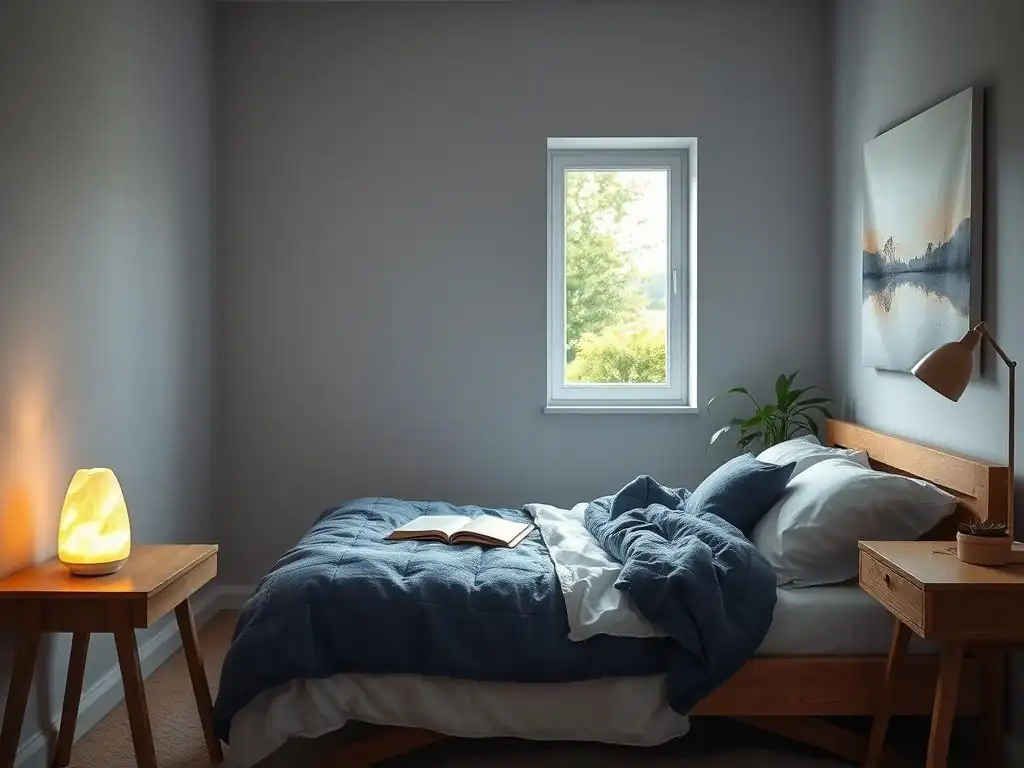
Incorporating calming elements into your home can help create a more supportive atmosphere. This might involve simple changes like using softer lighting, reducing clutter, and ensuring adequate ventilation. Designating a specific "calm down" corner or space where the teen can retreat when feeling overwhelmed can be helpful.
Consider incorporating elements that promote relaxation, such as comfortable seating, soft textures, or even plants. Encourage the teen to personalize their own space with items that make them feel safe and happy. Reducing exposure to constant digital noise and encouraging quiet time can also contribute to a calmer environment. These environmental adjustments work in concert with relational and clinical interventions as part of comprehensive teen selfharm prevention strategies.
Building a Safety Plan with Your Teen

Developing a Personalized Self-Harm Safety Plan
Developing a personalized self-harm safety plan is a crucial, collaborative step in teen selfharm prevention strategies. A safety plan is not a contract for safety, but rather a practical, prioritized list of coping strategies and resources that a person can use during a suicidal or self-harm crisis. It is typically developed with a mental health professional but should involve the teen's input to ensure it is relevant and useful to them.
The plan outlines warning signs the teen might experience when they are starting to feel overwhelmed or unsafe, internal coping strategies they can use on their own (like listening to music or practicing mindfulness), and social supports they can reach out to (friends, family members). It also includes contact information for mental health professionals and crisis hotlines.
Having a written plan readily accessible can provide structure and guidance during a moment of intense emotional pain when thinking clearly is difficult. A key aspect is identifying steps to take to make the environment safe during a crisis, directly linking back to the home safety measures discussed earlier.
Identifying Triggers and Coping Mechanisms
Identifying triggers and effective coping mechanisms is a core component of building a safety plan and enhancing teen selfharm prevention strategies. Triggers are situations, thoughts, feelings, or memories that increase a person's risk of self-harm or suicidal thoughts. These can be external (like conflict with a friend or academic pressure) or internal (like feelings of worthlessness or hopelessness). Helping your teen recognize their specific triggers allows them to anticipate difficult times and activate their safety plan proactively.
Collaboratively identifying coping mechanisms involves exploring healthy ways the teen can manage distress without resorting to self-harm. These can be simple activities like taking a walk, drawing, writing in a journal, talking to a pet, or engaging in a hobby. It's important that the coping mechanisms are readily accessible and genuinely helpful to the teen. The safety plan should list these specific strategies so the teen can refer to them when needed.
Establishing Emergency Contacts and Resources
Establishing clear emergency contacts and resources is a non-negotiable part of a safety plan for teen selfharm prevention strategies. This section of the plan provides immediate access to help when the teen feels they cannot keep themselves safe. It should include names and phone numbers of trusted individuals the teen can contact, such as a parent, a relative, a close friend, or a mentor, who are aware of the teen's struggles and willing to be available.
Crucially, the plan must include contact information for mental health professionals (therapist, psychiatrist), local crisis intervention services, and national crisis hotlines. Examples include the 988 Suicide & Crisis Lifeline (available 24/7 in the US) or the Crisis Text Line (text HOME to 741741). Knowing exactly who to call and having the numbers readily available removes barriers to seeking help during a crisis. Practice reviewing the plan and these contacts with your teen to ensure they know how and when to use them.
Supporting Your Teen's Mental Health Beyond Home Safety
Connecting with Mental Health Professionals
Connecting with qualified mental health professionals is a crucial step in addressing the underlying issues that lead to self-harm and developing comprehensive teen selfharm prevention strategies. While home safety measures are vital for immediate risk reduction, they are not a substitute for professional help. Therapists, counselors, psychologists, and psychiatrists can provide diagnosis, treatment, and ongoing support for mental health conditions such as depression, anxiety, trauma, or personality disorders, which are often associated with self-harm.
Finding the right professional may take time, but it is essential. Look for professionals who specialize in adolescent mental health and have experience working with self-harm or suicidal ideation. Schools often have counselors who can provide initial support or referrals. Pediatricians can also be a good starting point to discuss concerns and get recommendations. Engaging in therapy provides the teen with a safe space to explore their emotions, develop healthier coping skills, and address the root causes of their distress.
Exploring Therapy Options for Teen Self-Harm
Exploring various therapy options is important to find the best fit for your teen's needs as part of their teen selfharm prevention strategies. Several therapeutic modalities have proven effective in treating self-harm in adolescents. Dialectical Behavior Therapy (DBT) is particularly well-regarded for its focus on teaching skills for managing intense emotions, coping with distress, improving relationships, and practicing mindfulness. Cognitive Behavioral Therapy (CBT) can also be helpful in identifying and changing negative thought patterns and behaviors.
Other options may include Family-Based Treatment (FBT), which involves the family in the teen's recovery, or trauma-informed therapies if past trauma is a contributing factor. Discussing the different options with a mental health professional can help determine the most appropriate approach. The goal of therapy is not just to stop the self-harm behavior but to help the teen build a fulfilling life where they feel capable of managing challenges without resorting to self-injury.
The Role of Family Support in Teen Recovery
The role of family support in a teen's recovery from self-harm cannot be overstated; it is a cornerstone of effective teen selfharm prevention strategies. A supportive family environment provides emotional security, encouragement, and a sense of being cared for, which are powerful protective factors. Family members can actively participate in the teen's treatment by attending family therapy sessions, learning about self-harm and mental health, and implementing strategies learned in therapy at home.
Support also involves being patient, understanding, and available to listen without judgment. It means celebrating small successes, offering encouragement during setbacks, and maintaining hope. Families can help the teen practice coping skills, follow their safety plan, and ensure they attend therapy appointments. While challenging, family support is often the most significant factor in a teen's long-term recovery and well-being.
Maintaining Ongoing Vigilance and Support
Regularly Reviewing and Updating Safety Measures
Maintaining ongoing vigilance means regularly reviewing and updating home safety measures as part of continuous teen selfharm prevention strategies. Home safety is not a one-time task but an ongoing process, especially as the teen's needs and risks may change over time. Schedule periodic reviews of how medications, sharp objects, and chemicals are stored to ensure security remains adequate.
Involve the teen in this process if appropriate, explaining that these measures are a sign of care and concern for their safety. As they develop healthier coping skills and their risk level decreases, some measures might be adjusted in consultation with their therapist. However, maintaining a baseline level of safety consciousness in the home is always prudent.
Staying Informed About Teen Mental Health Issues
Staying informed about teen mental health issues is vital for parents and caregivers committed to effective teen selfharm prevention strategies. Mental health is a dynamic field, and understanding the latest research, treatment options, and warning signs can empower families to provide better support. Follow reputable mental health organizations, read books and articles from experts, and attend workshops or webinars if available.
Understanding common challenges like anxiety, depression, eating disorders, and the impact of social media on teen mental health provides context for your teen's struggles. Being informed also helps reduce stigma and enables more empathetic and effective communication with your teen and their care team. Awareness is a powerful tool in prevention.
Building a Strong Support Network for Your Teen and Yourself
Building a strong support network is essential not only for your teen but also for yourself as you navigate the challenges of supporting a vulnerable young person. Encourage your teen to connect with trusted friends, family members, teachers, coaches, or mentors who can offer positive influence and support. A diverse network provides different perspectives and types of support.
For yourself, caring for a teen struggling with self-harm can be emotionally draining. Connect with other parents facing similar challenges through support groups (online or in person). Seek your own therapy or counseling if needed. Lean on your own friends and family for emotional support. Remember that you cannot pour from an empty cup, and taking care of your own well-being allows you to be a stronger, more resilient support system for your teen. This collective effort is key to long-term teen selfharm prevention strategies and recovery.
Frequently Asked Questions
How can I make my home safer for a teen struggling with self-harm?
Making your home safer involves removing or securing potential items used for self-harm. This includes things like sharp objects, medications, and cleaning supplies. Ensure these are out of reach or locked away.
What are some common warning signs that my teen might be considering self-harm?
Look for changes in behavior such as increased isolation, talking about feeling hopeless, or unexplained cuts or bruises. Any sudden mood swings or giving away prized possessions can also be red flags.
Besides physical safety, what other support should I provide?
Alongside securing the environment, focus on open communication and emotional support. Encourage your teen to express their feelings and seek professional help from a therapist or counselor.
What are some strategies for coping with self-harm urges in the moment?
Distraction techniques like engaging in hobbies, talking to a trusted friend, or practicing mindfulness can help. Encourage your teen to develop a personalized safety plan with coping mechanisms.
Where can I find additional resources and support for teen self-harm prevention?
Mind Care Guide offers a variety of resources, including articles, support groups, and links to mental health professionals. Your school counselor or a local mental health organization can also provide assistance.
Final Reflection: Building Bridges of Hope in the Face of Teen Self-Harm
The alarming rise in self-harm among teenagers demands immediate and proactive solutions. We've explored practical, accessible strategies to create safer home environments, focusing on communication, environmental modifications, and fostering a supportive family structure. These aren't just suggestions; they are vital steps in preventing tragedy and building resilience.
The impact of self-harm extends far beyond the individual; it ripples through families and communities, leaving lasting scars. Understanding the underlying causes and implementing preventative measures is not just a parental responsibility, but a collective societal one. The most basic of all human needs is the need to understand and be understood.
– Ralph Nichols. This quote highlights the crucial role of open communication and empathy in supporting vulnerable teens. Creating a space where teens feel heard and understood is paramount in preventing self-harm and fostering mental well-being.
You, the reader, now hold the power to make a difference. Consider the strategies discussed – from securing potentially harmful objects to fostering open dialogue – and reflect on how you can implement them in your own life, whether as a parent, caregiver, educator, or concerned friend. Take the first step towards creating a safer, more supportive environment for the teens in your life. Your actions can be a lifeline, offering hope and preventing immeasurable pain. Let's work together to build a future where every teenager feels seen, heard, and valued.
Unlock Your Teen's Safety: Practical Steps to a More Secure Home
Thanks for taking the time to learn about creating a safer home environment for your teen. We hope this article provided valuable insights and practical steps to support their well-being. Now, let's take action!
- Prioritize one immediate change: Identify the single most impactful adjustment you can make today – whether it's removing access to potentially harmful items, securing cabinets, or improving communication strategies. Start small and build from there.
- Share this guide: Help other parents protect their teens by sharing this article with friends and family who may need it.
- Join the conversation: What's the one simple change that has made the biggest difference in your home's safety and your teen's well-being? Share your experience in the comments below!
Ready to create a haven of safety and support for your teen? Let's make a difference, together.