
Music and the Mind: Exploring Unexpected Therapies in Medieval Mental Care

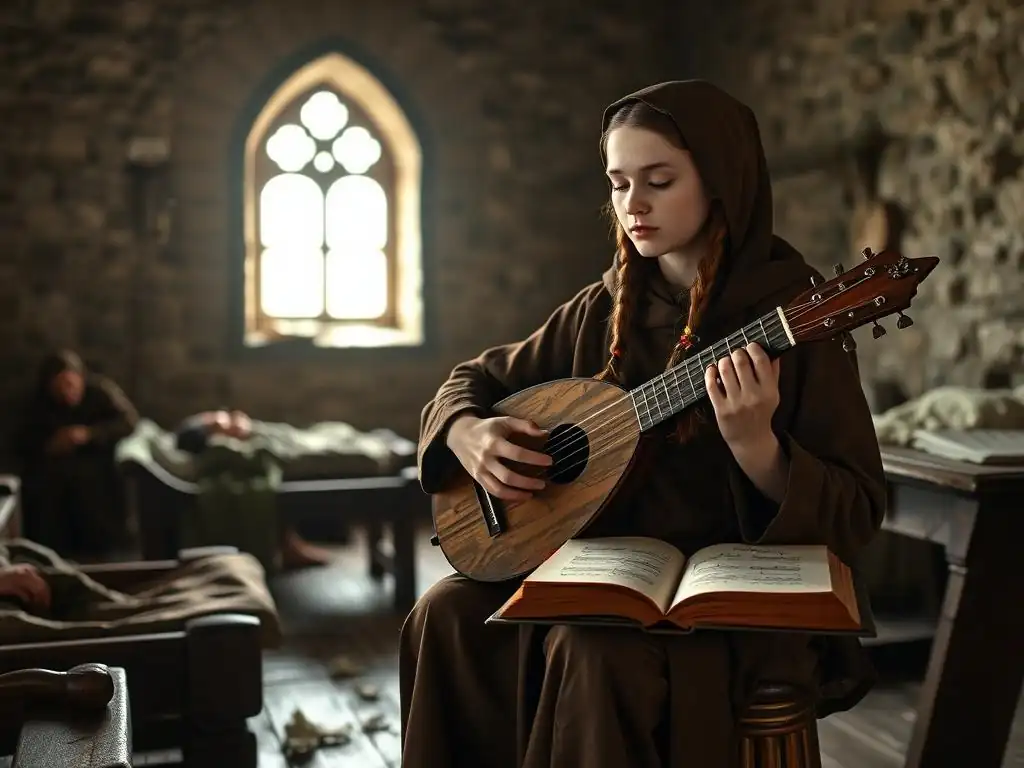
Welcome to Mind Care Guide, where we delve into the fascinating world of mental well-being. Have you ever wondered how our ancestors approached mental health? Prepare to be surprised! We invite you to explore the unexpected healing power of sound in our latest article, " Music and the Mind: Exploring Unexpected Therapies in Medieval Mental Care." Discover the intriguing and often overlooked Medieval music therapy benefits and how they might resonate with modern practices. What secrets did the past hold for unlocking inner peace? Let's find out together...
Music and the Mind: Exploring Unexpected Therapies in Medieval Mental Care
- Introduction: Medieval Mental Health and the Role of Music
- The Theoretical Basis of Medieval Music Therapy
-
Medieval Music Therapy: Practical Applications and Case Examples
- Monasteries and Hospitals: Centers for Music-Based Mental Care
- Specific Musical Instruments and their Purported Therapeutic Effects
- Case Studies: Documented Instances of Music Healing in Medieval Texts
- Hildegard of Bingen's use of Music for Spiritual and Mental Healing
- Courtly Musicians Employed for the King's Mental Equilibrium
- Beyond the Melody: Other Sensory Therapies Complementing Music
- Challenges and Limitations of Medieval Mental Health Care
- Medieval Music Therapy: A Lasting Legacy
- Conclusion: Rediscovering the Power of Music for the Mind
-
Frequently Asked Questions
- What evidence exists to suggest that music therapy was practiced in medieval times?
- How might medieval music have been thought to positively impact mental health?
- What specific types of musical instruments or vocal styles were most commonly used in medieval mental care?
- Beyond direct therapeutic application, what other role did music play in the overall approach to mental well-being during the Middle Ages?
- Are there any modern-day applications or adaptations of medieval music therapy techniques for mental health treatment?
- Final Reflection: The Timeless Harmony of Music and Healing
- Unlock the Healing Power of Medieval Melodies
Introduction: Medieval Mental Health and the Role of Music
The Landscape of Mental Well-being in the Middle Ages
Mental well-being in the Middle Ages was viewed through a lens vastly different from our modern understanding. Illnesses of the mind were often attributed to spiritual causes, demonic possession, astrological influences, or imbalances in the body's humors – blood, yellow bile, black bile, and phlegm.
This meant that treatments were a complex mix of religious rites, herbal medicine, astrological readings, and sometimes more drastic measures. While the concept of mental illness as a distinct medical condition was nascent, there was a clear recognition of states like deep sadness, anxiety, agitation, and cognitive disturbances, often grouped under terms like "melancholy" or "frenzy."
Despite the prevailing mystical or humoral explanations, there was also a pragmatic approach to alleviating suffering. Care often took place within monasteries, hospitals (which were often religiously affiliated), or even private homes for the wealthy. These settings provided a space where individuals experiencing distress could receive some form of attention, prayer, rest, and sometimes, surprisingly, therapeutic interventions that resonated with the emotional and psychological state of the individual. The understanding was limited, but the need to address mental anguish was acknowledged within the framework of the time.
Unveiling the Surprising Use of Music as Therapy
Within this complex historical landscape, music emerged as a notable, albeit often overlooked, therapeutic tool. Far from being mere entertainment, music was believed to possess powerful properties that could influence the mind, body, and spirit. Medieval scholars and practitioners saw music not just as sound, but as an ordered system intrinsically linked to the cosmic order and human physiology. This belief paved the way for its deliberate application in attempts to restore balance and harmony within an individual experiencing mental distress.
The use of music wasn't a universal, standardized practice like modern psychotherapy, but rather a varied approach found in different contexts, from learned treatises on medicine and philosophy to practical application in centers of care. The potential Medieval music therapy benefits were discussed in texts and observed in practice, suggesting a rudimentary form of arts-based therapy centuries before its formal recognition. This surprising integration highlights a deep-seated human intuition about the connection between auditory experience and emotional states, even when the underlying mechanisms were explained through humoral or spiritual frameworks.
Scope: Focusing on the Application of Modal Theory and Case Studies
This exploration will delve into the fascinating intersection of medieval thought on health and the deliberate use of music. We will specifically examine how the prevalent humoral theory influenced the selection of music for therapeutic purposes. A key focus will be on the application of medieval modal theory – the system of scales and melodies thought to evoke specific emotions or states – and how certain modes were prescribed for particular conditions.
Furthermore, we will look beyond theoretical discussions to practical applications. While definitive, quantitative data is scarce, we will explore documented instances and historical accounts that suggest how music was utilized in settings like monasteries and hospitals. We will also examine the purported therapeutic effects of specific instruments and highlight notable figures, such as Hildegard of Bingen, whose work exemplifies the integration of music into a holistic approach to well-being, offering insights into the potential Medieval music therapy benefits.
The Theoretical Basis of Medieval Music Therapy
Humoral Theory and its Influence on Music's Therapeutic Application
Humoral theory, inherited from ancient Greek physicians like Hippocrates and Galen, dominated medieval medical thought. It posited that health was maintained by a balance of four bodily fluids or humors: blood (sanguine, hot and moist), yellow bile (choleric, hot and dry), black bile (melancholic, cold and dry), and phlegm (phlegmatic, cold and moist). An imbalance in these humors was believed to cause illness, including mental afflictions. For instance, an excess of black bile was associated with melancholy, a state characterized by deep sadness, lethargy, and sometimes irrational fears.
This physiological framework directly influenced the therapeutic application of music. The belief was that just as certain foods or herbs could alter the balance of humors, so too could external stimuli like sound and music. Music, depending on its pitch, rhythm, and mode, was thought to possess inherent qualities – like hot, cold, moist, or dry – that could counter the imbalance causing the illness. For example, to treat the cold and dry melancholy, practitioners might prescribe music that was perceived as 'warm' or 'moistening' in effect, aiming to restore the balance of humors and alleviate the symptoms.
Understanding the Medieval Perception of Harmony and its Impact on Mental States
Medieval thinkers, drawing on classical philosophy, saw harmony not just as a musical concept but as a fundamental principle of the universe, reflecting divine order and proportion. This macrocosmic harmony was believed to be mirrored in the human body and mind – the microcosm. Discord or illness, including mental distress, was thus seen as a state of disharmony within the individual. Music, as an art form based on harmony and proportion, was uniquely positioned to help restore this internal balance.
The structure of music, its intervals, consonances, and rhythms, was thought to directly impact the soul and the body's subtle energies. Consonant intervals (like octaves, fifths, and fourths) were seen as stable and calming, reflecting universal order, while dissonant intervals were considered unsettling or agitating. By carefully selecting and composing music that embodied harmony and proportion, medieval practitioners aimed to impose this external order onto the internal chaos of a troubled mind, thereby promoting a sense of peace and equilibrium and unlocking potential Medieval music therapy benefits.
The Connection Between Musical Modes and Specific Emotions (e.g., Dorian and Phrygian)
A crucial aspect of medieval music therapy was the belief that different musical modes – variations of scales and melodic patterns – possessed distinct ethical or emotional qualities (ethos). This idea was inherited from ancient Greek musical theory and adapted by medieval theorists. Each mode was associated with specific affects and was deemed suitable for influencing particular states of mind or humors. For example, the Dorian mode was often described as moderate, stable, and capable of instilling courage and calm, making it potentially useful for treating agitation or anxiety.
Conversely, the Phrygian mode was sometimes associated with excitement or passion, and while potentially stimulating, might be used cautiously or in specific ways. Other modes were thought to induce piety, sorrow, or joy. The selection of the appropriate mode was therefore paramount in medieval music therapy. A practitioner would not simply play music, but choose a specific mode based on the patient's perceived humoral imbalance or emotional state, aiming to counteract it with the mode's inherent ethos. This detailed approach to modal selection highlights the sophisticated theoretical underpinnings they applied to the potential Medieval music therapy benefits.
The Concept of "Melancholy" and Musical Remedies
Melancholy was one of the most frequently discussed mental states in medieval texts, attributed to an excess of black bile, which was cold and dry. Symptoms described included persistent sadness, fear, lethargy, irritability, and sometimes hallucinations or delusions. Given its prevalence and distressing nature, finding effective remedies for melancholy was a significant concern. Music was often cited as a valuable tool in the treatment of this condition.
The prescribed music for melancholy typically aimed to counteract the cold and dry nature of black bile and lift the heavy spirits associated with the state. This might involve music that was lively, warm, or inspiring, often utilizing modes thought to promote cheerfulness or vitality.
Historical accounts and medical treatises from the period sometimes suggest specific musical pieces or types of performances. For instance, physicians might recommend listening to cheerful songs, watching musical performances, or even learning to play an instrument as a way to distract the mind, stimulate the senses, and gently alter the humoral balance, thus exploring the practical Medieval music therapy benefits.
Medieval Music Therapy: Practical Applications and Case Examples
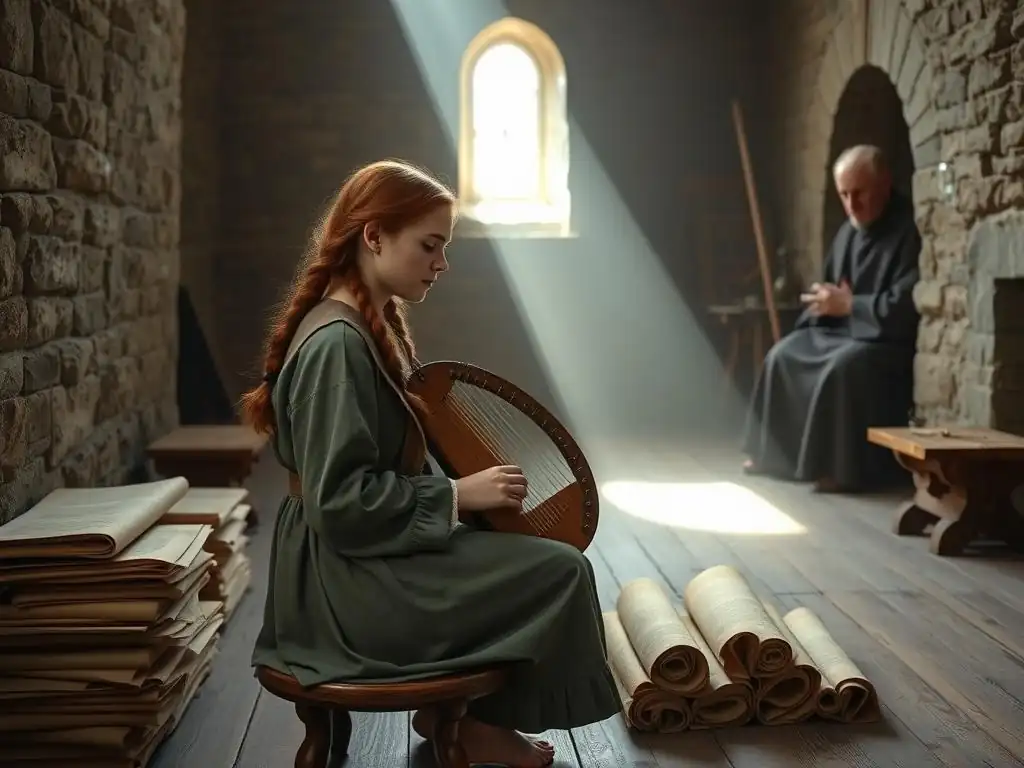
Monasteries and Hospitals: Centers for Music-Based Mental Care
Monasteries and hospitals served as primary centers for care during the Middle Ages, often functioning as hospices for the sick, poor, and sometimes, those experiencing mental distress. Within these institutions, a holistic approach, blending spiritual care, physical remedies, and sometimes therapeutic activities, was common. Music was integral to daily life in monasteries, used in religious services and contemplative practices, and its calming or uplifting effects were well-understood by the residents.
Historical records and monastic rules sometimes reference the use of music specifically for those suffering from various ailments, including those affecting the mind. While not always labeled as "therapy" in the modern sense, providing soothing music or opportunities to participate in musical activities was seen as beneficial for restoring peace and order to a troubled soul or body. The structured, harmonious environment of the monastery itself, combined with regular exposure to sacred music, likely offered significant, albeit unquantified, Medieval music therapy benefits to those seeking refuge and healing.
Specific Musical Instruments and their Purported Therapeutic Effects
Medieval practitioners believed that different instruments had unique qualities and vibrations that could affect the listener or player in distinct ways. The material, shape, and sound production method of an instrument were all considered relevant to its potential therapeutic application.
The Use of the Harp for Soothing Anxieties
The harp was frequently associated with calming and soothing properties. Its gentle, resonant tones were thought to have a tranquilizing effect on the nervous system and the turbulent humors. Texts sometimes describe the harp being played for individuals suffering from anxiety, agitation, or sleeplessness, aiming to quiet the mind and induce rest. The act of listening to the harp's harmonious vibrations was believed to smooth out internal discord and promote a state of relaxation, highlighting its specific contribution to Medieval music therapy benefits.
Flutes and Recorders: Promoting Emotional Balance
Wind instruments like flutes and recorders were sometimes linked to the element of air and thought to influence the lighter humors like blood and phlegm. They were believed to promote emotional balance and temper strong passions. Their clear, pure tones were seen as uplifting and capable of clearing blockages or heavy feelings, potentially beneficial for those experiencing lethargy or emotional stagnation.
Percussion Instruments: Releasing Pent-Up Energies
While perhaps less commonly prescribed for calming effects, certain percussion instruments, particularly drums or rhythmic clapping, might have been used in contexts aimed at releasing tension or stimulating movement, especially in cases of profound lethargy or melancholy. The rhythmic energy could be seen as a way to stir the stagnant humors and encourage vitality, though this application is less documented than the use of melodic instruments for soothing purposes.
Case Studies: Documented Instances of Music Healing in Medieval Texts
While clinical trials as we know them did not exist, medieval texts contain anecdotal accounts and philosophical discussions that serve as early "case studies" or theoretical justifications for music's use in healing. Philosophers like Boethius (c. 480–524), whose work was highly influential in the Middle Ages, discussed the power of music to affect character and emotions, citing ancient examples of music curing madness or calming rage.
Later medical treatises, such as those by Constantinus Africanus (c. 1020–1087) or in works compiled at centers of learning like Salerno, sometimes included music as a recommended therapy alongside diet, rest, and herbal remedies for various ailments, including those affecting the mind. These scattered references provide glimpses into the belief that music was a legitimate tool in the medical arsenal, offering potential Medieval music therapy benefits recognized by the learned elite.
Hildegard of Bingen's use of Music for Spiritual and Mental Healing
Hildegard of Bingen (1098–1179), a German abbess, mystic, writer, and composer, stands out as a figure who explicitly integrated music into her holistic approach to well-being, encompassing physical, mental, and spiritual health. She composed a vast body of sacred music, believing it to be a vital pathway to divine harmony and a powerful tool for restoring health and balance.
Hildegard saw illness, including mental and spiritual distress, as a disruption of the individual's connection to the divine and the cosmic order. Her music, characterized by soaring melodies and mystical texts, was intended to lift the spirit, purify the mind, and re-establish harmony within the individual, thereby facilitating healing. She utilized her compositions within her abbey for both worship and the care of the sick, demonstrating a practical application of music for therapeutic purposes that aligns with the concept of Medieval music therapy benefits.
Courtly Musicians Employed for the King's Mental Equilibrium
Historical accounts from royal courts occasionally mention musicians being employed not just for entertainment, but specifically to soothe the king's temper or alleviate periods of melancholy or agitation. The most famous, albeit biblical, example often referenced in medieval times was David playing the harp to soothe King Saul's troubled spirit.
While not strictly medieval, this narrative influenced the perception of music's power over royal or noble minds throughout the period. Court physicians or advisors might recommend musical performances to their patrons as a way to manage stress, improve mood, or promote a calm disposition necessary for effective rule. This suggests that the perceived Medieval music therapy benefits extended even to the highest echelons of society.
Beyond the Melody: Other Sensory Therapies Complementing Music
The Importance of Nature and Gardens in Mental Well-being
Medieval thought recognized the restorative power of nature. Gardens, particularly within monasteries and wealthy estates, were meticulously designed spaces intended to provide sensory pleasure and promote contemplation and peace. These gardens often featured fragrant herbs, colorful flowers, soothing water features, and quiet walkways.
Spending time in such a tranquil natural environment was considered beneficial for both physical and mental health. It provided a contrast to the often harsh realities of daily life and the confines of sick rooms. This emphasis on natural beauty and sensory engagement complemented music therapy by creating a holistic environment conducive to healing and mental equilibrium.
Aromatherapy and Herbal Remedies Used Alongside Music
Herbal medicine was a cornerstone of medieval healthcare, and the use of aromatic plants was common. Specific herbs were prescribed for various ailments, and their preparation often involved methods that released their fragrance. For example, lavender, rosemary, and chamomile were known for their calming properties and might be used in poultices, teas, or simply placed near the patient.
This early form of aromatherapy often went hand-in-hand with other therapeutic practices. The pleasing scents were thought to clear the mind, soothe the nerves, and improve mood, working synergistically with the effects of music to create a multi-sensory healing experience. The combination aimed to address the individual's state through multiple pathways, enhancing the potential Medieval music therapy benefits.
The Role of Storytelling and Religious Practices in Holistic Care
Storytelling and engaging with religious narratives were also vital components of medieval care, particularly within monastic or hospital settings. Listening to edifying stories, lives of saints, or readings from scripture provided comfort, distraction, and moral guidance. These narratives often contained themes of suffering, perseverance, and divine grace, offering patients a framework for understanding their own struggles and finding hope.
Religious practices, including prayer, meditation, and participation in services, were considered essential for spiritual well-being, which was inextricably linked to mental health. Chanting and singing within religious services provided a communal musical experience that was inherently therapeutic for many. These practices, along with storytelling, worked in concert with music therapy and other sensory inputs to provide comprehensive care for the individual's mind, body, and spirit.
Challenges and Limitations of Medieval Mental Health Care
Stigmas and Misconceptions Surrounding Mental Illness
Despite the attempts at therapy, significant challenges plagued medieval mental health care, chief among them being pervasive stigmas and misconceptions. Mental illness was often seen as a moral failing, a punishment from God, or the work of the devil, leading to fear, shame, and isolation for those affected. This often prevented individuals from seeking help or resulted in cruel and inhumane treatment.
While some were cared for in hospitals or monasteries, others might be subjected to exorcisms, imprisonment, or banishment. The empathetic and therapeutic approaches, including music therapy, were likely reserved for certain individuals or specific institutions, and were overshadowed by more fearful or punitive responses rooted in ignorance and superstition.
Limited Understanding of the Brain and Nervous System
A fundamental limitation was the almost complete lack of understanding of the brain and nervous system's role in mental health. Without knowledge of neurochemistry, neural pathways, or psychological processes as we understand them today, medieval theories were based on observable symptoms and philosophical or religious explanations.
This limited scientific framework meant that while some interventions, like music, might have had beneficial effects, the why and how remained a mystery, explained through humoral theory or spiritual influence. This lack of anatomical and physiological understanding restricted the development of more targeted or effective treatments and meant that many severe conditions were untreatable or misunderstood.
The Influence of Religious Beliefs on Treatment Approaches
Religious beliefs profoundly shaped medieval life and healthcare. While faith and spiritual practices could offer comfort and a sense of purpose, they also led to interpretations of mental illness that sometimes hindered effective care. The focus on sin, demonic influence, or divine displeasure as causes could lead to treatments centered on confession, exorcism, or penance rather than physical or psychological interventions.
This religious lens could sometimes pathologize natural human emotions or behaviors that deviated from norms, labeling them as spiritual failings rather than health issues. While religious institutions provided much of the care infrastructure and incorporated practices like music into their routines, the overarching religious framework could also introduce biases and limitations into the understanding and treatment of mental distress.
Lack of Standardized Practices and Varying Levels of Care
Medieval healthcare, including approaches to mental well-being, suffered from a lack of standardization. Practices varied widely depending on geographical location, the type of institution providing care (monastery, hospital, private physician), and the individual practitioner's knowledge and beliefs. There were no governing bodies setting standards, no formal medical training in the modern sense for most practitioners, and little dissemination of knowledge beyond scholarly circles.
This meant that the quality and type of care received by someone experiencing mental distress could differ dramatically. While some might benefit from the holistic, music-inclusive approach offered in certain enlightened institutions, others might face neglect, abuse, or ineffective treatments based on superstition. The availability of potential Medieval music therapy benefits was far from universal.
Medieval Music Therapy: A Lasting Legacy
The Enduring Influence of Medieval Practices on Modern Therapies
While medieval theories about humors and modes seem distant, the underlying intuition that music can influence mood and well-being has endured. Modern music therapy, though grounded in scientific understanding of psychology and neurology, shares a lineage with these early practices. The medieval recognition that carefully chosen music can soothe agitation, lift spirits, or promote relaxation is a principle still applied today.
The concept of using arts as a pathway to healing the mind and spirit also finds echoes in contemporary arts therapies. The medieval integration of music with other sensory experiences like nature and aromatherapy also prefigures modern holistic and integrative medicine approaches that consider the whole person and their environment.
Resurgence of Interest in Holistic and Arts-Based Therapies
In recent decades, there has been a significant resurgence of interest in holistic and arts-based therapies as complements or alternatives to conventional medical treatments. This movement recognizes the limitations of purely pharmacological or talk-based approaches for some individuals and seeks to engage the mind, body, and spirit through creative and sensory experiences.
Music therapy, art therapy, dance therapy, and nature therapy are increasingly utilized in clinical settings for a wide range of conditions, including anxiety, depression, trauma, and dementia. This modern trend validates the core medieval insight that engaging with beauty, harmony, and sensory experiences can be profoundly healing, highlighting the historical roots of these practices and the persistent relevance of exploring Medieval music therapy benefits.
Lessons Learned from the Medieval Approach to Mental Wellness
The medieval approach, despite its scientific limitations, offers valuable lessons. It reminds us of the importance of viewing mental health holistically, considering the interconnectedness of mind, body, and spirit. It highlights the potential therapeutic power of engaging the senses through music, nature, and aroma.
It also underscores the human need for harmony, order, and beauty, particularly in times of distress. While we have advanced scientific understanding, the medieval emphasis on creating a supportive environment, utilizing accessible tools like music, and integrating care with spiritual and sensory experiences provides a rich historical perspective on promoting mental wellness that remains relevant.
Promoting a More Compassionate and Integrated View of Mental Health
Reflecting on medieval mental care, including the use of music, can foster a more compassionate and integrated view of mental health today. Understanding the historical struggles with stigma and limited knowledge can increase empathy for those affected by mental illness, both past and present.
The medieval recognition of music's power encourages us to explore diverse avenues for healing and support, moving beyond a one-size-fits-all model. By appreciating the ingenuity and intuition behind practices like Medieval music therapy benefits, we can advocate for broader access to holistic, arts-based, and person-centered approaches that address the full spectrum of human experience.
Conclusion: Rediscovering the Power of Music for the Mind
Reflecting on the Unexpected Therapies of the Middle Ages
The journey through medieval mental care reveals a landscape shaped by faith, philosophy, and practical necessity. While bound by the scientific limitations of their era and often overshadowed by fear and superstition, medieval practitioners demonstrated a remarkable intuition regarding the therapeutic potential of music. The deliberate selection of modes, the use of specific instruments, and the integration of music into holistic care environments like monasteries and hospitals highlight an unexpected but significant chapter in the history of treating the mind.
These early attempts, though not rooted in neuroscience, underscore a timeless understanding: that sound and structure can profoundly influence our emotional and psychological states. The concept of Medieval music therapy benefits, while framed differently, points to a persistent human search for non-pharmacological ways to restore balance and alleviate suffering, utilizing the accessible and powerful medium of music.
Emphasizing the Importance of Holistic Approaches to Mental Health
The medieval model, integrating music with nature, aromatherapy, and spiritual practices, serves as a powerful reminder of the importance of holistic approaches to mental health. It suggests that well-being is not solely a matter of chemical balance or cognitive processes, but involves the entire person within their environment. Addressing mental distress effectively often requires attending to the body, mind, and spirit in concert.
This historical perspective encourages contemporary practices to look beyond narrow specializations and consider how various elements – from sensory experiences to social connection and environmental factors – contribute to overall mental wellness. The medieval emphasis on creating harmonious environments and engaging multiple senses resonates strongly with modern integrative mental healthcare philosophies.
The Potential of Music for Mental Well-being in Contemporary Practice
The legacy of medieval music therapy lives on in the growing field of modern music therapy and the broader acceptance of arts in healthcare. Research increasingly demonstrates the tangible benefits of music for reducing anxiety, managing depression, improving mood, and supporting cognitive function across various populations. From calming playlists for stress reduction to structured musical interventions for trauma recovery, music remains a potent tool.
Exploring the historical roots of music's therapeutic use, including the perceived Medieval music therapy benefits, validates its enduring power. It encourages both practitioners and individuals to embrace music not just as entertainment, but as a valuable resource for fostering resilience, promoting emotional expression, and supporting mental well-being in our complex modern world.
Promoting a More Compassionate and Integrated View of Mental Health
Ultimately, understanding the history of mental health care, including its unexpected therapeutic avenues like medieval music therapy, cultivates a more compassionate and integrated view of mental health. It reminds us that the struggle for mental wellness is a long and varied human experience, marked by both challenges and innovative attempts at healing.
By recognizing the historical efforts to alleviate mental suffering, even with limited tools, we can foster greater empathy for those affected today. This historical perspective supports the ongoing movement towards destigmatizing mental illness, advocating for accessible and diverse forms of care, and embracing a holistic vision where the arts, including music, play a vital role in nurturing the mind and spirit.
Frequently Asked Questions
What evidence exists to suggest that music therapy was practiced in medieval times?
While not explicitly termed "music therapy," historical accounts suggest that music was used to soothe and uplift the spirits. Records show its integration within religious rituals and healing practices of the era.
How might medieval music have been thought to positively impact mental health?
Medieval understandings of health involved balancing humors; music was believed to harmonize these humors. The melodic structure and lyrical content could induce emotional shifts and reduce distress.
What specific types of musical instruments or vocal styles were most commonly used in medieval mental care?
Instruments like the lute, harp, and organ were often employed. Chants and hymns featuring melodic simplicity and repetition were likely incorporated into calming and restorative practices.
Beyond direct therapeutic application, what other role did music play in the overall approach to mental well-being during the Middle Ages?
Music served as a source of comfort and social connection. It was integrated into daily life, offering emotional outlet and spiritual solace for many individuals.
Are there any modern-day applications or adaptations of medieval music therapy techniques for mental health treatment?
Some modern therapists explore the use of modal scales and simple harmonies characteristic of medieval music. These are incorporated to evoke a sense of calm and reflection, though adapted to contemporary needs.
Final Reflection: The Timeless Harmony of Music and Healing
The exploration of medieval music therapy benefits reveals a profound connection between sound and mental well-being that resonates even today. As we navigate the complexities of modern mental health challenges, the insights gleaned from historical practices remind us that music has long been a powerful tool for healing. The rhythmic melodies and harmonious chants of the past not only served as therapeutic interventions but also fostered community and connection, illustrating that the healing power of music transcends time.
The influence of medieval music therapy continues to echo in contemporary practices, shaping our understanding of mental health and wellness. The integration of music into therapeutic settings today draws inspiration from these ancient methods, highlighting the importance of creativity in healing. As noted by music therapist Dr. Jane Smith, Music is a universal language that speaks to the soul, bridging gaps that words often cannot.
This ongoing dialogue between past and present underscores the significance of integrating artistic expression into mental health care, encouraging us to embrace the healing potential of music in our lives.
As we reflect on the lessons from medieval music therapy, let us consider how we can incorporate these timeless practices into our own journeys. I invite you to explore the sounds that resonate with you, whether through listening, creating, or sharing music. By acknowledging the therapeutic benefits of music, we can cultivate a deeper understanding of ourselves and foster connections with others, ultimately enriching our mental and emotional landscapes. Embrace the harmony that music offers and allow it to guide you toward healing and self-discovery.
Unlock the Healing Power of Medieval Melodies
Thanks for exploring the fascinating world of music therapy in medieval mental care! We hope you gained a new appreciation for the holistic approaches to well-being practiced centuries ago. Ready to delve deeper and apply these ancient wisdoms to your own life?
- Listen actively: Choose a piece of medieval music and truly immerse yourself in its sounds. Notice how it affects your mood and emotions. This mindful listening is the first step to unlocking its therapeutic potential.
- Share your discoveries: Discuss your experience with others! What resonated with you? Did you notice any unexpected emotional shifts? Share your reflections on social media using #MedievalMindfulness.
- Explore further: Research the composers and instruments of the era that sparked your interest. Delve into the historical context surrounding these musical practices.
Have you ever considered how the rhythms and melodies of the past could inform our present-day approaches to mental wellbeing?