
Why Climate Change Uncertainty Fuels EcoAnxiety and How to Cope


Welcome to Mind Care Guide, a sanctuary for your mental well-being.
Are you feeling overwhelmed by the climate crisis and the uncertainty it brings? You're not alone. Ecoanxiety is a growing concern, and understanding its roots is the first step towards managing it. Dive into our Ecoanxiety coping strategies guide to discover practical tools and resources that can help you navigate these complex emotions and reclaim your peace of mind. Let's explore together how to find hope and resilience in a changing world.
Why Climate Change Uncertainty Fuels EcoAnxiety and How to Cope: A Mind Care Guide
- Understanding EcoAnxiety: The Mental Health Impact of Climate Change
- The Psychological Effects of Climate Change Uncertainty
- Identifying EcoAnxiety Symptoms: Recognizing the Signs
- EcoAnxiety Coping Strategies Guide: Taking Action for Mental Well-being
- Practical Strategies for Managing Climate Change-Related Anxiety
- Turning Climate Anxiety into Climate Action: Empowering Yourself
- Seeking Professional Help for EcoAnxiety: When to Consult a Therapist
- Building Resilience in the Face of Climate Change Uncertainty
- Ecoanxiety Coping: Long-Term Strategies for Sustainable Mental Health
- Resources for Managing EcoAnxiety and Promoting Mental Health
-
Frequently Asked Questions
- What is Ecoanxiety and how is it related to climate change?
- What are some common symptoms of Ecoanxiety?
- How does uncertainty about climate change contribute to Ecoanxiety?
- What are some effective Ecoanxiety coping strategies?
- Where can I find additional resources and support for managing Ecoanxiety?
- Final Reflection: Navigating the Storm of Eco-Anxiety
- Unleash Your Climate Action: Find Calm Amidst Change
Understanding EcoAnxiety: The Mental Health Impact of Climate Change
Defining EcoAnxiety: Fear and Worry in the Face of Environmental Crisis
EcoAnxiety is a growing psychological response characterized by chronic fear of environmental doom. It's not a clinical disorder listed in diagnostic manuals like the DSM-5, but rather a valid and understandable reaction to the significant and accelerating environmental changes occurring globally. This anxiety often manifests as a persistent sense of worry, grief, or despair related to the climate crisis and its potential impacts on the planet and future generations. Unlike general anxiety, EcoAnxiety is specifically tied to concerns about ecological collapse, loss of biodiversity, and the human role in these changes.
Individuals experiencing EcoAnxiety may feel overwhelmed by the scale of the problem, frustrated by perceived inaction from governments and corporations, and deeply saddened by the degradation of natural ecosystems. This emotional distress can be profound, affecting daily functioning, relationships, and overall quality of life. It reflects a deep empathy for the natural world and a recognition of the existential threat posed by climate change, making it a complex but important area of focus within mental well-being discussions.
The Link Between Climate Change Uncertainty and Increased EcoAnxiety
The inherent uncertainty surrounding climate change projections significantly amplifies EcoAnxiety. While the scientific consensus on climate change is strong, the exact timing, location, and severity of future impacts remain subjects of ongoing research and modeling. Will sea levels rise by one meter or two by 2100? How frequent and intense will extreme weather events become in a specific region? These uncertainties, while part of the scientific process, translate into a lack of predictability about the future, which is a known trigger for anxiety in humans.
This unpredictability creates a constant state of unease, as individuals grapple with potential future scenarios ranging from disruptive environmental shifts to catastrophic events. The lack of clear timelines or definitive outcomes makes it difficult to prepare or feel secure, fostering a sense of impending but undefined threat. This chronic exposure to uncertain negative possibilities fuels persistent worry and can lead to feelings of being constantly on edge, a hallmark of amplified EcoAnxiety.
Climate Change Uncertainty: A Trigger for EcoAnxiety Symptoms
Climate change uncertainty acts as a powerful trigger, exacerbating existing vulnerabilities and potentially initiating new symptoms of EcoAnxiety. When information about climate impacts is presented with ranges of possibility rather than certainty, it can lead to 'what if' thinking and catastrophic ideation. For example, hearing that a coastal area could be uninhabitable in a few decades due to sea-level rise, without a precise date or guaranteed outcome, can be more anxiety-provoking than a fixed, albeit negative, prediction, because the uncertainty leaves room for worst-case scenarios to dominate one's thoughts.
This constant exposure to uncertain negative possibilities, whether through news reports, scientific discussions, or personal observations of changing weather patterns, keeps the threat salient and unresolved in the mind. This can lead to a state of hypervigilance regarding environmental news, difficulty planning for the future, and a pervasive sense of dread. The uncertainty doesn't just inform the anxiety; it actively fuels its intensity and pervasiveness, making it harder to manage without effective Ecoanxiety coping strategies guideposts.
The Psychological Effects of Climate Change Uncertainty
Increased Stress and Anxiety Due to Unpredictable Environmental Changes
Unpredictable environmental changes directly contribute to increased stress and anxiety levels. When weather patterns become erratic – experiencing unprecedented heatwaves one year, followed by severe flooding the next, or witnessing prolonged droughts – it disrupts the perceived stability of the natural world. This unpredictability makes it challenging for individuals and communities to adapt, plan, and feel secure in their environment. For instance, farmers facing unpredictable rainfall patterns experience significant stress about crop yields and livelihoods, while residents in fire-prone areas live with chronic anxiety about the next wildfire season.
This constant exposure to environmental volatility, coupled with the scientific understanding that these changes are linked to climate change, creates a background hum of stress. Studies in various countries have shown a correlation between exposure to climate-related disasters (like hurricanes or wildfires) and elevated rates of anxiety and PTSD. Even without direct exposure, the knowledge of these unpredictable and potentially devastating events occurring elsewhere contributes to a global sense of unease and heightens general anxiety levels.
Feelings of Helplessness and Powerlessness in the Face of a Global Crisis
The global scale and complexity of climate change can easily lead to feelings of helplessness and powerlessness. Individuals may feel that their personal actions, no matter how sustainable, are insignificant compared to the magnitude of the problem, often driven by large-scale industrial emissions and systemic issues. This sense of being a small entity facing an overwhelmingly large, global crisis can be deeply disheartening and contribute to psychological distress. The perception that one cannot make a meaningful difference is a significant barrier to proactive engagement and can foster apathy or despair.
Furthermore, witnessing political and international negotiations on climate change often proceed slowly or face significant obstacles can reinforce the feeling that effective action is out of reach for the average person. This perceived lack of agency in influencing global outcomes adds to the burden of EcoAnxiety. It's a common sentiment: "What can I possibly do against something so big?" Overcoming this feeling of powerlessness is a critical component of any effective Ecoanxiety coping strategies guide.
The Impact on Mental Well-being: Depression, Grief, and Anger
The cumulative effect of stress, anxiety, and helplessness fueled by climate change uncertainty can have a profound impact on overall mental well-being, often manifesting as depression, grief, and anger. Climate grief, specifically, is the sadness experienced in response to environmental losses, such as the destruction of natural habitats, loss of species, or damage to landscapes. This grief is often compounded by the anticipation of future losses, making it a form of anticipatory grief.
Beyond grief, persistent exposure to the realities of climate change can lead to symptoms of depression, including low mood, loss of interest, and difficulty finding pleasure in activities. Anger is also a common response, directed towards those perceived as responsible for the crisis (governments, corporations) or those perceived as indifferent. These emotions are valid responses to a serious threat but can become debilitating if not acknowledged and managed. Addressing these complex emotional responses is a key focus for developing effective Ecoanxiety coping strategies guide resources.
Identifying EcoAnxiety Symptoms: Recognizing the Signs
Emotional Symptoms: Anxiety, Fear, Guilt, and Sadness
Recognizing the emotional symptoms of EcoAnxiety is the first step towards managing it. The most prominent symptom is, of course, anxiety, often manifesting as persistent worry about the future state of the planet, concerns about the well-being of future generations, or dread about potential environmental disasters. This anxiety can range from a low-level hum of unease to more acute episodes of panic or intense fear.
Alongside anxiety, fear is a core component – fear of specific events like floods, fires, or resource scarcity, and a more existential fear for the long-term survival of humanity and nature. Guilt is also common, particularly related to one's own environmental footprint and perceived contributions to the problem, even if minimal. Deep sadness or grief over environmental loss, both present and future, rounds out the typical emotional landscape of EcoAnxiety. These feelings are often intertwined and can fluctuate in intensity depending on exposure to news or personal experiences.
Physical Symptoms: Fatigue, Sleep Disturbances, and Panic Attacks
EcoAnxiety doesn't just reside in the mind; it can manifest through various physical symptoms. Chronic worry and stress related to climate change can lead to persistent fatigue, making even simple tasks feel draining. Sleep disturbances are also common, with individuals finding it difficult to fall asleep, stay asleep, or experiencing restless nights filled with climate-related worries.
In more severe cases, the anxiety can escalate into physical symptoms akin to panic attacks. These might include a racing heart, shortness of breath, dizziness, trembling, or a feeling of detachment from reality. While these physical symptoms can be frightening, they are often the body's physiological response to intense psychological stress. Recognizing these physical signs alongside the emotional ones is crucial for a comprehensive understanding of EcoAnxiety and informing appropriate Ecoanxiety coping strategies guide approaches.
Behavioral Symptoms: Avoidance, Procrastination, and Difficulty Concentrating
The psychological and physical burden of EcoAnxiety can also influence behavior. One common behavioral symptom is avoidance – actively avoiding climate-related news or conversations because they are too overwhelming or triggering. While some level of limiting exposure can be healthy, complete avoidance can prevent engaging with the issue constructively.
Procrastination, particularly on tasks related to environmental action or even daily responsibilities, can also occur as the anxiety saps motivation and energy. Difficulty concentrating is another frequent symptom; the mind may be constantly preoccupied with climate worries, making it hard to focus on work, studies, or personal interactions. These behavioral changes can impact daily functioning and social engagement, highlighting the need for practical Ecoanxiety coping strategies guide techniques.
EcoAnxiety Coping Strategies Guide: Taking Action for Mental Well-being
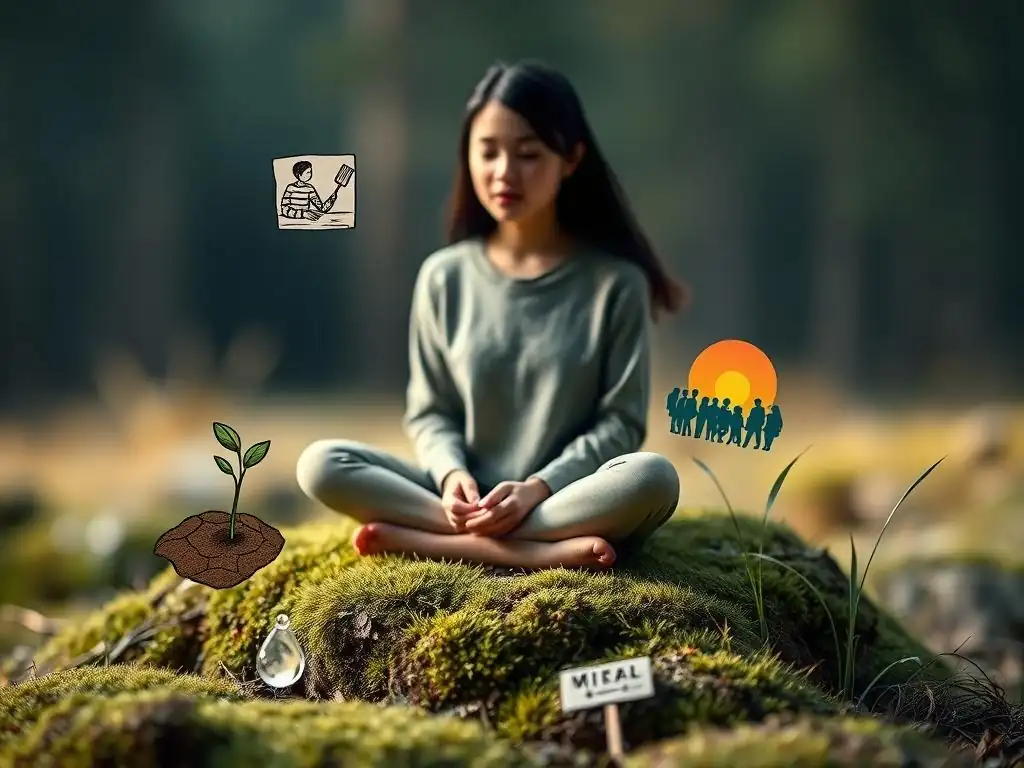
Acknowledge and Validate Your Feelings About Climate Change
The first and arguably most crucial step in managing EcoAnxiety is to acknowledge and validate your feelings. Understand that your fear, grief, anger, or sadness in response to climate change are not irrational; they are legitimate and understandable reactions to a real and significant threat. Trying to suppress or dismiss these emotions can often make them stronger or lead to other forms of distress. Give yourself permission to feel what you feel without judgment.
Journaling can be a helpful tool for acknowledging these emotions, allowing you to explore your thoughts and feelings in a safe space. Talking to a trusted friend, family member, or therapist can also provide validation and help you process complex emotions. Recognizing that many others share these feelings can also reduce feelings of isolation. This foundational step is essential before implementing other components of an Ecoanxiety coping strategies guide.
Connecting with Others: Building a Support Network
Building a support network is a vital Ecoanxiety coping strategy. Connecting with others who share your concerns about climate change can provide a sense of community and reduce feelings of isolation and despair. Sharing your anxieties with empathetic listeners, whether friends, family, or a support group, can lighten the emotional burden and offer new perspectives.
Joining environmental groups or community initiatives provides opportunities to connect with like-minded individuals who are actively engaged in addressing climate issues. These connections can transform passive worry into shared purpose and action, which is inherently empowering. Online forums and social media groups dedicated to climate psychology or EcoAnxiety can also serve as valuable platforms for sharing experiences and strategies, forming a collective resource for an Ecoanxiety coping strategies guide.
Limiting Exposure to Negative Climate Change News
While staying informed about climate change is important, constant exposure to alarming news can overwhelm your capacity to cope. It's essential to set boundaries around your consumption of climate-related media. This doesn't mean burying your head in the sand, but rather being mindful of how and when you engage with potentially distressing information.
Consider scheduling specific times for news consumption rather than being constantly bombarded. Choose reliable and reputable sources that provide balanced reporting, including information on solutions and positive actions being taken. Recognize that media algorithms can sometimes prioritize sensational or negative content. Taking breaks from news, especially before bed, can significantly reduce anxiety levels and is a pragmatic part of any Ecoanxiety coping strategies guide.
Engage in Meaningful Action: Channeling Anxiety into Positive Change
One of the most effective ways to combat feelings of helplessness and channel EcoAnxiety is by engaging in meaningful action. Taking concrete steps, no matter how small they seem, can restore a sense of agency and purpose. This could involve making personal lifestyle changes, participating in community projects, or engaging in advocacy.
Action provides an outlet for the anxiety and transforms it from a debilitating force into a motivating one. It shifts the focus from passive worry about the problem to active participation in solutions. Finding an area of action that aligns with your interests and capacity is key. This could range from reducing your household waste and energy consumption to volunteering with a local environmental organization or writing to your elected officials. Action is a powerful antidote to the powerlessness often felt with EcoAnxiety, making it a cornerstone of an effective Ecoanxiety coping strategies guide.
Mindfulness and Meditation Techniques for Calming Anxiety
Mindfulness and meditation are powerful tools for managing the immediate symptoms of climate change-related anxiety. These practices teach you to focus on the present moment without judgment, which can help interrupt cycles of worry about an uncertain future. Simple techniques like focusing on your breath for a few minutes can calm the nervous system and reduce feelings of overwhelm.
Regular meditation practice can build resilience over time, making it easier to navigate anxious thoughts when they arise. There are many guided meditations available specifically for anxiety or stress. Incorporating even 5-10 minutes of mindfulness into your daily routine can create a significant shift in your ability to manage the emotional load of EcoAnxiety, serving as practical components of an Ecoanxiety coping strategies guide.
Grounding Exercises for Managing Overwhelming Feelings
When feelings of EcoAnxiety become overwhelming, grounding exercises can help bring you back to the present and regain a sense of control. These techniques use your five senses to anchor you in your current reality, pulling your focus away from distressing thoughts about the future or global issues.
A simple grounding exercise is the "5-4-3-2-1" method: identify 5 things you can see, 4 things you can touch, 3 things you can hear, 2 things you can smell, and 1 thing you can taste. Focusing on these concrete sensory inputs can disrupt the anxiety spiral. Feeling the ground beneath your feet, noticing the temperature of the air, or listening to sounds around you are other simple grounding techniques that are invaluable in an Ecoanxiety coping strategies guide.
Cognitive Restructuring: Challenging Negative Thoughts About the Future
EcoAnxiety is often fueled by catastrophic thinking and negative predictions about the future. Cognitive restructuring is a technique that involves identifying these negative thought patterns and challenging their validity. Ask yourself: Is this thought based on fact or fear? What is the likelihood of this worst-case scenario happening specifically to me or my loved ones? Are there alternative, less catastrophic possibilities?
This doesn't mean denying the seriousness of climate change, but rather gaining perspective and avoiding getting trapped in absolute or overly pessimistic thinking. For example, instead of "The world is ending, there's no hope," try reframing it as "Climate change presents serious challenges, but many people are working on solutions, and there is still opportunity to mitigate the worst impacts." Learning to identify and challenge unhelpful thought patterns is a core skill taught in many therapeutic approaches and a key element in an Ecoanxiety coping strategies guide.
Turning Climate Anxiety into Climate Action: Empowering Yourself
Volunteering and Advocacy: Making a Difference in Your Community
One of the most empowering ways to manage EcoAnxiety is by turning it into action through volunteering and advocacy. Volunteering with local environmental organizations, such as conservation groups or community gardens, provides a tangible way to contribute to positive change in your immediate surroundings. This hands-on involvement can foster a sense of connection to nature and community, counteracting feelings of isolation.
Advocacy, whether writing letters to elected officials, participating in peaceful demonstrations, or supporting policy changes, allows you to use your voice to influence larger systemic issues. Even small acts of advocacy can be empowering, reminding you that you are not powerless. Research suggests that active engagement in pro-environmental behaviors is correlated with lower levels of EcoAnxiety and higher levels of well-being, making it a powerful inclusion in any Ecoanxiety coping strategies guide.
Sustainable Living Practices: Reducing Your Environmental Footprint
Adopting sustainable living practices is another concrete way to channel climate anxiety into positive action and regain a sense of control. While individual actions alone won't solve climate change, they contribute to the collective effort and align your lifestyle with your values, reducing feelings of guilt and hypocrisy.
This could involve reducing energy consumption at home, minimizing waste through recycling and composting, choosing sustainable transportation options (walking, biking, public transport), or making conscious choices about consumption. Setting achievable goals, like reducing food waste by 20% or cutting down on single-use plastics, can provide a sense of accomplishment and agency. These personal actions, while seemingly small on a global scale, are vital steps in an individual's journey toward managing EcoAnxiety and are practical examples for an Ecoanxiety coping strategies guide.
Educating Others: Raising Awareness About Climate Change
Sharing information and raising awareness about climate change can be a powerful way to feel productive and contribute to broader change. This doesn't require becoming a climate expert, but rather sharing what you've learned with friends, family, or colleagues in a way that is informative and empathetic.
You could share articles from reputable sources, discuss documentaries, or simply talk about your own experiences and concerns. Focusing on solutions and hopeful initiatives alongside the challenges can make these conversations more constructive and less overwhelming for both you and your audience. Educating others not only spreads crucial information but also reinforces your own understanding and commitment, providing a sense of purpose that helps mitigate EcoAnxiety, making it a valuable strategy in an Ecoanxiety coping strategies guide.
Seeking Professional Help for EcoAnxiety: When to Consult a Therapist

Recognizing When EcoAnxiety Becomes Overwhelming
It's important to recognize when EcoAnxiety moves beyond a healthy, albeit uncomfortable, response to a distressing issue and begins to significantly impair your daily life. If your climate-related worries are consuming a large portion of your day, interfering with your sleep, work, relationships, or ability to find joy in activities, it may be time to seek professional help.
Other signs that professional support might be beneficial include persistent feelings of hopelessness or despair, intrusive thoughts about climate disasters, panic attacks specifically triggered by environmental news, or using avoidance strategies (like substance use) to cope. If you feel stuck, unable to implement Ecoanxiety coping strategies guide techniques effectively on your own, or if your mental health is deteriorating, reaching out to a therapist is a brave and necessary step.
As EcoAnxiety becomes more widely recognized, a growing number of therapists are specializing in climate-aware or environmentally-aware therapy. These practitioners understand the unique nature of climate-related distress and can provide targeted support. When seeking a therapist, don't hesitate to ask about their experience or training in this area.
Organizations focused on climate psychology or environmental mental health may also have directories of practitioners. Finding a therapist who validates your feelings about climate change, rather than pathologizing them, is crucial for effective treatment. They can help you process complex emotions, develop personalized Ecoanxiety coping strategies guide techniques, and build resilience.
Therapy Options: Cognitive Behavioral Therapy (CBT) and Acceptance and Commitment Therapy (ACT)
Several therapeutic approaches can be particularly helpful for managing EcoAnxiety. Cognitive Behavioral Therapy (CBT) is effective in identifying and challenging the negative thought patterns often associated with climate anxiety, such as catastrophic thinking or feelings of hopelessness. CBT helps you develop more balanced perspectives and practical coping skills.
Acceptance and Commitment Therapy (ACT) is another valuable approach. ACT encourages you to accept difficult emotions and thoughts (like anxiety about climate change) rather than fighting them, while simultaneously committing to taking action based on your values. This can help channel distress into meaningful engagement with climate solutions. Both CBT and ACT, often adapted for climate-specific concerns, are frequently recommended as part of an Ecoanxiety coping strategies guide provided by mental health professionals.
Building Resilience in the Face of Climate Change Uncertainty
Developing a Sense of Hope and Optimism
Building resilience against EcoAnxiety involves cultivating a sense of hope and optimism, even amidst difficult realities. This doesn't mean ignoring the challenges, but rather focusing on the potential for positive change and the progress being made. Seek out stories of successful environmental initiatives, technological advancements in renewable energy, and communities coming together to address climate impacts.
Connect with the youth climate movement, which often embodies a powerful spirit of hope and determination. Recognize that while the future is uncertain, it is not predetermined, and collective action can make a significant difference. Nurturing hope is an active process that requires conscious effort to balance awareness of the problems with an appreciation for solutions and positive human action, strengthening your personal Ecoanxiety coping strategies guide.
Focusing on What You Can Control
In the face of a global issue as vast as climate change, it's easy to feel overwhelmed by all that is outside of your control. A key resilience-building strategy is to intentionally shift your focus to the areas where you do have agency. This includes your personal actions, your local community involvement, your conversations with others, and your own emotional responses.
While you may not be able to control global emissions policies, you can control your own consumption habits, choose how you commute, participate in local cleanup efforts, or advocate to your local government. Focusing on these spheres of influence can reduce feelings of powerlessness and replace them with a sense of purpose and effectiveness. This deliberate focus on controllable actions is a core principle in many Ecoanxiety coping strategies guide resources.
Cultivating Gratitude and Appreciation for the Natural World
Connecting with and appreciating the natural world is a powerful antidote to EcoAnxiety and a fundamental aspect of building resilience. Spending time outdoors, whether in a local park, forest, or by the water, can reduce stress and foster a sense of connection to the planet you are anxious about protecting.
Practice gratitude for the beauty and services that nature provides – clean air, water, food, and breathtaking landscapes. Engage your senses: notice the colors of the sky, the sound of birds, the feel of the wind. This cultivation of appreciation can strengthen your motivation for environmental action while simultaneously providing comfort and reducing anxiety. Nurturing this relationship with nature is a deeply therapeutic practice often included in an holistic Ecoanxiety coping strategies guide.
Ecoanxiety Coping: Long-Term Strategies for Sustainable Mental Health
Integrating Eco-Awareness into Your Daily Life
Sustainable Ecoanxiety coping involves integrating eco-awareness into your daily life in a balanced and healthy way, rather than letting it become an overwhelming burden. This means finding ways to live more sustainably that feel manageable and even rewarding, rather than like a constant sacrifice. It could involve conscious consumer choices, reducing waste, conserving energy, or supporting local, environmentally-friendly businesses.
Frame these actions not just as duties, but as opportunities to live in alignment with your values and contribute positively. Small, consistent actions can build momentum and a sense of accomplishment. This integration helps make environmental concern a natural part of your identity rather than a source of acute stress, providing a framework for long-term Ecoanxiety coping strategies guide implementation.
Finding Meaning and Purpose in Environmental Stewardship
Finding meaning and purpose in environmental stewardship can transform EcoAnxiety into a source of motivation and fulfillment. Viewing yourself as a steward or protector of the environment provides a powerful sense of identity and direction. This purpose can be found in various ways, from pursuing a career in environmental fields to dedicating leisure time to conservation efforts or educating the next generation.
This sense of purpose can provide resilience against feelings of despair by focusing on the positive role you play in working towards a better future. It shifts the narrative from passive victim of climate change to active participant in solutions. This deeper connection to a cause greater than oneself is a robust, long-term strategy for Ecoanxiety coping.
Connecting with Nature: Spending Time Outdoors for Mental Well-being
Regular, intentional connection with nature is not just a short-term coping tool but a vital long-term strategy for mental well-being in the age of climate change. Research consistently shows that spending time in natural environments reduces stress, improves mood, and enhances cognitive function. Aim to incorporate nature into your routine, whether it's a daily walk in a local park, weekend hikes, or simply spending time tending to houseplants.
Engage with nature mindfully, paying attention to the details and allowing yourself to feel a sense of wonder and connection. This practice reinforces your bond with the natural world, which can be a source of comfort, inspiration, and motivation for protecting it. Nurturing this relationship is a fundamental, ongoing element of an effective Ecoanxiety coping strategies guide for sustainable mental health.
Resources for Managing EcoAnxiety and Promoting Mental Health
Online Support Groups and Communities
Numerous online support groups and communities have emerged specifically for individuals experiencing EcoAnxiety. These platforms offer a safe space to share experiences, receive validation, and connect with others who understand these unique concerns. Examples include online forums, social media groups, and dedicated websites.
These groups can provide emotional support, share practical Ecoanxiety coping strategies guide tips, and sometimes organize collective actions. While not a substitute for professional therapy, they can offer valuable peer support and reduce feelings of isolation. Look for communities moderated by mental health professionals or those with clear guidelines for respectful and supportive interaction.
Mental Health Organizations and Hotlines
Established mental health organizations and crisis hotlines can provide crucial support, especially during times of intense distress. While they may not specialize specifically in EcoAnxiety, they are equipped to handle anxiety, depression, and other mental health symptoms that can arise from climate concerns.
Organizations like the National Alliance on Mental Illness (NAMI) or the National Institute of Mental Health (NIMH) in the US, and their equivalents in other countries, offer resources, information, and support lines. Crisis hotlines are available 24/7 for immediate support if you are experiencing overwhelming distress or suicidal thoughts. These resources are vital components of a comprehensive Ecoanxiety coping strategies guide and safety net.
Books and Articles on EcoAnxiety and Climate Psychology
A growing body of literature addresses EcoAnxiety and climate psychology. Reading books and articles by therapists, environmentalists, and climate psychologists can provide deeper understanding of the issue, validation of your feelings, and a wealth of practical coping strategies.
Look for works that explore the psychological impacts of climate change, offer therapeutic approaches to climate distress, or provide guidance on turning anxiety into action. Examples include books like "Active Hope" or "The Ecological Self." Engaging with this literature can normalize your experience and equip you with knowledge and tools, acting as an extended Ecoanxiety coping strategies guide for personal development.
Frequently Asked Questions
Ecoanxiety is anxiety related to environmental degradation and climate change. It stems from worry about the future and the perceived inability to stop environmental destruction.
What are some common symptoms of Ecoanxiety?
Common symptoms include feelings of helplessness, increased stress levels, and worrying excessively about the environment. These can also manifest as sleep disturbances or changes in appetite.
How does uncertainty about climate change contribute to Ecoanxiety?
Uncertainty fuels Ecoanxiety by creating a sense of powerlessness. The unpredictability of climate impacts makes it difficult to plan and cope, leading to increased anxiety.
What are some effective Ecoanxiety coping strategies?
Effective coping strategies include taking action, connecting with others, and limiting exposure to overwhelming news. Focusing on what you can control is crucial.
Where can I find additional resources and support for managing Ecoanxiety?
Mind Care Guide offers a comprehensive guide to mental well-being, including information, support, and resources for managing Ecoanxiety. You can find more information on our website.
The climate crisis isn't just an environmental issue; it's a profound psychological one. The uncertainty surrounding its future trajectory, coupled with the sheer scale of the challenge, is fueling a global wave of eco-anxiety, impacting individuals and communities alike. This uncertainty, far from being a reason for inaction, should be a catalyst for proactive coping and collective action.
Eco-anxiety is a valid response to a deeply unsettling reality. It reflects our inherent connection to the natural world and our intuitive understanding of its fragility. The pervasive feeling of helplessness, often exacerbated by conflicting information and political inaction, can be paralyzing. Yet, within this anxiety lies a powerful seed of change. The greatest danger is not that our aim is too high and we miss it, but that it is too low and we reach it.
- Michelangelo. This quote reminds us that while the challenge is immense, aiming for ambitious solutions, even amidst uncertainty, is crucial for our collective well-being.
The path forward isn't about eliminating anxiety entirely—that's unrealistic. Instead, it's about learning to navigate it, to channel that anxious energy into positive action. You have the power to make a difference, whether it's through advocating for policy changes, supporting sustainable businesses, engaging in community initiatives, or simply making conscious choices in your daily life. Embrace the uncertainty, acknowledge your feelings, and find your own path to contribute to a more sustainable future. Your actions, however small they may seem, are part of a larger movement, a collective effort to build a more resilient and hopeful world.
Unleash Your Climate Action: Find Calm Amidst Change
Thanks for taking the time to explore the complexities of eco-anxiety. We hope you gained valuable insights into managing your feelings and finding your path forward. Now, let's turn that understanding into action!
- Prioritize one small, sustainable change this week: Could it be reducing your meat consumption, opting for reusable bags, or starting a small compost pile? Even minor shifts can make a difference.
- Connect with a local environmental group: Sharing your concerns and collaborating on solutions is a powerful antidote to eco-anxiety. Find a group that resonates with you and join in!
- Share this article with someone who needs it: Spreading awareness and fostering open conversation around climate change and mental wellbeing is crucial.
What small step will you take today to nurture both yourself and the planet?