
Wearable Tech for Stress Management
Wearable Tech for Stress Management is revolutionizing how we approach mental well-being by putting real-time physiological insights right on your wrist. From HRV monitors that decode your body’s fight-or-flight response to smartwatches with guided meditation, these devices transform raw data into actionable calm. Whether you’re tracking sleep patterns to boost resilience or using biofeedback tools to curb anxiety at home, this technology empowers you to master stress before it masters you. Discover the best wearable stress trackers that blend accuracy with everyday comfort, and turn every heartbeat into a step toward mindfulness.
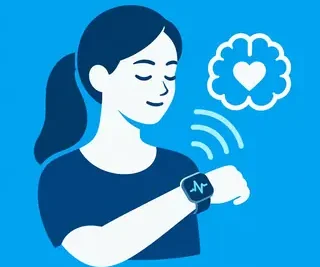 Biofeedback Devices for Home Use - Managing Anxiety
 Smartwatches for Mindfulness - Guided Meditation Features
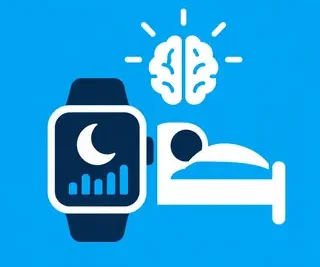 Sleep Trackers for Better Mental Health - Improving Sleep Quality
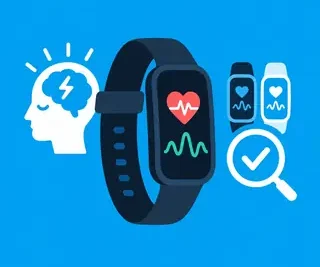 Best Wearable Stress Trackers - Comparing Features and Accuracy
 Heart Rate Variability (HRV) Monitors for Stress - Understanding HRV
Wearable Tech for Stress Management
Discover how cutting-edge wearable devices can transform your mental well-being. From tracking physiological signals to guiding breathing exercises, these tools offer real-time insights into your stress levels, helping you build healthier responses to daily pressures. Explore our expert guides to find the right device for your unique needs, whether you're a beginner or a seasoned biohacker.
❤️ Heart Rate Variability (HRV) Monitors for Stress - Understanding HRV
HRV is a powerful biomarker that reflects your autonomic nervous system's balance and your body's ability to adapt to stress. This subcategory explains what HRV means, how to interpret your daily scores, and why higher variability often correlates with better resilience. You'll learn which monitors provide the most accurate readings and how to establish a baseline for personalized stress management.
📊 Best Wearable Stress Trackers - Comparing Features and Accuracy
Navigate the crowded market of stress wearables with confidence. We compare top devices based on sensor quality, companion app usability, battery life, and stress-detection algorithms. Whether you prefer a wristband, ring, or chest strap, this section breaks down real-world accuracy, helping you select a tracker that aligns with your lifestyle and budget without sacrificing reliability.
😴 Sleep Trackers for Better Mental Health - Improving Sleep Quality
Poor sleep is both a cause and symptom of chronic stress. Here, we explore how advanced sleep trackers measure sleep stages, nighttime heart rate, and breathing patterns to identify disruptions. Learn practical strategies to leverage this data for improved sleep hygiene, such as adjusting bedtime routines or environmental factors. Discover which devices offer the most actionable insights for mental clarity and emotional stability.
🧘 Smartwatches for Mindfulness - Guided Meditation Features
Your smartwatch can be more than a notification hub—it can be a pocket meditation instructor. This subcategory reviews built-in mindfulness apps, breathing exercises, and haptic feedback reminders that encourage present-moment awareness. We evaluate how these features integrate with your daily schedule, plus compare watchOS and Android options to help you find a device that genuinely fosters calm, focus, and stress reduction throughout the day.
🔬 Biofeedback Devices for Home Use - Managing Anxiety
Biofeedback devices empower you to take control of your physiological responses by providing real-time data on muscle tension, skin conductance, and breathing. This section covers user-friendly home devices that teach you to modulate your stress response through visualization and auditory cues. Ideal for anxiety management, these tools are backed by research and offer a non-invasive, drug-free approach to building long-term emotional resilience.
Frequently Asked Questions
How accurate are wearable stress trackers compared to clinical devices?
Consumer wearables are generally reliable for trend tracking but not as precise as clinical-grade equipment. They use photoplethysmography (PPG) and algorithms to estimate stress via HRV and activity. For everyday stress awareness, accuracy within 10–15% of medical monitors is typical. Use them as directional guides, not diagnostic tools, and consult healthcare professionals for clinical concerns.
Can I use a single device for both sleep tracking and stress management?
Yes, many modern wearables combine sleep and stress monitoring, as both metrics are interconnected. Devices like the Oura Ring, Garmin Venu, and Fitbit Sense offer comprehensive 24/7 tracking. They provide a unified dashboard showing how poor sleep elevates stress markers and vice versa, letting you make holistic adjustments. Just ensure the device has a dedicated stress or HRV feature.
What is the best time of day to check my HRV for stress insights?
The most consistent measurement is in the morning, within 30 minutes of waking, before eating or exercising. This captures your baseline recovery state. Some wearables automatically log overnight HRV, which reflects restorative sleep quality. Avoid checking after meals, caffeine, or intense workouts, as these produce temporary fluctuations that don't represent chronic stress levels.
Are biofeedback devices safe for people with severe anxiety or panic disorders?
Generally, yes, as they are non-invasive and teach self-regulation. However, some users may feel initial discomfort when seeing elevated physiological signals, potentially worsening anxiety. It's advisable to start with short sessions under guidance from a therapist. For panic disorders, use biofeedback as a complement to professional treatment, not a replacement, and always discuss with your healthcare provider.
Do mindfulness features on smartwatches actually reduce stress?
Research suggests that guided breathing and mindfulness prompts can lower acute stress, especially when practiced consistently. A 2022 meta-analysis found wearable-guided interventions reduced perceived stress by 15–20% over eight weeks. The key is adherence; features that remind you to pause, offer short 2-minute sessions, and provide visual feedback tend to be most effective for busy individuals.