Choosing Your Calm Companion: Top Biofeedback Devices for Home Anxiety Use
🌟 Discover the best biofeedback anxiety home devices to help manage stress effectively. Our comprehensive guide highlights top options for calming your…
Read article
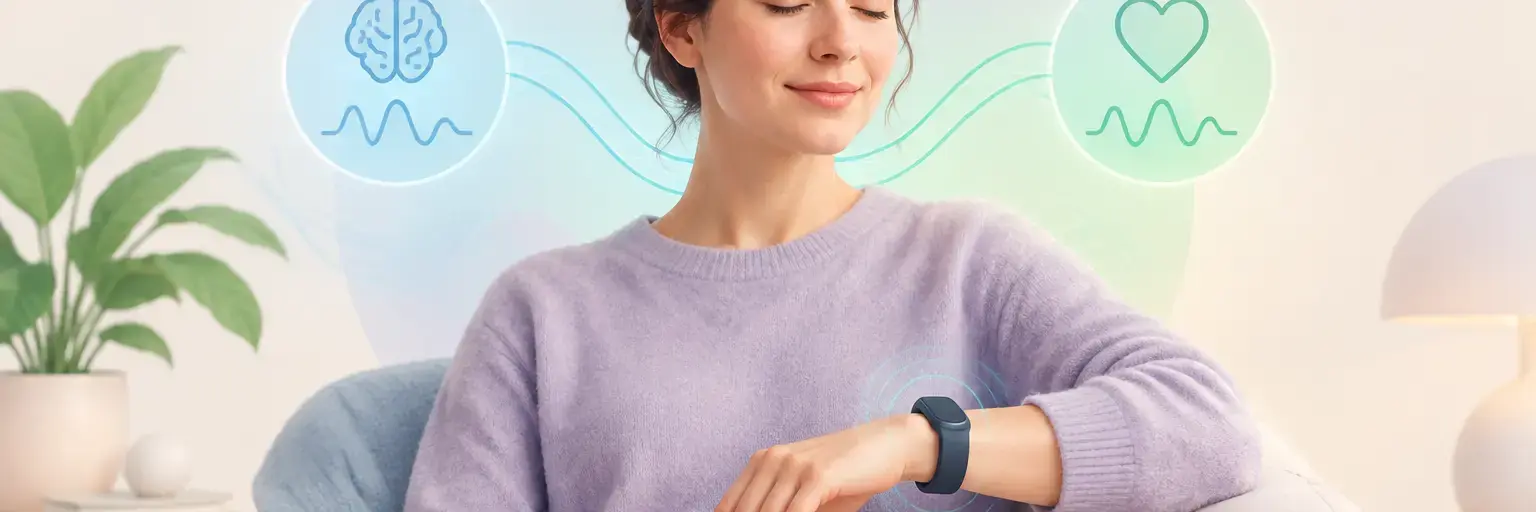
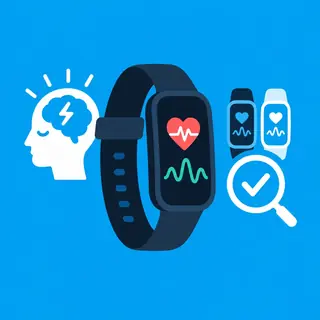
Discover how biofeedback devices for home use are transforming anxiety management by turning your body’s hidden signals into actionable insights. These wearable tools—like heart rate variability (HRV) sensors, skin conductance monitors, and breathing pacer bands—help you identify stress triggers in real time and guide you toward calmer states through guided exercises and gentle haptic feedback. With portable, app-connected designs, you can practice deep breathing, progressive muscle relaxation, and mindfulness anywhere, anytime, without visiting a clinic. By learning to control your physiological responses, you build lasting resilience against panic attacks and chronic worry, while also tracking progress over days or weeks to see what truly works for your unique nervous system. Whether you’re new to self-regulation or a seasoned meditator, these devices offer science-backed, drug-free relief that empowers you to take charge of your mental health from the comfort of your couch. Explore top-rated options that sync with your smartphone, offer personalized coaching, and even integrate with therapy routines—making anxiety management more accessible, measurable, and effective than ever.

🌟 Discover the best biofeedback anxiety home devices to help manage stress effectively. Our comprehensive guide highlights top options for calming your…
Read article
🌟 Discover how home biofeedback devices can be your personal anxiety coach, empowering you with real-time insights to manage stress effectively and…
Read article
🌟 Discover how a home biofeedback device can empower you to manage anxiety effectively. Biofeedback reduces anxiety symptoms by helping you gain…
Read article
🌟 Unlock the power of your body with biofeedback anxiety management techniques, enabling you to interpret physiological signals and gain control over…
Read article
🌟 Discover how biofeedback anxiety management techniques empower individuals to regain control over stress, using real-time physiological data to foster relaxation and…
Read article
🌟 Discover how biofeedback anxiety stress reduction techniques can empower you to interpret readings effectively, transforming complex data into actionable insights for…
Read article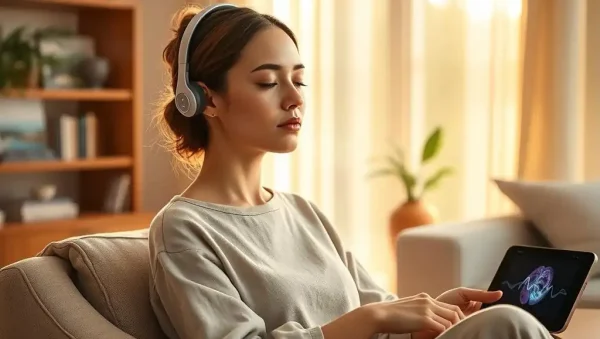
🌿 Discover how home biofeedback reduces anxiety cost effectively, providing accessible, personalized relief. Investing in this innovative tool offers long-term mental well-being…
Read article
🌿 Discover how biofeedback devices can effectively reduce anxiety symptoms, empowering you to achieve calm and mental clarity at home. This comprehensive…
Read article
🌿 Discover how biofeedback reduces anxiety symptoms by training your heart rate variability, promoting calmness and emotional resilience. This powerful tool offers…
Read article
🌟 Discover how integrating biofeedback devices with traditional therapy can enhance anxiety reduction, offering a powerful, evidence-based approach to mental well-being. Learn…
Read article
🌟 Discover how wearable biofeedback devices can seamlessly reduce anxiety symptoms, empowering you to manage stress anytime, anywhere. This innovative guide reveals…
Read article
🌿 Discover how biofeedback reduces anxiety symptoms by teaching you to control physiological responses, leading to greater calmness and mental well-being. This…
Read articleWelcome to Mind Care Guide’s dedicated section on biofeedback devices for home use, specifically designed to help you manage anxiety through real-time physiological awareness. Unlike generic relaxation apps, these wearable and non-wearable tools teach you to control your heart rate, breathing, and skin conductance—empowering you to shift from a stressed state to calm, anywhere. Whether you’re new to anxiety relief or seeking science-backed, drug-free methods, this subcategory explores top-rated devices, their mechanisms, and how to integrate them into daily wellness routines. Here, we break down everything from HRV monitors to EEG headbands, ensuring you find the right fit for your anxiety management journey.
Biofeedback devices for home use measure subtle physiological signals—like heart rate variability (HRV), muscle tension, or skin temperature—and feed that information back to you in real time via an app or display. This process trains your brain to recognize stress patterns and self-regulate. For anxiety, the most effective protocols focus on slow, coherent breathing to boost parasympathetic (“rest-and-digest”) activity, which directly counters the fight-or-flight response.
Expect to learn how these devices convert raw data into actionable cues, such as visual animations, audio tones, or vibration. Many platforms pair with cognitive behavioral techniques, making them ideal for at-home anxiety management without medication. You’ll also discover why HRV is considered a gold-standard biomarker for stress resilience, and how regular practice can rewire your nervous system over weeks, not just minutes.
From the HeartMath Inner Balance (using ear or finger sensors) to the Oura Ring and Muse EEG headband, the market offers options for every lifestyle and budget. HeartMath’s guided programs excel in breathing rhythm, while Muse provides real-time brainwave feedback for meditative anxiety relief. For minimalists, the Garmin Venu or Fitbit Sense integrate HRV tracking and stress scores directly into smartwatch apps.
We review each device’s ease of use, sensor accuracy, subscription costs, and data privacy. Expect practical comparisons: which suits daily 5-minute sessions, which offers gamified training for motivation, and which is best for sleep-related anxiety. Also, consider non-wearable options like the RESPeRATE, which slows breathing via guided exhale patterns, proven in clinical trials for anxiety reduction.
Buying a device is just the first step; consistent practice yields results. Start with 10–15 minutes daily, same time each day, ideally in a quiet space. Your device will guide you through a session, but the key is to focus on your physical sensations—the warmth, the pulse, the rhythm—rather than demanding immediate calm. Over weeks, you’ll learn to recognize early anxiety triggers by shifts in your HRV or skin conductance.
Expect personalized protocols, such as resonant breathing (≈5.5 breaths/min) which maximizes baroreflex effect, or progressive muscle relaxation with EMG sensors. Many apps include daily journaling prompts, trending charts, and video tutorials. We’ll show you how to track progress, adjust difficulty, and combine biofeedback with other anxiety strategies like exposure therapy or cognitive defusion for holistic stress management.
Biofeedback isn’t a standalone cure—it thrives when combined with mindfulness meditation, breathing apps, and cognitive reframing. For example, use a heart-rate sensor during a body scan meditation to see how your nervous system responds to visualizations. Or pair a respiration sensor with a gratitude journal to reinforce positive emotional states. This synergy helps you internalize self-regulation skills, making them automatic in stressful situations.
Expect guidance on building a “anxiety first-aid kit” that includes your biofeedback device, a guided meditation playlist, and grounding techniques. We’ll discuss wearables that sync with Apple Health or Google Fit, enabling correlational insights: “When I sleep less, my baseline HRV drops 15%.” This data-driven mindfulness transforms abstract anxiety into manageable, metric-backed lifestyle tweaks.
Not all devices are equal. While clinical-grade biofeedback uses hospital validation, consumer gadgets may lack precision. Look for peer-reviewed studies, FDA clearance or CE marks, and transparent sensor specs. For anxiety, research strongly supports HRV and respiratory feedback, but EEG’s efficacy is more debated. Also, note that biofeedback is complementary—not a replacement for therapy or medication.
We help you vet claims by discussing red flags: unrealistic promises, hidden subscription fees, or lack of data export for clinicians. You’ll learn about potential side effects (e.g., dizziness during intense breathing) and how to pause sessions. Honest limitations include no direct treatment for panic attacks—instead, devices serve as preventive training. Our buyer’s checklist ensures you invest wisely in a tool that matches your anxiety severity and tech comfort.
The ultimate goal is auto-regulation—where you can lower anxiety without staring at a screen. Experienced users often wean off daily biofeedback to use it weekly or on-demand. Track markers like reduced heart rate spikes during stress, improved sleep onset, and lower subjective anxiety scores (e.g., GAD-7). Most apps provide cumulative reports, and some let you export raw data for a therapist to interpret.
Expect advice on gamified challenges, social accountability, and how to maintain motivation when results plateau. We’ll cover troubleshooting (e.g., poor sensor contact) and when to seek professional biofeedback training if home devices aren’t enough. By treating this as a skill-building phase rather than a quick fix, you’ll cultivate resilience that lasts years, not just during the device’s battery life.
Yes, most are safe for general anxiety, but consult your doctor if you have heart conditions, epilepsy, or are pregnant. They are non-invasive, however, intense breathing exercises may cause mild dizziness. For severe panic disorder, use under therapeutic supervision. They are preventive tools, not emergency interventions.
Most users notice reduced acute stress within two to four weeks of daily practice. Long-term changes in baseline anxiety often appear after 8–12 weeks. Consistency matters more than session length. Track your HRV trends and anxiety scores for objective progress.
Not always. Some devices like RESPeRATE have standalone screens. However, most modern wearables require a companion app for detailed feedback and history. A basic smartphone with Bluetooth is sufficient; no high-end specs are needed.
No. They are excellent adjuncts to therapy, not replacements. Biofeedback teaches somatic awareness, but cognitive behavioral therapy addresses root thoughts. For moderate-to-severe anxiety, combine devices with professional support for best outcomes.
Expect to pay $50–$300 for consumer-grade options like HeartMath or Muse. Smartwatches with HRV tracking range $200–$600. Premium multi-sensor kits may exceed $500. Factor in app subscriptions ($10–$15/month) and sensor replacement costs. Always compare long-term value vs. one-time purchases.