Decoding Your Sleep Data: How Trackers Boost Mental Wellbeing Insights
🌙 Sleep trackers boost mental health by providing valuable insights into sleep patterns, helping you identify issues and make informed changes. This…
Read article

Discover how smart sleep trackers are revolutionizing mental wellness by unlocking the science behind your nightly rest. 🌙 These wearable devices go beyond counting hours—they analyze sleep stages, heart rate variability, and breathing patterns to reveal the direct link between sleep quality and emotional resilience. For anyone struggling with anxiety, stress, or mood fluctuations, improving sleep isn’t just about feeling refreshed; it’s a cornerstone of better mental health. By identifying disruptions like fragmented REM cycles or late-night cortisol spikes, these trackers offer personalized insights and gentle coaching to help you build healthier bedtime routines. Whether you’re a chronic insomniac or simply want to optimize your cognitive performance, our curated guidance shows how to turn raw data into actionable steps—like adjusting your environment, timing relaxation techniques, or syncing your wake-up with natural sleep cycles. Embrace technology as your ally in stress reduction and emotional balance, because every good day starts with a great night’s sleep. 😴💡
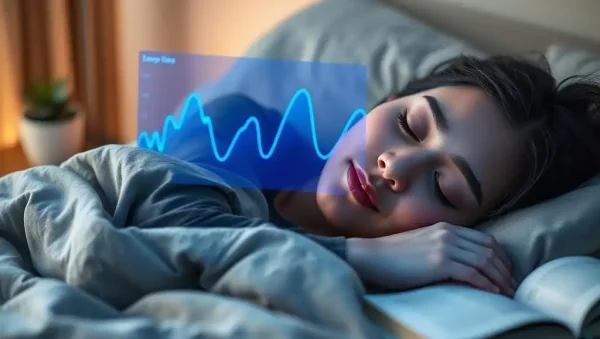
🌙 Sleep trackers boost mental health by providing valuable insights into sleep patterns, helping you identify issues and make informed changes. This…
Read article
🌙 Discover how sleep trackers can enhance your sleep quality and reduce anxiety, highlighting the sleep tracker benefits for anxiety. Improve your…
Read article
🌟 Discover how sleep data mental health insights empower your mental well-being journey, offering personalized support and understanding. Learn how wearable technology…
Read article
🌙 Discover how sleep quality impacts mental health and why tracking your sleep can be a game-changer. Learn practical tips to improve…
Read article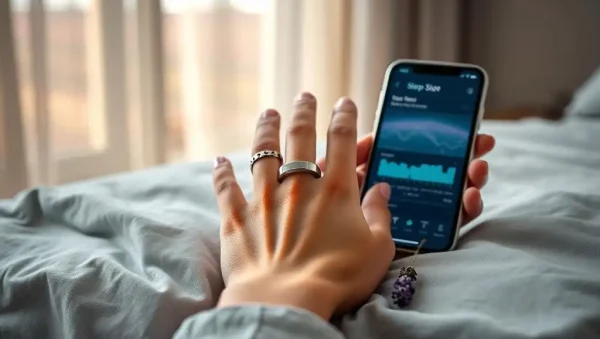
🌙 Discover how sleep rings, bands, and apps can enhance your mental health by improving sleep quality. Learn how sleep tracking for…
Read article
🌙 Sleep tracking improves mental health by providing insights beyond numbers, helping you understand your sleep patterns and mental well-being. Discover how…
Read article
🌙 Discover how wearable trackers improve sleep wellness by providing real-time insights, enabling personalized strategies to enhance mental health, reduce stress, and…
Read article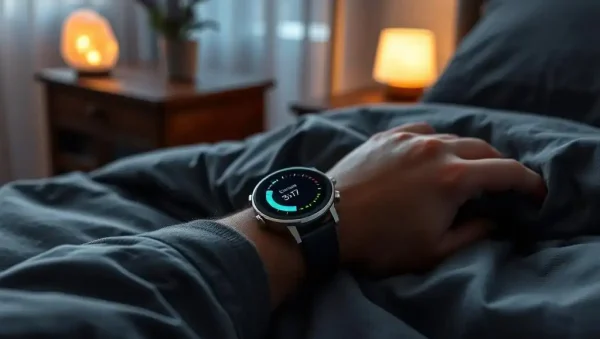
✨ Discover how smartwatches revolutionize mental well-being by monitoring sleep quality and providing stress relief insights, empowering you to understand and improve…
Read article
🌙 Discover how wearable sleep trackers benefits sleep by providing personalized insights, empowering you to identify poor sleep patterns, and enabling targeted…
Read article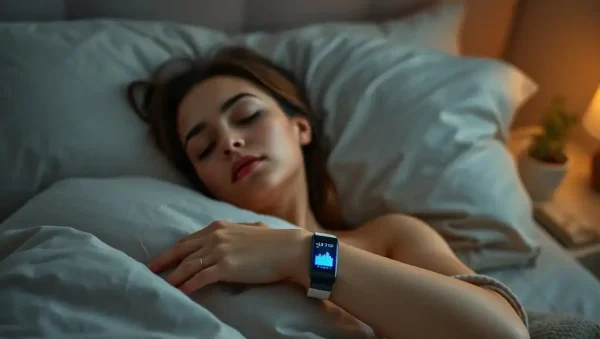
🌙 Discover how sleep trackers reduce stress and anxiety by providing real-time insights into sleep patterns, helping users develop healthier routines, improve…
Read article
🌙 Discover how sleep tracking inner peace can transform your mental well-being by helping you identify patterns, improve rest, and build resilience—empowering…
Read article
🌙 Discover how sleep trackers can aid depression management by providing vital insights into sleep patterns, helping individuals identify disruptions, improve rest,…
Read articleSleep is the cornerstone of mental resilience, yet millions struggle with restless nights that fuel anxiety, depression, and chronic stress. On Mind Care Guide, we explore how wearable sleep trackers—from smartwatches to rings—can transform your nightly rest into a measurable, actionable pathway toward emotional balance. This subcategory dives deep into the science, tech, and practical routines that help you leverage sleep data for better mental health outcomes, including stress reduction, mood stabilization, and cognitive clarity.
Modern sleep trackers don’t just count hours—they map your REM, deep, light, and awake cycles using accelerometers and heart-rate variability (HRV). For mental health, deep sleep is your brain’s cleanup crew, flushing toxins linked to Alzheimer’s and mood disorders, while REM supports emotional processing. By correlating your nightly stage percentages with daily stress scores, you can identify patterns like “low deep sleep after high-stress days” and adjust bedtime habits accordingly.
Expect guides on interpreting your sleep-stage graphs, understanding what “optimal” looks like for your age and stress level, and how to use this data to prevent burnout. We also discuss the connection between fragmented sleep and cortisol spikes, helping you see why a 6-hour but uninterrupted night often beats 8 hours of tossing. You’ll learn to set personalized sleep goals that directly support your mental health journey, not just fitness metrics.
Not all trackers are equal when it comes to mental health. We review leading devices like Oura Ring, Fitbit Sense, Apple Watch, Whoop, and Garmin, focusing on their sleep-stage accuracy, HRV tracking, and built-in stress-management features such as guided breathing and sleep scores. For anxiety-prone users, we prioritize devices with non-intrusive alarms that wake you during light sleep, reducing morning grogginess and irritability.
You’ll find side-by-side comparisons, pricing tiers, and battery-life notes, plus our honest take on which trackers offer the best mental-health-centric insights—like mood logging integration and sleep-onset latency detection. We also highlight budget-friendly options that still deliver reliable data, ensuring you don’t need premium gear to improve your sleep quality. Each review includes real-user experiences, focusing on comfort during the night and ease of data interpretation for beginners.
Raw numbers mean nothing without action. Here, we share step-by-step routines that turn your tracker’s insights into daily stress-management tactics. For example, if your tracker shows high HRV during deep sleep but low HRV overall, we suggest evening meditation or progressive muscle relaxation before bed. We also teach you how to set “sleep readiness” scores—a feature in many trackers—to decide whether to push through a workout or prioritize rest.
Expect practical templates for a 7-day sleep-stress experiment, where you log your mood upon waking and compare it with your previous night’s stages. We explain how to use sleep data to time caffeine intake, screen exposure, and meals, all of which influence your stress hormones. Additionally, we cover “sleep debt” repayment strategies and how to communicate your sleep data with a therapist or doctor, making your wearable a bridge to professional mental healthcare.
Your tracker isn’t just a passive monitor—it can actively improve your sleep through smart alarms, bedtime wind-down reminders, and in-app soundscapes. We explore features like adaptive alarm clocks that wake you within a 30-minute window during light sleep, reducing sleep inertia and morning anxiety. We also discuss “sleep timeout” reminders that nudge you to power down devices, aligning with your circadian rhythm.
Beyond alarms, we review nighttime heart-rate alerts that flag potential sleep apnea or arrhythmias—conditions that silently wreck mental health. For those with racing thoughts, we cover trackers with built-in breathing exercises and progressive muscle relaxation audio, turning your wrist into a guided stress-relief tool. You’ll also learn to customize your tracker’s sleep environment tracking (room temperature, light exposure) to create the perfect bedroom setup, all without relying on expensive gadgets.
Short-term fixes are easy; long-term change is hard. This section focuses on weekly, monthly, and quarterly trend analysis to catch slow-burning issues like chronic sleep restriction or seasonal mood dips. We teach you to spot patterns—for instance, your deep sleep drops every Sunday night due to anticipatory anxiety—and build a proactive plan. You’ll also learn how to export your sleep data and merge it with mood journals, stress scores, and medication logs for a complete mental health dashboard.
We provide downloadable templates for tracking your “sleep-mood correlation coefficient” and setting measurable goals, such as increasing REM by 10% in 30 days. Additionally, we discuss how to avoid “orthosomnia”—an obsessive focus on perfect sleep scores—and instead use data as a gentle guide. Finally, we share success stories from Mind Care Guide readers who reversed chronic insomnia and anxiety by leveraging sleep tracking over six months, proving that consistent, informed adjustments beat one-size-fits-all advice.
Most modern trackers achieve 80-90% accuracy for sleep stage detection compared to lab polysomnography, but they excel at consistency—measuring trends rather than absolute truth. For mental health, this consistency is key: daily variations in deep sleep or HRV are more useful than a one-night reading. Use your device as a reliable pattern detector, not a medical diagnostic tool.
Yes, but only when used thoughtfully. Sleep tracking itself doesn’t reduce anxiety, but the behavioral changes it triggers—like earlier bedtimes, reduced caffeine, and stress-reducing pre-sleep routines—do. Research shows that people who track sleep and act on insights see significant drops in anxiety scores within weeks. The key is pairing data with action, which this subcategory teaches.
For insomnia, we recommend Oura Ring or Whoop due to their minimal wrist disturbance and excellent HRV tracking. Both offer bedtime guidance and readiness scores that help you decide when to rest more. Fitbit Sense and Apple Watch also work well if you prefer a smartwatch interface, but ensure you enable “Sleep Mode” to avoid notifications disrupting your rest.
Most users notice meaningful patterns within 7–14 days, but sustained improvements in mental health typically require 4–8 weeks of consistent tracking and habit changes. It takes time to build new routines based on your data. Use the first month to learn your baseline, then implement one change at a time, measuring its impact over the following month.
Absolutely, but never as a replacement for professional care. Sleep data can be a valuable adjunct to therapy or medication, offering objective metrics to discuss with your psychiatrist or psychologist. Always share your tracking trends with your care team to adjust treatments. If your tracker flags irregular heartbeats or breathing pauses, consult a doctor promptly.