
LongTerm Calm: Sustaining Anxiety Relief with EvidenceBased Natural Approaches

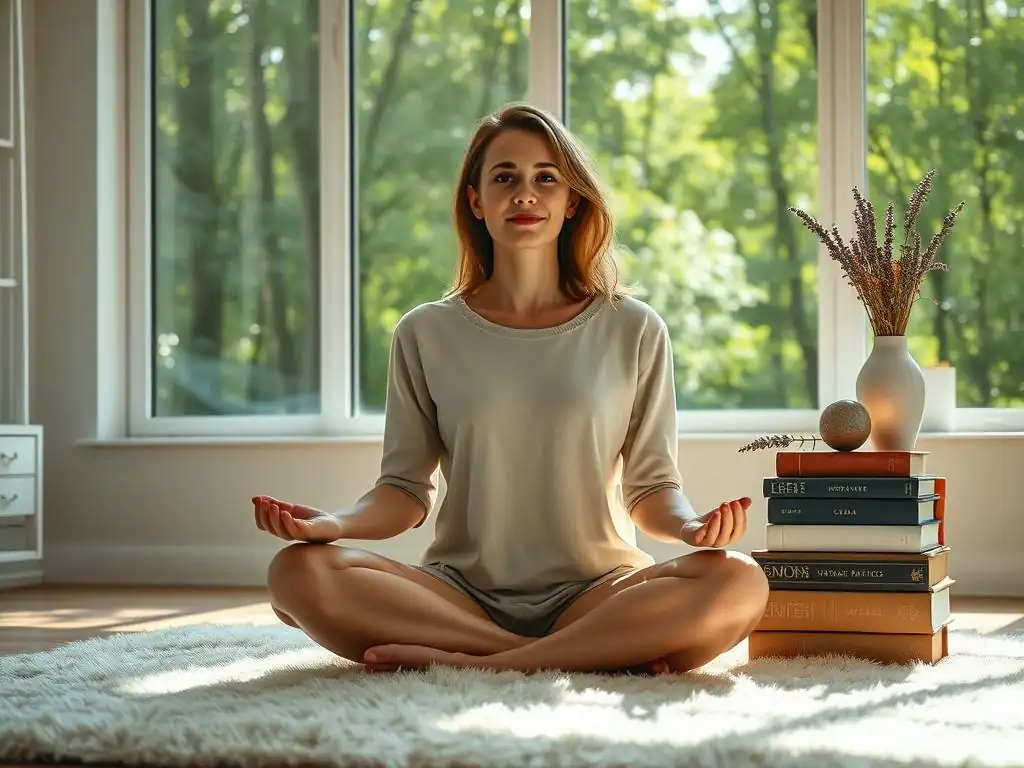
Welcome to Mind Care Guide, your compassionate companion on the journey to mental well-being. Feeling overwhelmed by anxiety? You're not alone. LongTerm Calm explores evidence-based natural anxiety relief, providing practical strategies grounded in science. Discover how you can reclaim your peace and build resilience, starting today. Intrigued? Let's dive in and unlock the secrets to lasting calm.
Long-Term Calm: Sustaining Anxiety Relief with Evidence-Based Natural Approaches
- Introduction: Finding Lasting Peace with Natural Anxiety Solutions
- The Science Behind Evidence-Based Natural Anxiety Relief
- Top Evidence-Based Natural Approaches for Long-Term Anxiety Management
- Creating a Personalized Natural Anxiety Relief Plan
- Maintaining Long-Term Calm: Tips for Sustaining Anxiety Relief
- Potential Challenges and Considerations with Natural Anxiety Treatments
- Conclusion: Embracing a Holistic Approach to Long-Term Anxiety Relief
-
Frequently Asked Questions
- How effective are evidence-based natural approaches for long-term anxiety relief compared to traditional medication?
- What are some examples of evidence-based natural anxiety relief methods discussed in the article?
- How can I determine which evidence-based natural anxiety relief methods are right for me?
- Are there any risks associated with using evidence-based natural approaches for anxiety relief?
- How long does it typically take to see results from implementing evidence-based natural anxiety relief strategies?
- Final Reflection: Cultivating a Lasting Oasis of Calm
- Unlock Your Inner Calm: Sustain Your Journey to Anxiety Relief
Introduction: Finding Lasting Peace with Natural Anxiety Solutions
Understanding the Need for Sustainable Anxiety Relief
Anxiety is a pervasive challenge for millions globally, often manifesting as persistent worry, physical tension, and avoidance behaviors. While conventional treatments like therapy and medication are effective, many individuals seek complementary or alternative methods to manage their symptoms, particularly focusing on long-term well-being rather than just acute relief.
The desire for sustainable strategies stems from various factors, including concerns about medication side effects, a preference for holistic health, or the need for ongoing support beyond clinical interventions. Finding lasting peace requires addressing the root causes and developing coping mechanisms that can be integrated into daily life, fostering resilience against future anxiety episodes.
Sustaining anxiety relief isn't merely about reducing symptoms in the moment; it's about building a foundation for enduring emotional stability. This involves understanding personal triggers, developing healthy habits, and consistently applying techniques that support mental and physical health. For many, the goal is to achieve a state where anxiety is manageable, less intrusive, and doesn't dictate their life choices.
This pursuit naturally leads people to explore evidencebased natural anxiety relief methods – approaches supported by scientific research that offer a path towards a calmer, more balanced existence without relying solely on pharmacological interventions. The focus shifts from temporary fixes to cultivating a lifestyle that inherently promotes long-term calm and well-being.
A Holistic Approach to Natural Mental Wellness
Adopting a holistic approach to natural mental wellness acknowledges that mental health is intricately connected to physical health, lifestyle, environment, and social factors. It moves beyond treating isolated symptoms and instead considers the individual as a whole, seeking balance and harmony across all aspects of life. This perspective is fundamental when exploring evidencebased natural anxiety relief, as these methods often encompass diet, exercise, sleep, stress management techniques, and the use of certain natural supplements or herbs, all working synergistically to support the nervous system and improve resilience.
This comprehensive view recognizes that no single natural remedy is a magic bullet. True long-term relief often comes from combining multiple strategies that address different facets of anxiety. For instance, poor sleep can exacerbate anxiety, while regular exercise can alleviate it.
Nutritional deficiencies can impact mood, just as social isolation can increase stress. By looking at the interconnectedness of these elements, a holistic approach to natural mental wellness allows individuals to build a robust, personalized plan for sustaining anxiety relief that is both effective and empowering. It encourages active participation in one's own healing journey, fostering a sense of control and agency over mental health.
The Science Behind Evidence-Based Natural Anxiety Relief
Exploring the Neurobiology of Anxiety and Natural Interventions
Anxiety is deeply rooted in the brain's complex neurobiology, involving structures like the amygdala (the fear center), the prefrontal cortex (involved in decision-making and executive functions), and the hippocampus (memory formation). Neurotransmitters such as gamma-aminobutyric acid (GABA), serotonin, and norepinephrine play crucial roles in regulating mood and stress responses.
In states of anxiety, there's often an imbalance or dysregulation in these systems; for example, lower levels of GABA, an inhibitory neurotransmitter, can lead to increased neural excitability and heightened anxiety. Stress hormones like cortisol, released by the hypothalamic-pituitary-adrenal (HPA) axis, also contribute significantly to chronic anxiety, keeping the body in a persistent state of alert.
Evidencebased natural anxiety relief strategies often work by influencing these very neurobiological pathways. For example, regular aerobic exercise has been shown to increase levels of endorphins (natural mood boosters) and potentially GABA, while also helping to regulate the HPA axis and reduce cortisol. Mindfulness meditation, a core evidence-based practice, can alter brain structure over time, potentially shrinking the amygdala and increasing gray matter in the prefrontal cortex, improving emotional regulation.
Certain natural compounds found in herbs like L-theanine (from green tea) are known to increase alpha brain waves, associated with relaxation, and may boost GABA and serotonin levels. Understanding these mechanisms provides a scientific basis for why these natural interventions can be effective in modulating the brain's anxiety response and contributing to sustained relief.
Defining "Evidence-Based" in the Context of Natural Remedies
In the realm of health and wellness, "evidence-based" refers to practices and interventions that are supported by credible scientific research. For natural remedies, this means that their effectiveness and safety have been investigated through studies, including laboratory experiments, clinical trials (ranging from small pilot studies to large randomized controlled trials), and systematic reviews of existing literature.
Evidence-based natural anxiety relief is not based on anecdotal claims or traditional use alone, but rather on findings published in peer-reviewed scientific journals that meet certain methodological standards. The strength of the evidence can vary; a single study provides less certainty than multiple studies showing consistent results, or a comprehensive meta-analysis summarizing the findings of many trials.
For consumers, identifying evidence-based natural anxiety relief involves looking for remedies or practices that have undergone rigorous testing. This includes supplements tested in clinical trials against placebos, therapeutic techniques evaluated for their efficacy in reducing anxiety symptoms (often using standardized scales like GAD-7 or HARS), and lifestyle interventions (like exercise or dietary changes) whose impact on mental health has been studied using scientific methods.
While research on natural remedies can sometimes be less extensive or funded than pharmaceutical research, there is a growing body of evidence supporting the use of specific natural approaches for anxiety. Relying on this evidence helps individuals make informed decisions and choose methods that are more likely to be effective and safe for long-term use.
Top Evidence-Based Natural Approaches for Long-Term Anxiety Management
Mindfulness Meditation for Anxiety: A Proven Technique
Mindfulness meditation is a practice that involves paying attention to the present moment without judgment. Extensive research supports its efficacy as an evidence-based natural anxiety relief strategy. Studies have shown that regular mindfulness practice can significantly reduce symptoms of generalized anxiety disorder (GAD), social anxiety, and panic disorder. For example, a meta-analysis of multiple studies involving over 1300 participants found that mindfulness-based interventions led to moderate reductions in anxiety symptoms. The practice helps individuals become more aware of their anxious thoughts and feelings without getting swept away by them, fostering a sense of distance and non-reactivity.
The benefits of mindfulness meditation for anxiety are thought to be related to its impact on the brain and nervous system. As mentioned earlier, it can influence the amygdala and prefrontal cortex, improving emotional regulation. Furthermore, it can help calm the sympathetic nervous system (responsible for the "fight or flight" response) and activate the parasympathetic nervous system (responsible for "rest and digest"). Even short, consistent periods of practice, such as 10-20 minutes daily, have been shown in various studies to yield measurable improvements in anxiety levels over time, making it a cornerstone for sustained anxiety relief.
Deep Breathing Exercises for Immediate Calm
Deep breathing exercises are a fundamental component of many mindfulness and relaxation practices, offering immediate evidence-based natural anxiety relief. Techniques like diaphragmatic breathing (breathing deeply into the belly) stimulate the vagus nerve, which helps to slow down the heart rate and lower blood pressure. This signals to the brain that the body is safe and can relax, counteracting the physiological symptoms of anxiety such as rapid heartbeat and shallow breathing.
Practicing deep breathing for even a few minutes during moments of heightened anxiety can interrupt the stress response cycle. Research indicates that incorporating regular deep breathing into one's routine can improve overall stress resilience and reduce baseline anxiety levels over time. It's a simple yet powerful tool, accessible anytime and anywhere, making it an essential skill for anyone seeking both immediate and long-term calm.
Body Scan Meditation for Anxiety Awareness
Body scan meditation is another effective mindfulness technique involving systematically bringing attention to different parts of the body, noticing sensations without trying to change them. This practice helps individuals cultivate a greater awareness of physical tension, often a manifestation of anxiety, and learn to release it. By gently observing physical sensations, individuals can become less reactive to them and develop a more grounded presence.
Regular body scan practice, often lasting from 10 to 45 minutes, has been shown in studies to reduce chronic pain and improve emotional regulation, both of which are often intertwined with anxiety. It enhances the mind-body connection, helping people recognize how anxiety manifests physically and providing a pathway to consciously relax muscle tension and calm the nervous system, contributing to sustained anxiety relief.
Herbal Remedies for Anxiety: What the Research Says
Herbal remedies have been used for centuries to address various ailments, including anxiety. While the quality of research varies, several herbs have garnered attention for their potential as evidence-based natural anxiety relief options, supported by a growing body of scientific studies. It is crucial to approach herbal supplements with caution, consult a healthcare professional before use, and be aware that "natural" does not automatically mean "safe" for everyone, especially due to potential interactions or side effects.
Research into herbal remedies often focuses on their active compounds and how they interact with the body's neurochemical pathways involved in anxiety. While findings are sometimes preliminary or require larger-scale studies for confirmation, the evidence base for certain herbs provides a promising avenue for individuals seeking natural support for their anxiety management plan.
Ashwagandha: Evidence for Anxiety Reduction
Ashwagandha (Withania somnifera) is an adaptogenic herb used in Ayurvedic medicine, known for its potential to help the body manage stress. Several clinical studies support its use as an evidence-based natural anxiety relief agent. Research indicates that Ashwagandha may help regulate cortisol levels, the primary stress hormone. For instance, a study published in the Indian Journal of Psychological Medicine found that participants taking Ashwagandha root extract reported significantly reduced scores on stress and anxiety scales (like the Hamilton Anxiety Rating Scale, HARS) compared to a placebo group over a 60-day period.
Other studies have also shown Ashwagandha's potential to improve resistance to stress and improve self-assessed quality of life in individuals with chronic stress or anxiety. While more large-scale trials are needed to fully understand optimal dosages and long-term effects, the existing evidence suggests Ashwagandha can be a valuable component of an evidence-based natural anxiety relief strategy, particularly for stress-related anxiety.
L-Theanine: Promoting Relaxation without Drowsiness
L-Theanine is an amino acid primarily found in tea leaves, particularly green tea. Research suggests it can promote relaxation and reduce stress without causing drowsiness, making it a popular evidence-based natural anxiety relief supplement. Studies indicate that L-Theanine increases alpha brain waves, which are associated with a state of relaxed alertness. It may also influence levels of neurotransmitters like GABA, serotonin, and dopamine, contributing to mood regulation.
A review of studies on L-Theanine found that doses typically ranging from 50-200 mg were effective in reducing stress and anxiety in human participants, often within 30-45 minutes of consumption. Unlike some other calming agents, L-Theanine does not typically cause sedation, allowing individuals to maintain focus and cognitive function. Its potential to promote relaxation while supporting cognitive function makes it a compelling option for those seeking natural, evidence-based approaches to managing anxiety.
Chamomile: Calming Effects for Anxiety Relief
Chamomile (Matricaria recutita) is a well-known herbal remedy often consumed as a tea for its calming properties. While traditionally used for relaxation, some research supports its potential as an evidence-based natural anxiety relief aid, particularly for mild-to-moderate anxiety. Chamomile contains compounds, notably apigenin, that may bind to GABA receptors in the brain, producing a mild sedative and anxiolytic effect similar to some prescription anxiety medications, though much less potent.
A study published in the Journal of Clinical Psychopharmacology found that participants with generalized anxiety disorder (GAD) who took pharmaceutical-grade chamomile extract experienced a statistically significant reduction in anxiety symptoms compared to those taking a placebo over an 8-week period. While the effects may be modest compared to prescription drugs, the evidence suggests that regular use of chamomile, perhaps as a tea or extract, can contribute to a natural, evidence-based approach to managing anxiety symptoms for some individuals.
Dietary Strategies for Anxiety Relief: Nourishing Your Nervous System
The food we eat profoundly impacts our mental health, a connection increasingly supported by research as part of evidence-based natural anxiety relief. Nourishing your nervous system through strategic dietary choices can play a significant role in managing anxiety long-term. A diet rich in nutrient-dense whole foods provides the building blocks for neurotransmitter synthesis, supports brain function, and helps regulate stress responses. Conversely, a diet high in processed foods, sugar, and unhealthy fats can contribute to inflammation and blood sugar instability, potentially exacerbating anxiety symptoms.
Implementing specific dietary strategies involves not only choosing beneficial foods but also limiting those that can trigger or worsen anxiety. This approach considers the complex relationship between the gut and the brain, highlighting how digestive health is linked to mental well-being. Focusing on a balanced diet is a fundamental, evidence-based natural anxiety relief method that supports overall physical and mental resilience.
The Gut-Brain Connection and Anxiety
Emerging research highlights the critical role of the gut-brain connection in mental health, including anxiety. The gut and the brain communicate bidirectionally through the vagus nerve, the endocrine system (hormones), and the immune system. The gut microbiome – the trillions of bacteria living in the digestive tract – significantly influences this communication. An imbalanced gut microbiome (dysbiosis) has been linked to increased anxiety and depression in various studies.
Beneficial gut bacteria produce neurotransmitters like serotonin and GABA, and influence the production of short-chain fatty acids (SCFAs) which have anti-inflammatory effects and support brain health. Incorporating probiotic-rich foods (like yogurt with live cultures, kefir, sauerkraut) and prebiotic-rich foods (like onions, garlic, bananas, oats) that feed beneficial bacteria can help cultivate a healthier gut microbiome, potentially reducing anxiety as part of an evidence-based natural anxiety relief strategy.
Foods to Reduce Anxiety: Anti-Inflammatory Options
Anxiety is often associated with increased inflammation in the body and brain. Adopting an anti-inflammatory diet can be an effective, evidence-based natural anxiety relief strategy. Key components of an anti-inflammatory diet include foods rich in omega-3 fatty acids (found in fatty fish like salmon, walnuts, chia seeds), which are crucial for brain health and reducing inflammation. Fruits and vegetables, particularly colorful ones, are packed with antioxidants and vitamins that protect brain cells from damage and support neurotransmitter function.
Complex carbohydrates (like whole grains, legumes, vegetables) help stabilize blood sugar levels, preventing the crashes that can trigger anxiety. Lean proteins provide amino acids needed for neurotransmitter synthesis. Incorporating foods like turmeric (curcumin), ginger, and green leafy vegetables has also been linked to reduced inflammation and improved mood. Prioritizing these nutrient-dense, anti-inflammatory foods provides essential support for a resilient nervous system and can contribute significantly to sustained anxiety relief.
Limiting Anxiety-Triggering Foods: Caffeine and Processed Sugars
Just as some foods can help reduce anxiety, others can exacerbate it. Limiting or avoiding common anxiety triggers like caffeine and processed sugars is a crucial component of a dietary approach to evidence-based natural anxiety relief. Caffeine is a stimulant that increases heart rate and can mimic the physical symptoms of anxiety, such as palpitations and nervousness. While some people tolerate it well, others find it significantly worsens their anxiety, particularly at higher doses.
Processed sugars cause rapid spikes and crashes in blood sugar, leading to mood swings, irritability, and anxiety. A diet high in processed foods, which often contain added sugars, unhealthy fats, and artificial additives, can also contribute to systemic inflammation and negatively impact the gut microbiome, further fueling anxiety. Reducing consumption of these substances can help stabilize mood and energy levels, reducing the frequency and intensity of anxiety symptoms and supporting long-term calm.
Exercise and Physical Activity: A Natural Anxiety Reducer
Regular physical activity is widely recognized as a powerful and evidence-based natural anxiety relief intervention. Engaging in exercise has profound positive effects on both mental and physical health, serving as a potent tool for managing stress and reducing anxiety symptoms. It provides a constructive outlet for nervous energy, helps regulate sleep patterns, and improves overall resilience to stress. The benefits extend beyond immediate symptom reduction, contributing significantly to long-term anxiety management.
Incorporating consistent exercise into one's routine is often recommended by healthcare professionals as a primary evidence-based natural anxiety relief strategy. The type and intensity of exercise can be tailored to individual preferences and fitness levels, making it an accessible option for many.
The Role of Endorphins in Anxiety Management
One of the key mechanisms by which exercise helps manage anxiety is through the release of endorphins. Endorphins are natural mood-boosting chemicals produced by the brain and nervous system. They act as natural painkillers and can induce feelings of euphoria and well-being, often referred to as a "runner's high." This physiological response helps to counteract the negative feelings associated with anxiety and stress.
Beyond endorphins, exercise also influences other neurotransmitters involved in mood regulation, such as serotonin, dopamine, and norepinephrine. Regular physical activity can help balance these chemicals, contributing to improved mood and reduced anxiety over time. This neurochemical impact is a significant reason why exercise is considered an effective, evidence-based natural anxiety relief method.
Types of Exercise Best Suited for Anxiety
While most forms of physical activity can benefit anxiety, some types of exercise are particularly well-suited for promoting calm and reducing stress. Aerobic exercises like running, swimming, brisk walking, or cycling are excellent for releasing endorphins and reducing tension. Aiming for at least 30 minutes of moderate-intensity aerobic exercise most days of the week is a common recommendation based on research findings.
Mind-body practices such as yoga, Tai Chi, and Qigong combine physical movement with mindfulness and breathing techniques. These practices can be particularly effective for anxiety as they specifically target the mind-body connection, promote relaxation, and improve body awareness. Strength training also offers benefits, building confidence and reducing muscle tension. Finding an activity that is enjoyable and sustainable is key to making exercise a consistent part of an evidence-based natural anxiety relief plan.
Lifestyle Modifications for Sustained Anxiety Reduction
Beyond specific techniques and remedies, broader lifestyle modifications are essential for achieving and maintaining long-term anxiety relief. These changes address daily habits and environmental factors that significantly impact mental well-being. Integrating healthy lifestyle practices creates a supportive foundation that enhances the effectiveness of other evidence-based natural anxiety relief strategies and builds overall resilience against stress and anxiety flare-ups.
Focusing on key areas like sleep, social connection, and stress management techniques that extend beyond formal meditation can profoundly influence anxiety levels over time. These modifications require consistent effort but offer cumulative benefits for sustained calm.
Sleep Hygiene: Prioritizing Rest for Mental Health
Sleep is fundamental to both physical and mental health, and poor sleep is strongly linked to increased anxiety. Prioritizing sleep hygiene – practices that promote quality rest – is a critical, evidence-based natural anxiety relief strategy. During sleep, the brain processes emotions and consolidates memories, helping to regulate mood and stress responses. Chronic sleep deprivation disrupts these processes, making individuals more vulnerable to anxiety.
Establishing a regular sleep schedule, creating a relaxing bedtime routine, ensuring the bedroom is dark, quiet, and cool, and avoiding screens, caffeine, and alcohol before bed are all components of good sleep hygiene. Aiming for 7-9 hours of quality sleep per night can significantly improve mood, reduce irritability, and lower overall anxiety levels, providing a stable base for sustained anxiety relief.
Social Connection: Building a Supportive Network
Humans are social beings, and strong social connections are a powerful buffer against stress and anxiety. Building and nurturing a supportive network of friends, family, or community members is an important, evidence-based natural anxiety relief strategy. Social support provides emotional comfort, a sense of belonging, and practical assistance during difficult times. Isolation, conversely, can exacerbate feelings of anxiety and vulnerability.
Engaging in social activities, spending time with loved ones, joining groups or clubs with shared interests, or even volunteering can significantly improve mood and reduce feelings of anxiety. Sharing worries with a trusted friend or family member can provide perspective and reduce the burden of anxiety. Prioritizing social connection is not just about having fun; it's a vital component of mental resilience and sustained anxiety relief.
Creating a Personalized Natural Anxiety Relief Plan
Assessing Your Individual Anxiety Triggers and Needs
Creating an effective, personalized evidence-based natural anxiety relief plan begins with a thorough assessment of your individual anxiety triggers and needs. What specific situations, thoughts, or feelings tend to initiate or worsen your anxiety? Are there particular times of day or week when anxiety is more prevalent? Understanding your unique patterns is crucial because anxiety is a highly personal experience. This assessment might involve keeping a journal to track symptoms, triggers, and the effectiveness of different coping mechanisms.
Consider also your lifestyle, preferences, and available resources. Are you someone who enjoys physical activity? Do you find quiet reflection helpful? What are your dietary habits? Do you have time for daily practices? Your personalized plan should be realistic and tailored to fit your life, making it more likely that you will adhere to it long-term. Identifying specific needs, such as improving sleep, managing work stress, or enhancing social connections, helps focus the selection of evidence-based natural anxiety relief strategies that will be most impactful for you.
Combining Multiple Natural Approaches for Synergistic Effects
As discussed, a holistic approach combining multiple evidence-based natural anxiety relief strategies is often more effective than relying on a single method. Different approaches can work synergistically, addressing various aspects of anxiety simultaneously. For example, combining regular aerobic exercise with daily mindfulness meditation can provide both immediate stress reduction and long-term changes in brain function.
Adding dietary changes, such as increasing omega-3 intake and reducing sugar, can support overall brain health and reduce inflammation, complementing the effects of exercise and meditation. Incorporating an evidence-based herbal supplement like Ashwagandha might further help manage the physiological stress response. A personalized plan should thoughtfully combine 2-4 core strategies that resonate with your needs and preferences, creating a layered approach to support sustained anxiety relief. It's about building a comprehensive toolkit rather than searching for a single cure.
[ ] Identify core anxiety triggers.
[ ] Choose 2-4 primary evidence-based natural anxiety relief strategies.
[ ] Plan how to integrate chosen strategies into daily/weekly routine.
[ ] Set realistic goals for consistency.
[ ] Schedule time for practice/implementation.
Working with Healthcare Professionals: Integrative Care for Anxiety
While pursuing evidence-based natural anxiety relief is empowering, it is crucial to do so in collaboration with qualified healthcare professionals. An integrative approach that combines conventional medical care (if needed) with natural therapies offers the most comprehensive support for anxiety management. A doctor or therapist can help accurately diagnose your condition, rule out underlying medical issues contributing to anxiety, and advise on appropriate treatment options.
Discussing your interest in natural remedies with your doctor is essential. They can provide guidance on the safety and potential effectiveness of specific supplements or practices, particularly if you are taking prescription medications or have existing health conditions. Mental health professionals can also teach evidence-based techniques like Cognitive Behavioral Therapy (CBT) or Exposure Therapy, which can be highly effective alongside natural approaches. Working with professionals ensures your natural anxiety relief plan is safe, appropriate, and part of a well-rounded strategy for long-term well-being.
Maintaining Long-Term Calm: Tips for Sustaining Anxiety Relief
Consistency is Key: Making Natural Remedies a Habit
Sustaining anxiety relief with evidence-based natural approaches requires consistency. These methods are not typically quick fixes but rather practices and habits that yield cumulative benefits over time. Just as neglecting healthy habits can lead to a decline in physical health, inconsistency in applying natural anxiety relief strategies can lead to a resurgence of symptoms. Making these practices a regular part of your daily or weekly routine is paramount.
Think of it like building muscle or learning a new skill; consistent effort, even in small increments, is more effective than sporadic bursts of intense activity. Whether it's daily meditation, regular exercise sessions, consistent sleep patterns, or daily supplement intake, establishing routines helps solidify these practices into habits. This consistency reinforces the positive neurobiological changes and behavioral patterns that support long-term calm and resilience against anxiety.
Monitoring Your Progress and Adjusting Your Plan
Maintaining long-term anxiety relief involves actively monitoring your progress and being willing to adjust your personalized plan as needed. Anxiety levels can fluctuate depending on life circumstances, stress levels, and hormonal changes. What works well at one point might need modification later. Regularly check in with yourself: Are your symptoms improving? Are you adhering to your plan? Are there new triggers or challenges arising?
Keeping a journal can be helpful for tracking symptoms, triggers, and the perceived effectiveness of your chosen evidence-based natural anxiety relief strategies. Based on your observations, you might need to increase the frequency of a practice, try a different type of exercise, adjust your diet further, or explore a new natural remedy. Don't be afraid to experiment and refine your approach. This iterative process of monitoring and adjusting ensures your plan remains relevant and effective for sustaining anxiety relief over the long haul.
Managing Setbacks: Strategies for Coping with Anxiety Flare-Ups
Despite implementing a comprehensive evidence-based natural anxiety relief plan, occasional setbacks or anxiety flare-ups are a normal part of the journey. It's important to view these moments not as failures, but as temporary challenges. Having strategies in place to cope with flare-ups can prevent them from derailing your progress towards long-term calm.
Develop a personal "anxiety toolkit" of immediate coping strategies. This might include deep breathing exercises, a short mindfulness practice, stepping away from the triggering situation, listening to calming music, or reaching out to a supportive friend. Remind yourself that the feeling is temporary and that you have the tools to navigate it. After a flare-up, reflect on what might have triggered it and consider if any adjustments are needed in your ongoing natural anxiety relief plan or if it's time to seek additional professional support.
Potential Challenges and Considerations with Natural Anxiety Treatments
Understanding Possible Side Effects and Interactions
While often perceived as universally safe, evidence-based natural anxiety relief methods, particularly herbal supplements, can have potential side effects and interactions. For instance, some herbs like Valerian root can cause drowsiness, while others might affect digestion. More importantly, certain natural supplements can interact with prescription medications, including antidepressants, anti-anxiety drugs, blood thinners, or medications for blood pressure or diabetes.
It is absolutely critical to research potential side effects of any supplement you consider and, most importantly, discuss all natural remedies you are using or planning to use with your healthcare provider or a qualified pharmacist. They can check for potential interactions with your current medications and advise on appropriate dosages and duration of use. Approaching natural treatments with the same caution as conventional medications is essential for safety.
The Importance of Realistic Expectations
When exploring evidence-based natural anxiety relief, it's vital to maintain realistic expectations. While these approaches can be highly effective for many individuals, they are not instantaneous cures and may not completely eliminate all anxiety. Just like lifestyle changes for physical health (e.g., diet and exercise for weight loss or managing blood pressure), natural anxiety relief takes time, consistency, and patience.
Expecting natural remedies to work instantly or provide complete freedom from anxiety can lead to frustration and disappointment. Instead, focus on gradual improvements: a slight reduction in the frequency or intensity of panic attacks, feeling less overwhelmed by daily worries, sleeping more soundly, or having more moments of calm throughout the day. Recognizing small victories and understanding that progress is often non-linear helps maintain motivation and a positive outlook on the journey towards sustained anxiety relief.
When Natural Remedies May Not Be Enough: Seeking Professional Help
Evidence-based natural anxiety relief can be a powerful component of managing anxiety, but it's important to recognize its limitations. For individuals experiencing severe anxiety, panic attacks that significantly impair daily functioning, or anxiety accompanied by suicidal thoughts, natural remedies alone are likely insufficient. In such cases, prompt professional help from a doctor or mental health specialist is not just recommended, but essential.
Natural approaches work best as complementary strategies or for managing mild to moderate anxiety. If your anxiety is severe, persistent, or worsening despite consistent efforts with natural methods, it is a clear sign that you need to seek professional evaluation and potentially consider conventional treatments like therapy (such as CBT or exposure therapy) or medication. A healthcare provider can help determine the most appropriate course of action, ensuring you receive the level of care needed for your specific situation. Combining professional support with natural strategies often yields the best outcomes for long-term anxiety relief.
Conclusion: Embracing a Holistic Approach to Long-Term Anxiety Relief
Empowering Yourself with Evidence-Based Natural Strategies
Taking an active role in your mental well-being by exploring and implementing evidence-based natural anxiety relief strategies is an empowering process. It shifts the focus from feeling like a passive recipient of treatment to becoming an informed participant in your own healing journey. By understanding the science behind natural methods, assessing your individual needs, and choosing approaches supported by research, you gain valuable tools to manage anxiety effectively and build resilience.
Embracing these natural strategies – from mindfulness and exercise to dietary changes and targeted supplements – allows you to cultivate a lifestyle that inherently supports calm and reduces vulnerability to anxiety. It's about making conscious choices daily that nourish your mind and body, creating a strong foundation for enduring peace.
The Journey to Lasting Calm
The journey to lasting calm is not always linear, but it is achievable. By committing to a personalized plan of evidence-based natural anxiety relief, being consistent in your practices, monitoring your progress, and seeking professional support when needed, you significantly increase your chances of sustaining relief. Natural approaches offer a powerful complement or alternative for many individuals seeking to manage anxiety without relying solely on conventional treatments.
Remember that finding long-term calm is a continuous process of learning, adapting, and caring for yourself holistically. With patience, persistence, and the right combination of evidence-based natural strategies, you can move towards a life where anxiety is manageable, allowing you to experience greater peace, well-being, and control.
Frequently Asked Questions
How effective are evidence-based natural approaches for long-term anxiety relief compared to traditional medication?
While medication can offer quick relief, evidence-based natural approaches focus on addressing the root causes of anxiety, potentially leading to more sustainable, long-term calm. However, effectiveness varies per individual.
What are some examples of evidence-based natural anxiety relief methods discussed in the article?
The article explores techniques like mindfulness meditation, regular exercise, and dietary changes shown to reduce anxiety symptoms. It also discusses the potential benefits of specific herbal remedies with supporting research.
How can I determine which evidence-based natural anxiety relief methods are right for me?
It's crucial to consult with a healthcare professional to assess your individual needs and develop a personalized treatment plan. They can help you safely integrate natural approaches with other therapies.
Are there any risks associated with using evidence-based natural approaches for anxiety relief?
While generally safe, some herbal supplements can interact with medications. Always discuss any natural remedies with your doctor to avoid potential adverse effects or interactions.
How long does it typically take to see results from implementing evidence-based natural anxiety relief strategies?
Unlike medication which often provides immediate relief, natural approaches often require consistent effort and lifestyle changes to see noticeable improvements. Results can vary, but generally expect to see changes within several weeks to months.
Final Reflection: Cultivating a Lasting Oasis of Calm
The relentless pace of modern life, coupled with pervasive societal stressors, has created an unprecedented demand for effective, sustainable anxiety relief. Finding genuine calm amidst the chaos isn't a luxury; it's a necessity for thriving in the 21st century. This article explored evidence-based natural approaches, highlighting their power to not just alleviate symptoms, but to cultivate a resilient inner landscape capable of weathering future storms.
The journey towards lasting calm is deeply personal, a continuous process of self-discovery and mindful adaptation. It's about understanding the unique interplay between our minds, bodies, and environments, and learning to harness the inherent healing power within. This understanding, I believe, is crucial for building a healthier, more compassionate society. The greatest weapon against stress is our ability to choose one thought over another.
– William James. This quote underscores the active role we play in shaping our emotional well-being, a role empowered by the natural methods discussed throughout this article.
Now, I invite you to reflect on your own relationship with anxiety. What resonates most deeply from the strategies presented? Which practices feel most accessible and empowering for you? Commit to incorporating even one new technique into your daily routine – a mindful walk, a calming herbal tea, a few minutes of deep breathing. Small, consistent steps can lead to profound, lasting change. Embrace the journey towards a calmer, more fulfilling life, one mindful moment at a time.
Unlock Your Inner Calm: Sustain Your Journey to Anxiety Relief
Thanks for taking the time to explore evidence-based natural approaches to managing anxiety! We hope you found practical strategies to incorporate into your life. Now, let's keep that positive momentum going.
- Prioritize one new relaxation technique: Choose one calming method from the article (deep breathing, mindfulness, etc.) and commit to practicing it daily for a week. Notice how it shifts your perspective.
- Share your experience: Tell a friend or family member about a technique that resonated with you. Sharing your journey can strengthen your resolve and help others, too.
- Explore our community: Consider joining a local support group or online forum focused on anxiety management. Connecting with others can provide valuable support and shared experiences.
Ready to embrace lasting calm? What small step will you take today to further integrate these techniques into your daily routine?