Notes on Wellness: Mental Health Insights for Musicians
🎶 Discover how music therapy for anxiety relief can empower musicians to manage stress and enhance mental well-being, offering essential insights and…
Read article
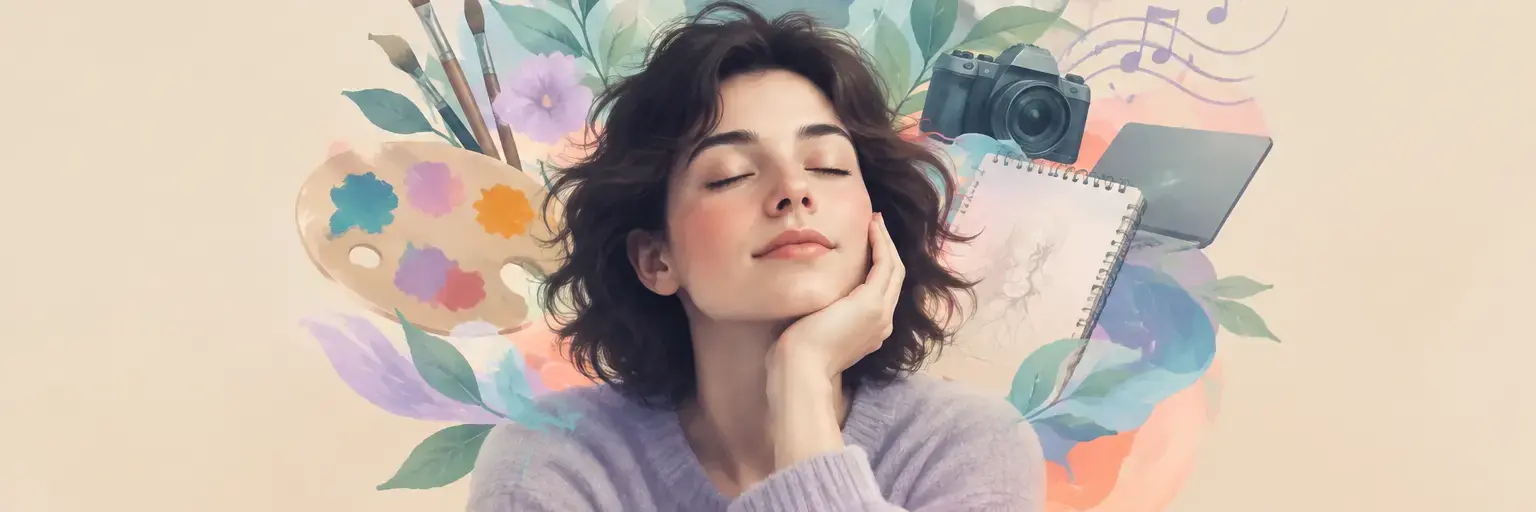
Creativity and mental health are deeply intertwined, and for artistic minds, this connection can be both a source of brilliance and a unique challenge. Whether you’re a painter, writer, musician, or performer, your imaginative energy often comes with heightened sensitivity, self-criticism, and emotional intensity. At Mind Care Guide, we understand that nurturing your mental well-being is just as vital as honing your craft. From managing creative blocks and imposter syndrome to balancing inspiration with burnout, this space is designed to help you thrive—not just survive—in your artistic journey. Explore practical coping strategies, mindfulness techniques, and supportive insights tailored to the creative psyche, so you can protect your passion and keep your mind as vibrant as your work. Your art matters, and so does your peace of mind.
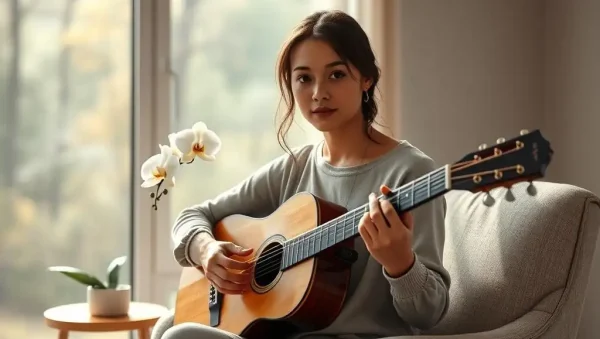
🎶 Discover how music therapy for anxiety relief can empower musicians to manage stress and enhance mental well-being, offering essential insights and…
Read article
🌟 Discover essential creative burnout prevention strategies to safeguard your mental well-being while you create. This guide offers practical insights and support…
Read article
🌟 Discover essential social media mental health tips to safeguard your well-being while engaging in the digital art world. Learn practical strategies…
Read article
🌟 Discover essential artist mental wellness strategies in this comprehensive guide, empowering creators to thrive emotionally and creatively. Prioritize your well-being with…
Read article
🎨 Discover how to navigate the silent challenges of artistic isolation and access vital mental health support tailored for creatives. This guide…
Read article
🌟 Discover how bipolar creativity can fuel artistic brilliance while managing mood swings. This guide offers insights and strategies to navigate the…
Read article
🌟 Discover essential Creative Mental Wellness Strategies Guide to foster resilience and sustain long-term creativity. This comprehensive resource offers practical mental strategies,…
Read article
🌟 Discover how to build resilience for creative careers, empowering you to navigate setbacks, boost mental strength, and thrive in demanding artistic…
Read article
🌟 Discover effective creative isolation support strategies to help artists break loneliness, foster meaningful connections, and enhance mental well-being. This guide provides…
Read article
🌟 Discover how to design your personalized Creative Selfcare Mental Wellness Plan, empowering creatives to nurture mental health through tailored strategies, practical…
Read article
🌟 Discover how creative depression coping strategies help artistic souls navigate their mental health challenges, emphasizing understanding, support, and innovative approaches to…
Read article
🌟 Discover how to transform your creative struggles into sustainable joy by embracing techniques for creative process burnout relief, empowering you to…
Read articleBeing a creative professional—whether you’re a painter, writer, musician, designer, or performer—is a profound gift, yet it comes with unique psychological challenges. The very sensitivity that fuels your art can also make you vulnerable to anxiety, burnout, imposter syndrome, and mood swings. On this page, we explore the specific mental health landscape of artistic minds, offering practical strategies, cognitive reframes, and supportive resources tailored to your world. Here, you’ll learn to protect your passion without losing your edge, and to build sustainable creative practices that honor both your mental well-being and your craft.
Creatives often process the world through a hyper-sensitive lens—seeing colors brighter, hearing nuances louder, and feeling emotions in high definition. This emotional richness is the engine of original work, but it can also tip into overwhelming anxiety or depressive episodes without proper boundaries. Research suggests that artists have higher rates of mood disorders and neurodivergence, not because creativity causes illness, but because the personality traits that foster innovation—openness, rumination, and deep introspection—also amplify distress.
To thrive, you must learn to see your sensitivity as a superpower, not a defect. Start by mapping your “emotional weather” patterns: when do you feel most inspired versus most depleted? Use mood journaling to identify triggers like deadlines, social comparison, or isolation. Then, create a self-soothing toolkit—breathing exercises, sensory breaks, or a “worry box” where you park intrusive thoughts. By reframing intensity as data rather than damage, you can transform emotional storms into creative fuel without getting swept away.
Many creatives secretly believe that suffering is necessary for authenticity—that depression, anxiety, or substance abuse make art “real.” This romanticized myth is dangerous and statistically unfounded. In fact, sustained mental health issues erode your ability to produce consistently, collaborate effectively, and enjoy your craft. The greatest artists in history often created their best work during periods of stability, not chaos. Overcoming this belief is the first step toward a healthier creative life.
Replace the “tortured artist” narrative with a “disciplined artist” one. Embrace routine, sleep hygiene, and professional support—therapy, coaching, or peer groups—as tools that sharpen your creativity, not dull it. Set boundaries around your "artistic time" and your “life time.” Remember, creativity is a muscle that grows with care, not with pain. When you prioritize your mental health, you’re not betraying your art; you’re protecting its longevity. Start by writing a personal manifesto that separates your worth as a person from your output as a creator.
Imposter syndrome—the nagging belief that you’re a fraud—affects nearly every creative at some point. It’s fueled by comparison on social media, rejection letters, and the invisible nature of artistic progress. Combined with creative block, it can spiral into procrastination, self-doubt, and even avoidance of your studio. The good news? Both are learned responses, not fixed traits. You can train your brain to counter negative self-talk and build momentum even when inspiration is low.
Use the “evidence-based” technique: list three concrete facts proving your competence, and three facts disputing your self-criticism. For creative block, adopt “micro-sessions”—working for just 10 minutes without judging the outcome, then gradually expanding. Also, reframe rejection as data for growth: every “no” is a step closer to a “yes.” Join a supportive critique group where peers normalize these struggles and celebrate small wins. Remember, finished imperfect work always beats perfect unfinished work. Your identity as a creator is not validated by external praise, but by your consistent practice and curiosity.
Artistic work often relies on “flow state”—those blissful hours when time dissolves and ideas flow freely. However, depending solely on flow leads to erratic schedules, neglect of basic needs, and burnout. A sustainable creative routine integrates structure with flexibility, ensuring that you create regularly while still eating well, sleeping, exercising, and connecting with loved ones. This balance prevents the all-or-nothing cycles that often destabilize mental health.
Design a weekly “creative cadence” that includes both high-energy ideation sessions and low-energy revision tasks. Schedule your most demanding work during your peak energy hours, and reserve rest periods as non-negotiable. Use timers to enforce breaks—every 90 minutes, step away for a 10-minute walk or stretch. Also, establish a dedicated workspace that signals “creation mode” and a shutdown ritual to signal the end of work. Above all, practice self-compassion when you miss a day; perfectionism is the enemy of progress. Your routine should serve your well-being, not the other way around.
Isolation is a silent killer for creatives. The solitary nature of many artistic practices can exacerbate depression, anxiety, and self-doubt. Yet, many artists fear judgment or lack access to likeminded peers. Finding a supportive community—whether online or in-person—provides validation, accountability, and fresh perspectives that normalize your struggles. It also reduces the pressure to be your own critic, freeing up mental energy for growth.
Join local art collectives, online forums, or mastermind groups where members share both wins and setbacks. Consider co-working sessions with other creatives to combat loneliness while maintaining focus. Participate in workshops or open mic nights as low-stakes ways to test new work. Most importantly, cultivate relationships outside your craft—friends who don't care about your "product" but value you as a person. These connections create a safety net that catches you during creative droughts. Remember, you don’t have to create in a vacuum; the best ideas often emerge from dialogue, not isolation.
Sometimes self-help strategies aren’t enough, and that’s okay. Seeking professional support is a sign of wisdom, not weakness. Therapists who specialize in creative populations understand the unique pressures you face—from deadline anxiety to identity fusion with your work. Evidence-based approaches like Cognitive Behavioral Therapy (CBT), Acceptance and Commitment Therapy (ACT), and art therapy itself can help you reframe unhelpful thoughts, build distress tolerance, and reconnect with the joy of creation.
When choosing a therapist, ask about their experience with artists and their approach to creative blocks. Some offer sliding-scale fees or online sessions for convenience. Additionally, consider coaching specifically for creatives to tackle productivity and business-related stress. Never underestimate the power of medication if prescribed—antidepressants or anti-anxiety meds can stabilize you without dulling your creativity. Keep a list of crisis resources (like the National Suicide Prevention Lifeline at 988) accessible. Your mental health is an investment in your art; professional support is a vital part of that portfolio.
Yes, but “normal” doesn’t mean you have to suffer. Artists often have higher emotional sensitivity and rumination, which can predispose them to anxiety. However, with coping skills, professional support, and healthy routines, you can manage those feelings effectively. It’s not about eliminating anxiety but learning to respond to it constructively.
Absolutely. The “tortured artist” is a cultural stereotype, not a prerequisite for brilliance. Many successful creatives maintain stable mental health through therapy, exercise, sleep, and structured schedules. In fact, mental well-being often fuels more consistent output and better collaboration. Prioritize your health, and your art will thrive.
Creative block is a natural ebb, not a personal failure. Reduce pressure by breaking the task into tiny, non-judgmental steps—just doodle or write one sentence. Change your environment, go for a walk, or consume other art for inspiration. Use a “shitty first draft” mindset to get words down, then refine later. Above all, be kind to yourself.
Only share what feels safe and useful. In peer support groups, opening up builds trust and mutual aid. With clients or employers, focus on “work needs” (e.g., structured deadlines, quiet workspace) rather than clinical labels. You are not obligated to disclose, but selective sharing can reduce stigma and foster understanding.
Start by speaking with your primary care doctor for a referral and to rule out physical causes. Then, search for therapists who specialize in creative populations using platforms like Psychology Today. Prepare a list of your symptoms, triggers, and goals for therapy. Many offer free initial consultations. If in crisis, call or text 988 immediately. You deserve support.