
Loss and Grief: When Life Events Become Suicidal Risk Factors


Welcome to Mind Care Guide, where we understand that navigating the complexities of mental well-being can be challenging.
We know that grief, especially after a profound loss, can feel overwhelming. In our latest article, "Loss and Grief: When Life Events Become Suicidal Risk Factors," we delve into the crucial connection between bereavement and suicidal risk after loss. Are you or someone you know struggling after a significant loss? Understanding the warning signs and knowing where to find support is vital. Explore this essential guide to learn more and discover resources to help you or a loved one through this difficult time. Let's navigate this together.
Loss and Grief: When Life Events Become Suicidal Risk Factors
- Understanding the Connection: Loss, Grief, and Suicidal Ideation
-
How Loss and Grief Can Elevate Suicidal Risk
- The Psychological Impact of Loss: Depression, Anxiety, and Hopelessness
- Social Isolation Following Loss: A Key Contributor to Suicidal Thoughts
- Financial Strain Following Loss: Exacerbating Grief and Increasing Vulnerability
- Loss of Identity and Purpose: The Struggle to Rebuild After a Major Life Event
-
Specific Life Events and Their Association with Increased Suicidal Risk
- The Death of a Loved One: Navigating Grief and Mourning
- Relationship Breakups and Divorce: The Emotional Toll and Potential for Crisis
- Job Loss and Financial Instability: The Stress of Economic Hardship
- Loss of Health and Mobility: Coping with Chronic Illness and Disability
- Experiencing Trauma and Loss Simultaneously: A Compound Effect
-
Identifying Suicidal Risk After Loss: Recognizing Warning Signs
- Changes in Behavior and Mood: Spotting the Red Flags
- Increased Substance Use: A Maladaptive Coping Mechanism
- Expressions of Hopelessness and Worthlessness: Recognizing Verbal Cues
- Social Withdrawal and Isolation: Observing Changes in Social Interactions
- Preoccupation with Death or Dying: Direct and Indirect References
-
Coping Strategies and Support Systems for Grief and Suicidal Ideation
- Seeking Professional Help: Therapy, Counseling, and Psychiatric Evaluation
- Building a Strong Support Network: Connecting with Family, Friends, and Support Groups
- Engaging in Self-Care Activities: Prioritizing Mental and Physical Well-being
- Developing Healthy Coping Mechanisms: Managing Stress and Emotions
- Local Resources for Grief Support and Suicide Prevention
-
Reducing Suicidal Risk After Loss: Prevention and Intervention Strategies
- Early Intervention: Addressing Grief and Loss Promptly
- Promoting Mental Health Awareness and Education: Reducing Stigma
- Creating Supportive Environments: Fostering Connection and Belonging
- Limiting Access to Lethal Means: Reducing Opportunities for Suicide
- National Suicide Prevention Lifeline Information
- Conclusion: Hope and Healing After Loss
-
Frequently Asked Questions
- What is the connection between loss/grief and suicidal risk?
- How does the "Mind Care Guide" website help people dealing with loss and grief who may be at risk of suicide?
- What specific types of loss are most associated with increased suicidal risk?
- What are some warning signs that someone grieving might be at immediate risk of suicide?
- What resources does "Mind Care Guide" offer to help reduce suicidal risk after experiencing loss?
- Final Reflection: Navigating the Darkest Waters After Loss
- Rediscover Your Strength: Steps Towards Healing After Loss
Understanding the Connection: Loss, Grief, and Suicidal Ideation
Exploring the Complex Relationship Between Bereavement and Suicide Risk
The experience of loss is a fundamental part of the human condition, bringing with it the natural process of grief. While grief is a normal and necessary response to loss, for some individuals, it can become complicated and contribute to increased vulnerability to mental health crises, including suicidal ideation. The profound emotional pain, disruption of routine, and sense of hopelessness that can accompany significant loss can overwhelm a person's coping mechanisms, making them feel isolated and without options. Understanding this intricate link is crucial for providing effective support and reducing suicidal risk after loss.
Research consistently indicates a heightened suicidal risk after loss, particularly following the death of a loved one. Studies have shown that the period immediately following a bereavement, often the first year, is associated with a significantly increased risk of suicide compared to the general population. For instance, some data suggests that widowhood, especially in older adults, can elevate this risk substantially. The intensity and duration of grief, coupled with pre-existing mental health conditions or lack of social support, are critical factors that can turn the pain of loss into a pathway toward suicidal thoughts.
Defining Loss: Beyond Death - Identifying Various Forms of Loss that Can Trigger Grief
While the death of a person is perhaps the most commonly recognized form of loss, the experience of grief is triggered by a much wider range of life events. Loss encompasses any significant change that removes something or someone of value from a person's life, leading to a sense of deprivation, change, or absence. Recognizing these varied forms of loss is essential for understanding the potential for increased suicidal risk after loss experiences that may not involve death.
These forms of loss can include, but are not limited to:
- Relationship endings (divorce, breakup)
- Job loss or career change
- Loss of health or physical ability due to illness or injury
- Loss of a home or community due to relocation or disaster
- Loss of financial stability
- Loss of identity or role (e.g., becoming an empty-nester, retirement)
- Loss of a pet
Each of these events can profoundly impact a person's sense of self, security, and future, initiating a grief process that, if unaddressed or complicated, can contribute to heightened emotional distress and potential suicidal vulnerability.
Understanding Grief: The Natural Response and Its Stages
Grief is the multifaceted response to loss, encompassing a wide range of emotional, cognitive, physical, and behavioral reactions. It is not a linear process with clearly defined end points, but rather a dynamic and highly personal journey. While models describing stages of grief exist, such as the Kübler-Ross model (denial, anger, bargaining, depression, acceptance), it's important to view these not as strict steps, but as common experiences that individuals may cycle through or experience simultaneously. Understanding this natural, albeit often painful, process is key to supporting those navigating loss and assessing potential suicidal risk after loss.
The experience of grief varies significantly from person to person, influenced by factors like the nature of the loss, the individual's relationship with what was lost, their personality, coping style, and support system. Common manifestations of grief include intense sadness, crying, difficulty sleeping or eating, loss of interest in activities, irritability, guilt, and preoccupation with the loss. While these symptoms are typical during grief, if they become severe, persistent, or lead to feelings of hopelessness and worthlessness, they can signal a need for professional intervention and indicate an elevated suicidal risk after loss.
How Loss and Grief Can Elevate Suicidal Risk
The Psychological Impact of Loss: Depression, Anxiety, and Hopelessness
Loss can trigger significant psychological distress, often manifesting as depression, anxiety, and a pervasive sense of hopelessness. These emotional states are not merely temporary feelings but can become debilitating conditions that erode a person's capacity to cope with daily life and envision a future. The weight of grief, combined with the psychological turmoil it can induce, creates a fertile ground for suicidal thoughts to take root.
For someone grappling with intense grief, the world can appear bleak and meaningless. The future may seem empty without the person or situation that was lost. This profound sense of despair, coupled with symptoms of clinical depression such as persistent low mood, loss of pleasure, and fatigue, significantly increases the suicidal risk after loss. Anxiety, manifesting as constant worry, restlessness, and panic, can further exacerbate this distress, making it difficult for individuals to find peace or comfort.
One of the most detrimental consequences of loss is the potential for social isolation, which is a significant risk factor for suicidal ideation. Grief can be an isolating experience; individuals may withdraw from social activities, feel misunderstood by others, or find it difficult to connect with friends and family who haven't experienced a similar loss. Furthermore, the loss itself might involve the primary source of social connection, such as the death of a spouse or the dissolution of a close-knit community after a move.
This withdrawal and lack of social connection can create a dangerous feedback loop. As isolation increases, feelings of loneliness, worthlessness, and being a burden on others can intensify, all of which are known contributors to suicidal risk after loss. Without a strong support network to lean on, process emotions, and receive validation, individuals are left to navigate their overwhelming grief alone, making it harder to see alternatives to their pain.
Financial Strain Following Loss: Exacerbating Grief and Increasing Vulnerability
While often overlooked in discussions about grief, the financial strain that can accompany certain types of loss is a significant stressor that can exacerbate emotional pain and increase vulnerability to suicidal thoughts. Loss of a job, a business failure, or the death of a primary income earner can plunge individuals and families into financial precarity, adding practical anxieties to the emotional burden of grief.
The stress of worrying about paying bills, maintaining a home, or providing for dependents adds immense pressure to an already fragile emotional state. This financial hardship can lead to feelings of shame, failure, and hopelessness, compounding the grief related to the original loss. The cumulative effect of emotional distress and financial stress can significantly heighten suicidal risk after loss events that have economic consequences.
Loss of Identity and Purpose: The Struggle to Rebuild After a Major Life Event
Major life losses often involve not just the absence of a person or situation but also the loss of roles, routines, and a fundamental sense of identity and purpose. Someone who loses a long-term job may lose their professional identity and the structure that work provided. A person who loses a spouse may lose their identity as a partner and the shared purpose they had built together. Illness can strip away roles related to physical activity or independence.
This loss of identity can be profoundly disorienting, leaving individuals feeling adrift and unsure of who they are or how to move forward. The struggle to redefine oneself and find new meaning can be overwhelming, particularly when combined with the pain of grief. When a person feels they have lost their core identity and purpose, it can contribute to feelings of worthlessness and a belief that there is no reason to continue living, increasing suicidal risk after loss of self.
Specific Life Events and Their Association with Increased Suicidal Risk
The death of a loved one is arguably the most profound type of loss and is strongly linked to increased suicidal risk. The sudden or anticipated death of a spouse, child, parent, or close friend can trigger intense, prolonged grief that is difficult to navigate. The pain of separation, the disruption to daily life, and the confrontation with mortality can be overwhelming.
Statistics highlight the elevated suicidal risk after loss by death. For example, studies on spousal bereavement have consistently shown a higher rate of suicide among widows and widowers, particularly in the first year following the death. This risk is often higher for men than women and can be influenced by factors such as the suddenness of the death, the quality of the relationship, and the availability of social support.
Understanding Complicated Grief and its Impact on Suicidal Risk
While typical grief is a process that gradually eases over time, complicated grief (also known as persistent complex bereavement disorder) is a severe, persistent form of grief that interferes with daily functioning. Unlike typical grief, which tends to lessen in intensity and allow for eventual adaptation, complicated grief involves intense yearning, sorrow, and preoccupation with the deceased that lasts for an extended period (typically more than 12 months after the loss) and causes significant distress or impairment.
Individuals experiencing complicated grief are at a significantly higher suicidal risk after loss than those experiencing typical grief. The persistent pain, inability to accept the reality of the loss, feelings of emptiness, and belief that the future holds no meaning without the deceased are powerful drivers of hopelessness and despair. Recognizing the signs of complicated grief is crucial for identifying individuals who may be at elevated risk and require specialized intervention.
Relationship Breakups and Divorce: The Emotional Toll and Potential for Crisis
The dissolution of a significant relationship, whether through a breakup or divorce, represents a major loss that can trigger intense grief and potentially elevate suicidal risk. Relationships provide emotional support, companionship, and often a shared vision for the future. Their ending can lead to feelings of rejection, failure, loneliness, and the loss of shared identity and social connections.
The emotional aftermath of a breakup or divorce can include symptoms similar to those following a death, such as depression, anxiety, difficulty sleeping, and loss of interest in activities. The stress of navigating legal issues, financial separation, and potential custody battles adds further pressure. While data on suicide specifically linked to breakups is harder to isolate than bereavement, the period following relationship dissolution is recognized as a time of heightened emotional vulnerability, contributing to suicidal risk after loss of a partnership.
Job Loss and Financial Instability: The Stress of Economic Hardship
Losing a job is more than just losing income; it often involves losing a sense of purpose, structure, social connection with colleagues, and financial security. The stress of unemployment and potential financial instability can be immense, impacting self-esteem and mental well-being. This is particularly true in cultures where work is closely tied to identity and worth.
Research has shown a correlation between unemployment rates and suicide rates. While the relationship is complex and influenced by many factors, the financial strain, uncertainty about the future, and feelings of failure associated with job loss can contribute significantly to psychological distress and increased suicidal risk after loss of employment. The longer the period of unemployment, the greater the potential impact on mental health.
Loss of Health and Mobility: Coping with Chronic Illness and Disability
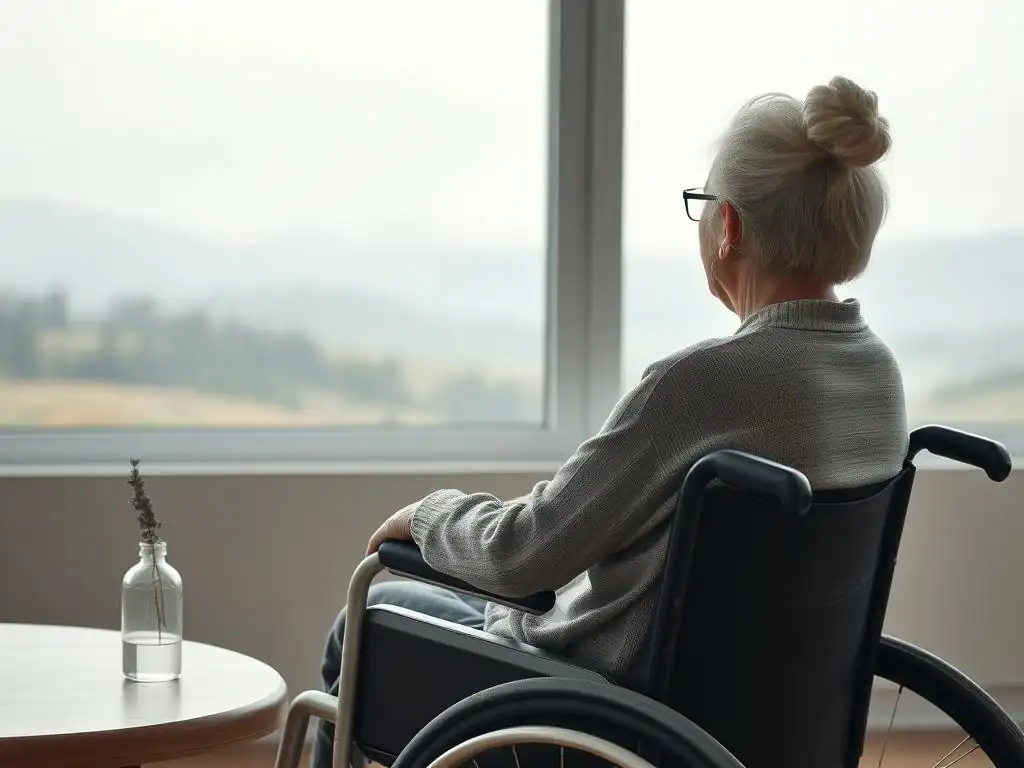
Experiencing the onset of a chronic illness or disability represents a significant loss of health, physical ability, independence, and potentially a previous way of life. This can trigger a grief process related to the loss of function, future plans, and self-image. Coping with chronic pain, limited mobility, and dependence on others can be incredibly challenging.
Individuals facing chronic illness or disability often experience increased rates of depression and anxiety. The feeling of being a burden, the loss of hobbies and activities they once enjoyed, and the uncertainty of their health trajectory can contribute to feelings of hopelessness. This type of loss, especially when combined with persistent physical discomfort and social isolation, is associated with an increased suicidal risk after loss of health or physical function.
Experiencing Trauma and Loss Simultaneously: A Compound Effect
When loss occurs in the context of trauma, such as surviving a natural disaster, an accident, or violence that results in the death or injury of others or significant destruction, the psychological impact is compounded. The trauma itself can lead to post-traumatic stress disorder (PTSD), characterized by intrusive memories, avoidance, negative changes in thinking and mood, and hyperarousal.
Experiencing grief while simultaneously processing trauma creates a complex emotional landscape. The symptoms of trauma can interfere with the natural grieving process, making it harder to accept the loss and find healthy coping mechanisms. The combination of intense fear, helplessness, and grief significantly elevates the risk of developing severe mental health issues, including a higher suicidal risk after loss that occurs in a traumatic context.
Identifying Suicidal Risk After Loss: Recognizing Warning Signs
Recognizing the warning signs of suicidal ideation is critical, especially in individuals who have recently experienced a significant loss. These signs can vary and may not always be obvious, but paying attention to changes in behavior, mood, and communication is vital. If you observe these signs in yourself or someone you know, it is important to take them seriously and seek help immediately.
Changes in Behavior and Mood: Spotting the Red Flags
Significant shifts in a person's usual behavior and mood can be indicators of internal distress and potential suicidal thoughts. These changes might be subtle at first but can escalate over time. Observing these shifts is crucial for identifying potential suicidal risk after loss.
Warning signs include:
- Increased irritability or agitation
- Sudden or dramatic mood swings
- Reckless or impulsive behavior (e.g., excessive spending, risky sexual behavior, impaired driving)
- Giving away prized possessions
- Making arrangements or putting affairs in order (e.g., writing a will, organizing documents)
- Sudden calmness or peacefulness after a period of distress (this can indicate a decision has been made)
- Difficulty sleeping or sleeping too much
- Significant changes in appetite or weight
Increased Substance Use: A Maladaptive Coping Mechanism
Turning to alcohol or drugs is a common, but ultimately harmful, way people attempt to cope with overwhelming emotional pain, including intense grief. Increased substance use can be a significant warning sign of escalating distress and potential suicidal ideation.
Substance use can temporarily numb the pain of grief, but it also impairs judgment, increases impulsivity, and can worsen symptoms of depression and anxiety. For someone already struggling with suicidal risk after loss, substance intoxication can lower inhibitions and increase the likelihood of acting on suicidal thoughts. Noticing a significant increase in alcohol consumption or drug use should be a cause for concern.
Expressions of Hopelessness and Worthlessness: Recognizing Verbal Cues
Statements that express feelings of hopelessness, worthlessness, or being a burden are direct verbal cues that should never be ignored. While grief naturally involves sadness, persistent expressions of despair indicate a deeper level of suffering that can be linked to suicidal thoughts.
Examples of concerning statements include:
- "There's no point in living anymore."
- "I can't take this pain."
- "Everyone would be better off without me."
- "I'm a burden to my family/friends."
- "I have nothing to live for."
- "It won't matter soon anyway."
These statements, even if framed as casual remarks or jokes, should be taken seriously as potential indicators of suicidal risk after loss.
As mentioned earlier, social withdrawal is a common response to grief, but extreme or prolonged isolation can be a critical warning sign. When a person pulls away from friends, family, and activities they once enjoyed, it can indicate they are struggling to cope and may be feeling increasingly isolated and alone with their pain.
Observing a pattern of cancelling plans, avoiding social gatherings, or spending excessive amounts of time alone can signal heightened distress. This isolation reduces opportunities for support and makes it harder for others to recognize the signs of potential suicidal risk after loss.
Preoccupation with Death or Dying: Direct and Indirect References
Any form of preoccupation with death, dying, or suicide is a major warning sign. This can manifest in various ways, from direct statements about wanting to die to more indirect references in conversation, writing, or art.
Examples include:
- Talking about death or suicide explicitly.
- Writing letters or farewell messages.
- Researching methods of suicide.
- Increased interest in themes of death in books, music, or movies.
- Making comments about not being around in the future.
These are serious indicators of potential suicidal risk after loss and require immediate attention and intervention.
Coping Strategies and Support Systems for Grief and Suicidal Ideation
Navigating grief and managing potential suicidal ideation requires proactive coping strategies and strong support systems. Healing is possible, but it often requires reaching out for help and actively engaging in practices that support mental and emotional well-being.
Seeking Professional Help: Therapy, Counseling, and Psychiatric Evaluation
Professional support is invaluable when dealing with intense grief or suicidal thoughts. Mental health professionals can provide tools, strategies, and a safe space to process emotions.
- Therapy or Counseling: A therapist or counselor can help individuals understand their grief, develop healthy coping mechanisms, and process the complex emotions associated with loss. Therapies like Cognitive Behavioral Therapy (CBT) or Dialectical Behavior Therapy (DBT) can be particularly helpful in managing intense emotions and suicidal ideation.
- Grief Counseling: Specialized grief counselors are trained to help individuals navigate the specific challenges of bereavement and complicated grief.
- Psychiatric Evaluation: If symptoms of depression, anxiety, or other mental health conditions are severe, a psychiatrist can provide evaluation and potentially prescribe medication to help manage symptoms, which can be a critical component in reducing suicidal risk after loss.
Building a Strong Support Network: Connecting with Family, Friends, and Support Groups
Having people to lean on is crucial during times of loss. While isolation is a risk factor, actively seeking and accepting support from loved ones can provide comfort and reduce feelings of loneliness.
- Reach out to trusted family members and friends. Share your feelings, even if it's difficult.
- Join a grief support group. Connecting with others who have experienced similar losses can provide a sense of community and understanding. Organizations often host groups for specific types of loss (e.g., spousal loss, child loss).
- Don't be afraid to ask for practical help with tasks that feel overwhelming during grief.
Engaging in Self-Care Activities: Prioritizing Mental and Physical Well-being
During grief, self-care often falls by the wayside, but it is essential for maintaining resilience and managing distress. Prioritizing basic needs and engaging in activities that promote well-being can help mitigate suicidal risk after loss.
Self-care tasks to consider:
- [ ] Ensure adequate sleep (aim for 7-9 hours).
- [ ] Eat nutritious meals regularly, even if appetite is low.
- [ ] Engage in regular physical activity, even just a short walk.
- [ ] Practice relaxation techniques like deep breathing or meditation.
- [ ] Spend time in nature.
- [ ] Engage in hobbies or activities you once enjoyed, even if they don't bring the same pleasure initially.
- [ ] Limit exposure to stressful news or social media.
Developing Healthy Coping Mechanisms: Managing Stress and Emotions

Learning and utilizing healthy ways to manage stress and intense emotions is vital for navigating grief without resorting to harmful behaviors. Maladaptive coping strategies like substance abuse or complete withdrawal increase suicidal risk after loss.
Healthy coping strategies include:
- Journaling about your feelings.
- Expressing emotions through creative outlets like art or music.
- Talking openly about your loss and feelings with trusted individuals.
- Setting small, achievable goals each day.
- Practicing mindfulness to stay present.
- Learning problem-solving skills to address practical challenges arising from the loss.
Local Resources for Grief Support and Suicide Prevention
Many communities offer local resources that can provide immediate support and long-term assistance. These resources are often free or low-cost and staffed by compassionate individuals trained to help.
- Local mental health clinics or community centers.
- Grief counseling services affiliated with hospitals or hospices.
- Non-profit organizations focused on mental health or specific types of loss.
- Crisis intervention centers.
Searching online for "grief support groups [your city/region]" or "suicide prevention resources [your city/region]" can yield valuable local contacts.
Reducing Suicidal Risk After Loss: Prevention and Intervention Strategies
Preventing suicidal risk after loss involves a multi-faceted approach that includes early identification, promoting mental health literacy, creating supportive environments, and ensuring access to help.
Early Intervention: Addressing Grief and Loss Promptly
Recognizing and addressing grief promptly after a significant loss is a key preventative measure. While grief is normal, prolonged or complicated grief should be identified and treated early to prevent escalation of symptoms and reduce potential suicidal risk after loss.
This involves:
- Educating individuals and families about the normal process of grief and when to seek help.
- Encouraging open communication about feelings of loss.
- Monitoring individuals known to be at higher risk (e.g., those with pre-existing mental health conditions, limited support systems, or a history of trauma) more closely after a loss.
Promoting Mental Health Awareness and Education: Reducing Stigma
Reducing the stigma associated with mental health issues and seeking help is crucial. Many people suffer in silence due to fear of judgment or shame. Promoting awareness about the connection between loss, grief, and mental health can encourage individuals to reach out.
Educational initiatives can help people:
- Understand that grief can impact mental health.
- Recognize the signs of depression, anxiety, and suicidal ideation in themselves and others.
- Learn that seeking therapy or counseling is a sign of strength, not weakness.
- Understand that suicidal risk after loss is a serious concern that requires immediate attention.
Creating Supportive Environments: Fostering Connection and Belonging
Environments that foster social connection and a sense of belonging can act as protective factors against suicidal risk. When individuals feel connected to their community, workplace, or social groups, they are less likely to experience the isolation that can exacerbate grief and suicidal thoughts.
This can involve:
- Encouraging social support networks.
- Promoting empathy and understanding towards those experiencing grief.
- Creating inclusive communities where people feel valued and supported.
- Checking in on friends, family, and colleagues who have experienced a loss.
Limiting Access to Lethal Means: Reducing Opportunities for Suicide
A critical component of suicide prevention is limiting access to lethal means, such as firearms, certain medications, or other potentially harmful items, particularly during periods of heightened distress and suicidal risk after loss.
This is often a difficult conversation, but it is a necessary one. If someone is experiencing suicidal ideation, discussing the removal or securing of lethal means can create a crucial barrier during a moment of crisis, providing time for the impulse to pass or for help to arrive.
National Suicide Prevention Lifeline Information
If you or someone you know is experiencing suicidal thoughts, please reach out for help immediately. Crisis hotlines and lifelines are available 24/7 and can provide immediate support and connect you with resources.
- For immediate help, please contact a national crisis hotline or suicide prevention lifeline. These services are confidential and available at any time.
Conclusion: Hope and Healing After Loss
Acknowledging the Pain of Loss While Emphasizing the Possibility of Recovery
Loss is undeniably painful, and the process of grief is challenging. It is important to acknowledge the depth of this pain and allow oneself or others to grieve fully. However, alongside this acknowledgement, it is equally crucial to emphasize that healing and recovery are possible. Grief is not a permanent state, and while the absence of what was lost may always be felt, the intense pain can and does lessen over time with support and healthy coping.
Navigating the period of suicidal risk after loss requires patience, compassion, and resilience. Recovery doesn't mean forgetting the loss or the person/situation that was lost; it means finding a way to integrate the experience into one's life and build a meaningful future despite the pain. It is a testament to the strength of the human spirit.
Emphasizing the Importance of Seeking Help and Support
One of the most powerful messages for anyone struggling with grief or suicidal thoughts after a loss is the importance of seeking help. Reaching out to mental health professionals, connecting with support groups, and leaning on friends and family are not signs of weakness, but acts of courage and self-preservation.
Professional guidance can provide the tools and perspective needed to navigate complicated emotions and develop effective coping strategies. Support networks offer comfort, understanding, and a reminder that you are not alone in your struggle. Seeking help is a proactive step towards healing and reducing suicidal risk after loss.
Reminding Readers That They Are Not Alone and That Hope Exists
Finally, it is vital to reinforce the message that no one experiencing grief or suicidal ideation is alone. Millions of people worldwide have experienced profound loss and navigated the complex path of grief. There are resources available, people who care, and a community ready to support.
Even in the darkest moments, hope exists. Hope for feeling better, hope for finding meaning again, hope for connection, and hope for a future worth living. While the journey through grief and potential suicidal risk after loss can be arduous, it is possible to move through the pain towards healing and a renewed sense of purpose. Hold onto that hope, and reach out for the support you need.
Frequently Asked Questions
What is the connection between loss/grief and suicidal risk?
Loss and grief can significantly increase suicidal risk because they often trigger intense emotional distress, feelings of hopelessness, and social isolation, which are key risk factors for suicide.
How does the "Mind Care Guide" website help people dealing with loss and grief who may be at risk of suicide?
The "Mind Care Guide" offers information, support, and resources specifically tailored to individuals experiencing loss and grief. It aims to provide coping strategies and connect people with mental health professionals.
What specific types of loss are most associated with increased suicidal risk?
While any significant loss can contribute, the loss of a loved one, especially a spouse or child, is often strongly linked to increased suicidal risk. Financial loss and loss of social standing can also be significant.
What are some warning signs that someone grieving might be at immediate risk of suicide?
Warning signs include talking about wanting to die, feeling hopeless or trapped, withdrawing from loved ones, experiencing extreme mood swings, and giving away possessions. Seeking immediate professional help is crucial.
What resources does "Mind Care Guide" offer to help reduce suicidal risk after experiencing loss?
The website provides articles on coping mechanisms, links to crisis hotlines, directories of mental health professionals, and information about support groups for bereaved individuals.
The profound impact of loss on mental health is undeniable, and its connection to suicidal risk is a tragically prevalent reality. We've explored the complex interplay between grief, trauma, and suicidal ideation, highlighting the vulnerability individuals face after experiencing significant loss. Understanding these connections is not merely academic; it's a crucial step towards saving lives.
The pervasive nature of grief and its potential to escalate into suicidal crisis underscores the urgent need for greater societal awareness and support. We must move beyond simplistic notions of "getting over it" and acknowledge the deeply personal and often overwhelming journey of healing. As the poet Mary Oliver so poignantly wrote: Tell me, what is it you plan to do with your one wild and precious life?
This question takes on a new urgency when faced with the crushing weight of loss, reminding us that even in the darkest moments, the will to live, though fragile, remains a powerful force.
Now, consider your own life. Have you experienced loss? Have you witnessed its impact on someone you care about? This article isn't just a collection of facts and figures; it's a call to action. Reach out to those struggling. Educate yourself on the signs of suicidal ideation. Remember that seeking help is a sign of strength, not weakness. Let's build a world where those navigating the turbulent waters of grief find solace, support, and a pathway towards healing and hope.
Rediscover Your Strength: Steps Towards Healing After Loss
Thanks for taking the time to explore the complex relationship between loss, grief, and suicidal risk. We hope this article provided valuable insights and a path towards understanding. Now, let's move forward together.
Here are a few steps you can take to continue your journey of healing:
- Prioritize self-care: Schedule time for activities that bring you joy and peace, even if it's just for a few minutes each day. This could be anything from listening to music to taking a walk in nature.
- Reach out for support: Connect with a trusted friend, family member, or mental health professional. Sharing your feelings can significantly lighten your burden. Consider joining a support group—you'll be surprised by the connections you can make.
- Explore additional resources: Look for online resources and community organizations that offer support for grief and loss.
What small step towards self-care will you take today?