
SpanishSpeaking Crisis Hotlines: Getting Help in Your Language

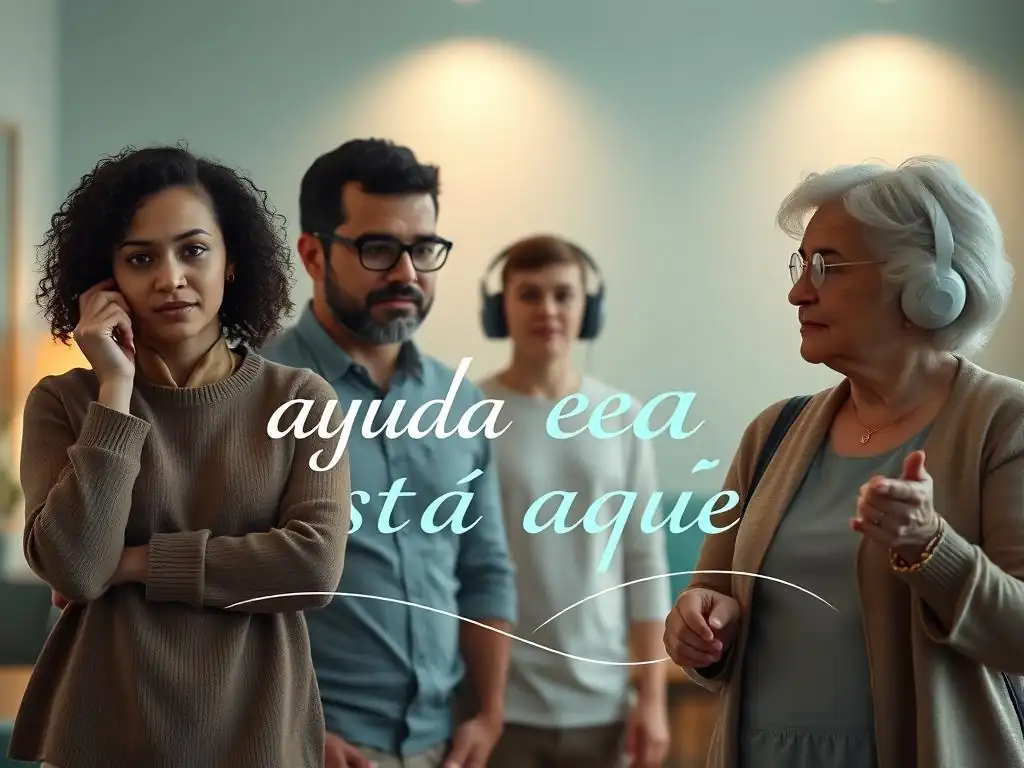
Welcome to Mind Care Guide, a safe space dedicated to nurturing your mental well-being.
Feeling overwhelmed and searching for support that understands your language and culture? You're not alone. This article dives into vital Spanishspeaking mental health hotline resources, offering a lifeline in times of crisis. Discover how to access immediate help and find the culturally sensitive support you deserve. Let's explore the path to healing, together.
Spanish-Speaking Crisis Hotlines: Getting Help in Your Language
- Mental Health Support in Spanish: Why It Matters
- Finding Spanish-Speaking Mental Health Hotline Resources
- Understanding the Services Offered by Spanish-Language Hotlines
- How to Access Spanish-Speaking Mental Health Hotline Resources
- Supporting a Loved One: Spanish-Language Mental Health Resources for Families
- Beyond Hotlines: Additional Spanish Mental Health Resources
- Overcoming Barriers to Accessing Mental Health Care in Spanish
- The Future of Spanish-Speaking Mental Health Support
- Spanish Mental Health Crisis Resources: A Summary and Call to Action
-
Frequently Asked Questions
- What are Spanish-speaking crisis hotlines and why are they important?
- How can I find reliable Spanish-speaking mental health hotline resources?
- What kind of support can I expect from a Spanish-speaking crisis hotline?
- Are Spanish-speaking crisis hotlines only for individuals in immediate danger?
- What if I need help for someone else who speaks Spanish and is in crisis?
- Final Reflection: Bridging the Language Gap to Mental Wellness
- Unlock Your Support Network: Find Help Now
Mental Health Support in Spanish: Why It Matters
For millions of people in the United States, Spanish is their primary language. When facing a mental health crisis, the ability to communicate effectively and express complex emotions is paramount. Language barriers can create significant obstacles to accessing timely and appropriate care, leaving individuals feeling isolated and misunderstood during their most vulnerable moments. Access to Spanishspeaking mental health hotline resources is not just a matter of convenience; it is a critical component of equitable healthcare access, ensuring that language is not a barrier to potentially life-saving support.
Navigating the mental healthcare system can be challenging even for native English speakers. For those whose primary language is Spanish, the difficulty is compounded by linguistic barriers, cultural nuances, and often, a lack of readily available information in their preferred language. This disparity in access can lead to delayed help-seeking, worsening conditions, and preventable tragedies. Providing dedicated Spanishspeaking mental health hotline resources directly addresses this gap, offering a vital lifeline to individuals and families in distress.
Bridging the Language Gap in Mental Healthcare
The language gap in mental healthcare is a well-documented issue affecting millions of Spanish speakers in the United States. Studies and reports consistently highlight that limited English proficiency is a significant barrier to accessing health services, including mental health support. For instance, research indicates that individuals with limited English proficiency are less likely to receive mental health treatment compared to their English-speaking counterparts. This disparity underscores the urgent need for readily available Spanishspeaking mental health hotline resources.
Furthermore, simply having a translator available is often insufficient in a crisis situation. Emotional distress, complex psychological states, and cultural context require more than just word-for-word translation. They demand empathetic communication and a deep understanding of linguistic and cultural nuances. Dedicated Spanishspeaking mental health hotline resources employ trained counselors who are proficient or fluent in Spanish, ensuring not only accurate communication but also the ability to connect on a deeper, more empathetic level, fostering trust and providing effective support during a crisis.
The Importance of Culturally Sensitive Crisis Intervention
Cultural factors significantly influence how individuals perceive mental health, express distress, and seek help. For many Spanish-speaking communities, there may be cultural norms around discussing mental health openly, potential stigma associated with mental illness, or traditional beliefs about healing that differ from Western medical models. Crisis intervention must be delivered with cultural sensitivity to be effective, respecting these nuances and building trust with the caller. Spanishspeaking mental health hotline resources often train their counselors in cultural competency relevant to diverse Latino/Hispanic communities.
Culturally sensitive crisis intervention goes beyond language. It involves understanding the caller's background, family dynamics, and potential experiences with discrimination or cultural assimilation. Counselors on Spanishspeaking mental health hotline resources are better equipped to recognize culturally specific expressions of distress and tailor their support to be relevant and respectful. This approach increases the likelihood that individuals will feel comfortable opening up, trust the support provided, and be more receptive to seeking further help, ultimately leading to better outcomes in managing their mental well-being.
Finding Spanish-Speaking Mental Health Hotline Resources
Locating reliable Spanishspeaking mental health hotline resources is a crucial first step for anyone needing support in their language. While the landscape of mental health services can be complex, several national and state-level options are available, designed specifically to serve Spanish-speaking individuals in crisis. Knowing where to turn can make a significant difference when immediate help is needed.
These Spanishspeaking mental health hotline resources are staffed by trained professionals or volunteers who understand the urgency of crisis situations and are prepared to listen, offer support, and connect callers with appropriate follow-up care if necessary. They represent a vital part of the mental health safety net for communities where Spanish is widely spoken.
National Hotlines with Spanish-Speaking Support
Several prominent national crisis hotlines offer dedicated services in Spanish, ensuring that help is accessible regardless of location within the United States. The 988 Suicide & Crisis Lifeline is a prime example, providing a dedicated Spanish-language option. By calling or texting 988 and pressing 2, callers are connected directly to a Spanish-speaking crisis counselor. This service is available 24/7 across the country, offering confidential support for anyone experiencing suicidal thoughts, mental health crises, or substance use crises. This is a key Spanishspeaking mental health hotline resource.
Another important national resource is the Crisis Text Line, which offers free, 24/7 crisis support via text message. While their primary service is in English, they have expanded capabilities to support conversations in Spanish through translation technology, allowing individuals who prefer to text in Spanish to still access support. These national Spanishspeaking mental health hotline resources serve as essential access points, providing immediate help to a broad population.
State-Specific Spanish Mental Health Crisis Lines
In addition to national services, many states and local jurisdictions operate their own mental health crisis hotlines, and a growing number of these offer direct support in Spanish. These state-specific Spanishspeaking mental health hotline resources can sometimes provide more localized information about community-based services, mobile crisis teams, or local mental health centers that offer Spanish-language programs. The availability and structure of these services vary significantly from state to state.
For example, states with large Spanish-speaking populations, such as California, Texas, Florida, and New York, often have well-established local crisis lines with dedicated Spanish-speaking staff. Finding these resources typically involves checking the website of the state's Department of Health or Mental Health Services, or searching for county-level crisis lines. These state-specific Spanishspeaking mental health hotline resources can be particularly valuable for connecting individuals with ongoing local support.
Understanding the Services Offered by Spanish-Language Hotlines
Spanishspeaking mental health hotline resources provide a range of critical services designed to support individuals experiencing emotional distress or a mental health crisis. The core function is to offer immediate, confidential support in the caller's preferred language, creating a safe space to talk about difficult feelings and situations. These services are typically free and available around the clock, making them accessible whenever a crisis occurs.
Beyond immediate support, these hotlines often serve as a gateway to further care. Counselors are trained to assess the severity of the crisis, provide de-escalation techniques, and offer information about follow-up resources. Understanding the scope of services available from Spanishspeaking mental health hotline resources is key to utilizing them effectively.
Crisis Counseling and Emotional Support in Spanish
The primary service offered by Spanishspeaking mental health hotline resources is crisis counseling and emotional support. When someone calls or texts, they are connected with a trained counselor who can listen without judgment and help the individual process their feelings. This immediate support can be invaluable during moments of intense distress, overwhelming emotions, or difficult life circumstances. The ability to speak in Spanish allows callers to express themselves fully and accurately convey the depth of their struggles.
Counselors utilize active listening techniques and empathetic communication to provide support. They can help callers identify coping strategies, explore options for resolving their immediate crisis, and provide a sense of hope. This confidential conversation in Spanish provides a critical emotional outlet and validation for individuals who might otherwise feel isolated or unable to articulate their pain in another language. These Spanishspeaking mental health hotline resources offer a vital source of immediate human connection and understanding.
Suicide Prevention Resources Available in Spanish
Suicide prevention is a core component of many Spanishspeaking mental health hotline resources. Counselors are specifically trained to recognize signs of suicidal ideation, assess risk, and intervene appropriately. They can work with the caller to develop a safety plan, which includes identifying coping mechanisms, support systems, and steps to take if suicidal feelings intensify. This critical support is delivered in Spanish, ensuring that individuals can fully understand and engage with the safety planning process.
These hotlines also provide information about follow-up care specifically tailored for suicide prevention. This might include connecting callers with local mental health services that offer suicide prevention programs, providing information about support groups, or facilitating connections to emergency services if immediate danger is present. Access to these Spanishspeaking mental health hotline resources is literally life-saving for individuals contemplating suicide who need to talk to someone who understands their language and cultural background.
Connecting with Mental Health Professionals Who Speak Spanish
While hotlines provide immediate crisis support, they are often the first step in a longer journey toward mental wellness. Spanishspeaking mental health hotline resources play a crucial role in connecting callers with ongoing mental health care. Counselors can provide referrals to therapists, counselors, psychiatrists, or community mental health centers that have Spanish-speaking staff or programs. This referral process helps bridge the gap between immediate crisis intervention and sustained mental health treatment.
Navigating the mental healthcare system to find a Spanish-speaking provider can be challenging. Hotlines often maintain databases or have access to information about local resources, making it easier for callers to find appropriate follow-up care in their language. By providing these connections, Spanishspeaking mental health hotline resources empower individuals to seek and receive the longer-term support they need to manage their mental health effectively.
How to Access Spanish-Speaking Mental Health Hotline Resources

Accessing Spanishspeaking mental health hotline resources is designed to be as straightforward as possible, especially during a crisis. Knowing the different ways to connect and what to expect can help reduce anxiety about reaching out for help. The primary methods are typically by phone or text, and the services are available 24/7.
Preparing a little beforehand, if possible, can also make the call more productive. However, it's important to remember that you don't need to have everything figured out before contacting a hotline; the counselors are there to help you navigate your crisis. Utilizing Spanishspeaking mental health hotline resources is a brave and positive step towards getting the support you need.
Identifying the Right Hotline for Your Needs
While the 988 Lifeline is a primary national Spanishspeaking mental health hotline resource, other options might be available depending on your specific situation and location. Consider whether you are experiencing a general mental health crisis, suicidal thoughts, or dealing with substance use issues, as some hotlines specialize in particular areas. If you are looking for local support, checking your state or county's mental health services website might reveal state-specific Spanish lines.
It's also helpful to know that some organizations focus on specific populations within the Spanish-speaking community. While a comprehensive list isn't possible here, a quick online search for "[Your State] mental health crisis line Spanish" or "[Specific City] crisis hotline Spanish" can yield local Spanishspeaking mental health hotline resources. Don't hesitate to try more than one resource if the first one doesn't feel like the right fit; your well-being is the priority.
What to Expect When Calling a Spanish Crisis Line
When you call a Spanishspeaking mental health hotline resource, you will likely first hear an automated greeting. For the 988 Lifeline, you would press 2 for Spanish. You will then be connected to a trained crisis counselor who speaks Spanish. They will introduce themselves and invite you to share what is happening. They are there to listen without judgment and provide support.
The conversation is confidential. You can share as much or as little as you feel comfortable with. The counselor may ask questions to understand your situation better, assess any immediate risks (like suicidal ideation), and help you explore your feelings and options. Their goal is to provide emotional support, help de-escalate the crisis, and connect you with further help if needed. Remember, these Spanishspeaking mental health hotline resources are safe spaces to express yourself.
Preparing for Your Call: Information to Have Ready
While you don't need to prepare extensively, having a few things in mind might be helpful when contacting Spanishspeaking mental health hotline resources. Think about what is causing you distress and try to articulate it, even if it's just "I'm feeling overwhelmed" or "I don't know what to do." If you have specific concerns, like suicidal thoughts or safety issues, be prepared to mention them.
Consider if you have any support systems you can identify, such as family, friends, or a therapist. Also, think about any immediate needs you might have, like needing information about local resources or wanting help creating a safety plan. Having a pen and paper handy might be useful if you want to write down resource names or coping strategies suggested by the counselor. However, the most important thing is simply making the call or sending the text to access these Spanishspeaking mental health hotline resources.
Supporting a Loved One: Spanish-Language Mental Health Resources for Families
Supporting a family member or friend who is struggling with their mental health can be challenging, especially when language and cultural factors are involved. Knowing how to recognize the signs of a crisis and where to find help in Spanish is crucial for providing effective support. Spanishspeaking mental health hotline resources are not only for the individual in crisis but also for concerned family members seeking guidance.
Educating yourself and your family about mental health and available Spanishspeaking mental health hotline resources can empower you to help your loved one navigate their challenges. Open communication and seeking support as a family are key components of fostering mental wellness within the home.
Recognizing Signs of a Mental Health Crisis in Spanish-Speaking Individuals
Recognizing the signs of a mental health crisis can be difficult, and these signs can manifest differently depending on the individual and cultural context. Common signs include significant changes in mood, behavior, sleep patterns, or appetite. A person might withdraw from social activities, express feelings of hopelessness or worthlessness, exhibit increased irritability or agitation, or talk about wanting to harm themselves or others. These signs are universal but might be expressed through culturally specific idioms or behaviors.
It's important to pay attention to changes that are out of character for your loved one. They might express distress using Spanish phrases or cultural references related to emotional pain or struggle. If you observe these signs, especially if they are sudden or severe, it's a strong indicator that professional help is needed. Knowing about Spanishspeaking mental health hotline resources allows you to suggest or initiate contact with support that respects their language and background.
Talking to Your Loved One About Mental Health in Spanish
Initiating a conversation about mental health can be daunting, but it's a critical step in offering support. Approach the conversation with empathy and without judgment. Choose a calm and private setting. Start by expressing your concern specifically about the changes you've noticed, using "I" statements like "I've noticed you seem withdrawn lately, and I'm concerned about you." Ask open-ended questions and listen actively to their response.
Using culturally appropriate language and acknowledging potential stigma can help create a more open dialogue. Offer support and let them know they are not alone. Suggest contacting Spanishspeaking mental health hotline resources together or offer to help them make the call. Reassure them that seeking help is a sign of strength and that you are there to support them through the process of finding help in their language.
Finding Support Groups and Family Counseling in Spanish
Supporting a loved one in crisis can also take an emotional toll on family members. Finding support for yourself and learning effective ways to help your loved one is essential. Many organizations offer support groups specifically for families of individuals with mental illness, and some of these groups are conducted in Spanish or are specifically for Latino/Hispanic families. These groups provide a space to share experiences, gain insights, and learn coping strategies from others facing similar challenges.
Family counseling with a therapist who speaks Spanish can also be incredibly beneficial. It can help improve communication within the family, address conflicts, and develop strategies for supporting the loved one's recovery. You can often find referrals for Spanish-speaking support groups and family counselors through Spanishspeaking mental health hotline resources or by contacting local mental health organizations.
Beyond Hotlines: Additional Spanish Mental Health Resources
While Spanishspeaking mental health hotline resources provide immediate crisis support, they are just one piece of the larger mental health support system. For ongoing care, therapy, and community support, other valuable resources are available in Spanish. Exploring these options can help individuals and families find the sustained help needed for recovery and long-term well-being.
These additional resources complement hotline services by offering different levels and types of support, from one-on-one therapy to group programs and online information. Accessing these resources ensures that individuals can continue their mental health journey beyond the immediate crisis.
Teletherapy Options with Spanish-Speaking Therapists
Teletherapy, or online therapy, has become increasingly popular and accessible, offering a convenient way to connect with mental health professionals. Many teletherapy platforms now offer the option to specifically search for therapists who are fluent in Spanish. This provides an excellent avenue for individuals who may have difficulty accessing in-person therapy due to location, transportation, or scheduling constraints.
Teletherapy sessions conducted in Spanish allow clients to receive ongoing counseling from a licensed professional in their preferred language from the comfort of their own home. This expands access to care significantly, particularly for those in areas with limited local Spanishspeaking mental health resources. It's a flexible option for consistent mental health support.
Community Mental Health Centers Offering Spanish Services
Community Mental Health Centers (CMHCs) are local organizations that provide a range of mental health services, often on a sliding scale based on income, making care more affordable. Many CMHCs located in areas with significant Spanish-speaking populations employ bilingual or Spanish-speaking clinicians and staff. They often offer individual therapy, group therapy, case management, and sometimes psychiatric services in Spanish.
Finding a local CMHC that offers Spanish services can provide access to comprehensive, integrated care within the community. These centers are valuable Spanishspeaking mental health resources for individuals needing more than crisis support, offering ongoing treatment and support programs tailored to local needs and demographics.
Online Mental Health Resources in Spanish
The internet offers a wealth of information and resources related to mental health, and a growing amount of this content is available in Spanish. Websites from reputable mental health organizations often provide articles, fact sheets, videos, and self-help tools translated into Spanish. These online resources can help individuals learn more about mental health conditions, coping strategies, and the importance of seeking help.
While online information should not replace professional care, it can be a valuable supplementary resource. Some websites also list directories of Spanish-speaking mental health professionals or provide information about local Spanishspeaking mental health hotline resources. Accessing reliable online content in Spanish empowers individuals to become more informed advocates for their own mental health.
Overcoming Barriers to Accessing Mental Health Care in Spanish

Despite the availability of Spanishspeaking mental health hotline resources and other services, Spanish-speaking individuals often face significant barriers to accessing mental health care. These barriers are multifaceted, including cultural factors, systemic challenges, and practical obstacles. Addressing these issues is crucial for improving mental health outcomes within these communities.
Overcoming these barriers requires effort from individuals, families, mental healthcare providers, and policymakers. It involves challenging stigma, improving navigation of the healthcare system, and advocating for increased availability and quality of Spanishspeaking mental health hotline resources and other services.
Addressing Stigma and Cultural Beliefs
Mental health stigma is a significant barrier across many cultures, but it can be particularly pronounced in some Spanish-speaking communities. Mental illness may be misunderstood, viewed as a personal weakness, or attributed to spiritual or supernatural causes. This can lead to reluctance to discuss mental health issues or seek professional help, fearing judgment from family or community.
Addressing stigma requires open conversations about mental health, education, and promoting stories of recovery. Community leaders, faith-based organizations, and cultural figures can play a vital role in destigmatizing mental health and encouraging help-seeking. Promoting Spanishspeaking mental health hotline resources as confidential and supportive options can help individuals overcome the fear of judgment associated with traditional help-seeking methods.
The mental healthcare system in the United States can be complex, involving different types of providers, insurance issues, and referral processes. For individuals whose primary language is Spanish and who may be unfamiliar with the system, navigating it can be incredibly challenging. Finding providers who accept their insurance, understanding appointment procedures, and advocating for their needs in English can be overwhelming.
Providing clear, accessible information in Spanish about how the system works, how to find providers, and how to utilize services is essential. Spanishspeaking mental health hotline resources can assist with initial navigation by providing referrals and basic information. However, broader systemic changes are needed to simplify access points and ensure that all aspects of the mental healthcare journey are accessible in Spanish.
Advocating for Improved Spanish-Language Mental Health Services
Advocacy plays a crucial role in increasing the availability and quality of Spanishspeaking mental health hotline resources and other services. This involves advocating for increased funding for bilingual mental health programs, promoting language access policies in healthcare settings, and encouraging more individuals from Spanish-speaking backgrounds to enter the mental health professions.
Community organizations, patient advocacy groups, and individuals with lived experience can collectively push for these changes. Highlighting the need for culturally competent care and easily accessible Spanishspeaking mental health hotline resources to policymakers and healthcare administrators is vital to ensure that the mental health needs of Spanish-speaking communities are adequately met.
The Future of Spanish-Speaking Mental Health Support
The landscape of Spanishspeaking mental health hotline resources and services is evolving, with a growing recognition of the need for accessible and culturally competent care. The future holds promise for increased support, driven by technological advancements, greater awareness, and dedicated efforts to expand services.
Continued investment in training bilingual mental health professionals, developing culturally relevant resources, and leveraging technology will be key to ensuring that Spanish-speaking individuals receive the support they deserve. The goal is to create a mental health system where language is never a barrier to receiving help during a crisis or accessing ongoing care.
Increasing Accessibility and Awareness
A critical step towards improving Spanish-speaking mental health support is increasing both the accessibility of services and awareness of their existence. While resources like the 988 Lifeline offer national access to Spanishspeaking mental health hotline resources, ensuring that individuals know about these options is paramount. Public awareness campaigns conducted in Spanish, utilizing trusted community channels, are essential.
Improving accessibility also means expanding the number of trained Spanish-speaking crisis counselors and mental health professionals. This requires investing in training programs and recruitment efforts specifically targeting bilingual individuals. The easier it is for someone to find and connect with Spanishspeaking mental health hotline resources and other services, the more likely they are to seek help when they need it.
Expanding Culturally Competent Mental Healthcare
The demand for culturally competent mental healthcare that goes beyond just language translation is growing. Future efforts must focus on training mental health professionals to understand and integrate cultural factors into assessment and treatment. This includes understanding diverse cultural expressions of distress, family structures, and beliefs about health and healing prevalent within Spanish-speaking communities.
Expanding culturally competent care ensures that services are not only linguistically accessible but also relevant and effective. Spanishspeaking mental health hotline resources are at the forefront of this, with many already emphasizing cultural sensitivity in their training. This approach builds trust and makes mental health support more effective for Spanish-speaking individuals.
Empowering the Spanish-Speaking Community
Ultimately, empowering the Spanish-speaking community with knowledge and resources is vital for long-term mental wellness. This involves providing education about mental health in Spanish, reducing internal stigma, and fostering resilience within communities. Sharing information about available Spanishspeaking mental health hotline resources and encouraging peer support networks are powerful tools for empowerment.
When individuals feel informed and supported by their community, they are more likely to seek help and advocate for their needs. The future of Spanish-speaking mental health support relies on a collaborative effort that includes accessible Spanishspeaking mental health hotline resources, culturally sensitive professional care, and empowered communities that prioritize mental well-being.
Spanish Mental Health Crisis Resources: A Summary and Call to Action
Access to Spanishspeaking mental health hotline resources is a vital component of equitable mental healthcare. These confidential, 24/7 services provide immediate support, crisis counseling, and suicide prevention assistance in Spanish, bridging critical language and cultural gaps. National resources like the 988 Lifeline (by pressing 2) and state-specific lines offer essential lifelines to individuals experiencing distress.
Beyond hotlines, a growing number of teletherapy options, community mental health centers, and online resources are becoming available in Spanish, offering pathways to ongoing care. While barriers like stigma and system navigation persist, increased awareness, cultural competency training, and advocacy are paving the way for improved access and support for Spanish-speaking communities.
Remember, You Are Not Alone: Seeking Help is a Sign of Strength
If you or someone you know is struggling with mental health or experiencing a crisis, remember that you are not alone. Reaching out for help is a sign of courage and strength, not weakness. Spanishspeaking mental health hotline resources are available specifically to support you in your language, providing a safe space to talk and find the help you need.
Do not let language barriers or fear of stigma prevent you from seeking support. There are people who understand and are ready to listen. Utilizing Spanishspeaking mental health hotline resources is a positive step towards healing and recovery.
Help make a difference by sharing information about Spanishspeaking mental health hotline resources with your friends, family, and community. Many people are unaware that these dedicated services exist. By spreading the word, you can help ensure that individuals who need support in Spanish know where to turn during a crisis.
Support advocacy efforts to expand and improve mental health services for Spanish-speaking communities. Your voice and actions can contribute to a future where everyone, regardless of language, has access to the mental healthcare they need and deserve. Access to Spanishspeaking mental health hotline resources saves lives and fosters well-being.
Frequently Asked Questions
What are Spanish-speaking crisis hotlines and why are they important?
Spanish-speaking crisis hotlines are telephone support services that provide immediate assistance to individuals experiencing a mental health crisis in Spanish. They're crucial for overcoming language barriers in accessing mental health care.
How can I find reliable Spanish-speaking mental health hotline resources?
You can find them through online searches using keywords like "Spanish-speaking mental health hotline resources," government websites, and directories of mental health organizations that specialize in culturally sensitive care. Mind Care Guide also offers a comprehensive list.
What kind of support can I expect from a Spanish-speaking crisis hotline?
Expect compassionate and confidential support, including active listening, crisis intervention, and referrals to mental health professionals who speak Spanish. They can help de-escalate situations and provide guidance.
Are Spanish-speaking crisis hotlines only for individuals in immediate danger?
No, these hotlines are for anyone experiencing a mental health challenge, regardless of severity. They can offer support for feelings of anxiety, depression, isolation, or any other mental health concern.
What if I need help for someone else who speaks Spanish and is in crisis?
You can call a Spanish-speaking crisis hotline on their behalf to get guidance on how to support them and find appropriate resources. The hotline can offer strategies for effective communication and intervention.
Final Reflection: Bridging the Language Gap to Mental Wellness
The urgent need for accessible mental healthcare extends beyond language barriers; it's a fundamental human right. The lack of readily available Spanish-speaking mental health resources leaves a significant portion of the population vulnerable and underserved, creating a critical gap in our collective well-being. This disparity highlights the systemic inequalities within our healthcare system and underscores the importance of culturally competent care.
The impact of language on mental health access is profound and far-reaching. It's not simply about understanding the words; it's about feeling understood, validated, and safe enough to share deeply personal struggles. The language we speak shapes the way we think and feel, and access to mental health services in one's native tongue is crucial for effective treatment and recovery.
This quote encapsulates the core issue: effective communication is the cornerstone of therapeutic relationships, and that foundation crumbles when language becomes a barrier. The ongoing fight for equitable access to mental healthcare necessitates a continued focus on expanding multilingual resources and training professionals to provide culturally sensitive care.
You, the reader, now hold the knowledge to navigate this crucial landscape. Take a moment to reflect on the information presented. Consider sharing this resource with those who might need it, advocating for increased funding and support for Spanish-speaking mental health services in your community, or simply amplifying the voices of those who often go unheard. Let's work together to dismantle the barriers to mental wellness and build a more inclusive and supportive system for everyone.
Unlock Your Support Network: Find Help Now
Thank you for taking the time to learn about vital Spanish-speaking crisis hotlines. We hope this information empowers you to access the support you deserve. Now, let's take the next step towards feeling better.
- Find your local hotline: Use the resources we've provided to locate a crisis hotline that speaks your language. This is the most crucial step towards getting the immediate help you need.
- Share this article: Spread the word to others who might benefit from knowing about readily available Spanish-speaking resources. Let's build a stronger support network together.
- Explore additional mental health resources: Visit MindCareGuide.org to discover more articles and tools designed to improve your well-being.
Are you ready to reach out and begin your journey toward feeling supported and understood?