
Strengthening Families: A Foundation for Suicide Prevention in Indigenous Culture

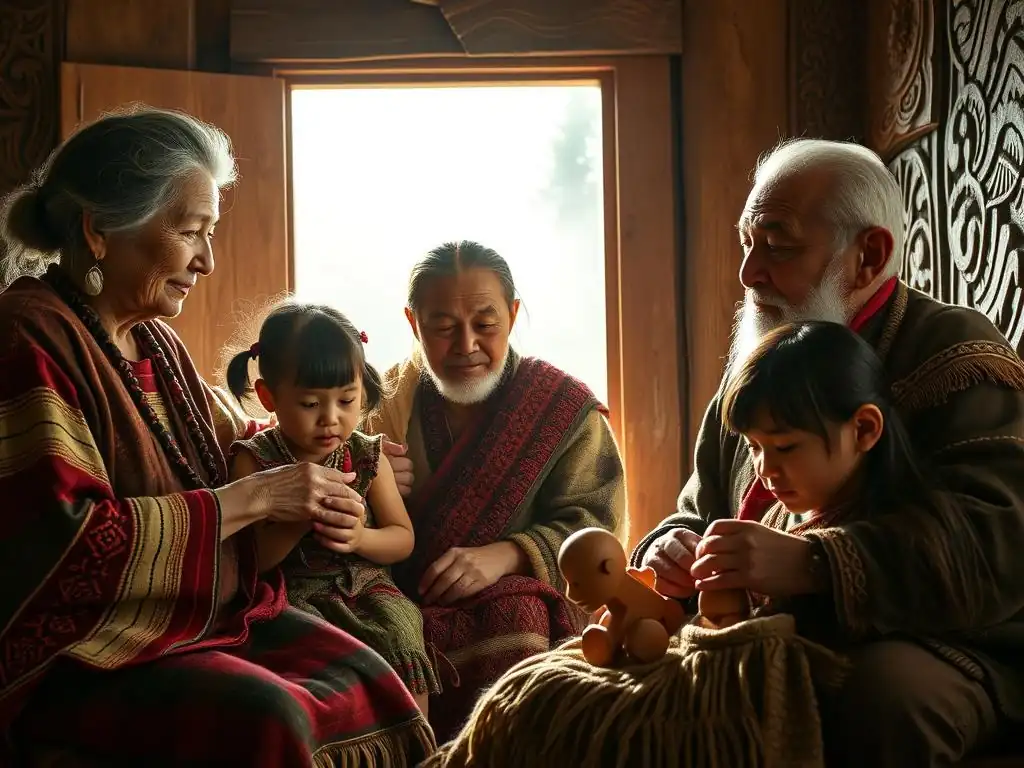
Welcome to Mind Care Guide, a sanctuary for your mental well-being.
Feeling overwhelmed? You're not alone. We understand the complexities of mental health, and we're here to offer compassionate guidance and practical resources. Dive into our featured article, "Strengthening Families: A Foundation for Suicide Prevention in Indigenous Culture," and discover powerful Indigenous family suicide prevention strategies that foster resilience and hope. Explore the insights within and begin your journey towards a stronger, healthier you. What steps can you take today?
Strengthening Families: A Foundation for Suicide Prevention in Indigenous Culture
- Understanding the Crisis: Suicide Rates and Family Impact
- The Crucial Role of Family in Suicide Prevention
- Family Suicide Prevention Strategies: A Comprehensive Approach
- Building Resilient Families: Practical Steps and Interventions
- Promoting Open Dialogue: Talking About Suicide
- Empowering Youth and Elders: A Generational Approach to Prevention
- Access to Resources: Connecting Families with Support
- Case Studies: Successful Family Suicide Prevention Initiatives
- The Future of Family Suicide Prevention: A Collaborative Effort
-
Frequently Asked Questions
- What are some key cultural factors to consider when developing suicide prevention strategies for Indigenous families?
- How can traditional practices be integrated into modern suicide prevention programs for Indigenous communities?
- What role does community involvement play in the success of Indigenous family suicide prevention strategies?
- How can mental health services be made more accessible and culturally sensitive for Indigenous families?
- What are some effective strategies for addressing substance abuse within Indigenous families in the context of suicide prevention?
- Final Reflection: Weaving Resilience: The Enduring Power of Indigenous Families
- Unveil Your Family's Strength: A Path to Prevention
Understanding the Crisis: Suicide Rates and Family Impact
Suicide is a complex and deeply painful issue affecting communities worldwide, but its impact is disproportionately felt within Indigenous populations. Understanding the historical context, systemic factors, and the profound effect on families is crucial for developing effective Indigenous family suicide prevention strategies.
The Disproportionate Impact of Suicide on Indigenous Communities
Indigenous communities across the globe experience significantly higher rates of suicide compared to non-Indigenous populations. In many countries, including Canada, the United States, and Australia, suicide is a leading cause of death for Indigenous youth and young adults. For instance, data from various reports consistently show suicide rates among First Nations, Inuit, and Métis peoples in Canada can be several times the national average, particularly among younger demographics. This stark disparity highlights the urgent need for targeted and culturally sensitive interventions.
This alarming trend is not merely a statistic; it represents immense loss, grief, and trauma within families and communities. The disproportionate rates underscore the systemic inequities and historical factors that contribute to vulnerability. Implementing effective Indigenous family suicide prevention strategies is paramount to reversing this tragic trend and fostering well-being.
Historical Trauma and Its Role in Family Suicide
Historical trauma, stemming from colonization, forced displacement, residential schools, and ongoing discrimination, has created deep wounds that resonate through generations within Indigenous families. The legacy of these traumatic experiences manifests in various forms, including intergenerational trauma, loss of cultural identity, breakdown of traditional family structures, and increased vulnerability to mental health challenges and substance use issues. These factors significantly contribute to the elevated risk of suicide.
Addressing historical trauma is a fundamental component of any comprehensive approach to Indigenous family suicide prevention strategies. Healing from this trauma requires acknowledging the past, supporting cultural revitalization, and strengthening family connections. Without addressing the root causes rooted in historical injustices, prevention efforts may only address symptoms rather than the underlying issues that contribute to family distress and suicidal ideation.
The Ripple Effect: How Suicide Affects Families
The loss of a loved one to suicide sends devastating shockwaves through a family, creating profound and complex grief. Families often experience feelings of guilt, shame, anger, confusion, and isolation, in addition to the overwhelming sadness. This grief can be complicated by the stigma surrounding suicide, making it difficult for families to seek support or talk openly about their loss. The emotional and psychological toll can be immense, impacting family dynamics, relationships, and overall well-being.
Furthermore, the trauma of suicide loss can increase vulnerability among surviving family members, sometimes elevating their own risk factors. Providing compassionate, culturally appropriate support services for families bereaved by suicide is a critical element of holistic Indigenous family suicide prevention strategies. Supporting families through their grief and helping them heal is essential not only for their own well-being but also for strengthening their capacity to support other family members and prevent future tragedies.
The Crucial Role of Family in Suicide Prevention
Within Indigenous cultures, the family unit often extends beyond the nuclear family, encompassing extended relatives, clans, and community members. This interconnectedness forms a powerful protective layer against life's challenges, including mental health crises and suicidal thoughts. Recognizing and leveraging the inherent strength of Indigenous families is key to developing effective suicide prevention strategies.
The Family as a Source of Strength and Resilience
For many Indigenous individuals, the family is the primary source of identity, belonging, and support. Strong family bonds provide a sense of security, love, and acceptance, which are vital protective factors against suicidal ideation and behaviors. Families often hold collective wisdom, coping mechanisms, and resilience passed down through generations, helping members navigate adversity.
Empowering families to recognize their own strengths and providing them with tools to support one another are core components of Indigenous family suicide prevention strategies. This includes fostering healthy communication, resolving conflicts constructively, and celebrating cultural identity within the family unit. Strengthening these internal family resources builds a foundation of resilience that can buffer against external stressors.
Cultural Values and Family Cohesion as Protective Factors
Indigenous cultural values, such as respect for elders, communal responsibility, reciprocal relationships, and connection to land and spirituality, are deeply intertwined with family life. These values promote cohesion, mutual support, and a shared sense of purpose, all of which serve as powerful protective factors against suicide. When families are strongly connected to their cultural heritage and traditional practices, individuals often experience a greater sense of belonging and identity.
Promoting and revitalizing cultural practices within families is a vital part of Indigenous family suicide prevention strategies. Activities like language learning, traditional arts, storytelling, and participation in ceremonies can strengthen family bonds and transmit resilience across generations. These cultural connections provide a buffer against the negative impacts of historical trauma and promote positive mental health within the family context.
Importance of Kinship Systems
Traditional Indigenous kinship systems are complex networks of relationships that define roles, responsibilities, and mutual obligations within and across families and clans. These systems ensure that individuals are never truly alone, providing layers of support from aunts, uncles, cousins, grandparents, and community members. In times of crisis, these kinship ties can mobilize support, provide guidance, and ensure that vulnerable individuals are cared for.
Leveraging and supporting existing kinship networks is a practical application of Indigenous family suicide prevention strategies. This might involve facilitating intergenerational connections, supporting traditional caregiving roles, and involving extended family members in support planning. Recognizing the importance of these broader family structures is essential for developing prevention efforts that are truly rooted in Indigenous cultural contexts.
Family Suicide Prevention Strategies: A Comprehensive Approach
Effective Indigenous family suicide prevention strategies require a multi-faceted approach that addresses the unique needs and strengths of families within their cultural context. This involves combining modern mental health support with traditional healing practices and focusing on strengthening family units.
Strengthening Family Bonds: Key Prevention Methods
Directly working to strengthen family bonds is a cornerstone of Indigenous family suicide prevention strategies. This can involve family counseling focused on improving communication, resolving conflicts, and building trust. Activities that encourage positive family interactions, such as shared meals, recreational activities, and collaborative cultural projects, can also reinforce connections and create positive shared experiences.
Furthermore, educational programs that help families understand mental health challenges, recognize warning signs of suicide, and develop safety plans together are crucial. These programs empower families to be proactive in supporting their members and seeking help when needed. Focusing on strengthening these internal family capacities is a powerful preventive measure.
Culturally Relevant Mental Health Support for Families
Access to mental health services that are culturally relevant and trauma-informed is essential for Indigenous families. This means services delivered by practitioners who understand the historical context, cultural values, and specific challenges faced by Indigenous peoples. Therapy models that incorporate traditional healing concepts, storytelling, or land-based activities can be more effective and acceptable than Western-only approaches.
Such support should not only target individuals but also offer family therapy and group support specifically for families dealing with mental health issues or the aftermath of suicide loss. Ensuring that mental health services are accessible, affordable, and delivered in a way that respects Indigenous worldviews is a critical component of effective Indigenous family suicide prevention strategies.
Traditional Healing Practices and Family Wellness
Integrating traditional healing practices into contemporary wellness initiatives is a powerful way to support Indigenous families. Practices such as healing circles, ceremonies, smudging, and connection to the land can provide profound spiritual, emotional, and physical healing. These practices often involve family and community participation, reinforcing collective well-being and cultural identity.
Supporting families in reconnecting with or maintaining their traditional healing practices is a vital element of Indigenous family suicide prevention strategies. This can involve supporting access to elders and knowledge keepers, providing spaces for ceremonies, and recognizing the validity and effectiveness of these approaches alongside clinical interventions. Traditional healing offers pathways to address historical trauma and build resilience rooted in cultural strength.
Building Resilient Families: Practical Steps and Interventions

Building resilience within Indigenous families involves implementing practical steps and interventions that address vulnerabilities while enhancing protective factors. This requires a focus on early support, skill development, and addressing co-occurring issues like substance use.
Early Intervention Programs Targeting At-Risk Families
Identifying and supporting families who may be at higher risk of experiencing mental health crises or suicide is crucial for prevention. Early intervention programs can provide support during critical periods, such as transitions, times of stress, or when families are facing significant challenges like poverty, housing instability, or intergenerational conflict. These programs might offer home visits, case management, parenting support, and connections to resources.
Implementing such programs requires culturally sensitive screening methods and outreach that build trust with families. Focusing on early support for young parents or families with young children, for example, can lay a strong foundation for future well-being and reduce risk factors over the long term. Early intervention is a key component of proactive Indigenous family suicide prevention strategies.
Parenting Skills and Family Communication Workshops
Providing workshops focused on positive parenting skills and effective family communication can significantly strengthen family dynamics. These programs can help parents develop strategies for nurturing their children's emotional well-being, setting healthy boundaries, and communicating openly about difficult topics, including feelings of sadness or suicidal thoughts.
Workshops should be delivered in a culturally appropriate manner, perhaps incorporating traditional teachings on child-rearing and family roles. Improving communication within the family unit helps create a safe environment where individuals feel heard, understood, and supported, making these skills vital for Indigenous family suicide prevention strategies.
Addressing Substance Use Within the Family Context
Substance use issues can significantly impact family stability and individual well-being, often increasing the risk of mental health problems and suicide. Addressing substance use within the family context involves providing support for both the individual struggling with addiction and the family members affected by it.
Family-inclusive treatment approaches, support groups for families of individuals with substance use issues, and educational programs on the link between substance use, mental health, and suicide are important interventions. Supporting families in navigating these challenges and promoting healing from addiction is a necessary part of comprehensive Indigenous family suicide prevention strategies.
Promoting Open Dialogue: Talking About Suicide
Talking openly and safely about suicide is a critical step in breaking down stigma and encouraging help-seeking behavior. Within families, creating an environment where difficult conversations are possible is essential for prevention.
Breaking the Stigma: Encouraging Open Communication
Stigma surrounding mental health and suicide often prevents individuals and families from seeking help. In Indigenous communities, this stigma can be compounded by historical experiences of judgment and discrimination when seeking outside support. Encouraging open conversations within the family unit and the broader community helps to normalize discussions about mental health challenges and suicidal feelings.
This can be facilitated through educational campaigns that share accurate information about suicide, emphasize that help is available, and highlight stories of hope and recovery. Breaking down the silence is a powerful step towards enabling Indigenous family suicide prevention strategies to be effective, as it allows for early identification and intervention.
Creating Safe Spaces for Sharing Grief and Trauma
Families and communities need safe, supportive spaces to share their grief and trauma related to suicide loss or other difficult experiences. These spaces can be formal, like support groups or counseling sessions, or informal, like healing circles or community gatherings. The key is that they provide an environment free from judgment where individuals feel safe to express their emotions and experiences.
Within the family, this means fostering an atmosphere of empathy and understanding, where members feel comfortable talking about their feelings, even if they are painful. Creating these safe spaces is fundamental to healing and resilience-building within Indigenous families, directly supporting Indigenous family suicide prevention strategies.
Family-Based Suicide Awareness Campaigns
Developing suicide awareness campaigns that are specifically tailored to Indigenous families and communities can be highly impactful. These campaigns should use culturally relevant messaging, languages, and formats to resonate with the target audience. They can educate families on warning signs, how to talk to someone who might be struggling, and where to access help.
Involving family members in the design and delivery of these campaigns can increase their effectiveness and reach. Family-based initiatives help to spread crucial information and skills throughout the kinship network, reinforcing the collective responsibility for well-being that is inherent in many Indigenous cultures and vital for successful Indigenous family suicide prevention strategies.
Empowering Youth and Elders: A Generational Approach to Prevention
A generational approach that empowers both youth and elders is vital for building resilient Indigenous families and communities and fostering effective suicide prevention. Youth are often at highest risk, while elders hold invaluable wisdom and cultural knowledge.
Youth Leadership Programs and Mentorship Opportunities
Investing in youth leadership programs provides young people with opportunities to develop confidence, skills, and a sense of purpose. These programs can focus on cultural activities, community projects, peer support training, and mental health literacy. Empowered youth are more likely to feel connected, hopeful, and capable of navigating challenges.
Mentorship opportunities, where youth are paired with positive role models from within their families or communities, can provide guidance, support, and a sense of belonging. These programs help young people feel valued and connected, significantly contributing to Indigenous family suicide prevention strategies by building protective factors early in life.
Honoring Elders and Integrating Traditional Knowledge
Elders are the keepers of cultural knowledge, history, and traditional teachings. Honoring their wisdom and actively integrating their knowledge into prevention efforts is crucial. Elders can play a vital role in teaching cultural values, sharing stories of resilience, providing guidance, and leading traditional healing practices.
Creating opportunities for elders to connect with younger generations within the family and community context strengthens intergenerational bonds and transmits cultural protective factors. Their involvement ensures that Indigenous family suicide prevention strategies are rooted in cultural strengths and historical resilience.
Bridging the Generational Gap Through Family Activities
Activities that bring together different generations within the family and community can help bridge generational gaps and strengthen bonds. Shared cultural activities, storytelling sessions, traditional crafts, or land-based outings provide opportunities for connection, learning, and mutual support.
These intergenerational interactions foster understanding, empathy, and a sense of shared identity, which are protective factors against feelings of isolation or alienation that can contribute to suicidal risk. Facilitating these connections is a simple yet powerful element of building resilient families and supporting Indigenous family suicide prevention strategies.
Access to Resources: Connecting Families with Support
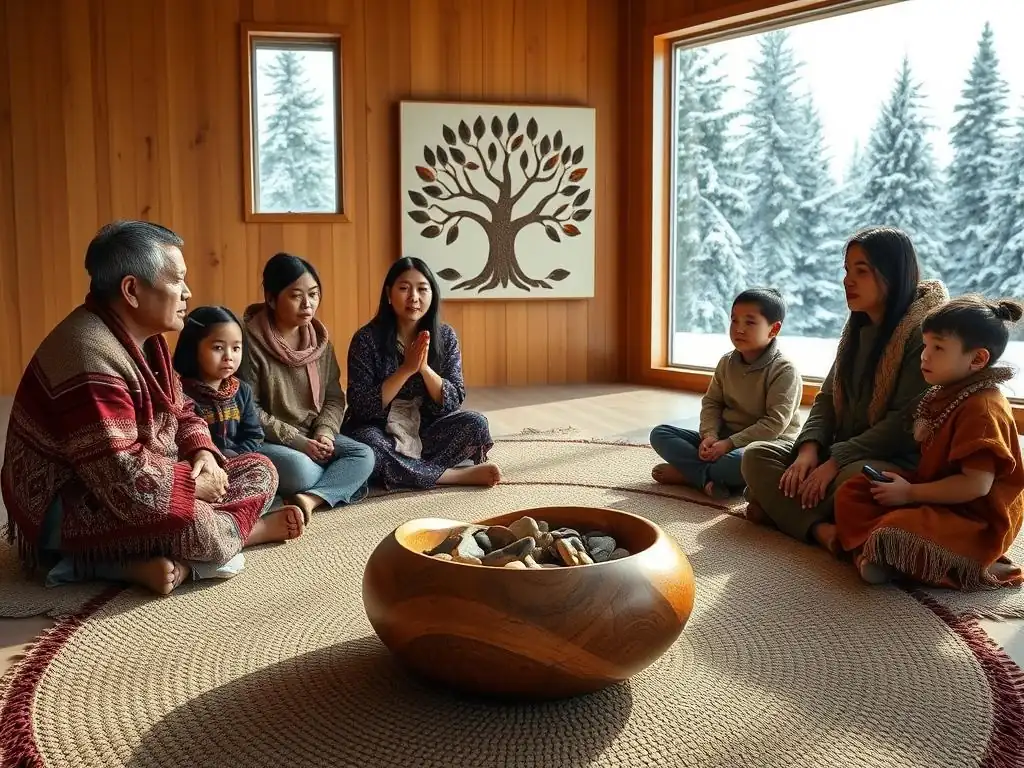
Ensuring Indigenous families have access to the resources they need is fundamental for supporting their well-being and preventing suicide. This includes mental health services, practical support, and community networks.
Mental Health Services Tailored to Cultural Needs
As previously mentioned, access to culturally appropriate mental health services is paramount. This means services that are not only clinically sound but also delivered in a way that respects Indigenous worldviews, includes cultural components, and is accessible geographically and financially. Services should be trauma-informed and delivered by practitioners who have cultural competency or are from the community itself.
Ensuring adequate funding and staffing for these services is a critical policy issue. Removing barriers to accessing care is a direct way to support Indigenous family suicide prevention strategies by providing necessary professional help when families are struggling.
Financial Assistance and Housing Support
Poverty, unemployment, and inadequate housing are significant stressors that can impact family stability and mental health. Providing access to financial assistance programs, job training, and safe, affordable housing is a crucial form of support for Indigenous families. Addressing these social determinants of health can alleviate significant pressure on families and reduce risk factors associated with suicide.
While not always explicitly labeled as suicide prevention, these forms of practical support are foundational to family well-being and resilience. Stable living conditions and reduced financial stress create an environment where families are better equipped to support one another and address mental health challenges, making them integral to comprehensive Indigenous family suicide prevention strategies.
Community-Based Programs and Support Networks
Strong communities provide a vital support system for families. Community-based programs, such as cultural centers, youth programs, elder programs, and family support circles, offer spaces for connection, shared activities, and mutual aid. These networks can provide informal support, reduce isolation, and connect families to formal resources.
Supporting and strengthening these community-based initiatives empowers Indigenous communities to develop and implement their own culturally relevant Indigenous family suicide prevention strategies. These grassroots efforts often have the greatest impact because they are designed and delivered by people who understand the local context and needs.
Case Studies: Successful Family Suicide Prevention Initiatives
Examining examples of successful Indigenous family suicide prevention strategies implemented by communities can offer valuable insights and inspiration.
Community-Led Intervention Program: The Example of a Northern Community Initiative
In one northern community facing high rates of youth suicide, a community-led program focused on strengthening family connections and cultural identity. The initiative involved elders teaching traditional skills to youth and their families, organizing family camps on the land, and providing culturally specific counseling services delivered by community members. Over several years, the community reported a significant decrease in suicide attempts among young people, attributed in part to the renewed focus on family strength and cultural connection.
This example highlights how Indigenous family suicide prevention strategies are most effective when they are developed and driven by the community itself, incorporating local culture and traditions.
Family-Focused Healing Circle: The Example of a Plains Nation's Practice
A Plains Nation community established regular family healing circles specifically designed to address intergenerational trauma and promote open communication about difficult experiences. These circles, facilitated by elders and community helpers, provided a safe space for families to share their stories, process grief, and learn traditional coping mechanisms. Families reported feeling more connected, understood, and empowered to support one another after participating, demonstrating the power of culturally specific, family-focused healing approaches as part of Indigenous family suicide prevention strategies.
This case illustrates the therapeutic value of traditional healing practices and the importance of creating dedicated spaces for families to heal together.
Youth Empowerment Initiative: The Example of a Coastal First Nation Program
A Coastal First Nation developed a youth empowerment initiative that heavily involved families. The program included workshops for youth and their parents on mental health, suicide awareness, and communication skills. It also organized intergenerational activities like traditional canoe building and cultural ceremonies, encouraging families to participate together. The program fostered stronger relationships between youth and their parents/guardians and increased help-seeking behaviors, showcasing the effectiveness of involving families in youth-focused Indigenous family suicide prevention strategies.
This example emphasizes the benefit of combining skill-building with cultural activities and actively involving families in youth programs.
The Future of Family Suicide Prevention: A Collaborative Effort
Sustaining progress in Indigenous family suicide prevention requires ongoing commitment, collaboration, and support at multiple levels.
Working Together: Partnerships Between Communities, Governments, and Organizations
Effective Indigenous family suicide prevention strategies are best achieved through genuine partnerships between Indigenous communities, government agencies, and non-governmental organizations. This means working collaboratively, respecting Indigenous self-determination, and ensuring that resources and policies are aligned with community priorities and cultural values.
Partnerships should focus on long-term capacity building within communities, supporting Indigenous-led initiatives, and ensuring that services are accessible and culturally safe. Collaborative efforts are essential for pooling resources, sharing knowledge, and creating a coordinated approach to supporting Indigenous families.
Sustaining Long-Term Support for Families
Suicide prevention is not a short-term project; it requires sustained, long-term investment in family and community well-being. This means consistent funding for programs, ongoing training for service providers, and continued support for community-led initiatives. Short-term projects, while helpful, cannot address the deep-rooted issues contributing to the crisis.
Ensuring the sustainability of culturally relevant mental health services, family support programs, and cultural revitalization efforts is crucial for maintaining progress and building long-term resilience within Indigenous families. Sustained support is a cornerstone of effective Indigenous family suicide prevention strategies.
Advocacy for Policies that Support Family Wellness and Suicide Prevention
Advocacy for policy changes is essential to address the systemic factors that impact Indigenous family well-being and contribute to suicide risk. This includes advocating for policies that support cultural revitalization, address poverty and housing insecurity, improve access to education and healthcare, and uphold Indigenous rights.
Policies that strengthen Indigenous governance and self-determination are also critical, as communities are best positioned to determine their own needs and develop effective solutions. Policy advocacy plays a vital role in creating the broader conditions necessary for Indigenous family suicide prevention strategies to thrive and for families to heal and flourish.
Frequently Asked Questions
What are some key cultural factors to consider when developing suicide prevention strategies for Indigenous families?
Understanding the importance of intergenerational trauma, connection to land and culture, and community-based support systems is crucial for effective intervention. These factors significantly impact mental well-being within Indigenous families.
How can traditional practices be integrated into modern suicide prevention programs for Indigenous communities?
Integrating ceremonies, storytelling, and traditional healing methods can foster a sense of belonging and resilience. These practices offer culturally relevant coping mechanisms and promote spiritual well-being.
What role does community involvement play in the success of Indigenous family suicide prevention strategies?
Community ownership and leadership are essential for building trust and ensuring the sustainability of prevention efforts. Local knowledge and participation are vital for tailoring strategies to specific needs.
How can mental health services be made more accessible and culturally sensitive for Indigenous families?
Reducing barriers to access through culturally competent healthcare providers and outreach programs is crucial. Offering services in Indigenous languages and addressing historical mistrust is also necessary.
What are some effective strategies for addressing substance abuse within Indigenous families in the context of suicide prevention?
Addressing underlying trauma and promoting culturally relevant treatment options are key components. Supporting family-based interventions and promoting harm reduction strategies can also be effective.
Final Reflection: Weaving Resilience: The Enduring Power of Indigenous Families
The strength of Indigenous families is not merely a cultural ideal; it is a vital lifeline in the ongoing struggle against suicide. The devastating rates of suicide within Indigenous communities demand immediate and sustained action, and this article has highlighted the crucial role that strengthening family structures plays in fostering resilience and hope. We cannot afford to ignore the power of community-based solutions rooted in cultural knowledge and traditions.
The impact of historical trauma and systemic oppression on Indigenous families cannot be overstated. The intergenerational wounds inflicted by colonization continue to reverberate, creating profound challenges that impact mental health and well-being. We cannot heal the past, but we can create a future where our children thrive.
This quote encapsulates the urgent need to move beyond simply addressing the symptoms of trauma and instead focus on building a foundation of strength and support within the family unit, drawing on the inherent resilience of Indigenous cultures. This requires a shift in perspective, moving away from deficit-based models towards empowerment and self-determination.
You, the reader, are now equipped with a deeper understanding of the critical role families play in suicide prevention within Indigenous communities. Consider how you can contribute to this vital work. Whether it's through supporting Indigenous-led initiatives, advocating for policy changes that address systemic inequities, or simply amplifying the voices and stories of Indigenous families, your action can make a difference. Let us collectively weave a stronger, more resilient future, one family at a time.
Unveil Your Family's Strength: A Path to Prevention
Thanks for taking the time to explore the vital connection between strong families and suicide prevention within Indigenous cultures. You've gained valuable insights into fostering resilience and support. Now, let's take action!
- Prioritize family connection: Schedule a dedicated family time this week – even just 30 minutes – to reconnect and strengthen bonds. Share stories, play games, or simply enjoy each other's company. This simple act can make a profound difference.
- Learn more about Indigenous support networks: Research local organizations and resources dedicated to supporting Indigenous families and mental health. Finding a community that understands your unique experience is powerful.
- Share this article with someone who could benefit: Pass on the knowledge; strengthen our collective efforts towards prevention.
What small step will you take today to nurture your family's strength and resilience?