
Verbal Deescalation: Powerful Techniques to Calm a Crisis


Welcome to Mind Care Guide, a space dedicated to nurturing your mental well-being.
Feeling overwhelmed by anxiety? You're not alone. In this article, we delve into deescalation techniques for anxiety relief, offering practical strategies to navigate moments of intense stress and regain control. Curious about how to verbally de-escalate a situation and find calm amidst the storm? Let's explore together.
Verbal Deescalation: Powerful Techniques to Calm a Crisis
- Understanding Crisis and the Need for De-escalation Techniques
-
Core Principles of Verbal De-escalation for Anxiety Relief
- Maintaining Calm and Composure: The Foundation of Effective De-escalation
- Active Listening: A Key Skill for Understanding and Responding
- Empathy and Validation: Building Rapport and Trust During a Crisis
- Respecting Personal Space: Creating a Safe Environment
- Non-Judgmental Communication: Avoiding Escalation Triggers
-
Practical Verbal De-escalation Techniques for Anxiety Relief
- Using a Calm Tone of Voice: Projecting Reassurance
- Simple and Clear Language: Avoiding Ambiguity
- Asking Open-Ended Questions: Encouraging Dialogue
- Reflecting Feelings: Demonstrating Understanding of Emotions
- Setting Limits Respectfully: Maintaining Boundaries
- Offering Choices and Alternatives: Empowering the Individual
- Agreeing to Disagree (When Appropriate): Avoiding Power Struggles
- Specific Scenarios and De-escalation Strategies
- Common Mistakes to Avoid During Verbal De-escalation
- Advanced De-escalation Strategies and Training
- Resources for Learning More About Verbal De-escalation and Crisis Intervention
- Conclusion: Empowering Yourself with Verbal De-escalation Skills for Anxiety Relief
-
Frequently Asked Questions
- What is verbal de-escalation, and why is it important for anxiety relief?
- How can I effectively use active listening during verbal de-escalation?
- What are some specific phrases or statements I should avoid when trying to de-escalate someone experiencing anxiety?
- How can I maintain my own composure while attempting to de-escalate an anxious individual?
- Besides verbal communication, what other factors contribute to successful de-escalation?
- Final Reflection: The Ripple Effect of Calm
- Unleash Your Inner Peacemaker: Master Verbal De-escalation Today!
Understanding Crisis and the Need for De-escalation Techniques
Defining a Crisis Situation: Recognizing the Signs
A crisis situation, particularly in the context of mental health, often involves a sudden and intense disruption of a person's emotional, mental, or behavioral equilibrium. It's a state where an individual feels overwhelmed, unable to cope with their circumstances using their usual problem-solving skills. Recognizing the signs is the first step toward intervention.
These signs can manifest differently but commonly include heightened emotional distress such as intense fear, panic, anger, or despair. Behaviorally, a person in crisis might exhibit agitation, restlessness, withdrawal, rapid speech, or difficulty focusing. Physically, symptoms like rapid heart rate, trembling, sweating, or shortness of breath can be prominent, especially in anxiety-related crises.
Identifying these indicators is crucial because it signals the need for immediate, sensitive support. A person experiencing a crisis might feel isolated, misunderstood, and vulnerable. Their perception of reality can be distorted, and their ability to communicate needs or understand instructions may be significantly impaired. Approaching someone in this state requires careful consideration and a non-threatening demeanor to avoid inadvertently worsening their distress or escalating the situation further. Understanding that these behaviors are symptoms of overwhelming internal distress, rather than deliberate defiance or malice, is fundamental to effective support.
Why De-escalation is Crucial for Mental Well-being
De-escalation is not just about managing disruptive behavior; it's about restoring a sense of safety and control for someone in distress, which is vital for their immediate and long-term mental well-being. When a person is in crisis, especially experiencing severe anxiety or panic, their brain's stress response system is in overdrive. The goal of de-escalation is to help lower this physiological and psychological arousal, allowing the individual to regain some cognitive function and emotional regulation. Effective de-escalation techniques for anxiety relief can prevent a situation from worsening, potentially avoiding the need for more restrictive interventions or involuntary hospitalization.
Beyond the immediate crisis, successful de-escalation helps preserve the individual's dignity and fosters a sense of being heard and cared for, even during their most challenging moments. This positive interaction, contrasted with potentially traumatic experiences of feeling cornered or misunderstood, can significantly impact their trust in others and willingness to seek help in the future. Studies and practical experience consistently show that a calm, empathetic approach is far more effective in resolving crises peacefully than confrontational methods, leading to better outcomes for the individual's mental health journey.
The Role of Verbal De-escalation in Crisis Intervention
Verbal de-escalation is a core component of crisis intervention, relying primarily on communication strategies to reduce tension and manage challenging behavior. It prioritizes the use of language, tone of voice, and active listening to create a safe space for the individual in crisis to express themselves and begin to calm down. Unlike physical intervention, verbal de-escalation aims to resolve the situation through dialogue and understanding, respecting the individual's autonomy as much as possible while ensuring safety.
The effectiveness of verbal de-escalation lies in its ability to connect with the person on an emotional level, acknowledging their distress without necessarily agreeing with their potentially distorted thoughts or perceptions. This involves using specific communication techniques designed to build rapport, convey empathy, and guide the conversation toward a calmer state.
For instance, research suggests that validating feelings can reduce the intensity of emotional outbursts by a significant margin, sometimes up to 40-50% in initial interactions. Mastering these techniques is essential for anyone who might encounter individuals experiencing mental health crises, from mental health professionals to first responders and concerned family members.
Core Principles of Verbal De-escalation for Anxiety Relief
Maintaining Calm and Composure: The Foundation of Effective De-escalation
Maintaining your own calm and composure is the absolute bedrock of effective de-escalation. When faced with someone in distress, especially someone exhibiting intense anxiety or agitation, it's natural to feel stressed or anxious yourself. However, your emotional state is highly contagious. If you appear flustered, fearful, or angry, you are likely to mirror and amplify the other person's distress, thereby escalating the situation rather than calming it. Taking a moment to breathe deeply, center yourself, and consciously adopt a calm demeanor before engaging is critical.
This principle is supported by neurobiological understanding; mirror neurons in our brains cause us to unconsciously imitate the emotional states of others. By projecting calm, you are subtly encouraging a similar state in the other person. This doesn't mean suppressing your feelings entirely, but managing them so they don't negatively impact the interaction. Your steady presence can become an anchor for someone who feels completely out of control, providing a crucial sense of stability during a chaotic moment. Practical steps include lowering your voice, slowing your speech, and maintaining relaxed body language.
Active Listening: A Key Skill for Understanding and Responding
Active listening is far more than just hearing words; it's about fully concentrating on, understanding, responding to, and remembering what is being said. In the context of de-escalation techniques for anxiety relief, it means giving the individual your undivided attention, making eye contact (if culturally appropriate and comfortable for them), and using non-verbal cues like nodding to show you are engaged. Crucially, it involves listening to understand the underlying feelings and needs, not just the factual content of their words.
Techniques like paraphrasing ("So, if I understand correctly, you're feeling...") and summarizing ("It sounds like you've been through a lot today, feeling X because of Y...") are powerful tools in active listening. They demonstrate that you are truly hearing the person and help clarify their message, preventing misunderstandings. Studies have shown that individuals in distress often feel unheard or dismissed. Engaging in active listening can build trust quickly, sometimes within the first few minutes of interaction, making the person feel valued and respected, which is a vital step towards calming their anxiety.
Empathy and Validation: Building Rapport and Trust During a Crisis
Empathy is the ability to understand and share the feelings of another person. Validation is the act of acknowledging and confirming that person's feelings as understandable and legitimate, even if you don't agree with their perspective or behavior. These two principles are incredibly powerful deescalation techniques for anxiety relief. When someone is overwhelmed by anxiety, they often feel like their feelings are irrational or burdensome. Validating their emotions communicates that you see their pain and that their feelings are valid responses to their experience, as they perceive it.
Examples of validation include phrases like, "It makes sense that you feel scared right now," or "I can see how frustrating this must be for you." Notice these phrases don't agree with potential distorted thoughts ("Yes, that threat is real") but validate the feeling ("It makes sense you feel threatened"). Research indicates that validation can significantly lower emotional intensity and defensiveness. Building rapport through genuine empathy and validation establishes a foundation of trust, making the person more receptive to guidance and support, ultimately aiding in calming their anxious state.
Respecting Personal Space: Creating a Safe Environment
Respecting personal space is a fundamental, often non-verbal, de-escalation technique that contributes significantly to creating a safe environment for someone in crisis. When a person is anxious or agitated, their sense of personal boundaries can become heightened. Invading their personal space – standing too close, touching them without permission, or blocking their exit – can be perceived as a threat, triggering a fight-or-flight response and escalating their distress.
Maintaining a safe distance, generally considered to be about 1.5 to 3 feet (approximately one to two arm's lengths), allows the individual to feel less cornered and more in control of the physical interaction. Positioning yourself slightly to the side rather than directly in front can also feel less confrontational. Observing their reactions to your proximity is key; if they lean away or seem uncomfortable, increase the distance. Creating this physical buffer zone is a non-verbal way of communicating respect and non-aggression, which is crucial for reducing anxiety and enabling verbal techniques to be effective.
Non-Judgmental Communication: Avoiding Escalation Triggers
Non-judgmental communication is essential when applying deescalation techniques for anxiety relief. People in crisis are often grappling with intense emotions and potentially irrational thoughts; they may also feel shame or guilt about their state or behavior. Expressing judgment, whether through explicit criticism ("You're overreacting") or subtle cues like eye-rolling, sighing, or a condescending tone, will immediately shut down communication and likely escalate the situation. Judgment makes the person feel attacked and defensive, reinforcing their sense of isolation and misunderstanding.
Adopting a non-judgmental stance means accepting the person's current state without evaluating it as right or wrong, good or bad. It focuses on understanding their experience rather than critiquing it. This involves using neutral language, avoiding accusatory "you" statements ("You made me angry"), and focusing on the situation or feelings ("This situation seems very difficult"). While this can be challenging, especially if the behavior is frustrating, maintaining a non-judgmental attitude is paramount to keeping the lines of communication open and fostering an environment where the person feels safe enough to eventually accept help and calm down.
Practical Verbal De-escalation Techniques for Anxiety Relief

Using a Calm Tone of Voice: Projecting Reassurance
Your tone of voice carries significant weight in de-escalation, often more so than the words themselves. A calm, steady, and lower-pitched voice can have a profoundly soothing effect on someone experiencing intense anxiety or agitation. Conversely, a high-pitched, loud, or rushed tone can easily be perceived as threatening or panicky, mirroring and amplifying the individual's distress. Maintaining a deliberate, even pace of speech also helps; talking too quickly can make it difficult for the person to process information, while talking too slowly might sound condescending.
Practicing using a calm, empathetic tone is vital. Imagine speaking to someone you deeply care about who is frightened – your voice naturally softens and becomes more reassuring. Aim for that same quality.
Even when setting limits, a firm but calm tone is much more effective than an angry or frustrated one. For example, saying "Please sit down" in a calm, steady voice is more likely to be heard and followed than shouting the same command. Studies on communication show that vocal cues account for a large percentage of how a message is received, underscoring the importance of mastering your vocal delivery for effective deescalation techniques for anxiety relief.
Simple and Clear Language: Avoiding Ambiguity
When someone is in crisis, their cognitive functioning is often impaired. They may have difficulty processing complex information, following multi-step instructions, or understanding abstract concepts. Using simple, direct, and clear language is therefore essential for effective de-escalation techniques for anxiety relief. Avoid jargon, technical terms, or overly complicated sentences. Stick to one idea per sentence and keep your message concise.
For instance, instead of saying, "We need to collaborate on developing a strategy to mitigate the current elevated stress levels you're experiencing by implementing coping mechanisms," try, "Let's work together to find a way to help you feel less stressed right now." Give instructions one step at a time. "First, let's find a place to sit down," followed later by, "Now, let's take a few deep breaths together." Clarity reduces confusion and frustration, making it easier for the person to understand what you are asking or offering, thereby lowering their anxiety related to uncertainty or misunderstanding.
Asking Open-Ended Questions: Encouraging Dialogue
Open-ended questions are powerful tools in de-escalation because they encourage the individual to talk and express themselves beyond a simple "yes" or "no." Questions starting with "What," "How," or "Tell me about..." invite more detailed responses and provide valuable insight into the person's thoughts, feelings, and needs. For someone experiencing overwhelming anxiety, having the opportunity to verbalize their distress can be a crucial first step towards processing it and finding relief.
Examples include: "What happened that led you to feel this way? ", "How are you feeling right now? ", or "Tell me more about what is worrying you." Asking open-ended questions demonstrates your willingness to listen and understand, reinforcing the principles of active listening and empathy. This approach empowers the individual, giving them a sense of agency in sharing their experience, which can be particularly grounding for someone feeling powerless in the grip of a crisis. It helps shift the focus from reactive behavior to communication, facilitating the application of other deescalation techniques for anxiety relief.
Reflecting Feelings: Demonstrating Understanding of Emotions
Reflecting feelings, also known as emotional labeling, is a specific active listening technique where you identify and name the emotion the person appears to be experiencing based on their words and non-verbal cues. Phrases like, "It sounds like you're feeling really frustrated," "You seem very scared right now," or "I hear a lot of sadness in your voice" are examples of reflecting feelings. This technique is incredibly validating and helps the individual feel seen and understood.
When someone is consumed by intense emotions like anxiety or anger, hearing their feeling named by another person can help them feel less alone and more grounded. It gives a name to the overwhelming internal experience, which can be the first step toward managing it. Research suggests that simply labeling an emotion can decrease activity in the amygdala, the brain's fear center. This subtle shift can help reduce the intensity of the emotional response, paving the way for more rational thought and making other deescalation techniques for anxiety relief more effective.
Setting Limits Respectfully: Maintaining Boundaries
While empathy and validation are crucial, de-escalation does not mean allowing unsafe or destructive behavior. Setting clear, firm, and respectful limits is a necessary part of maintaining safety for everyone involved. Limits should be stated clearly, concisely, and calmly, focusing on the behavior that is unacceptable rather than judging the person. Explain why the limit is necessary, linking it to safety or the environment.
For example, instead of saying, "Stop yelling, you're being disruptive! ", try, "I understand you're upset, but I need you to lower your voice so we can talk safely here." Or, "I can't let you hit the wall because you might hurt yourself." Offer alternatives where possible: "You can hit this pillow if you need to release some energy." Setting limits respectfully maintains your boundaries while still respecting the individual's dignity. This provides a sense of structure and safety, which can paradoxically be calming for someone feeling out of control, contributing to effective deescalation techniques for anxiety relief.
Offering Choices and Alternatives: Empowering the Individual
Offering choices, even small ones, can be empowering for someone in crisis who feels they have lost control. When anxiety is overwhelming, the world can feel unpredictable and overwhelming. Providing simple, manageable options can help restore a sense of agency and reduce feelings of helplessness. The choices offered should be genuine, safe, and relevant to the situation.
Examples include: "Would you like to sit over here or over there? ", "Would you prefer to talk about this now or in a few minutes? ", or "We can try taking some deep breaths, or would you prefer to just sit quietly for a bit?"
Limit the number of choices to two or three to avoid overwhelming the person further. Allowing the individual to make a decision, no matter how small, validates their capacity for autonomy and can help them feel more grounded and less anxious, making them more receptive to further assistance and supporting the application of deescalation techniques for anxiety relief.
Agreeing to Disagree (When Appropriate): Avoiding Power Struggles
Sometimes, a person in crisis may hold beliefs or perspectives that are factually incorrect, irrational, or based on delusions. While it's important not to validate the delusion itself, getting into an argument or power struggle over factual accuracy is almost always counterproductive and will escalate the situation. In such cases, it may be appropriate to acknowledge their perspective without necessarily agreeing with it.
This can be done by saying something like, "I understand that's how you see the situation," or "I hear that you strongly believe X." You can gently introduce reality without directly contradicting them in a confrontational way: "My experience of the situation is a bit different," or "While I don't see it that way, I understand that feels very real to you."
The goal is to avoid getting bogged down in a debate and instead focus on de-escalating the emotional intensity. Agreeing to disagree on certain points allows you to bypass potential conflict and refocus on helping the person manage their distress, a key element of applying deescalation techniques for anxiety relief.
Specific Scenarios and De-escalation Strategies
De-escalating Anxiety Attacks: Immediate Relief Techniques
Anxiety attacks are sudden episodes of intense fear that trigger severe physical reactions when there is no real danger or apparent cause. Symptoms can include heart palpitations, sweating, trembling, shortness of breath, chest tightness, dizziness, and a sense of impending doom or losing control. De-escalating an anxiety attack requires immediate focus on grounding and breathing. The individual feels overwhelmed by physiological sensations and catastrophic thoughts.
Start by helping the person focus on their breathing. Guide them to breathe slowly and deeply, perhaps counting breaths together (e.g., inhale for four, hold for four, exhale for six). Encourage grounding techniques, such as focusing on their senses: "Tell me three things you can see right now," "What are two things you can hear? ", "What is one thing you can feel?"
Validate their fear ("It sounds like you are incredibly scared right now") without validating the perceived threat. Use calm, simple instructions and reassurance, like "You are safe," "This feeling will pass," and "I am here with you." Research suggests that focused breathing alone can reduce physiological symptoms of anxiety by 30-50% within minutes, making these techniques crucial deescalation techniques for anxiety relief during an acute attack.
Addressing Agitation and Anger: Managing Heightened Emotions
Agitation and anger can manifest as restlessness, pacing, shouting, clenching fists, or making threats. This state often stems from feelings of frustration, fear, or a perceived lack of control. De-escalating anger requires a calm, non-confrontational stance and a focus on understanding the source of the frustration. Maintain a safe distance and avoid mirroring their anger. Your calm demeanor is a powerful counterpoint to their heightened state.
Use active listening to allow them to vent, provided it's done safely. Let them express their anger without interrupting, unless necessary to set a safety limit. Reflect their feelings ("You sound incredibly angry about this"). Once they have expressed some of their frustration, gently guide them towards identifying the underlying issue. Ask open-ended questions like, "What happened that made you so angry?"
or "What do you need right now?" Offer choices if appropriate. Remember that anger often masks other emotions like fear or helplessness; addressing the root cause, even indirectly, can help diffuse the anger. Studies show that allowing safe verbal expression of anger can reduce its intensity, sometimes by 20-30%, preventing physical escalation.
Handling Paranoia and Delusions: Adapting Communication Strategies
De-escalating someone experiencing paranoia or delusions presents unique challenges, as their perception of reality is altered. Direct contradiction will likely increase their distress and solidify their belief in the delusion. The key is to validate the feeling associated with the delusion without validating the delusion itself. If someone believes they are being watched, you can say, "It sounds like you feel very unsafe right now," rather than "No one is watching you."
Focus on the present and the person's immediate feelings and needs. Avoid getting drawn into the specifics of the delusion. Gently redirect the conversation to concrete topics or immediate concerns.
Offer reassurance about your role and intentions ("My name is X, and I'm here to help you feel safer"). Maintain a calm, predictable environment and avoid whispering or sudden movements, which can feed paranoia. While challenging, a patient, non-confrontational approach that prioritizes safety and validates feelings can sometimes build enough trust to guide the person towards seeking professional help, demonstrating the adaptability of deescalation techniques for anxiety relief even in complex situations.
Approaching someone with suicidal ideation requires immense sensitivity, directness, and a focus on safety and connection. Do not avoid the topic; asking directly about suicidal thoughts does not plant the idea, and in fact, provides an opportunity for the person to share their pain and potentially find help. If you suspect someone is suicidal, ask clearly and gently: "Are you thinking about ending your life?" or "Are you having thoughts of harming yourself?"
If they confirm suicidal thoughts, remain calm and non-judgmental. Emphasize that they are not alone and that help is available. Listen actively to their pain and reasons for feeling this way, validating their distress ("It sounds like you are in a lot of pain"). Do not leave them alone if they are in immediate danger.
Remove any means of harm if possible and safe to do so. Connect them with professional help immediately – a crisis hotline, mental health professional, or emergency services. Your willingness to listen without judgment and take their feelings seriously is a critical de-escalation step that can provide hope and bridge the gap to professional intervention.
Common Mistakes to Avoid During Verbal De-escalation
Arguing or Debating: Counterproductive Responses
One of the most common and detrimental mistakes during de-escalation is engaging in argument or debate. When someone is in a heightened emotional state, their capacity for rational thought is significantly reduced. Trying to reason with them logically, correct their misperceptions, or win an argument will only increase their frustration, defensiveness, and emotional arousal. The goal of de-escalation is to lower the emotional temperature, not to prove a point or be right.
Even if the person is saying things that are untrue, offensive, or irrational, getting into a back-and-forth argument shifts the focus from their distress to a power struggle. For example, if someone experiencing anxiety repeatedly states a fear based on a misunderstanding, debating the facts will not provide anxiety relief.
Instead, acknowledge their fear ("I understand you're worried about that") and gently try to redirect or offer a different perspective without directly contradicting. Avoid phrases like "That's not true," "You're wrong," or "Let me explain why..." Research consistently shows that confrontational approaches escalate crises in a large majority of cases, sometimes over 70-80% of the time, making arguing a critical error to avoid.
Using Sarcasm or Patronizing Language: Undermining Trust
Using sarcasm, condescending remarks, or patronizing language is highly damaging during de-escalation and will instantly erode any trust you might have built. When someone is vulnerable and distressed, they are particularly sensitive to feeling disrespected or mocked. Phrases like, "Oh, now you want to talk?" or "Just calm down, it's not a big deal" are dismissive and invalidating.
This type of communication communicates a lack of respect and empathy, making the person feel worse about themselves and their situation. It reinforces feelings of being misunderstood and can trigger increased anger, withdrawal, or defiance. Building rapport relies on genuine respect and care; sarcasm and patronizing language convey the opposite. To effectively use deescalation techniques for anxiety relief, you must communicate with sincerity and dignity, even when the conversation is challenging.
Ignoring the Person's Feelings: Invalidating Their Experience
Ignoring or dismissing a person's feelings is a significant barrier to effective de-escalation. Phrases like, "You shouldn't feel that way," "Just snap out of it," or changing the subject abruptly when they express emotion communicate that their internal experience is unimportant or wrong. As discussed earlier, validation is key to making someone feel heard and understood.
When you ignore or invalidate feelings, you shut down communication and make the person feel more alone with their distress. They may feel misunderstood, leading to increased frustration or withdrawal. Even if their reaction seems disproportionate to the situation, their feelings are real to them in that moment. Acknowledging their feelings, even if you don't fully understand them, is crucial for maintaining connection and applying deescalation techniques for anxiety relief.
Making Promises You Can't Keep: Eroding Credibility
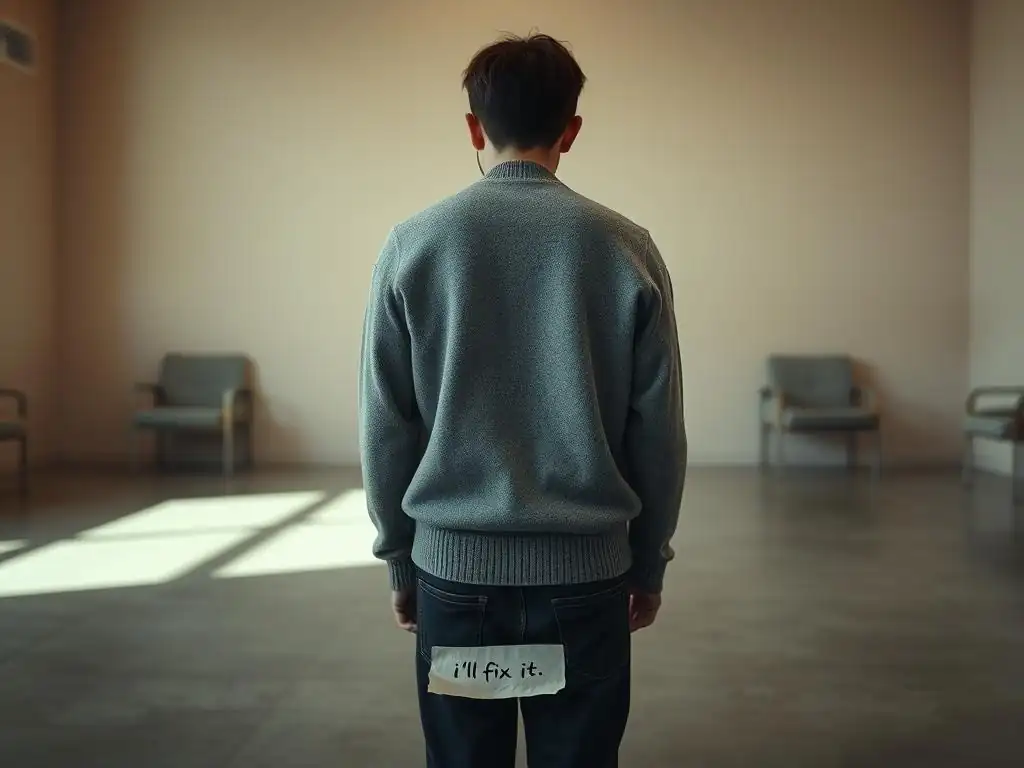
Making promises you cannot guarantee during a crisis interaction is a sure way to lose credibility and potentially cause further distress. In an effort to calm someone down, you might be tempted to say things like, "Everything will be okay," "You won't have to deal with this anymore," or "I promise I can fix this." Unless you have absolute certainty that you can deliver on these promises, avoid making them.
If you make a promise and are unable to keep it, the person will feel betrayed and let down, especially if they are already feeling vulnerable and distrustful. This can make it much harder to establish trust in the future and can escalate the current situation. Be honest about what you can and cannot do.
Instead of false promises, offer realistic support and actions: "I will stay with you until help arrives," "I can help you find someone who can address that problem," or "We can work through this step by step." Honesty builds trust, which is essential for effective deescalation techniques for anxiety relief.
Raising Your Voice: Escalating the Situation
Just as using a calm tone is crucial for de-escalation, raising your voice is a guaranteed way to escalate a situation. When someone is yelling, it is a natural human tendency to raise your own voice to be heard or out of frustration. However, this immediately creates a power struggle and increases the level of arousal and aggression in the interaction.
Your voice is a primary tool in verbal de-escalation. Keeping your volume low and steady, even when the other person is loud, helps maintain a calmer atmosphere. It models the behavior you hope to see and makes it easier for the person to eventually lower their own voice to match yours.
Resist the urge to shout back. If the person is too loud to be heard safely or effectively, calmly state, "I need you to lower your voice so I can understand you," and, if necessary, disengage temporarily until they are able to speak at a lower volume. Maintaining a calm voice is a cornerstone of successful deescalation techniques for anxiety relief.
Advanced De-escalation Strategies and Training
The Importance of Professional Training in De-escalation
While understanding core principles and techniques is a vital first step, professional training in de-escalation significantly enhances one's ability to effectively manage crisis situations. Training programs, such as Crisis Prevention Institute (CPI) or Nonviolent Crisis Intervention, offer structured learning environments to practice techniques, understand the psychological underpinnings of behavior in crisis, and learn how to assess risk. These programs often incorporate role-playing and simulations, allowing individuals to practice responses in a safe setting before encountering real-life situations.
Professional training provides a deeper understanding of behavioral patterns, common triggers, and the stages of escalation, enabling a more proactive and tailored approach. It also covers crucial aspects like personal safety, team de-escalation strategies, and post-crisis procedures. For individuals working in mental health, healthcare, education, or law enforcement, formal training is often mandatory and demonstrably reduces the frequency and severity of violent incidents.
For example, studies show that trained staff are significantly less likely to rely on physical restraints, sometimes by as much as 50-60%, leading to safer outcomes for both staff and individuals in crisis. Mastering deescalation techniques for anxiety relief and other forms of distress requires this level of dedicated practice and instruction.
Utilizing Body Language Effectively: Non-Verbal Communication Cues
Verbal de-escalation is only one part of the equation; non-verbal communication, or body language, plays an equally critical role. Your posture, facial expressions, hand gestures, and movement can either support or undermine your verbal message. Adopting an open, non-threatening stance is crucial. This means avoiding crossed arms, hands on hips, or pointing fingers, which can appear defensive or aggressive. Maintain relaxed shoulders and an open posture.
Your facial expression should be calm and empathetic, not stern, fearful, or dismissive. Make appropriate eye contact – enough to show you are engaged, but not so much that it feels like staring or a challenge. Be mindful of your movements; avoid sudden or rapid gestures. Keeping your hands visible and empty can also be reassuring. Effective body language reinforces your verbal message of calm and respect, contributing significantly to the overall success of deescalation techniques for anxiety relief.
Recognizing and Responding to Non-Verbal Cues from Others
Just as your own body language sends messages, the non-verbal cues from the person in crisis provide invaluable information about their emotional state and level of escalation. Learning to recognize these cues is essential for adapting your approach in real-time. Signs of increasing anxiety or agitation can include pacing, fidgeting, clenched fists, tense muscles, rapid shallow breathing, darting eyes, or a rigid posture.
Observing these cues allows you to intervene earlier, potentially preventing full-blown escalation. For example, if you notice someone's breathing becoming more rapid and shallow and their fists clenching, you might shift your focus immediately to breathing exercises or offering a physical outlet for tension, rather than continuing a conversation that might be adding to their stress. Conversely, signs of de-escalation include relaxed muscles, slower breathing, less restless movement, and increased eye contact. Being attuned to these non-verbal signals allows for a more responsive and effective application of deescalation techniques for anxiety relief.
Seeking Support After a De-escalation Incident: Self-Care for Caregivers
Engaging in a de-escalation process, especially in intense or prolonged situations, can be emotionally and physically draining. It's crucial for those providing support to prioritize their own well-being afterward. Experiencing a crisis situation secondhand can lead to stress, anxiety, or even vicarious trauma. Ignoring these feelings can lead to burnout and negatively impact future ability to provide support.
Taking time for self-care after a de-escalation incident is not a luxury, but a necessity. This might involve debriefing with a supervisor or colleague, engaging in relaxation techniques like deep breathing or mindfulness, ensuring adequate rest, or seeking professional support if needed. Recognizing and processing your own reactions helps you learn from the experience and maintains your capacity to help others effectively in the future. Studies show that providing structured debriefing opportunities for staff involved in critical incidents can significantly reduce stress and trauma symptoms, sometimes by 30-50%, highlighting the importance of this step for long-term effectiveness and well-being.
Resources for Learning More About Verbal De-escalation and Crisis Intervention
Books and Articles on De-escalation Techniques
For those seeking to deepen their understanding of de-escalation techniques, a wealth of information is available in books and academic articles. Many foundational texts in crisis intervention and conflict resolution cover verbal de-escalation extensively, offering theoretical frameworks and practical strategies. Authors like George Thompson ("Verbal Judo") or resources focusing on trauma-informed approaches provide valuable insights into communication under pressure.
Exploring academic databases can yield studies on the effectiveness of various de-escalation methods in different settings (e.g., healthcare, law enforcement, schools) and with specific populations (e.g., individuals with anxiety disorders, psychosis, or developmental disabilities). These resources often provide data-driven evidence supporting the principles and techniques discussed, reinforcing their importance for effective deescalation techniques for anxiety relief and other crisis states.
Online Courses and Workshops for Mental Health Professionals
Numerous online courses and workshops are available specifically designed for mental health professionals and others who regularly work with individuals in crisis. These often provide in-depth training on assessing risk, understanding underlying psychological factors, and applying a range of de-escalation strategies, including verbal and non-verbal techniques. Many offer continuing education credits.
These platforms allow for flexible learning and often include video demonstrations, case studies, and interactive exercises. They can cover specialized topics such as de-escalating specific conditions like severe anxiety or psychosis, or working with particular age groups. Engaging in such training is a valuable way for professionals to hone their skills and stay updated on best practices in crisis intervention and deescalation techniques for anxiety relief.
Organizations Offering Crisis Intervention Training and Support
Several organizations are dedicated to providing training and support related to crisis intervention and de-escalation. Prominent examples include the National Alliance on Mental Illness (NAMI), Mental Health First Aid, and organizations specializing in crisis management like the Crisis Prevention Institute (CPI). These groups offer workshops, certification programs, and resources for both professionals and the general public.
These organizations often provide training specifically focused on recognizing signs of mental health crises and safely intervening. They emphasize empathy, understanding, and practical skills. Participating in programs offered by these organizations is an excellent way to gain hands-on practice and connect with a community of individuals committed to supporting those in distress and learning effective deescalation techniques for anxiety relief and other crisis situations.
Conclusion: Empowering Yourself with Verbal De-escalation Skills for Anxiety Relief
Understanding and applying verbal de-escalation techniques is a powerful way to navigate challenging situations and provide crucial support to individuals experiencing mental health crises, particularly those overwhelmed by anxiety. These skills empower you to remain calm under pressure, communicate effectively, and create a safer environment for everyone involved. By mastering active listening, empathy, validation, and clear communication, you can help lower emotional intensity and guide someone back toward a state of calm.
While not a guarantee to resolve every crisis, these deescalation techniques for anxiety relief significantly increase the likelihood of a positive outcome, minimizing harm and preserving dignity. They are not just tools for professionals but valuable skills for anyone who interacts with others, enhancing communication and conflict resolution in various aspects of life. Committing to learning and practicing these techniques equips you to be a source of calm and support when it's needed most, making a profound difference in the lives of those experiencing distress.
Frequently Asked Questions
What is verbal de-escalation, and why is it important for anxiety relief?
Verbal de-escalation involves using communication strategies to reduce the intensity of an anxious or agitated person. It's crucial for anxiety relief because it can prevent escalation to a crisis and promote a sense of calm.
How can I effectively use active listening during verbal de-escalation?
Active listening means fully focusing on what the anxious person is saying, acknowledging their feelings, and showing empathy. It helps build trust and rapport, essential for calming them down.
What are some specific phrases or statements I should avoid when trying to de-escalate someone experiencing anxiety?
Avoid phrases that are dismissive, judgmental, or challenging, such as "Calm down," "You're overreacting," or "Just stop it." These can increase anxiety and damage the connection.
How can I maintain my own composure while attempting to de-escalate an anxious individual?
Practice self-care techniques like deep breathing and mindfulness to stay calm. Remember to set boundaries and recognize when you need to seek help from others.
Besides verbal communication, what other factors contribute to successful de-escalation?
Non-verbal cues like body language, tone of voice, and creating a safe and supportive environment are also critical. These elements can significantly impact the effectiveness of de-escalation efforts.
Final Reflection: The Ripple Effect of Calm
The ability to de-escalate tense situations isn't just a skill; it's a lifeline in our increasingly anxious world. Mastering verbal de-escalation techniques isn't merely about resolving immediate conflicts; it's about cultivating a culture of empathy and understanding that ripples outwards, impacting not only the individuals involved but also the broader community.
The impact of effective communication in managing anxiety is profound and far-reaching. It's not just about calming someone else down; it's about fostering self-regulation and emotional intelligence within ourselves. Learning these techniques has profoundly changed my own approach to conflict, allowing me to respond with more patience and understanding, even in the most challenging circumstances. The most basic of all human needs is the need to understand and be understood.
- Ralph Nichols. This quote perfectly encapsulates the power of effective communication in building bridges and fostering connection, even during moments of heightened anxiety.
Now, consider how you can integrate these de-escalation techniques into your daily life. Think about the small interactions—a disagreement with a colleague, a tense moment with a loved one, or even a challenging conversation with a stranger. By consciously applying the strategies discussed, you can transform potentially explosive situations into opportunities for connection and understanding. You have the power to create calmer, more compassionate interactions, starting today. Embrace this power, and watch as the ripple effect of calm spreads throughout your life and beyond.
Unleash Your Inner Peacemaker: Master Verbal De-escalation Today!
Thanks for taking the time to explore the powerful world of verbal de-escalation! You've now equipped yourself with valuable tools to navigate challenging conversations and foster calmer interactions. Ready to put your newfound knowledge into practice?
- Try a real-life application: Identify a low-stakes situation (a minor disagreement with a friend or family member) and consciously apply one of the techniques discussed in the article. Notice the difference it makes!
- Share your experience: Let's build a supportive community! Share your successes (or even your challenges) in the comments below – your insights might help someone else.
- Explore additional resources: Dive deeper into the topic by searching online for relevant podcasts, videos, or workshops focusing on conflict resolution and communication skills.
What small step will you take today to enhance your communication skills and foster more peaceful interactions?