
The Biological Response to Chronic Stress from Global Events

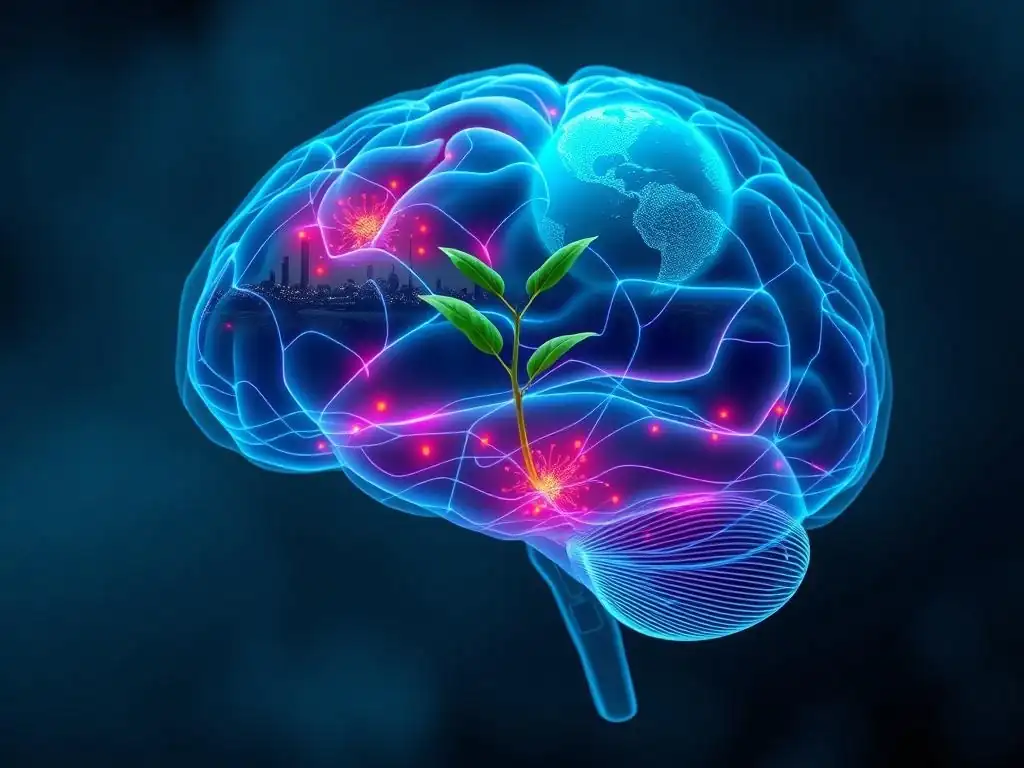
Welcome to Mind Care Guide, your sanctuary for navigating the complexities of mental well-being.
Are you feeling the weight of the world on your shoulders? In times of global uncertainty, chronic stress can become an overwhelming reality. Our latest article, "The Biological Response to Chronic Stress from Global Events," delves into the science behind this phenomenon, exploring how world events impact your mental and physical health. Discover practical strategies to cope and reclaim your inner peace. Let's unravel the mysteries of chronic stress global event response together and embark on a journey towards resilience. Your path to understanding and healing starts here.
The Biological Response to Chronic Stress from Societal Instability
- Understanding Chronic Stress and Societal Instability
- The Body's Response to Chronic Stress: A Biological Overview
- Physiological Effects of Chronic Stress from Societal Instability
- Neurological Consequences of Chronic Stress
- The Chronic Stress Societal Instability Response: A Deeper Dive
- Psychological Effects of Chronic Stress from Societal Instability
- Managing the Biological Response to Chronic Stress
- Nutritional Strategies for Stress Management
- Seeking Professional Help for Chronic Stress
- Building Resilience in the Face of Societal Instability
- Conclusion: Navigating the Biological Response to Chronic Stress from Societal Instability
-
Frequently Asked Questions
- How does exposure to global events contribute to chronic stress?
- What are the key biological systems affected by chronic stress related to global events?
- How can chronic stress from global events impact physical health?
- What are some psychological symptoms associated with chronic stress from global events?
- What are some effective strategies for managing chronic stress related to global events?
- Final Reflection: Resilience in the Face of Global Uncertainty
- Unleash Your Resilience: Take Control of Your Stress Response
Understanding Chronic Stress and Societal Instability
Defining Chronic Stress: A Prolonged Threat
Chronic stress is a state of prolonged exposure to stressors, differing significantly from acute stress which is a temporary, immediate reaction to a perceived threat. While acute stress triggers a swift "fight or flight" response designed for survival, chronic stress involves the sustained activation of the body's stress systems over weeks, months, or even years.
This persistent activation occurs when stressors are inescapable or ongoing, preventing the body from returning to its baseline, relaxed state. Unlike a single stressful event, chronic stress can arise from persistent difficult circumstances such as financial insecurity, relationship problems, or exposure to a volatile environment.
The impact of chronic stress extends beyond momentary discomfort, fundamentally altering physiological processes. Research indicates that prolonged stress can lead to significant changes in brain structure and function, particularly in areas responsible for memory, emotion regulation, and decision-making.
For example, studies have shown that chronic stress can cause the hippocampus, a region vital for learning and memory, to shrink, while the amygdala, associated with fear and anxiety, may enlarge. This sustained biological alarm state contributes significantly to the wear and tear on the body and mind, underlying the complex chronic stress global event response observed in populations facing widespread crises.
The Impact of Societal Instability on Stress Levels
Societal instability, encompassing phenomena like political unrest, economic downturns, conflicts, pandemics, or environmental crises, acts as a pervasive and often uncontrollable source of chronic stress for large populations. Unlike personal stressors that might be isolated, societal instability creates a collective, ongoing threat environment. The uncertainty, loss of predictability, and potential for disruption to daily life inherent in such situations keep individuals in a heightened state of alert, fueling the chronic stress global event response. This shared experience of stress can also erode social support networks and community cohesion, further exacerbating individual vulnerability.
The unpredictable nature of societal instability means that the stressors are often ambiguous and long-lasting, making adaptation difficult. For instance, during economic recessions, job insecurity and financial strain can persist for years, creating a constant low-grade stressor. Similarly, living through a pandemic involves ongoing concerns about health, safety, and the future.
Surveys conducted during the COVID-19 pandemic, for example, showed a significant increase in reported stress levels globally, with a large percentage of the population reporting symptoms consistent with chronic stress exposure compared to pre-pandemic levels. This highlights how widespread crises become powerful drivers of chronic stress, shaping the collective chronic stress global event response.
Political polarization and social unrest contribute significantly to the burden of chronic stress within a society. These forms of instability create environments characterized by conflict, division, and often, a sense of threat or alienation. The constant exposure to divisive rhetoric, conflict, and uncertainty about the future of the political or social landscape can keep individuals in a state of hypervigilance.
This is particularly true for individuals who feel marginalized or targeted by the prevailing social or political climate. The emotional toll of witnessing or experiencing social conflict, coupled with the breakdown of civil discourse, adds a layer of psychological strain that fuels chronic stress.
The pervasive nature of political and social division, often amplified by media and social platforms, means individuals are frequently exposed to triggers that elicit stress responses. This can manifest as increased anxiety about social interactions, difficulty maintaining relationships across divides, and a sense of helplessness regarding the broader societal situation.
Data from various studies suggest that periods of heightened political tension correlate with increased reports of stress, anxiety, and even physical symptoms among the population. For example, research following specific periods of intense political activity or social protest in some countries has indicated a rise in stress-related health complaints and mental health service utilization, underscoring the significant mental health impact of chronic stress global event responses driven by such factors.
The Body's Response to Chronic Stress: A Biological Overview
The HPA Axis and Chronic Stress Activation
The hypothalamic-pituitary-adrenal (HPA) axis is the body's central stress response system. In response to a perceived threat, the hypothalamus releases corticotropin-releasing hormone (CRH), which signals the pituitary gland to release adrenocorticotropic hormone (ACTH). ACTH then travels through the bloodstream to the adrenal glands, prompting them to release cortisol, the primary stress hormone. This cascade is designed for acute stress, providing energy and suppressing non-essential functions to deal with immediate danger. However, under chronic stress conditions, such as those induced by societal instability, this axis remains persistently activated.
Prolonged activation of the HPA axis leads to chronically elevated levels of cortisol and other stress hormones. While cortisol is essential for regulating many bodily functions, persistently high levels can become detrimental. This sustained hormonal imbalance is a key feature of the biological chronic stress global event response. Over time, the negative feedback loop that normally shuts down the HPA axis can become impaired, meaning the system struggles to turn off even when the initial stressor has lessened slightly. This dysregulation contributes to a wide range of physiological and psychological issues associated with chronic stress.
Neuroendocrine System Dysregulation Under Stress
Beyond the HPA axis, chronic stress impacts the broader neuroendocrine system, a complex network of glands and hormones that regulate numerous bodily functions. The constant influx of stress hormones like cortisol, adrenaline, and noradrenaline disrupts the delicate balance of this system. This dysregulation can affect the release and function of hormones involved in metabolism, growth, reproduction, and immune function, contributing significantly to the widespread physiological consequences of chronic stress. The persistent activation of the sympathetic nervous system, part of the stress response, also leads to chronic elevation of heart rate and blood pressure.
For example, chronic stress can suppress the production of thyroid hormones, leading to metabolic slowdown, or interfere with reproductive hormones, impacting fertility. It can also disrupt insulin sensitivity, increasing the risk of type 2 diabetes. This systemic disruption illustrates how the chronic stress global event response is not confined to one system but involves a complex interplay of hormonal and neural changes. The body, constantly attempting to adapt to a perceived threat, diverts resources away from maintenance and repair functions towards a state of perpetual readiness, leading to long-term wear and tear.
The Role of Cortisol in Long-Term Stress
Cortisol is often referred to as the primary stress hormone, and its role in the long-term effects of chronic stress is central. While short bursts of cortisol are beneficial for mobilizing energy and enhancing memory formation related to the stressor, sustained high levels have damaging effects. Chronically elevated cortisol can suppress the immune system, making the body more vulnerable to infections and slowing wound healing. It can also interfere with sleep patterns, leading to insomnia or disrupted sleep architecture.
Furthermore, high cortisol levels have profound effects on the brain. Prolonged exposure can damage neurons in the hippocampus, impairing memory and learning. It can also alter the function of the prefrontal cortex, affecting executive functions like decision-making and impulse control.
Simultaneously, it can increase activity in the amygdala, contributing to heightened anxiety and fear responses. This combination of effects underscores why chronic stress, particularly in the context of a chronic stress global event response, can lead to significant cognitive impairment and increased vulnerability to mental health disorders. The body's attempt to cope with persistent threat, mediated by cortisol, ultimately undermines its own functions.
Physiological Effects of Chronic Stress from Societal Instability
Cardiovascular System and Persistent Stress
Chronic stress, particularly the pervasive kind stemming from societal instability, places a significant burden on the cardiovascular system. The constant activation of the sympathetic nervous system and the release of stress hormones like adrenaline and noradrenaline lead to persistently elevated heart rate and blood pressure. While these are adaptive responses in the short term, their chronic presence forces the heart and blood vessels to work harder continuously. This prolonged strain can damage the inner lining of arteries, contributing to the development of atherosclerosis, the hardening and narrowing of arteries.
Over time, this increased workload and arterial damage significantly raise the risk of serious cardiovascular events. Studies have consistently linked chronic stress to an increased incidence of hypertension, heart attacks, and strokes. For example, research following populations through periods of major economic instability has shown a correlation between rising unemployment and financial stress and an increase in hospital admissions for cardiovascular issues. This highlights a direct physiological consequence of the chronic stress global event response, where the body's persistent alarm state directly impacts its most vital organ system.
Immune System Suppression Due to Chronic Societal Instability Stress
The immune system is significantly affected by chronic stress. Initially, acute stress can boost immune function to prepare the body for potential injury, but chronic stress has the opposite effect, suppressing immune responses. Chronically elevated cortisol levels inhibit the production and function of various immune cells, including lymphocytes and natural killer cells, which are critical for fighting off infections and detecting abnormal cells like cancer cells. This suppression makes the body more susceptible to illness.
Individuals experiencing chronic stress from societal instability may find themselves getting sick more often, taking longer to recover from illnesses, and being more vulnerable to opportunistic infections. Furthermore, chronic stress can worsen inflammatory conditions, as the dysregulated immune system may contribute to chronic, low-grade inflammation throughout the body.
This weakened state of defense is a critical aspect of the biological chronic stress global event response, leaving individuals less equipped to maintain their physical health in challenging environments. Data suggests that populations exposed to prolonged societal stressors often show higher rates of infectious diseases and slower wound healing compared to more stable populations.
Gastrointestinal Issues and Prolonged Stress
The gut is intimately connected to the brain via the gut-brain axis, and chronic stress significantly impacts gastrointestinal function. Stress can alter gut motility, leading to symptoms like diarrhea or constipation. It can also affect the permeability of the gut lining, potentially contributing to "leaky gut" syndrome, where substances can pass through the intestinal wall more easily, triggering inflammation. Furthermore, chronic stress can disrupt the balance of the gut microbiome, the community of bacteria living in the digestive tract, which plays a crucial role in digestion, nutrient absorption, and immune function.
These stress-induced changes in the gut can exacerbate or contribute to various gastrointestinal disorders. Conditions such as Irritable Bowel Syndrome (IBS), Inflammatory Bowel Disease (IBD), and peptic ulcers are strongly linked to chronic stress. The constant state of alert in the body due to societal instability can manifest directly as digestive distress.
For instance, studies have shown that individuals experiencing high levels of stress related to financial insecurity or political conflict report a higher incidence and severity of IBS symptoms. This demonstrates how the chronic stress global event response can have immediate and uncomfortable physical manifestations in the digestive system.
Sleep is crucial for physical and mental restoration, and chronic stress from societal instability is a major disruptor of healthy sleep patterns. The persistent activation of the HPA axis and the sympathetic nervous system keeps the body in a state of heightened arousal, making it difficult to fall asleep or stay asleep. Elevated levels of cortisol, which typically follow a diurnal rhythm (high in the morning, low at night), can become dysregulated under chronic stress, leading to higher levels at night that interfere with sleep onset.
Individuals facing ongoing stress from global events often report insomnia, restless sleep, frequent awakenings, and non-restorative sleep. This lack of quality sleep further exacerbates the effects of stress, creating a vicious cycle. Poor sleep impairs cognitive function, emotional regulation, and immune function, making it harder to cope with the stressors themselves. Research consistently shows a strong correlation between exposure to chronic stressors like economic hardship or political uncertainty and increased prevalence of sleep disorders. This disruption of a fundamental biological process is a hallmark of the chronic stress global event response, undermining overall health and resilience.
Neurological Consequences of Chronic Stress
Brain Changes and Cognitive Impairment
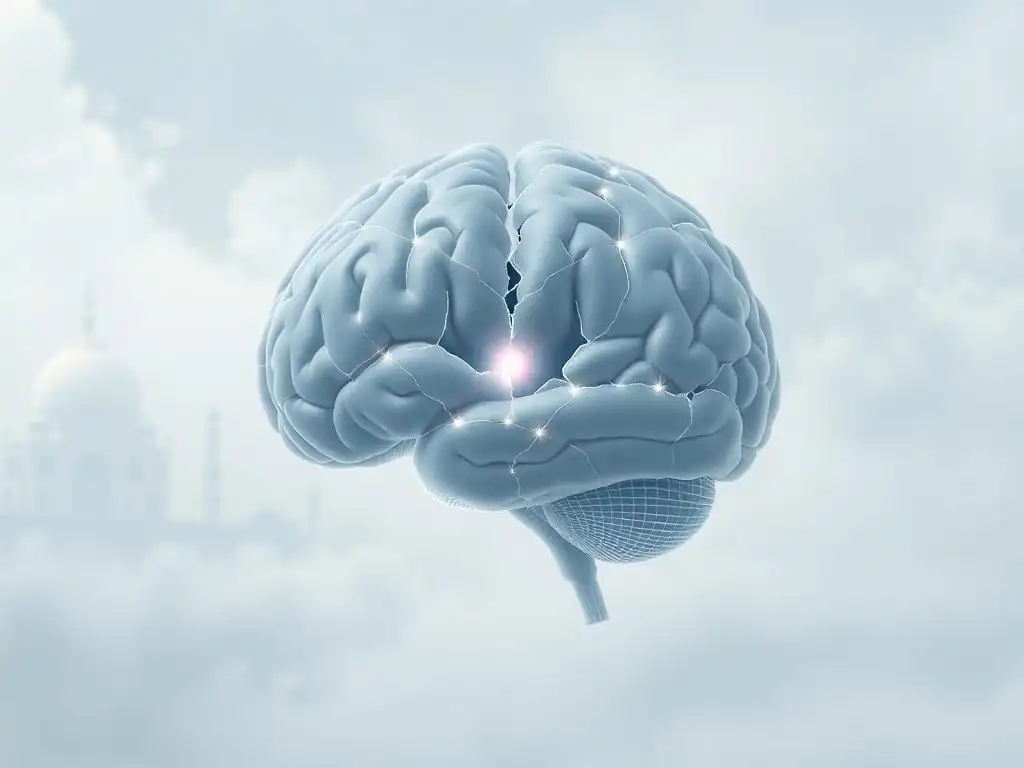
Chronic stress has profound and lasting effects on the structure and function of the brain. As mentioned earlier, prolonged exposure to high cortisol levels can lead to atrophy (shrinkage) in brain regions like the hippocampus, which is vital for memory and learning, and the prefrontal cortex, involved in executive functions such as planning, decision-making, and working memory. Simultaneously, chronic stress can increase the size and activity of the amygdala, the brain's fear center, leading to heightened emotional reactivity and anxiety.
These structural and functional changes manifest as cognitive impairment. Individuals experiencing chronic stress often report difficulties with concentration, memory problems, reduced problem-solving abilities, and impaired decision-making. The constant barrage of stress signals can overwhelm the brain's capacity to process information efficiently and regulate responses. For example, someone dealing with the chronic stress global event response might find it harder to focus on tasks at work or remember appointments, even unrelated to the stressor itself. These neurological changes represent a significant biological cost of prolonged stress exposure.
Impact on Memory and Learning
The hippocampus is particularly vulnerable to the effects of chronic stress. This brain region is essential for forming new declarative memories (memories of facts and events) and spatial navigation. High levels of cortisol can damage and even destroy neurons in the hippocampus, reducing its volume and impairing its function. This damage makes it harder to acquire new information and retrieve existing memories.
Furthermore, chronic stress can alter synaptic plasticity, the ability of brain synapses to strengthen or weaken over time, which is fundamental to learning and memory consolidation. While acute stress can sometimes enhance memory for the stressful event itself (likely via amygdala activity), chronic stress undermines the more complex processes of learning and memory required for daily life.
This impairment in memory and learning is a direct neurological consequence of the chronic stress global event response, affecting an individual's ability to adapt and function effectively. Studies in both animal models and humans have demonstrated significant hippocampal volume reduction and memory deficits following prolonged stress exposure.
Increased Risk of Mental Health Conditions
The neurological changes induced by chronic stress significantly increase vulnerability to a range of mental health conditions. The dysregulation of neurotransmitter systems (like serotonin, dopamine, and norepinephrine), the altered structure and function of key brain regions (prefrontal cortex, hippocampus, amygdala), and the persistent state of physiological arousal create a fertile ground for the development of psychiatric disorders. The chronic stress global event response is a significant risk factor for conditions such as depression, anxiety disorders, and post-traumatic stress disorder (PTSD).
For example, the persistent activation of the amygdala and impaired regulation by the prefrontal cortex contribute directly to the core symptoms of anxiety disorders. Hippocampal atrophy and changes in neurotransmitter levels are strongly implicated in the pathophysiology of depression.
While genetic predisposition and other factors play a role, chronic stress acts as a powerful environmental trigger, pushing individuals towards developing these conditions. Data from populations exposed to prolonged crises, such as refugees or those living in areas of conflict, consistently show significantly higher rates of depression, anxiety, and PTSD compared to the general population, highlighting the profound link between chronic stress and mental illness.
The Chronic Stress Societal Instability Response: A Deeper Dive
The Acute Stress Response vs. Chronic Stress Adaptation
Understanding the difference between the acute stress response and chronic stress adaptation is crucial for grasping the long-term impact of societal instability. The acute stress response, often termed the "fight or flight" response, is a rapid, short-lived reaction triggered by a perceived threat. It involves the immediate release of adrenaline and noradrenaline, leading to increased heart rate, blood pressure, and energy mobilization. This system is highly efficient for dealing with immediate dangers but is designed to shut off quickly once the threat passes.
In contrast, the chronic stress global event response involves the prolonged activation of the HPA axis and sympathetic nervous system in the face of persistent, unavoidable stressors. Instead of a quick burst and return to baseline, the body remains in a state of low-grade or fluctuating high alert. This isn't true "adaptation" in a beneficial sense, but rather a state of chronic dysregulation.
The body's systems, designed for short-term emergencies, become exhausted and damaged by continuous activation. This distinction explains why acute stress can be harmless or even beneficial in some contexts, while chronic stress is overwhelmingly detrimental to health.
Allostatic Load and the Wear and Tear on the Body
Allostatic load is a concept that describes the cumulative wear and tear on the body's systems due to repeated or chronic exposure to stress. It represents the physiological cost of chronic stress adaptation (or rather, maladaptation). When the body is constantly working to maintain stability (allostasis) in the face of persistent demands, the systems responsible for this regulation – including the HPA axis, sympathetic nervous system, cardiovascular system, and immune system – become overworked and eventually dysregulated.
High allostatic load is associated with a greater risk of numerous diseases. Biomarkers of allostatic load include elevated blood pressure, high cortisol levels, increased inflammatory markers, and metabolic changes. Societal instability, by creating widespread and chronic stress, significantly increases the allostatic load on affected populations.
This accumulated biological burden is a core component of the chronic stress global event response, explaining why prolonged exposure to societal crises leads to higher rates of chronic diseases and premature aging. Research measuring multiple biomarkers has shown that individuals exposed to significant life stress or adverse environments exhibit higher allostatic load scores, predicting poorer health outcomes years later.
Genetic Predisposition and Stress Vulnerability
While chronic stress from societal instability impacts everyone to some degree, individual responses vary significantly. Genetic predisposition plays a role in determining an individual's vulnerability to stress and their specific chronic stress global event response. Certain genes can influence the sensitivity of the HPA axis, the production and metabolism of stress hormones, and the structure and function of brain regions involved in stress processing. For example, variations in genes related to neurotransmitter transporters or receptors can affect how an individual's brain responds to stress signals.
This means that some individuals may be genetically wired to have a more reactive stress response or a slower recovery, making them more susceptible to the negative effects of chronic stress. While genetics load the gun, environmental factors like chronic societal instability pull the trigger. Understanding the interplay between genetic vulnerability and environmental stressors is crucial for developing targeted interventions and support strategies. Research in behavioral genetics and epigenetics is uncovering how chronic stress can even alter gene expression, potentially passing down stress vulnerability across generations, further complicating the long-term chronic stress global event response.
Psychological Effects of Chronic Stress from Societal Instability
Chronic stress stemming from societal instability, particularly when marked by political polarization and social division, significantly amplifies feelings of anxiety and fear. The constant exposure to conflict, unpredictability, and the potential for social friction creates an environment of heightened threat perception. When society feels fractured and hostile, individuals may experience increased social anxiety, fear for their safety or that of their loved ones, and a general sense of unease about the future.
This pervasive anxiety is fueled by the biological chronic stress global event response, specifically the sensitized amygdala and dysregulated stress hormones. The brain becomes hypervigilant to potential threats, interpreting ambiguous social cues as negative or dangerous. The breakdown of social cohesion means that traditional sources of support and reassurance may be weakened, leaving individuals feeling more isolated and vulnerable. Surveys during times of intense social unrest often show a marked increase in symptoms of generalized anxiety disorder and panic attacks within the affected population.
Depression and Loss of Control
A profound psychological consequence of chronic stress from societal instability is an increased risk of depression. Persistent exposure to uncontrollable stressors, a hallmark of widespread crises, can lead to feelings of helplessness and hopelessness. When individuals feel their lives are being dictated by external forces beyond their control – whether it's an economic downturn, political upheaval, or a pandemic – it can erode their sense of agency and self-efficacy. This perceived lack of control is a significant risk factor for developing depressive symptoms.
The biological mechanisms underlying the chronic stress global event response contribute to depression through changes in brain chemistry and structure. Chronic stress can deplete neurotransmitters like serotonin and norepinephrine, which are crucial for mood regulation. It can also cause inflammation in the brain and disrupt neural circuits involved in reward and motivation. The combination of psychological feelings of helplessness and biological changes creates a fertile ground for clinical depression. Data from organizations like the WHO show a substantial increase in the prevalence of depression globally during periods of widespread crisis and instability.
Trauma and Post-Traumatic Stress Disorder (PTSD)
While chronic stress is distinct from acute trauma, prolonged exposure to the unpredictable and often threatening environment created by societal instability can be deeply traumatizing and contribute to the development of Post-Traumatic Stress Disorder (PTSD). Events like civil unrest, political violence, or the widespread loss and fear experienced during a pandemic can be acutely traumatic for individuals who directly experience or witness them. However, the chronic nature of the stress environment can also lead to complex trauma or exacerbate the impact of acute traumatic events.
Living in a state of perpetual alert, with constant exposure to distressing news or experiences, can prevent the nervous system from returning to a state of calm, a key factor in the development of PTSD. The biological chronic stress global event response, with its persistent HPA axis activation and amygdala sensitization, mirrors the biological profile seen in PTSD.
Symptoms such as intrusive thoughts, flashbacks, hypervigilance, and avoidance behaviors can emerge not just from a single event, but from the cumulative effect of living through a prolonged period of crisis. Studies have found elevated rates of PTSD in populations exposed to long-term conflict, political persecution, or the sustained threat of a disease outbreak.
Emotional Dysregulation and Mood Swings
Chronic stress from societal instability can severely impair an individual's ability to regulate their emotions, leading to increased emotional reactivity and frequent mood swings. The constant strain on the nervous system and the dysregulation of brain regions involved in emotional processing (like the prefrontal cortex and amygdala) make it harder to manage feelings effectively. Small stressors can trigger disproportionately large emotional responses.
Individuals might find themselves feeling irritable, angry, overwhelmed, or tearful more easily than usual. They may experience rapid shifts in mood, moving quickly from feeling relatively stable to feeling highly anxious or depressed. This emotional lability is a direct consequence of the body's and brain's struggle to cope with the persistent demands of the chronic stress global event response. It can strain relationships and make daily functioning more challenging, adding another layer of difficulty to navigating already unstable times.
Managing the Biological Response to Chronic Stress
Stress Reduction Techniques: A Holistic Approach
Effectively managing the biological response to chronic stress from societal instability requires a holistic approach that addresses both the mind and the body. While the external stressors may be difficult or impossible to change, individuals can implement strategies to mitigate their internal biological impact. This involves actively engaging in practices that signal safety and calm to the nervous system, counteracting the persistent "fight or flight" signals. A multi-faceted approach is often more effective than relying on a single technique.
These techniques work by influencing the HPA axis, reducing cortisol levels, calming the sympathetic nervous system, and promoting the activity of the parasympathetic nervous system, which is responsible for rest and digestion. Examples range from simple daily habits to more structured practices. The goal is to build resilience and buffer the physiological effects of the chronic stress global event response, helping the body and mind recover and maintain balance despite ongoing external challenges. Integrating several techniques can provide a more robust defense against the pervasive nature of stress during unstable times.
Mindfulness and Meditation for Stress Relief
Mindfulness and meditation are powerful tools for managing the biological chronic stress global event response. Mindfulness involves paying attention to the present moment without judgment, which can help individuals become more aware of their stress responses (thoughts, feelings, physical sensations) without being overwhelmed by them. Meditation, often involving focused attention or open monitoring, can cultivate a state of calm and reduce the reactivity of the stress response system.
Regular practice of mindfulness and meditation has been shown to have measurable biological effects. Studies using fMRI scans have demonstrated that meditation can increase the density of gray matter in brain regions associated with self-awareness, compassion, and stress regulation, while potentially reducing gray matter in the amygdala. Physiological studies show that consistent meditation practice can lower cortisol levels, reduce blood pressure, and decrease heart rate variability, indicating a shift towards parasympathetic dominance. Even short daily sessions, such as 10-15 minutes, can begin to alter the body's ingrained stress patterns and build resilience against the effects of chronic stress.
Exercise and Physical Activity for Stress Regulation
Physical exercise is one of the most effective ways to regulate the biological response to chronic stress. When you exercise, your body releases endorphins, natural mood boosters that can help alleviate stress and improve mood. Exercise also helps to regulate the HPA axis, making it less reactive to stressors over time. Furthermore, physical activity can help metabolize excess stress hormones like cortisol and adrenaline, allowing the body to return to a more balanced state.
Engaging in regular exercise, whether it's aerobic activity, strength training, or yoga, provides a healthy outlet for physical tension accumulated from stress and promotes better sleep, further aiding stress recovery. Aiming for at least 150 minutes of moderate-intensity aerobic exercise or 75 minutes of vigorous-intensity activity per week, as recommended by health guidelines, can significantly buffer the physiological impact of the chronic stress global event response. Even shorter bursts of activity throughout the day can be beneficial in managing stress levels.
Social support and connection are vital buffers against the effects of chronic stress, particularly during times of societal instability. Feeling connected to others, whether through family, friends, or community groups, provides emotional comfort, practical assistance, and a sense of belonging. Positive social interactions trigger the release of oxytocin, a hormone that can counteract the effects of stress hormones and promote feelings of calm and well-being.
Sharing your experiences and feelings with trusted individuals can help process stress and reduce feelings of isolation, which often accompany chronic stress from global events. Engaging in community activities or joining support groups related to the specific challenges posed by societal instability can also provide a sense of collective resilience and shared purpose. Research consistently shows that strong social networks are associated with lower levels of stress hormones, better immune function, and greater longevity, underscoring that nurturing relationships is a critical strategy in managing the chronic stress global event response.
Nutritional Strategies for Stress Management
Diet and the Gut-Brain Axis
Nutrition plays a significant role in managing the biological chronic stress global event response, largely through its influence on the gut-brain axis. The gut and the brain are in constant communication, and the composition of the gut microbiome can affect mood, stress levels, and overall mental well-being. A diet rich in processed foods, sugar, and unhealthy fats can negatively impact the gut microbiome and increase inflammation, potentially exacerbating the physiological effects of stress.
Conversely, a balanced diet rich in whole foods, fiber, and fermented foods can support a healthy gut microbiome, which in turn can positively influence brain function and stress resilience. Focusing on nutrient-dense foods provides the building blocks necessary for neurotransmitter synthesis and overall brain health, helping the body and mind cope more effectively with chronic stress. Understanding this connection highlights how dietary choices are not just about physical health, but are integral to managing the chronic stress global event response.
Foods that Support Stress Resilience
Certain foods are particularly beneficial for supporting stress resilience and mitigating the biological impact of chronic stress. Foods rich in Omega-3 fatty acids, found in fatty fish like salmon, walnuts, and flaxseeds, have anti-inflammatory properties and are important for brain health. B vitamins, found in whole grains, leafy greens, and legumes, are essential for energy metabolism and the production of neurotransmitters. Magnesium, found in nuts, seeds, and dark chocolate, is known for its calming properties and plays a role in regulating the stress response.
Antioxidant-rich fruits and vegetables, such as berries, spinach, and broccoli, help protect cells from damage caused by chronic stress-induced inflammation. Probiotic-rich foods like yogurt, kefir, sauerkraut, and kimchi support a healthy gut microbiome, which can influence mood and reduce stress hormone levels. Incorporating a variety of these nutrient-dense foods into your diet can provide the body with the resources it needs to better manage the physiological demands of the chronic stress global event response.
Limiting Stimulants and Processed Foods
While certain foods can support stress resilience, others can exacerbate the biological response to chronic stress. Limiting or avoiding stimulants like caffeine and excessive sugar is often recommended. Caffeine can increase cortisol levels and enhance the feeling of being on edge, which is counterproductive when trying to calm a stressed nervous system. High sugar intake can lead to blood sugar spikes and crashes, contributing to mood swings and irritability, and also fuels inflammation.
Processed foods, often high in unhealthy fats, sugar, and artificial additives, can negatively impact gut health and contribute to systemic inflammation. These foods provide little nutritional value and can worsen the physiological burden of chronic stress. By reducing reliance on these items and focusing on whole, unprocessed foods, individuals can better support their body's ability to manage the chronic stress global event response and improve overall well-being. Making conscious dietary choices is an actionable step in mitigating the physical toll of prolonged stress.
Seeking Professional Help for Chronic Stress
When to Consult a Mental Health Professional
While self-care strategies are important, there are times when the biological and psychological effects of chronic stress from societal instability become overwhelming and require professional intervention. It is advisable to consult a mental health professional if:
- Stress symptoms are significantly interfering with daily life, work, relationships, or sleep.
- You experience persistent feelings of hopelessness, worthlessness, or suicidal thoughts.
- You are using unhealthy coping mechanisms, such as excessive alcohol or substance use.
- Symptoms of anxiety or depression are severe and do not improve with self-help strategies.
- You suspect you may be experiencing symptoms of PTSD or a severe anxiety disorder.
A mental health professional can provide a comprehensive assessment, accurate diagnosis, and evidence-based treatment tailored to your specific needs. Recognizing when to seek help is a sign of strength and a crucial step in effectively addressing the profound impact of the chronic stress global event response. Waiting too long can allow symptoms to worsen and become more entrenched.
Therapy and Counseling Options
Various therapeutic approaches are highly effective in helping individuals manage the psychological and biological impacts of chronic stress. Cognitive Behavioral Therapy (CBT) helps individuals identify and change negative thought patterns and behaviors that contribute to stress and anxiety. Dialectical Behavior Therapy (DBT) can be helpful for improving emotional regulation skills and distress tolerance. Exposure therapy or Trauma-Focused CBT may be used for individuals experiencing trauma-related symptoms or PTSD stemming from their experiences during societal instability.
Therapy provides a safe space to process emotions related to chronic stress from global events, develop healthy coping mechanisms, and build resilience. Therapists can also help individuals navigate the complex feelings associated with uncertainty, loss of control, and social division. Regular therapy sessions can provide ongoing support and guidance as individuals cope with the long-term effects of the chronic stress global event response, offering strategies to mitigate its impact on daily life and overall well-being.
Medication and Treatment Approaches
In some cases, medication may be a necessary component of a comprehensive treatment plan for managing the severe effects of the chronic stress global event response, particularly when symptoms of anxiety, depression, or sleep disturbances are significant. Antidepressants (such as SSRIs or SNRIs) can help regulate neurotransmitter levels and improve mood and anxiety symptoms. Anti-anxiety medications may be prescribed for short-term use to manage acute anxiety or panic attacks. Medications can also be used to address stress-related sleep disorders.
It is important to note that medication is typically most effective when used in conjunction with therapy and lifestyle changes. A psychiatrist or medical doctor can evaluate whether medication is appropriate for your situation, discuss potential benefits and side effects, and monitor your progress. Medication can help stabilize symptoms, making it easier for individuals to engage in therapy and implement self-care strategies, thus supporting recovery from the biological and psychological toll of chronic stress. Approaching treatment with a combination of strategies often yields the best results for managing the complex chronic stress global event response.
Building Resilience in the Face of Societal Instability
Developing Coping Mechanisms for Future Stressors
Building resilience is key to navigating the ongoing challenges posed by societal instability and mitigating the chronic stress global event response. Resilience is not the absence of stress, but the ability to bounce back from adversity. Developing a repertoire of effective coping mechanisms is fundamental to this process. This includes proactive strategies like stress reduction techniques (mindfulness, exercise), maintaining healthy habits (sleep, nutrition), and nurturing social connections, as discussed previously.
It also involves developing adaptive psychological responses, such as cognitive reframing (changing how you think about a situation), problem-solving skills, and accepting what cannot be changed while focusing energy on what can be influenced. Learning from past experiences of adversity can also build confidence in one's ability to cope with future stressors. By actively practicing and refining these mechanisms, individuals can strengthen their capacity to withstand the pressures of chronic stress and reduce its biological impact.
Promoting Mental Well-being in Times of Uncertainty
Promoting mental well-being is an active process, especially crucial during periods of societal instability and uncertainty. This goes beyond simply managing stress and involves cultivating positive emotions, finding meaning, and maintaining a sense of purpose. Engaging in activities that bring joy and relaxation, pursuing hobbies, and spending time in nature can help counteract the negative effects of chronic stress. Setting realistic goals and celebrating small achievements can help maintain a sense of control and accomplishment when the external world feels chaotic.
Focusing on what you can control, even if it's just your daily routine or how you respond to information, can reduce feelings of helplessness. Limiting exposure to overwhelming news or social media that fuels anxiety can also be beneficial. Prioritizing self-care – ensuring adequate rest, nutrition, and physical activity – provides a foundation for mental resilience. Cultivating a positive mindset and practicing gratitude, even for small things, can shift focus away from threats and towards sources of strength and hope, supporting resilience against the chronic stress global event response.
Community Engagement and Collective Action for Well-being
Addressing the chronic stress global event response is not solely an individual endeavor; community engagement and collective action play a vital role. Connecting with others who share similar concerns can reduce feelings of isolation and build a sense of solidarity. Participating in community initiatives, volunteering, or engaging in civic action can provide a sense of agency and purpose, counteracting feelings of powerlessness. Working together on shared challenges can foster a sense of hope and collective efficacy.
Furthermore, communities can create supportive environments that buffer individual stress. This might involve establishing local support networks, advocating for policies that reduce societal stressors (like improving access to healthcare or social services), or organizing community events that promote connection and well-being. Recognizing that the chronic stress from societal instability is a shared experience allows for collective strategies that can build resilience at a broader level, reinforcing individual efforts and creating a more supportive environment for navigating challenging times.
Frequently Asked Questions
How does exposure to global events contribute to chronic stress?
Exposure to global events, particularly those involving trauma or uncertainty, can trigger a prolonged stress response. This happens through constant activation of the body's stress systems, leading to chronic stress over time.
Chronic stress primarily impacts the hypothalamic-pituitary-adrenal (HPA) axis and the sympathetic nervous system. These systems regulate hormones and bodily functions, becoming dysregulated under prolonged stress.
How can chronic stress from global events impact physical health?
Chronic stress can weaken the immune system, increase the risk of cardiovascular disease, and contribute to gastrointestinal problems. These are direct consequences of the body's prolonged stress response.
What are some psychological symptoms associated with chronic stress from global events?
Common psychological symptoms include anxiety, depression, and feelings of helplessness. These can significantly impact daily life and overall mental well-being.
Effective strategies include practicing mindfulness techniques, engaging in regular physical activity, and seeking professional support when needed. These help regulate the body's stress response.
Final Reflection: Resilience in the Face of Global Uncertainty
The interconnectedness of global events and our individual biological responses to chronic stress is undeniable. The escalating frequency and intensity of global crises – from pandemics to climate change – are profoundly impacting our mental and physical well-being, creating a pervasive sense of chronic stress that demands our attention and proactive strategies for mitigation. We are not merely passive recipients of these events; our bodies are actively responding, and understanding these responses is crucial for navigating the challenges ahead.
The pervasive nature of chronic stress stemming from global events has fundamentally reshaped our understanding of health and well-being. It's no longer enough to address individual stressors in isolation; we must acknowledge the systemic nature of the problem and the cumulative impact of these events on our collective psyche. The constant barrage of news and information, often amplified by social media, contributes to a state of heightened anxiety and uncertainty. The greatest glory in living lies not in never falling, but in rising every time we fall.
– Nelson Mandela. This quote resonates deeply, reminding us that resilience, not perfection, is the key to navigating the complexities of a world grappling with chronic stress.
Consider the information presented in this article. How can you integrate these insights into your daily life? Identify your personal stressors related to global events, and consciously implement stress-management techniques. This might involve mindfulness practices, seeking support from loved ones, engaging in physical activity, or simply setting aside dedicated time for relaxation and self-care. Remember, prioritizing your well-being is not selfish; it's essential for navigating the challenges of our time and building a more resilient future, both individually and collectively.
Here's a Call to Action (CTA) tailored for the article "The Biological Response to Chronic Stress from Global Events" on MindCareGuide.org:
Unleash Your Resilience: Take Control of Your Stress Response
Thanks for taking the time to learn about the biological impact of chronic stress from global events. We hope this article provided valuable insights into managing your well-being. Now, let's put that knowledge into action!
- Prioritize one small self-care practice today: This could be anything from a 10-minute meditation to a mindful walk in nature. Small steps make a big difference.
- Share this article with someone who might benefit: Knowledge is power, and helping others build resilience is a powerful act of self-care, too.
- Explore MindCareGuide.org's additional resources: Discover practical tools and techniques to manage stress and nurture your mental well-being.
What small step will you take today to nurture your resilience?