
Children and Crises: Protecting Young Minds During Global Events

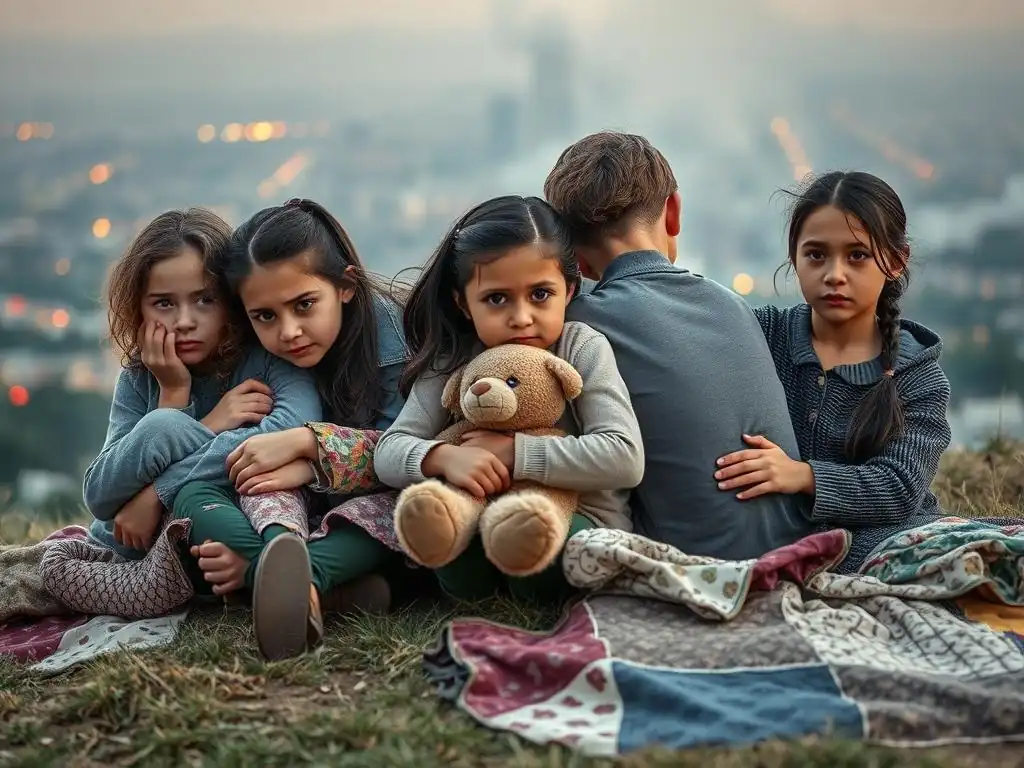
Welcome to Mind Care Guide, a sanctuary for understanding and nurturing mental well-being.
Have you ever wondered how global events impact the delicate minds of our children? In a world increasingly shaped by crises, protecting their mental health is more crucial than ever. Our article, " Children and Crises: Protecting Young Minds During Global Events," explores the complex realities of children global event trauma, offering insights and practical guidance to help you navigate these challenging times. Discover how to support the young ones in your life and foster resilience in the face of adversity. Read on to learn more...
Supporting Children's Mental Health During Global Crises
- Understanding the Psychological Impact of Global Crises on Children
- Fostering a Secure and Nurturing Environment for Children
- Practical Strategies for Promoting Children's Well-being
- Addressing Specific Challenges Following Traumatic Events
- Long-Term Support and Resources for Children's Mental Health
- The Crucial Role of Parents and Caregivers
- Building Resilience and Preparedness for Future Challenges
- Conclusion: Empowering Children to Navigate Global Challenges with Resilience
-
Frequently Asked Questions
- How can global events impact children's mental well-being?
- What are some common signs of trauma in children following a global crisis?
- How can parents and caregivers help children cope with the stress of global events?
- What resources are available for children experiencing trauma related to global events?
- How can schools and communities play a role in supporting children after a global crisis?
- Final Reflection: The Enduring Resilience of Children in Crisis
- Empower Your Child: Build Resilience Today
Understanding the Psychological Impact of Global Crises on Children
Global events, ranging from pandemics and natural disasters to conflicts and economic downturns, can profoundly affect the psychological well-being of children. While adults may possess developed coping mechanisms and a broader understanding of complex situations, children often lack these resources, making them particularly vulnerable to the stress and uncertainty that accompany widespread crises. The disruption to their routines, exposure to frightening news, and observation of adult anxiety can contribute significantly to emotional distress and long-term mental health challenges. Understanding these impacts is the first step in providing effective support.
The effects of children global event trauma are not uniform; they vary based on factors like a child's age, personality, proximity to the event, family support structures, and previous experiences with adversity. However, common reactions include heightened anxiety, changes in behavior, difficulty sleeping, and increased clinginess. These responses are normal reactions to abnormal circumstances, but if prolonged or severe, they can indicate a need for additional support. Recognizing the signs of distress is crucial for parents, caregivers, and educators.
Acute Stress Reactions in Children Following Crises
Following exposure to a global crisis or traumatic event, children may exhibit acute stress reactions. These are immediate psychological and physiological responses to a perceived threat or danger. For instance, during the initial phase of a widespread health crisis, many children experienced symptoms such as increased heart rate, difficulty concentrating, and heightened vigilance, often mirroring the anxiety they observed in adults around them. These reactions are part of the body's natural alarm system but can be overwhelming for young minds.
These acute responses typically manifest within days or weeks of the event. Examples include nightmares, intrusive thoughts about the crisis, avoidance of reminders of the event (like news coverage), and increased irritability or outbursts. A study following a major natural disaster found that a significant percentage of children in affected areas reported increased fear and anxiety within the first month, with younger children often showing more somatic complaints like stomachaches or headaches. While many acute stress reactions subside with time and support, some can evolve into more persistent issues if not addressed.
Identifying Behavioral and Emotional Changes Indicating Distress
Significant shifts in a child's typical behavior or emotional state are key indicators of distress related to children global event trauma. Parents might notice a previously outgoing child becoming withdrawn, or a calm child exhibiting frequent tantrums. These changes are often attempts by the child to communicate their internal turmoil when they lack the vocabulary to express it verbally. Observing patterns over time is more telling than isolated incidents.
Specific signs can include regression to earlier behaviors (like bedwetting or thumb-sucking in older children), difficulty separating from caregivers, changes in appetite, loss of interest in activities they once enjoyed, or excessive worry about safety. For example, after widespread reports of community violence, a child who previously walked to school might suddenly refuse to do so, exhibiting intense fear. These behavioral cues, coupled with observable emotional states like persistent sadness, excessive fear, or unusual anger, signal that a child is struggling to process the crisis.
A child's developmental stage significantly influences how they perceive and react to global crises and trauma. Younger children, such as preschoolers, often have difficulty understanding abstract concepts like pandemics or economic recessions. Their distress is more likely to stem from disruptions to routine, separation from caregivers or friends, and absorbing the fear expressed by adults. They might not understand why things are different, only that they are different and feel unsafe.
Older children and adolescents, while capable of understanding the factual aspects of a crisis, may struggle with the emotional weight and long-term implications. Teenagers, for example, might worry intensely about their future, social isolation, or the safety of loved ones. They are also more exposed to potentially overwhelming information through social media. Their reactions might manifest as withdrawal, risk-taking behaviors, changes in peer relationships, or symptoms resembling depression or anxiety disorders. Approximately 30-40% of adolescents in areas affected by large-scale disasters have shown elevated rates of anxiety or depression symptoms in the months following the event.
Fostering a Secure and Nurturing Environment for Children
Creating a sense of safety and stability is paramount when supporting children through global crises. A secure environment doesn't mean shielding them from reality entirely, but rather providing a predictable and emotionally safe space where they can process difficult information and feelings. This involves consistent routines, open communication, and empathetic responses from caregivers. Knowing they have a reliable anchor in uncertain times significantly mitigates the potential for long-term children global event trauma.
A nurturing environment validates a child's experiences and emotions without judgment. It's a space where crying, expressing fear, or asking difficult questions is accepted and met with comfort and understanding. This requires caregivers to manage their own stress effectively so they can be emotionally available. Simple acts like spending focused time together, offering physical comfort, and actively listening can build a strong foundation of security that helps children navigate distress.
Creating Predictability and Reassurance
Global crises inherently disrupt predictability, which is a cornerstone of childhood security. Maintaining daily routines as much as possible provides children with a sense of normalcy and control in chaotic times. This includes consistent times for waking up, meals, schoolwork (if applicable), playtime, and bedtime. Even small elements of routine, like reading a story before bed or having family dinner at the same time, can offer significant reassurance.
Beyond routines, providing verbal reassurance is vital. This doesn't mean making unrealistic promises, but rather affirming that you are there for them, that they are safe right now (if that is the case), and that you are working to keep them safe. For instance, during a health crisis, a parent might say, "We are taking steps to stay healthy, like washing our hands often, and we are all together here." This simple statement combines action, present-moment safety, and connection, all contributing to a child's sense of security amidst the broader uncertainty of children global event trauma.
Facilitating Open and Honest Conversations About Difficult Topics
Attempting to shield children completely from awareness of a global crisis is often neither possible nor helpful. Instead, facilitating open and honest conversations allows children to ask questions, express fears, and correct misunderstandings. These conversations should be initiated by caregivers and tailored to the child's age and understanding, using language that is clear and non-alarming. It's important to listen more than you talk, allowing the child to lead with their concerns.
When discussing sensitive topics, be prepared to answer questions truthfully but gently. Avoid overly graphic details or speculative worst-case scenarios. Focus on facts they can understand and actions being taken to address the situation. For example, discussing a natural disaster might involve explaining that the event happened, that it caused damage, but also highlighting rescue efforts and community support. This balances acknowledging reality with emphasizing resilience and help, providing a more balanced perspective on children global event trauma.
Tailoring Explanations to Developmental Stages
As mentioned earlier, children of different ages process information differently. Therefore, explanations about global crises must be carefully tailored to their developmental stage. A preschooler needs a very simple explanation focused on immediate safety and changes in routine, perhaps saying, "There's a bug going around, so we're staying home more to keep everyone healthy, and we'll play extra games together."
An older child or teenager can handle more complex information, but it should still be delivered calmly and clearly. For a middle schooler, you might discuss the factual aspects of an economic crisis, explaining concepts like unemployment in simple terms and focusing on how the family is managing, perhaps discussing budgeting or finding new ways to spend time together that don't cost money. Providing age-appropriate context helps children make sense of the situation without being overwhelmed by details they cannot process, thereby mitigating the potential for severe children global event trauma.
Acknowledging and Validating a Range of Emotions
It is crucial to create a space where children feel safe expressing any emotion they are experiencing related to the crisis. This includes fear, sadness, anger, confusion, frustration, and even boredom or happiness (which might feel confusing to them). Dismissing feelings like "Don't be scared" or "You shouldn't be angry about that" can teach children to suppress their emotions, which can be detrimental to their mental health.
Instead, acknowledge and validate their feelings. You can say, "It makes sense that you feel scared when you hear about that," or "It sounds like you're feeling really frustrated because you can't see your friends right now." Validating doesn't mean agreeing with the reason for the feeling, but rather acknowledging the feeling itself. This teaches emotional literacy and shows children that their internal experiences are important and acceptable, helping them process the impact of children global event trauma in a healthy way.
Practical Strategies for Promoting Children's Well-being

Beyond fostering a secure emotional environment, implementing practical strategies in daily life can significantly support children's well-being during and after global crises. These strategies focus on maintaining healthy habits, encouraging positive activities, and managing exposure to stressors. Consistency in applying these methods provides a framework for resilience.
These practical steps are actionable for parents and caregivers and address the tangible ways that crises disrupt children's lives. They provide concrete ways to counteract the negative effects of uncertainty and change, building a foundation for coping and recovery from potential children global event trauma.
Maintaining Daily Routines and Structure
As previously mentioned, routines are foundational. In times of crisis, even if the "normal" routine is impossible (e.g., schools are closed), establishing a new predictable structure is vital. This could involve setting specific times for waking up, engaging in learning activities, having meals, playing, and winding down for bed. A visual schedule can be particularly helpful for younger children.
For older children and teenagers, involving them in creating the new routine can give them a sense of agency. For example, agreeing on set times for online learning, chores, exercise, and social connection (virtually) can help them feel more in control. A study during a pandemic showed that children who maintained more consistent routines reported lower levels of anxiety and stress compared to those whose routines were significantly disrupted without replacement. This structured approach helps buffer against the disorientation caused by children global event trauma.
Play is how children process the world and their experiences. During a crisis, ensuring ample time for unstructured play and creative activities is essential. This allows children to work through feelings indirectly, express themselves, and simply have moments of joy and escape. This could involve drawing, building with blocks, imaginative role-playing, or engaging in crafts.
While in-person social interaction might be limited during certain crises, facilitating virtual connections with friends and family is important, particularly for older children and adolescents. Even for younger children, video calls with grandparents or friends can provide comfort and continuity. Maintaining these social bonds helps children feel connected and less isolated, which is a significant protective factor against the negative impacts of children global event trauma.
Managing Exposure to Media Coverage
Constant exposure to news and social media coverage of a crisis can be overwhelming and frightening for children, regardless of age. Graphic images, alarming headlines, and speculative reporting can fuel anxiety and make it difficult for children to feel safe. It is crucial for caregivers to actively manage and limit children's exposure.
This might involve not having the news constantly on in the background, carefully selecting child-friendly news sources (if available), and reviewing information before sharing it with children. For teenagers, discuss the importance of critical media consumption and the potential for misinformation. Approximately 20-30% of children exposed to excessive, graphic media coverage of a traumatic event show higher rates of distress symptoms than those with limited exposure. Filtering information is a key strategy in mitigating the effects of children global event trauma.
Prioritizing Sleep, Nutrition, and Physical Activity
Basic physical health is intrinsically linked to mental and emotional well-being. Ensuring children get adequate sleep, eat nutritious meals, and engage in regular physical activity are fundamental protective strategies during stressful times. Crises can easily disrupt these habits, leading to increased irritability, difficulty concentrating, and heightened anxiety.
Establishing consistent bedtimes and wake-up times, even on weekends, helps regulate sleep patterns. Focusing on balanced meals provides the body and brain with necessary nutrients. Encouraging physical activity, whether it's playing outside, doing exercises indoors, or even just dancing to music, helps reduce stress hormones and improve mood. Aim for at least 60 minutes of moderate to vigorous activity daily for older children. These healthy habits build physical resilience that supports mental fortitude against children global event trauma.
Addressing Specific Challenges Following Traumatic Events
Some children may experience specific, intense reactions following a traumatic global event that require targeted support. These challenges can range from persistent anxiety and fear to grief, loss, and significant behavioral changes. Recognizing these specific needs and knowing how to address them is crucial for helping children heal.
These challenges are often direct responses to the severity of the crisis and the individual child's experience. They go beyond general stress and may point towards more significant psychological impacts that require focused attention and potentially professional guidance to navigate the path away from profound children global event trauma.
Managing Anxiety, Fear, and Worry
Persistent anxiety, fear, and worry are common responses to global crises. Children might express fears about the event happening again, worry excessively about the safety of loved ones, or develop new fears related to places or situations associated with the trauma. Helping children manage these feelings involves teaching coping strategies.
Simple techniques like deep breathing exercises, progressive muscle relaxation, or guided imagery can be effective. For example, teaching a child to breathe in slowly like smelling a flower and out slowly like blowing out a candle can help calm their nervous system. Providing a "worry time" where they can voice concerns for a set period, rather than letting worries consume the whole day, can also be helpful.
For a child afraid of leaving the house after a community event, gradually increasing exposure with support can help them regain confidence. These are active steps against the grip of children global event trauma-induced anxiety.
Supporting Children Experiencing Grief and Loss
Global events can tragically involve loss – loss of loved ones, loss of homes, loss of community, loss of normalcy. Children grieve differently than adults, and their grief may manifest in varied ways, including sadness, anger, confusion, or withdrawal. Supporting a grieving child requires patience, empathy, and open communication.
Allow children to express their grief in their own way. This might involve talking, crying, drawing pictures, or engaging in activities that honor the person or thing lost. Providing simple, honest explanations about death or loss, tailored to their age, is important. Reassure them that it's okay to feel sad and that the feelings will change over time, though the love and memories remain. Connecting them with support groups or counseling specifically for childhood grief can be invaluable in processing complex children global event trauma involving loss.
Addressing Behavioral Regression and Changes
Behavioral regression, such as reverting to behaviors typical of a younger age (e.g., needing help with tasks they could do before, increased separation anxiety, wetting the bed), is a common stress response in children. Other changes might include increased aggression, defiance, or withdrawal. These behaviors are often a child's way of seeking comfort or expressing distress they can't articulate.
Address these changes with patience and understanding rather than punishment. Recognize the behavior as a symptom of stress. Increase comfort and reassurance, while gently encouraging age-appropriate behavior when the child feels secure. For instance, if a child is suddenly clingy, offer extra cuddles and reassurance, but also encourage short periods of independent play. If regression persists or is severe, it's a strong indicator that the child is struggling significantly with children global event trauma and may need professional help.
Fostering Coping Skills for Uncertainty
Global crises inherently bring uncertainty, which can be particularly challenging for children. Teaching them skills to tolerate and manage uncertainty is a crucial long-term strategy. This involves helping them focus on what they can control rather than what they cannot.
Practical coping skills include mindfulness exercises (like paying attention to their senses), problem-solving skills (breaking down challenges into smaller steps), and positive self-talk (replacing worried thoughts with more realistic or hopeful ones). Encourage them to identify small, achievable goals each day. Discussing how the family adapts to changes and highlighting examples of resilience in others can also build their capacity to navigate unpredictable situations, reducing the debilitating effects of prolonged exposure to children global event trauma.
Long-Term Support and Resources for Children's Mental Health
While immediate support during a crisis is essential, the effects of children global event trauma can linger long after the initial event has passed. Providing long-term support and knowing when and how to access professional help are critical components of promoting children's lasting mental well-being and resilience.
Building a network of support and understanding the available resources ensures that children have access to the help they need, whether it's ongoing therapeutic support, community programs, or family-based interventions. This sustained approach is key to recovery and thriving.
Recognizing When Professional Intervention is Necessary
It can be difficult to distinguish between normal stress reactions to a crisis and signs that indicate a need for professional help. Caregivers should be attuned to the severity, duration, and impact of a child's symptoms. If a child's distress is intense, lasts for more than several weeks or months, and significantly interferes with their daily functioning (e.g., difficulty sleeping, eating, attending school, interacting with peers), it's time to seek professional evaluation.
Other warning signs include persistent withdrawal, talk of self-harm or death, significant changes in personality, inability to be comforted, or engaging in risky behaviors. A pediatrician is a good starting point for discussing concerns and obtaining referrals to mental health specialists. Early intervention can significantly improve outcomes for children struggling with complex children global event trauma responses.
Accessing Child and Adolescent Mental Health Services
Various professional mental health services are available for children and adolescents. These typically include child psychologists, psychiatrists, licensed clinical social workers, and school counselors. They can provide services such as individual therapy, family therapy, group therapy, and medication management if needed.
Therapeutic approaches like Trauma-Focused Cognitive Behavioral Therapy (TF-CBT) or play therapy are often used with children who have experienced trauma. TF-CBT, for example, has demonstrated effectiveness in helping children process traumatic memories and develop coping skills. Accessing these services might involve contacting local mental health clinics, hospitals with pediatric mental health departments, or school counseling services. Understanding the types of services available is crucial for navigating the system when children global event trauma requires expert intervention.
Local Mental Health Resources for Families
Beyond individual therapy, many communities offer valuable resources for families navigating the aftermath of crises. These can include support groups for parents, psychoeducational programs for families on coping with trauma, and community-based mental health centers that provide affordable services.
School systems often have counselors or psychologists who can provide support and connect families with external resources. Non-profit organizations focused on child welfare or mental health may also offer programs or referral services. Exploring local resources is a practical step for families seeking support and connection as they help their children recover from children global event trauma.
Building Resilience Through Coping Strategies and Support Systems
Resilience is the ability to bounce back from adversity. While some children are naturally more resilient, it is also a quality that can be nurtured and built over time. Teaching children a range of coping strategies and helping them build strong support systems are key to fostering long-term resilience.
Coping strategies can include mindfulness, creative expression, physical activity, spending time in nature, and positive self-talk. Support systems include family, friends, teachers, mentors, and community groups. Encouraging children to maintain these connections and utilize their coping tools empowers them to face future challenges with greater strength. This proactive approach not only helps them recover from past children global event trauma but also prepares them for the inevitable ups and downs of life.
The Crucial Role of Parents and Caregivers

Parents and caregivers are the primary source of security and support for children during global crises. Their own well-being and coping mechanisms significantly influence their child's ability to navigate difficult times. Therefore, supporting the caregivers is just as important as supporting the children directly.
Caregivers are on the front lines, managing household stress, their own fears, and their children's needs simultaneously. Recognizing the immense pressure they are under and providing strategies for self-care and support is not a luxury, but a necessity for the entire family's resilience against children global event trauma.
Prioritizing Self-Care for Caregivers
Caregivers cannot pour from an empty cup. Prioritizing self-care is essential for them to have the emotional and physical capacity to support their children. This means making time, even small pockets of time, for activities that help them relax and recharge.
Self-care can include getting enough sleep, eating well, exercising, spending time on hobbies, connecting with friends (even virtually), practicing mindfulness or meditation, or simply taking a few quiet moments alone. Recognizing signs of caregiver burnout, such as irritability, exhaustion, or feeling overwhelmed, is the first step. Making self-care a non-negotiable part of the routine allows caregivers to be more patient, present, and emotionally available for their children, which is vital when addressing children global event trauma.
Modeling Healthy Coping Mechanisms
Children learn how to cope with stress by observing the adults around them. Caregivers serve as powerful role models. When faced with the challenges of a global crisis, demonstrating healthy coping mechanisms is one of the most impactful things a caregiver can do.
This involves openly (and appropriately) acknowledging their own feelings ("Mommy is feeling a bit stressed about this, so I'm going to take a few deep breaths") and showing how they manage those feelings constructively. This might mean talking about stress with another adult, engaging in a calming activity, or problem-solving challenges aloud. Modeling resilience, honesty, and self-compassion teaches children valuable lessons they can apply to their own experiences with children global event trauma.
Seeking Support for Caregiver Well-being
Caregivers do not have to navigate the challenges of supporting children through crises alone. Seeking support for themselves is a sign of strength, not weakness. This can involve talking to a partner, friend, or family member about their struggles.
Professional support is also available for caregivers. Therapy or counseling can provide a space to process their own stress and develop coping strategies. Support groups specifically for parents or caregivers dealing with crisis-related stress can offer connection and shared wisdom. Utilizing these resources helps caregivers maintain their own mental health, enabling them to provide the stable and nurturing environment their children need to recover from children global event trauma.
Building Resilience and Preparedness for Future Challenges
While we cannot predict or prevent all global crises, we can take steps to build resilience in children and families and enhance preparedness for future challenges. This involves equipping children with knowledge and skills, developing practical plans, and strengthening community bonds.
This forward-looking approach acknowledges that adversity is a part of life and empowers children and families to face it with greater confidence and capacity. It transforms the experience of children global event trauma from purely a source of harm into an opportunity to learn and grow stronger.
Promoting Age-Appropriate Safety Education
Educating children about safety in an age-appropriate manner helps them feel more secure and less helpless in uncertain situations. This doesn't mean instilling fear, but rather providing practical knowledge about how to stay safe during different types of events.
For example, this could involve teaching younger children about fire safety or what to do during an earthquake drill. Older children can learn about internet safety, how to identify reliable sources of information during a health crisis, or basic first aid. Empowering children with knowledge about safety reduces anxiety related to the unknown and increases their sense of control, which is a key component of resilience against potential children global event trauma.
Developing Family Emergency Plans
Having a family emergency plan provides a concrete sense of preparedness that can reduce anxiety during a crisis. This involves discussing potential scenarios (like natural disasters or power outages), identifying meeting points, establishing communication methods if separated, and packing emergency kits.
Involving children in age-appropriate aspects of developing the plan can make them feel more secure and less like passive victims of events. For instance, a child could help pack non-perishable snacks or gather blankets for an emergency kit. Knowing there is a plan in place provides a sense of order and readiness that can be incredibly reassuring when facing the unpredictability of children global event trauma.
Strengthening Community Support Networks
Strong community connections provide a vital layer of support during and after global crises. Families who are connected to neighbors, schools, faith-based organizations, or local community groups have access to practical and emotional support that can make a significant difference.
Encouraging children to participate in community activities fosters a sense of belonging and mutual support. During a crisis, these networks can provide assistance with basic needs, emotional comfort, and a shared sense of purpose in recovery efforts. Building these bonds proactively strengthens the collective resilience of families and children against the widespread impact of children global event trauma.
Navigating global crises is undeniably challenging for children and the adults who care for them. The potential for children global event trauma is real, but it is not inevitable. By understanding the psychological impacts, fostering secure environments, implementing practical coping strategies, seeking necessary support, and building resilience for the future, we can significantly mitigate the negative effects and empower children to navigate these difficult times with greater strength and emotional well-being.
The journey through crisis is ongoing, and the support children receive today lays the groundwork for their resilience tomorrow. Prioritizing their mental health, providing consistent love and security, and equipping them with coping skills are investments that will benefit them throughout their lives, enabling them to face future uncertainties not with overwhelming fear, but with courage and adaptability.
Frequently Asked Questions
How can global events impact children's mental well-being?
Global events, such as pandemics or conflicts, can cause stress, anxiety, and fear in children. These events disrupt routines and create a sense of uncertainty and insecurity, affecting their emotional and psychological health.
What are some common signs of trauma in children following a global crisis?
Signs of trauma can vary, but often include changes in behavior, such as increased irritability, sleep disturbances, or regression to younger behaviors. Children might also exhibit excessive worry or difficulty concentrating.
How can parents and caregivers help children cope with the stress of global events?
Creating a safe and supportive environment is crucial. Parents should encourage open communication, provide age-appropriate explanations, and limit exposure to distressing media coverage.
Many organizations offer mental health support for children and families, including online resources, counseling services, and crisis hotlines. Seeking professional help is essential if symptoms persist or worsen.
How can schools and communities play a role in supporting children after a global crisis?
Schools can implement trauma-informed practices, providing mental health education and support services. Communities can organize support groups and activities to foster resilience and connection among children.
Final Reflection: The Enduring Resilience of Children in Crisis
The world's children are facing unprecedented challenges, and understanding the impact of global events on their mental health is no longer a luxury, but a necessity. The escalating frequency and intensity of crises – from climate disasters to political instability – demand a proactive and compassionate response to safeguard the well-being of young minds. Ignoring this reality is not an option; the future depends on it.
The pervasive influence of trauma stemming from global events is subtly woven into the fabric of our society, shaping the narratives and experiences of entire generations. We see its effects in increased anxiety levels, behavioral changes, and a pervasive sense of insecurity among children. The long-term consequences can be devastating, impacting their educational attainment, social relationships, and overall life trajectory. As the saying goes, The best way to predict the future is to create it,
and creating a future where children are protected from the worst impacts of global crises requires immediate and sustained effort.
The information presented in this article is not merely a collection of facts; it's a call to action. You have the power to make a difference. Consider how you can contribute to creating safer and more supportive environments for children facing adversity. Whether it's through volunteering with organizations dedicated to child mental health, advocating for stronger policies, or simply offering a listening ear to a child in need, your actions can ripple outwards, fostering resilience and hope in the face of global uncertainty. Let's work together to build a future where every child has the opportunity to thrive.
Empower Your Child: Build Resilience Today
Thanks for taking the time to learn about protecting your child's mental wellbeing during challenging times. We hope you gained valuable insights and practical strategies. Now, let's put that knowledge into action!
- Prioritize open communication: Schedule a dedicated time to talk with your child about their feelings and concerns related to current events. Make it a regular habit, not just a reaction to news.
- Engage in calming activities together: Find enjoyable, relaxing activities you can share – whether it's reading, playing games, or simply spending quiet time together.
- Share this article with other parents: Help spread awareness and support within your community. Let's build a stronger network of support for families everywhere.
What small step will you take today to nurture your child's resilience?