
From Crisis Mode to Recovery: Steps for Mental Health Healing


Welcome to Mind Care Guide, a safe space where we understand the complexities of mental well-being. Are you ready to embark on a journey towards healing? Many feel lost when starting, but you're not alone. This article, " From Crisis Mode to Recovery: Steps for Mental Health Healing," explores the crucial steps for navigating the mental health recovery process. Uncover practical strategies and supportive resources to help you or a loved one find a path towards lasting wellness. Intrigued? Let's begin.
- Understanding the Mental Health Impacts of Childbirth
- Navigating the Mental Health Recovery Process: A Comprehensive Guide
- Step 1: Self-Assessment and Awareness of Emotional State
- Step 2: Building a Support System for Mental Health Recovery
- Step 3: Implementing Coping Strategies for Stress and Anxiety
- Step 4: Establishing a Routine and Structure for Daily Life
- Step 5: Seeking Professional Help for Mental Health Healing
- Step 6: Monitoring Progress and Adjusting the Recovery Plan
- Step 7: Practicing Self-Compassion and Patience
- Maintaining Long-Term Mental Health After Postpartum Recovery
- Resources for Postpartum Mental Health Recovery
- Conclusion: Empowering Your Postpartum Mental Health Journey
-
Frequently Asked Questions
- How do I begin the process of navigating my mental health recovery?
- What are some key strategies for maintaining progress during the navigating mental health recovery process?
- How long does the navigating mental health recovery process typically take?
- What resources are available to help me during the navigating mental health recovery process, according to Mind Care Guide?
- What should I do if I experience a setback while navigating mental health recovery process?
- Final Reflection: The Enduring Journey of Mental Health Recovery
- Unleash Your Inner Resilience: Start Your Healing Journey Today!
Understanding the Mental Health Impacts of Childbirth
Childbirth is a profound event that brings immense joy but also significant challenges, impacting a new mother's mental health in complex ways. Beyond the physical healing, navigating the emotional landscape of the postpartum period requires understanding the underlying shifts occurring within the body and mind. These impacts are not uniform; they vary greatly depending on individual history, support systems, and the specific circumstances surrounding the birth experience.
The transition to motherhood involves a complete reorientation of identity and daily life. The demands of caring for a newborn, coupled with sleep deprivation and hormonal fluctuations, can create a fertile ground for mental health challenges to emerge. Recognizing these potential impacts early is a critical first step in navigating the mental health recovery process and ensuring a smoother transition into this new phase of life.
Acknowledging the Psychological and Physiological Changes After Delivery
The period immediately following childbirth is marked by dramatic physiological and psychological changes. Hormonal shifts, particularly the rapid drop in estrogen and progesterone levels after delivery, can significantly influence mood and emotional stability. These biological changes are compounded by the physical recovery from birth, whether vaginal or cesarean, which often involves pain, fatigue, and limitations in mobility.
Psychologically, new mothers navigate a complex mix of emotions, including overwhelming love, anxiety about their new role, and potential feelings of guilt or inadequacy. The constant demands of newborn care – feeding, changing, soothing – coupled with disrupted sleep patterns, contribute to exhaustion that can exacerbate emotional vulnerability. Understanding that these changes are normal parts of the postpartum experience, though challenging, is crucial for acknowledging the need for support and beginning the journey of navigating mental health recovery.
Recognizing Common Postpartum Mental Health Challenges
While the "baby blues," characterized by transient mood swings, tearfulness, and irritability peaking around days 3-5 postpartum and typically resolving within two weeks, are common and usually don't require professional treatment, more persistent and severe conditions can arise. Postpartum Depression (PPD) affects approximately 1 in 7 women and involves symptoms lasting longer than two weeks, such as persistent sadness, loss of interest, fatigue, changes in appetite or sleep, feelings of worthlessness, and difficulty bonding with the baby.
Other significant challenges include Postpartum Anxiety (PPA), marked by excessive worry, restlessness, and sometimes panic attacks, affecting around 10-15% of new mothers. Postpartum Obsessive-Compulsive Disorder (POCD), characterized by intrusive, unwanted thoughts (often about harm coming to the baby) and compulsive behaviors to alleviate anxiety, is less common but also impactful. Though rare (affecting about 1 in 1,000 mothers), Postpartum Psychosis is a severe psychiatric emergency involving delusions, hallucinations, and disorganized thinking, requiring immediate medical attention. Recognizing these distinct challenges is vital for effective intervention and successfully navigating the mental health recovery process.
Embarking on the path to recovery after experiencing postpartum mental health challenges is a journey that requires patience, self-compassion, and proactive steps. It involves addressing symptoms, building resilience, and establishing sustainable practices for long-term well-being. The process is highly individual, with no one-size-fits-all approach, emphasizing the need for personalized strategies and support.
Successfully navigating the mental health recovery process means moving from a state of distress towards stability and improved emotional functioning. It is about regaining a sense of control, finding joy in motherhood, and integrating the experience into one's identity without it defining the entire postpartum period. This guide outlines key steps to support new mothers on this essential journey.
Defining Postpartum Mental Health Recovery
Postpartum mental health recovery is more than the absence of depression or anxiety symptoms; it is a dynamic process of healing, adaptation, and growth. It involves regaining emotional equilibrium, rebuilding confidence in one's ability to mother, and reconnecting with oneself and one's support system. Recovery is not necessarily a linear path, and setbacks can occur, but the overall trajectory is towards improved well-being.
Defining successful navigating the mental health recovery process means establishing healthy coping mechanisms, accessing and utilizing appropriate support, and developing a sense of hope for the future. It encompasses feeling capable, connected, and able to experience the joys and challenges of motherhood with greater resilience and presence. It is a journey towards feeling like oneself again, or perhaps a new, stronger version of oneself.
The Importance of Early Intervention and Support
Early intervention plays a crucial role in the efficacy and duration of postpartum mental health recovery. Recognizing symptoms and seeking help promptly can significantly improve outcomes, potentially preventing conditions from worsening and becoming more entrenched. Research suggests that mothers who receive timely support and treatment often experience shorter periods of illness and a faster return to their baseline level of functioning.
Support, whether from partners, family, friends, support groups, or healthcare professionals, provides a vital safety net while navigating the mental health recovery process. It offers emotional validation, practical assistance with childcare and household tasks, and a sense of not being alone in the struggle. Accessing professional help early, such as therapy or medication when indicated, provides evidence-based strategies tailored to address the specific challenges being faced, laying a strong foundation for recovery.
Step 1: Self-Assessment and Awareness of Emotional State
The initial step in navigating the mental health recovery process is developing an honest awareness of your current emotional state. This involves paying attention to how you feel, think, and behave on a daily basis, acknowledging that the postpartum period brings unique emotional fluctuations. Self-assessment is not about judgment but about gathering information to understand what support you might need.
Becoming aware of your emotional state requires setting aside moments, however brief, to check in with yourself amidst the demands of caring for a newborn. This might involve noticing persistent feelings of sadness, irritability, or anxiety that go beyond the typical "baby blues." Recognizing these signs is the critical first step towards seeking help and actively engaging in the process of navigating mental health recovery.
Identifying Symptoms of Postpartum Depression and Anxiety
Identifying the specific symptoms you are experiencing is key to understanding if you might be facing Postpartum Depression or Anxiety.
Symptoms of PPD can include feeling overwhelmingly sad, hopeless, or empty for most of the day, nearly every day; losing interest or pleasure in activities you once enjoyed; significant changes in appetite or weight; sleep disturbances (either insomnia or excessive sleeping); feeling restless or agitated, or feeling very slowed down; fatigue or low energy; feelings of worthlessness or excessive guilt; difficulty concentrating, remembering, or making decisions; and thoughts of harming yourself or the baby (though this is less common but requires immediate attention).
Symptoms of Postpartum Anxiety often manifest as excessive worry or dread, particularly about the baby's health or safety; feeling restless, on edge, or keyed up; difficulty concentrating; irritability; muscle tension; and sleep disturbance. Panic attacks, involving sudden episodes of intense fear with physical symptoms like heart palpitations, sweating, trembling, and shortness of breath, can also occur. Recognizing these specific signs helps differentiate between normal stress and a condition requiring support when navigating the mental health recovery process.
Evaluating Your Current Mental and Emotional Wellbeing After Childbirth
Evaluating your current mental and emotional wellbeing involves reflecting on how you've been feeling over the past couple of weeks. Consider how often you've experienced symptoms like persistent sadness, excessive worry, or difficulty coping with daily tasks. Think about your energy levels, sleep patterns, and your capacity to experience joy or pleasure. Be honest with yourself about the intensity and duration of these feelings.
This evaluation doesn't require a formal diagnosis but serves as a personal check-in. Ask yourself if your mood is consistently low, if you're feeling overwhelmed more often than not, or if you're struggling to find pleasure in interacting with your baby or partner. This self-reflection is a powerful tool in initiating the journey of navigating mental health recovery, prompting you to consider whether professional help or additional support is needed.
Using the Edinburgh Postnatal Depression Scale (EPDS)
The Edinburgh Postnatal Depression Scale (EPDS) is a widely used and validated screening tool that can help you evaluate your risk for postpartum depression and anxiety. It is a simple questionnaire consisting of 10 short questions about how you have felt over the past seven days, covering symptoms like feeling sad, anxious, or overwhelmed, as well as your ability to laugh and see the funny side of things.
Your responses to the EPDS questions are scored, providing a numerical result that indicates the likelihood of experiencing a postpartum mood disorder. While the EPDS is a screening tool and not a diagnostic test, a high score is a strong indicator that you should seek further evaluation from a healthcare professional. Using the EPDS can be a practical step in objectively assessing your state and initiating discussions about navigating the mental health recovery process with your doctor or midwife.
Step 2: Building a Support System for Mental Health Recovery
A robust support system is an invaluable asset when navigating the mental health recovery process after childbirth. You don't have to face these challenges alone. Connecting with others who can offer emotional comfort, practical help, and understanding can significantly lighten the burden and provide a sense of community during a potentially isolating time.
Building this system involves actively reaching out and communicating your needs to those around you. It might mean leaning on existing relationships or forging new connections with people who understand the unique challenges of the postpartum period. A strong support network provides a foundation of care that complements professional treatment and self-care efforts while navigating the mental health recovery process.
Connecting with Family and Friends for Emotional and Practical Support
Your existing network of family and friends can be a primary source of support. Don't hesitate to communicate openly about how you are feeling and what you need. This might involve asking a family member to watch the baby so you can rest or attend an appointment, requesting a friend to bring over a meal, or simply needing someone to listen without judgment. Many people genuinely want to help but may not know how unless you tell them.
Beyond practical help, emotional support from loved ones provides validation and reduces feelings of isolation. Sharing your experiences and feelings with a trusted friend or family member can be incredibly therapeutic. Letting others into your world, even when it feels messy or difficult, strengthens bonds and provides essential comfort while navigating the mental health recovery process.
Connecting with other new mothers who are navigating similar challenges can provide a unique and powerful form of support. Postpartum support groups, whether in-person or online, offer a safe space to share experiences, fears, and successes without judgment. Hearing from others who understand exactly what you are going through can be incredibly validating and reduce feelings of shame or isolation.
These groups often provide practical tips, coping strategies, and a sense of community. They can be a source of hope, showing that recovery is possible and that you are not alone in your struggles. Engaging with a support group is a proactive step in building your network and gaining collective wisdom while navigating the mental health recovery process.
Seeking Guidance from Midwives, Doulas, and Lactation Consultants
Healthcare professionals involved in your postpartum care are also key members of your potential support system. Midwives and doctors can assess your physical and mental health at follow-up appointments, provide referrals to specialists, and offer medical advice. Don't downplay your symptoms when speaking with them; be honest about how you are truly feeling.
Doulas, who provide continuous physical, emotional, and informational support before, during, and after birth, can offer practical help and emotional reassurance in the early weeks. Lactation consultants can assist with breastfeeding challenges, which can be a significant source of stress and anxiety for many new mothers. Utilizing the expertise and support offered by these professionals is an important part of navigating the mental health recovery process.
Step 3: Implementing Coping Strategies for Stress and Anxiety

Managing stress and anxiety is a fundamental component of navigating the mental health recovery process. While professional help may be necessary for significant challenges, implementing daily coping strategies can provide immediate relief and build resilience. These techniques focus on calming the nervous system, managing overwhelming thoughts, and promoting a sense of presence and control.
Finding strategies that resonate with you and integrating them into your daily routine, even for short periods, can make a significant difference. Consistency is key, even when you feel exhausted or overwhelmed. These practices are not a cure but valuable tools to support your overall well-being while actively navigating the mental health recovery process.
Practicing Mindfulness and Meditation Techniques for New Mothers
Mindfulness involves bringing your attention to the present moment without judgment. For new mothers, this can be as simple as focusing on the sensations of holding your baby, the taste of your tea, or the feeling of the shower water. It helps to quiet the constant stream of worries about the past or future. Even five minutes of focused breathing or mindful observation can help ground you.
Meditation, a more structured practice, can involve guided sessions focused on relaxation or self-compassion. Many apps and online resources offer meditations specifically for new parents. Regular practice can help reduce feelings of anxiety and overwhelming thoughts, making it easier to navigate the mental health recovery process by fostering a sense of calm and acceptance amidst the chaos of new motherhood.
Engaging in Gentle Exercise and Postnatal Yoga for Mental Wellbeing
Physical activity, even gentle forms, has a powerful positive impact on mental health. Engaging in postnatal yoga, taking a short walk outdoors with the stroller, or doing simple stretches can release endorphins, reduce stress hormones, and improve mood. Exercise provides a break from the demands of childcare and helps you reconnect with your body.
Starting slowly and listening to your body is crucial, especially in the postpartum period. Even 15-20 minutes of gentle movement a few times a week can contribute significantly to reducing anxiety and improving overall mental wellbeing. Incorporating movement is a tangible step in actively navigating the mental health recovery process.
Utilizing Progressive Muscle Relaxation Techniques
Progressive Muscle Relaxation (PMR) is a technique where you tense and then slowly release different muscle groups in your body. This practice helps you become more aware of physical tension and teaches you how to release it, promoting a state of deep relaxation. It can be particularly helpful for managing the physical symptoms of anxiety, such as muscle tightness or restlessness.
Finding a quiet spot and systematically working through different muscle groups, from your toes up to your head, can help calm your nervous system. Practicing PMR regularly can train your body to relax more easily when stress or anxiety arises, providing a practical tool for managing daily challenges while navigating the mental health recovery process.
Step 4: Establishing a Routine and Structure for Daily Life
While flexibility is essential with a newborn, establishing some semblance of routine and structure can provide a sense of predictability and control, which is incredibly beneficial when navigating the mental health recovery process. The unpredictable nature of life with a new baby can be overwhelming; a basic structure can help anchor your day and ensure essential needs are met.
This doesn't mean adhering to a rigid schedule, but rather creating a rhythm that incorporates periods for rest, self-care, and nourishment alongside baby care. A predictable flow can reduce decision fatigue and free up mental energy, making the journey of navigating mental health recovery feel more manageable.
Creating a Realistic Sleep Schedule for Rest and Recovery (with a Newborn)
Sleep deprivation is a significant contributor to postpartum mental health challenges. While uninterrupted sleep is often impossible with a newborn, prioritizing rest within the circumstances is crucial. This might involve sleeping when the baby sleeps, asking your partner or a family member to take a night feeding shift, or accepting help with childcare during the day so you can nap.
Focus on getting as much rest as possible, even if it's in fragmented chunks. Establishing a consistent bedtime and wake-up time for yourself, even roughly, can help regulate your body clock when possible. Prioritizing sleep is not a luxury but a necessity for physical and mental healing, making it a foundational element in navigating the mental health recovery process.
Planning Nutritious Meals and Snacks for Physical and Mental Health
Proper nutrition fuels both your body and your mind, playing a vital role in energy levels, mood regulation, and overall well-being. With a newborn, finding time to prepare elaborate meals can be challenging, but planning ahead can make a difference. Stocking up on easy-to-prepare, nutritious foods, accepting meal deliveries from friends or family, and having healthy snacks readily available are key strategies.
Focus on balanced meals that include protein, healthy fats, complex carbohydrates, and plenty of fruits and vegetables. Staying hydrated by drinking plenty of water throughout the day is also important. Ensuring your body is well-nourished provides the physical resilience needed to support your mental health while navigating the mental health recovery process.
Incorporating Short Breaks and Self-Care Activities
Finding moments for yourself, however brief, is essential for preventing burnout and maintaining your mental health. Incorporate short breaks throughout the day – even just five or ten minutes to sit quietly, stretch, listen to music, or step outside for fresh air. These small pauses can help you feel less overwhelmed and more centered.
Schedule dedicated self-care activities into your week, even if they are simple, like taking a bath, reading a chapter of a book, or calling a friend. These activities are not selfish; they are necessary for replenishing your energy and maintaining your sense of self outside of your role as a mother. Prioritizing these moments is a deliberate act of self-compassion and a crucial part of navigating the mental health recovery process.
Step 5: Seeking Professional Help for Mental Health Healing
While self-care and support systems are vital, professional help is often necessary when navigating the mental health recovery process for postpartum conditions like PPD or PPA. Mental health professionals, such as therapists, counselors, and psychiatrists, are trained to diagnose and treat these conditions effectively. Seeking their expertise is a sign of strength and commitment to your well-being.
Delaying professional help can prolong suffering and potentially impact your ability to care for yourself and your baby. Understanding when and how to access these resources is a critical step on the path to healing and regaining stability during the postpartum period.
When to Consider Therapy or Medication
It's time to consider professional help if your symptoms of sadness, anxiety, or overwhelm are persistent, intense, or interfering with your ability to function daily for more than two weeks. If you are having difficulty bonding with your baby, experiencing intrusive thoughts, or having thoughts of harming yourself or your baby, seek professional help immediately.
Therapy is often the first line of treatment for moderate symptoms, providing coping strategies and emotional processing. Medication, typically antidepressants or anti-anxiety medications deemed safe for breastfeeding if applicable, may be recommended for moderate to severe symptoms or when therapy alone is not sufficient. A healthcare provider can help determine the best course of action based on your individual needs and the severity of your symptoms, guiding you effectively in navigating the mental health recovery process.
Understanding Different Types of Postpartum Mental Health Therapies
Several types of therapy have proven effective in treating postpartum mood and anxiety disorders. Cognitive Behavioral Therapy (CBT) helps individuals identify and change negative thought patterns and behaviors that contribute to distress. Interpersonal Therapy (IPT) focuses on improving relationships and resolving interpersonal conflicts that may be impacting mood.
Other approaches like Dialectical Behavior Therapy (DBT) may be helpful for managing intense emotions and improving coping skills. Trauma-informed therapy might be appropriate if the birth experience itself was traumatic. Understanding these options can help you discuss potential treatment paths with a therapist and choose an approach that aligns with your needs while navigating the mental health recovery process.
Finding a Qualified Therapist or Psychiatrist Specializing in Postpartum Care
Finding a mental health professional who specializes in perinatal or postpartum mental health is highly recommended. They have specific knowledge of the unique challenges and biological factors involved. You can ask your obstetrician, midwife, or primary care doctor for referrals. Organizations like Postpartum Support International (PSI) also offer directories of qualified providers.
When choosing a therapist, consider their experience with postpartum issues, their therapeutic approach, and whether you feel comfortable talking to them. For medication evaluation, a psychiatrist, particularly one with experience in perinatal psychiatry, is ideal. Taking the step to find the right professional is a proactive and essential part of successfully navigating the mental health recovery process.
Step 6: Monitoring Progress and Adjusting the Recovery Plan
Navigating the mental health recovery process is not a static endeavor; it requires ongoing monitoring and flexibility. As you progress, your needs and challenges may change, necessitating adjustments to your coping strategies, support plan, or professional treatment. Regularly checking in with yourself and your support network helps you stay aware of your progress and identify areas that might need modification.
Monitoring your journey allows you to recognize improvements, even small ones, which can be incredibly motivating. It also helps you identify potential setbacks or new challenges that arise, enabling you to address them promptly. This iterative process of assessment and adjustment is key to sustaining progress while navigating the mental health recovery process.
Tracking Your Mood and Identifying Triggers
Keeping track of your mood on a daily or weekly basis can provide valuable insights into your emotional patterns. This can be done through journaling, using a mood tracking app, or simply making notes. Note your general mood, energy levels, sleep quality, and any significant events or interactions that occurred.
Over time, tracking can help you identify potential triggers – situations, thoughts, or feelings that tend to worsen your symptoms. Recognizing these triggers allows you to anticipate challenging moments and develop strategies to manage them proactively. Understanding your patterns is a powerful tool in actively navigating the mental health recovery process.
Adapting Coping Strategies as Needed
The coping strategies that were effective in the early stages of recovery might need to be adapted as your situation changes or as you develop new skills. For example, as your baby's sleep patterns evolve, your approach to rest might need adjustment. As your energy levels increase, you might be able to incorporate more vigorous forms of exercise.
Be open to trying new techniques or modifying existing ones. What works one week might not work the next, and that's okay. Regularly evaluate whether your current strategies are still serving you and don't hesitate to explore alternatives or seek guidance from your therapist on refining your coping toolkit while navigating the mental health recovery process.
Celebrating Small Victories and Achievements in Motherhood
Recovery is a journey with ups and downs, and it's important to acknowledge and celebrate your progress along the way. Pay attention to small victories, whether it's getting a full hour of sleep, successfully implementing a coping technique during a stressful moment, or simply feeling a moment of joy or connection with your baby.
Celebrating these achievements, no matter how small they seem, reinforces positive behaviors and provides encouragement. Acknowledging your progress helps build self-esteem and reminds you of your strength and resilience. This positive reinforcement is vital for motivation and maintaining momentum while navigating the mental health recovery process.
Step 7: Practicing Self-Compassion and Patience
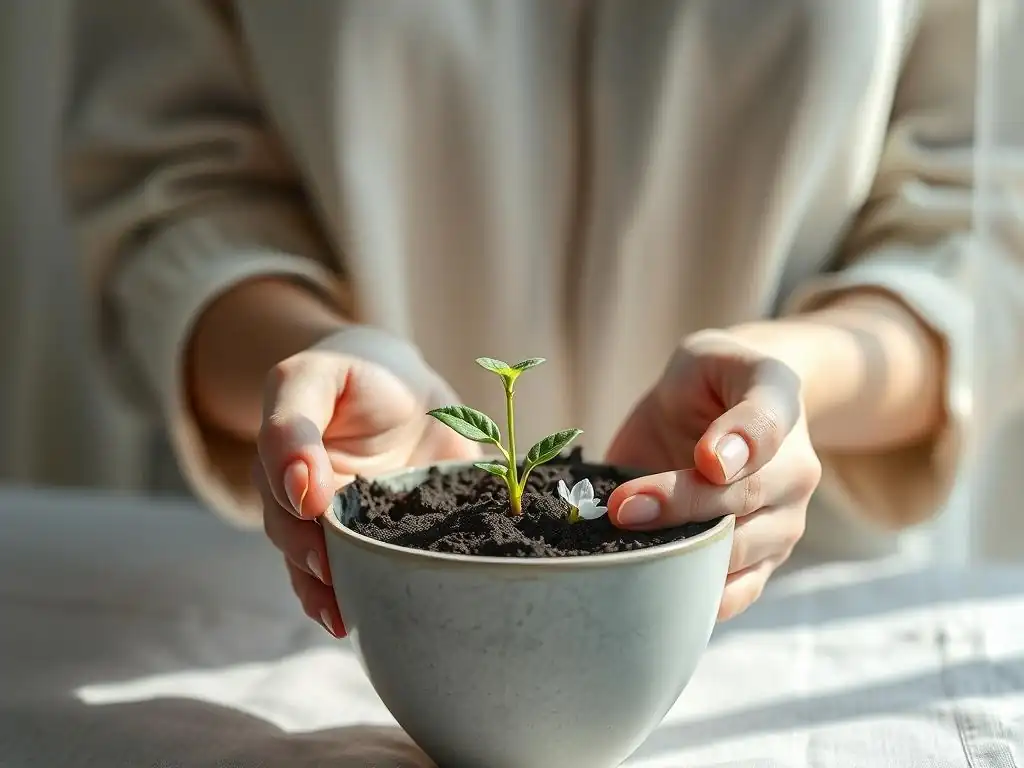
Self-compassion and patience are perhaps the most crucial elements when navigating the mental health recovery process after childbirth. The postpartum period is inherently challenging, and recovery takes time. It's easy to fall into the trap of self-criticism or feel frustrated by the pace of healing, but cultivating kindness towards yourself is essential.
Understand that you are doing your best in difficult circumstances. Give yourself grace on tough days and acknowledge that setbacks are a normal part of any healing journey. Embracing self-compassion fosters resilience and makes the path towards recovery feel less daunting and more sustainable.
Understanding that Postpartum Recovery Takes Time
Physical recovery from childbirth can take weeks or months, and mental health recovery is similar. There is no set timeline, and comparing your progress to others is unhelpful. Healing from postpartum mood and anxiety disorders is a process that unfolds gradually, with good days and bad days interspersed.
Accepting that recovery requires time helps manage expectations and reduces frustration. Be patient with yourself and the process. Focus on consistent effort rather than immediate perfection. Recognizing that this is a marathon, not a sprint, is key to sustaining your efforts while navigating the mental health recovery process.
Being Kind to Yourself During Sleep Deprivation and Challenges
Sleep deprivation significantly impacts mood, cognitive function, and emotional resilience. During periods of sleep deprivation, your capacity to cope with stress is reduced, and you are more vulnerable to negative emotions. Be extra kind to yourself during these times. Lower your expectations for what you can accomplish and prioritize rest whenever possible.
Acknowledge that feeling overwhelmed or irritable is a natural response to exhaustion. Don't blame yourself for struggles that are exacerbated by lack of sleep or the inherent challenges of caring for a newborn. Practicing self-compassion means recognizing these external factors and treating yourself with the same kindness and understanding you would offer a friend who was struggling. This is vital for navigating the mental health recovery process effectively.
Embracing the Journey Towards Motherhood and Mental Wellbeing
Motherhood is a transformative experience, and the journey towards mental well-being is intertwined with adapting to this new role. Embrace the process of learning, growing, and finding your way as a mother. Recognize that challenges are opportunities for growth and that seeking help and prioritizing your mental health makes you a stronger parent.
The path to recovery is also a path towards a deeper understanding of yourself and your capacity for resilience. Embrace the journey, celebrate your strength in seeking help, and trust that you are capable of healing and thriving. This mindset shift is empowering and supportive as you continue navigating the mental health recovery process.
Maintaining Long-Term Mental Health After Postpartum Recovery
Achieving recovery from postpartum mental health challenges is a significant accomplishment, but the journey doesn't end there. Maintaining long-term mental health requires ongoing effort and commitment. Building sustainable habits and being prepared for future challenges are essential steps in ensuring lasting well-being beyond the immediate postpartum period.
Think of recovery not as a destination reached, but as a set of skills and practices integrated into your life. Continuing to prioritize self-care, utilizing your support system, and remaining aware of your emotional state are key to maintaining the gains you've made while navigating the mental health recovery process.
Developing Resilience and Coping Mechanisms for Future Challenges
The skills and strategies you learn while navigating the mental health recovery process are valuable tools for life. Continue practicing mindfulness, utilizing relaxation techniques, and engaging in regular physical activity. These habits build resilience, making you better equipped to handle the inevitable stresses and challenges that arise in motherhood and life in general.
Reflect on what helped you most during recovery and integrate those practices into your ongoing routine. Developing a strong toolkit of coping mechanisms means you have resources to draw upon during difficult times, reducing the likelihood of relapse and supporting your long-term mental well-being.
Continuing to Prioritize Self-Care and Mental Wellbeing
Self-care is not a temporary fix for recovery; it's a fundamental component of maintaining mental health long-term. Continue to make time for activities that nourish your mind, body, and spirit. This might involve pursuing hobbies, spending time in nature, connecting with friends, or simply scheduling regular downtime.
Prioritizing your mental well-being is not selfish; it's essential for your capacity to parent effectively and live a fulfilling life. Make it a non-negotiable part of your routine, just like brushing your teeth. Sustained self-care reinforces the progress made while navigating the mental health recovery process.
Seeking Ongoing Support and Guidance as Needed
Even after symptoms subside, maintaining connections with your support system and being open to seeking professional guidance when needed is wise. Regular check-ins with a therapist, periodic sessions during stressful life transitions, or participating in ongoing support groups can provide valuable reinforcement and help you navigate new challenges.
Don't hesitate to reach out if old symptoms resurface or if new difficulties arise. Having established relationships with mental health professionals makes it easier to access support quickly if needed. Continuing to prioritize support is a proactive strategy for maintaining the positive outcomes achieved while navigating the mental health recovery process.
Resources for Postpartum Mental Health Recovery
Accessing reliable information and support is crucial when navigating the mental health recovery process. Numerous organizations and resources are dedicated to helping new mothers and their families understand and overcome postpartum mental health challenges. Knowing where to turn for help can make a significant difference in your journey.
These resources offer everything from crisis hotlines and online support forums to directories of mental health professionals and educational materials. Connecting with these services can provide the guidance and assistance needed to support your healing.
List of Helpful Websites, Organizations, and Hotlines (e.g., Postpartum Support International)
Several organizations provide invaluable resources for postpartum mental health. Postpartum Support International (PSI) is a leading example, offering a helpline, online support groups in various languages, and a directory of providers specializing in perinatal mental health. Their website provides extensive information on symptoms, treatment options, and ways families can help.
Other helpful resources may include national mental health organizations that have specific programs or information related to maternal mental health, local community mental health centers, and hotlines for immediate crisis support. Exploring these resources can connect you with validated information and empathetic support while navigating the mental health recovery process.
Information on Accessing Affordable Postpartum Mental Health Care
Concerns about the cost of therapy or medication can be a barrier to seeking help. However, options exist for accessing more affordable care. Many therapists offer sliding scale fees based on income. Community mental health clinics often provide services at reduced costs or accept Medicaid and other public insurance plans.
Exploring options through your health insurance provider to understand coverage for mental health services is a good starting point. Non-profit organizations dedicated to maternal mental health may also offer financial assistance programs or connect you with low-cost resources. Don't let cost be a reason to avoid getting the help you need when navigating the mental health recovery process; inquire about available options.
Conclusion: Empowering Your Postpartum Mental Health Journey
Navigating the mental health recovery process after childbirth is a challenging but entirely achievable goal. By acknowledging the impacts of this transformative period, recognizing potential challenges, and taking proactive steps, new mothers can move towards healing, well-being, and a more fulfilling experience of motherhood. This journey requires courage, vulnerability, and access to the right support.
Empowering your journey means taking control of your mental health, advocating for your needs, and utilizing the resources available to you. It is a testament to your strength and commitment to yourself and your family.
Embracing Hope and Healing After Childbirth
Hope is a powerful catalyst in the healing process. Even in the depths of postpartum challenges, remember that recovery is possible, and many mothers successfully navigate these difficulties. Embrace the possibility of feeling better, connecting more fully with your baby, and finding joy in your new role. Healing is a process of gradual steps forward, and holding onto hope fuels your resilience.
Trust in your capacity to heal and grow. The challenges you face do not define you, and seeking help is a courageous step towards a brighter future. Embracing hope is a conscious choice that supports you at every stage while navigating the mental health recovery process.
Taking Control of Your Mental Wellbeing as a New Mother
Taking control of your mental well-being means being an active participant in your recovery. It involves making conscious choices to prioritize your needs, set boundaries, communicate openly, and seek the support you deserve. You are not merely a passive recipient of care; you are the agent of your own healing.
Empower yourself by learning about your condition, exploring treatment options, and advocating for yourself within your support system and healthcare providers. This sense of agency is crucial for building confidence and sustaining motivation while navigating the mental health recovery process.
The Path Forward: Continued Growth and Resilience in Motherhood
The postpartum period and the journey of recovery are transformative experiences that can ultimately lead to increased personal growth and resilience. By facing and overcoming these challenges, you develop a deeper understanding of your own strength, your capacity for love, and the importance of prioritizing your mental health.
The path forward involves integrating the lessons learned, maintaining healthy habits, and continuing to seek connection and support. Motherhood is a journey of continuous learning and adaptation, and the resilience built during recovery will serve you well in all aspects of your life. Navigating the mental health recovery process is a powerful step towards a more resilient and fulfilling experience of motherhood.
Frequently Asked Questions
The first step is acknowledging the need for help and seeking professional support. This might involve therapy, medication, or a combination of both.
Consistent self-care practices are crucial, including regular exercise, healthy eating, and sufficient sleep. Building a strong support system of friends and family is also essential.
Recovery is a highly individual journey, so the timeframe varies significantly. It's important to be patient with yourself and focus on progress, not perfection.
Mind Care Guide offers information, support, and resources tailored to various mental health challenges. Look for articles, support groups, and links to professionals.
Setbacks are a normal part of the recovery journey. Don't be discouraged; reach out to your support system and revisit coping strategies that have helped in the past.
Final Reflection: The Enduring Journey of Mental Health Recovery
The path to mental wellness is not a sprint, but a marathon requiring consistent effort and self-compassion. This article outlined practical steps for navigating the recovery process, steps that remain critically relevant in today's fast-paced and often overwhelming world. The ongoing mental health crisis demands accessible and actionable information, and we hope this guide has provided a valuable resource for those seeking healing and growth.
The journey of mental health recovery is deeply personal, a tapestry woven with moments of triumph and setbacks. It's a process that profoundly shapes our understanding of ourselves and our resilience. The stigma surrounding mental illness continues to be a significant hurdle, but witnessing the growing openness and support within communities is incredibly encouraging. The most beautiful people I've known are those who have known trials, have known struggles, have known loss, and have found their way out of the depths.
This quote resonates deeply, reminding us that our experiences, even the painful ones, contribute to our strength and empathy.
Now, consider your own journey. What steps can you take today to nurture your mental well-being? Perhaps it's setting aside time for self-care, seeking professional support, or connecting with a trusted friend. Remember, recovery is not a destination but a continuous process of self-discovery and growth. Embrace the challenges, celebrate the victories, and know that you are not alone on this path. Your journey towards a healthier, happier you is worth the effort.
Unleash Your Inner Resilience: Start Your Healing Journey Today!
Thanks for taking the time to explore the path to mental health recovery. We hope you found valuable insights and practical steps within this article. Now, it's time to turn those insights into action.
- Prioritize one small self-care act today. This could be anything from a short walk in nature to journaling for five minutes – even a 5-minute mindful breathing exercise can make a difference! This is your first step towards building a sustainable self-care routine.
- Share this article with someone who might benefit. Sometimes, simply knowing you're not alone can be incredibly powerful. Spread the message of hope and healing.
- Explore our website for additional resources. MindCareGuide.org offers a wealth of tools and information to support your journey toward wellness. Consider exploring our guided meditations or community forum.
What small step will you take today to nurture your mental well-being?