
The Ripple Effect: How Global Crises Impact Mental Health Across Generations


Welcome to Mind Care Guide, your compassionate companion on the path to mental well-being.
Are you feeling the weight of the world? You're not alone. In today's interconnected world, global crises impact mental health in profound ways, creating a ripple effect across generations. Explore our in-depth analysis of this critical issue and discover practical strategies to navigate these challenging times. Curious about how these events are shaping our collective psyche? Let's delve in and uncover the support and understanding you deserve.
- The Ripple Effect: How Global Crises Impact Mental Health Across Generations - A Mind Care Guide
- Generational Trauma: How Crises Shape Mental Health Across Lifespans
- The Immediate Mental Health Impacts of Global Crises
- Long-Term Mental Health Consequences of Global Crises
- Specific Global Crises and Their Unique Mental Health Challenges
- Vulnerable Populations: Who is Most Affected by Global Crises?
- Building Resilience: Strategies for Coping with Global Crises and Protecting Mental Health
- Promoting Mental Health Awareness and Advocacy in the Face of Global Challenges
- The Future of Mental Health in a World of Global Crises
-
Frequently Asked Questions
- How do global crises like pandemics or economic downturns generally affect mental health?
- What are some specific ways global crises can impact the mental health of younger generations?
- Can global crises have a lasting impact on the mental health of older generations, even years after the event?
- What resources are available to help individuals cope with the mental health impacts of global crises?
- How can communities build resilience to better cope with future global crises and protect mental health?
- Final Reflection: The Enduring Scars of Global Crisis
- Unlock Your Resilience: Taking Charge of Your Mental Wellbeing
The Ripple Effect: How Global Crises Impact Mental Health Across Generations - A Mind Care Guide
Defining Global Crises and Their Widespread Impact
Global crises are large-scale events that transcend national borders, causing significant disruption to societies, economies, and the environment. These can range from natural disasters like earthquakes and tsunamis to public health emergencies such as pandemics, economic downturns, political instability, and climate change. Their defining characteristic is their far-reaching scope and the complex, interconnected challenges they present, often overwhelming the capacity of individual nations or regions to respond effectively.
The impact of global crises is multifaceted, extending beyond immediate physical or economic damage to profoundly affect the psychological state of individuals and communities. Unlike localized events, these crises create a shared sense of uncertainty and vulnerability across vast populations. This pervasive feeling can dismantle daily routines, sever social connections, and challenge fundamental assumptions about safety and stability, laying the groundwork for widespread mental health challenges. The scale of disruption means that many people are affected simultaneously, straining existing mental health resources and support systems.
The Psychological Toll of Global Events: An Overview
The psychological toll exacted by global events is substantial and varied, manifesting in numerous ways across affected populations. Immediately following a crisis, common responses include acute stress, anxiety, fear, and feelings of helplessness. These reactions are often proportional to the perceived threat and the level of personal impact experienced, such as loss of loved ones, livelihood, or home.
Beyond the initial shock, global crises impact mental health through prolonged exposure to stressors. The uncertainty about the future, the duration of the crisis, and the challenges of recovery can lead to chronic stress, increasing the risk of developing more severe mental health conditions.
Studies following events like the 2008 financial crisis or the COVID-19 pandemic have shown significant increases in reported symptoms of depression, anxiety disorders, and substance use disorders among the general population. The sheer scale of these events means that millions, if not billions, of people globally experience heightened psychological distress, making the impact of global crises on mental health a critical public health concern.
Generational Trauma: How Crises Shape Mental Health Across Lifespans
The Silent Inheritance: Understanding Intergenerational Trauma
Intergenerational trauma, also known as transgenerational trauma, refers to the transmission of traumatic stress effects from one generation to the next. It occurs when the psychological impact of a traumatic event is not fully processed or resolved within the affected individuals, leading to its manifestation in their children and subsequent descendants. This transmission can happen through various mechanisms, including altered parenting styles influenced by the trauma, genetic changes (epigenetic modifications), and the communication of trauma narratives or the presence of unresolved emotional distress within the family environment.
The concept highlights how the deep wounds inflicted by global crises can resonate through family lines, even if later generations did not directly experience the original event. Research suggests that descendants of trauma survivors may exhibit higher rates of anxiety, depression, PTSD symptoms, and difficulty with emotional regulation compared to their peers. This "silent inheritance" underscores the profound and lasting impact of global crises on mental health, demonstrating that the psychological consequences can extend far beyond the immediate survivors and directly affect the well-being of future generations.
Holocaust Survivor Trauma: Shaping Subsequent Generations
A prominent and extensively studied example of intergenerational trauma is the impact on the descendants of Holocaust survivors. Survivors of the Holocaust endured unimaginable atrocities, including systematic persecution, starvation, loss of family, and concentration camp experiences. While they survived the physical ordeal, many carried deep psychological scars, including PTSD, depression, and chronic anxiety.
Studies conducted decades later revealed that the children of Holocaust survivors exhibited higher incidences of psychological distress, including increased rates of anxiety disorders, depression, and difficulties in coping with stress. They often reported feeling overly responsible for their parents' well-being, experiencing a pervasive sense of threat, or inheriting their parents' difficulties with trust and emotional expression.
Some research has even explored potential epigenetic changes passed down from survivors, suggesting a biological component to this transmission. This body of work provides compelling evidence that the global crisis of the Holocaust had a profound and measurable impact on the mental health of not just the survivors, but also their children and even grandchildren, illustrating the long shadow cast by such catastrophic events.
The Immediate Mental Health Impacts of Global Crises

Anxiety and Fear: The Primary Responses to Global Uncertainty
When a global crisis strikes, one of the most immediate and widespread psychological responses is the surge in anxiety and fear. These emotions are natural survival mechanisms triggered by perceived threats to safety, stability, and well-being. The unpredictable nature of global events, coupled with constant news coverage and social media amplification, can create an environment of pervasive uncertainty that fuels these feelings. People worry about their health, the safety of loved ones, job security, and the future of their communities and the world.
For example, during the initial phases of the COVID-19 pandemic, surveys worldwide reported significant increases in anxiety levels. A study published in The Lancet in October 2020 estimated that globally, the pandemic led to an additional 76.2 million cases of anxiety disorders. This heightened state of alert can be debilitating, affecting sleep, concentration, and daily functioning. While some level of anxiety is expected, prolonged or excessive fear responses can develop into clinical anxiety disorders, including generalized anxiety disorder, panic disorder, and phobias related to the crisis event.
Depression and Grief: Dealing with Loss and Disruption
Global crises often involve significant loss and disruption, leading to widespread experiences of depression and grief. Losses can be tangible, such as the death of loved ones, loss of employment, or damage to homes and property. They can also be intangible, including the loss of routine, social connections, a sense of security, or future plans. The sheer scale of loss during events like pandemics or major conflicts means that grief is often collective, affecting entire communities and nations simultaneously.
The prolonged stress and cumulative losses associated with global crises can precipitate depressive episodes. The same Lancet study mentioned earlier estimated an additional 53.2 million cases of major depressive disorder globally attributed to the COVID-19 pandemic. Symptoms of depression can include persistent sadness, loss of interest in activities, fatigue, changes in appetite or sleep, and feelings of worthlessness. While grief is a natural process of mourning loss, it can become complicated or prolonged in the context of widespread trauma and disruption, sometimes evolving into clinical depression, highlighting how deeply global crises impact mental health.
Post-Traumatic Stress Disorder (PTSD) in the Wake of Global Events
Post-Traumatic Stress Disorder (PTSD) is a mental health condition that can develop after experiencing or witnessing a traumatic event. Global crises, particularly those involving direct threat to life, injury, or widespread destruction, are significant risk factors for PTSD. This includes events like wars, terrorist attacks, major natural disasters, and potentially even severe public health emergencies where individuals face life-threatening illness or witness significant suffering and death.
Symptoms of PTSD include re-experiencing the trauma through flashbacks or nightmares, avoiding reminders of the trauma, negative changes in thoughts and mood (such as difficulty remembering aspects of the event, feeling detached, or persistent negative beliefs), and hyperarousal (being easily startled, difficulty sleeping, irritability). While not everyone exposed to a traumatic global event will develop PTSD, a significant percentage will.
For instance, studies following major disasters like the 2010 Haiti earthquake reported PTSD prevalence rates ranging from 10% to over 30% in affected populations, depending on the level of exposure and study methodology, underscoring the severe ways global crises impact mental health.
Long-Term Mental Health Consequences of Global Crises
Increased Risk of Mental Illness: A Statistical Perspective
One of the significant long-term impacts of global crises is the increased prevalence of various mental health conditions within affected populations. The chronic stress, trauma exposure, economic hardship, and social disruption associated with these events can have lasting effects on brain chemistry and psychological well-being. Research consistently shows a delayed but significant rise in diagnoses of depression, anxiety disorders, substance use disorders, and PTSD in the years following major global disruptions.
For example, studies tracking populations affected by conflict or major disasters often find elevated rates of mental illness persisting for years, sometimes even decades. Following the 9/11 terrorist attacks, long-term studies of New York City residents showed higher rates of PTSD and depression years after the event, particularly among those with direct exposure or loss.
Similarly, communities facing prolonged economic hardship after a recession may experience sustained increases in depression and anxiety. The cumulative effect of these stressors means that the impact of global crises on mental health is not a temporary blip but can contribute to a higher baseline prevalence of mental illness in society for extended periods.
Global crises often disrupt the social fabric of communities, which can have profound long-term consequences for mental health. Events like pandemics necessitate physical distancing, while conflicts or economic crises can lead to mass displacement or the breakdown of social structures. These disruptions can weaken social support networks, increase feelings of isolation, and erode the sense of community belonging, all of which are vital buffers against psychological distress.
Social isolation is a known risk factor for depression, anxiety, and cognitive decline, particularly among vulnerable populations like older adults. When community ties are strained or broken by a crisis, it becomes harder for individuals to access emotional support, practical help, and a sense of shared identity and purpose. Restoring these connections and rebuilding community trust and cohesion is a slow process that is crucial for long-term mental health recovery, highlighting how global crises impact mental health not just individually but collectively.
Economic Hardship and its Effects on Mental Health
Economic crises, whether standalone events like recessions or consequences of other global disruptions like pandemics or conflicts, have a significant and lasting impact on mental health. Job loss, financial instability, poverty, and housing insecurity are major stressors that can lead to chronic anxiety, depression, and feelings of hopelessness. The inability to meet basic needs or provide for one's family is a profound source of psychological distress.
Research following the 2008 global financial crisis demonstrated a clear link between rising unemployment rates and increased rates of depression and suicide in many affected countries. A study in the UK, for instance, estimated that the recession contributed to thousands of additional cases of mental ill-health.
The long-term nature of economic recovery means that the mental health consequences can persist for years, affecting not only those directly experiencing hardship but also their families and communities. Addressing the economic fallout of global crises is therefore a critical component of supporting long-term mental well-being and mitigating how global crises impact mental health broadly.
Specific Global Crises and Their Unique Mental Health Challenges
The Mental Health Legacy of Pandemics: Lessons from COVID-19
The COVID-19 pandemic serves as a powerful, recent example of how a global health crisis uniquely impacts mental health. Beyond the fear of illness and grief over loss of life, the pandemic introduced widespread stressors like lockdowns, social isolation, economic uncertainty due to business closures and job losses, and the disruption of education and daily routines. Healthcare workers faced extreme burnout and trauma from witnessing widespread suffering and death.
Surveys conducted during the pandemic consistently showed elevated rates of anxiety, depression, sleep disturbances, and stress-related disorders across diverse populations globally. A meta-analysis published in JAMA Network Open in November 2021, reviewing data from 226 studies across 62 countries, estimated the global prevalence of depression symptoms during the pandemic at 28% and anxiety symptoms at 26%, significantly higher than pre-pandemic estimates. The long-term mental health legacy includes potential increases in chronic mental health conditions, substance use, and the need for sustained mental health support as societies recover and adapt to post-pandemic realities.
Climate Change Anxiety: The Growing Mental Health Crisis
Climate change represents a different kind of global crisis, one that is unfolding gradually but poses an existential threat. Its mental health impacts are becoming increasingly recognized. "Climate anxiety" or "eco-anxiety" refers to the chronic fear of environmental doom. This anxiety is fueled by awareness of the current and projected impacts of climate change, such as extreme weather events, rising sea levels, and ecosystem collapse.
Beyond generalized anxiety, climate change also directly impacts mental health through displacement due to disasters, loss of livelihoods tied to the environment, and the psychological burden of witnessing environmental degradation. A survey of 10,000 young people (aged 16-25) across 10 countries, published in The Lancet Planetary Health in 2021, found that 84% were at least moderately worried about climate change, and 59% were very or extremely worried. Many reported feeling sad, anxious, angry, powerless, helpless, and guilty. This highlights how this unique global crisis impacts mental health, particularly among younger generations facing an uncertain environmental future.
Economic Recessions and Their Impact on Emotional Well-being
Economic recessions are global crises that directly strike at the financial foundations of societies and individuals, with significant repercussions for emotional well-being. The core stressors include job insecurity, unemployment, loss of savings, debt accumulation, and reduced access to essential resources and services. These factors create a climate of chronic stress and uncertainty that can severely undermine mental health.
During and after major economic downturns, such as the Great Recession of 2008-2009, studies documented rises in rates of depression, anxiety disorders, and substance abuse. Research in the United States, for instance, found that states with larger increases in unemployment during the recession also experienced larger increases in suicide rates. The psychological effects can be long-lasting, particularly for those who experience prolonged unemployment or significant financial loss. The stress of navigating financial hardship can strain relationships and reduce access to healthcare, including mental health services, further exacerbating the impact of global crises on mental health.
War and Political Conflict: The Devastating Effects on Mental Health
War and political conflict are among the most devastating global crises, inflicting severe and multifaceted harm on mental health. Populations living in conflict zones face immediate trauma from violence, injury, loss of life, and displacement. Beyond the direct exposure to violence, conflict disrupts every aspect of life – destroying infrastructure, severing social ties, and creating environments of pervasive fear and instability.
The mental health burden in conflict-affected regions is extraordinarily high. Prevalence rates of PTSD, depression, and anxiety disorders are significantly elevated compared to global averages. For example, studies among populations in war-torn countries have reported PTSD rates as high as 40% or more. Children are particularly vulnerable, experiencing toxic stress that can impair development. The trauma of conflict is often compounded by displacement, leading to the complex mental health needs of refugees and asylum seekers. This enduring violence exemplifies how global crises impact mental health with catastrophic and long-lasting consequences.
Vulnerable Populations: Who is Most Affected by Global Crises?
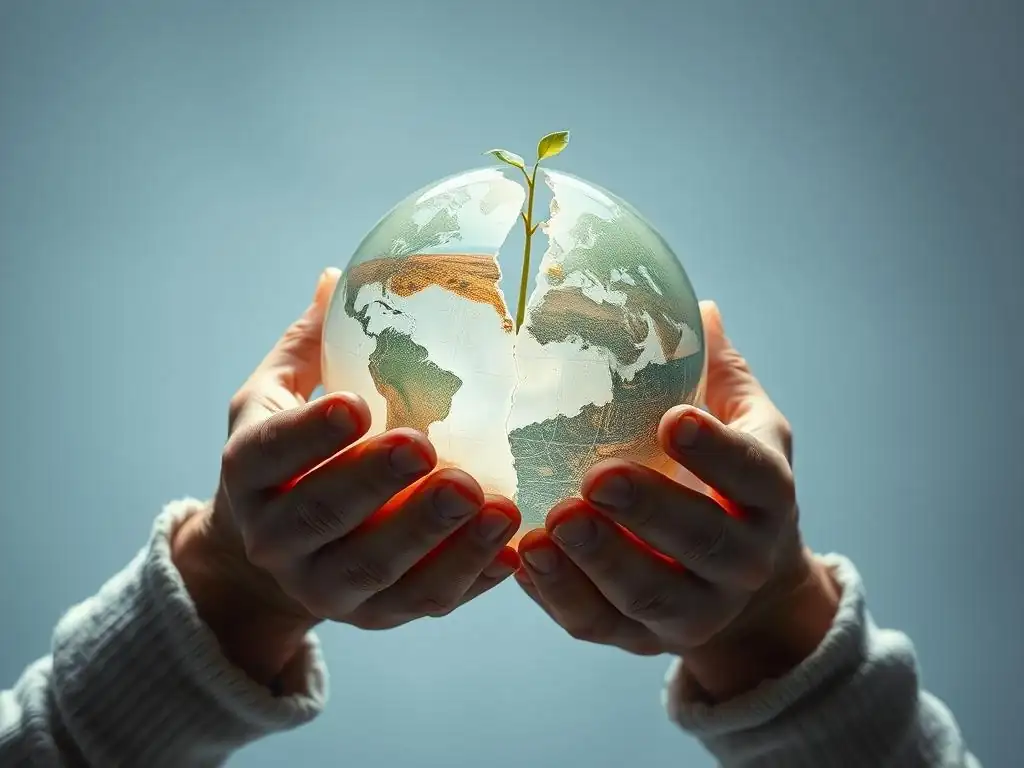
Children and Adolescents: Protecting Young Minds
Children and adolescents are particularly vulnerable to the mental health impacts of global crises due to their developmental stage and limited coping resources. They may have difficulty understanding the crisis, processing complex emotions, and articulating their distress. Exposure to traumatic events, loss of caregivers, disruption of education, and witnessing parental stress can have profound and lasting effects on their psychological development.
Studies during the COVID-19 pandemic, for instance, reported increased rates of anxiety, depression, irritability, and behavioral problems among children and adolescents globally. A meta-analysis of 29 studies found that one in four young people globally experienced clinically elevated anxiety symptoms, and one in five experienced clinically elevated depressive symptoms during the pandemic. Protecting young minds requires ensuring safety, maintaining routines where possible, providing age-appropriate information, fostering supportive relationships with adults, and ensuring access to specialized mental health support when needed, recognizing how uniquely global crises impact mental health in this age group.
Older Adults: Addressing Isolation and Loss
Older adults represent another population group highly vulnerable to the mental health consequences of global crises. They may face increased health risks during pandemics, greater susceptibility to social isolation due to mobility issues or loss of social networks, and grief over the loss of peers or loved ones. Economic crises can severely impact their savings and retirement security.
During the COVID-19 pandemic, measures like physical distancing and lockdowns, while necessary for health protection, exacerbated isolation among older adults. Research indicated higher rates of loneliness, anxiety, and depression in this demographic. A study in the US found that loneliness among older adults nearly doubled during the pandemic. Addressing the mental health needs of older adults requires proactive efforts to maintain social connections through technology or safe in-person interactions, ensuring access to essential services, and providing mental health support that addresses grief, isolation, and age-related stressors exacerbated by the crisis.
Refugees and Displaced Populations: Mental Health Needs in Crisis
Refugees and internally displaced populations are among the most acutely affected by the mental health impacts of global crises, particularly those involving conflict or natural disasters. They have often experienced extreme trauma before displacement, including violence, persecution, and loss of family and home. The process of displacement itself is highly stressful, involving uncertainty, loss of social support, and challenges in accessing basic needs.
Living in refugee camps or navigating asylum processes presents ongoing stressors, including precarious living conditions, lack of security, separation from family, and difficulty integrating into new societies. Consequently, rates of PTSD, depression, and anxiety disorders are significantly higher among refugee populations compared to host communities. Studies among Syrian refugees in various host countries have consistently shown high prevalence rates of these conditions, often exceeding 30-40%. Providing culturally sensitive and trauma-informed mental health services is a critical, yet often under-resourced, need for these populations, highlighting the severe and complex ways global crises impact mental health for those forced to flee.
Building Resilience: Strategies for Coping with Global Crises and Protecting Mental Health
Self-Care Techniques for Managing Stress and Anxiety
In the face of global crises, practicing self-care is essential for managing stress and protecting mental health. While self-care alone cannot eliminate the impact of major crises, it provides individuals with tools to cope with heightened stress levels and maintain a sense of agency. Effective techniques include mindfulness and meditation, which can help ground individuals in the present moment and reduce rumination on anxious thoughts.
Regular physical exercise is also crucial, as it releases endorphins and helps reduce stress hormones. Aiming for at least 30 minutes of moderate activity most days of the week can make a significant difference. Ensuring adequate sleep (7-9 hours for most adults) and maintaining a balanced diet also support overall mental and physical resilience. Engaging in enjoyable hobbies, spending time in nature, and limiting exposure to overwhelming news coverage can also help manage stress and prevent burnout when global crises impact mental health.
- Mindfulness and Meditation
- Regular Physical Exercise
- Adequate Sleep and Nutrition
- Engaging in Hobbies
- Limiting News Consumption
- Spending Time in Nature
Maintaining and strengthening social connections is a powerful protective factor against the negative mental health impacts of global crises. Feeling connected to others provides emotional support, reduces feelings of isolation, and fosters a sense of belonging and mutual aid. During times of crisis, reaching out to friends, family, and community members becomes even more vital.
This can involve regular check-ins with loved ones (via calls, video chats, or safe in-person visits), participating in community support groups, or volunteering to help others affected by the crisis. Collective resilience is built through shared experiences and mutual support. For example, neighborhood initiatives to support vulnerable residents during the COVID-19 pandemic not only provided practical help but also strengthened social bonds, mitigating some of the psychological toll. Fostering robust social networks helps individuals and communities better withstand how global crises impact mental health.
Seeking Professional Help: When and Where to Find Support
Recognizing when professional help is needed is a critical step in navigating the mental health challenges posed by global crises. While many people experience temporary distress, persistent or severe symptoms of anxiety, depression, PTSD, or substance abuse require professional intervention. Signs that indicate a need for professional help include:
- Difficulty functioning in daily life (work, school, relationships)
- Intense or prolonged feelings of hopelessness, sadness, or anxiety
- Recurrent nightmares or flashbacks related to the crisis
- Significant changes in sleep or appetite
- Increased use of alcohol or drugs to cope
- Thoughts of harming oneself or others
Professional support can be accessed through various channels, including therapists, counselors, psychiatrists, and mental health clinics. Many organizations and governments increase access to mental health services during and after crises, sometimes offering free or subsidized support. Telehealth options have also expanded, making therapy more accessible. Seeking help is a sign of strength and an essential part of recovery when global crises impact mental health severely.
Cognitive Behavioral Therapy (CBT) and Trauma-Informed Care
Specific therapeutic approaches are particularly effective in addressing the mental health consequences of global crises. Cognitive Behavioral Therapy (CBT) is a widely used therapy that helps individuals identify and change negative thought patterns and behaviors contributing to their distress. It can be effective in treating anxiety, depression, and some symptoms of PTSD by teaching coping skills and challenging unhelpful beliefs about the crisis and its aftermath.
Trauma-informed care is an approach that recognizes the widespread impact of trauma and understands potential paths for recovery. It involves creating environments and services that are safe, trustworthy, and empowering for individuals who have experienced trauma. Therapies specifically designed for trauma, such as Trauma-Focused CBT (TF-CBT) or Eye Movement Desensitization and Reprocessing (EMDR), are often used to help individuals process traumatic memories and reduce their impact. These evidence-based interventions are vital components of the response to how global crises impact mental health on a deep, psychological level.
Promoting Mental Health Awareness and Advocacy in the Face of Global Challenges
Breaking the Stigma Surrounding Mental Health
A significant barrier to individuals seeking help for mental health issues arising from global crises is the persistent stigma surrounding mental illness. Stigma involves negative attitudes and beliefs that lead to discrimination and shame, making people reluctant to admit they are struggling or seek necessary support. Breaking this stigma is crucial for enabling widespread recovery and resilience.
Efforts to break down stigma include open conversations about mental health, sharing personal stories of recovery, and educating the public about mental health conditions as treatable illnesses, similar to physical health conditions. Public awareness campaigns, celebrity endorsements of mental health initiatives, and integrating mental health education into schools and workplaces all contribute to creating a more accepting environment. Reducing stigma encourages individuals affected by how global crises impact mental health to come forward and access the care they need without fear of judgment.
Advocating for Policies that Support Mental Well-being
Advocacy plays a vital role in ensuring that mental health is prioritized in the response to global crises. This involves campaigning for policies that increase access to affordable and quality mental health services, integrate mental healthcare into emergency preparedness plans, and address the social and economic determinants of mental health that are exacerbated by crises.
Advocates work to influence governments, international organizations, and non-governmental organizations to allocate sufficient resources to mental health infrastructure and programs. This includes funding for community-based mental health centers, training more mental health professionals, and implementing policies that protect vulnerable populations during times of crisis. Policy changes that support economic stability, provide social safety nets, and ensure equitable access to healthcare are also essential for mitigating the long-term impact of global crises on mental health.
The World Health Organization's Mental Health Initiatives
International bodies like the World Health Organization (WHO) play a crucial role in addressing the global mental health impact of crises. The WHO works to raise awareness, develop guidelines and strategies, and support countries in strengthening their mental health systems. Their initiatives often focus on integrating mental health into primary healthcare, providing emergency mental health and psychosocial support (MHPSS) during humanitarian crises, and collecting data on the prevalence of mental health conditions globally.
For example, in response to recent global events, the WHO has launched campaigns to highlight the mental health consequences and provided resources and recommendations for governments and individuals. Their "Special Initiative for Mental Health (2019-2023): Universal Health Coverage for Mental Health" aims to ensure that 100 million more people have access to quality mental health care. These global initiatives are essential for coordinating efforts, sharing best practices, and mobilizing resources to address the profound ways global crises impact mental health on a worldwide scale.
The Future of Mental Health in a World of Global Crises
Preparing for Future Challenges: Building a More Resilient Society
Given the increasing frequency and complexity of global crises, preparing for future challenges is paramount for protecting mental health. This involves building resilience not only at the individual level but also within families, communities, and national systems. Societal resilience includes having robust emergency response plans that explicitly incorporate mental health support, establishing strong social safety nets, and fostering community cohesion and trust.
Investing in mental health literacy and emotional regulation skills from a young age can equip future generations with better coping mechanisms. Developing flexible and accessible mental healthcare systems that can scale up rapidly during emergencies is also crucial. A proactive approach that focuses on prevention, early intervention, and building capacity at all levels is necessary to create societies better equipped to withstand the psychological shocks when global crises impact mental health.
Investing in Mental Health Infrastructure and Resources
Adequate investment in mental health infrastructure and resources is fundamental to effectively responding to the impact of global crises on mental health. Historically, mental healthcare has been underfunded compared to physical healthcare in many parts of the world. Crises expose and exacerbate these existing gaps, leading to overwhelmed services and unmet needs.
Increasing funding is needed to train more mental health professionals (psychologists, psychiatrists, social workers, counselors), especially in underserved areas. Developing accessible community-based mental health services reduces reliance on overburdened hospitals. Investing in research to better understand the long-term effects of specific crises and develop targeted interventions is also vital. Prioritizing mental health funding is not just a healthcare issue; it's an investment in human capital and societal stability, essential for mitigating how global crises impact mental health.
Strengthening Global Mental Health Systems for Future Crises
Finally, strengthening global mental health systems is essential for a coordinated and effective response to future global crises. This involves international cooperation, sharing knowledge and resources across borders, and integrating mental health considerations into global health and humanitarian aid agendas. Establishing international guidelines for emergency mental health response and building global networks of mental health professionals can facilitate rapid deployment of support where it is most needed.
International collaboration can also drive innovation in delivering mental healthcare, such as expanding the use of telehealth and digital mental health tools, particularly in low-resource settings. Learning from the mental health responses to past crises, like the COVID-19 pandemic or major conflicts, provides valuable insights for improving preparedness. Acknowledging that global crises impact mental health universally necessitates a coordinated, global effort to build more resilient and responsive mental healthcare systems for the future.
Frequently Asked Questions
How do global crises like pandemics or economic downturns generally affect mental health?
Global crises often lead to increased stress, anxiety, and depression. The uncertainty and disruption they cause can negatively impact individuals and communities. These events can also exacerbate pre-existing mental health conditions.
What are some specific ways global crises can impact the mental health of younger generations?
Younger generations may experience increased academic stress, social isolation, and fear about the future. They may also face economic hardship and difficulty entering the workforce, leading to feelings of hopelessness.
Can global crises have a lasting impact on the mental health of older generations, even years after the event?
Yes, older generations may experience long-term trauma and grief related to loss and disruption. They might also face increased social isolation if support systems are weakened, and have difficulty accessing care.
What resources are available to help individuals cope with the mental health impacts of global crises?
Many organizations offer mental health support, including online therapy and crisis hotlines. Seeking professional help is crucial for managing the long-term effects of trauma and stress. Community resources can also provide support.
How can communities build resilience to better cope with future global crises and protect mental health?
Building resilience involves strengthening social support networks, promoting mental health awareness, and investing in accessible mental health services. Early intervention and community-based programs are vital for long-term well-being.
Final Reflection: The Enduring Scars of Global Crisis
The interconnectedness of global crises and mental health is not merely a correlation; it's a profound and undeniable causation. We've explored how events like pandemics, economic downturns, and climate disasters ripple outwards, impacting not only the immediate victims but also subsequent generations through inherited trauma, societal instability, and the pervasive anxiety of an uncertain future. This isn't just a statistic; it's a lived reality for millions worldwide.
The weight of these global upheavals is immense, shaping our collective psyche in ways we are only beginning to understand. The legacy of trauma transcends individual experience, weaving itself into the fabric of our social structures and cultural narratives. As psychiatrist Judith Herman eloquently stated, Trauma is not just an event, but a relational process.
This resonates deeply, highlighting how the response to, and recovery from, global crises profoundly shapes our relationships with ourselves, each other, and the world around us. The ongoing struggle for mental well-being in the face of these challenges underscores the urgent need for systemic change and compassionate support.
The journey towards healing and resilience is not a passive one. You, the reader, hold the power to contribute to a more compassionate and supportive world. Consider how you can actively engage in building resilient communities, advocating for mental health resources, and fostering empathy and understanding. By acknowledging the profound impact of global crises on mental well-being and taking proactive steps, we can collectively mitigate the damage and build a future where mental health is prioritized, not just in times of crisis, but as an essential pillar of a thriving society.
Unlock Your Resilience: Taking Charge of Your Mental Wellbeing
Thank you for taking the time to explore the complex relationship between global crises and mental health. We hope this article equipped you with a deeper understanding of the challenges and resilience within each generation. Now, let's turn that knowledge into action!
- Prioritize self-care: Schedule 15 minutes each day for an activity that brings you peace—whether it's meditation, a walk in nature, or simply enjoying a warm cup of tea. This is your anchor in times of uncertainty.
- Connect with others: Share this article with a friend or family member who might find it helpful. Starting a conversation about mental wellbeing is a powerful act of support.
- Explore local resources: Research mental health support organizations in your community. Knowing where to turn for help when needed empowers you to proactively manage your wellbeing.
What small step can you take today to prioritize your mental health and build resilience for the future?