
Draining Your Spirit: How Toxic Friendships Erode Mental Strength


Welcome to Mind Care Guide, a sanctuary for your mental well-being.
Ever felt your energy slowly draining away after spending time with a "friend"? It's a feeling many understand, and it can be more than just a bad day. We delve into the often-unspoken reality of how toxic friendships impact mental health and explore the subtle signs that reveal a relationship is doing more harm than good. Are you ready to understand the impact and reclaim your inner peace? Let's begin this journey together.
- Draining Your Spirit: How Toxic Friendships Impact Mental Health
- Understanding Toxic Friendships and Their Effects on Mental Well-being
- The Link Between Toxic Friendships and Mental Health Issues
- Identifying Toxic Friendship Patterns in Your Life
- Strategies for Addressing Toxic Friendships and Protecting Your Mental Health
- Building Healthier Friendships: Fostering Positive Connections
- The Importance of Social Support and Positive Relationships for Mental Health
- Conclusion: Prioritizing Your Mental Health by Addressing Toxic Friendships
-
Frequently Asked Questions
- What are the key signs of a toxic friendship, and how do they differ from normal friendship challenges?
- How do toxic friendships specifically impact mental health and well-being?
- What steps can someone take to identify and acknowledge they are in a toxic friendship?
- Is it always necessary to completely end a toxic friendship, or are there situations where boundaries can be set and the friendship salvaged?
- What are some healthy coping mechanisms for dealing with the emotional fallout of ending a toxic friendship?
- Final Reflection: Reclaiming Your Inner Strength
- Reclaim Your Energy: Break Free from Toxic Friendships
Draining Your Spirit: How Toxic Friendships Impact Mental Health
Introduction: The Unseen Damage of Unhealthy Friendships
Friendships are often seen as pillars of support, sources of joy, and vital components of a fulfilling life. We rely on friends for companionship, understanding, and shared experiences. However, not all friendships contribute positively to our well-being. Some relationships, often subtly, can become detrimental, slowly eroding our self-worth and peace of mind. These are what are commonly referred to as toxic friendships, and their impact on mental health is significant and far-reaching, often going unnoticed until considerable damage has occurred.
The insidious nature of toxic friendships lies in their ability to masquerade as normal or even close bonds while consistently undermining your emotional stability. Unlike overt conflict, the harm often comes from persistent negativity, manipulation, lack of support, and a general feeling of being drained after interactions. Recognizing these patterns is the first crucial step in protecting your mental strength and ensuring that your social circle genuinely enhances, rather than diminishes, your overall sense of well-being. Understanding how toxic friendships impact mental health is essential for personal growth and emotional resilience.
Understanding Toxic Friendships and Their Effects on Mental Well-being
Defining Toxic Friendship: Recognizing the Red Flags
A toxic friendship is characterized by a persistent feeling of being emotionally drained, invalidated, or harmed after interactions with the friend. It's a relationship where the dynamic is consistently negative, unbalanced, or disrespectful, leading to feelings of anxiety, stress, or diminished self-esteem. Unlike healthy relationships built on mutual respect, support, and genuine care, toxic friendships are often one-sided, manipulative, or filled with criticism and competition. Identifying these patterns requires honest self-assessment and attention to how the friendship makes you feel over time.
Recognizing the red flags is crucial. This isn't about occasional disagreements or misunderstandings, which are normal in any relationship. It's about a consistent pattern of behavior that leaves you feeling worse off than before the interaction. For example, a study might indicate that individuals in toxic relationships report significantly higher levels of stress hormones compared to those in supportive bonds, potentially showing a chronic physiological toll. Paying attention to these persistent negative feelings is a key indicator that a friendship might be toxic and negatively impact mental health.
How Toxic Friendships Impact Mental Health: The Psychological Toll
The psychological toll of being in a toxic friendship can be profound and varied. Constantly being subjected to criticism, manipulation, or a lack of support can severely damage a person's self-esteem and self-worth. Imagine someone frequently belittling your achievements or making backhanded compliments; over time, this wears down your confidence, making you doubt your capabilities and value. This erosion of self-worth is a direct way toxic friendships impact mental health, specifically contributing to feelings of inadequacy.
Furthermore, toxic friendships often create a state of chronic stress and anxiety. The unpredictability of a toxic friend's mood or behavior, the constant need to manage their reactions, or the fear of confrontation can keep you in a perpetual state of unease. Research suggests that chronic stress, like that induced by difficult interpersonal relationships, can increase the risk of developing anxiety disorders and even depression.
For instance, studies have shown that individuals reporting high levels of interpersonal conflict are up to 30% more likely to experience symptoms of depression compared to those with stable, supportive relationships. This demonstrates a clear link in how toxic friendships impact mental health through prolonged psychological strain.
Common Characteristics of Toxic Friends: Spotting the Warning Signs
Constant Criticism and Negativity
Toxic friends often have a pervasive negative outlook, not just on life but specifically towards you. This isn't constructive feedback but rather a constant stream of criticism, judgment, or undermining comments about your choices, appearance, or accomplishments. They might disguise it as "just being honest" or "tough love," but the intention often feels hurtful and belittling.
Example: "Oh, that outfit is... bold. Are you sure about that?" or "That's great you got that promotion, but isn't it just a lateral move?"
Manipulation and Control
Manipulation is a hallmark of toxic behavior. This can manifest in various ways, such as guilt-tripping you into doing things you don't want to do, using emotional blackmail, or twisting facts to make themselves look good or to make you feel bad. They might try to control your other relationships or dictate how you spend your time, creating an unhealthy power dynamic.
Lack of Empathy and Support
While healthy friends offer empathy and support during tough times, toxic friends are often notably absent or dismissive when you need them most. They might turn the conversation back to themselves, minimize your problems, or even seem pleased by your struggles. Their focus is typically on their own needs and feelings, showing little capacity or willingness to understand or share yours.
Jealousy and Competition
Instead of celebrating your successes, a toxic friend might react with jealousy, resentment, or attempt to compete with you. They might try to one-up your achievements or subtly sabotage your efforts. This competitive dynamic prevents genuine connection and makes the friendship feel like a constant contest rather than a partnership.
Unreliability and Betrayal
Toxic friends are often unreliable, canceling plans last minute without consideration, failing to follow through on promises, or being inconsistent in their behavior. In more severe cases, they might betray your trust by gossiping about you, revealing your secrets, or acting against your best interests. This unpredictability and lack of trustworthiness erode the foundation of any healthy bond.
The Link Between Toxic Friendships and Mental Health Issues
Toxic Friendships and Increased Anxiety Levels
Living with toxic friendships can be a significant source of chronic anxiety. The unpredictable nature of a toxic friend's behavior, the constant need to navigate potential conflict, or the fear of saying or doing the "wrong" thing can keep your nervous system on high alert. This perpetual state of stress can manifest as physical symptoms like muscle tension, headaches, or digestive issues, alongside psychological symptoms such as excessive worry, restlessness, and difficulty concentrating.
Consider the impact of anticipating a difficult interaction. If you know a friend is likely to criticize, complain, or demand emotional labor, the anticipation alone can trigger anxiety. This ongoing exposure to interpersonal stress has been linked in studies to a higher incidence of generalized anxiety disorder. For instance, research has indicated that individuals who report frequent negative social interactions are about 25% more likely to experience significant anxiety symptoms compared to those with predominantly positive social circles. This underscores how toxic friendships impact mental health by fueling persistent anxious states.
The Role of Toxic Friendships in Depression
Toxic friendships can also play a significant role in the development or exacerbation of depression. The constant feeling of being unsupported, misunderstood, or devalued can lead to profound feelings of loneliness, hopelessness, and sadness – core symptoms of depression. When a supposed source of social connection consistently drains your energy and spirit, it can feel isolating even when you are technically with someone.
Furthermore, the erosion of self-esteem caused by toxic criticism and manipulation can make individuals more vulnerable to depressive episodes. If you internalize the negative messages from a toxic friend, you might start believing you are unworthy or incapable, which are common cognitive distortions in depression.
Data suggests that individuals reporting low social support and high levels of interpersonal conflict have a substantially increased risk of experiencing major depressive episodes, potentially up to 50% higher in some demographics compared to those with robust, positive social support networks. This clearly illustrates the detrimental effect toxic friendships impact mental health, contributing to depressive states.
How Toxic Friendships Contribute to Low Self-Esteem
Self-esteem is deeply influenced by how others treat us and the messages we receive about our worth. Toxic friendships are notorious for chipping away at self-esteem through constant criticism, put-downs, and a failure to acknowledge or celebrate your positive qualities and achievements. A toxic friend might make you feel inadequate, unattractive, or unsuccessful, often by comparing you unfavorably to others or highlighting your perceived flaws.
Over time, internalizing these negative messages can lead to a distorted self-image and significantly lower self-esteem. You might start second-guessing yourself, hesitating to pursue goals, or feeling undeserving of happiness or success. This diminished sense of self-worth makes you more vulnerable in other areas of life and can create a cycle where you might even seek out or tolerate other unhealthy relationships because you believe that's all you deserve. The persistent negative feedback loop inherent in toxic friendships impact mental health directly by dismantling healthy self-perception.
The Impact of Toxic Friendships on Overall Mental Wellness
Beyond specific conditions like anxiety and depression, toxic friendships can negatively impact overall mental wellness. Mental wellness encompasses emotional resilience, the ability to cope with stress, maintain positive relationships, and function effectively in daily life. Toxic relationships drain the energy required for these aspects of wellness. They can distract you from personal goals, deplete your emotional resources, and make it harder to bounce back from life's challenges.
The stress from navigating toxic dynamics can also spill over into other areas of your life, affecting your work, family relationships, and even physical health. Chronic stress is linked to a variety of physical ailments, including weakened immune function and cardiovascular issues, demonstrating the interconnectedness of mental and physical well-being. Protecting your mental wellness requires cultivating relationships that nourish, support, and uplift you, highlighting why addressing how toxic friendships impact mental health is crucial for holistic well-being.
Identifying Toxic Friendship Patterns in Your Life
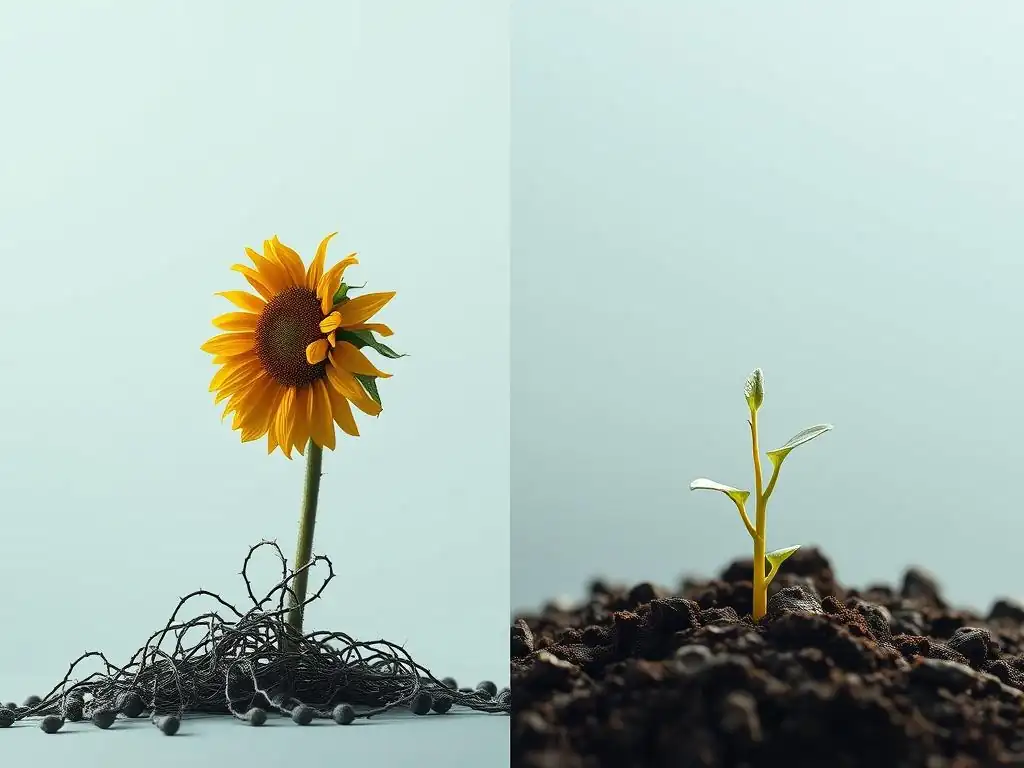
Self-Reflection: Are Your Friendships Draining You?
Taking time for honest self-reflection is a critical step in identifying toxic patterns. Ask yourself how you feel before, during, and after spending time with a particular friend. Do you feel a sense of dread or anxiety beforehand? Do you feel drained, upset, or invalidated afterward? Or do you consistently feel uplifted, supported, and energized? Pay attention to these emotional responses as they are powerful indicators of the health of the relationship.
Consider the balance in the friendship. Do you feel like you're always giving, listening, or supporting, with little reciprocity? Do your needs and feelings seem secondary to theirs? Journaling about your interactions and feelings can help reveal patterns you might not consciously recognize in the moment. This introspective process is key to understanding how specific toxic friendships impact mental health on a personal level.
Assessing Your Friendships: A Checklist for Toxicity
Using a checklist can provide a more structured way to assess your friendships objectively. Think about specific interactions and patterns over time. This isn't about judging your friends but about evaluating the dynamic and its effect on you.
Here's a simple checklist you might adapt:
- [ ] Do you feel consistently criticized or put down by this friend?
- [ ] Do you often feel guilty or manipulated by this friend?
- [ ] Does this friend frequently dismiss your feelings or problems?
- [ ] Do you feel like you can't trust this friend with sensitive information?
- [ ] Does this friend often compete with you or seem jealous of your successes?
- [ ] Are plans with this friend frequently canceled or unreliable?
- [ ] Do you feel emotionally drained after spending time with this friend?
- [ ] Is the friendship primarily focused on their needs and problems?
- [ ] Do you feel pressured to be someone you're not around this friend?
- [ ] Has this friend ever betrayed your trust significantly?
Answering "yes" to several of these questions for a particular friendship is a strong indication that the relationship may be toxic and negatively impact mental health.
Recognizing the Signs: Physical and Emotional Symptoms of Toxic Friendships
The strain of toxic friendships doesn't just manifest emotionally; it can also have physical symptoms. Chronic stress from these relationships can lead to physical fatigue, sleep disturbances, headaches, digestive issues, and even a weakened immune system, making you more susceptible to illness. Your body often reacts to the persistent stress and anxiety before your mind fully processes the source.
Emotionally, beyond the feelings of sadness, anxiety, and low self-esteem already discussed, you might notice increased irritability, difficulty concentrating, a loss of interest in activities you once enjoyed (anhedonia), or a general sense of dread associated with the person. You might find yourself constantly justifying their behavior, making excuses for them, or feeling isolated from other friends or support systems because of the toxic dynamic. These physical and emotional cues are vital signals that toxic friendships impact mental health and require attention.
Strategies for Addressing Toxic Friendships and Protecting Your Mental Health
Setting Boundaries: Protecting Your Emotional Space
Establishing clear and firm boundaries is one of the most effective ways to manage a toxic friendship without necessarily ending it immediately. Boundaries define what behavior you will and will not accept. This could involve limiting how often you interact, deciding which topics you will discuss, refusing to engage in gossip, or stating that you are not available for their emotional dumping at all hours.
Communicating boundaries can be challenging, especially with a manipulative friend who may resist them. Start small and be consistent. For example, if a friend constantly calls to complain for an hour every night, you might say, "I can talk for about 15 minutes tonight, as I have other things to do." If they push back, gently reiterate your boundary. Setting boundaries is a powerful act of self-preservation and a key strategy in mitigating how toxic friendships impact mental health by creating necessary emotional distance.
Communicating Your Needs: Expressing Yourself Assertively
Assertive communication involves expressing your feelings, needs, and boundaries directly, honestly, and respectfully. Instead of making accusations ("You always make me feel bad"), focus on your feelings ("I feel hurt when my achievements are dismissed"). Explain the impact of their behavior on you without blaming them.
For instance, if a friend is constantly late, you could say, "When you're significantly late without letting me know, I feel frustrated and like my time isn't valued. In the future, could we agree to either be on time or text if you're running more than 10 minutes behind?" Assertive communication isn't about being aggressive; it's about standing up for yourself in a way that respects both your rights and theirs, although a toxic friend may still react negatively. Learning to communicate assertively is vital for protecting your mental health from the strain of toxic dynamics.
Minimizing Contact: Creating Distance from Toxic Friends
If setting boundaries doesn't significantly improve the dynamic or if the friendship is severely draining, minimizing contact is a practical step. This doesn't necessarily mean a dramatic cutoff but rather a gradual reduction in the frequency and intensity of interactions. You might decline invitations more often, keep conversations shorter, or avoid one-on-one time in favor of group settings where their behavior might be more contained.
Creating physical and emotional distance allows you space to breathe, regain perspective, and reduce your exposure to the toxic behavior. This can be particularly helpful if you're not ready or able to end the friendship entirely, perhaps due to shared social circles or history. Limiting exposure directly reduces how toxic friendships impact mental health by decreasing the source of stress and negativity.
Seeking Support: Talking to a Therapist or Trusted Friend
You don't have to navigate toxic friendships alone. Talking to a trusted friend, family member, or therapist can provide invaluable support and perspective. An objective third party can help you see the situation more clearly, validate your feelings, and offer strategies for coping or disengaging.
A therapist, in particular, can provide tools for setting boundaries, improving self-esteem, and understanding the dynamics that might have led you to accept or stay in toxic relationships. Sharing your experiences with someone who understands how toxic friendships impact mental health can alleviate feelings of isolation and empower you to take steps towards healthier connections. Studies indicate that individuals who utilize social support networks or therapy when facing relationship difficulties report improved coping mechanisms and reduced psychological distress.
Ending the Friendship: When to Cut Ties for Your Mental Well-being
There comes a point when, despite your best efforts, a friendship remains consistently harmful. If the relationship is irreparable, causes significant distress, or actively harms your mental health, ending it may be the healthiest option. This is often the most difficult step, especially if the friendship has a long history or is intertwined with other aspects of your life.
Ending a toxic friendship can feel like a loss, and it's normal to grieve it. However, prioritizing your mental health is paramount. Recognize that letting go of a relationship that drains you creates space for healthier, more supportive connections to enter your life. It's an act of self-respect and a crucial decision when considering the long-term effects of how toxic friendships impact mental health.
Building Healthier Friendships: Fostering Positive Connections

Identifying Healthy Friendship Traits: What to Look For
Once you've addressed toxic patterns, understanding what constitutes a healthy friendship is key to building better connections. Healthy friendships are characterized by mutual respect, trust, support, empathy, and open communication. Both individuals feel valued, heard, and supported, and the relationship contributes positively to their lives.
Look for friends who celebrate your successes, offer genuine support during difficult times, listen without judgment, respect your boundaries, and with whom you feel comfortable being your authentic self. These relationships are reciprocal, meaning there's a balance of giving and receiving support, attention, and care. Recognizing these traits is essential for cultivating relationships that enhance rather than detract from your mental well-being.
Cultivating Supportive Relationships: Nurturing Positive Connections
Building healthy friendships takes time and effort. It involves being open to meeting new people, investing time in getting to know them, and being willing to be a supportive and reliable friend yourself. Seek out individuals who share your values or interests, as common ground can be a strong foundation for connection.
Nurturing these relationships requires consistent effort: checking in with friends, being present when you're together, listening actively, offering help when needed, and expressing appreciation. Like any garden, positive relationships need care to flourish. Focusing on cultivating these supportive bonds is vital for counteracting the negative effects of how toxic friendships impact mental health.
Prioritizing Self-Care: Strengthening Your Mental Resilience
Maintaining your mental resilience is crucial, both when dealing with toxic relationships and when cultivating healthy ones. Self-care isn't selfish; it's necessary for having the emotional energy and strength to navigate relationships and life's challenges. This includes getting enough sleep, eating well, exercising, practicing mindfulness or meditation, pursuing hobbies, and spending time alone when needed.
Strengthening your mental resilience makes you less vulnerable to the negative impacts of toxic behavior and better equipped to set boundaries and make choices that protect your well-being. It also helps you attract and maintain healthier relationships, as people are often drawn to those who radiate self-respect and emotional stability. Prioritizing self-care is an active way to build resistance to how toxic friendships impact mental health.
The Benefits of Healthy Friendships on Mental Well-being
The contrast between toxic and healthy friendships highlights the immense benefits of positive social support. Healthy friendships act as a buffer against stress, provide a sense of belonging, reduce feelings of loneliness, and offer different perspectives on challenges. They can boost your mood, increase your sense of purpose, and encourage healthy behaviors.
Research consistently shows a strong correlation between strong social ties and improved mental and physical health outcomes. For example, studies have found that individuals with robust social support networks have lower rates of depression and anxiety, better coping skills during crises, and even increased longevity. The positive feedback, encouragement, and shared joy found in healthy friendships are invaluable assets for mental wellness, serving as a powerful counterpoint to how toxic friendships impact mental health negatively.
Building a supportive social network involves cultivating several meaningful connections, not just one or two. Diversifying your friendships means you have different people to turn to for different needs and prevents over-reliance on any single person. This network can include friends, family members, partners, mentors, or colleagues – anyone with whom you share a bond of mutual respect and support.
Actively participate in groups or activities that align with your interests, as this is a natural way to meet like-minded individuals. Be open to forming new connections and invest time in nurturing existing positive ones. A strong community of care provides a safety net and reinforces your sense of belonging, significantly contributing to your resilience against life's stressors, including the potential for encountering toxic dynamics.
Maintaining Healthy Boundaries in All Relationships: Protecting Your Mental Health
While focusing on toxic friendships, it's important to remember that maintaining healthy boundaries is crucial in all relationships, even the positive ones. Boundaries prevent burnout, ensure your needs are met, and maintain mutual respect. Healthy boundaries allow for close connection without losing your sense of self or becoming codependent.
Continuously assessing your relationships and ensuring they are based on respect, reciprocity, and support is an ongoing process. Protecting your mental health requires vigilance in managing all your social interactions, ensuring they contribute positively to your life rather than detracting from it. Understanding how toxic friendships impact mental health provides a stark reminder of the importance of cultivating and maintaining healthy relationship dynamics across the board.
Conclusion: Prioritizing Your Mental Health by Addressing Toxic Friendships
Understanding how toxic friendships impact mental health is a critical step towards safeguarding your emotional and psychological well-being. These relationships, often subtle in their harm, can erode self-esteem, fuel anxiety and depression, and drain your vital energy. Recognizing the red flags, such as constant criticism, manipulation, and lack of support, is essential for identifying these damaging dynamics in your own life.
Taking action, whether through setting boundaries, minimizing contact, or ultimately ending the friendship, is an act of self-preservation. While difficult, prioritizing your mental health by addressing toxic friendships creates space for healthier, more supportive connections to flourish. Cultivating relationships based on mutual respect, trust, and genuine care is not just beneficial; it is fundamental to building resilience and fostering a life filled with positive social support and overall well-being. Your mental health is a priority, and curating a supportive social circle is an investment in your future happiness and strength.
Frequently Asked Questions
What are the key signs of a toxic friendship, and how do they differ from normal friendship challenges?
Toxic friendships often involve constant negativity, lack of reciprocity, and manipulative behavior. Unlike normal challenges, these patterns are pervasive and consistently drain your emotional energy.
How do toxic friendships specifically impact mental health and well-being?
Toxic friendships can lead to increased stress, anxiety, and feelings of worthlessness. They can erode your self-esteem and contribute to a negative self-image.
What steps can someone take to identify and acknowledge they are in a toxic friendship?
Self-reflection is key. Ask yourself if the friendship consistently leaves you feeling drained, anxious, or used. Pay attention to patterns of disrespect or manipulation.
Is it always necessary to completely end a toxic friendship, or are there situations where boundaries can be set and the friendship salvaged?
While ending the friendship is often necessary, setting firm boundaries might be possible. However, this requires the other person to acknowledge their behavior and be willing to change, which is rare.
What are some healthy coping mechanisms for dealing with the emotional fallout of ending a toxic friendship?
Focus on self-care and building a strong support system of positive influences. Therapy or counseling can also be helpful in processing the experience and developing healthy relationship patterns.
Final Reflection: Reclaiming Your Inner Strength
The insidious nature of toxic friendships continues to silently erode the mental well-being of countless individuals today. These relationships, often disguised as genuine connections, leave a trail of self-doubt, anxiety, and emotional exhaustion in their wake. Understanding the subtle ways these friendships manifest is the crucial first step towards reclaiming your mental strength and building healthier, more supportive relationships.
The impact of toxic friendships on our cultural landscape is profound, often manifesting in the normalization of unhealthy relationship dynamics. We see it reflected in popular media, where complex relationships are often romanticized, obscuring the long-term damage inflicted by negativity and manipulation. This normalization makes it harder for individuals to identify and address toxic patterns in their own lives. The most important thing in life is to learn how to give out love, and to let it come in.
– Morrie Schwartz. This quote, while seemingly simple, highlights the crucial need for healthy, reciprocal relationships that nourish rather than deplete our emotional reserves.
Now, consider your own relationships. Are you nurturing connections that uplift and support you, or are you entangled in dynamics that leave you feeling drained and depleted? Take this opportunity to honestly assess your friendships. Identify the patterns of negativity, manipulation, or control, and make a conscious decision to prioritize your mental well-being. Let this article serve as a catalyst for change, empowering you to cultivate relationships that truly enrich your life and foster your inner strength. You deserve to surround yourself with people who celebrate your growth and support your journey towards a healthier, happier you.
Reclaim Your Energy: Break Free from Toxic Friendships
Thanks for taking the time to learn about the impact of toxic friendships on your mental well-being. We hope this article provided valuable insights into recognizing and addressing these draining relationships. Now, it's time to take action!
- Prioritize your mental health: Identify one friendship that consistently leaves you feeling depleted. Create a plan to set healthy boundaries or gently distance yourself from this relationship, prioritizing your own emotional well-being.
- Share your story (optional): Connect with others who may be facing similar challenges. Sharing your experiences can be incredibly empowering and help you feel less alone.
- Explore self-care practices: Dedicate time this week to an activity that replenishes your energy, whether it's exercise, meditation, or spending time in nature. This is an investment in your strength and resilience.
What small step will you take today to nurture your most valuable relationships—the ones you have with yourself?