
Empowering Grade Schoolers: Practical Strategies for Building Lasting Resilience

Welcome to Mind Care Guide, your trusted companion on the journey to mental well-being.
Feeling overwhelmed by the challenges life throws your child's way? You're not alone. In this article, we delve into Resilience Strategies for Kids, offering practical and insightful guidance to help your grade schooler navigate difficulties and thrive. Discover the secrets to fostering inner strength and creating a happier, more resilient child. Let's explore how to empower them together...
Empowering Grade Schoolers: Practical Strategies for Building Lasting Resilience
- Understanding Resilience in Children: A Foundation for Growth
-
Building Resilience Strategies for Kids: A Parent's Guide
- Fostering a Growth Mindset: Shifting from Fixed to Flexible Thinking
- Creating a Supportive and Nurturing Home Environment
- Teaching Problem-Solving Skills: Empowering Kids to Overcome Challenges
- Promoting Emotional Regulation: Helping Children Manage Big Feelings
- Cultivating Strong Social Connections: The Power of Positive Relationships
- Practical Activities to Enhance Resilience in Children
- Overcoming Challenges: When to Seek Professional Help for Your Child
- Long-Term Benefits of Resilience Strategies for Kids
-
Frequently Asked Questions
- What exactly is resilience, and why is it important for grade schoolers?
- What are some practical resilience strategies parents can easily implement at home?
- How can educators in the classroom help build resilience in their students?
- What are some common signs that a grade schooler might be struggling with resilience?
- Are there any specific resources or support systems available for families looking to enhance their child's resilience?
- Final Reflection: Cultivating Resilience: A Legacy of Strength
- Unleash Your Child's Inner Strength: Start Building Resilience Today!
Understanding Resilience in Children: A Foundation for Growth
What Does Resilience Really Mean for Grade Schoolers?
Resilience in grade schoolers isn't about never facing challenges or feeling sad; it's the ability to navigate difficulties, cope with stress, and bounce back from setbacks. For a child aged roughly 6 to 11, this might look like recovering quickly after a disappointing loss in a game, adapting to a new teacher or school environment, or handling a disagreement with a friend without becoming overwhelmed.
It's a dynamic process that develops over time, influenced by a combination of internal strengths and external support systems. Building resilience strategies for kids at this age lays crucial groundwork for their future emotional health.
This capacity for navigating adversity is not innate but is actively learned and nurtured through experiences and interactions. A resilient grade schooler can often identify their feelings, seek help when needed, and maintain a sense of hope even when things are tough. For example, a child who struggles with a math problem might not give up immediately but instead ask for clarification, try a different approach, or seek help from a parent or teacher. This demonstrates a developing capacity to face challenges head-on rather than avoiding them, a core component of effective resilience strategies for kids.
The Importance of Resilience for Kids' Mental Well-being
Developing strong resilience strategies for kids is profoundly important for their mental well-being. Children who are resilient are better equipped to handle the stresses and pressures that are a normal part of growing up, from academic demands to social dynamics. They are less likely to experience significant anxiety or depression when faced with adversity because they possess coping mechanisms and a belief in their ability to overcome obstacles. This foundational strength helps protect against the potential negative impacts of difficult life events.
Beyond simply coping, resilience enables children to thrive. It fosters a sense of competence and self-efficacy, meaning they believe in their own ability to succeed and make a difference. This positive self-perception is vital for healthy emotional development and academic engagement. Studies consistently show that resilient children tend to have better academic outcomes, stronger social skills, and a more positive outlook on life compared to their less resilient peers. Implementing effective resilience strategies for kids is an investment in their long-term mental and emotional health.
Factors Influencing a Child's Ability to Bounce Back
A child's capacity for resilience is shaped by a complex interplay of factors. Key among these is the presence of stable, supportive relationships with caring adults, such as parents, grandparents, teachers, or mentors. These relationships provide a secure base from which children can explore the world and return for comfort and guidance when needed. A child with at least one strong, positive relationship is significantly more likely to develop resilience.
Other contributing factors include a child's individual temperament, their problem-solving skills, their ability to regulate emotions, and their sense of self-worth. Environmental factors like a safe community, access to resources, and positive school experiences also play a critical role. For example, a child who feels safe and connected at school, has opportunities to participate in activities they enjoy, and is taught basic problem-solving techniques is building a stronger foundation for resilience than one who lacks these supports. Parents focused on building resilience strategies for kids can actively work on many of these influencing factors.
Building Resilience Strategies for Kids: A Parent's Guide
Fostering a Growth Mindset: Shifting from Fixed to Flexible Thinking
A growth mindset is the belief that abilities and intelligence can be developed through dedication and hard work. This contrasts with a fixed mindset, where individuals believe their qualities are innate and unchangeable.
For grade schoolers, cultivating a growth mindset is a cornerstone of effective resilience strategies for kids because it helps them view challenges not as insurmountable obstacles, but as opportunities for learning and growth. When a child with a growth mindset faces difficulty, like failing a test, they are more likely to think, "I need to study harder or try a different way," rather than "I'm just not smart enough."
Parents can actively model and encourage a growth mindset. This involves praising effort and process rather than just outcomes or innate talent. Instead of saying, "You're so smart," try, "I'm really proud of how hard you worked on that project." Emphasizing the value of practice, persistence, and learning from mistakes helps children understand that challenges are a natural part of developing skills. This shift in perspective is a powerful resilience strategy for kids, enabling them to approach setbacks with determination rather than despair.
Practical Tips for Cultivating a Growth Mindset in Children
- Encourage effort and process over outcome:
- "I saw you kept trying even when it was difficult. That persistence is amazing!"
- "Tell me about the steps you took to solve that problem."
- Reframe failures as learning opportunities:
- "Okay, that didn't work out. What did you learn from this experience that you can use next time?"
- "Mistakes are proof that you are trying."
- Talk about the brain's ability to grow:
- Explain that the brain is like a muscle that gets stronger with practice and learning new things.
- Emphasize the power of "yet":
- When a child says, "I can't do this," add, "...yet." This highlights that current limitations are not permanent.
- Share stories of perseverance:
- Talk about people who faced challenges and overcame them through hard work (e.g., historical figures, athletes, or even yourself).
- Provide challenges that are "just right":
- Offer tasks that are difficult enough to require effort but not so hard as to be overwhelming, allowing them to experience success through effort.
Creating a Supportive and Nurturing Home Environment
A home environment characterized by warmth, safety, and consistent support is fundamental for building resilience strategies for kids. Children thrive when they feel loved unconditionally and know that their parents are there for them, especially during difficult times. This nurturing atmosphere provides a secure base from which children can explore the world, take risks, and learn to cope with challenges, knowing they have a safe place to return to. It’s where they first learn about relationships, emotions, and how to navigate social interactions.
Within this supportive environment, clear expectations and consistent boundaries also play a vital role. Knowing what is expected and understanding the consequences of their actions helps children develop a sense of responsibility and self-control. While empathy is key, setting limits teaches valuable lessons about navigating the world and respecting others. This balance of warmth, clear expectations, and structure is a powerful combination for fostering resilience strategies for kids.
The Role of Secure Attachment in Building Resilience
Secure attachment, formed through consistent, responsive caregiving, is perhaps the most critical factor in a child's developing resilience. When a child has a secure attachment figure, they feel safe to explore and learn, knowing they can return to that person for comfort and reassurance. This provides a buffer against stress and helps the child develop a positive internal working model of relationships – they learn that people are reliable and that they are worthy of love and care. This sense of security is the bedrock upon which strong resilience strategies for kids are built.
Children with secure attachments tend to be more confident, explore more actively, and are better at regulating their emotions. They are also more likely to seek help when they need it, a crucial resilience strategy. This secure base allows them to face age-appropriate challenges with a sense of confidence, knowing they have support to fall back on.
Establishing Consistent Family Routines
Consistent family routines provide structure, predictability, and a sense of security for grade schoolers. Knowing what to expect each day reduces anxiety and helps children feel more in control of their environment. Regular routines for meals, homework, playtime, and bedtime create a stable rhythm that is calming and reassuring, particularly during times of transition or stress. This predictability is a quiet but effective resilience strategy for kids.
Beyond the practical benefits of organization, shared routines like family dinners or reading time offer valuable opportunities for connection and communication. These moments allow parents to check in with their children, listen to their concerns, and offer support. This consistent connection strengthens family bonds and provides a reliable source of emotional support, further enhancing the child's ability to cope with challenges.
Teaching Problem-Solving Skills: Empowering Kids to Overcome Challenges
Teaching grade schoolers how to solve problems independently is a core component of building effective resilience strategies for kids. When children are equipped with problem-solving skills, they feel more capable and less overwhelmed when faced with difficulties. Instead of shutting down or relying solely on adults to fix things, they learn to approach challenges with a sense of agency. This process involves helping them identify problems, brainstorm solutions, evaluate options, and learn from the outcome.
Parents can act as guides, not fixers. When a child comes to them with a problem, the first instinct might be to solve it for them. Instead, try asking questions like, "What do you think the problem is?" or "What are some different ways you could try to handle this?" This empowers the child to think through the situation themselves and practice generating solutions, building confidence in their own capabilities – a key resilience strategy.
Breaking Down Problems into Manageable Steps
Complex problems can feel overwhelming to a grade schooler. A crucial problem-solving technique, and thus a resilience strategy for kids, is breaking down a large issue into smaller, more manageable steps. For example, if a child is struggling with a large school project, help them divide it into smaller tasks: "First, let's decide on the topic. Then, we can find some books. After that, we can make an outline."
This step-by-step approach makes the problem seem less daunting and provides a clear path forward. It teaches children how to approach challenges systematically and celebrate progress along the way. This skill is transferable to many areas of life, from academic tasks to social conflicts.
Encouraging Creative Solutions and Critical Thinking
Problem-solving isn't always about finding the single "right" answer; it often involves creative thinking and exploring multiple possibilities. Encourage children to brainstorm different ways to solve a problem, even if some ideas seem silly at first. This fosters flexibility in thinking and helps them consider various perspectives. Asking "What else could you try?" or "Are there any other ways to look at this?" prompts this creative exploration.
Critical thinking comes into play when evaluating the brainstormed solutions. Help your child think about the potential outcomes of each option. "If you do X, what might happen?" or "How would that affect the other person?" This process teaches them to weigh pros and cons and make informed decisions, further strengthening their resilience strategies for kids by building their capacity for thoughtful action.
Promoting Emotional Regulation: Helping Children Manage Big Feelings
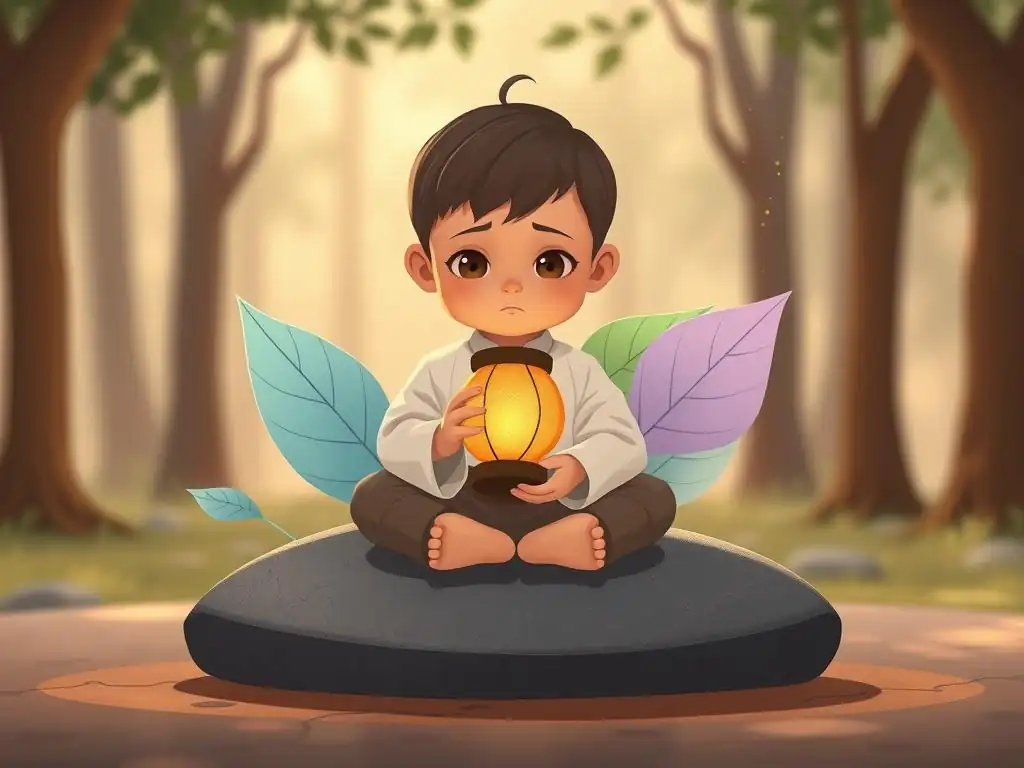
Emotional regulation is the ability to understand and manage one's emotional responses. Grade schoolers are still developing this skill, and helping them navigate their feelings is a vital part of building resilience strategies for kids. Children who can identify and manage their emotions are better equipped to handle stress, resolve conflicts, and maintain positive relationships. They learn that feelings are temporary and that they have the power to influence how they react to those feelings.
This involves teaching children healthy ways to express their emotions and cope with challenging feelings like frustration, anger, or sadness. It's not about suppressing emotions, but about expressing them appropriately and developing strategies to calm down when overwhelmed. This skill is critical for navigating the ups and downs of life and maintaining emotional balance.
Identifying and Labeling Emotions
The first step in emotional regulation is helping children identify and label their feelings accurately. Children often experience intense emotions but lack the vocabulary to describe them. Use feeling words in everyday conversation ("I'm feeling a little frustrated right now," "You seem excited!"). Ask your child how they are feeling and help them find the right words ("Are you feeling angry, or maybe just annoyed? ").
Using visual aids like feeling charts or drawing faces that represent different emotions can also be helpful. This process validates their emotional experience and gives them the tools to communicate their internal state, which is a foundational resilience strategy for kids. Once they can name an emotion, they can begin to understand it and learn how to manage it.
Teaching Coping Mechanisms for Stress and Anxiety
Once children can identify their feelings, they need healthy strategies to cope with difficult ones, particularly stress and anxiety. Teach them simple, age-appropriate coping mechanisms. Examples include deep breathing exercises ("Smell the flower, blow out the candle"), taking a short break, doing a physical activity like jumping jacks, listening to calming music, drawing, or talking to a trusted adult.
It's important to help them find strategies that work for them individually. Practice these techniques when they are calm so they can access them more easily when they are feeling overwhelmed. Having a repertoire of coping strategies is a direct way to build resilience strategies for kids, giving them tools to navigate difficult emotional states independently.
Positive relationships with peers, family members, and other adults are a powerful protective factor and a key component of resilience strategies for kids. Strong social connections provide a sense of belonging, offer emotional support, and teach valuable social skills like empathy, cooperation, and conflict resolution. Children who feel connected to others are less likely to feel isolated during tough times and have a support network to lean on.
Encouraging children to build and maintain healthy friendships and fostering positive family relationships are essential for their emotional well-being and resilience. These relationships serve as a buffer against adversity and provide a source of joy and validation.
Encouraging Friendships and Social Skills Development
Friendships are vital for grade schoolers' social and emotional development. Encourage your child to make friends and facilitate opportunities for social interaction, such as playdates, joining clubs, or participating in team sports. Help them understand the qualities of a good friend (kindness, trustworthiness) and how to be a good friend themselves.
Teaching social skills, such as how to share, take turns, listen actively, and resolve disagreements peacefully, is crucial. Role-playing social situations or discussing social dynamics in books or shows can be effective. Developing these skills is a practical resilience strategy for kids, enabling them to navigate social challenges and build supportive peer relationships.
Facilitating Opportunities for Social Interaction
Providing regular opportunities for children to interact with peers and adults outside the family helps them practice social skills and build their support network. This could involve joining a scouting group, participating in community events, attending after-school programs, or visiting relatives. These interactions expose children to different perspectives and social environments, enhancing their adaptability and social confidence.
These opportunities also allow children to find peers who share similar interests, fostering deeper connections. Feeling understood and accepted by a peer group is a significant boost to a child's self-esteem and provides a sense of belonging, both of which are integral to building resilience strategies for kids.
Practical Activities to Enhance Resilience in Children
Resilience-Building Games and Exercises
Incorporating games and interactive activities is a fun and effective way to teach resilience strategies for kids. Play provides a low-stakes environment where children can practice new skills, experiment with different approaches, and learn from mistakes without fear of significant consequences. These activities can be designed to target specific aspects of resilience, such as problem-solving, emotional regulation, or coping with setbacks.
Games that require collaboration, strategic thinking, or managing frustration when things don't go as planned are particularly beneficial. Turning resilience concepts into play makes them more accessible and engaging for grade schoolers, helping these vital skills become more ingrained.
"Resilience Charades": Acting Out Coping Strategies
A simple game like "Resilience Charades" can help children learn and practice coping mechanisms. Write down various coping strategies (e.g., "take deep breaths," "ask for help," "draw a picture," "take a break," "talk about it") on slips of paper. Children take turns picking a slip and acting out the coping strategy for others to guess.
This game helps children visualize and remember different ways to handle difficult feelings or situations. It makes the concept of coping active and tangible, reinforcing the idea that they have options when facing challenges. This is a direct and engaging way to teach resilience strategies for kids.
"Problem-Solving Puzzles": Collaborative Challenge Completion
Engage children in collaborative problem-solving activities, such as jigsaw puzzles, escape room-style games designed for kids, or building challenges with limited materials. These activities require teamwork, communication, and persistence to overcome obstacles and reach a solution.
Working together on a challenging task teaches children how to communicate effectively, listen to others' ideas, compromise, and support each other when facing frustration. Successfully completing a challenge as a team builds a sense of collective efficacy and reinforces the value of perseverance, key elements in developing resilience strategies for kids.
Mindfulness Practices for Children: Cultivating Inner Peace
Mindfulness, the practice of paying attention to the present moment without judgment, is a powerful tool for enhancing emotional regulation and building resilience strategies for kids. It helps children become more aware of their thoughts, feelings, and bodily sensations, allowing them to respond to stress and difficult emotions more thoughtfully rather than reactively. Even short, simple mindfulness exercises can have significant benefits.
Teaching children mindfulness can help reduce anxiety, improve focus, and increase their ability to stay calm when faced with challenges. It provides them with an internal anchor, a way to connect with themselves amidst external turbulence.
Simple Meditation Techniques for Grade Schoolers
Introduce simple meditation techniques adapted for children. This could be as brief as 1-3 minutes. Examples include:
- Belly Breathing: Have children lie down and place a small toy on their belly. Instruct them to watch the toy rise and fall as they breathe in and out deeply.
- Mindful Listening: Ask children to close their eyes and listen quietly for different sounds, starting with sounds inside the room, then outside.
- Body Scan: Guide children to gently bring their attention to different parts of their body, noticing how each part feels without trying to change anything.
These practices help children develop self-awareness and learn to calm their nervous system, essential components of resilience strategies for kids.
The Benefits of Mindfulness for Emotional Well-being
Regular mindfulness practice has been shown to have numerous benefits for children's emotional well-being. It can help decrease symptoms of anxiety and depression, improve attention span, enhance empathy towards others, and foster a greater sense of calm. By becoming more aware of their internal experiences, children gain a better understanding of their emotions and learn that difficult feelings are temporary and manageable. This inner stability contributes significantly to their overall resilience.
Mindfulness teaches children that they have some control over their reactions to challenging situations, empowering them to navigate adversity with greater ease. It's a vital addition to the set of resilience strategies for kids that parents can teach.
Encouraging Hobbies and Interests: Fostering a Sense of Accomplishment
Encouraging grade schoolers to explore and pursue hobbies and interests is a wonderful way to build resilience. Engaging in activities they enjoy provides opportunities for positive experiences, skill development, and a sense of accomplishment. Whether it's mastering a new level in a video game, completing a drawing, learning a song on an instrument, or improving at a sport, these achievements build confidence and self-esteem.
Hobbies also provide a healthy outlet for stress and a source of joy outside of academic or social pressures. They can connect children with like-minded peers or supportive adults, further strengthening their social network.
Sports, Music, Art, and Reading
Specific examples of hobbies that can foster resilience include participating in team sports (teaching teamwork and handling wins/losses), learning a musical instrument (requiring practice and perseverance), engaging in art projects (encouraging creative expression and dealing with imperfections), or becoming an avid reader (expanding understanding of the world and different perspectives).
Each of these activities offers unique lessons in overcoming challenges, practicing consistently, and experiencing the rewards of effort. They provide a sense of purpose and competence that contributes significantly to a child's overall resilience. These are practical avenues for implementing resilience strategies for kids.
Setting Realistic Goals and Celebrating Small Wins
Learning to set and achieve goals is a key life skill and a powerful resilience builder. Help your grade schooler set realistic, age-appropriate goals. These could be academic (e.g., reading for 15 minutes each night), personal (e.g., remembering to pack their own snack), or related to a hobby (e.g., practicing piano for 10 minutes daily). Break down larger goals into smaller, achievable steps.
Equally important is celebrating the small wins along the way, not just the final achievement. Acknowledging effort and progress reinforces the value of perseverance and keeps children motivated.
The Importance of Positive Reinforcement
Positive reinforcement, such as praise, encouragement, or small rewards, is crucial when helping children work towards goals and practice resilience strategies for kids. Specific praise, like "I noticed how you kept trying that math problem even when it was tricky – that's great persistence!" is more effective than general praise like "Good job."
Celebrating progress, no matter how small, helps children see that their efforts are paying off and builds their confidence. It teaches them that challenges are surmountable and that persistence leads to positive outcomes, strengthening their belief in their ability to handle future difficulties.
Overcoming Challenges: When to Seek Professional Help for Your Child
While building resilience strategies for kids is incredibly beneficial, it's also important to recognize that some challenges may require professional support. Resilience helps children navigate typical difficulties, but significant or prolonged struggles might indicate a need for intervention. Parents should be aware of signs that their child is experiencing distress beyond what they can manage with their current coping skills.
Seeking professional help is not a sign of failure, but rather a proactive and empathetic step towards ensuring your child's well-being. Mental health professionals can provide specialized tools and support tailored to your child's specific needs, enhancing their ability to cope and thrive.
Recognizing Signs of Struggle: Identifying When a Child Needs Extra Support
Be attentive to changes in your child's behavior, mood, or functioning that persist for more than a couple of weeks. Signs that a child might be struggling and could benefit from professional help include:
- Significant changes in sleep or eating patterns.
- Increased irritability, anger, or frequent meltdowns.
- Persistent sadness, tearfulness, or withdrawal from activities they once enjoyed.
- Excessive worry or anxiety that interferes with daily life (school, social activities).
- Difficulty concentrating or a noticeable decline in academic performance.
- Physical complaints (headaches, stomachaches) with no medical explanation.
- Expressing feelings of hopelessness or worthlessness.
- Regression to younger behaviors (e.g., bedwetting, excessive clinging).
- Difficulty forming or maintaining friendships.
If you observe several of these signs, or if your parental intuition tells you something is significantly off, it's worth consulting with a pediatrician or mental health professional.
Finding the Right Mental Health Professional for Your Child
Finding the right professional is key. Start by talking to your pediatrician; they can rule out any physical causes for symptoms and often provide referrals to mental health specialists who work with children. You might look for child psychologists, child therapists, or licensed clinical social workers who specialize in pediatrics.
Consider factors like their experience with children in the grade school age range, their therapeutic approach (e.g., play therapy, cognitive behavioral therapy adapted for kids), and whether they are a good fit for your child's personality and needs. Don't hesitate to ask questions about their qualifications and experience during an initial consultation.
The Role of Therapy in Building Resilience
Therapy can play a significant role in building resilience, especially for children facing more complex challenges like trauma, anxiety disorders, or depression. A therapist can provide a safe space for the child to process difficult experiences and emotions. They can teach advanced coping strategies, problem-solving skills, and emotional regulation techniques in a structured and supportive environment.
Therapy helps children understand their feelings and behaviors, develop healthier thought patterns, and build confidence in their ability to manage challenges. It complements the resilience strategies for kids being taught at home and school, providing specialized support when needed to help the child develop stronger coping mechanisms and a greater capacity to bounce back.
Long-Term Benefits of Resilience Strategies for Kids
Investing time and effort in building resilience strategies for kids yields significant long-term benefits that extend far beyond childhood. The skills and mindset developed during the grade school years form a robust foundation for navigating the complexities of adolescence and adulthood. Resilient individuals are better equipped to handle life's inevitable challenges, transitions, and setbacks, leading to greater overall life satisfaction and well-being.
The impact of early resilience building is cumulative. The more practice children have in bouncing back from adversity, the stronger their capacity becomes over time. These early strategies become ingrained habits that serve them well throughout their lives.
Improved Mental Health and Well-being in Adulthood
Individuals who developed strong resilience strategies as children are generally less susceptible to mental health challenges in adulthood. They possess effective coping mechanisms for stress, are better able to regulate their emotions, and tend to have a more positive outlook. This doesn't mean they won't face difficulties or mental health struggles, but they are often better equipped to seek help, utilize their coping skills, and recover more effectively. Data suggests that early interventions focused on building emotional and social skills can have a lasting protective effect against adult mental health issues.
Their ability to adapt to change and persist through difficulties contributes to a greater sense of control and competence, further supporting their long-term mental well-being. The resilience strategies for kids learned early on become enduring strengths.
Enhanced Academic Performance and Career Success
Resilience is closely linked to academic persistence and achievement. Children who can bounce back from academic setbacks, manage school-related stress, and maintain motivation are more likely to succeed in their studies. This pattern often continues into higher education and the workplace.
Adults who are resilient are better at handling workplace challenges, adapting to new roles or environments, and learning from mistakes. They are often seen as more adaptable, problem-solvers, and team players, qualities highly valued by employers. The perseverance and problem-solving skills inherent in resilience strategies for kids translate directly into career success.
The social skills and emotional regulation abilities fostered by building resilience strategies for kids contribute significantly to the development of strong, healthy relationships throughout life. Resilient individuals are often better communicators, more empathetic, and more skilled at resolving conflicts constructively.
Their ability to navigate social challenges and maintain positive connections provides a powerful support network in adulthood. These relationships are a source of comfort during difficult times and contribute significantly to overall happiness and well-being.
Increased Self-Esteem and Confidence
Successfully navigating challenges and setbacks builds a child's belief in their own capabilities. Each time they overcome a difficulty, they gain confidence in their ability to handle future problems. This enhanced self-esteem is a core component of resilience.
As adults, this strong sense of self-efficacy allows them to pursue goals confidently, take healthy risks, and face challenges with a positive attitude. The confidence gained through practicing resilience strategies for kids in grade school becomes a lifelong asset, empowering them to live fulfilling and purposeful lives.
Frequently Asked Questions
What exactly is resilience, and why is it important for grade schoolers?
Resilience is the ability to bounce back from adversity. It's crucial for grade schoolers because it helps them cope with challenges like academic pressure, social difficulties, and personal setbacks, ultimately promoting better mental well-being.
What are some practical resilience strategies parents can easily implement at home?
Parents can foster resilience by encouraging problem-solving skills, promoting a growth mindset, and creating a supportive and loving environment. These actions help children develop a sense of self-efficacy and security.
How can educators in the classroom help build resilience in their students?
Educators can integrate mindfulness exercises, teach emotional regulation techniques, and provide opportunities for collaborative problem-solving to nurture resilience in the classroom setting.
What are some common signs that a grade schooler might be struggling with resilience?
Signs of struggling resilience include increased anxiety or withdrawal, difficulty managing emotions, and a negative self-image. Recognizing these signs early allows for timely intervention.
Are there any specific resources or support systems available for families looking to enhance their child's resilience?
Yes, many online resources and mental health professionals specialize in child and adolescent well-being. Websites like Mind Care Guide and local therapists offer valuable guidance and support in building resilience.
Final Reflection: Cultivating Resilience: A Legacy of Strength
The ability to bounce back from adversity is no longer a luxury, but a necessity for children navigating an increasingly complex world. Equipping grade-schoolers with practical resilience strategies isn't just about helping them overcome challenges; it's about fostering a generation capable of thriving amidst uncertainty and change. This is a crucial investment in their future well-being and success.
The journey towards building resilience is a continuous process, one that shapes not only individual lives but also the broader social fabric. We've explored various techniques, from fostering emotional intelligence to promoting healthy coping mechanisms, all aimed at empowering young minds. The impact of these strategies extends far beyond the classroom, influencing how children interact with their peers, families, and the world at large. As the renowned psychologist Viktor Frankl stated, Between stimulus and response there is a space. In that space is our power to choose our response. In our response lies our growth and our freedom.
This quote underscores the importance of teaching children not just to react to challenges, but to consciously choose their response, building their resilience in the process.
Now, consider your own role in fostering resilience. Think about the children in your life – your own, your students, your neighbors. What small steps can you take today to empower them with the tools they need to navigate life's inevitable setbacks? Perhaps it's a mindful conversation, a shared activity that promotes teamwork, or simply offering a listening ear. Remember, every act of encouragement, every opportunity for growth, contributes to building a future generation characterized by strength, adaptability, and unwavering hope. Let's work together to cultivate resilience, one child at a time.
Unleash Your Child's Inner Strength: Start Building Resilience Today!
Thank you for taking the time to learn about building resilience in your grade-schooler. We hope you found practical strategies to help them navigate challenges with confidence. Now, let's put that knowledge into action!
- Prioritize one new resilience-building activity this week. Whether it's practicing mindful breathing, encouraging problem-solving through games, or having a dedicated "worry time," small steps make a big difference.
- Share this article with other parents – let's build a supportive community around this important topic! Sharing knowledge is key to fostering stronger children.
- Consider journaling with your child about their feelings and successes—a simple way to promote self-reflection and emotional understanding.
What small step will you take today to empower your child's resilience journey?