
Empowering Problem Solvers: Stepping Back So Your Child Can Step Up

Welcome to Mind Care Guide, a space dedicated to nurturing your mental well-being.
Feeling overwhelmed trying to help your child navigate their big feelings? You're not alone. This is where you can discover practical and empathetic guidance. In this article, we delve into crucial child emotional regulation strategies that empower your child to become a confident problem solver. Ready to learn how stepping back can actually help your child step up? Let's explore together.
Fostering Independence: Empowering Children to Solve Problems
- The Significance of Independence in Child Development
- Understanding Emotional Regulation
- Identifying Problem-Solving Opportunities
- Strategic Stepping Back: A Parent's Guide
- Practical Techniques for Empowerment
- Teaching Emotional Regulation
- Fostering Resilience and Confidence
- Addressing Parenting Challenges
- Long-Term Benefits of Empowered Problem-Solving
- Resources for Parental Support
-
Frequently Asked Questions
- What is emotional regulation, and why is it important for children?
- What are some child emotional regulation strategies that parents can implement at home?
- How does "Stepping Back So Your Child Can Step Up" relate to fostering emotional regulation?
- At what age should parents start teaching their children about emotional regulation?
- Where can I find more information and resources related to child emotional regulation?
- Final Reflection: Cultivating Inner Strength Through Problem-Solving
- Unleash Your Child's Inner Problem Solver!
The Significance of Independence in Child Development
Cognitive Growth Through Independent Problem Solving
Allowing children the space to tackle challenges independently is crucial for their cognitive development. When faced with a problem, whether it's figuring out how to stack blocks that keep falling or resolving a minor disagreement with a peer, a child's brain actively engages in critical thinking, planning, and evaluation. This process strengthens neural pathways associated with executive functions, such as working memory, flexible thinking, and self-control. For example, a child trying to fit puzzle pieces learns spatial reasoning and trial-and-error, developing their problem-solving toolkit with each attempt.
Research consistently highlights the long-term benefits of early problem-solving experiences. A longitudinal study tracking children from preschool through adolescence might show, for instance, that those who were given opportunities to solve age-appropriate problems independently in early childhood tend to exhibit stronger academic performance and better adaptability to novel situations later on. This isn't just about getting the "right" answer; it's about the process of exploration, hypothesis testing, and learning from mistakes, which are foundational skills for lifelong learning and adaptation.
Emotional Well-being and Self-Reliance
The ability to solve one's own problems significantly impacts a child's emotional well-being. Successfully navigating a challenge, even a small one, fosters a sense of competence and mastery. This builds confidence and a belief in one's own capabilities, which are vital components of healthy self-esteem. Conversely, consistently having problems solved for them can lead to feelings of inadequacy and learned helplessness, where a child might not even attempt a task because they expect someone else to step in.
Developing self-reliance through problem-solving also contributes positively to a child's Child emotional regulation strategies. When a child successfully overcomes a hurdle, they learn that they can manage frustration, persevere through difficulty, and experience the positive emotions associated with achievement. This teaches them valuable coping mechanisms. For instance, a child who figures out how to fix their broken toy might initially feel angry or sad, but the act of working through the problem and succeeding helps them learn to manage those difficult emotions and build resilience for future challenges.
Understanding Emotional Regulation
Defining Emotional Regulation
Emotional regulation refers to the ability to understand and manage one's emotional responses to experiences. It involves recognizing different emotions, understanding their intensity, and developing strategies to respond to them in a healthy and appropriate manner. This isn't about suppressing feelings, but rather about being able to experience emotions without being overwhelmed by them and choosing how to express them constructively. For young children, this might involve learning to identify if they feel "mad" or "sad" and finding simple ways to calm down, like taking a deep breath.
For example, a typical scenario might involve a child becoming frustrated when they can't complete a task. Effective emotional regulation would allow the child to recognize the frustration, perhaps verbalize it ("I'm feeling frustrated! "), and then employ a strategy they've learned, such as taking a short break or asking for a specific type of help (like "show me how to hold this," rather than "do it for me"). This contrasts with poor regulation, which might manifest as a tantrum, withdrawal, or aggression, where the child is overwhelmed by the emotion.
Connection to Problem-Solving Skills
There is a profound connection between effective Child emotional regulation strategies and the ability to solve problems. Intense, unmanaged emotions like overwhelming frustration, anxiety, or anger can significantly impair a child's cognitive function, making it difficult to think clearly, consider options, or persevere through challenges. When a child is emotionally overwhelmed, their focus narrows, and they may resort to impulsive or ineffective responses rather than thoughtful problem-solving.
Conversely, children who possess strong emotional regulation skills are better equipped to approach problems calmly and logically. They can tolerate the discomfort or frustration that often accompanies challenges, allowing them to stay engaged with the task at hand. For instance, a child who can manage their anxiety about a difficult school assignment is more likely to break it down into smaller steps and seek help when needed, rather than shutting down completely. Teaching robust Child emotional regulation strategies is therefore a foundational step in fostering capable and independent problem solvers.
Identifying Problem-Solving Opportunities
Everyday Challenges as Learning Experiences
Opportunities for children to practice problem-solving are abundant in daily life, often hidden within routine activities or minor setbacks. These aren't always grand challenges but can be as simple as figuring out how to share a toy fairly, deciding what to wear based on the weather, or managing their time to complete a small chore before playtime. Viewing these everyday moments through the lens of a learning opportunity allows parents to intentionally step back and let the child engage their thinking skills.
Consider a common scenario: a child spills their drink. Instead of immediately cleaning it up for them, a parent might see this as a chance for problem-solving. The child can be guided to think about what happened ("Oh no, the juice spilled! "), what needs to be done ("How can we clean this up? "), and then participate in the solution (getting a cloth, wiping the table). This teaches responsibility and practical skills, while also reinforcing their ability to handle unexpected issues.
Safe Space for Experimentation
Creating a safe environment for children to experiment with solutions is paramount. This means allowing them to try things that might not work, make mistakes, and learn from the outcomes without fear of harsh criticism or judgment. A safe space encourages creativity and resilience; it teaches children that failure is not an endpoint but a part of the learning process. This psychological safety enables them to take risks and explore different approaches to a problem.
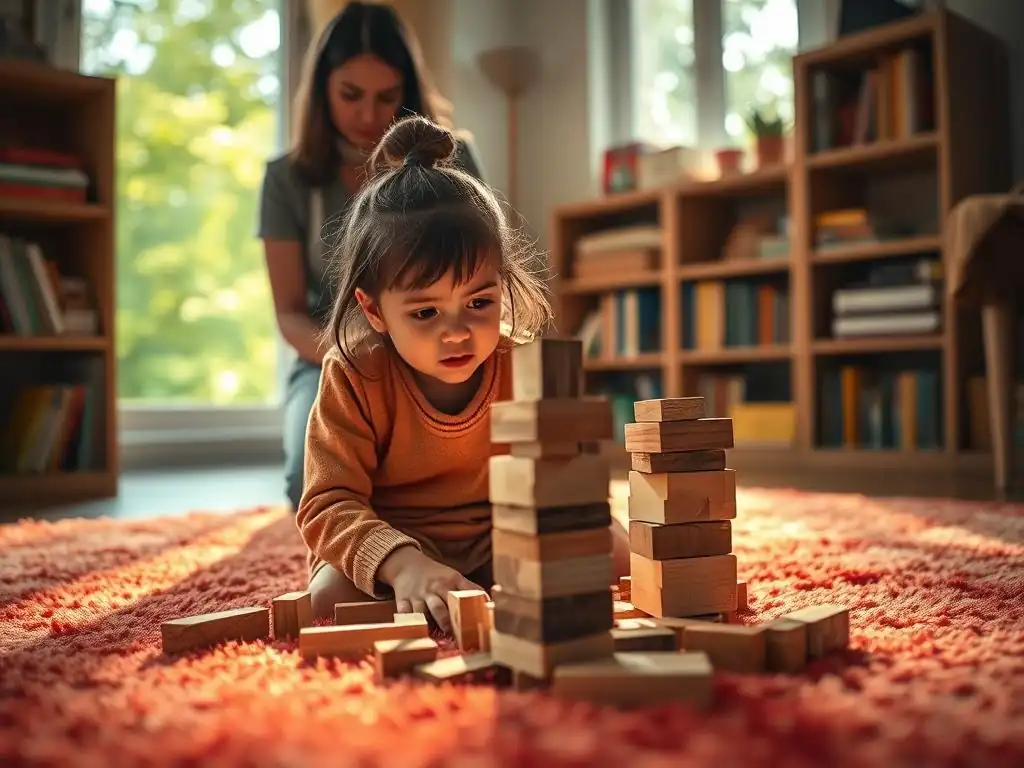
For example, if a child is trying to build a complex structure with blocks and it keeps collapsing, a safe space means the parent doesn't say, "You're doing it wrong," but perhaps, "That didn't work that time. What do you think happened? What could you try differently?" This encourages analysis and iterative problem-solving. It's about providing emotional support and physical safety while the child navigates the challenge, ensuring they feel secure enough to keep trying.
Strategic Stepping Back: A Parent's Guide
Observation and Intervention
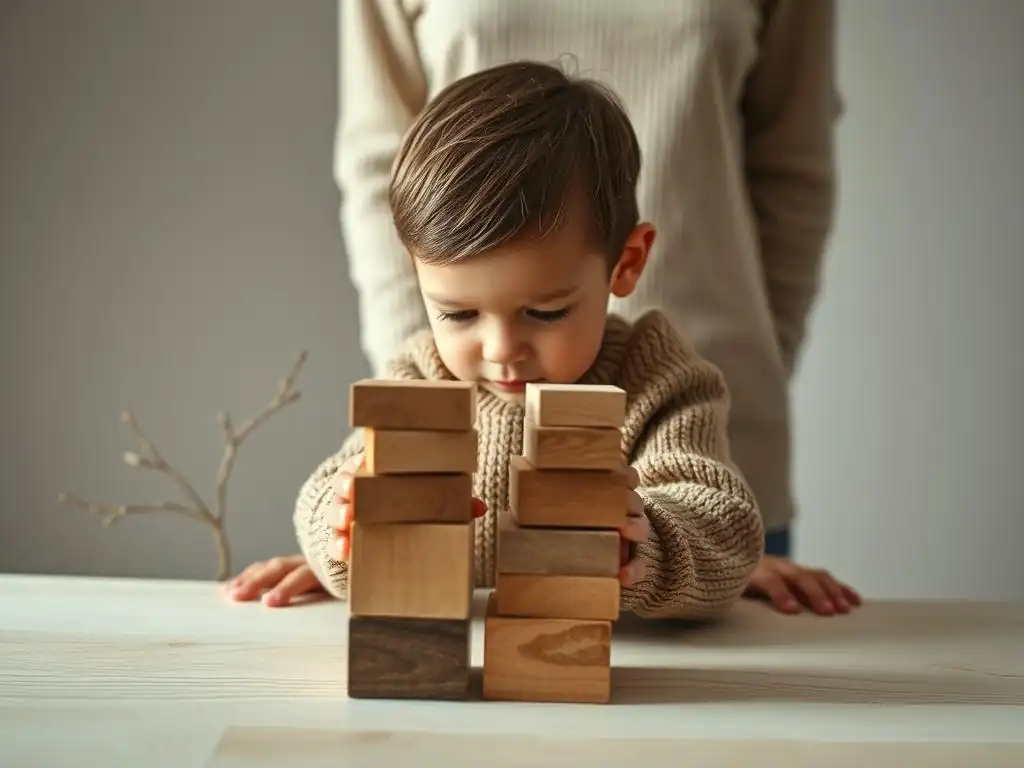
Strategic stepping back doesn't mean abandoning your child to struggle alone; it involves thoughtful observation and measured intervention. The goal is to provide just enough support to prevent overwhelming frustration or danger, while allowing the child to do the maximum amount of the work themselves. This requires parents to gauge the difficulty of the task, the child's current emotional state, and their past experiences with similar problems. It's a delicate balance between support and independence.
Observing allows the parent to understand where the child is getting stuck. Is it a lack of knowledge, a physical limitation, or emotional overwhelm? Based on the observation, the intervention can be targeted. For instance, if a child is struggling to open a container, instead of opening it, the parent might demonstrate a technique ("Sometimes turning it like this helps") or offer a tool ("Maybe this gripper would make it easier"). This provides guidance without solving the problem for them, empowering the child to apply the new information or tool themselves.
Promoting Self-Reliance
Promoting self-reliance is an intentional parenting practice that involves consistently creating opportunities for children to act independently and solve their own problems. It's about fostering a mindset in both parent and child that the child is capable and should be the primary agent in their own challenges. This involves resisting the urge to jump in immediately when you see your child struggling, which can be difficult, especially when you know a quicker or easier solution.
Specific actions to promote self-reliance include assigning age-appropriate responsibilities (like setting the table or tidying their room), allowing them to make choices (within reasonable limits), and encouraging them to manage their own belongings or schedules. For instance, instead of packing their school bag every night, guide your older child to create a checklist and take responsibility for it themselves. This builds organizational skills alongside self-reliance. Even young toddlers can practice self-reliance by choosing their snack or putting toys in a designated bin.
Practical Techniques for Empowerment
Active Listening and Validation
When a child brings a problem to you, empowering them begins with active listening and validation. This means giving them your full attention, truly hearing their concerns or frustrations, and acknowledging their feelings without immediately jumping to solutions. Phrases like "It sounds like you're feeling really frustrated that the tower keeps falling" or "I understand you're worried about the test" show empathy and make the child feel heard and understood.
This step is crucial for Child emotional regulation strategies because it helps the child process their feelings before attempting to tackle the problem itself. Once emotions are acknowledged and validated, the child is often in a better headspace to think constructively. An example might be a child upset because a friend took their toy. Instead of saying, "Just share," you might start with, "You sound really upset that [Friend's Name] took your toy. It's okay to feel angry when that happens." This opens the door for them to think about what they want to do next.
Guiding Questions for Critical Thinking
Once the child feels heard, use guiding questions to prompt their critical thinking and lead them toward finding their own solutions. Avoid asking leading questions or questions where you already have the answer in mind. Instead, ask open-ended questions that encourage them to analyze the situation, brainstorm possibilities, and consider consequences.
- Initial assessment: "What happened?" "How are you feeling about it?"
- Problem identification: "What is the problem you're trying to solve?"
- Brainstorming solutions: "What are some different things you could try?" "What else could you do?"
- Considering consequences: "If you try [Solution A], what might happen?" "How would that make others feel?"
- Planning: "Which idea do you want to try first?" "What steps do you need to take?"
Using these questions turns the problem from something for the parent to fix into a challenge for the child to navigate with parental support.
Collaborative Brainstorming
Sometimes, a child might be truly stuck or overwhelmed. In these cases, collaborative brainstorming can be a helpful technique. This involves working with the child to generate a list of possible solutions, treating their ideas with equal value to your own. This models problem-solving and shows them how to think creatively, without taking over the process entirely.
You can use a simple list format, perhaps even writing down ideas if appropriate:
- Parent: "Okay, let's think of all the ways you could handle it if someone takes your toy."
- Child: "I could yell at them."
- Parent: "Okay, yelling is one idea. What else?"
- Child: "I could take it back."
- Parent: "That's another idea. What about using your words?"
- Child: "I could say, 'Can I have that back please?'"
- Parent: "Great idea! What about finding a different toy to play with for now?"
This process generates multiple options, allowing the child to evaluate the pros and cons of each (with gentle guidance) and choose the solution they feel is best.
Teaching Emotional Regulation
Breathing Exercises for Calmness
Teaching specific Child emotional regulation strategies is fundamental. Simple breathing exercises are incredibly effective tools for helping children manage intense emotions like anger, anxiety, or frustration. Deep, controlled breathing activates the body's relaxation response, counteracting the "fight or flight" reaction triggered by stress. These techniques are easy to learn and can be practiced anywhere.
A popular technique is "Balloon Breathing," where a child imagines their belly is a balloon. They inhale deeply through their nose, feeling their belly expand, hold for a moment, and then exhale slowly through their mouth as if letting air out of the balloon. Another is "Starfish Breathing," where they trace their hand with a finger, inhaling on the way up each finger and exhaling on the way down.
Practicing these when calm helps children access them when they are distressed. Consistent practice, even for just a few minutes daily, significantly improves a child's ability to regulate their emotions during challenging situations.
Identifying and Understanding Emotions
Children need to be able to identify and understand their emotions before they can manage them. This involves building their emotional vocabulary and helping them connect physical sensations or situations with specific feelings. Regularly talking about emotions – your own and theirs – in everyday conversation is key. "I'm feeling happy because the sun is out," or "You seem frustrated with those blocks."
Using tools like feeling charts, emotion cards, or simply drawing faces showing different emotions can help younger children. For older children, discussing characters' feelings in books or movies provides a less personal way to explore complex emotions. Research indicates that children with a rich emotional vocabulary are better able to communicate their needs and use effective Child emotional regulation strategies, reducing instances of behavioral outbursts driven by unexpressed or misunderstood feelings.
Cognitive Restructuring for Positive Thinking
Cognitive restructuring involves helping children identify unhelpful or negative thought patterns and reframe them in a more positive or realistic light. This doesn't mean ignoring problems, but rather challenging overly negative interpretations that can fuel difficult emotions and hinder problem-solving. For instance, a child might think, "I'm no good at this!" after a single failure.
A parent can help by acknowledging the frustration and then gently challenging the thought: "It didn't work this time, and that feels frustrating. But does that mean you're never good at it? Remember how you figured out how to ride your bike?" This helps the child see that one setback doesn't define their overall ability. Encouraging a focus on effort rather than just outcome ("You worked really hard on that!") also promotes a growth mindset, which is essential for persistence in problem-solving and effective Child emotional regulation strategies.
Fostering Resilience and Confidence
Celebrating Effort and Progress
Fostering resilience and confidence in children who are learning to solve problems and manage their emotions requires celebrating their effort and progress, not just success. When a child tackles a difficult task or navigates a tricky emotional situation, acknowledge the process they undertook. Did they keep trying? Did they use a breathing technique when they felt angry? Did they think of multiple solutions? These are the behaviors to reinforce.
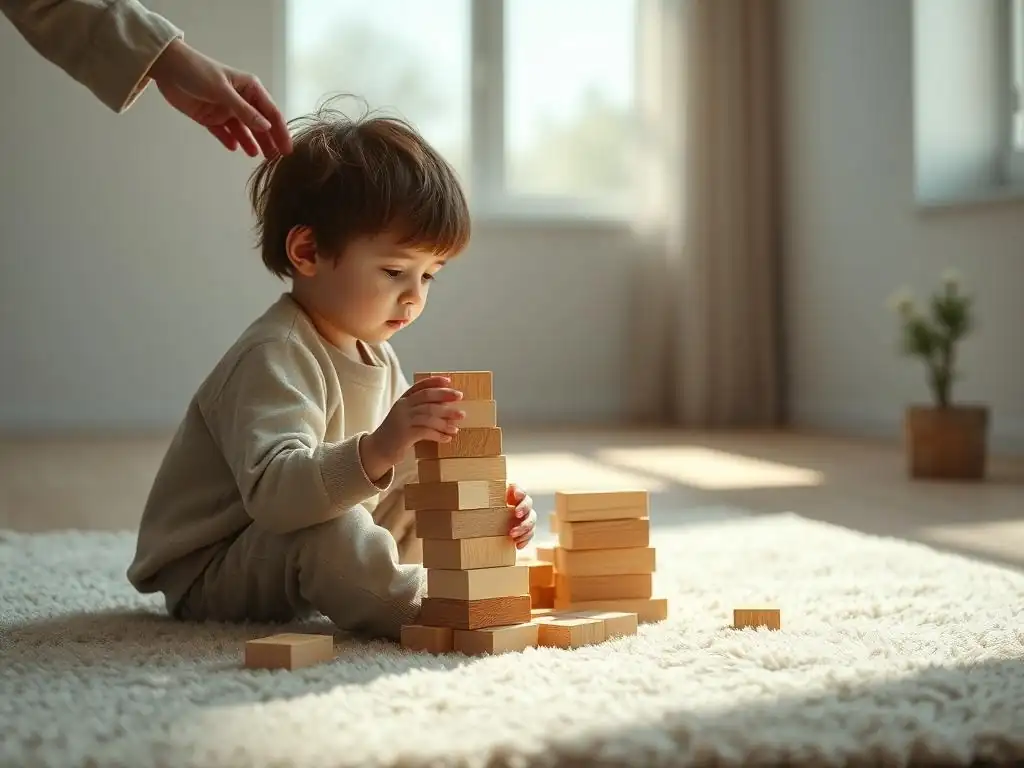
Specific praise is more effective than general praise. Instead of "Good job," try "I noticed you didn't give up when those blocks fell down; you kept trying different ways to stack them. That shows real determination!" or "You were feeling really angry, and you remembered to take deep breaths. That's a great way to handle that big feeling." This teaches children that their persistence and effort are valuable, building their confidence to face future challenges.
Reframing Failure as Learning
Failure is an inevitable part of life and problem-solving. Teaching children to view failures not as endpoints but as opportunities to learn is fundamental to building resilience. When something doesn't work out, help the child analyze what happened without blame. Focus on the lessons learned and how they can apply that knowledge next time.
You might say, "Okay, that didn't go as planned. What did we learn from that attempt?" or "Why do you think that solution didn't work? What information did we get that can help us try something different?" This approach removes the stigma from making mistakes and encourages a growth-oriented perspective. Children who see failure as a learning experience are more likely to bounce back from setbacks and continue developing their problem-solving skills and Child emotional regulation strategies.
Addressing Parenting Challenges
Managing Frustration and Tantrums
It's challenging for parents to step back when a child is experiencing intense frustration or having a tantrum. These moments test everyone's patience and can trigger a parental urge to fix the situation quickly. However, these are often the times when a child most needs support in using their Child emotional regulation strategies, even if they aren't doing so effectively in the moment.
Instead of giving in or solving the problem for them during a meltdown, the focus should shift to helping the child regain emotional control. This might involve providing a calm presence, using simple calming techniques together (like deep breaths if the child is receptive), or simply waiting it out safely. Once the storm has passed, then you can revisit the problem and discuss what happened, what the child was feeling, and what they could try differently next time, reinforcing positive Child emotional regulation strategies.
Balancing Safety and Independence
A primary concern for any parent is their child's safety. Balancing the need for safety with the desire to foster independence requires careful judgment. Stepping back should never compromise a child's physical or emotional safety. This means supervising appropriately for their age and the situation, and knowing when intervention is necessary because a situation is genuinely dangerous or causing significant harm (physical or emotional).
For a young child, letting them try to climb safely on playground equipment promotes independence; letting them play unsupervised near a busy road does not. For an older child, letting them navigate a minor peer conflict is fostering independence; letting them engage in cyberbullying or risky online behavior is not safe. Parents must assess the risks involved in each potential problem-solving opportunity and provide a safety net while still allowing the child room to maneuver.
Handling Peer Pressure Responsibly
Peer pressure presents unique problem-solving challenges for children. Learning to navigate social dynamics, make independent choices, and stick to their values in the face of peer influence is a critical life skill. Parents can help by discussing potential scenarios before they happen and brainstorming strategies for handling difficult social situations.
This involves equipping children with the confidence to make their own decisions and the communication skills to assert themselves respectfully. Role-playing different scenarios, discussing peer dynamics, and reinforcing positive values at home provides children with a foundation to resist negative pressure. Empowering them in this context means trusting them to make responsible choices when possible, while remaining available for guidance and support when they face tougher social problems.
Long-Term Benefits of Empowered Problem-Solving
Increased Self-Esteem
Children who are consistently given opportunities to solve their own problems and manage their emotions develop a strong sense of self-efficacy – the belief in their own ability to succeed in specific situations or accomplish a task. Each successful attempt, no matter how small, reinforces this belief, leading to significantly increased self-esteem. They learn that they are capable, competent individuals who can handle challenges.
This positive self-perception is not based on external validation or constant rescue by adults, but on their own experiences of overcoming obstacles. This intrinsic confidence is more stable and resilient, serving them well as they face the increasing complexities of adolescence and adulthood. Empowering children to be problem solvers is fundamentally about building their belief in themselves.
Improved Decision-Making
The practice of analyzing problems, brainstorming solutions, evaluating options, and considering consequences directly hones a child's decision-making skills. These skills are transferable across all areas of life, from academic choices to social interactions and eventually, career paths. Children who have ample practice in problem-solving are better equipped to weigh pros and cons, anticipate outcomes, and make informed decisions.
For instance, a teenager who has spent years solving smaller problems might approach choosing college courses or part-time jobs with a more thoughtful and analytical process than one who is used to having decisions made for them. This improved decision-making capability is a direct result of the cognitive processes engaged during independent problem-solving activities throughout childhood, supported by effective Child emotional regulation strategies.
Enhanced Emotional Intelligence
Emotional intelligence – the ability to perceive, understand, manage, and use emotions – is significantly enhanced when children are taught to solve problems independently and regulate their emotions. Navigating challenges often involves dealing with frustration, disappointment, or conflict, providing real-world practice in managing these feelings constructively.
Furthermore, solving problems that involve others (like sibling disagreements or peer conflicts) teaches empathy, perspective-taking, and negotiation skills, all components of emotional intelligence. By allowing children to experience and work through the emotions that arise during problem-solving, parents help them develop robust Child emotional regulation strategies and a deeper understanding of themselves and others, preparing them for healthy relationships and successful navigation of social and emotional complexities throughout life.
Resources for Parental Support
Recommended Books and Websites
Navigating the journey of empowering your child is ongoing, and numerous resources can provide guidance and support. Many excellent books offer practical strategies for fostering independence, teaching problem-solving skills, and understanding Child emotional regulation strategies. Titles by authors focusing on positive parenting, child psychology, and resilience are often valuable.
Similarly, reputable websites from child development experts, mental health organizations, and educational institutions provide articles, tips, and sometimes online workshops. These resources can offer deeper dives into specific topics like age-appropriate expectations, handling power struggles, or implementing specific Child emotional regulation strategies tailored to different age groups. Look for sites that base their advice on research and professional expertise.
Support Groups and Therapists
Sometimes, parenting challenges require more than just information; they benefit from connection and professional help. Parenting support groups, whether in-person or online, offer a space to share experiences, gain perspective from other parents facing similar issues, and receive encouragement. These groups can be invaluable for discussing specific scenarios and getting practical advice from peers.
For more significant challenges, such as persistent behavioral issues, significant emotional struggles, or complex family dynamics impacting a child's development, consulting with a child therapist or family counselor is recommended. These professionals can provide tailored strategies, help identify underlying issues, and support both the child and the parent in developing effective problem-solving skills and crucial Child emotional regulation strategies. Seeking professional help is a sign of strength and commitment to your child's well-being.
Frequently Asked Questions
What is emotional regulation, and why is it important for children?
Emotional regulation refers to the ability to manage and control one's emotional responses. It's crucial for children as it helps them navigate social situations, manage stress, and build healthy relationships.
What are some child emotional regulation strategies that parents can implement at home?
Parents can teach children strategies like deep breathing, identifying and naming their feelings, and using "time-outs" to calm down before reacting. Encouraging problem-solving skills is also vital.
How does "Stepping Back So Your Child Can Step Up" relate to fostering emotional regulation?
This approach encourages children to independently problem-solve and manage their emotions. By not immediately intervening, parents allow children to develop their own coping mechanisms.
At what age should parents start teaching their children about emotional regulation?
It's never too early! Even toddlers can begin learning about emotions and simple coping strategies. Focus on age-appropriate techniques and consistent reinforcement.
Mind Care Guide offers a wealth of information, support, and resources on various mental health challenges, including child emotional well-being. Explore our website for further guidance.
Final Reflection: Cultivating Inner Strength Through Problem-Solving
The ability to navigate challenges independently is a cornerstone of emotional well-being, and equipping children with this skill is more crucial now than ever before. In a world saturated with information and instant gratification, fostering resilience and self-reliance in our children isn't just beneficial—it's essential for their future success and happiness. We've explored practical strategies to help children develop their emotional regulation skills, focusing on the power of stepping back to allow them to step up and find their own solutions.
The journey of learning emotional regulation is a lifelong process, one that profoundly shapes not only a child's individual development but also the fabric of our society. By empowering children to become active participants in solving their own problems, we cultivate a generation better equipped to handle adversity and contribute positively to the world. As the saying goes, The best way to find yourself is to lose yourself in the service of others.
This principle applies equally to problem-solving; by focusing on finding solutions, children discover their own capabilities and build confidence in their abilities. This self-discovery is a powerful catalyst for emotional growth and resilience.
Consider the impact of your approach to your child's challenges. Are you inadvertently hindering their growth by immediately solving their problems? Or are you creating space for them to develop their own problem-solving skills and build their inner strength? Take a moment to reflect on your parenting style and identify areas where you can better support your child's emotional development. By consciously choosing to empower your child through problem-solving, you are investing in their future, fostering their independence, and nurturing a generation of confident, resilient individuals ready to face the world's complexities with courage and grace.
Unleash Your Child's Inner Problem Solver!
Thanks for taking the time to explore how stepping back can empower your child to solve problems independently. You've gained valuable insights into fostering resilience and self-reliance – now it's time to put them into practice!
- Prioritize one small area: Choose a single daily challenge where you can consciously practice letting your child take the lead in finding a solution. Even a small victory builds confidence!
- Share this article with a friend: Knowing you're not alone on this parenting journey can make a world of difference. Let's support each other in raising confident problem-solvers.
- Consider journaling your observations: Track your child's progress and reflect on your own approach. What worked well? What could you adjust next time?
What small step will you take today to empower your child's problem-solving skills?