
Expert Help for Heard Hearts: Counseling for Communication Issues

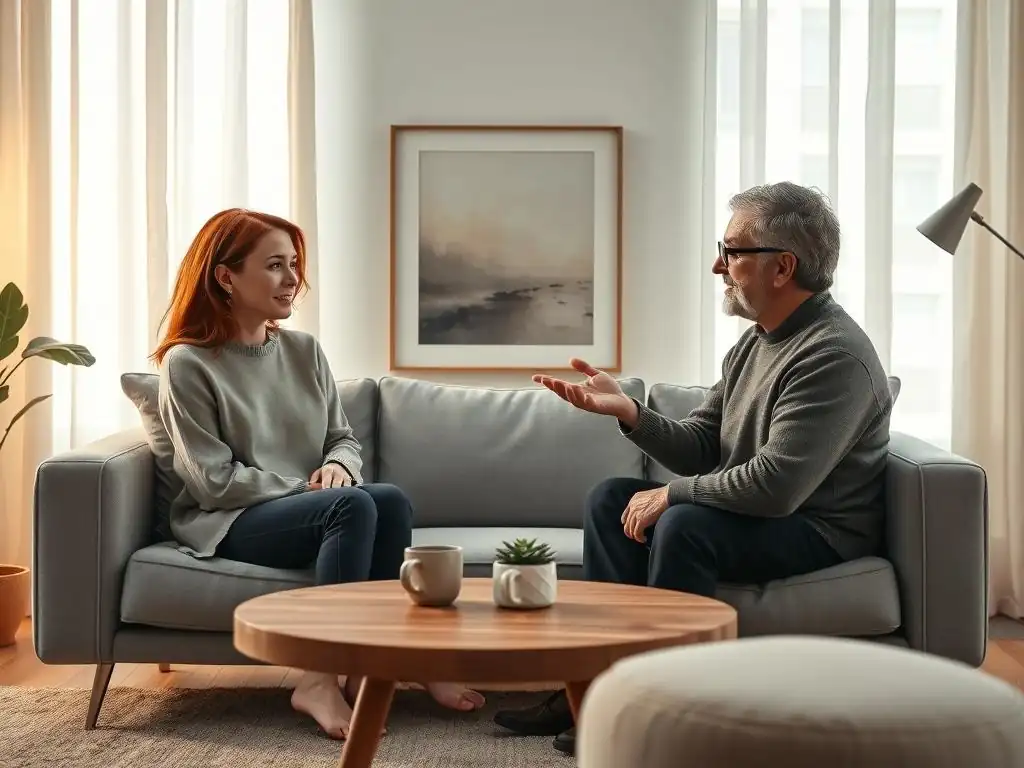
Welcome to Mind Care Guide, a place where understanding and healing begin.
Feeling unheard, unseen, or misunderstood in your relationships? You're not alone. Navigating communication challenges can be tough, but it's a journey worth taking. This is why we've compiled expert advice on effective communication counseling techniques to help you build stronger, healthier connections. Curious to discover how these strategies can transform your relationships? Let's explore the path to open and honest dialogue together...
Expert Help for Healthy Relationships: Counseling for Communication Issues
- Understanding Communication Challenges in Relationships
-
Effective Communication Counseling Techniques: A Comprehensive Overview
- What are Effective Communication Counseling Techniques? Definition and Goals
- Key Components of Effective Communication Counseling Techniques
- Active Listening Skills in Relationship Counseling
- Empathetic Communication Strategies for Stronger Connections
- Assertive Communication Training: Expressing Needs and Boundaries
- Different Approaches to Communication Counseling
- Benefits of Communication Counseling for Relationships
- Finding the Right Communication Counselor
- What to Expect During Communication Counseling Sessions
- Overcoming Challenges in Communication Counseling
- Long-Term Strategies for Healthy Communication
- Conclusion: Investing in Effective Communication for Lasting Relationships
-
Frequently Asked Questions
- What are some common signs that someone might benefit from communication counseling?
- How can Effective Communication Counseling Techniques help improve my relationships?
- What types of mental health challenges can contribute to communication problems?
- What resources does Mind Care Guide offer to support communication skills?
- What does Expert Help for Heard Hearts entail in the context of communication counseling?
- Final Reflection: The Enduring Power of Heard Hearts
- Unleash Your Communication Power: Take the Next Step
Understanding Communication Challenges in Relationships
The Impact of Communication Breakdown on Relationships
Communication breakdown is a significant contributor to distress in romantic relationships. When partners struggle to understand each other, express their needs, or resolve disagreements constructively, emotional distance often grows. Research consistently highlights communication problems as one of the top reasons couples seek therapy or ultimately separate. For example, studies have indicated that poor communication is a primary factor in over 60% of divorce cases. This lack of effective interaction erodes trust, fosters resentment, and can make partners feel unheard, invalidated, and lonely within the relationship.
The cumulative effect of persistent communication failures can manifest in various negative ways. Chronic arguments, avoidance of important topics, criticism, and defensiveness become common patterns. Over time, this creates a hostile or emotionally barren environment. Consider a couple who repeatedly argues about household finances; if they lack the skills to discuss money calmly and openly, these arguments may escalate from disagreements about spending habits to personal attacks, leading to feelings of hurt and emotional withdrawal that persist long after the argument ends. This ongoing tension significantly impacts overall relationship satisfaction and individual well-being.
Identifying Common Communication Problems in Romantic Partnerships
Recognizing specific communication issues is the first step toward addressing them. Common problems include a lack of active listening, where partners fail to truly hear or understand each other's message; interrupting frequently; using critical or contemptuous language; becoming defensive when receiving feedback; and stonewalling, which involves withdrawing from conversation. These patterns, often referred to as the "Four Horsemen" in relationship research, are highly predictive of relationship distress if left unchecked.
Beyond these overt negative behaviors, subtle issues also contribute to communication breakdowns. These might include making assumptions about a partner's intentions, difficulty expressing personal feelings or needs clearly, avoiding conflict entirely, or relying on passive-aggressive tactics. For instance, one partner might feel their need for quality time isn't being met but instead of expressing this directly, they might sigh heavily or make sarcastic remarks, leaving the other partner confused and frustrated. Identifying these specific habits is crucial for effective communication counseling techniques to be targeted appropriately.
Why Seek Communication Counseling? Recognizing the Need for Professional Help
Seeking professional help for communication issues is a proactive and often necessary step when couples feel stuck in negative patterns they can't break on their own. While self-help resources can be beneficial, a trained counselor offers an objective perspective, specialized knowledge, and a safe, structured environment to address deeply ingrained habits. If communication consistently leads to conflict, emotional pain, or avoidance, or if partners feel they are having the same arguments repeatedly without resolution, it's a strong indicator that professional guidance is needed.
A relationship counselor is equipped with effective communication counseling techniques to diagnose underlying issues, teach specific skills, and facilitate difficult conversations. They can help identify the root causes of communication problems, which may stem from individual histories, differing communication styles, or unresolved past conflicts. Unlike seeking advice from friends or family, counseling provides evidence-based strategies tailored to the couple's unique dynamic, offering a path toward healthier interaction that self-guided efforts may not achieve.
Effective Communication Counseling Techniques: A Comprehensive Overview
What are Effective Communication Counseling Techniques? Definition and Goals
Effective communication counseling techniques are structured methods utilized by therapists to help individuals and couples improve their ability to send and receive messages clearly, respectfully, and empathetically. These techniques go beyond simple tips, providing actionable strategies to change harmful interaction patterns. The primary goals are to increase mutual understanding, reduce conflict frequency and intensity, foster emotional safety, and deepen connection within the relationship.
These techniques are designed to replace negative communication cycles—like the demand-withdraw pattern or cycles of criticism and defensiveness—with positive, constructive interactions. They teach partners how to listen to understand, express their needs and feelings without blame, manage conflict productively, and build a foundation of trust and emotional intimacy. Mastering effective communication counseling techniques is fundamental to building a resilient and fulfilling relationship.
Key Components of Effective Communication Counseling Techniques
A range of skills forms the foundation of effective communication counseling techniques. Key components typically include active listening, empathetic responding, clear and assertive expression of needs and feelings, and collaborative problem-solving skills. Counselors help partners break down complex interactions into these core components, practicing each one individually before integrating them into full conversations.
For example, a couple might spend time focusing solely on practicing active listening, ensuring one partner feels truly heard before the other responds. Then, they might work on formulating "I" statements to express feelings without blaming the other person. These individual skills are then combined, allowing partners to navigate difficult topics with greater clarity, respect, and emotional safety. The integration of these components is what makes communication counseling truly effective.
Active Listening Skills in Relationship Counseling
Active listening is a cornerstone of effective communication counseling techniques. It involves fully concentrating on the speaker, understanding their message, responding thoughtfully, and remembering what was said. This means setting aside distractions, making eye contact, nodding, and using verbal cues like "I hear you" or "Go on." More importantly, it involves reflecting or paraphrasing what you've heard to ensure understanding, such as saying, "So, if I understand correctly, you're feeling overwhelmed by the amount of work on your plate this week?"
Practicing active listening makes the speaker feel validated and respected, reducing defensiveness and opening the door for genuine connection. It shifts the focus from formulating a response to truly absorbing the other person's perspective. Couples who effectively utilize active listening report feeling more understood and less frustrated during disagreements, transforming potentially explosive arguments into calmer, more productive discussions. Studies have shown that even small improvements in active listening can significantly boost relationship satisfaction.
Empathetic Communication Strategies for Stronger Connections
Empathetic communication is about understanding and sharing the feelings of your partner, even if you don't agree with their perspective. It involves putting yourself in their shoes and acknowledging their emotional experience. Techniques include validating feelings ("It makes sense that you would feel hurt by that") and expressing compassion ("I'm sorry you're going through this"). It's not about fixing the problem immediately but about connecting on an emotional level.
This type of communication builds trust and emotional intimacy. When partners feel their emotions are seen and validated, they feel safer being vulnerable. For instance, if a partner expresses frustration about a mistake, an empathetic response would focus on acknowledging their frustration and the difficulty of the situation, rather than immediately offering solutions or minimizing their feelings. Research consistently links empathy to stronger, more resilient relationships, highlighting its importance among effective communication counseling techniques.
Assertive Communication Training: Expressing Needs and Boundaries
Assertive communication is a vital skill taught in relationship counseling, focusing on expressing one's own needs, feelings, and boundaries clearly and respectfully, without aggression or passivity. It's about standing up for yourself while respecting the rights and feelings of your partner. This contrasts with aggressive communication (demanding, blaming) or passive communication (suppressing needs, avoiding conflict).
Training in assertive communication often involves using "I" statements, such as "I feel [emotion] when [situation] because [reason], and I need [specific request]." For example, instead of saying, "You never help me around the house! ", an assertive statement would be, "I feel overwhelmed and unsupported when the household tasks aren't shared, and I would appreciate it if we could create a plan together for dividing chores." Learning to communicate needs assertively prevents resentment from building and establishes healthy boundaries, which are crucial for a balanced relationship dynamic.
Different Approaches to Communication Counseling

Gottman Method for Couples Communication
The Gottman Method, developed by Drs. John and Julie Gottman, is an evidence-based approach to couples therapy grounded in over 40 years of research on relationship stability and divorce prediction. It focuses on identifying and counteracting negative interaction patterns, particularly the "Four Horsemen"—criticism, contempt, defensiveness, and stonewalling—and replacing them with healthy alternatives. The method also emphasizes building friendship, managing conflict constructively, and creating shared meaning.
Specific techniques include learning "softened start-ups" for conflict discussions, practicing repair attempts during arguments, and utilizing stress-reducing conversation exercises. Couples learn to express complaints gently, accept influence from their partner, and engage in productive problem-solving. The Gottman Method aims to build a "Sound Relationship House," strengthening various components like fondness and admiration, turning towards bids for connection, and managing solvable and perpetual problems effectively. Studies on the Gottman Method often report high success rates, with many couples showing significant improvement and stability after completing therapy.
Emotionally Focused Therapy (EFT) for Improving Communication Patterns
Emotionally Focused Therapy (EFT), primarily developed by Dr. Sue Johnson and Les Greenberg, is an attachment-based approach that focuses on identifying and changing negative interaction cycles driven by underlying emotions and attachment needs. It helps partners understand the deeper feelings fueling their communication patterns, such as fears of abandonment or feeling inadequate, and learn to express these needs in a way that draws their partner closer.
EFT typically moves through three stages: de-escalating the couple's negative cycle, restructuring interactions to create new, positive emotional experiences, and consolidating these new patterns. For example, a couple caught in a cycle where one partner criticizes and the other withdraws might discover, through EFT, that the criticism stems from a fear of disconnection and the withdrawal from feeling hurt and overwhelmed.
By expressing these deeper vulnerabilities safely, they can shift from a pattern of pursuit and distance to one of mutual comfort and closeness. Research indicates EFT is highly effective, with studies showing significant improvement in relationship satisfaction for a large percentage of couples and lasting positive effects.
Cognitive Behavioral Therapy (CBT) Techniques for Communication Issues
Cognitive Behavioral Therapy (CBT) is an approach that can be adapted for relationship counseling to address how individual thought patterns and beliefs impact communication and interaction. It helps partners identify and challenge negative or irrational thoughts about themselves, their partner, or the relationship that contribute to communication problems. For instance, a partner who believes "My spouse always tries to control me" might interpret neutral actions through this negative lens, leading to defensive communication.
CBT techniques help individuals identify these thought distortions and replace them with more balanced and realistic perspectives. Behavioral components might involve practicing new communication skills in session, setting specific goals for changing communication behaviors, or using techniques to manage anxiety or anger that interfere with calm communication. While often used in conjunction with other couples therapy models, CBT provides valuable tools for addressing the individual cognitive and behavioral contributions to relationship communication challenges.
Nonviolent Communication (NVC) for Conflict Resolution
Nonviolent Communication (NVC), created by Marshall B. Rosenberg, is a powerful framework focused on communicating honestly and empathetically without blame or judgment. It provides a structure for expressing oneself and listening to others based on four key components: Observations (stating facts without evaluation), Feelings (expressing emotions), Needs (identifying universal human needs like safety, connection, respect), and Requests (asking clearly for what you want, open to a "no").
NVC helps shift conversations from accusation and defense to understanding and connection. For example, instead of saying, "You're so messy, you never put anything away!" (judgment), using NVC one might say, "When I see your clothes on the floor next to the hamper (Observation), I feel frustrated (Feeling) because I have a need for order and support in maintaining our home (Need). Would you be willing to put your clothes in the hamper when you take them off? (Request)." Practicing NVC facilitates empathy and helps partners focus on meeting underlying needs rather than getting stuck in blame.
Benefits of Communication Counseling for Relationships
Improved Understanding and Empathy
One of the most significant benefits of communication counseling is the marked improvement in understanding and empathy between partners. By learning and practicing effective communication counseling techniques like active listening and empathetic responding, couples develop the ability to truly hear and validate each other's perspectives and feelings. This reduces misunderstandings and helps partners feel genuinely seen and understood, even when discussing difficult or sensitive topics.
When partners prioritize understanding over being right, it creates a safer emotional space. Learning to say, "It sounds like you're feeling really overwhelmed right now," rather than immediately jumping to problem-solving or defense, can dramatically shift the tone of interactions. This increased empathy fosters a deeper emotional connection and strengthens the bond between partners, making them feel more like a team facing challenges together rather than adversaries.
Conflict Resolution Skills Development
Communication counseling equips couples with concrete, actionable skills for managing conflict constructively. Instead of arguments escalating into shouting matches, silent treatment, or hurtful accusations, partners learn techniques to stay calm, express their concerns assertively without blame, and work collaboratively towards solutions. This includes learning how to identify triggers, take breaks when needed, and approach disagreements as problems to solve together, not battles to win.
Mastering conflict resolution techniques means that disagreements become less frequent, shorter in duration, and less emotionally damaging. For instance, a couple who previously argued for hours about household chores might learn to use a structured problem-solving approach that leads to a mutually agreeable plan within 20-30 minutes. This shift reduces ongoing tension and stress in the relationship, creating a more peaceful and stable environment.
Enhanced Emotional Intimacy and Connection
Effective communication is the pathway to deep emotional intimacy. When partners can openly and safely share their thoughts, feelings, fears, and vulnerabilities, it fosters a profound sense of connection and trust. Communication counseling techniques help create the safety needed for this level of sharing by teaching partners how to listen without judgment and respond with empathy and acceptance.
As communication improves, partners feel more comfortable revealing their true selves, leading to a deeper emotional bond. Sharing positive experiences and appreciating each other also becomes easier and more frequent. This enhanced emotional intimacy strengthens the relationship against external stressors and conflicts, providing a secure base from which both partners can thrive. Many couples report feeling significantly closer and more connected after working through communication challenges in therapy.
Reduced Stress and Anxiety in Relationships
Chronic communication problems and unresolved conflict are major sources of stress and anxiety for individuals and within the relationship dynamic. Living with constant tension, walking on eggshells, or feeling perpetually misunderstood takes a significant toll on mental and emotional health.
By learning and implementing effective communication counseling techniques, couples can significantly reduce the frequency and intensity of stressful interactions. Resolving conflicts efficiently, feeling heard and understood, and experiencing more positive interactions leads to a calmer and more predictable relationship environment. This reduction in relationship stress positively impacts individual anxiety levels and overall well-being, making the relationship a source of support and comfort rather than distress.
Finding the Right Communication Counselor
What to Look for in a Relationship Counselor
Finding the right counselor is a crucial step in addressing communication issues effectively. Look for a therapist who specializes in couples or relationship counseling, as this indicates they have specific training and experience in working with relationship dynamics. Consider their therapeutic approach; some counselors specialize in methods like Gottman or EFT, which are highly effective for communication problems. Equally important is finding someone with whom both partners feel comfortable and safe to open up honestly.
Consider factors like their understanding of your specific challenges, their communication style during initial consultations, and their ability to create a balanced space where both partners feel heard and validated. A good counselor will not take sides but will work as a facilitator to help the couple achieve their goals using appropriate effective communication counseling techniques.
Credentials and Experience: Ensuring Effective Counseling
Verifying a counselor's credentials and experience is essential for ensuring you receive competent and ethical care. Look for licensed professionals such as Licensed Marriage and Family Therapists (LMFTs), Licensed Professional Counselors (LPCs) with couples training, or Licensed Clinical Social Workers (LCSWs) who specialize in relationships. Licensing ensures they have met specific educational requirements, completed supervised practice hours, and adhere to professional ethical standards.
Inquire about their specific experience working with couples facing communication challenges similar to yours. Ask how long they have been practicing couples therapy and what percentage of their practice is dedicated to relationship work. A therapist with extensive experience in this area will have a deeper understanding of common pitfalls and a broader repertoire of effective communication counseling techniques to draw from, increasing the likelihood of successful outcomes.
Questions to Ask Potential Counselors
Asking questions during an initial consultation can help you determine if a counselor is a good fit. Prepare a list of questions, such as:
- What is your primary approach to helping couples improve communication?
- How long do sessions typically last, and how often do couples usually meet?
- What is your fee structure, and do you offer sliding scale options?
- What are your expectations for us as clients both in and out of sessions?
- How do you handle situations where partners have very different goals or perspectives?
- What is your experience working with issues like ours (e.g., conflict, intimacy, trust)?
Asking these questions helps clarify the therapist's process, fees, and suitability. A willingness to answer these questions openly and clearly is a positive sign. It allows you to gauge their expertise and comfort level in discussing your specific needs, helping you make an informed decision about who can best guide you in learning effective communication counseling techniques.
Online Therapy Platforms for Accessible Counseling
Online therapy platforms have made communication counseling more accessible for many couples. These platforms connect you with licensed therapists who provide sessions via video conferencing. This can be incredibly convenient for couples with busy schedules, those living in different locations, or individuals in areas with limited access to in-person counselors. Many therapists experienced in relationship counseling and effective communication counseling techniques now offer online services.
When considering online counseling, ensure the platform and therapist comply with privacy regulations (like HIPAA in the United States) to protect your confidentiality. Check that the therapist is licensed to practice in your state or region. While offering flexibility, ensure you have a private, quiet space for sessions where you and your partner can speak freely without interruption or being overheard. Online options expand the pool of available counselors, potentially allowing you to find a better match for your specific needs.
What to Expect During Communication Counseling Sessions

The Initial Assessment and Goal Setting
The first few sessions of communication counseling are typically dedicated to assessment. The counselor will work to understand the history of your relationship, the specific communication challenges you face, and each partner's perspective on the issues. This may involve meeting together as a couple and sometimes having individual sessions with each partner to gain a comprehensive view of the dynamics at play. The counselor will ask about your communication patterns, conflict resolution styles, and what you hope to achieve from therapy.
Based on this assessment, the counselor will collaborate with you to set clear, achievable goals for the counseling process. These goals will be specific to improving your communication and overall relationship health. Examples might include learning to express needs without blame, reducing the frequency of arguments by a certain percentage, or increasing instances of positive, validating communication. These goals provide a roadmap for the therapy and guide the selection and application of effective communication counseling techniques.
Typical Session Structure and Activities
A typical communication counseling session usually lasts between 50 and 60 minutes. Sessions often involve discussing recent communication interactions, both positive and negative, that occurred since the last meeting. The counselor will facilitate conversations, helping partners practice new skills in a safe environment. This might involve structured dialogues, role-playing challenging scenarios, or working through specific conflicts with the counselor's guidance.
The counselor will teach and coach you on specific effective communication counseling techniques relevant to your goals, such as using "I" statements, active listening exercises, or strategies for repair attempts during arguments. They will also help process the emotions that arise during these interactions, providing support and insight into underlying dynamics. Sessions are active and focused on learning and applying new ways of interacting.
Homework and Practice: Implementing Communication Skills
Counseling is not limited to the hour spent in the therapist's office; significant progress happens when couples practice learned skills in their daily lives. Homework assignments are a standard and crucial part of communication counseling. These assignments are designed to help you integrate new communication patterns into your everyday interactions and solidify positive habits.
Homework might include scheduling dedicated time for a structured conversation, practicing active listening for a specific duration each day, noticing and recording instances of positive interactions, or completing exercises from a workbook provided by the counselor. Consistent practice outside of sessions, even for short periods (e.g., 10-15 minutes daily), is essential for making effective communication counseling techniques feel natural and for achieving lasting improvement in your relationship communication.
Overcoming Challenges in Communication Counseling
Addressing Resistance to Change
It's common for individuals or couples to experience resistance to change during therapy. Changing long-standing communication patterns can be uncomfortable, require vulnerability, and challenge familiar (even if unhealthy) ways of interacting. One or both partners might feel hesitant, doubt the process, or struggle to implement new behaviors consistently. This resistance is a normal part of the journey.
A skilled counselor recognizes and addresses resistance with empathy and patience. They work to understand the underlying reasons for the resistance, which might stem from fear, past hurts, or feeling misunderstood. The counselor creates a safe space to explore these feelings and helps connect the desired changes to the individual's and couple's own values and goals, reinforcing the benefits of applying effective communication counseling techniques despite the difficulty. Progress often involves navigating these moments of hesitation.
Dealing with Underlying Issues Affecting Communication
Communication problems are often symptoms of deeper underlying issues within the relationship or individual partners. These could include unresolved trust issues, past trauma, differing core values, mental health challenges like depression or anxiety, or significant life stressors. For effective communication counseling techniques to be truly impactful, these root causes often need to be acknowledged and addressed.
Counselors are trained to identify these underlying factors and integrate strategies to work through them alongside teaching communication skills. For instance, if trust is a major issue, communication work might focus heavily on transparency and consistent follow-through to rebuild safety. If one partner struggles with anxiety that impacts their ability to communicate assertively, the counselor might incorporate techniques to manage anxiety during interactions. A holistic approach ensures that communication improvements are built on a stable foundation.
Maintaining Progress After Counseling
Completing communication counseling is a significant achievement, but maintaining the progress made requires ongoing effort. Relationships are dynamic, and challenges will inevitably arise in the future. The goal of therapy is to equip you with the tools to navigate these challenges effectively using the skills you've learned, rather than providing a one-time fix.
Maintaining progress involves consciously continuing to practice the effective communication counseling techniques learned in therapy, such as active listening, using "I" statements, and utilizing conflict resolution strategies. Scheduling regular check-ins as a couple to discuss how things are going, being mindful of slipping back into old negative patterns, and committing to addressing issues early are crucial. Knowing that you can return for "booster" sessions if needed provides a safety net and supports long-term relationship health.
Long-Term Strategies for Healthy Communication
Practicing Active Listening Regularly
Active listening is not just a technique for conflict; it's a fundamental skill for building connection in everyday interactions. Making a conscious effort to practice active listening regularly strengthens your ability to understand your partner and makes them feel consistently valued and heard. This practice should extend beyond scheduled check-ins to spontaneous conversations throughout the day.
Integrate active listening into your routine by setting aside distractions when your partner is talking, making eye contact, and occasionally summarizing or reflecting on what you've heard (e.g., "It sounds like you had a really busy day at work"). Even small, consistent efforts, like truly listening without formulating your response for five minutes each evening, reinforce this vital skill. Regular practice ensures that this key effective communication counseling technique remains a natural part of your interaction style.
Scheduling Dedicated Communication Time
In busy lives, it's easy for important conversations to get sidelined until they become urgent problems. Proactively scheduling dedicated communication time, even just 20-30 minutes weekly, provides a low-pressure opportunity to check in with each other, discuss feelings, address minor issues before they escalate, and simply connect. Treat this time with the same importance as any other appointment.
This dedicated time allows partners to discuss how they are feeling, what's going well, and what could be better in a calm, intentional space. It prevents resentment from building up and ensures that both partners have a regular opportunity to be heard. Utilizing the effective communication counseling techniques learned in therapy during this time strengthens your ability to communicate effectively about both positive and challenging topics.
Seeking Ongoing Support When Needed
Investing in your relationship's communication is a lifelong process. There may be times when new challenges arise, or you find yourselves slipping back into old patterns. Recognizing when you need additional support is a sign of strength and commitment to your relationship's well-being.
Consider seeking periodic "booster" sessions with a counselor if you face significant life transitions (like becoming parents, job loss, or illness) that strain communication, if old negative patterns resurface, or if you simply want to deepen your connection further. Just as you might visit a doctor for a check-up, seeking occasional support for your relationship's communication health is a valuable long-term strategy. It ensures that you continue to apply and refine your effective communication counseling techniques over the years.
Conclusion: Investing in Effective Communication for Lasting Relationships
Frequently Asked Questions
What are some common signs that someone might benefit from communication counseling?
Common signs include frequent misunderstandings, difficulty expressing needs, and recurring conflicts in relationships. These signals often indicate a need for improved communication skills.
How can Effective Communication Counseling Techniques help improve my relationships?
Effective Communication Counseling Techniques provide structured approaches to understanding and addressing communication barriers. They equip you with practical tools for healthier interactions and stronger bonds.
What types of mental health challenges can contribute to communication problems?
Conditions like anxiety, depression, and trauma can significantly impact communication abilities. Counseling addresses these underlying issues to facilitate clearer and more effective expression.
What resources does Mind Care Guide offer to support communication skills?
Mind Care Guide offers articles, worksheets, and directories of qualified counselors specializing in communication techniques. These resources provide valuable information and support for your journey.
What does Expert Help for Heard Hearts entail in the context of communication counseling?
Expert Help for Heard Hearts focuses on providing compassionate and skilled guidance to individuals and couples struggling with communication. It emphasizes creating a safe space to explore and resolve issues.
Final Reflection: The Enduring Power of Heard Hearts
Effective communication is not a luxury; it's the bedrock of healthy relationships and a thriving society. The techniques explored in this article—from active listening to conflict resolution strategies—are not merely theoretical exercises; they are vital tools for navigating the complexities of human interaction in our increasingly interconnected world. The ability to truly understand and be understood is more crucial now than ever before.
The impact of poor communication ripples far beyond individual relationships; it shapes our communities, our workplaces, and even our political landscapes. The frustration, misunderstandings, and conflicts stemming from ineffective communication are pervasive. The single biggest problem in communication is the illusion that it has taken place.
- George Bernard Shaw. This quote highlights the critical need for intentional and skilled communication, a need that effective counseling can directly address. My own journey in researching this topic has underscored the profound impact that even small improvements in communication can have on individual well-being and societal harmony.
You, the reader, now hold the key to unlocking more fulfilling connections. Consider the communication patterns in your own life. Where can you implement the strategies discussed? What small shifts can you make today to foster deeper understanding and stronger bonds? The journey towards mastering effective communication is a continuous process, but the rewards—in personal growth, stronger relationships, and a more compassionate world—are immeasurable. Begin your journey today.
Unleash Your Communication Power: Take the Next Step
Thanks for taking the time to explore the world of communication and its impact on relationships. You've now armed yourself with valuable insights to improve your connections. Ready to put that knowledge into action?
- Schedule a free 15-minute consultation: Let's discuss your specific communication challenges and explore how counseling can help you build stronger, more fulfilling relationships. This is your chance to ask questions and discover if Mind Care Guide is the right fit for you.
- Share this article with someone who might benefit: Help spread the word about the importance of healthy communication. A simple share could make a world of difference for someone struggling with similar issues.
- Try one new communication technique this week: Pick one tip from the article and actively practice it in your daily interactions. Even small changes can lead to significant improvements.
What's one small step you'll take today to improve your communication skills?