
Is It Just a Phase? Recognizing Mental Health Warning Signs in Your Child

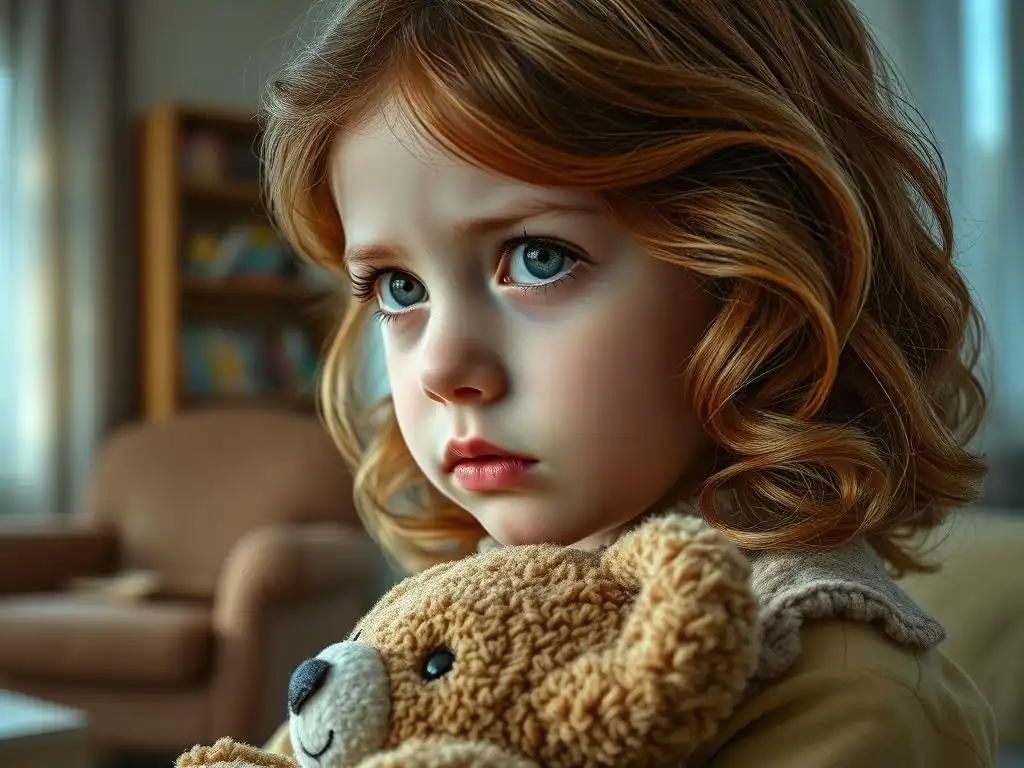
Welcome to Mind Care Guide, a space dedicated to nurturing mental well-being.
Feeling unsure about your child's recent changes in behavior? You're not alone. We understand the worry that comes with trying to decipher what's "just a phase" and what might be something more. Dive into our article, " Is It Just a Phase? Recognizing Mental Health Warning Signs in Your Child," where we shed light on key indicators and provide guidance on understanding and addressing potential childhood mental health warning signs. Let's navigate these challenges together, offering support and resources to help you and your family thrive. What subtle shifts might you be overlooking? Let's find out.
- Recognizing Mental Health Warning Signs in Children: A Guide for Parents
- Understanding Child and Adolescent Mental Health
-
Key Mental Health Warning Signs in Children and Adolescents
- Changes in Mood and Behavior: Recognizing Significant Shifts
- Changes in Sleep and Appetite: Recognizing Physical Manifestations
- Social Withdrawal and Isolation: Addressing Social Difficulties
- Decline in Academic Performance: Recognizing the Impact on School
- Physical Symptoms Without Medical Explanation: Somatic Complaints
- Common Mental Health Conditions and Their Warning Signs
- Taking Action: What to Do When You Notice Warning Signs
- Creating a Supportive Environment for Mental Well-being
- Conclusion: Early Intervention is Key
-
Frequently Asked Questions
- What are some common childhood mental health warning signs I should be aware of?
- How can I distinguish between typical childhood behavior and a potential mental health problem?
- What resources are available if I suspect my child is experiencing mental health challenges?
- What is the importance of early intervention in addressing childhood mental health issues?
- How can I create a supportive environment for my child to openly discuss their mental health concerns?
- Final Reflection: Navigating the Labyrinth of Childhood Mental Health
- Unlock Your Child's Well-being: Take the Next Step Today
Recognizing Mental Health Warning Signs in Children: A Guide for Parents
Navigating the complexities of childhood and adolescence can be challenging for both children and their parents. While many behaviors are typical developmental stages, some can signal deeper struggles. Understanding the subtle and overt signs of mental health issues in young people is crucial for providing timely support and intervention. This guide aims to equip parents with the knowledge to recognize potential childhood mental health warning signs and take appropriate action, fostering resilience and well-being in their children.
Identifying childhood mental health warning signs early can significantly impact a child's future trajectory. Just as parents monitor physical health milestones, paying attention to emotional and behavioral shifts is equally vital. This article will walk you through common indicators, explore various conditions, and outline steps you can take to support your child.
Understanding Child and Adolescent Mental Health
Mental health in children encompasses their emotional, psychological, and social well-being. It affects how they think, feel, and behave, influencing their ability to learn, grow, and form healthy relationships. Unlike adults, children may not have the language or understanding to articulate their internal struggles, often expressing distress through behavioral changes or physical symptoms.
It's important to remember that mental health is a spectrum. Children move along this spectrum throughout their development, experiencing ups and downs. However, persistent difficulties that interfere with daily functioning at home, school, or in social settings may point to a mental health condition requiring attention. Recognizing these childhood mental health warning signs is the first step toward getting help.
The Importance of Early Intervention
Research consistently shows that early intervention for childhood mental health conditions leads to better long-term outcomes. Addressing issues when they first appear can prevent them from escalating into more severe problems later in life. For example, studies suggest that children who receive early treatment for anxiety disorders are less likely to experience debilitating anxiety as adults.
Data from organizations like the National Institute of Mental Health indicate that approximately one in five children aged 3-17 in the United States has a mental, emotional, developmental, or behavioral disorder. However, many of these conditions go undiagnosed and untreated for years. Early identification of childhood mental health warning signs allows professionals to implement evidence-based therapies, such as cognitive behavioral therapy (CBT) or parent-child interaction therapy (PCIT), which can help children develop coping skills and improve their functioning significantly. Acting quickly upon noticing potential childhood mental health warning signs can make a profound difference.
Differentiating Typical Behavior from Potential Concerns
Distinguishing between typical developmental behaviors and childhood mental health warning signs can be challenging. A toddler's temper tantrums are a normal part of development, but persistent, severe aggression in an older child might indicate an underlying issue. Similarly, occasional shyness is different from intense social anxiety that prevents a child from attending school or interacting with peers.
Consider the duration, intensity, and impact of the behavior. Is it a temporary phase linked to a specific event (like starting a new school), or has it been ongoing for several weeks or months? Is the behavior significantly more intense than what is expected for their age?
Is it interfering with their ability to function at home, school, or with friends? For instance, while many teenagers experience mood swings, a persistent low mood lasting more than two weeks, coupled with loss of interest in activities they once enjoyed, could be a childhood mental health warning sign of depression. Consulting reliable resources or professionals can help parents better understand what constitutes a potential concern versus a typical developmental phase.
Key Mental Health Warning Signs in Children and Adolescents

Observing changes in your child's mood, behavior, and daily functioning is key to identifying potential childhood mental health warning signs. These signs can manifest in various ways, sometimes subtly, sometimes dramatically. It's important to look for patterns and significant deviations from their usual self.
Parents often know their children best and are uniquely positioned to notice these shifts. Keeping an open line of communication and spending quality time together can help you stay attuned to their emotional state. While one or two signs might not necessarily indicate a problem, a cluster of persistent signs, or signs that are severe and interfering with daily life, warrant further investigation. Pay close attention to the duration and intensity of these potential childhood mental health warning signs.
Changes in Mood and Behavior: Recognizing Significant Shifts
Significant or prolonged changes in a child's emotional state and how they interact with the world are primary childhood mental health warning signs. These shifts can range from becoming withdrawn and quiet to exhibiting increased anger and defiance. It's about noticing when the child's typical emotional range or behavioral patterns become consistently different or extreme.
These changes are often the most visible indicators to parents and educators. For example, a child who was once outgoing might suddenly become withdrawn and refuse to play with friends, or a child who was typically calm might become unexpectedly aggressive. Documenting when these changes started and how frequently they occur can be helpful information when seeking professional guidance.
Persistent Sadness or Irritability: Recognizing Depressive Symptoms
Persistent sadness that lasts for more than two weeks is a significant childhood mental health warning sign for depression. This might manifest as frequent crying, a general lack of enthusiasm, or expressing feelings of hopelessness. In children and adolescents, depression often presents as irritability or anger rather than overt sadness. They might seem constantly annoyed, frustrated, or easily angered.
Children experiencing depression might also lose interest in activities they previously enjoyed, such as playing sports, hobbies, or spending time with friends. They might complain of feeling tired all the time or have difficulty concentrating. For instance, a 10-year-old who suddenly stops wanting to play their favorite video games or refuses to go to soccer practice, coupled with increased complaints about school being boring, could be exhibiting these signs. Approximately 3.2% of children aged 3-17 in the U.S. have diagnosed depression, highlighting the importance of recognizing these symptoms.
Excessive Worry or Anxiety: Understanding Anxiety Symptoms
While some worry is normal, excessive, persistent, and difficult-to-control worry is a key childhood mental health warning sign of anxiety disorders. This anxiety might be focused on specific things, like school performance or social situations, or it might be more generalized. Children might constantly seek reassurance, avoid situations that trigger their anxiety, or have physical symptoms like stomachaches or headaches when they are worried.
Younger children might express anxiety through separation difficulties, clinging to parents, or excessive fear of specific objects or situations (like the dark or monsters). Older children and adolescents might worry excessively about the future, school, or social acceptance. An estimated 7.1% of children aged 3-17 in the U.S. have diagnosed anxiety. For example, a teenager who spends hours worrying about an upcoming test to the point of being unable to study, or who avoids social gatherings due to intense fear of being judged, is showing significant childhood mental health warning signs.
Increased Irritability or Aggression: When to Seek Further Evaluation
While occasional outbursts are normal, a significant increase in irritability, defiance, tantrums, or physical aggression can be a childhood mental health warning sign. This might involve frequent arguments with adults, refusal to follow rules, destroying property, or engaging in physical fights. This behavior is often disruptive at home and school.
Increased irritability or aggression can be a symptom of various underlying conditions, including oppositional defiant disorder (ODD), conduct disorder, ADHD, anxiety, or depression. For instance, a child who previously managed frustration well but now frequently screams, hits, or throws objects when things don't go their way, or who is suspended from school for aggressive behavior, needs further evaluation. Data suggests that ODD affects approximately 1-16% of school-aged children, emphasizing that persistent, severe irritability and aggression are not simply "bad behavior" but potential indicators of a need for support.
Changes in Sleep and Appetite: Recognizing Physical Manifestations
Mental health challenges often manifest physically, and changes in sleep patterns and eating habits are common childhood mental health warning signs. These are often involuntary responses to stress, anxiety, or depression and can significantly impact a child's overall health and functioning.
Monitoring your child's sleep schedule and appetite can provide valuable clues about their well-being. Significant deviations from their usual patterns, especially when coupled with other behavioral or emotional changes, should be noted.
Sleep Disturbances: Insomnia or Hypersomnia
Significant changes in sleep patterns can be a childhood mental health warning sign. This could involve difficulty falling asleep (insomnia), waking up frequently during the night, having nightmares, or sleeping excessively (hypersomnia). Sleep problems can exacerbate existing mental health issues and vice versa, creating a challenging cycle.
A child who suddenly struggles to fall asleep, taking hours to drift off night after night, or one who starts sleeping for unusually long periods, struggling to get out of bed, could be experiencing distress. For example, a teenager who consistently stays awake until 2 or 3 AM, even without electronics, and then struggles to wake up for school, might be showing signs of anxiety or depression. Approximately 25% of children experience some form of sleep problem, and persistent issues should be explored as potential childhood mental health warning signs.
Changes in Eating Habits: Significant Weight Loss or Gain
Changes in appetite and eating habits can also be childhood mental health warning signs. This might involve a significant decrease in appetite leading to weight loss, or conversely, an increase in appetite and weight gain, sometimes referred to as "stress eating." Eating disorders, such as anorexia nervosa or bulimia nervosa, are serious mental health conditions characterized by extreme disturbances in eating behaviors and thoughts about body weight or shape.
A child who suddenly loses interest in food, skips meals regularly, or exhibits fear around certain foods might be struggling. Conversely, a child who starts eating significantly more than usual, especially comfort foods, or who becomes secretive about eating, could also be exhibiting concerning behavior. While growth spurts are normal, a rapid or significant change in weight unrelated to illness or typical development should be evaluated. Recognizing these childhood mental health warning signs related to eating is critical, as eating disorders have significant health consequences.
Changes in a child's social interactions are important childhood mental health warning signs to observe. Children are naturally social beings, and significant withdrawal from friends, family, or activities they once enjoyed can indicate underlying distress.
These difficulties can stem from anxiety, depression, or other conditions that make social situations feel overwhelming or meaningless. It's important to distinguish between a child who is naturally introverted and one who is actively avoiding social contact due to fear or lack of interest.
Avoiding Social Interactions: Recognizing Signs of Social Anxiety or Depression
A child who begins avoiding social events, refusing to go to school or parties, or spending excessive amounts of time alone in their room might be exhibiting childhood mental health warning signs of social anxiety or depression. Social anxiety involves an intense fear of being judged, embarrassed, or humiliated in social situations, leading to avoidance. Depression can cause a loss of interest in activities and relationships, making social interaction feel like a chore.
For example, a middle schooler who suddenly refuses to attend birthday parties or school events, or who stops communicating with their close friends, could be struggling. While teenagers often value alone time, a complete withdrawal from peer interaction or family activities that is persistent and causes distress is a red flag. Approximately 9.1% of adolescents aged 13-18 in the U.S. have an anxiety disorder with significant impairment, with social anxiety being common. These social withdrawal patterns are clear childhood mental health warning signs.
Difficulty Maintaining Relationships: Identifying Potential Challenges
Beyond avoiding new interactions, difficulties maintaining existing friendships can also be a childhood mental health warning sign. This might involve frequent arguments with friends, an inability to resolve conflicts, or friends drifting away because the child is withdrawn or exhibiting challenging behaviors.
A child who struggles to keep friends or who reports feeling lonely despite opportunities for social interaction might be facing difficulties related to mood regulation, social skills deficits, or underlying anxiety or depression that makes forming and keeping connections hard. For instance, a child who is repeatedly getting into conflicts with friends, leading to them being excluded from group activities, might be struggling with irritability or difficulty managing emotions, which can be linked to various mental health conditions.
Recognizing these challenges in maintaining relationships is crucial as they are significant childhood mental health warning signs affecting a child's sense of belonging.
Decline in Academic Performance: Recognizing the Impact on School
A noticeable drop in a child's grades or increased difficulty with schoolwork can be a significant childhood mental health warning sign. Mental health challenges like anxiety, depression, and ADHD can directly impact a child's ability to concentrate, learn, and perform academically.
School performance is often one of the first areas where underlying issues become apparent, as it requires focus, motivation, and emotional regulation. Teachers may also notice these changes, providing another source of information for parents.
Difficulty Concentrating and Focusing: Understanding Attention Issues
Problems with attention, focus, and concentration are classic childhood mental health warning signs, often associated with Attention-Deficit/Hyperactivity Disorder (ADHD), but also present in anxiety and depression. A child might struggle to pay attention in class, complete homework, follow instructions, or stay organized.
This difficulty isn't always about being disruptive; it can manifest as daydreaming, losing things frequently, or taking an unusually long time to complete tasks. For example, a child who previously had no trouble sitting through lessons but now constantly fidgets, stares out the window, and misses instructions is showing signs of difficulty with attention. Approximately 9.4% of children aged 2-17 in the U.S. have received an ADHD diagnosis, with inattention being a core symptom that directly impacts academic performance. Recognizing difficulties with focus is a key childhood mental health warning sign.
Noticeable Drop in Grades: Investigating Potential Causes
A sudden or gradual decline in grades across multiple subjects is a strong childhood mental health warning sign that something is amiss. This drop might be a direct result of difficulty concentrating, lack of motivation due to depression, overwhelming anxiety about school, or other underlying issues affecting their ability to learn and perform.
If a child who was previously a good student starts failing tests, not turning in assignments, or expressing intense dislike for school, it's important to investigate the cause. While learning disabilities can also impact grades, emotional or behavioral issues are frequent contributors. For instance, a high-achieving student who suddenly sees their grades plummet from As and Bs to Cs and Ds might be experiencing significant stress, anxiety, or depression that is interfering with their academic functioning. This academic decline is a prominent childhood mental health warning sign.
Physical Symptoms Without Medical Explanation: Somatic Complaints
Children experiencing mental health challenges often report physical symptoms for which no medical cause can be found. These somatic complaints are real to the child and can be a manifestation of psychological distress. Recognizing these as potential childhood mental health warning signs is important.
These symptoms are often a way for children to express distress when they lack the words to describe their emotions. They can be particularly common in younger children.
Frequent Headaches or Stomachaches: Exploring the Mind-Body Connection
Recurrent headaches or stomachaches that don't have a clear medical explanation are common childhood mental health warning signs, particularly related to anxiety or stress. A child might complain of these symptoms frequently, especially before school, social events, or other anxiety-provoking situations.
For example, a child who regularly reports a stomachache every morning before going to school, but is fine on weekends or holidays, might be experiencing school-related anxiety. These physical complaints are not fabricated; they are genuine symptoms of the body's response to stress. Parents should always rule out medical causes first, but if doctors find nothing physically wrong, exploring mental health as the root cause is essential. Recognizing these patterns is crucial when evaluating childhood mental health warning signs.
Fatigue and Low Energy: Recognizing Potential Indicators
Persistent fatigue or low energy levels that aren't explained by lack of sleep or physical illness can also be a childhood mental health warning sign, particularly for depression. A child might seem constantly tired, lethargic, or lack the energy to participate in activities they used to enjoy.
This isn't just about feeling sleepy; it's a pervasive lack of vitality that impacts their ability to function throughout the day. For instance, a previously energetic child who now spends most of their free time lying down, seems perpetually exhausted, and struggles to muster the energy for simple tasks might be experiencing symptoms of depression. This persistent fatigue, when not linked to a medical condition, is a significant childhood mental health warning sign.
Common Mental Health Conditions and Their Warning Signs
Understanding specific mental health conditions can help parents better interpret the childhood mental health warning signs they observe. While a formal diagnosis can only be made by a qualified professional, familiarizing yourself with common conditions can guide your observations and conversations with your child and healthcare providers.
It is important to approach this information with empathy and avoid self-diagnosing your child. This section provides a general overview of some prevalent conditions in childhood and adolescence and how their symptoms often manifest.
Anxiety Disorders: Recognizing Common Types and Symptoms
Anxiety disorders are among the most common mental health conditions in children and adolescents. They involve excessive fear, worry, or nervousness that interferes with daily life. While some anxiety is a normal part of development, persistent and debilitating anxiety is a childhood mental health warning sign requiring attention.
Anxiety can manifest differently depending on the child's age and the specific type of anxiety disorder. Physical symptoms like a racing heart, shortness of breath, dizziness, or muscle tension can also be present.
Generalized Anxiety Disorder (GAD): Understanding Persistent Worry
Generalized Anxiety Disorder (GAD) is characterized by excessive, uncontrollable worry about various things, such as school, family health, the future, or minor matters. This worry is persistent and difficult for the child to manage. Children with GAD often seek constant reassurance and may seem restless, irritable, or have difficulty concentrating.
For example, a child with GAD might worry excessively about getting sick, even if they feel fine, or constantly fret about upcoming school assignments weeks in advance. This persistent state of worry is a key childhood mental health warning sign. Studies suggest that GAD affects about 2-3% of children and adolescents, causing significant distress and interfering with their ability to enjoy life and participate in activities.
Social Anxiety Disorder (SAD): Recognizing Fear of Social Situations
Social Anxiety Disorder (SAD), also known as social phobia, involves an intense fear of social situations where the child might be judged, embarrassed, or humiliated. This fear leads to avoidance of social interactions, school, or activities where they might be the focus of attention. Physical symptoms like blushing, sweating, trembling, or nausea can occur in feared situations.
A child with SAD might refuse to speak in class, avoid eating in front of others, dread parties, or struggle to make friends due to fear of negative evaluation. This avoidance and distress in social settings are significant childhood mental health warning signs. Research indicates that SAD affects approximately 9% of adolescents, often leading to academic difficulties and social isolation if untreated.
Panic Disorder: Identifying Sudden Episodes of Intense Fear
Panic disorder is characterized by recurrent, unexpected panic attacks – sudden episodes of intense fear or discomfort that peak within minutes. Symptoms can include a racing heart, sweating, trembling, shortness of breath, chest pain, dizziness, fear of losing control, or fear of dying. While panic attacks are less common in young children, they can occur in adolescents.
A teenager experiencing panic attacks might avoid places or situations where previous attacks have occurred, leading to significant restriction in their daily life. The fear of having another attack can be pervasive and debilitating. While less prevalent than GAD or SAD in childhood, the sudden onset of intense physical and psychological symptoms during a panic attack is a clear and urgent childhood mental health warning sign.
Depressive Disorders: Identifying Symptoms Beyond Sadness
Depressive disorders in children and adolescents involve a persistent sad, irritable, or empty mood, accompanied by changes in thinking, behavior, and physical well-being. It's more than just feeling "down"; it's a pervasive state that interferes with daily functioning. Identifying these symptoms is crucial, as they are core childhood mental health warning signs.
Unlike adults, children may not express sadness verbally but might show it through irritability, withdrawal, or physical complaints.
Irritability and Anger as Depressive Symptoms
As mentioned earlier, irritability and anger are common manifestations of depression in children and adolescents, sometimes even more prominent than sadness. They might seem easily annoyed, frustrated, or have frequent temper outbursts. This can be confusing for parents who expect depression to look like constant crying or withdrawal.
A child who previously had a relatively even temperament but now consistently reacts with anger or irritability to minor frustrations could be experiencing depression. This shift in emotional regulation is a significant childhood mental health warning sign. Recognizing that these behaviors can stem from internal pain rather than defiance is key to providing appropriate support.
Loss of Interest in Activities: Recognizing Anhedonia
Anhedonia, the loss of interest or pleasure in activities that were once enjoyable, is a core symptom of depression and a major childhood mental health warning sign. This can involve hobbies, sports, playing with friends, or even watching TV.
A child who stops participating in their favorite sports team, abandons a beloved hobby, or no longer seems to find joy in playing with toys or friends, could be experiencing anhedonic symptoms. For example, a child who used to spend hours drawing but now shows no interest, or a teenager who quits their band or sports team without a clear reason and seems listless, is exhibiting a significant sign of potential depression. This withdrawal from pleasurable activities is a critical childhood mental health warning sign.
Attention-Deficit/Hyperactivity Disorder (ADHD): Recognizing Symptoms
Attention-Deficit/Hyperactivity Disorder (ADHD) is a neurodevelopmental disorder characterized by persistent patterns of inattention and/or hyperactivity-impulsivity that interfere with functioning or development. While some level of activity or difficulty focusing is normal, the symptoms of ADHD are more severe, frequent, and disruptive. Recognizing these patterns is key to identifying childhood mental health warning signs related to attention and behavior.
ADHD is typically diagnosed in childhood and can persist into adolescence and adulthood. Symptoms can vary in intensity and presentation between individuals.
Inattention: Difficulty Focusing and Following Instructions
Inattention symptoms in ADHD include difficulty paying close attention to details, making careless mistakes, trouble sustaining attention during tasks or play, not seeming to listen when spoken to directly, not following through on instructions, difficulty organizing tasks, avoiding tasks requiring sustained mental effort, losing things necessary for tasks, and being easily distracted. These are significant childhood mental health warning signs impacting learning and daily routines.
For example, a child with inattentive type ADHD might struggle to complete homework because they get easily sidetracked, miss important details in instructions, or frequently lose their school supplies. They might appear quiet or shy, rather than hyperactive. Approximately 6.1 million children aged 2-17 in the U.S. have been diagnosed with ADHD, with inattention being a core challenge for many.
Hyperactivity and Impulsivity: Excessive Fidgeting and Acting Without Thinking
Hyperactivity symptoms include fidgeting, squirming, leaving one's seat when expected to remain seated, running or climbing excessively (in situations where it's inappropriate), being unable to play quietly, being "on the go" or acting as if "driven by a motor," and talking excessively. Impulsivity symptoms include blurting out answers before questions are completed, difficulty waiting their turn, and interrupting or intruding on others. These behaviors are often prominent childhood mental health warning signs.
A child with hyperactive-impulsive type ADHD might constantly fidget in their seat, struggle to sit still during meals or school, interrupt conversations frequently, or act without considering the consequences, like running into the street without looking. While many children are energetic, the intensity, persistence, and disruptiveness of these behaviors are what differentiate typical activity from ADHD symptoms. These are notable childhood mental health warning signs that impact social interactions and safety.
Obsessive-Compulsive Disorder (OCD): Recognizing Obsessions and Compulsions
Obsessive-Compulsive Disorder (OCD) is characterized by the presence of obsessions and/or compulsions that are time-consuming and cause significant distress or impairment. Obsessions are recurrent, persistent, unwanted thoughts, urges, or images that cause anxiety or distress. Compulsions are repetitive behaviors or mental acts that the person feels driven to perform in response to an obsession or according to rigid rules, aimed at preventing or reducing anxiety or a dreaded event, though they are not realistically connected to preventing it. Recognizing these patterns is key to identifying childhood mental health warning signs of OCD.
OCD symptoms can be distressing for children and confusing for parents. The child often feels compelled to perform the rituals despite recognizing them as irrational.
Presence of Obsessions: Intrusive and Unwanted Thoughts
Obsessions in children with OCD can involve fears of contamination or germs, a need for symmetry or order, aggressive or horrific thoughts, or doubts (e.g., having left the door unlocked). These thoughts are intrusive and unwanted, causing significant anxiety. The child may try to ignore or suppress them but finds it difficult. These persistent, distressing thoughts are significant childhood mental health warning signs.
For example, a child might be plagued by intrusive thoughts that something bad will happen to their family unless they perform a specific ritual, or they might constantly worry about germs to the point of avoiding touching doorknobs. These thoughts are distressing and not simply typical worries. The persistent nature of these unwanted thoughts is a key childhood mental health warning sign of OCD.
Presence of Compulsions: Repetitive Behaviors Aimed at Reducing Anxiety
Compulsions are repetitive behaviors or mental acts performed in response to obsessions. Common compulsions include excessive washing or cleaning, ordering or arranging things in a specific way, repeatedly checking doors or appliances, counting, or repeating words or phrases. These acts are aimed at reducing the anxiety caused by the obsession or preventing a feared event, but they provide only temporary relief. These repetitive, ritualistic behaviors are clear childhood mental health warning signs.
A child with OCD might feel compelled to wash their hands dozens of times a day until their skin is raw to alleviate the fear of germs, or they might have to touch a door frame a certain number of times before entering a room to prevent something bad from happening. These compulsions can be time-consuming, sometimes taking hours out of their day, and significantly interfere with their ability to function normally. The presence of these rigid, repetitive behaviors in response to intrusive thoughts is a hallmark childhood mental health warning sign of OCD.
Taking Action: What to Do When You Notice Warning Signs

Noticing potential childhood mental health warning signs in your child can be worrying, but it's also an opportunity to provide support and seek help. The first step is to approach the situation with empathy and a willingness to listen. Remember, you are your child's most important advocate.
Taking action involves open communication, consulting with professionals, and utilizing available resources. Early intervention is key, so don't hesitate to reach out for help if you have concerns.
Talking to Your Child: Initiating a Supportive Conversation
If you've noticed childhood mental health warning signs, initiating a calm, supportive conversation with your child is a crucial first step. Choose a quiet time when you can talk without interruptions. Express your observations gently and from a place of care, rather than accusation. You might say, "I've noticed you seem a bit down lately, and you haven't been playing your video games much. Is everything okay?"
Listen actively without judgment. Let them know you're there for them and that it's okay to talk about their feelings, even if they are difficult. Validate their emotions. Avoid minimizing their feelings with phrases like "It's just a phase" or "You'll get over it." Sometimes, simply knowing they are seen and heard can be a great relief for a child struggling internally. Reassure them that you love them and will help them through whatever they are facing.
Consulting with Professionals: When to Seek Expert Advice
If the childhood mental health warning signs are persistent, severe, interfering with daily functioning, or if you are concerned about your child's safety, it is essential to consult with a qualified professional. Professionals can provide an accurate assessment, diagnosis, and appropriate treatment plan.
Don't wait for the signs to become overwhelming. Seeking professional help early can prevent issues from becoming more entrenched and difficult to treat. Trust your instincts as a parent; if you feel something is not right, it's worth exploring with an expert.
Primary Care Physician: Your First Point of Contact
Your child's pediatrician or primary care physician is often the best first point of contact when you have concerns about childhood mental health warning signs. They are familiar with your child's health history and can rule out any physical conditions that might be causing symptoms. They can also provide initial guidance, answer basic questions, and refer you to mental health specialists if necessary.
Pediatricians are increasingly trained to recognize common mental health issues in children and can perform initial screenings. Be prepared to describe the specific childhood mental health warning signs you've observed, how long they've been present, and how they are impacting your child's life at home and school. Your doctor can help you determine the next steps based on the severity and nature of the symptoms.
Child and Adolescent Psychiatrist or Psychologist: Specialized Mental Health Care
For a comprehensive evaluation, diagnosis, and treatment of mental health conditions, you will likely need to consult with a child and adolescent psychiatrist or psychologist. Psychiatrists are medical doctors who can diagnose mental health conditions and prescribe medication if needed. Psychologists are mental health professionals who can diagnose conditions and provide therapy (psychotherapy).
These specialists have expertise in the unique developmental stages of children and adolescents and are skilled in using age-appropriate diagnostic tools and therapeutic techniques. They can conduct thorough assessments, which may involve interviews with the child and parents, questionnaires, and observation. They can then develop a tailored treatment plan, which might include individual therapy, family therapy, or medication. Seeking their expertise is crucial when addressing significant childhood mental health warning signs.
Navigating the mental healthcare system and understanding available support can feel overwhelming for parents. Fortunately, many resources are available to help you understand childhood mental health warning signs, find professionals, and connect with other families facing similar challenges.
Don't feel like you have to figure everything out on your own. Reaching out for support is a sign of strength and is beneficial for both you and your child.
Local Mental Health Organizations and Support Groups
Many communities have local mental health organizations that offer resources, information, and support groups for parents of children with mental health conditions. These organizations can provide guidance on accessing services, understanding diagnoses, and connecting with other parents who can share their experiences and coping strategies.
Connecting with a parent support group can reduce feelings of isolation and provide practical advice from those who have navigated similar challenges. Searching online for "child mental health resources [your city/state]" or "parent support groups for anxiety/depression [your area]" can help you find local options. These groups offer invaluable support when dealing with childhood mental health warning signs.
National Mental Health Resources
Several national organizations provide extensive information and resources on childhood mental health warning signs and conditions. Organizations like the National Alliance on Mental Illness (NAMI), the American Academy of Child and Adolescent Psychiatry (AACAP), and the Child Mind Institute offer websites with articles, guides, and directories for finding help.
These national resources often have helplines or online chat options where you can get basic information and referrals. They can be excellent starting points for understanding specific conditions, learning about treatment options, and finding qualified professionals in your area. Utilizing these resources is a key step in addressing childhood mental health warning signs effectively.
Creating a Supportive Environment for Mental Well-being
Beyond seeking professional help when needed, cultivating a supportive and nurturing home environment is fundamental to promoting your child's mental well-being and mitigating the impact of childhood mental health warning signs. A secure and loving home can provide a buffer against stress and help children develop resilience.
This involves intentional efforts to foster open communication, emotional expression, and healthy coping strategies within the family unit. Your role in creating this environment is invaluable.
Promoting Open Communication and Emotional Expression
Encouraging your child to talk about their feelings, both positive and negative, is vital for their mental health. Create a safe space where they feel comfortable expressing their emotions without fear of judgment or punishment. Ask open-ended questions and listen attentively.
Model healthy emotional expression yourself. It's okay for children to see that adults experience a range of emotions and cope with them constructively. Teaching children the language to describe their feelings ("I feel frustrated," "I feel worried") empowers them to communicate their needs and struggles. This open dialogue is crucial when addressing childhood mental health warning signs.
Fostering a Positive and Supportive Home Environment
A positive and supportive home environment is characterized by warmth, stability, clear expectations, and consistent routines. Children thrive when they feel safe, loved, and understood. Minimize conflict and stress within the home whenever possible.
Spend quality time together as a family, engaging in activities everyone enjoys. Celebrate successes, no matter how small, and offer encouragement during challenges. Ensure your child knows they are loved unconditionally. A stable and predictable environment helps children feel secure, which is particularly important when they may be experiencing childhood mental health warning signs.
Encouraging Healthy Coping Mechanisms
Teaching and modeling healthy ways to cope with stress, anxiety, and difficult emotions is a lifelong gift you can give your child. This includes encouraging physical activity, adequate sleep, healthy eating, mindfulness or relaxation techniques, engaging in hobbies, and spending time in nature.
Help your child identify activities that help them relax or feel better when they are stressed or upset. This might be drawing, listening to music, playing with a pet, or talking to a trusted friend or family member. Discourage unhealthy coping mechanisms like excessive screen time, withdrawal, or avoidance. Equipping children with these skills helps them manage difficult emotions and build resilience, which is especially important when facing childhood mental health warning signs.
Conclusion: Early Intervention is Key
Recognizing childhood mental health warning signs is the first crucial step in ensuring your child receives the support they need. While discerning typical behavior from potential concerns can be challenging, paying attention to persistent changes in mood, behavior, sleep, appetite, social interaction, and academic performance is essential.
Acting early upon noticing these signs and seeking professional guidance can significantly improve outcomes and prevent long-term difficulties. Trust your instincts as a parent and prioritize your child's emotional well-being.
Recognizing the Importance of Addressing Concerns Early
Delaying help when you notice childhood mental health warning signs can allow problems to worsen, potentially leading to more complex issues later in life. Early intervention allows for timely diagnosis and access to effective treatments, which can help children develop essential coping skills, improve their functioning, and build a foundation for future mental wellness.
Think of it like addressing a physical health issue; the sooner it's identified and treated, the better the prognosis. For mental health, early treatment can mean preventing years of struggle and helping a child thrive. The data consistently supports the benefit of early identification and intervention for childhood mental health warning signs.
Empowering Parents to Support Their Children's Well-being
Parents are the primary caregivers and advocates for their children and play a vital role in their mental health. By educating yourself about childhood mental health warning signs, fostering open communication, creating a supportive home, and knowing when and how to seek professional help, you empower yourself to effectively support your child's well-being.
Remember that seeking help for your child is a sign of strength, not failure. You are not alone, and many resources and professionals are available to support both you and your child on the journey toward mental wellness. Your informed awareness and proactive steps are incredibly powerful in helping your child navigate challenges and build a healthy future.
Frequently Asked Questions
What are some common childhood mental health warning signs I should be aware of?
Look for persistent changes in behavior, such as excessive worry, significant changes in sleep or eating patterns, or loss of interest in activities they used to enjoy.
How can I distinguish between typical childhood behavior and a potential mental health problem?
Typical childhood behavior is usually temporary and related to specific situations. Mental health problems are persistent, impacting their daily functioning and overall well-being. Consult a professional if you're concerned.
What resources are available if I suspect my child is experiencing mental health challenges?
Mind Care Guide offers information, support, and resources. You can also consult with your child's pediatrician, school counselor, or a qualified mental health professional.
What is the importance of early intervention in addressing childhood mental health issues?
Early intervention is crucial because it can prevent mental health issues from escalating and impacting a child's development, academic performance, and social relationships, leading to better long-term outcomes.
How can I create a supportive environment for my child to openly discuss their mental health concerns?
Foster open communication by actively listening without judgment, validating their feelings, and creating a safe space where they feel comfortable sharing their thoughts and emotions about their mental health and well-being.
The early identification of mental health challenges in children is not merely a parental concern; it's a societal imperative. Failing to recognize the subtle signs can have profound and lasting consequences, impacting a child's development, well-being, and future prospects. The information presented in this article underscores the urgent need for increased awareness and proactive intervention.
The journey of understanding childhood mental health is a deeply personal one, filled with both anxieties and hopes. As a parent, or even as a concerned individual, witnessing a child struggle can be incredibly heartbreaking. It's crucial to remember that you are not alone in this experience. The most common way people give up their power is by thinking they don't have any.
– Alice Walker. This quote reminds us that even in the face of seemingly insurmountable challenges, we possess the power to seek help, learn, and advocate for our children. The societal shift towards open conversations about mental health is vital, dismantling the stigma that often prevents families from seeking the support they need.
Now, consider the information presented within this article. Reflect on the warning signs discussed, and ask yourself: Have you noticed any of these patterns in the children around you? Are you equipped to respond with empathy and understanding?
Take the time to learn more, to connect with resources, and to become a part of the solution. Your awareness and action can make a profound difference in a child's life, offering them the chance to thrive and reach their full potential. Let's work together to create a future where every child has the support they need to navigate the complexities of growing up.
Unlock Your Child's Well-being: Take the Next Step Today
Thanks for taking the time to learn about recognizing mental health warning signs in your children. We hope this article equipped you with valuable insights and a renewed sense of understanding. Now, let's turn that knowledge into action.
- Prioritize open communication: Schedule a dedicated time to talk with your child, creating a safe space for sharing feelings and concerns. This is your first crucial step towards fostering a stronger connection and understanding.
- Explore helpful resources: Consider researching local support groups or mental health professionals specializing in child and adolescent care. Discovering resources now empowers you to act proactively.
- Share this article: Help other parents navigate this important topic by sharing this article with family and friends on social media. Your support can make a real difference.
What small step will you take today to nurture your child's mental health?