
The Science of Connection: How Social Support Rewires Your Brain for Wellbeing

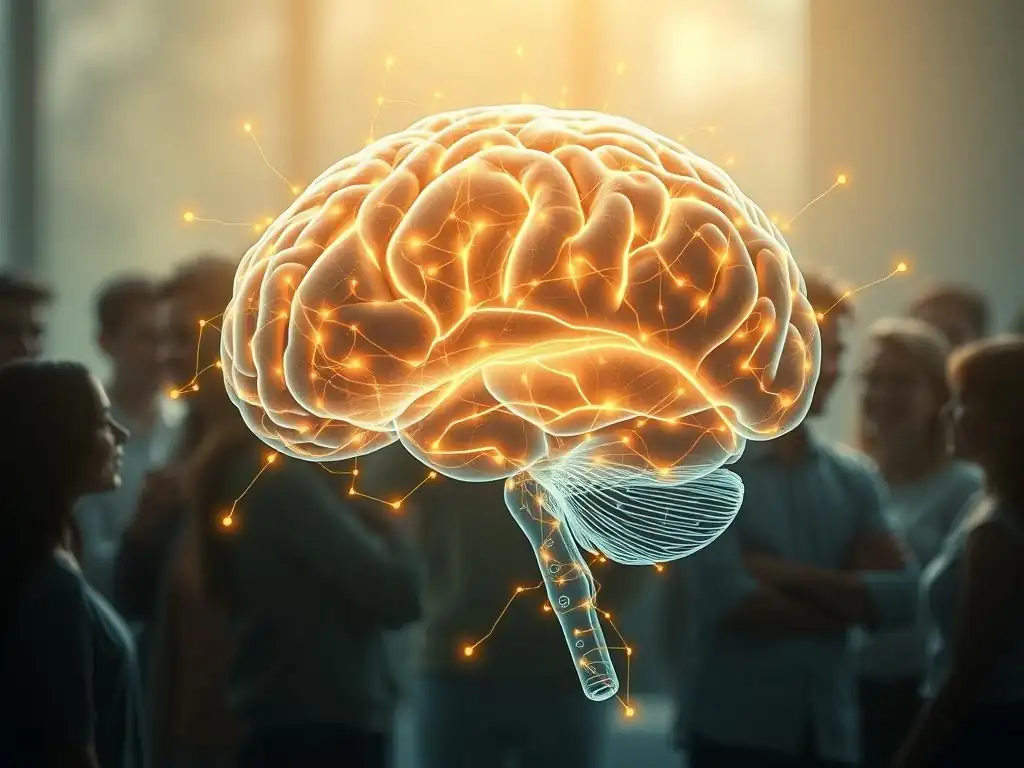
Welcome to Mind Care Guide, a safe space to explore the intricate landscape of your mental well-being.
Feeling disconnected? You're not alone. Dive into our latest article, "The Science of Connection: How Social Support Rewires Your Brain for Wellbeing," where we unravel the fascinating science behind how meaningful relationships can literally reshape your brain for greater happiness and resilience. Discover practical strategies to cultivate deeper connections and unlock the transformative power of social support rewires brain wellbeing. Ready to understand how your relationships can heal and empower you? Let's begin.
The Science of Connection: How Social Support Rewires Your Brain for Wellbeing
- Introduction: Understanding the Power of Social Connection for Mental Health
- Social Support and Neuroplasticity: Rewiring the Brain for Positivity
- The Neuroscience of Social Support: Key Brain Regions Involved
- The Impact of Social Isolation on Brain Function and Mental Wellbeing
- Types of Social Support and Their Neurological Benefits
- Building Strong Social Connections: Practical Strategies for Rewiring Your Brain
- Overcoming Barriers to Social Connection: Addressing Anxiety and Social Withdrawal
- Social Support Across the Lifespan: Adapting to Changing Needs
- The Future of Social Connection and Mental Wellbeing: Research and Innovation
- Conclusion: Embracing Social Support for a Healthier Brain and a Happier Life
-
Frequently Asked Questions
- What does it mean that social support "rewires" the brain for wellbeing?
- How does social support impact mental well-being, according to the article?
- What specific brain regions are most affected by social interaction?
- Can any type of social interaction be beneficial for brain wellbeing?
- What are some practical ways to cultivate social support and rewire my brain?
- Final Reflection: Rewiring Our Brains for a Better Tomorrow
- Unlock Your Brain's Potential: Build Stronger Connections Today!
- Why Social Support Matters for Brain Health
- The Mind Care Guide's Perspective on Social Wellbeing
Social connection is not merely a pleasant addition to life; it is a fundamental human need with profound implications for both physical and mental health. Emerging research in neuroscience highlights that robust social support structures actively influence brain function and structure. This intricate relationship underscores why nurturing relationships is a critical component of overall wellbeing. The presence of supportive friends, family, or community members can buffer stress, enhance emotional regulation, and even promote longevity, demonstrating that social support rewires brain wellbeing in tangible ways.
At Mind Care Guide, we view social wellbeing as an indispensable pillar of mental health, alongside factors like physical activity, nutrition, and stress management. Our perspective emphasizes that healthy social interactions contribute significantly to resilience against mental health challenges. By understanding the scientific basis of how social support impacts the brain, individuals can be empowered to prioritize and cultivate the connections necessary for a flourishing mind and a happier life. This guide delves into the fascinating science behind these connections, offering insights and practical strategies for leveraging the power of social support.
- What is Neuroplasticity and How Does it Relate to Social Interaction?
- The Brain's Reward System and Social Connection
- How Positive Social Experiences Shape Neural Pathways
Neuroplasticity refers to the brain's remarkable ability to reorganize itself throughout life by forming new neural connections. This dynamic process allows the brain to adapt, learn, and change in response to experiences. Social interaction is a powerful catalyst for neuroplasticity.
Every time we engage with others, especially in meaningful and supportive ways, we are sending signals that can strengthen or weaken specific neural circuits. For example, positive social feedback can reinforce pathways associated with self-esteem and confidence, while feeling understood by a friend can activate areas linked to empathy and connection. This continuous adaptation demonstrates how social support rewires brain wellbeing through the mechanisms of neuroplasticity.
The brain's reward system, primarily involving the ventral tegmental area (VTA) and the nucleus accumbens, plays a crucial role in how we process social interactions. Positive social experiences, such as receiving a compliment, feeling accepted, or engaging in collaborative activities, trigger the release of dopamine, a neurotransmitter associated with pleasure and reward.
This release reinforces the behavior that led to the positive feeling, encouraging us to seek out similar interactions in the future. Studies using fMRI have shown activation in these reward areas when people view pictures of loved ones or experience social inclusion, highlighting the intrinsic reward value our brains place on connection.
Positive social experiences don't just feel good in the moment; they actively shape neural pathways over time. Consistent positive interactions can strengthen circuits involved in trust, empathy, and emotional regulation. For instance, a study published in Nature Neuroscience demonstrated how social enrichment in rodents led to increased neurogenesis (the birth of new neurons) in the hippocampus, a brain region vital for learning and memory, and reduced anxiety-like behaviors.
While direct translation to humans requires caution, similar principles apply. Feeling safe and supported in relationships can reduce the chronic stress response, which in turn protects brain regions vulnerable to stress damage, such as the prefrontal cortex and hippocampus. This ongoing process of reinforcement and adaptation is a key way social support rewires brain wellbeing.
- Amygdala: Regulating Emotional Responses Through Social Bonds
- Prefrontal Cortex: Social Cognition and Decision-Making in Relationships
- Oxytocin and Vasopressin: The Chemical Basis of Social Bonding and Trust
The amygdala, a pair of almond-shaped structures deep within the brain, is primarily known for its role in processing emotions, particularly fear and threat. Social support can significantly influence amygdala activity. When individuals feel safe and supported by others, the amygdala's response to potential stressors is often dampened.
Research indicates that holding the hand of a supportive partner during a stressful experience, like receiving a mild electric shock, reduces activity in the amygdala compared to holding a stranger's hand or no hand at all. This illustrates how social presence can literally calm the brain's alarm system, showcasing a direct neural mechanism by which social support rewires brain wellbeing by mitigating the impact of stress.
The prefrontal cortex (PFC), the most evolved part of the brain located at the front, is critical for complex cognitive functions including decision-making, planning, personality expression, and moderating social behavior. Social support heavily relies on the PFC's abilities related to social cognition – understanding social cues, interpreting intentions, and navigating complex relationship dynamics. A well-functioning PFC allows us to maintain healthy relationships, resolve conflicts constructively, and make decisions that benefit our social connections.
Conversely, disruptions in social support can impair PFC function, affecting judgment and social skills. Engaging in positive social interactions provides valuable input for the PFC, helping refine our social strategies and reinforcing adaptive behaviors within relationships.
Beyond specific brain regions, neurochemicals play a vital role in mediating the effects of social support. Oxytocin, often dubbed the "love hormone," is released during positive social interactions like hugging, touching, or even making eye contact. It promotes bonding, trust, empathy, and reduces anxiety and stress by influencing the amygdala and other brain areas.
Vasopressin, another neuropeptide, works alongside oxytocin and is particularly important in pair bonding, paternal behavior, and social recognition. The interplay of these chemicals facilitates the formation and maintenance of close relationships, creating a biochemical foundation for how social support rewires brain wellbeing by fostering feelings of connection and safety.
- How Loneliness and Isolation Affect Brain Structure and Function
- The Link Between Social Isolation and Increased Risk of Mental Health Issues (e.g., Depression, Anxiety)
- Reversing the Effects of Isolation: The Importance of Re-establishing Social Connections
Chronic loneliness and social isolation are not merely unpleasant states; they are significant stressors that can have detrimental effects on brain structure and function. Studies have shown that prolonged isolation can lead to decreased volume in certain brain areas, including the hippocampus and prefrontal cortex, regions crucial for memory, learning, and executive function. Furthermore, isolation can alter the brain's stress response system (the HPA axis), leading to elevated levels of cortisol, the primary stress hormone.
Sustained high cortisol levels are neurotoxic and can impair cognitive function and accelerate brain aging. The absence of social support rewires brain wellbeing in a negative direction, increasing vulnerability to cognitive decline.
The profound link between social isolation and mental health issues is well-documented. Individuals experiencing chronic loneliness have a significantly higher risk of developing depression and anxiety disorders. A meta-analysis published in Perspectives on Psychological Science found that social isolation is associated with a 29% increased risk of coronary heart disease and a 32% increased risk of stroke, highlighting its impact on physical health, which is deeply intertwined with mental health. Loneliness can also exacerbate symptoms of existing mental health conditions and make recovery more challenging, underscoring the critical protective role that social connections play.
Fortunately, the brain's neuroplasticity means that the negative effects of isolation are not necessarily permanent. Re-establishing social connections can begin to reverse some of the detrimental changes. Engaging in positive social interactions stimulates the release of beneficial neurotransmitters like dopamine and oxytocin, which can help repair stress-induced damage and promote neurogenesis.
Gradually increasing social engagement, whether through joining a group, volunteering, or simply reaching out to a friend, provides the brain with the positive stimuli it needs to begin healing and rebuilding healthier neural pathways. This process is essential for restoring mental wellbeing after periods of isolation, demonstrating the power of connection to actively counteract the negative rewiring caused by loneliness.
- Emotional Support: The Comfort and Validation That Soothes the Brain
- Informational Support: How Shared Knowledge Reduces Stress and Improves Decision-Making
- Instrumental Support: The Tangible Help That Frees Up Cognitive Resources
- Appraisal Support: The Value of Feedback and Encouragement for Self-Esteem and Brain Health
Emotional support, which involves expressing empathy, love, trust, and care, provides a sense of comfort and security that directly impacts the brain's emotional regulation centers. Receiving a hug, a listening ear, or words of encouragement from a loved one activates the release of oxytocin, reducing stress hormones and calming the amygdala. This type of support validates our feelings and experiences, reducing the feeling of being alone in our struggles.
The soothing effect of emotional support helps the brain manage stress more effectively, preventing the neurotoxic effects of chronic stress and fostering resilience. It is a fundamental way social support rewires brain wellbeing by enhancing our capacity to cope with life's challenges.
Informational support involves providing advice, suggestions, or information that can help someone solve a problem or understand a situation. When faced with uncertainty or difficult decisions, having access to reliable information from trusted sources reduces cognitive load and anxiety. For example, discussing health concerns with a friend who has similar experiences or getting advice on navigating a complex bureaucratic process from a knowledgeable contact can significantly lower stress levels. This type of support helps the prefrontal cortex function more efficiently by reducing the burden of information processing and decision-making under duress, contributing to mental clarity and confidence.
Instrumental support refers to tangible aid and services, such as financial assistance, help with chores, or transportation. Receiving instrumental support frees up an individual's physical and mental resources, allowing them to focus on other priorities or simply rest and recover. For instance, a parent receiving help with childcare can use that time to attend to their own needs, reducing burnout.
By alleviating practical burdens, instrumental support indirectly benefits the brain by reducing stress and conserving cognitive energy that would otherwise be spent problem-solving or worrying about practical matters. This tangible assistance provides a foundation of stability that supports overall mental function.
Appraisal support involves providing feedback and affirmation that helps someone evaluate themselves and their situation. This includes expressions of esteem, value, and competence. Positive feedback from friends or mentors can bolster self-worth and confidence, which are crucial for mental wellbeing.
Receiving constructive criticism in a supportive context can help individuals learn and grow without feeling attacked. This type of support directly impacts areas of the brain involved in self-perception and motivation, such as parts of the prefrontal cortex and the reward system. Feeling valued and capable through appraisal support reinforces positive self-regard, contributing to a healthier self-image and a more resilient mind, further illustrating how social support rewires brain wellbeing.
- Cultivating Meaningful Relationships: Quality Over Quantity
- Practicing Active Listening and Empathy: Strengthening Neural Connections Through Understanding
- Joining Social Groups and Activities: Expanding Your Social Network and Stimulating the Brain
- Using Technology to Connect: Finding Balance and Maintaining Relationships Online
Cultivating meaningful relationships is paramount; research consistently shows that the quality of our social connections is more impactful than the sheer number of acquaintances. Focusing on building deep, trusting bonds with a few individuals provides a stronger foundation for emotional and instrumental support. This involves investing time and energy into relationships, being vulnerable, and reciprocating support.
Prioritizing quality connections ensures that the interactions you have are genuinely beneficial for your brain, fostering the release of oxytocin and strengthening neural pathways associated with trust and attachment. Aiming for a small circle of close confidantes offers significant benefits for how social support rewires brain wellbeing.
Practicing active listening and empathy are vital skills for strengthening existing relationships and building new ones. Active listening involves fully concentrating, understanding, responding, and remembering what is being said. Empathy is the ability to understand and share the feelings of another.
Engaging in these practices activates brain regions involved in social cognition and emotional processing, such as the temporoparietal junction and the anterior cingulate cortex. When you truly listen to and empathize with someone, you deepen the connection and reinforce the bond, creating a positive feedback loop that benefits both individuals' brains. Making a conscious effort to listen and understand is a powerful way to enhance connection.
Joining social groups and activities aligned with your interests is an excellent way to expand your social network and introduce positive new stimuli to your brain. Whether it's a book club, a sports league, a volunteering group, or a class, these activities provide regular opportunities for interaction and shared experiences. Engaging in group activities stimulates various parts of the brain, including those involved in social processing, cooperation, and learning. These experiences can introduce you to people with similar values and interests, increasing the likelihood of forming meaningful connections that contribute to long-term social support rewires brain wellbeing.
Using technology can be a valuable tool for maintaining relationships, especially over distance, but finding a healthy balance is key. Video calls, messaging apps, and social media platforms allow us to stay connected with loved ones and participate in online communities. These interactions can still provide emotional and informational support.
However, excessive or passive use of social media can sometimes lead to feelings of comparison and inadequacy. Prioritizing intentional use of technology for direct connection – like scheduling a video call with a friend – over endless scrolling can ensure that your online interactions genuinely contribute to your social wellbeing and support the positive rewiring of your brain.

- Identifying and Challenging Negative Thoughts About Social Interaction
- Gradual Exposure to Social Situations: Building Confidence and Reducing Anxiety
- Seeking Professional Help for Social Anxiety or Social Isolation
Many individuals face barriers to social connection, such as shyness, fear of rejection, or social anxiety. A critical first step in overcoming these challenges is identifying and challenging negative thought patterns about social interaction. Thoughts like "I have nothing interesting to say," "People will judge me," or "I'm better off alone" are often distortions of reality.
Recognizing these thoughts allows you to question their validity and replace them with more realistic and positive self-talk. Cognitive Behavioral Therapy (CBT) techniques are particularly effective in helping individuals reframe these negative cognitions, which in turn can reduce the anxiety response in the brain's amygdala and facilitate approach behaviors.
Gradual exposure to social situations is a proven method for building confidence and reducing social anxiety. This involves creating a hierarchy of feared social situations, from least to most anxiety-provoking, and systematically engaging in them. Starting with small steps, like making eye contact with a stranger or striking up a brief conversation with a cashier, can help desensitize the brain's fear response.
As you successfully navigate these situations, your brain learns that they are not as threatening as you perceived, strengthening neural pathways associated with confidence and reducing the activity in fear-related circuits. This progressive approach allows the brain to gradually adapt and become more comfortable with social interaction, enabling social support rewires brain wellbeing over time.
For those struggling with significant social anxiety, chronic isolation, or depression that impacts their ability to connect, seeking professional help is a crucial step. Therapists specializing in anxiety disorders or social skills training can provide tailored strategies, support, and techniques to address underlying issues.
Therapeutic approaches like CBT, exposure therapy, or group therapy can be highly effective in breaking cycles of withdrawal and building the skills needed for healthy social engagement. Addressing these barriers with professional guidance can unlock the potential for individuals to build the supportive relationships necessary for improved mental health and leveraging the power of social connection to positively rewire their brains.
- The Importance of Social Connection in Childhood and Adolescence for Brain Development
- Maintaining Social Bonds in Adulthood: Career, Family, and Community
- Combating Loneliness in Older Adults: Strategies for Staying Connected and Engaged
Social connection is profoundly important from the earliest stages of life. In childhood and adolescence, the brain is undergoing rapid development, particularly in areas related to social cognition, emotional regulation, and executive function (primarily the prefrontal cortex). Secure attachments with caregivers and positive interactions with peers provide essential scaffolding for this development.
Children who experience consistent, positive social support tend to have better emotional resilience, improved social skills, and healthier brain development compared to those who experience neglect or isolation. Early social experiences lay the foundation for how the brain processes social information and forms relationships throughout life, demonstrating how social support rewires brain wellbeing from the ground up.
Adulthood presents various challenges and opportunities for maintaining social bonds as individuals navigate careers, form families, and engage with their communities. Life transitions such as moving for a job, getting married, having children, or experiencing divorce can significantly impact social networks. Actively prioritizing relationships amidst these changes is crucial. This might involve scheduling regular time for friends and family, joining community groups, or participating in workplace social activities. Balancing the demands of adult life while nurturing connections requires intentional effort, but it is vital for continued mental wellbeing and leveraging the ongoing benefits of social support for brain health.
Older adulthood can be a period where the risk of social isolation increases due to factors like retirement, loss of a spouse or friends, and mobility issues. Combating loneliness in older adults is essential for maintaining cognitive function and overall wellbeing. Strategies include encouraging participation in senior centers, community programs, or volunteer activities.
Technology can also play a significant role, with video calls helping connect with distant family. Maintaining purpose and engagement through social interaction can help preserve cognitive function and emotional health, showing that social support rewires brain wellbeing even in later life, supporting neuroplasticity and reducing the risk of cognitive decline.
- Emerging Therapies That Leverage Social Connection for Mental Health Treatment
- The Role of Technology in Fostering Social Support and Reducing Isolation
- Promoting Social Wellbeing as a Public Health Priority
Emerging therapies are increasingly recognizing the power of social connection as a therapeutic tool for mental health treatment. Group therapy, for instance, provides a supportive environment where individuals can share experiences, receive validation, and develop social skills. Peer support programs connect individuals with shared lived experiences, offering unique understanding and encouragement.
Some innovative approaches explore using social interaction itself as a form of exposure therapy for conditions like social anxiety. Furthermore, research into the neurobiological effects of oxytocin and vasopressin is paving the way for potential pharmacological interventions that could, in conjunction with behavioral therapies, enhance social connection and improve mental health outcomes by influencing how social support rewires brain wellbeing.
Technology continues to evolve, presenting both opportunities and challenges for fostering social support and reducing isolation. While concerns exist about the potential for technology to replace face-to-face interaction, it also enables unprecedented connectivity across geographical barriers. Developments in virtual reality (VR) and augmented reality (AR) are being explored for their potential to create immersive social experiences or provide virtual support groups.
Mental health apps are incorporating features to connect users with peer support networks or facilitate communication with therapists. The future lies in leveraging these tools responsibly and intentionally to supplement, not replace, real-world connections, ensuring technology serves as a bridge rather than a barrier to genuine social support.
Recognizing the profound impact of social connection on health, there is a growing movement to promote social wellbeing as a public health priority. This involves implementing community-level initiatives to reduce loneliness, such as creating accessible public spaces that encourage interaction, supporting community organizations, and developing programs that connect isolated individuals with resources and support.
Policies that foster social cohesion and reduce societal barriers to connection are also crucial. Shifting the focus to view social health as fundamental to overall public health underscores the scientific evidence that social support rewires brain wellbeing at both individual and societal levels, advocating for investment in initiatives that nurture human connection.
- Recap of Key Findings: Social Support Rewires Brain Wellbeing
- The Mind Care Guide's Commitment to Promoting Social Connection for Mental Health
- Call to Action: Prioritize Social Connection in Your Life
The science is clear: social support is not a luxury but a necessity for a healthy brain and a fulfilling life. We have explored how social support rewires brain wellbeing through mechanisms like neuroplasticity, influencing key brain regions such as the amygdala and prefrontal cortex, and mediated by neurochemicals like oxytocin. We've seen how different types of support offer distinct neurological benefits and the detrimental impact of isolation. Building and maintaining strong social connections is a powerful strategy for enhancing resilience, improving mood, and protecting cognitive function throughout the lifespan.
At Mind Care Guide, we are committed to providing resources and information that highlight the critical role of social connection in mental health. We believe that understanding the science behind how relationships benefit our brains empowers individuals to make intentional choices about their social lives. Our aim is to support you in navigating the complexities of relationships and overcoming barriers to connection, recognizing that a strong social network is a vital component of comprehensive mental wellbeing.
Therefore, we urge you to prioritize social connection in your life. Make time for friends and family. Reach out to someone you haven't spoken to in a while. Join a group or activity that aligns with your interests. Practice active listening and empathy. If you struggle with social anxiety or isolation, consider seeking professional support. Your brain, and your overall wellbeing, will thank you. Embrace the science of connection and actively cultivate the supportive relationships that can help social support rewires brain wellbeing for a healthier, happier you.
Frequently Asked Questions
This refers to the brain's neuroplasticity, its ability to change and adapt throughout life. Social support can stimulate the growth of new neural pathways and strengthen existing ones, positively affecting mental health.
Social support fosters feelings of belonging and connection, which release neurochemicals like oxytocin. These chemicals reduce stress and anxiety, promoting a sense of safety and security.
The article likely highlights regions like the amygdala, which processes emotions, and the prefrontal cortex, responsible for decision-making and emotional regulation. Social support can help these areas function more effectively.
While any interaction can have some impact, meaningful and supportive relationships are most crucial. Superficial interactions may not provide the same level of benefit as strong social connections.
Actively seek out meaningful connections through volunteering, joining groups, or strengthening existing relationships. Practice active listening and offer support to others to foster reciprocal connections.
Final Reflection: Rewiring Our Brains for a Better Tomorrow
The science of connection isn't just a fascinating academic pursuit; it's the bedrock of a healthier, happier future. Understanding how social support literally rewires our brains for wellbeing offers a powerful antidote to the pervasive loneliness and isolation of modern life. This knowledge empowers us to actively cultivate the relationships that nurture our minds and bodies, leading to a profound and lasting impact on our overall health and happiness.
The impact of social connection on our mental and physical health is undeniable, weaving itself into the very fabric of our society. From the family units that form our earliest bonds to the communities that sustain us throughout life, the influence of supportive relationships is profound and far-reaching. As the renowned psychologist Abraham Maslow stated, What a man can be, he must be. This need we may call self-actualization…It refers to the person's desire for self-fulfillment, namely, to the tendency for him to become actualized in what he is potentially.
This potential is often unlocked, or at least significantly enhanced, through strong social connections that provide the safety and encouragement needed to pursue our truest selves.
Now, consider your own life. What steps can you take today to strengthen your social connections? Are there relationships you need to nurture? Are there new connections you could forge? Perhaps it's reaching out to an old friend, joining a community group, or simply being more present in your current relationships. The power to rewire your brain for wellbeing lies within your grasp. Embrace the science of connection, invest in your relationships, and embark on a journey towards a richer, more fulfilling life.
Unlock Your Brain's Potential: Build Stronger Connections Today!
Thanks for diving into the science of social connection! We hope you gained valuable insights into how supportive relationships can boost your brainpower and overall wellbeing. Now it's time to put this knowledge into action.
Here's how you can start building stronger connections:
- Prioritize one meaningful connection this week: Reach out to someone you care about – schedule a coffee date, send a heartfelt message, or simply give them a call. This small step can make a big difference.
- Share this article with someone who might benefit: Spread the word about the power of social support! Let's create a ripple effect of wellbeing.
- Consider joining a local community group: Explore activities that align with your interests – book clubs, hiking groups, volunteer organizations – to expand your social circle in a fun, engaging way.
Ready to experience the transformative power of connection? What's one small step you can take today to nurture a meaningful relationship?