
Navigating School Refusal: Getting Your Anxious Child Back to Class

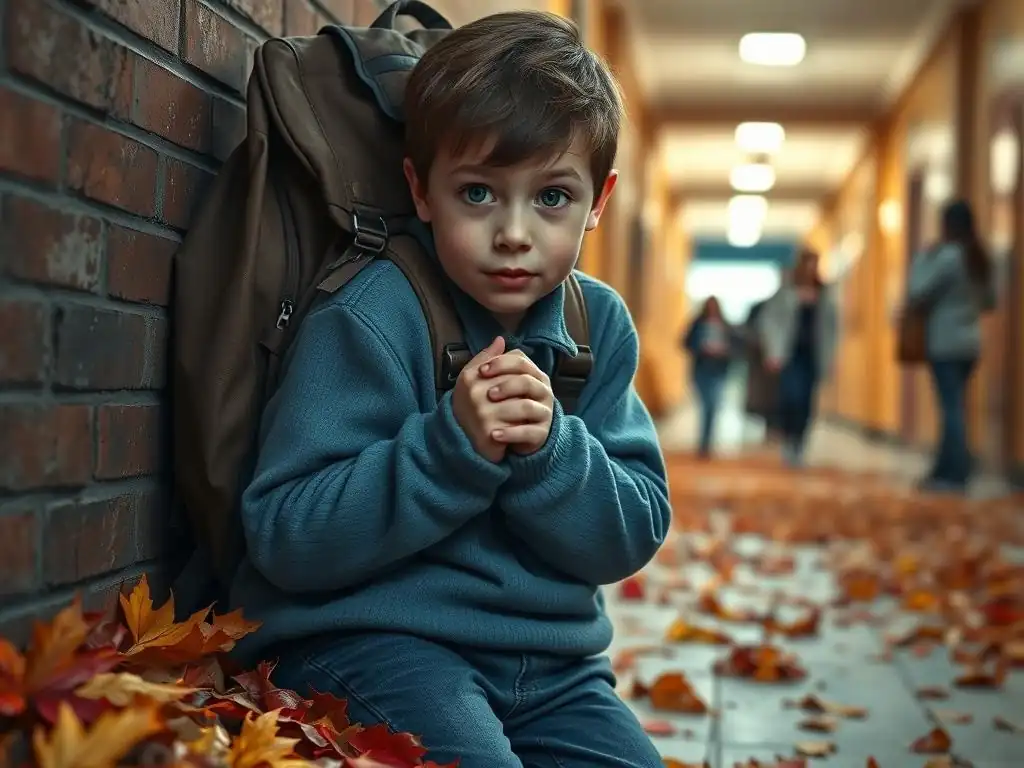
Welcome to Mind Care Guide, a safe space to explore the complexities of mental well-being. Feeling lost and overwhelmed by your child's reluctance to attend school? You're not alone. Navigating school refusal in an anxious child can feel like an uphill battle, but understanding the root causes is the first step. Let's delve into the world of "Anxious child school refusal" together, uncovering practical strategies and supportive resources to help you and your child find a path back to the classroom and a brighter, more confident future. Intrigued? Read on to discover how to turn reluctance into resilience.
Navigating School Refusal: Supporting Your Child's Return to Learning
- Understanding School Refusal: A Guide for Parents
- Defining School Refusal: Understanding the Behavior
- Identifying the Root Causes of School Refusal
- Recognizing the Signs: Early Warning Signals
- Strategies for Supporting Your Child's Return
- Working with the School: Developing a Plan
- Therapeutic Interventions
- Practical Tips for Managing Morning Challenges and Drop-Off
- Long-Term Strategies for Promoting Attendance
- Resources for Parents
- Preventing Future Episodes
-
Frequently Asked Questions
- What is school refusal, and how does it relate to an anxious child?
- What are some common signs that my child's school refusal is due to anxiety?
- What steps can I take to help my anxious child overcome school refusal?
- Are there professional resources available to support my child and family through school refusal?
- How can I create a more supportive home environment to help my child with school refusal?
- Final Reflection: Embracing the Journey of Anxious Child School Refusal
- Unleash Your Child's Potential: Steps to a Smoother School Day
Understanding School Refusal: A Guide for Parents
School refusal is a complex issue that affects many families, leaving both children and parents feeling overwhelmed and distressed. It's more than just a child not wanting to go to school; it's often a sign of significant underlying emotional distress, frequently linked to anxiety. An anxious child school refusal scenario can manifest in various ways, making it challenging for parents to identify and address effectively.
Understanding the nuances of this behavior is the first critical step toward finding solutions and helping your child reintegrate into the school environment. This guide aims to provide clarity, strategies, and support for parents navigating this difficult journey.
Addressing school refusal requires patience, empathy, and a collaborative approach involving parents, educators, and potentially mental health professionals. Recognizing that an anxious child school refusal is a symptom, not the problem itself, is key. The goal is not simply to force attendance but to understand and alleviate the fears and anxieties preventing the child from attending. By working together to create a supportive environment and implement effective strategies, families can help their children overcome their fears and return to a path of learning and social development.
Defining School Refusal: Understanding the Behavior
School refusal refers to a child's persistent difficulty attending school, often accompanied by emotional distress such as anxiety, sadness, or frustration. Unlike simple truancy, which often involves skipping school without parental knowledge and for pleasure or avoiding consequences, school refusal is characterized by the child's reluctance or refusal to attend, with the parent typically aware of the issue. This behavior can range from occasional absences to prolonged periods of non-attendance, significantly impacting a child's academic progress and social development.
Understanding the definition is crucial because an anxious child school refusal is distinct from other forms of non-attendance. The child genuinely wants to go to school but is prevented by overwhelming feelings of fear or anxiety. This internal struggle differentiates school refusal from truancy, where the motivation is often external, such as seeking thrill or avoiding rules. Recognizing this distinction helps parents and professionals approach the problem with the necessary empathy and clinical understanding required to support the child effectively.
Defining School Refusal Behavior
School refusal behavior is typically defined by a pattern of non-attendance at school that is associated with emotional distress, particularly anxiety. This distress can manifest in various ways, including physical symptoms like headaches or stomachaches, crying, tantrums, or verbal expressions of fear and worry related to school. The child often expresses a desire to stay home with a parent or caregiver, indicating a link to separation or social anxieties.
Research suggests that school refusal affects approximately 1-5% of school-aged children at some point, with peaks often occurring during transitions like starting kindergarten, moving to middle school, or entering high school. For an anxious child school refusal might be triggered by specific events or develop gradually over time as anxieties about school accumulate. The behavior is persistent and difficult to overcome without intervention, significantly disrupting the child's education and social life.
School Refusal vs. Truancy: Key Differences
The fundamental difference between school refusal and truancy lies in the underlying motivation and the level of parental awareness. Truancy involves intentional, often secretive absences from school without parental permission, typically driven by a desire to engage in other activities, avoid rules, or escape negative consequences like poor grades. Parents are often unaware that their child is not attending school.
In contrast, school refusal involves a child's overt refusal or inability to attend school due to emotional distress, with parents typically aware of the issue and often attempting to get the child to attend. An anxious child school refusal is motivated by intense feelings of fear, worry, or panic related to the school environment or being separated from caregivers. The child wants to attend but cannot due to overwhelming anxiety. This distinction is critical for determining the appropriate intervention strategies.
Identifying the Root Causes of School Refusal
Identifying the specific triggers and underlying issues driving school refusal is paramount to developing an effective support plan. School refusal is rarely about laziness or defiance; it is almost always a symptom of deeper emotional or psychological distress. For many children, especially an anxious child, school refusal is a direct manifestation of their struggles with anxiety disorders, social challenges, academic pressures, or difficult interpersonal experiences like bullying. Pinpointing the root cause requires careful observation, open communication with the child, and often collaboration with school staff and mental health professionals.
The causes are often multifaceted, meaning a child might be experiencing a combination of anxieties and stressors that contribute to their reluctance to attend school. A child might struggle with separation anxiety while also feeling overwhelmed by academic expectations or fearing social interactions. Understanding this complexity is vital, as addressing only one aspect of the problem may not resolve the overall school refusal behavior. A comprehensive assessment is often needed to uncover all contributing factors.
Anxiety and School Avoidance
Anxiety is perhaps the most common underlying cause of school refusal. Children with generalized anxiety disorder may worry excessively about various aspects of school, from academics and social interactions to safety and health. This pervasive worry can make the school environment feel overwhelming and unpredictable, leading them to avoid it altogether.
For an anxious child school refusal can be a desperate attempt to escape the intense physical and emotional symptoms associated with anxiety, such as heart palpitations, shortness of breath, dizziness, or a feeling of impending doom. These symptoms can be triggered by the thought of going to school or being at school, making avoidance feel like the only way to find relief. A study published in the Journal of Abnormal Child Psychology in 2003 estimated that anxiety disorders are present in a significant majority (often cited as 60-80%) of children who exhibit school refusal behavior.
Separation Anxiety and School Attendance
Separation anxiety disorder is a condition where a child experiences excessive distress when separated from their primary attachment figure, typically a parent. While normal in infancy and toddlerhood, it becomes problematic if it persists into older childhood and interferes with daily life, such as attending school.
An anxious child school refusal rooted in separation anxiety may exhibit intense crying, tantrums, or physical symptoms when faced with leaving home or their parent. They might express fears that something terrible will happen to their parent or themselves while they are separated. They may cling to parents, refuse to sleep alone, or constantly worry about the parent's whereabouts and safety. This anxiety makes the transition to school incredibly difficult, as it represents a significant period of separation each day.
Social anxiety disorder, or social phobia, involves intense fear and avoidance of social situations where the individual might be scrutinized, judged, or embarrassed. School is inherently a highly social environment, making it a significant challenge for children with social anxiety.
An anxious child school refusal due to social anxiety might fear speaking in class, eating in the cafeteria, participating in group activities, or simply interacting with peers. They may worry excessively about saying the wrong thing, looking awkward, or being negatively evaluated by others. This fear can be so overwhelming that avoiding school feels like the only way to prevent potential social humiliation or discomfort. Approximately 7% of children aged 3-17 experience social anxiety at some point, making it a common contributor to school refusal.
Academic Stress and Performance Concerns
Pressure to perform academically can be a significant source of stress and anxiety for children, sometimes leading to school refusal. Children who fear failure, struggle with learning disabilities, or feel overwhelmed by the curriculum may develop intense anxiety related to tests, homework, or classroom participation.
An anxious child school refusal might stem from a cycle of anxiety leading to difficulty concentrating or completing work, which then leads to poor performance, further increasing anxiety. They may fear being called on, failing a test, or not understanding the material, leading them to avoid the source of this stress – school. This is particularly prevalent in children who are perfectionists or those with undiagnosed learning differences.
Bullying and Peer Issues Contributing to School Refusal
Experiences with bullying, peer rejection, or social exclusion are powerful triggers for school refusal. School should be a safe space, but for children facing peer aggression, it becomes a source of fear and trauma.
An anxious child school refusal in response to bullying is a protective mechanism; they are avoiding a situation where they feel unsafe, threatened, or constantly on edge. This could involve physical bullying, verbal abuse, cyberbullying, or social isolation. A 2019 report by the National Center for Education Statistics indicated that about 20% of students aged 12-18 reported being bullied at school, highlighting the widespread nature of this issue and its potential link to school avoidance.
Mental Health Conditions and School Refusal
Beyond anxiety disorders, other mental health conditions can contribute to school refusal. These include depression, obsessive-compulsive disorder (OCD), post-traumatic stress disorder (PTSD), and attention-deficit/hyperactivity disorder (ADHD).
For example, a child with depression might lack the energy and motivation to attend school, experiencing feelings of hopelessness and withdrawal. A child with OCD might struggle with intrusive thoughts or compulsions related to school, such as excessive handwashing before entering the classroom or fear of contamination.
An anxious child school refusal is often intertwined with these conditions, making accurate diagnosis and integrated treatment essential. For instance, a study published in Child Psychiatry & Human Development found that children with school refusal often present with comorbid conditions, with anxiety being the most common, followed by depression and disruptive behavior disorders.
Recognizing the Signs: Early Warning Signals

Identifying the early signs of school refusal is crucial for timely intervention and better outcomes. School refusal rarely appears overnight; it typically develops gradually, with warning signs that parents and educators can observe. These signs can manifest physically, emotionally, or behaviorally and often escalate in intensity if not addressed. Recognizing these signals allows parents to seek help before the pattern of non-attendance becomes deeply entrenched, making it harder to reverse.
Paying close attention to changes in your child's behavior and physical health is key. An anxious child school refusal often communicates their distress through these changes, even if they cannot articulate their feelings directly. What might seem like minor complaints or typical childhood mood swings could, in combination, signal a brewing problem that requires attention and support.
Physical Symptoms Associated with School Avoidance
Children experiencing anxiety related to school often report or exhibit physical symptoms, particularly on school days. These symptoms frequently disappear on weekends or holidays.
Common physical complaints include:
- Headaches
- Stomachaches or nausea
- Vomiting
- Fatigue or lethargy
- Muscle tension
- Rapid heartbeat or difficulty breathing
These symptoms are real manifestations of anxiety and stress. For an anxious child school refusal might be preceded by a morning filled with these physical complaints, which serve as a genuine barrier to attending. Parents should take these symptoms seriously and rule out medical causes, but also consider the psychological link if a pattern emerges.
Emotional and Behavioral Changes
Emotional and behavioral shifts are strong indicators of underlying distress related to school. These changes can impact a child's mood, social interactions, and general demeanor.
Look for signs such as:
- Increased irritability or defiance, particularly during school mornings
- Excessive crying or tantrums when discussing school
- Withdrawal from friends or activities they once enjoyed
- Increased clinginess to parents or caregivers
- Expressions of excessive worry or fear about school
- Difficulty sleeping or changes in appetite
Anxious child school refusal behaviors often include heightened emotional reactivity or, conversely, significant emotional flatness and withdrawal. These changes reflect the child's internal struggle and their difficulty coping with the perceived threat of school.
Increased Resistance to Leaving Home
A direct and often escalating sign of school refusal is active resistance to leaving the house or getting ready for school. This can range from passive dawdling to active refusal, arguments, or even physical resistance.
Parents might observe:
- Refusal to get out of bed
- Slow dressing or eating habits
- Verbal arguments or pleading to stay home
- Hiding or trying to run away when it's time to leave
- Intense distress at the door or during drop-off
For an anxious child school refusal manifests as a powerful urge to remain in the perceived safety of home. The transition from home to school becomes a battleground, highlighting the intensity of their fear and avoidance.
Children struggling with school refusal often become avoidant of any discussion related to school. This is a coping mechanism to reduce anxiety triggered by the topic.
They might:
- Change the subject when school is mentioned
- Become irritable or withdrawn during conversations about school
- Refuse to do homework or prepare for school the next day
- Show little interest in school activities or friends
This avoidance of school-related topics is a clear signal that thinking or talking about school is causing distress. It's another manifestation of how an anxious child school refusal behavior is driven by a need to minimize exposure to anxiety triggers.
Strategies for Supporting Your Child's Return
Supporting a child with school refusal requires a multi-faceted approach that addresses their emotional needs while gradually helping them return to school. It's a process that demands patience, understanding, and consistent effort. Strategies should focus on creating a safe and supportive environment, fostering open communication, and collaboratively developing solutions that empower the child.
The goal isn't just getting the child back into the building, but helping them feel safe and capable at school. This involves working with the child, not against them, to understand their fears and build their coping skills. For an anxious child school refusal is a symptom of feeling overwhelmed; effective strategies aim to reduce that feeling and build confidence.
Creating a Supportive Home Environment
A supportive home environment is foundational to helping a child overcome school refusal. Home should be a refuge where the child feels safe to express their fears and anxieties without judgment.
Key elements of a supportive home include:
- Predictable Routines: Maintaining consistent sleep schedules, meal times, and morning/evening routines reduces uncertainty, which can be particularly helpful for an anxious child.
- Calm and Reassuring Atmosphere: While acknowledging the difficulty, parents should strive to remain calm and reassuring, avoiding excessive frustration or punishment related to school avoidance.
- Encouragement and Positive Reinforcement: Focus on effort and small steps forward, celebrating successes rather than dwelling on setbacks.
- Reduced Pressure: While encouraging attendance, avoid putting excessive pressure on the child, which can increase anxiety.
This environment helps an anxious child school refusal feel less like a catastrophic failure and more like a challenge they can work through with support.
Open Communication and Active Listening
Establishing open and honest communication is vital. Encourage your child to talk about their feelings and fears related to school without interruption or judgment.
- Listen Empathetically: Validate their feelings by acknowledging that their fear is real to them, even if it seems irrational from an adult perspective. Phrases like "I understand you feel really scared" can be powerful.
- Ask Open-Ended Questions: Instead of "Why don't you want to go to school? ", try "What feels most scary about school right now?" or "What would make school feel a little bit easier?"
- Avoid Minimizing Fears: Do not dismiss their fears as silly or unfounded.
Active listening helps the child feel heard and understood, building trust and making them more receptive to collaborative problem-solving. For an anxious child school refusal is often linked to feeling unheard or misunderstood, so this step is critical.
Collaborative Problem-Solving
Once the root causes and specific fears are identified through communication, work with your child to brainstorm potential solutions. This empowers the child and gives them a sense of control over the situation.
Steps for collaborative problem-solving:
- Identify the Problem: Clearly state the specific issue (e.g., "You feel scared to eat lunch in the cafeteria").
- Brainstorm Solutions: Together, list as many ideas as possible, no matter how small or seemingly unrealistic.
- Evaluate Solutions: Discuss the pros and cons of each idea.
- Choose a Solution: Select one or two solutions to try.
- Make a Plan: Detail how and when the solution will be implemented.
- Review and Adjust: Regularly check if the plan is working and make changes as needed.
This process teaches children valuable coping skills and agency. For an anxious child school refusal often feels like an insurmountable problem; breaking it down and involving them in finding solutions makes it less daunting.
Working with the School: Developing a Plan
Collaboration with the school is indispensable when addressing school refusal. School staff—teachers, counselors, administrators, and perhaps the school psychologist—are key partners in understanding the school environment and implementing strategies within that setting. A coordinated effort ensures consistency between home and school and allows for the development of a tailored plan that addresses the child's specific needs and anxieties.
Establishing a strong partnership with the school demonstrates to the child that the adults in their life are working together to support them. This collaboration can lead to necessary accommodations and a structured re-entry process that minimizes anxiety and maximizes the chances of a successful return to attendance.
Meeting with School Personnel
Initiating communication with the school is a critical first step. Request a meeting with relevant staff to discuss your child's difficulties and history of school refusal.
Attendees might include:
- Your child's teacher(s)
- The school counselor or psychologist
- A school administrator (e.g., principal or assistant principal)
- Special education staff, if applicable
During the meeting, share your observations, any potential triggers you've identified, and information about your child's anxieties. Be open to their perspectives and observations of your child in the school setting. Discuss how the school can support your child's emotional well-being and facilitate their return. This meeting is essential for creating a shared understanding of the challenges facing your anxious child school refusal is a problem they can help solve.
Developing a Gradual Re-entry Plan
A sudden, full return to school is often overwhelming for a child with school refusal, particularly an anxious child. A gradual re-entry plan, developed collaboratively with the school, is often more effective. This plan breaks down the return into manageable steps, slowly increasing the child's time at school.
A gradual re-entry plan might involve:
- Starting with attending for only an hour or two
- Attending specific classes the child feels most comfortable in
- Spending time in a designated safe space (like the counselor's office or library) before going to class
- Attending half-days before transitioning to full days
- Having a designated staff member check in with the child
Each step should be agreed upon by the child, parents, and school, with clear criteria for moving to the next step. For example, a plan might start with "Child attends first period class with the door slightly ajar for 3 days," then progress to "Child attends first period with the door closed for 5 days," and so on. This structured approach reduces anxiety by making the process predictable and less daunting.
Accommodations and Modifications
Based on the child's specific anxieties and needs, the school can implement accommodations or modifications to the school environment or academic expectations.
Possible accommodations might include:
- Allowing the child to arrive a few minutes late or leave a few minutes early to avoid crowded hallways
- Providing a designated safe person (e.g., counselor) the child can check in with or go to if feeling overwhelmed
- Permitting the child to leave the classroom briefly if anxiety becomes too intense
- Modifying assignments or tests to reduce academic pressure (e.g., fewer questions, extended time)
- Providing a quiet space for lunch away from the main cafeteria
- Allowing the child to communicate with a parent via text or phone call during the school day if needed (with school approval)
These adjustments help make the school environment feel less threatening and more manageable for an anxious child school refusal is often exacerbated by a feeling of being unable to cope within the standard school structure.
Case Study: A Successful Re-entry Plan
Consider the case of "Leo," a 10-year-old who developed severe school refusal after experiencing social exclusion and academic difficulties. His anxiety manifested as daily stomachaches and intense crying spells in the morning. His parents worked with the school counselor and his teacher to create a plan.
The plan involved:
- Initial phase: Leo arrived 15 minutes after the bell and spent the first hour in the counselor's office, working on calming strategies.
- Phase 2: Leo attended one preferred class (Art) each day after his time in the counselor's office.
- Phase 3: Leo gradually added more classes, starting with subjects he felt more confident in.
- Phase 4: A designated safe person (the school librarian) agreed to let Leo eat lunch in the library two days a week.
- Ongoing: Leo had a daily check-in with the school counselor.
This gradual approach, combined with therapeutic support outside of school, allowed Leo to slowly re-acclimate to the school environment. Within three months, he was attending school full-time, though he continued to utilize the check-in with the counselor as needed. This demonstrates how a tailored, step-by-step plan can be effective for an anxious child school refusal can be overcome with patience and collaboration.
Therapeutic Interventions
Therapy plays a crucial role in addressing the underlying emotional and psychological issues contributing to school refusal, particularly for an anxious child. Mental health professionals can provide specialized techniques and support to help children understand and manage their fears, develop coping mechanisms, and gradually confront their anxieties related to school. Various therapeutic modalities are effective, and the best approach often depends on the child's age, the specific root causes of their school refusal, and their individual needs.
Therapy provides a safe space for the child to explore their feelings and learn new ways of responding to anxiety-provoking situations. It also often involves parents, equipping them with strategies to support their child at home and collaborate effectively with the school.
Cognitive Behavioral Therapy (CBT)
Cognitive Behavioral Therapy (CBT) is one of the most widely used and effective therapeutic approaches for anxiety disorders, including those contributing to school refusal. CBT helps children identify and challenge negative or irrational thought patterns that fuel their anxiety.
In CBT, a therapist works with the child to:
- Identify automatic negative thoughts (e.g., "Everyone will laugh at me," "I'm going to fail the test").
- Examine the evidence for and against these thoughts.
- Replace negative thoughts with more realistic and positive ones.
- Develop coping strategies for managing anxiety-provoking situations (e.g., relaxation techniques, problem-solving skills).
CBT also often includes exposure therapy components (discussed below) in a structured and controlled manner. Studies consistently show that CBT is effective in reducing anxiety symptoms and improving school attendance for children with school refusal. For an anxious child school refusal driven by distorted thinking, CBT provides tools to change their perspective and response. A meta-analysis published in the Journal of Consulting and Clinical Psychology in 2008 indicated that CBT interventions show significant positive effects on school attendance outcomes.
Exposure Therapy
Exposure therapy is a key component often used within CBT or as a standalone treatment for anxiety disorders, including specific phobias related to school. It involves gradually and systematically exposing the child to the feared situation in a safe and controlled environment, helping them to tolerate the anxiety and learn that their feared outcome does not occur or is manageable.
A therapist creates an "exposure hierarchy," a list of feared situations related to school, ranked from least to most anxiety-provoking. Exposure starts with the least feared item (e.g., driving past the school, walking up to the school door) and gradually progresses to more challenging situations (e.g., sitting in an empty classroom, attending one class). The child is supported in staying in the situation until their anxiety naturally decreases, a process called habituation.
This process helps the child learn that they can cope with their anxiety and that the feared situation is not as dangerous as they perceived. For an anxious child school refusal is overcome by facing the fear in small, manageable steps, building confidence along the way.
Play Therapy
For younger children, play therapy can be a highly effective way to address the emotional distress underlying school refusal. Children often express themselves and process difficult experiences through play more easily than through direct verbal communication.
In play therapy, a trained therapist uses toys, games, and creative activities to help the child:
- Express feelings and anxieties related to school.
- Act out feared scenarios in a safe environment.
- Develop coping skills through role-playing.
- Build a trusting relationship with the therapist.
Play therapy provides a less intimidating way for young children to explore complex emotions. For an anxious child school refusal might be a behavior they don't fully understand; play therapy allows them to work through these feelings indirectly and develop resilience.
Family Therapy
School refusal impacts the entire family system. Family therapy can be beneficial in addressing family dynamics, communication patterns, and parental responses that may inadvertently maintain the school refusal behavior.
Family therapy involves parents and the child (and sometimes siblings) working with a therapist to:
- Improve communication and understanding within the family.
- Develop consistent strategies for managing school mornings and promoting attendance.
- Address parental anxiety and frustration related to the child's school refusal.
- Identify and modify family interactions that might be reinforcing avoidance.
By working with the whole family, therapy can create a more cohesive and supportive approach to tackling school refusal. It helps ensure that all family members are on the same page and equipped to support the child's return to school effectively. Addressing family stress can significantly alleviate the burden on an anxious child school refusal is often a cry for help that the family system needs to respond to collaboratively.
Practical Tips for Managing Morning Challenges and Drop-Off

Mornings can be the most challenging time for families dealing with school refusal. The transition from the safety of home to the anxiety-provoking school environment can trigger intense distress. Having practical strategies in place can help manage this difficult period and increase the likelihood of getting the child to school. Consistency, calmness, and clear expectations are key.
These strategies aim to reduce morning anxiety, minimize arguments, and create a smoother transition. While they won't cure the underlying anxiety, they can help manage the immediate challenge of getting an anxious child school refusal behaviors often peak in the morning.
Establishing a Consistent Routine
Consistency is vital for children, especially those prone to anxiety. A predictable morning and evening routine reduces uncertainty and helps the child know what to expect.
- Evening Routine: Establish a set bedtime and wake-up time, even on weekends, to regulate sleep patterns. Prepare for the next day the night before (pack lunch, lay out clothes, gather books).
- Morning Routine: Structure the morning into clear steps (wake up, get dressed, eat breakfast, brush teeth, leave). Use visual schedules for younger children. Keep the routine moving forward calmly and purposefully.
A consistent routine minimizes opportunities for dawdling or arguments and provides a sense of structure that can be comforting for an anxious child school refusal is often easier to manage when the transition to school is predictable.
Relaxation Techniques
Teaching your child simple relaxation techniques can provide them with tools to manage anxiety in the moment, both at home and potentially at school.
Techniques include:
- Deep Breathing: Practice slow, deep breaths (e.g., "square breathing" - inhale for 4, hold for 4, exhale for 4, hold for 4).
- Progressive Muscle Relaxation: Tensing and then releasing different muscle groups in the body.
- Visualization: Imagining a calm or happy place.
- Mindfulness: Focusing on the present moment through senses (e.g., noticing 5 things you can see, 4 things you can touch, etc. ).
Practicing these techniques regularly, not just when the child is anxious, helps them become effective tools they can use when needed. For an anxious child school refusal might be triggered by rising panic; having these tools can help them regulate their emotions.
Positive Reinforcement
Using positive reinforcement can motivate your child and reward desired behaviors, such as getting ready for school or attending for a portion of the day.
- Praise and Encouragement: Offer specific praise for effort and small steps (e.g., "I noticed you got dressed really quickly this morning, that's great! ").
- Reward Systems: Create a simple reward chart where the child earns points or stickers for completing morning tasks or attending school. Rewards should be small and achievable, like extra screen time, a special activity, or choosing dinner.
- Focus on Progress: Celebrate small victories rather than focusing solely on full attendance.
Positive reinforcement shifts the focus from the negative behavior (school refusal) to the positive steps towards attendance. This can be very motivating for an anxious child school refusal is a behavior they struggle to control, and positive reinforcement makes the effort feel worthwhile.
Strategies to Reduce Morning Anxiety
Beyond routine and relaxation, specific strategies can help lower anxiety levels on school mornings.
- Limit Discussion About School: Avoid lengthy discussions or arguments about school attendance in the morning, which can escalate anxiety. Keep conversations brief and focused on the routine.
- Stay Calm: Children mirror parental emotions. While challenging, remaining calm and confident communicates that you believe they can handle the situation.
- Brief, Calm Drop-Offs: If taking your child to school, make the drop-off brief and firm. Prolonged goodbyes can increase anxiety. Reassure them you will see them later.
- Problem-Solve the Night Before: Address fears or concerns about the next day the evening prior, not during the rush of the morning.
Implementing these strategies consistently helps create a less stressful morning environment. For an anxious child school refusal is often fueled by morning stress; reducing this stress can make attendance feel more possible.
Long-Term Strategies for Promoting Attendance
Addressing school refusal is not a quick fix; it requires a long-term commitment to supporting the child's emotional well-being and building their capacity to cope with challenges. Long-term strategies focus on addressing the root causes of anxiety, building resilience, maintaining open communication, and ensuring ongoing support as needed. The goal is to equip the child with the skills and confidence necessary for sustained school attendance and overall healthy development.
These strategies are about fostering a supportive environment and providing the child with the tools they need to navigate future challenges. For an anxious child school refusal may be a past hurdle, but ongoing support helps prevent recurrence and promotes general well-being.
Building Resilience and Coping Skills
Teaching children resilience and coping skills is essential for managing anxiety and stress throughout life, not just related to school.
- Problem-Solving Skills: Help children learn to identify problems, brainstorm solutions, evaluate options, and implement plans.
- Emotional Regulation: Teach them to recognize and label their emotions and develop healthy ways to manage intense feelings (e.g., using relaxation techniques, talking to someone, engaging in a calming activity).
- Positive Self-Talk: Encourage them to challenge negative thoughts and replace them with positive or realistic affirmations.
- Stress Management: Help them identify healthy ways to cope with stress, such as exercise, hobbies, creative activities, or spending time in nature.
These skills empower children to face challenges with greater confidence. For an anxious child school refusal is a sign they need better coping tools; building resilience provides these tools.
Addressing Underlying Mental Health
Since school refusal is often a symptom of underlying mental health conditions like anxiety or depression, long-term success requires addressing these core issues.
- Ongoing Therapy: Continuing therapy (e.g., CBT, exposure therapy) as recommended by a mental health professional is crucial for processing anxieties and reinforcing coping skills.
- Medication Management: In some cases, medication may be prescribed to manage severe anxiety or depression symptoms, allowing the child to benefit more effectively from therapy and return to school. This is always a decision made in consultation with a medical doctor or psychiatrist.
Addressing the underlying mental health condition is paramount. For an anxious child school refusal is often a direct result of untreated or undertreated anxiety; proper clinical intervention is key to sustained recovery.
Maintaining Open Communication
Keeping lines of communication open with your child and the school is vital for long-term success.
- Regular Check-ins: Continue to have regular, casual conversations with your child about their feelings, friendships, and school experiences.
- Stay Connected with School: Maintain communication with teachers and the school counselor to monitor your child's progress and address any potential challenges early on.
- Family Meetings: Hold family meetings to discuss how everyone is feeling and address any ongoing stressors.
Continuous dialogue helps identify potential issues before they escalate and reinforces the support system around the child. For an anxious child school refusal is less likely to recur if they feel consistently heard and supported by both family and school.
Seeking Ongoing Professional Support
Recovery from school refusal can have ups and downs. Knowing when and how to seek ongoing professional support is important.
- Relapse Prevention: Therapists can work with the child and family on identifying early warning signs of anxiety or avoidance and developing a plan for how to respond.
- Booster Sessions: Occasional "booster" therapy sessions can be helpful to reinforce skills and address new challenges.
- Consultation: Don't hesitate to consult with your child's therapist or doctor if concerns arise, such as a return of symptoms or new stressors.
Ongoing support ensures that the child and family have resources available when needed, preventing a full return to school refusal behavior. For an anxious child school refusal recovery is a process that benefits from sustained professional guidance.
Resources for Parents
Navigating school refusal can be isolating and challenging for parents. Accessing reliable information and support networks is crucial. Numerous resources are available to help parents understand the issue, connect with others facing similar challenges, and find professional help. Utilizing these resources can empower parents and provide them with the knowledge and support needed to effectively help their anxious child school refusal is a problem with solutions, and these resources can light the way.
These resources offer guidance, shared experiences, and pathways to clinical support, making the journey less daunting for families.
Online Resources and Support Groups
The internet offers a wealth of information and opportunities to connect with other parents.
- Reputable Mental Health Websites: Websites from organizations like the Anxiety & Depression Association of America (ADAA), the Child Mind Institute, and the National Alliance on Mental Illness (NAMI) provide articles, guides, and information about anxiety and school refusal.
- Parent Support Forums/Groups: Online forums or social media groups specifically for parents of children with anxiety or school refusal can offer a sense of community, shared experiences, and practical tips. Caution: Always evaluate the credibility of information found in peer support groups.
These platforms allow parents to feel less alone and learn from the experiences of others. Finding support from those who understand the unique struggles of an anxious child school refusal presents can be incredibly validating.
Books and Articles
Many excellent books and articles are written by experts on childhood anxiety, school refusal, and parenting strategies.
- Look for titles specifically addressing childhood anxiety, separation anxiety, or school avoidance.
- Books often provide in-depth explanations of the causes, symptoms, and evidence-based treatment approaches.
- Academic articles (accessible through databases or university libraries) can provide insights into the latest research and clinical practices.
Reading material can deepen a parent's understanding of their child's experience and provide structured guidance on implementing strategies at home. Educating oneself is a powerful tool when helping an anxious child school refusal often requires informed and strategic parenting.
Local Mental Health Services
Connecting with local mental health professionals is often the most critical step in addressing school refusal effectively.
- Pediatricians: Your child's pediatrician can be a first point of contact, offering initial assessment and referrals to specialists.
- School Psychologists/Counselors: School-based mental health professionals can provide support within the school setting and help coordinate services.
- Child and Adolescent Psychiatrists: These medical doctors specialize in diagnosing and treating mental health conditions in children, including prescribing medication if necessary.
- Licensed Therapists/Psychologists: Therapists specializing in child anxiety and school refusal can provide individual and family therapy.
Seeking professional help ensures that the child receives an accurate diagnosis and evidence-based treatment tailored to their specific needs. For an anxious child school refusal is a complex issue best addressed with the guidance of qualified professionals.
Preventing Future Episodes
While the immediate focus is on returning a child to school, thinking long-term about preventing future episodes of school refusal is essential. This involves creating a supportive foundation, promoting positive school experiences, and maintaining strong family connections. Proactive strategies can help build resilience and equip the child to handle challenges that may arise in the future.
Preventing recurrence requires ongoing attention to the child's emotional well-being and their relationship with school. It's about fostering a sense of security and capability that lasts beyond the initial recovery.
Early Intervention
Recognizing and addressing early warning signs of anxiety or school avoidance is key to preventing a full-blown episode of school refusal.
- Pay attention to subtle changes in behavior, mood, or physical complaints related to school.
- Address concerns promptly by talking to your child and communicating with the school.
- Seek professional consultation if initial concerns persist or escalate.
Acting quickly when you first notice signs of distress or reluctance related to school can prevent the problem from becoming entrenched. For an anxious child school refusal often starts subtly; early intervention can stop it in its tracks.
Promoting Positive School Experiences
Helping your child develop a positive relationship with school can significantly reduce the risk of future refusal.
- Encourage Participation: Support involvement in school activities, clubs, or sports that align with their interests. This helps them build positive connections with peers and feel more engaged with the school community.
- Foster Friendships: Help your child develop and maintain friendships. Positive peer relationships are a protective factor against school refusal.
- Celebrate Successes: Acknowledge and celebrate academic achievements and effort, no matter how small, to build confidence.
- Address School-Related Stressors: Continue to work with the school to address any ongoing academic or social challenges that might contribute to anxiety.
A positive connection to the school environment makes attendance feel less like a threat and more like an opportunity. For an anxious child school refusal is less likely when they have positive associations and feel a sense of belonging at school.
Fostering a Strong Parent-Child Relationship
A secure and supportive parent-child relationship is a powerful buffer against anxiety and a key factor in preventing school refusal.
- Spend Quality Time: Regularly spend dedicated one-on-one time with your child, engaging in activities they enjoy.
- Maintain Open Communication: Continue to encourage open dialogue about feelings and experiences.
- Be a Role Model: Model healthy coping strategies for managing stress and anxiety.
- Provide Unconditional Support: Let your child know that your love and support are unconditional, regardless of their struggles with school.
A strong, trusting relationship provides a secure base from which the child can explore the world, including school. For an anxious child school refusal is often linked to fears of separation or feeling unsafe; a strong parent-child bond provides the security they need to navigate these fears.
Addressing school refusal in an anxious child is a challenging but navigable process. By understanding the root causes, recognizing the signs, collaborating with the school, utilizing therapeutic support, and implementing consistent strategies at home, parents can effectively support their child's return to learning and build a foundation for long-term emotional well-being and school success. Remember to be patient, empathetic, and persistent, celebrating small steps forward on the path to recovery.
Frequently Asked Questions
What is school refusal, and how does it relate to an anxious child?
School refusal is when a child consistently refuses to attend school or has difficulty staying there. It's often linked to underlying anxiety, where the school environment triggers feelings of fear or distress.
What are some common signs that my child's school refusal is due to anxiety?
Signs can include frequent complaints of physical symptoms (stomach aches, headaches) before school, excessive worry about school-related tasks or social situations, and intense emotional reactions (crying, tantrums) when faced with going to school.
What steps can I take to help my anxious child overcome school refusal?
Start by identifying the specific anxieties driving the refusal. Then, work collaboratively with the school to create a gradual reentry plan that addresses those anxieties and provides support.
Are there professional resources available to support my child and family through school refusal?
Yes, mental health professionals specializing in child anxiety can provide therapy, such as Cognitive Behavioral Therapy (CBT), to help your child manage their anxiety. Additionally, family therapy can support the whole family in navigating this challenge.
How can I create a more supportive home environment to help my child with school refusal?
Focus on creating a calm and predictable home environment where your child feels safe and understood. Practice active listening and validation of their feelings, and avoid punishment or pressure that could exacerbate their anxiety.
Final Reflection: Embracing the Journey of Anxious Child School Refusal
Navigating the complexities of school refusal in anxious children is more relevant today than ever. As we witness an increase in mental health challenges among youth, understanding the roots of school refusal becomes crucial for parents, educators, and mental health professionals alike. The journey to getting an anxious child back to class is not just about attendance; it’s about fostering resilience and emotional well-being.
The impact of school refusal extends beyond the classroom, influencing family dynamics, social interactions, and a child's overall development. The ongoing conversation around mental health in schools continues to evolve, highlighting the need for empathy and support. As we strive to create environments where children feel safe and understood, we must remember that “Anxiety is not a sign of weakness; it is a sign of having tried to be strong for too long.” > This quote serves as a reminder that our children’s struggles are valid and deserve our attention and compassion.
As you reflect on the insights shared in this article, consider how you can be an advocate for your anxious child. Take the time to listen, understand, and collaborate with educators and mental health professionals to create a supportive network. Your involvement can make a significant difference in their journey back to school. Remember, every step taken toward understanding and addressing school refusal is a step toward empowering your child to thrive in their educational environment.
Unleash Your Child's Potential: Steps to a Smoother School Day
Thanks for taking the time to learn about supporting your child through school refusal. We hope this article provided valuable insights and strategies. Now, let's put that knowledge into action!
- Prioritize one small step: Choose just one manageable strategy from the article to implement this week. Focus on building confidence and success, rather than overwhelming yourselves. Even small progress is a victory.
- Connect with our community: Share your experiences and insights with other parents facing similar challenges in our comments section below. Supporting each other is crucial!
- Explore additional resources: Consider researching local support groups or therapists specializing in childhood anxiety. You are not alone in this journey.
Ready to create a more positive school experience for your child? What's the first small step you'll take this week?